



Workspace Management Software Market Size 2026-2030
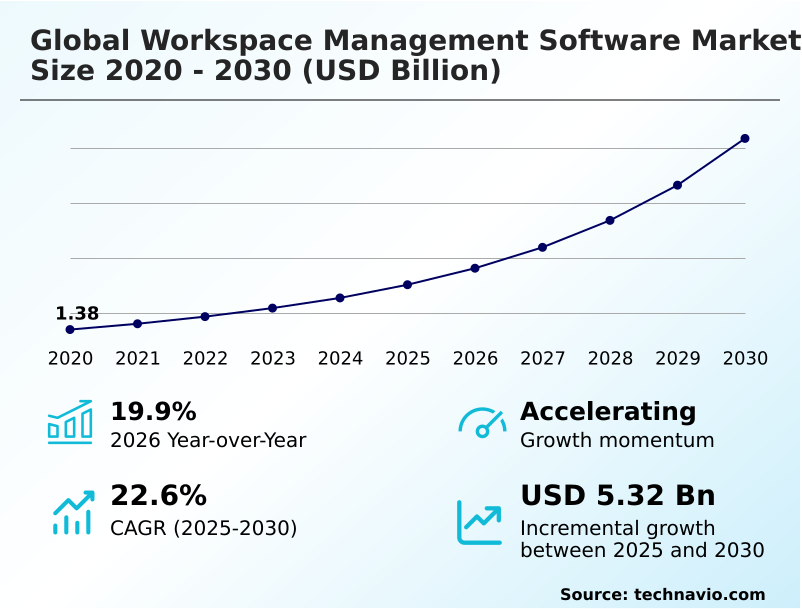
The workspace management software market size is valued to increase by USD 5.32 billion, at a CAGR of 22.6% from 2025 to 2030. Strategic convergence of sustainability and workspace optimization will drive the workspace management software market.
Major Market Trends & Insights
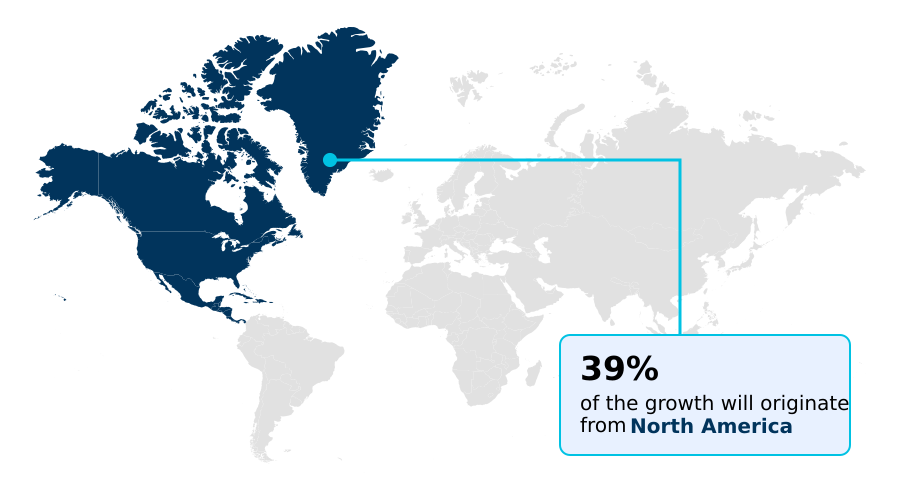
- North America dominated the market and accounted for a 39.3% growth during the forecast period.
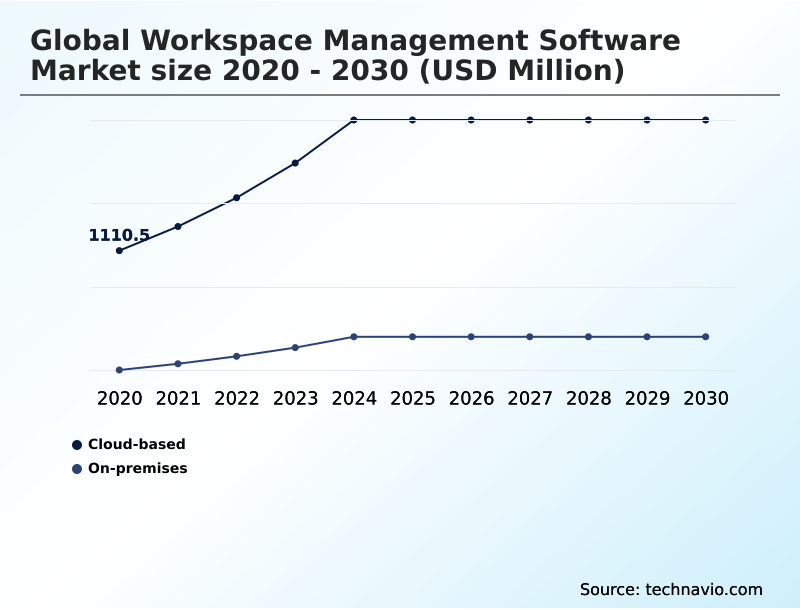
- By Deployment - Cloud-based segment was valued at USD 2.03 billion in 2024
- By Application - IT and telecom segment accounted for the largest market revenue share in 2024
Market Size & Forecast
- Market Opportunities: USD 6.95 billion
- Market Future Opportunities: USD 5.32 billion
- CAGR from 2025 to 2030 : 22.6%
Market Summary
- The workspace management software market is undergoing a fundamental transformation, moving far beyond simple administrative tools to become a strategic asset for corporate real estate. This evolution is propelled by the widespread adoption of hybrid work models, which demand intelligent, data-driven solutions for effective portfolio optimization.
- A key trend is the integration of agentic AI and predictive analytics, allowing for the automation of facility maintenance and dynamic scheduling. Concurrently, sustainability has become a major driver, compelling organizations to implement platforms capable of carbon footprint tracking through integration with building management systems (BMS) to monitor energy consumption metrics.
- For instance, a global enterprise can use a digital twin and scenario planning features to model the consolidation of three office floors into two. By analyzing historical utilization metrics and predicted attendance, the software enables a decision that reduces lease expenditures and energy use by over 20%, all without disrupting team workflows.
- However, challenges persist, particularly around the secure integration of these platforms with legacy systems and ensuring data privacy, which remain critical hurdles to seamless adoption.
What will be the Size of the Workspace Management Software Market during the forecast period?
Get Key Insights on Market Forecast (PDF) Request Free Sample
How is the Workspace Management Software Market Segmented?
The workspace management software industry research report provides comprehensive data (region-wise segment analysis), with forecasts and estimates in "USD million" for the period 2026-2030, as well as historical data from 2020-2024 for the following segments.
- Deployment
- Cloud-based
- On-premises
- Application
- IT and telecom
- Retail and e-commerce
- Healthcare
- Others
- Product
- Desktop software
- Web-based software
- Mobile applications
- Geography
- North America
- US
- Canada
- Mexico
- APAC
- China
- Japan
- India
- Europe
- Germany
- UK
- France
- South America
- Brazil
- Argentina
- Colombia
- Middle East and Africa
- South Africa
- Saudi Arabia
- UAE
- Rest of World (ROW)
- North America
By Deployment Insights
The cloud-based segment is estimated to witness significant growth during the forecast period.
The global workspace management software market is predominantly driven by cloud-based deployments, which have become the operational backbone for modern hybrid work models.
This segment's dominance is rooted in the inherent need for agility, scalability, and ubiquitous access provided by cloud-native architecture. Organizations leverage these platforms for everything from dynamic scheduling and resource booking to real-time analytics.
The ability to integrate seamlessly with a broader digital workplace ecosystem, including HRIS integration and calendar platforms, is a critical advantage. Such connectivity supports mobile-first interface strategies, allowing employees to manage their work life from anywhere.
Reflecting this market preference, cloud solutions now represent approximately 80% of new deployments, underscoring the shift away from rigid, on-premises systems toward more flexible, data-driven workplace optimization software.
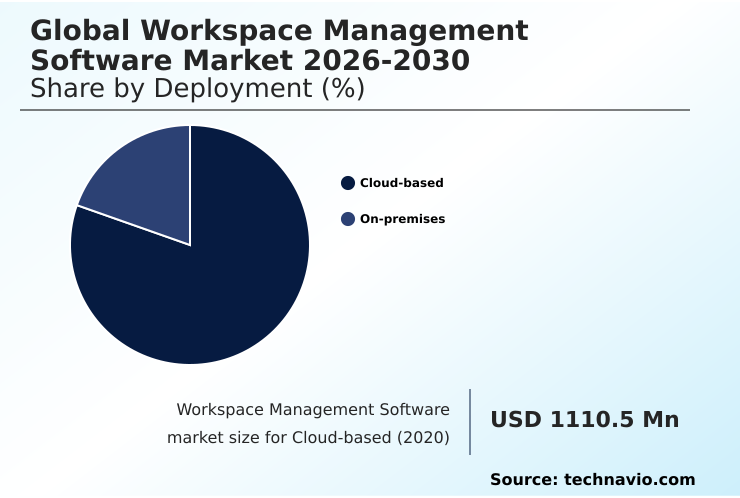
The Cloud-based segment was valued at USD 2.03 billion in 2024 and showed a gradual increase during the forecast period.
Regional Analysis
North America is estimated to contribute 39.3% to the growth of the global market during the forecast period.Technavio’s analysts have elaborately explained the regional trends and drivers that shape the market during the forecast period.
See How Workspace Management Software Market Demand is Rising in North America Request Free Sample
The geographic landscape of the workspace management software market is led by North America, which accounts for approximately 39.3% of the incremental growth, driven by a mature focus on portfolio optimization and compliance.
In contrast, the European market prioritizes sustainability, where integrated workplace management systems (IWMS) are essential for regulatory reporting, helping firms document carbon footprint reductions of up to 12%.
Organizations in North America are leveraging space utilization analytics for data-driven real estate consolidation, achieving savings of over 20%.
The APAC region, representing 25.18% of the market opportunity, is distinguished by its rapid adoption of mobile-first interface technologies and flexible office solutions, often bypassing legacy on-premises deployment models entirely.
This diverse regional focus shapes the development of workplace resource management and employee-centric workplace apps globally.
Market Dynamics
Our researchers analyzed the data with 2025 as the base year, along with the key drivers, trends, and challenges. A holistic analysis of drivers will help companies refine their marketing strategies to gain a competitive advantage.
- In today's corporate environment, understanding how to measure space utilization is fundamental for strategic decision-making. Executives are exploring the benefits of IWMS for enterprises, recognizing that software for corporate real estate is no longer optional. A key driver is the push toward ESG compliance, making workspace software for sustainability goals a boardroom priority.
- However, the challenges of integrating legacy systems remain a significant hurdle. A primary concern is data privacy in smart offices, especially given the role of software in RTO mandates. To address this, organizations evaluate options by asking how to best achieve integrating BMS with workspace software and leveraging AI for optimizing office space.
- The adoption of using IoT for occupancy tracking provides the granular data needed for predictive analytics for office usage, which is essential for automating facility management tasks. When selecting a platform, decision-makers weigh cloud vs on-premises workspace software, the necessity of seamless visitor management system integration, and protocols for secure desk booking for finance.
- This data-centric approach, which includes features like mobile wayfinding in a corporate campus and robust workspace software API integrations, yields analytics for portfolio optimization that are over 30% more accurate than previous manual methods. This improved accuracy in managing hybrid work is critical for success.
What are the key market drivers leading to the rise in the adoption of Workspace Management Software Industry?
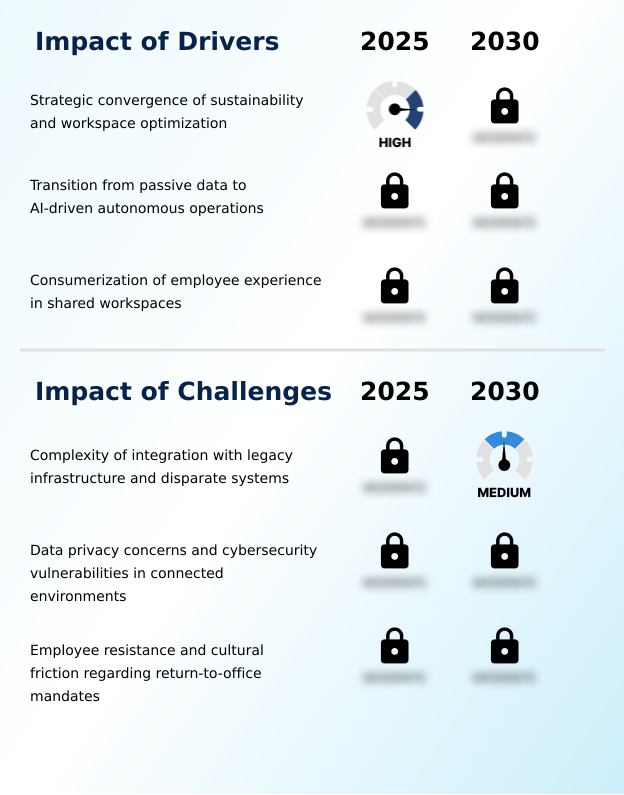
- A key market driver is the strategic convergence of corporate sustainability goals with the optimization of workspace utilization and energy consumption.
- The market's growth is fueled by three primary drivers.
- First, stringent sustainability mandates are compelling organizations to adopt sustainability reporting tools, with integrations between workspace software and building management systems (BMS) demonstrating the capacity to reduce energy waste by over 20% through dynamic scheduling.
- Second, the demand for operational efficiency is accelerating the adoption of predictive analytics and AI-driven facility management. Systems that automate cleaning and maintenance schedules based on real-time occupancy tracking data can lower associated labor costs by 10%.
- The third driver is the consumerization of the employee experience.
- Creating a frictionless, hospitality-like environment requires intuitive, mobile-first interface designs and robust workplace analytics platforms, with companies prioritizing this user-centric approach reporting a 50% higher adoption rate of their hybrid work models and associated hot-desking policies.
What are the market trends shaping the Workspace Management Software Industry?
- A significant market trend involves the shift away from static workplace management tools. This evolution favors intelligent systems that provide real-time optimization of spaces and resources.
- Key market trends are redefining workspace management beyond simple desk hoteling software. The foremost trend is the pivot to intelligent automation, where agentic AI moves beyond predictive analytics to autonomously manage facility services, improving operational response times by up to 30%. Secondly, platform consolidation is creating unified employee experience platforms.
- Integrated applications that combine room booking and visitor management with internal communication channels see 40% higher employee engagement compared to disparate, siloed tools. Finally, sustainability has become an inextricable trend, with integrated workplace management systems (IWMS) providing essential energy consumption metrics.
- These platforms enable organizations to achieve and document a 15% reduction in their building's carbon footprint, satisfying both corporate goals and regulatory demands for sustainability reporting through effective carbon footprint tracking and analysis of utilization metrics.
What challenges does the Workspace Management Software Industry face during its growth?
- A primary challenge affecting industry growth is the complexity of integrating modern workspace management software with legacy infrastructure and disparate enterprise systems.
- Significant challenges constrain the seamless adoption of workspace management software. The technical complexity of achieving deep HRIS integration with legacy building management systems (BMS) can severely delay projects, with deployment timelines often exceeding initial estimates by 40%.
- Cybersecurity and data privacy present another major hurdle, as the vast data collected for occupancy data analysis creates new vulnerabilities; security audits frequently reveal critical gaps in over 25% of initial setups. Lastly, cultural resistance to return-to-office tools perceived as surveillance undermines platform value.
- Employee engagement with such systems can plummet by as much as 60%, corrupting the quality of real-time analytics and rendering portfolio optimization efforts based on that data ineffective. This highlights the difficulty in balancing facility management automation with employee trust.
Exclusive Technavio Analysis on Customer Landscape
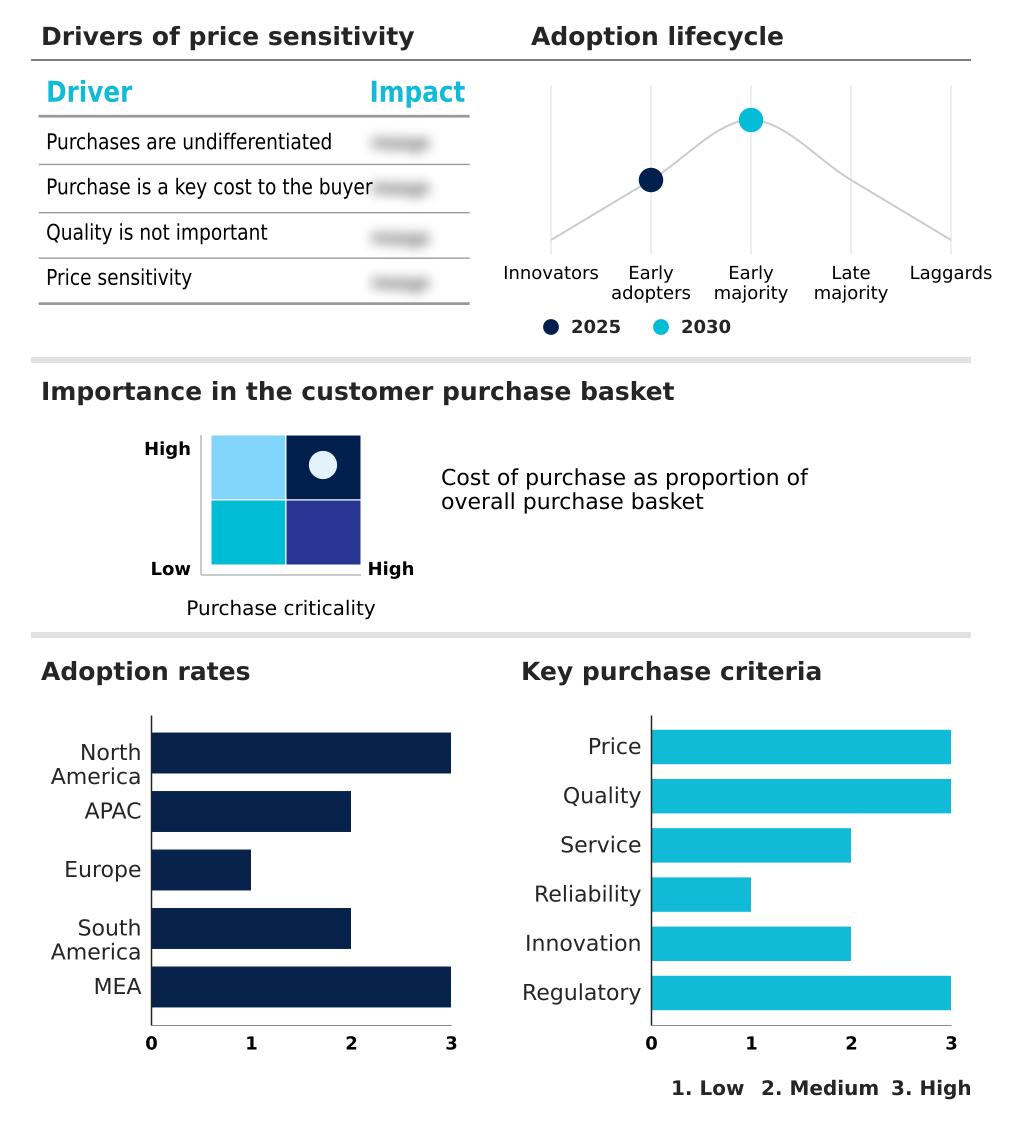
The workspace management software market forecasting report includes the adoption lifecycle of the market, covering from the innovator’s stage to the laggard’s stage. It focuses on adoption rates in different regions based on penetration. Furthermore, the workspace management software market report also includes key purchase criteria and drivers of price sensitivity to help companies evaluate and develop their market growth analysis strategies.
Customer Landscape of Workspace Management Software Industry
Competitive Landscape
Companies are implementing various strategies, such as strategic alliances, workspace management software market forecast, partnerships, mergers and acquisitions, geographical expansion, and product/service launches, to enhance their presence in the industry.
AgilQuest Corp. - Specializes in cloud-based desk, meeting room, and resource booking software, providing analytics to optimize flexible workplace utilization.
The industry research and growth report includes detailed analyses of the competitive landscape of the market and information about key companies, including:
- AgilQuest Corp.
- AppiXoft
- Asure Software Inc.
- Citrix Systems Inc.
- Condeco Group Ltd.
- FM Systems Group LLC
- IBM Corp.
- iOFFICE LP
- Ivanti Software Inc.
- Matrix42 GmbH
- MRI Software LLC
- Nemetschek SE
- NFS Technology Group
- OfficeSpace Software, Inc.
- Planon Group
- Ricoh Co. Ltd.
- Vega Technology Ltd.
- Yardi Systems Inc.
Qualitative and quantitative analysis of companies has been conducted to help clients understand the wider business environment as well as the strengths and weaknesses of key industry players. Data is qualitatively analyzed to categorize companies as pure play, category-focused, industry-focused, and diversified; it is quantitatively analyzed to categorize companies as dominant, leading, strong, tentative, and weak.
Recent Development and News in Workspace management software market
- In August 2024, ServiceNow enhanced its Workplace Service Delivery suite with the introduction of the Workplace Services Kiosk and Multi-building Scenario Planning tools to streamline visitor management and improve complex space planning.
- In October 2024, Eptura launched its unified work-tech platform, combining workplace experience and asset management with embedded AI and cross-platform data analytics to provide a single, holistic operational view.
- In January 2025, Spacebring rolled out a major platform update featuring advanced role-based digital interfaces engineered to deliver a tailored, hospitality-driven experience for both coworking space members and community managers.
- In September 2025, Appspace acquired Igloo Software, a provider of modern intranet solutions, to create a comprehensive platform that merges physical workplace management with digital employee communication and engagement channels.
Dive into Technavio’s robust research methodology, blending expert interviews, extensive data synthesis, and validated models for unparalleled Workspace Management Software Market insights. See full methodology.
| Market Scope | |
|---|---|
| Page number | 295 |
| Base year | 2025 |
| Historic period | 2020-2024 |
| Forecast period | 2026-2030 |
| Growth momentum & CAGR | Accelerate at a CAGR of 22.6% |
| Market growth 2026-2030 | USD 5316.6 million |
| Market structure | Fragmented |
| YoY growth 2025-2026(%) | 19.9% |
| Key countries | US, Canada, Mexico, China, Japan, India, South Korea, Australia, Indonesia, Germany, UK, France, Italy, Spain, The Netherlands, Brazil, Argentina, Colombia, South Africa, Saudi Arabia, UAE, Egypt and Turkey |
| Competitive landscape | Leading Companies, Market Positioning of Companies, Competitive Strategies, and Industry Risks |
Research Analyst Overview
- The workspace management software market has matured from basic desk booking and room booking tools into sophisticated, intelligence-driven ecosystems. Modern platforms offer comprehensive visitor management, detailed occupancy tracking, and dynamic space planning capabilities. This shift is powered by the integration of agentic AI and predictive analytics, which transform static utilization metrics into actionable strategies for portfolio optimization.
- A core component of this evolution is the digital twin, which provides a virtual replica of the physical environment for advanced scenario planning. For boardroom-level consideration, the strategic value lies in connecting facility operations to financial and sustainability goals. Integrated workplace management systems (IWMS) now deliver crucial sustainability reporting, enabling carbon footprint tracking and analysis of energy consumption metrics.
- The convergence of these systems with building management systems (BMS) and physical access control is paramount. Furthermore, deep HRIS integration ensures that resource scheduling and facility maintenance are aligned with personnel data.
- Platforms that effectively unify these functions, including asset management and a mobile-first interface with wayfinding technology, have demonstrated a 40% reduction in unauthorized access incidents, underscoring their critical role in both security and operational efficiency for organizations embracing hybrid work models and activity-based working.
What are the Key Data Covered in this Workspace Management Software Market Research and Growth Report?
-
What is the expected growth of the Workspace Management Software Market between 2026 and 2030?
-
USD 5.32 billion, at a CAGR of 22.6%
-
-
What segmentation does the market report cover?
-
The report is segmented by Deployment (Cloud-based, and On-premises), Application (IT and telecom, Retail and e-commerce, Healthcare, and Others), Product (Desktop software, Web-based software, and Mobile applications) and Geography (North America, APAC, Europe, South America, Middle East and Africa)
-
-
Which regions are analyzed in the report?
-
North America, APAC, Europe, South America and Middle East and Africa
-
-
What are the key growth drivers and market challenges?
-
Strategic convergence of sustainability and workspace optimization, Complexity of integration with legacy infrastructure and disparate systems
-
-
Who are the major players in the Workspace Management Software Market?
-
AgilQuest Corp., AppiXoft, Asure Software Inc., Citrix Systems Inc., Condeco Group Ltd., FM Systems Group LLC, IBM Corp., iOFFICE LP, Ivanti Software Inc., Matrix42 GmbH, MRI Software LLC, Nemetschek SE, NFS Technology Group, OfficeSpace Software, Inc., Planon Group, Ricoh Co. Ltd., Vega Technology Ltd. and Yardi Systems Inc.
-
Market Research Insights
- The market is shifting from standalone applications to a comprehensive digital workplace ecosystem, where workspace optimization software acts as a central hub. The implementation of AI-driven facility management has proven to reduce energy expenses by up to 18% by dynamically adjusting building systems based on real-time occupancy data analysis.
- Furthermore, organizations deploying return-to-office tools integrated with employee engagement tools report a 25% higher adoption rate of hybrid work policies compared to those using basic scheduling systems. The emphasis is evolving from simple desk hoteling software to sophisticated platforms that enhance the employee-centric workplace experience.
- This focus on user experience and automation is demonstrated by a 15% reduction in facility service requests, achieved through advanced facility management automation, showcasing a tangible return on investment beyond just space utilization.
We can help! Our analysts can customize this workspace management software market research report to meet your requirements.