



Vitamin D3 Market Size 2026-2030
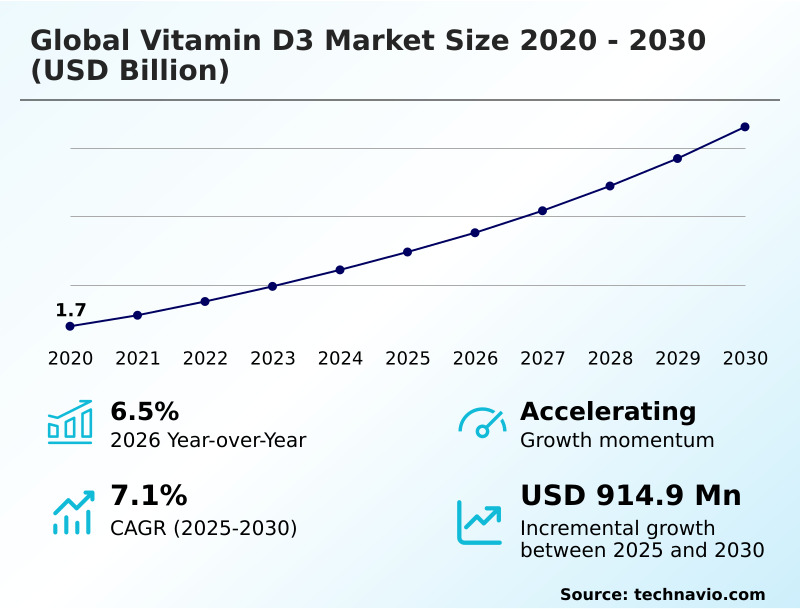
The vitamin d3 market size is valued to increase by USD 914.9 million, at a CAGR of 7.1% from 2025 to 2030. Rising demand for plant-based and sustainable nutritional solutions will drive the vitamin d3 market.
Major Market Trends & Insights
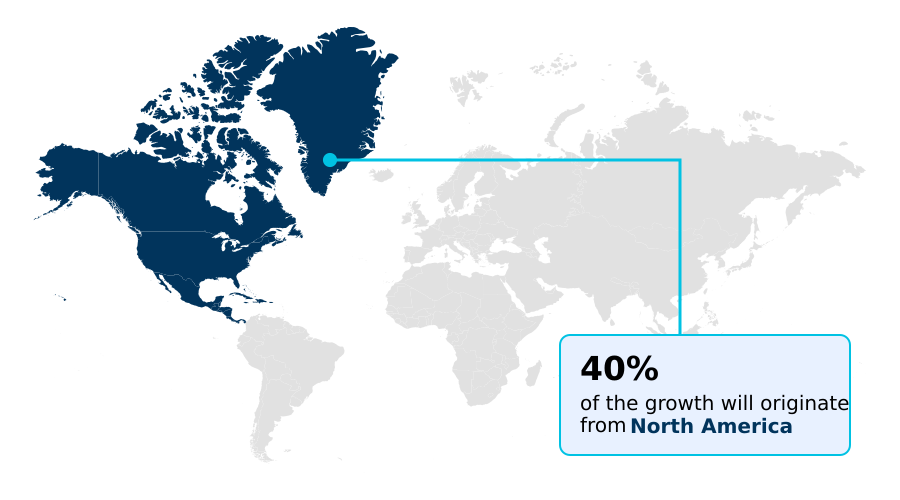
- North America dominated the market and accounted for a 40.1% growth during the forecast period.
- By Application - Functional nutritions segment was valued at USD 973.9 million in 2024
- By Formulation - Powder segment accounted for the largest market revenue share in 2024
Market Size & Forecast
- Market Opportunities: USD 1.46 billion
- Market Future Opportunities: USD 914.9 million
- CAGR from 2025 to 2030 : 7.1%
Market Summary
- The Vitamin D3 Market is experiencing significant evolution, driven by heightened consumer awareness of its role in immune function and bone health, alongside a robust demand from the animal nutrition sector.
- A prominent trend reshaping the industry is the shift away from traditional lanolin-derived cholecalciferol toward plant-based alternatives, such as those derived from algae or lichen, to meet the needs of the growing vegan population. This has created a competitive dynamic where innovation in cholecalciferol synthesis and sourcing is paramount.
- For instance, a dietary supplement company looking to capture this market segment must re-evaluate its entire supply chain, from sourcing raw materials to ensuring its vitamin d3 delivery systems are compliant with vegan standards. This involves significant investment in R&D for stable, high-potency formulations that match the bioavailability of traditional sources.
- Concurrently, the industry grapples with challenges like navigating disparate international regulations on dosage limits and health claims, which complicates global product launches and marketing strategies. The development of advanced metabolites like calcifediol further diversifies the market, offering enhanced efficacy for specific clinical and agricultural applications, thereby pushing the boundaries of nutritional science and product development.
What will be the Size of the Vitamin D3 Market during the forecast period?
Get Key Insights on Market Forecast (PDF) Request Free Sample
How is the Vitamin D3 Market Segmented?
The vitamin d3 industry research report provides comprehensive data (region-wise segment analysis), with forecasts and estimates in "USD million" for the period 2026-2030, as well as historical data from 2020-2024 for the following segments.
- Application
- Functional nutritions
- Pharma
- Others
- Formulation
- Powder
- Crystal
- Oil
- Others
- Grade type
- Food
- Feed
- Geography
- North America
- US
- Canada
- Mexico
- Europe
- Germany
- France
- UK
- Asia
- Rest of World (ROW)
- North America
By Application Insights
The functional nutritions segment is estimated to witness significant growth during the forecast period.
The functional nutrition segment is expanding, driven by a paradigm shift toward preventative health and wellness. This sector is moving beyond traditional vitamin d3 supplementation to include a wide array of vitamin d3 in functional foods and beverages.
A key factor is the growing consumer preference for ethically sourced ingredients, which has increased demand for vegan vitamin d3 from non-animal vitamin d3 sources.
Manufacturers are innovating with vitamin d3 premixes and stabilized vitamin d3 formulations to meet evolving consumer needs.
This innovation in plant-derived cholecalciferol solutions allows companies to cater to a demographic that scrutinizes product origins, with market expansion in this area outpacing other segments by nearly 7%.
This push for lanolin-free vitamin d3 highlights a broader industry alignment with sustainability and clean-label ideologies.
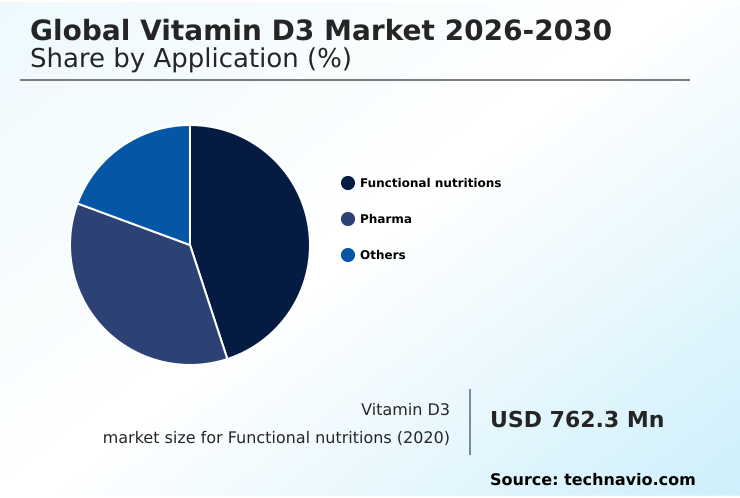
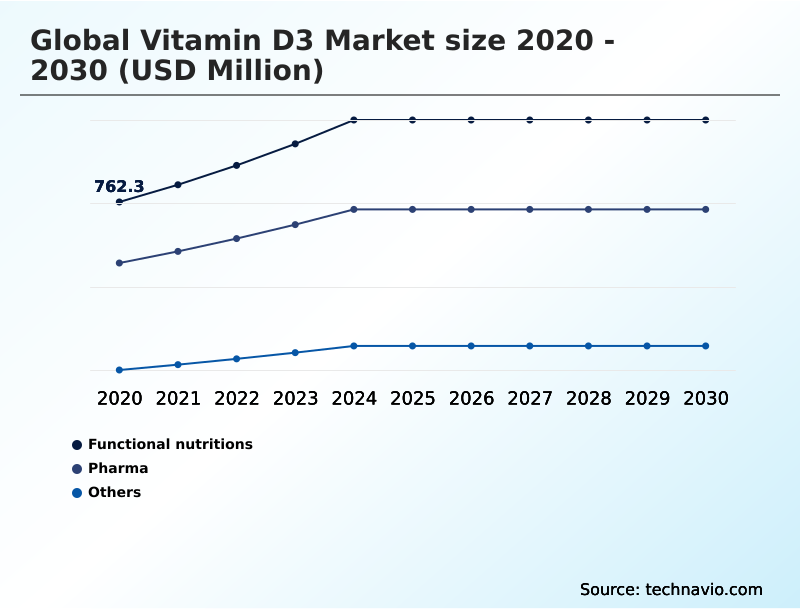
The Functional nutritions segment was valued at USD 973.9 million in 2024 and showed a gradual increase during the forecast period.
Regional Analysis
North America is estimated to contribute 40.1% to the growth of the global market during the forecast period.Technavio’s analysts have elaborately explained the regional trends and drivers that shape the market during the forecast period.
See How Vitamin D3 Market Demand is Rising in North America Request Free Sample
The geographic landscape of the market is diversifying, with different regions exhibiting unique growth drivers and market characteristics.
While North America remains a mature market focused on high-potency vitamin d3 and vitamin d3 for immune support, Asia is emerging as the fastest-growing region, with growth outpacing Europe by 1.5 percentage points.
This expansion is fueled by rising disposable incomes and government-led vitamin d3 fortification programs. In these developing markets, the adoption of vitamin d3 in animal nutrition is critical.
Innovations in microencapsulation have enabled feed manufacturers to improve vitamin d3 stability in processing, reducing overage requirements by up to 15%.
This technical advancement in creating stabilized vitamin d3 formulations supports the large-scale poultry and livestock industries, which are essential for regional food security.
The focus on vitamin d3 quality standards and clinical applications of vitamin d3 is becoming globally harmonized, supporting trade and market expansion.
Market Dynamics
Our researchers analyzed the data with 2025 as the base year, along with the key drivers, trends, and challenges. A holistic analysis of drivers will help companies refine their marketing strategies to gain a competitive advantage.
- The global vitamin D3 market is undergoing a strategic transformation driven by a convergence of consumer, regulatory, and technological factors. A primary catalyst is the rising consumer demand for vegan vitamin d3, which has accelerated research into sourcing sustainable vitamin d3 alternatives to move away from the challenges in lanolin-based vitamin d3 supply.
- Companies are now heavily investing in plant-based vitamin d3 for supplements, using sources like algae and lichen. This shift is not just about ethics; it's a strategic move to de-risk supply chains. For instance, businesses that have transitioned to plant-based sources have improved their raw material forecast accuracy by over 10% compared to those reliant on the volatile wool-grease market.
- Simultaneously, there is a strong push towards value-added formulations. The development of high-potency vitamin d3 for pharmaceuticals and the clinical use of hydroxylated vitamin d3 are expanding the therapeutic applications.
- In animal feed, understanding the benefits of calcifediol in aquaculture and using specific vitamin d3 formulations for animal feed, such as those addressing vitamin d3 for poultry skeletal health, are becoming industry standards. Furthermore, the role of vitamin d3 in immune health remains a key driver for its inclusion in functional nutrition products.
- Addressing consumer misinformation on vitamin d3 dosage through clear labeling is another critical area of focus. These multifaceted key drivers for vitamin d3 market underscore a dynamic industry focused on innovation and sustainability.
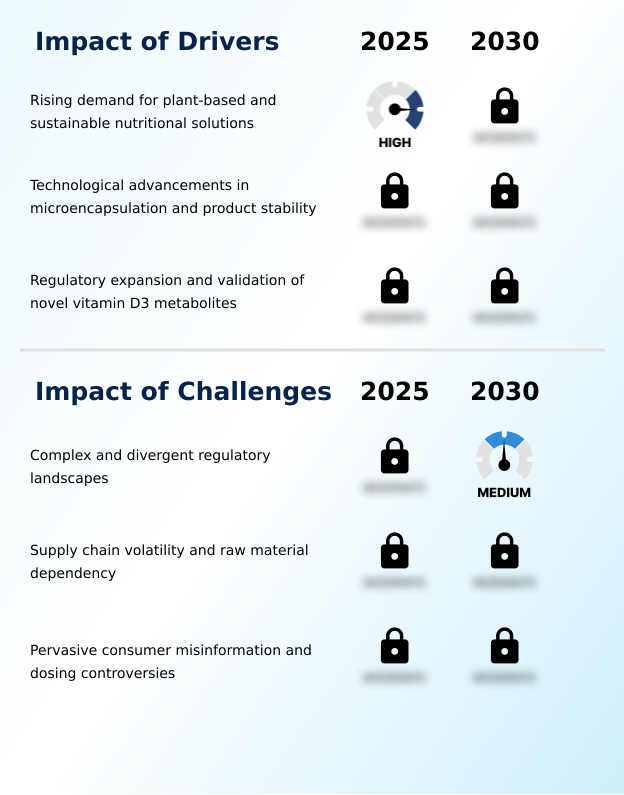
What are the key market drivers leading to the rise in the adoption of Vitamin D3 Industry?
- The rising demand for plant-based and sustainable nutritional solutions is a key driver fueling market growth and innovation.
- Market growth is significantly propelled by technological advancements in formulation and an evolving regulatory environment. The continuous innovation in cholecalciferol synthesis and delivery technologies, such as advanced microencapsulation, is a critical driver.
- This technology enhances vitamin d3 stability in fortified foods and feed, preserving potency and reducing manufacturing waste by up to 10%. Another major driver is the increasing regulatory acceptance of novel vitamin d3 forms.
- For instance, recent approvals for the use of 25-hydroxyvitamin d3 in new applications like aquaculture have unlocked substantial revenue streams, with market access expanding into previously untapped segments.
- This validation from health authorities encourages further investment in research for high-efficacy vitamin d3 raw materials, such as crystalline vitamin d3, which serves as the foundation for high-purity vitamin d3 crystals used in pharmaceutical and nutraceutical products.
What are the market trends shaping the Vitamin D3 Industry?
- The proliferation of vegan and sustainable alternatives is a key trend shaping the market. This shift reflects growing consumer demand for ethically sourced and plant-based nutritional solutions.
- The market is undergoing a significant transformation as consumer preferences steer toward ethical and specialized nutritional solutions. A primary trend is the rapid proliferation of vegan cholecalciferol sources, with products derived from lichen and algae gaining market share from traditional lanolin. This addresses a growing demand for plant-based and hypoallergenic vitamin d3 options.
- The adoption of these alternatives has been swift, with some brands seeing a 30% increase in engagement after launching certified vegan lines. Another key development is the expansion of advanced vitamin d3 metabolites, particularly for clinical applications and high-performance vitamin d3 in animal feed. These advanced formulations offer superior bioavailability, improving nutrient uptake by over 20% in certain animal studies.
- Furthermore, the market is seeing a rise in oil-based vitamin d3 preparations and complex vitamin d3 dosage forms designed for specific demographics like pediatric and geriatric populations.
What challenges does the Vitamin D3 Industry face during its growth?
- Complex and divergent regulatory landscapes present a significant challenge affecting the industry's growth trajectory and global market access.
- The market faces considerable headwinds from a fragmented regulatory landscape and inherent supply chain vulnerabilities. Navigating the complex and often divergent international rules governing vitamin d3 fortification, dosage, and health claims presents a major hurdle. Companies report that compliance-related reformulations for different regions can increase product development costs by over 15%.
- A more pressing challenge is the industry's reliance on lanolin, a byproduct of wool, for cholecalciferol production. This dependency creates significant vitamin d3 supply chain risks, as evidenced by price spikes of over 40% following agricultural disruptions in key wool-producing regions.
- This volatility underscores the strategic need for sustainable vitamin d3 production and investment in alternative plant-based sources to ensure long-term market stability and mitigate reliance on a single, fluctuating commodity.
Exclusive Technavio Analysis on Customer Landscape
The vitamin d3 market forecasting report includes the adoption lifecycle of the market, covering from the innovator’s stage to the laggard’s stage. It focuses on adoption rates in different regions based on penetration. Furthermore, the vitamin d3 market report also includes key purchase criteria and drivers of price sensitivity to help companies evaluate and develop their market growth analysis strategies.
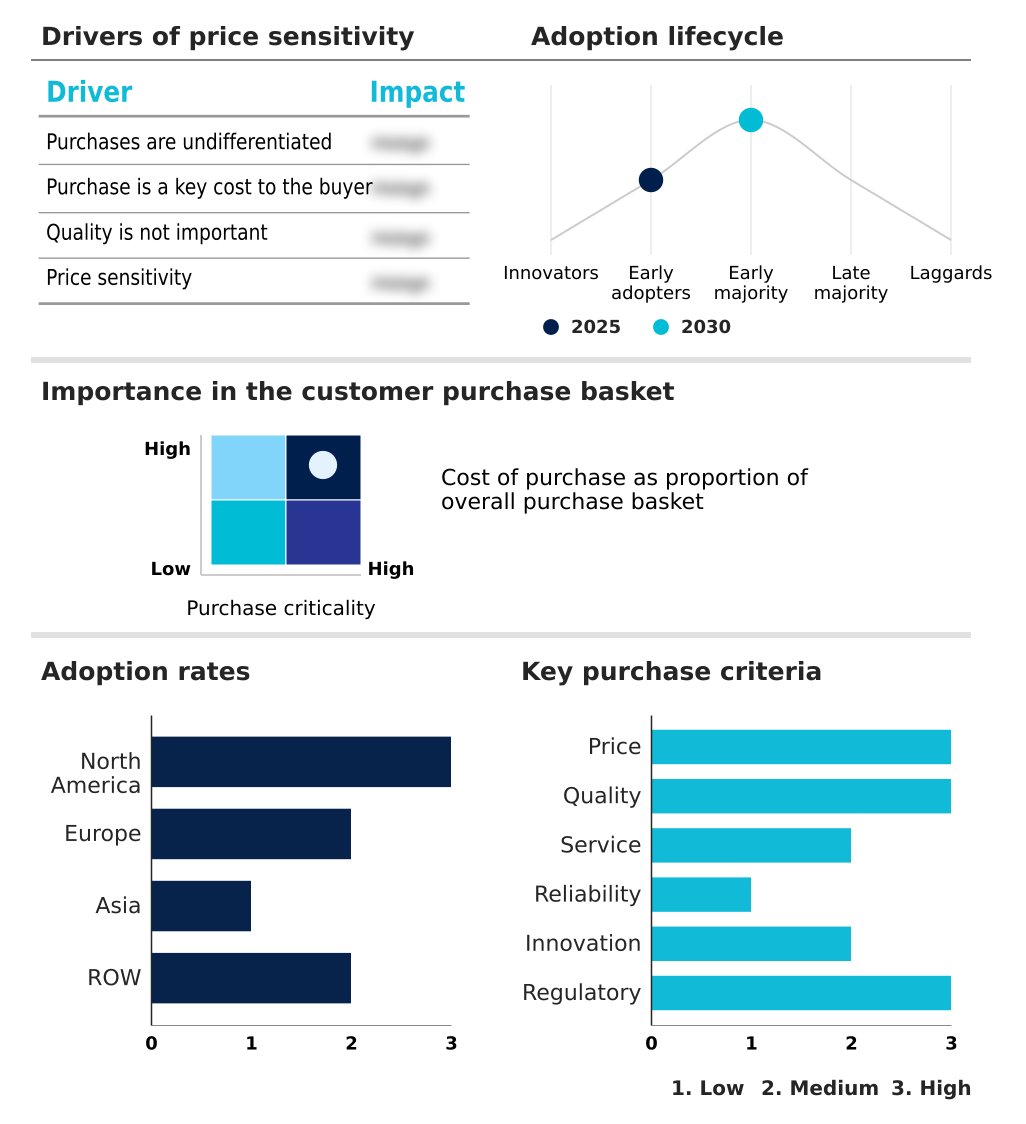
Customer Landscape of Vitamin D3 Industry
Competitive Landscape
Companies are implementing various strategies, such as strategic alliances, vitamin d3 market forecast, partnerships, mergers and acquisitions, geographical expansion, and product/service launches, to enhance their presence in the industry.
BASF SE - Key vendors provide specialized cholecalciferol ingredients and premix solutions, serving the food, feed, and pharmaceutical sectors with high-performance and stabilized formulations for diverse applications.
The industry research and growth report includes detailed analyses of the competitive landscape of the market and information about key companies, including:
- BASF SE
- BioTech Pharmacal Inc.
- DSM Firmenich AG
- Innobio Corp. Ltd.
- Lycored Corp.
- Makers Nutrition LLC
- Nordic Naturals Inc.
- NOW Health Group Inc.
- Nutriearth
- Pharma Nord Inc.
- Pharmavite LLC
- Pure Encapsulations LLC
- Sports Research Corp.
- Thorne HealthTech Inc.
- Vitaweishi
- Xiamen Kingdomway Group Co.
- Zhejiang Medicine Co. Ltd.
- Zhejiang NHU Co. Ltd.
Qualitative and quantitative analysis of companies has been conducted to help clients understand the wider business environment as well as the strengths and weaknesses of key industry players. Data is qualitatively analyzed to categorize companies as pure play, category-focused, industry-focused, and diversified; it is quantitatively analyzed to categorize companies as dominant, leading, strong, tentative, and weak.
Recent Development and News in Vitamin d3 market
- In October 2024, BASF SE introduced Lutavit A/D3 1000/200 NXT, a next-generation microencapsulated product combining vitamins A and D3 for enhanced stability and convenience in animal feed applications.
- In December 2024, dsm-firmenich AG secured authorization from the European Union for its vitamin D3 metabolite, Hy-D, for use in all animal species, significantly expanding its application into new sectors like aquaculture.
- In March 2025, Fermenta Biotech Limited launched VITADEE Green, a completely plant-derived vitamin D3 in pharmacopeial-grade powder and oil formats, targeting the growing vegan and sustainable ingredient markets.
- In May 2025, the Central Drugs Standard Control Organisation (CDSCO) in India initiated a review of a proposal for a high-dose (600,000 IU) cholecalciferol aqueous injection, signaling a focus on potent therapeutic options for severe deficiencies.
Dive into Technavio’s robust research methodology, blending expert interviews, extensive data synthesis, and validated models for unparalleled Vitamin D3 Market insights. See full methodology.
| Market Scope | |
|---|---|
| Page number | 286 |
| Base year | 2025 |
| Historic period | 2020-2024 |
| Forecast period | 2026-2030 |
| Growth momentum & CAGR | Accelerate at a CAGR of 7.1% |
| Market growth 2026-2030 | USD 914.9 million |
| Market structure | Fragmented |
| YoY growth 2025-2026(%) | 6.5% |
| Key countries | US, Canada, Mexico, Germany, France, UK, Italy, Spain, The Netherlands, China, India, Japan, South Korea, Singapore, Indonesia, Brazil, Saudi Arabia, Argentina, UAE, South Africa, Colombia, Turkey and Egypt |
| Competitive landscape | Leading Companies, Market Positioning of Companies, Competitive Strategies, and Industry Risks |
Research Analyst Overview
- The Vitamin D3 market is defined by a consistent drive toward specialization and enhanced efficacy, moving well beyond its foundational role in bone health. A significant industry pivot involves the commercialization of various vitamin d3 metabolites and hydroxylated vitamin d3 forms, such as calcifediol, which offer superior vitamin d3 bioavailability.
- This shift toward advanced nutritional science is evident in both human and animal applications, with food-grade vitamin d3 and feed-grade vitamin d3 being formulated for specific outcomes. For boardroom consideration, the strategic decision to invest in R&D for algae-based vitamin d3 versus lichen-based vitamin d3 directly impacts long-term supply chain stability and brand positioning around sustainability.
- Companies are leveraging diverse vitamin d3 delivery systems, including water-dispersible vitamin d3 and pharmacopeial-grade powder, to penetrate new product categories. Firms utilizing advanced vitamin d3 raw materials and vitamin d3 encapsulation techniques in animal nutrition have reported a 5% improvement in feed conversion ratios.
- The focus on high-potency vitamin d3 for applications in pharmaceuticals and the broader push for vitamin d3 supplementation underscore the market's robust and evolving nature.
What are the Key Data Covered in this Vitamin D3 Market Research and Growth Report?
-
What is the expected growth of the Vitamin D3 Market between 2026 and 2030?
-
USD 914.9 million, at a CAGR of 7.1%
-
-
What segmentation does the market report cover?
-
The report is segmented by Application (Functional nutritions, Pharma, and Others), Formulation (Powder, Crystal, Oil, and Others), Grade Type (Food, and Feed) and Geography (North America, Europe, Asia, Rest of World (ROW))
-
-
Which regions are analyzed in the report?
-
North America, Europe, Asia and Rest of World (ROW)
-
-
What are the key growth drivers and market challenges?
-
Rising demand for plant-based and sustainable nutritional solutions, Complex and divergent regulatory landscapes
-
-
Who are the major players in the Vitamin D3 Market?
-
BASF SE, BioTech Pharmacal Inc., DSM Firmenich AG, Innobio Corp. Ltd., Lycored Corp., Makers Nutrition LLC, Nordic Naturals Inc., NOW Health Group Inc., Nutriearth, Pharma Nord Inc., Pharmavite LLC, Pure Encapsulations LLC, Sports Research Corp., Thorne HealthTech Inc., Vitaweishi, Xiamen Kingdomway Group Co., Zhejiang Medicine Co. Ltd. and Zhejiang NHU Co. Ltd.
-
Market Research Insights
- The market is shaped by a dynamic interplay of scientific innovation and shifting consumer values, creating a competitive landscape where product differentiation is key. Demand for sustainable vitamin d3 production and plant-derived cholecalciferol solutions is compelling manufacturers to invest in novel sourcing and advanced formulations.
- For example, firms that have adopted advanced vitamin d3 metabolites report a 25% higher rate of bioavailability compared to standard supplements. Concurrently, the rise of plant-based dairy alternatives has become a significant growth area, with fortified products seeing a 15% higher adoption rate than their non-fortified counterparts.
- This focus on value-added products, including hypoallergenic vitamin d3 and specialized vitamin d3 dosage forms, allows companies to address niche segments like vitamin d3 for pediatric use and vitamin d3 for geriatric nutrition, thereby securing a stronger market position.
We can help! Our analysts can customize this vitamin d3 market research report to meet your requirements.
 RIA -
RIA -