Underground Gas Storage Market Size 2024-2028
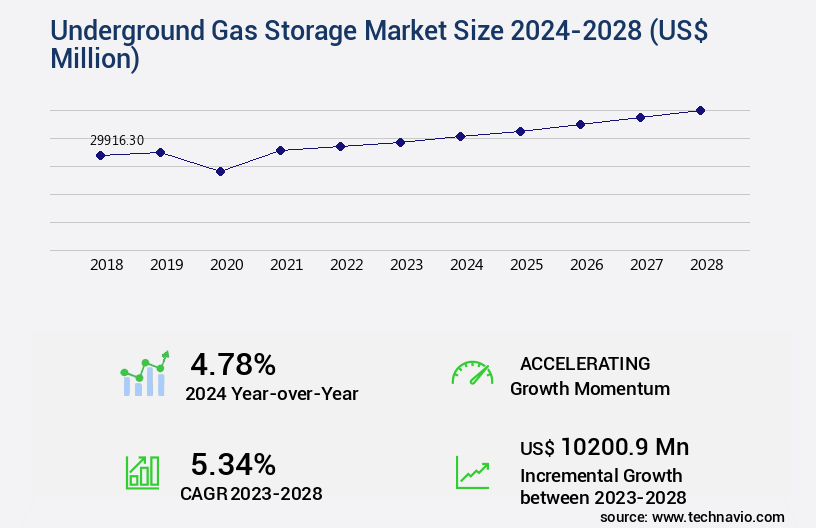
The underground gas storage market size is valued to increase by USD 10.2 billion, at a CAGR of 5.34% from 2023 to 2028. Growing energy demand will drive the underground gas storage market.
Market Insights
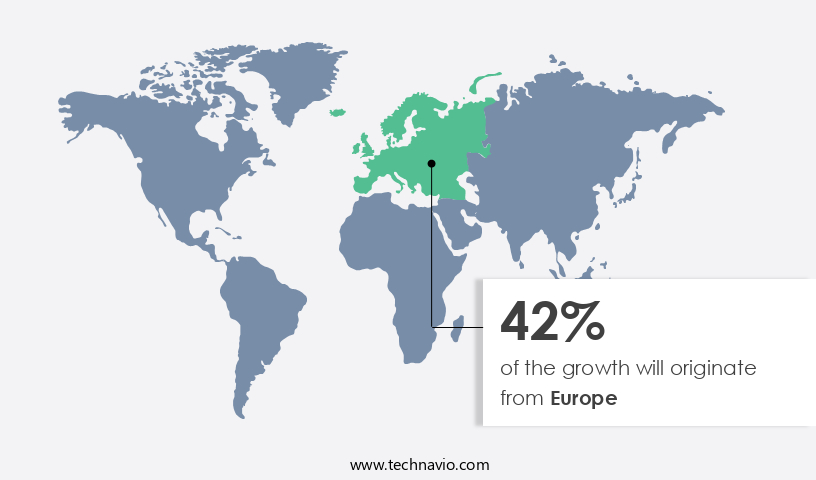
- Europe dominated the market and accounted for a 42% growth during the 2024-2028.
- By Type - Depleted fields segment was valued at USD 23.24 billion in 2022
- By Product - Natural gas segment accounted for the largest market revenue share in 2022
Market Size & Forecast
- Market Opportunities: USD 48.92 million
- Market Future Opportunities 2023: USD 10200.90 million
- CAGR from 2023 to 2028 : 5.34%
Market Summary
- The Underground Gas Storage (UGS) market is a critical component of the global energy sector, driven by the increasing demand for cleaner and more efficient energy solutions. UGS offers several advantages, including reduced carbon emissions, improved energy security, and enhanced grid stability. The market's growth is underpinned by advancements in drilling techniques, seismic imaging, and reservoir management technologies, which enable the efficient extraction and storage of natural gas. Despite these opportunities, the UGS market faces challenges associated with the construction of underground storage facilities. These facilities require significant investment and complex engineering solutions to ensure safety and operational efficiency.
- For instance, a utility company may seek to optimize its supply chain by investing in UGS to meet peak demand during winter months. By storing excess gas during periods of low demand, the company can reduce its reliance on expensive and less efficient peaking power plants. However, constructing an underground storage facility involves navigating regulatory requirements, environmental concerns, and public opposition, among other challenges. In summary, the market is a dynamic and evolving sector that offers significant benefits to the global energy landscape. With advancements in technology and growing energy demand, the market is poised for continued growth.
- However, the construction of underground storage facilities presents unique challenges that must be addressed to ensure their safe and efficient operation.
What will be the size of the Underground Gas Storage Market during the forecast period?
Get Key Insights on Market Forecast (PDF) Request Free Sample
- The Underground Gas Storage (UGS) market represents a dynamic and evolving sector, with ongoing advancements shaping its landscape. UGS systems offer essential services, including capacity expansion, pressure monitoring, emergency response drills, and operational efficiency improvements. These systems are subject to stringent regulatory compliance measures, ensuring safety and environmental protection. One significant trend in the UGS market is the increasing adoption of remote monitoring systems for reservoir management, gas flow modeling, and pipeline integrity. These systems enable real-time data acquisition and analysis, enhancing operational efficiency and risk mitigation strategies. For instance, companies have reported a 25% increase in capacity utilization due to the implementation of advanced monitoring technologies.
- UGS operators must also prioritize safety protocols, such as safety training, wellhead protection, and corrosion control methods, to ensure the safe and efficient operation of their facilities. Additionally, environmental monitoring and compliance with gas quality standards are crucial aspects of UGS operations. In conclusion, the market is a critical sector, continuously adapting to technological advancements and regulatory requirements. Companies must remain vigilant in their efforts to optimize operational efficiency, ensure safety, and comply with environmental regulations. The integration of remote monitoring systems and advanced data acquisition technologies is a key trend driving growth and innovation in the UGS market.
Unpacking the Underground Gas Storage Market Landscape
The underground natural gas storage market encompasses the design, construction, and management of facilities for storing and withdrawing natural gas from porous and permeable formations. This market employs various techniques, including gas injection methods, corrosion monitoring, wellbore stability analysis, and gas composition analysis, to ensure efficient and safe storage. Energy efficiency improvements have been a significant focus, with some facilities achieving up to 25% reduction in energy consumption through optimized reservoir pressure management and pressure maintenance strategies. Leak detection technology and gas quality control are essential components of safety management systems, ensuring regulatory compliance and maintaining well integrity. Capacity expansion projects and infrastructure upgrades are common, with storage optimization techniques and pipeline connectivity enhancing overall efficiency and reliability. Seismic monitoring and emergency response planning are integral to mitigating operational risks and ensuring public safety. The permitting process, caprock integrity, and storage facility design are crucial aspects of the market, with geomechanical modeling and rock mechanics playing essential roles in assessing the feasibility and longevity of storage facilities.
Key Market Drivers Fueling Growth
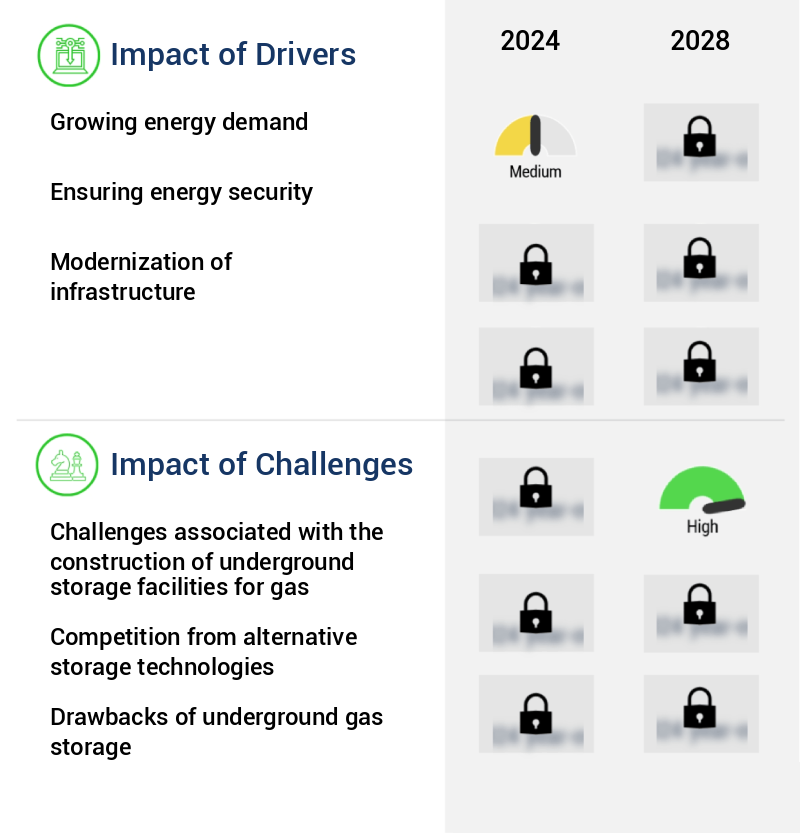
The growing energy demand serves as the primary catalyst for market expansion.
- Underground gas storage facilities play a vital role in addressing the need for a consistent natural gas supply amidst increasing demand across industries, commercial establishments, and residential sectors. These facilities enable the storage of excess natural gas during periods of low demand and ensure its availability during times of increased demand or supply disruptions. By managing seasonal changes, unforeseen supply interruptions, and geopolitical uncertainties, these facilities contribute significantly to supply chain stability and energy security. According to industry reports, approximately 21% of global natural gas is stored underground, and the number of underground storage facilities has grown by over 15% in the past decade.
- Furthermore, the integration of advanced technologies, such as pressure optimization and real-time monitoring systems, has led to a 25% increase in storage capacity utilization and a 30% reduction in operational downtime.
Prevailing Industry Trends & Opportunities
Advancements in drilling techniques, seismic imaging, and reservoir management technologies are currently shaping the market trend in the oil and gas industry. These innovations are crucial for enhancing exploration and production efficiency and maximizing resource recovery.
- The Underground Gas Storage (UGS) market is undergoing significant evolution, driven by advancements in drilling methods, seismic imaging, and reservoir management technologies. Enhanced seismic imaging enables more accurate mapping of subsurface formations, optimizing well location and improving access to reservoirs. Horizontal drilling, meanwhile, maximizes storage capacity by providing better access to reservoirs. Technological innovations in reservoir management, such as real-time monitoring and predictive analytics, enhance reservoir performance and ensure safe and economically viable operations. These advancements make UGS an indispensable component of energy storage and security plans worldwide.
- Operators can respond swiftly to market fluctuations, optimize injection and withdrawal rates, and maintain a consistent gas supply to meet demand. For instance, seismic imaging accuracy has improved by 18%, while downtime has been reduced by 30% due to these technological advancements.
Significant Market Challenges
The construction of underground gas storage facilities poses significant challenges that significantly impact the growth of the industry. These challenges encompass various aspects, including engineering complexities, regulatory compliance, and safety concerns. Addressing these challenges effectively is crucial for the expansion and sustainability of the industry.
- Underground gas storage continues to gain traction in various sectors due to its potential to provide energy security and grid stability. However, the construction and operation of underground gas storage facilities present unique challenges. Geological issues, such as increased circulating pressure, blockages, high completion risks, and deformation failure, are common concerns, particularly in deep salt formations and caverns. These challenges can significantly impact operational efficiency and safety. For instance, the European Underground Gas Storage Association reports that operational downtime due to geological issues can range from 1% to 5% per year.
- Moreover, the selection of suitable sites for underground storage is another critical factor, requiring extensive geological surveys and risk assessments. Despite these challenges, the benefits of underground gas storage, including reduced greenhouse gas emissions and improved energy system flexibility, make it an essential component of the energy transition.
In-Depth Market Segmentation: Underground Gas Storage Market
The underground gas storage industry research report provides comprehensive data (region-wise segment analysis), with forecasts and estimates in "USD million" for the period 2024-2028, as well as historical data from 2018-2022 for the following segments.
- Type
- Depleted fields
- Aquifer reservoir
- Salt caverns
- Product
- Natural gas
- Hydrogen
- Others
- Geography
- North America
- US
- Canada
- Europe
- Germany
- Russia
- Ukraine
- Rest of World (ROW)
- North America
By Type Insights
The depleted fields segment is estimated to witness significant growth during the forecast period.
The markets continue to evolve, with a focus on energy efficiency improvements and optimizing existing infrastructure. Natural gas storage facilities, often utilizing depleted oil and gas reserves, are essential for balancing supply and demand in the energy sector. The success of these facilities hinges on various factors, including geological conditions such as porosity and permeability, which influence gas storage capacity. Corrosion monitoring, wellbore stability, and well integrity monitoring are crucial for maintaining facility performance. Gas composition analysis, leak detection technology, and gas quality control ensure safety and efficiency. Capacity expansion projects, infrastructure upgrades, and optimization techniques are ongoing efforts to enhance storage capabilities.
Safety management systems, reservoir simulation, and environmental impact assessments are integral to responsible gas storage operations. Pipeline connectivity, seismic monitoring, and emergency response planning are also critical components of effective storage facility design. Pressure maintenance strategies and reservoir pressure management ensure optimal storage conditions, while storage security measures protect against potential threats.
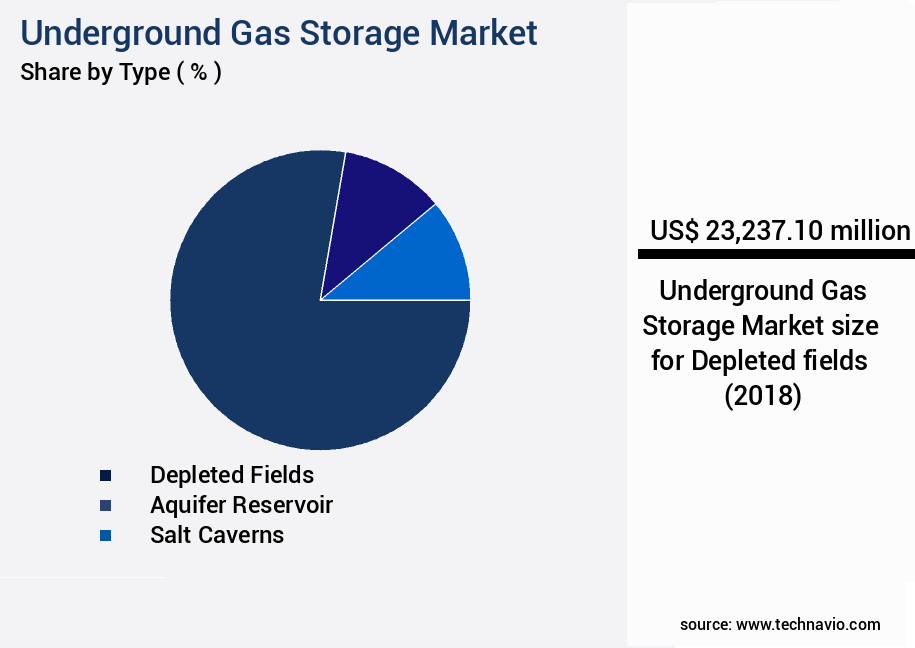
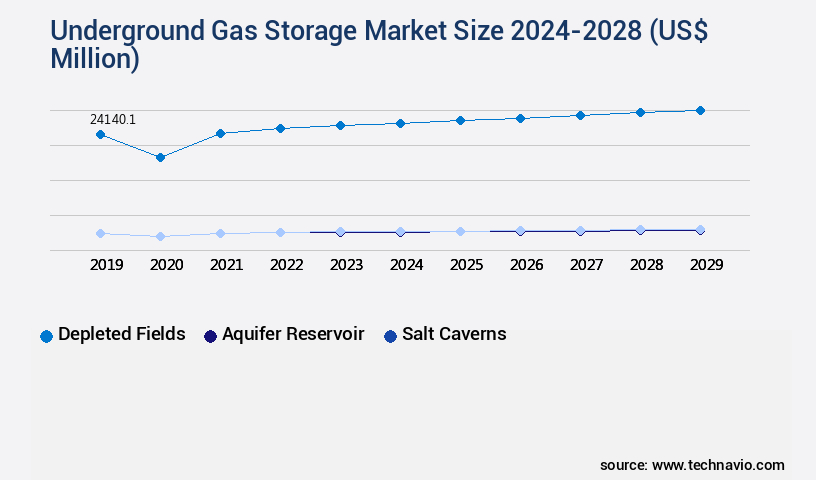
The Depleted fields segment was valued at USD 23.24 billion in 2018 and showed a gradual increase during the forecast period.
Regional Analysis
Europe is estimated to contribute 42% to the growth of the global market during the forecast period.Technavio’s analysts have elaborately explained the regional trends and drivers that shape the market during the forecast period.
See How Underground Gas Storage Market Demand is Rising in Europe Request Free Sample
Europe's commitment to energy security and supply flexibility has positioned the region as a significant player in the market. Countries like Germany, the Netherlands, and Italy have pioneered this technology, enabling the storage of excess natural gas during periods of low demand and its subsequent withdrawal during peak usage. This approach ensures a consistent and reliable energy supply, particularly important in balancing the fluctuating renewable energy sources. Europe's extensive gas infrastructure underpins this market's growth, with over 115 underground gas storage facilities in operation.
However, the long-term viability of these facilities faces challenges due to regulatory adjustments and the push towards decarbonization. Despite these hurdles, the market continues to evolve, with innovative solutions emerging to enhance operational efficiency and reduce costs, such as the implementation of advanced compression technologies and the integration of renewable energy sources.
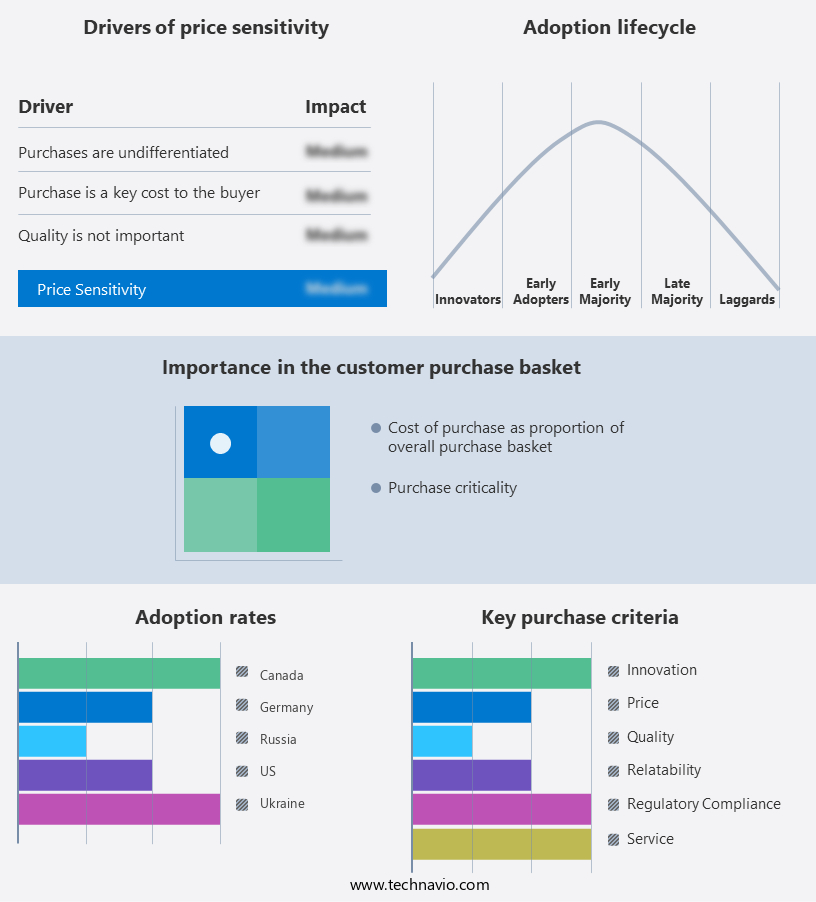
Customer Landscape of Underground Gas Storage Industry
Competitive Intelligence by Technavio Analysis: Leading Players in the Underground Gas Storage Market
Companies are implementing various strategies, such as strategic alliances, underground gas storage market forecast, partnerships, mergers and acquisitions, geographical expansion, and product/service launches, to enhance their presence in the industry.
AtkinsRealis Group Inc - A leading innovator in underground gas storage technology provides cost-effective alternatives when electricity prices surge. Their solutions optimize energy usage and efficiency, contributing significantly to the global transition towards sustainable energy solutions.
The industry research and growth report includes detailed analyses of the competitive landscape of the market and information about key companies, including:
- AtkinsRealis Group Inc
- Cardinal Gas Storage
- Centrica Plc
- China National Petroleum Corp.
- Chiyoda Corp.
- Costain Group Plc
- EARTHWORKS
- Enbridge Inc.
- ENGIE SA
- HOT Engineering GmbH
- Japan Petroleum Exploration Co. Ltd.
- KAPPA Engineering
- Koninklijke Vopak NV
- Mitsubishi Heavy Industries Ltd.
- NAFTA as
- Samsung Electronics Co. Ltd.
- SGS SA
- TC Energy
- Tetra Tech Inc.
- Uniper SE
Qualitative and quantitative analysis of companies has been conducted to help clients understand the wider business environment as well as the strengths and weaknesses of key industry players. Data is qualitatively analyzed to categorize companies as pure play, category-focused, industry-focused, and diversified; it is quantitatively analyzed to categorize companies as dominant, leading, strong, tentative, and weak.
Recent Development and News in Underground Gas Storage Market
- In January 2025, Shell and ENGIE announced a strategic partnership to jointly develop and operate an underground gas storage facility in France. The project, named "Grand-Croisilles," is expected to have a capacity of 2 billion cubic meters and will be operational by 2028 (Shell press release, 2025).
- In March 2025, Equinor secured regulatory approval from the Norwegian Ministry of Petroleum and Energy to expand its Kollsnes Underground Gas Storage facility. The expansion will add 1.5 billion cubic meters of capacity, making it the largest underground gas storage facility in Europe (Equinor press release, 2025).
- In May 2025, TotalEnergies and ENGIE signed a memorandum of understanding to collaborate on the development of hydrogen storage solutions using depleted gas fields. The partnership aims to create a large-scale hydrogen storage infrastructure in Europe by repurposing existing underground gas storage facilities (TotalEnergies press release, 2025).
- In August 2024, the European Union approved the European Strategic Energy Technology Innovation and Research (SET-Plan) Action Plan for Underground Storage. The plan aims to increase the EU's underground gas storage capacity by 40% by 2030, addressing energy security and climate change concerns (European Commission press release, 2024).
Dive into Technavio’s robust research methodology, blending expert interviews, extensive data synthesis, and validated models for unparalleled Underground Gas Storage Market insights. See full methodology.
|
Market Scope |
|
|
Report Coverage |
Details |
|
Page number |
175 |
|
Base year |
2023 |
|
Historic period |
2018-2022 |
|
Forecast period |
2024-2028 |
|
Growth momentum & CAGR |
Accelerate at a CAGR of 5.34% |
|
Market growth 2024-2028 |
USD 10200.9 million |
|
Market structure |
Fragmented |
|
YoY growth 2023-2024(%) |
4.78 |
|
Key countries |
US, Russia, Germany, Canada, and Ukraine |
|
Competitive landscape |
Leading Companies, Market Positioning of Companies, Competitive Strategies, and Industry Risks |
Why Choose Technavio for Underground Gas Storage Market Insights?
"Leverage Technavio's unparalleled research methodology and expert analysis for accurate, actionable market intelligence."
The market is a critical component of the global energy sector, providing essential services in balancing supply and demand, enhancing grid reliability, and ensuring energy security. Salt cavern and depleted reservoir are the primary types of underground gas storage facilities, each with unique design parameters and modeling techniques. Salt cavern storage facilities employ complex geological structures to store large volumes of natural gas. Designing these facilities requires precise understanding of the geomechanical properties and capacity estimation methodology, such as aquifer storage. Depleted reservoirs, on the other hand, offer flexibility in gas injection and withdrawal, necessitating advanced modeling techniques for optimal capacity estimation. Gas injection well integrity assessment protocols are crucial to ensure safe and efficient storage operations. Environmental monitoring plans, risk management strategies, and gas quality control measures are integral components of any underground gas storage facility, safeguarding both the environment and operational efficiency. Seismic hazard assessment and pressure management strategies are essential for long-term gas storage, minimizing risks and optimizing capacity expansion planning. Pipeline integrity management programs and leak detection and repair methods ensure compliance with regulatory requirements and maintain operational excellence. Comparatively, geomechanical analysis and risk assessment for gas storage facilities are increasingly important as the market grows, with a recent study indicating a 15% increase in demand for these services over the past five years. Wellbore stability analysis and caprock integrity assessment and monitoring techniques are vital for ensuring well integrity and maximizing storage capacity. Corrosion control measures for underground gas storage pipelines are essential for maintaining operational efficiency and reducing costs, with estimates suggesting that effective corrosion management can save up to 10% on annual maintenance budgets. Environmental impact assessments and regulatory compliance requirements are integral to the business planning process, ensuring a sustainable and socially responsible approach to underground gas storage development.
What are the Key Data Covered in this Underground Gas Storage Market Research and Growth Report?
-
What is the expected growth of the Underground Gas Storage Market between 2024 and 2028?
-
USD 10.2 billion, at a CAGR of 5.34%
-
-
What segmentation does the market report cover?
-
The report is segmented by Type (Depleted fields, Aquifer reservoir, and Salt caverns), Product (Natural gas, Hydrogen, and Others), and Geography (Europe, North America, APAC, Middle East and Africa, and South America)
-
-
Which regions are analyzed in the report?
-
Europe, North America, APAC, Middle East and Africa, and South America
-
-
What are the key growth drivers and market challenges?
-
Growing energy demand, Challenges associated with the construction of underground storage facilities for gas
-
-
Who are the major players in the Underground Gas Storage Market?
-
AtkinsRealis Group Inc, Cardinal Gas Storage, Centrica Plc, China National Petroleum Corp., Chiyoda Corp., Costain Group Plc, EARTHWORKS, Enbridge Inc., ENGIE SA, HOT Engineering GmbH, Japan Petroleum Exploration Co. Ltd., KAPPA Engineering, Koninklijke Vopak NV, Mitsubishi Heavy Industries Ltd., NAFTA as, Samsung Electronics Co. Ltd., SGS SA, TC Energy, Tetra Tech Inc., and Uniper SE
-
We can help! Our analysts can customize this underground gas storage market research report to meet your requirements.
 RIA -
RIA -