


Telecom Analytics Market Analysis, Size, and Forecast 2026-2030: North America (US, Canada, and Mexico), Europe (Germany, UK, and France), APAC (China, Japan, and India), Middle East and Africa (Saudi Arabia, UAE, and South Africa), South America (Brazil and Argentina), and Rest of World (ROW)

Telecom Analytics Market Analysis, Size, and Forecast 2026-2030:
North America (US, Canada, and Mexico), Europe (Germany, UK, and France), APAC (China, Japan, and India), Middle East and Africa (Saudi Arabia, UAE, and South Africa), South America (Brazil and Argentina), and Rest of World (ROW)

Published: Apr 2026 300 Pages SKU: IRTNTR71673

Market Overview at a Glance

$5.87 B
Market Opportunity
14.2%
CAGR 2025 - 2030
36.9%
APAC Growth
$3.96 B
Cloud-based segment 2024

Telecom Analytics Market Size 2026-2030

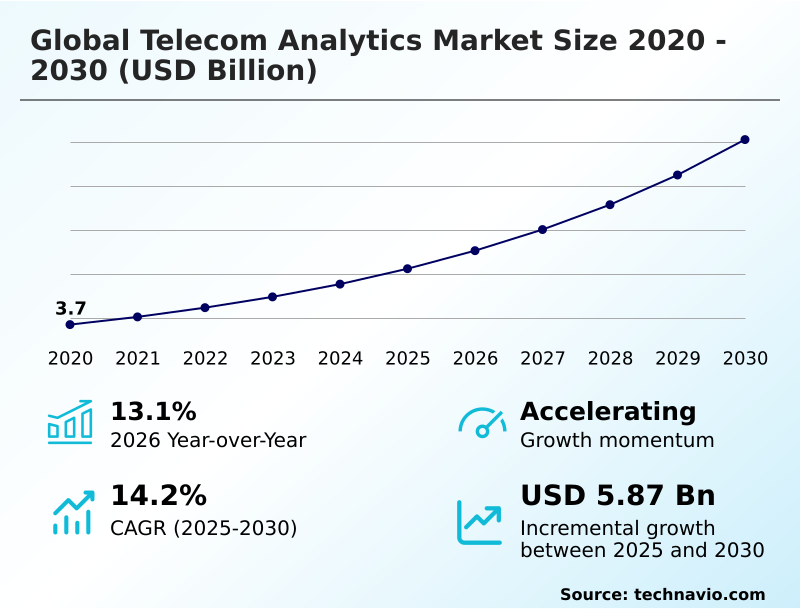
The telecom analytics market size is valued to increase by USD 5.87 billion, at a CAGR of 14.2% from 2025 to 2030. Rapid expansion of 5G networks and resulting data explosion will drive the telecom analytics market.

Major Market Trends & Insights

  • APAC dominated the market and accounted for a 36.9% growth during the forecast period.
  • By Deployment - Cloud-based segment was valued at USD 3.96 billion in 2024
  • By Application - Customer management segment accounted for the largest market revenue share in 2024

Market Size & Forecast

  • Market Opportunities: USD 8.41 billion
  • Market Future Opportunities: USD 5.87 billion
  • CAGR from 2025 to 2030 : 14.2%

Market Summary

  • The telecom analytics market is driven by the strategic need for operators to transform vast network and customer data into actionable intelligence. This evolution is critical for managing network complexity and enhancing customer satisfaction. A key trend is the adoption of advanced platforms for real-time anomaly detection and root cause analysis automation, which are vital for maintaining service quality.
  • However, operators face significant hurdles with data privacy compliance tools and integrating fragmented data sources. For example, a provider can leverage call detail record analysis and network telemetry data for deep subscriber segmentation, enabling proactive customer care through personalized offers.
  • This same data, when fed into a digital twin for networks, allows for simulation of network upgrades and optimization of backhaul network optimization. Furthermore, insights derived from location-based analytics and operational support systems analytics help in refining service offerings.
  • Effective telecom fraud detection systems and the deployment of AI-powered chatbots are becoming standard for securing revenues and improving operational efficiency, demonstrating the market's shift toward data-centric decision-making across all functions.

What will be the Size of the Telecom Analytics Market during the forecast period?
Get Key Insights on Market Forecast (PDF) Request Free Sample

How is the Telecom Analytics Market Segmented?

The telecom analytics industry research report provides comprehensive data (region-wise segment analysis), with forecasts and estimates in "USD million" for the period 2026-2030, as well as historical data from 2020-2024 for the following segments.

  • Deployment
    • Cloud-based
    • On-premises
  • Application
    • Customer management
    • Network management
    • Sales and marketing management
    • Risk and compliance management
    • Workforce management
  • End-user
    • Large enterprises
    • SMEs
  • Geography
    • North America
      • US
      • Canada
      • Mexico
    • Europe
      • Germany
      • UK
      • France
    • APAC
      • China
      • Japan
      • India
    • Middle East and Africa
      • Saudi Arabia
      • UAE
      • South Africa
    • South America
      • Brazil
      • Argentina
    • Rest of World (ROW)

By Deployment Insights

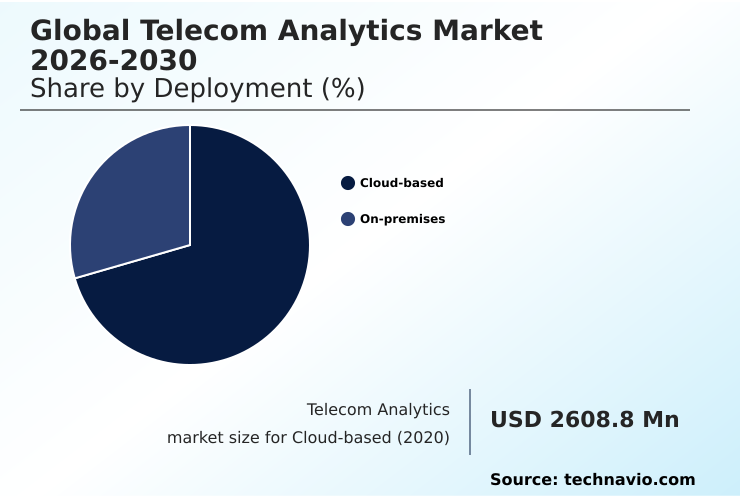
The cloud-based segment is estimated to witness significant growth during the forecast period.

The market segmentation by deployment reveals a significant shift toward cloud-based models, which offer telecommunication firms unparalleled agility and scalability.

Adopting cloud-native analytics platforms is crucial for managing the immense data volumes from modern networks, enabling sophisticated AI-driven network orchestration and automated resource allocation.

These systems facilitate real-time data processing, which is essential for effective subscriber behavior analysis and advanced customer experience management. By leveraging predictive maintenance algorithms and dynamic network capacity planning, operators can significantly improve service reliability.

The integration of AIOps for telecommunications helps automate complex processes, while cloud elasticity supports new data monetization strategies. For instance, operators have reported up to a 20% improvement in real-time bandwidth management, ensuring service level agreement monitoring remains consistent.
Request Free Sample

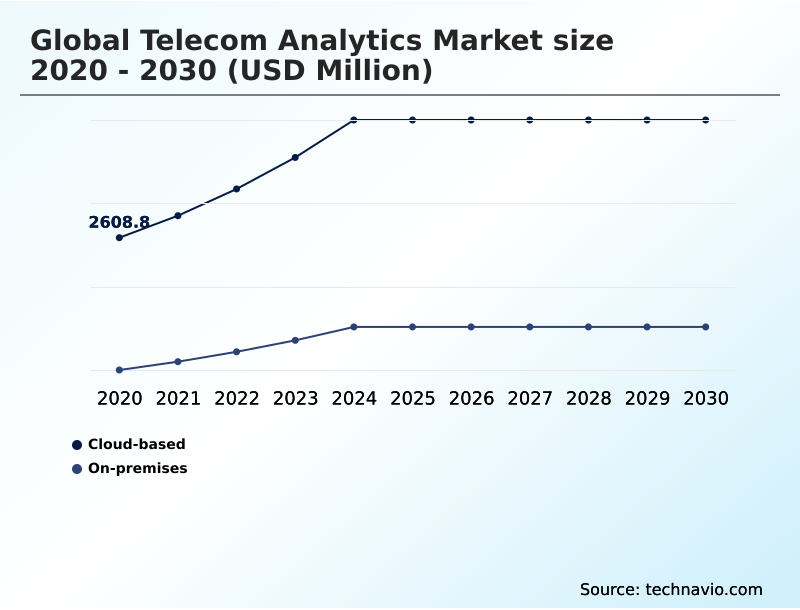
The Cloud-based segment was valued at USD 3.96 billion in 2024 and showed a gradual increase during the forecast period.
Request Free Sample

Regional Analysis

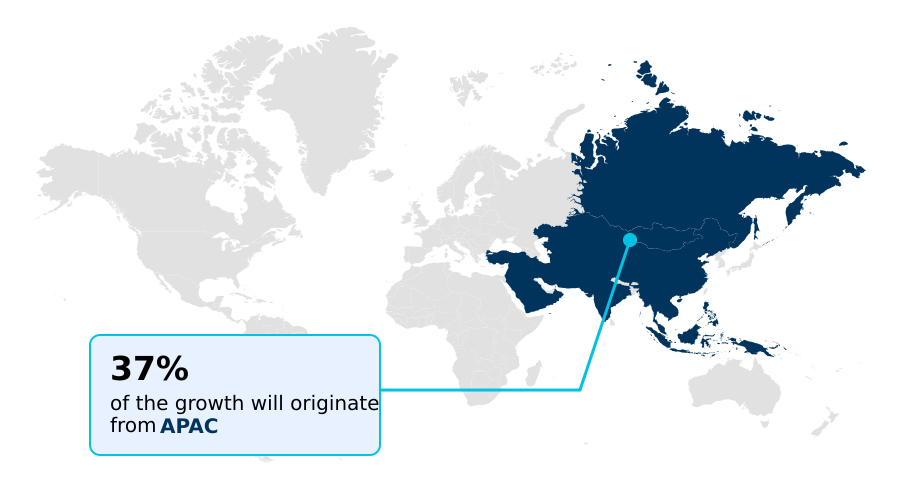
APAC is estimated to contribute 36.9% to the growth of the global market during the forecast period.Technavio’s analysts have elaborately explained the regional trends and drivers that shape the market during the forecast period.
See How Telecom Analytics Market Demand is Rising in APAC Request Free Sample

The geographic landscape of the telecom analytics market is shaped by regional technology adoption rates and regulatory environments.

In developed regions like North America and Europe, there is a strong focus on 5G network slicing analytics and edge analytics for IoT to support industrial use cases.

These markets are pioneering closed-loop network automation, which has led to a 30% reduction in network error rates.

In contrast, APAC is a key growth area, driven by massive subscriber bases and the need for scalable solutions for mobile usage pattern analysis.

Across all regions, the implementation of a unified data fabric architecture is critical for breaking down data silos. Operators are also investing in robust network security analytics and data governance frameworks to meet stringent privacy laws.

Advanced applications like network function virtualization analytics and enterprise service level analytics are becoming standard as operators seek new revenue streams through telecom API monetization.

Market Dynamics

Our researchers analyzed the data with 2025 as the base year, along with the key drivers, trends, and challenges. A holistic analysis of drivers will help companies refine their marketing strategies to gain a competitive advantage.

  • Strategic implementation of advanced analytics is reshaping the telecommunications industry. The focus on leveraging AI for subscriber churn reduction and improving customer lifetime value with analytics has become a core business objective. On the operational front, analytics for 5G network performance optimization is crucial, as operators deploy next-generation infrastructure.
  • The use of predictive analytics for network infrastructure maintenance helps preemptively address potential failures, reducing downtime significantly more than reactive approaches. Furthermore, the industry is exploring the impact of edge analytics on low-latency services, which is vital for new IoT applications.
  • The adoption of cloud-based analytics solutions for telecom operators offers the scalability needed for big data analytics for telecom network management and effective telecom analytics for IoT service management. To manage network complexity, operators are deploying machine learning models for network traffic forecasting and sophisticated AIOps platforms for telecommunications service providers.
  • A key area of development is using generative AI for autonomous network operations, which promises unprecedented efficiency. Ensuring service quality requires robust analytics for network slicing service assurance and automated root cause analysis for telecom service disruptions. From a business perspective, optimizing marketing ROI with telecom analytics and implementing real-time fraud detection in telecom billing are critical for profitability.
  • At the same time, ensuring data privacy in telecom analytics platforms with robust compliance management solutions for telecom data is non-negotiable. The move towards a data fabric implementation for unified telecom data addresses siloed information, while workforce analytics for telecom field services optimizes operational logistics, making every aspect of the telecom business more intelligent and efficient.
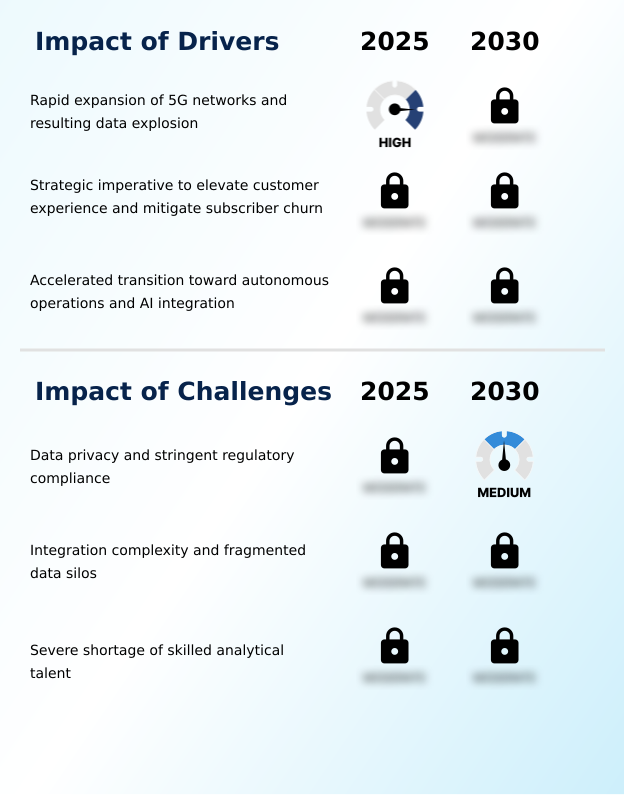
What are the key market drivers leading to the rise in the adoption of Telecom Analytics Industry?

  • The rapid expansion of 5G networks and the consequent explosion of data are key drivers propelling market growth.

  • Key drivers for the telecom analytics market are the escalating complexity of networks and the strategic imperative to improve customer satisfaction.
  • The proliferation of big data in telecommunications, driven by 5G and IoT, necessitates advanced solutions for real-time data processing and network traffic optimization.
  • A primary driver is customer experience management, where deep subscriber behavior analysis helps reduce churn by as much as 20%. The move toward autonomous network operations, powered by AI-driven network orchestration, is another critical factor.
  • Operators are adopting predictive maintenance algorithms, which have been shown to reduce equipment-related service disruptions by 30%.
  • Furthermore, the demand for new enterprise services is fueling investment in capabilities like 5G network slicing analytics and edge analytics for IoT, turning operational data into a strategic asset.

What are the market trends shaping the Telecom Analytics Industry?

  • A key market trend is the move toward edge analytics. This shift is crucial for supporting the performance requirements of ultra-low latency applications.

  • Emerging trends in telecom analytics are centered on proactive and automated operations. The adoption of AIOps for telecommunications is a key trend, with platforms demonstrating a 40% improvement in root cause analysis automation. This shift enables self-healing network capabilities and predictive network congestion prediction, enhancing service reliability.
  • Another significant trend is the increasing focus on data governance frameworks and sophisticated data anonymization techniques to navigate complex privacy regulations. The use of spatial analytics for network planning has improved new infrastructure deployment ROI by up to 15%.
  • Operational intelligence platforms are being used to analyze mobile usage pattern analysis in real time, enabling dynamic real-time bandwidth management and proactive customer care. This ultimately supports better enterprise service level analytics and opens new avenues for telecom API monetization.

What challenges does the Telecom Analytics Industry face during its growth?

  • Concerns over data privacy and the complexities of stringent regulatory compliance present a key challenge to industry growth.

  • Significant challenges constrain the telecom analytics market, primarily related to data governance and system integration. The need for robust data privacy compliance tools and effective data anonymization techniques creates operational overhead, with compliance activities sometimes consuming over 15% of an analytics project's budget.
  • Integrating legacy systems with modern platforms presents a major hurdle, as does the persistence of fragmented data silos. Achieving a unified data fabric architecture remains a complex and costly endeavor for many operators. The effective implementation of risk and compliance management frameworks requires constant vigilance and investment in network security analytics to counter evolving threats.
  • These challenges can delay the deployment of advanced analytics, with some projects experiencing integration-related setbacks that extend timelines by up to 25%.

Exclusive Technavio Analysis on Customer Landscape

The telecom analytics market forecasting report includes the adoption lifecycle of the market, covering from the innovator’s stage to the laggard’s stage. It focuses on adoption rates in different regions based on penetration. Furthermore, the telecom analytics market report also includes key purchase criteria and drivers of price sensitivity to help companies evaluate and develop their market growth analysis strategies.
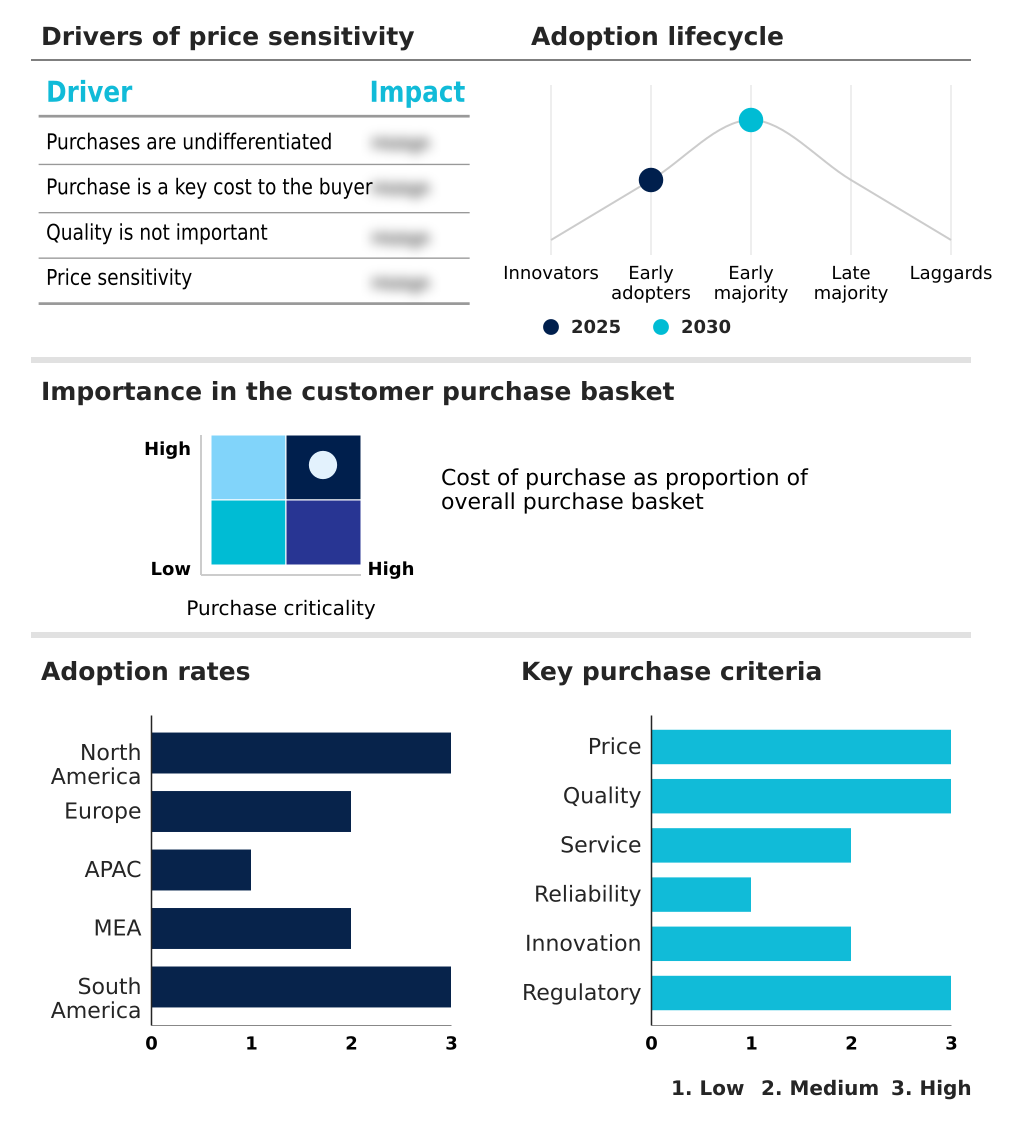
Customer Landscape of Telecom Analytics Industry

Competitive Landscape

Companies are implementing various strategies, such as strategic alliances, telecom analytics market forecast, partnerships, mergers and acquisitions, geographical expansion, and product/service launches, to enhance their presence in the industry.

Adobe Inc. - Provides advanced telecom analytics and customer data platforms designed to optimize digital customer experiences and enhance marketing intelligence for service providers.

The industry research and growth report includes detailed analyses of the competitive landscape of the market and information about key companies, including:

  • Adobe Inc.
  • Alteryx Inc.
  • Cisco Systems Inc.
  • Huawei Technologies Co. Ltd.
  • IBM Corp.
  • Idera Inc.
  • Macrometa Corp.
  • Microsoft Corp.
  • Nokia Corp.
  • Oracle Corp.
  • Panorama Software Inc.
  • QlikTech International AB
  • SAP SE
  • SAS Institute Inc.
  • Sisense Ltd.
  • Tableau Software LLC
  • Telefonaktiebolaget Ericsson
  • Teradata Corp.
  • Thales Group
  • TIBCO Software Inc.

Qualitative and quantitative analysis of companies has been conducted to help clients understand the wider business environment as well as the strengths and weaknesses of key industry players. Data is qualitatively analyzed to categorize companies as pure play, category-focused, industry-focused, and diversified; it is quantitatively analyzed to categorize companies as dominant, leading, strong, tentative, and weak.

Recent Development and News in Telecom analytics market

  • In May, 2025, IBM Corp. and AT&T expanded their collaboration to leverage generative AI and automation for optimizing network operations and enhancing customer experiences across AT&T's infrastructure.
  • In May, 2025, Orange Business Services launched AI-Orchestrator, a generative AI-powered service designed to automate network resource management and improve operational efficiency.
  • In March, 2025, Adobe updated its Experience Cloud with enhanced telecom analytics features, enabling operators to unify workflows and improve customer journey management.
  • In February, 2025, Amdocs announced the launch of its amAIz Suite, a generative AI platform developed to help communication service providers break down data silos and move toward autonomous network operations.

Dive into Technavio’s robust research methodology, blending expert interviews, extensive data synthesis, and validated models for unparalleled Telecom Analytics Market insights. See full methodology.

Market Scope
Page number 300
Base year 2025
Historic period 2020-2024
Forecast period 2026-2030
Growth momentum & CAGR Accelerate at a CAGR of 14.2%
Market growth 2026-2030 USD 5869.7 million
Market structure Fragmented
YoY growth 2025-2026(%) 13.1%
Key countries US, Canada, Mexico, Germany, UK, France, Italy, Spain, The Netherlands, China, Japan, India, South Korea, Australia, Indonesia, Saudi Arabia, UAE, South Africa, Israel, Turkey, Brazil, Argentina and Chile
Competitive landscape Leading Companies, Market Positioning of Companies, Competitive Strategies, and Industry Risks

Request Free Sample

Research Analyst Overview

  • The telecom analytics market is pivotal for modern operators, focusing on network performance analytics and holistic customer experience management. The drive towards autonomous network operations is powered by AI-driven network orchestration and machine learning for network management, a strategic boardroom consideration for opex reduction.
  • Effective real-time data processing supports critical functions like customer churn prediction models and detailed subscriber behavior analysis. With 5G, 5G network slicing analytics and edge analytics for IoT become essential. Security is addressed by telecom fraud detection systems and network security analytics, while financial health is maintained through revenue assurance analytics.
  • Operators implementing predictive maintenance algorithms have reduced unplanned outages by over 30%. Core functionalities include quality of service monitoring, customer lifetime value analytics, network traffic optimization, and location-based analytics. Data sources such as call detail record analysis and social media sentiment analysis feed into these systems.
  • The ecosystem is supported by cloud-native analytics platforms, a unified data fabric architecture, and generative AI for telcos, driving everything from marketing campaign optimization and dynamic pricing analytics to workforce management analytics.
  • Essential processes like risk and compliance management, automated network troubleshooting, service level agreement monitoring, network capacity planning, cell tower performance analytics, backhaul network optimization, and IoT device data analytics are all being transformed, making data the central asset for competitive advantage.

What are the Key Data Covered in this Telecom Analytics Market Research and Growth Report?

  • What is the expected growth of the Telecom Analytics Market between 2026 and 2030?

    • USD 5.87 billion, at a CAGR of 14.2%

  • What segmentation does the market report cover?

    • The report is segmented by Deployment (Cloud-based, and On-premises), Application (Customer management, Network management, Sales and marketing management, Risk and compliance management, and Workforce management), End-user (Large enterprises, and SMEs) and Geography (North America, Europe, APAC, Middle East and Africa, South America)

  • Which regions are analyzed in the report?

    • North America, Europe, APAC, Middle East and Africa and South America

  • What are the key growth drivers and market challenges?

    • Rapid expansion of 5G networks and resulting data explosion, Data privacy and stringent regulatory compliance

  • Who are the major players in the Telecom Analytics Market?

    • Adobe Inc., Alteryx Inc., Cisco Systems Inc., Huawei Technologies Co. Ltd., IBM Corp., Idera Inc., Macrometa Corp., Microsoft Corp., Nokia Corp., Oracle Corp., Panorama Software Inc., QlikTech International AB, SAP SE, SAS Institute Inc., Sisense Ltd., Tableau Software LLC, Telefonaktiebolaget Ericsson, Teradata Corp., Thales Group and TIBCO Software Inc.

Market Research Insights

  • The telecom analytics market is defined by a dynamic interplay between technological innovation and the strategic imperative to enhance customer value. Operators are leveraging predictive churn models and sophisticated customer journey mapping to improve retention, with some achieving a 15% reduction in subscriber churn. The use of customer sentiment scoring has improved proactive service interventions by over 25%.
  • On the network side, advancements in radio access network optimization and the implementation of self-healing network capabilities are minimizing downtime. These solutions enable operators to deliver hyper-personalized marketing campaigns with greater precision, driving higher engagement and a better return on investment. The focus remains on translating complex data streams into tangible business outcomes, differentiating market leaders.

We can help! Our analysts can customize this telecom analytics market research report to meet your requirements.

Get in touch

1. Executive Summary

1.1 Market overview

Executive Summary - Chart on Market Overview
Executive Summary - Data Table on Market Overview
Executive Summary - Chart on Global Market Characteristics
Executive Summary - Chart on Market by Geography
Executive Summary - Chart on Market Segmentation by Deployment
Executive Summary - Chart on Market Segmentation by Application
Executive Summary - Chart on Market Segmentation by End-user
Executive Summary - Chart on Incremental Growth
Executive Summary - Data Table on Incremental Growth
Executive Summary - Chart on Company Market Positioning

2. Technavio Analysis

2.1 Analysis of price sensitivity, lifecycle, customer purchase basket, adoption rates, and purchase criteria

2.2 Criticality of inputs and Factors of differentiation

Chart on Overview on criticality of inputs and factors of differentiation

2.3 Factors of disruption

Chart on Overview on factors of disruption

2.4 Impact of drivers and challenges

Chart on Impact of drivers and challenges in 2025 and 2030

3. Market Landscape

3.1 Market ecosystem

Chart on Parent Market
Data Table on - Parent Market

3.2 Market characteristics

Chart on Market characteristics analysis

3.3 Value chain analysis

Chart on Value chain analysis

4. Market Sizing

4.1 Market definition

Data Table on Offerings of companies included in the market definition

4.2 Market segment analysis

Market segments

4.3 Market size 2025

4.4 Market outlook: Forecast for 2025-2030

Chart on Global - Market size and forecast 2025-2030 ($ million)
Data Table on Global - Market size and forecast 2025-2030 ($ million)
Chart on Global Market: Year-over-year growth 2025-2030 (%)
Data Table on Global Market: Year-over-year growth 2025-2030 (%)

5. Historic Market Size

5.1 Global Telecom Analytics Market 2020 - 2024

Historic Market Size - Data Table on Global Telecom Analytics Market 2020 - 2024 ($ million)

5.2 Deployment segment analysis 2020 - 2024

Historic Market Size - Deployment Segment 2020 - 2024 ($ million)

5.3 Application segment analysis 2020 - 2024

Historic Market Size - Application Segment 2020 - 2024 ($ million)

5.4 End-user segment analysis 2020 - 2024

Historic Market Size - End-user Segment 2020 - 2024 ($ million)

5.5 Geography segment analysis 2020 - 2024

Historic Market Size - Geography Segment 2020 - 2024 ($ million)

5.6 Country segment analysis 2020 - 2024

Historic Market Size - Country Segment 2020 - 2024 ($ million)

6. Qualitative Analysis

6.1 Impact of AI on Global Telecom Analytics Market

6.2 Impact of Geopolitical Conflict on Global Telecom Analytics Market

7. Five Forces Analysis

7.1 Five forces summary

Five forces analysis - Comparison between 2025 and 2030

7.2 Bargaining power of buyers

Bargaining power of buyers - Impact of key factors 2025 and 2030

7.3 Bargaining power of suppliers

Bargaining power of suppliers - Impact of key factors in 2025 and 2030

7.4 Threat of new entrants

Threat of new entrants - Impact of key factors in 2025 and 2030

7.5 Threat of substitutes

Threat of substitutes - Impact of key factors in 2025 and 2030

7.6 Threat of rivalry

Threat of rivalry - Impact of key factors in 2025 and 2030

7.7 Market condition

Chart on Market condition - Five forces 2025 and 2030

8. Market Segmentation by Deployment

8.1 Market segments

Chart on Deployment - Market share 2025-2030 (%)
Data Table on Deployment - Market share 2025-2030 (%)

8.2 Comparison by Deployment

Chart on Comparison by Deployment
Data Table on Comparison by Deployment

8.3 Cloud-based - Market size and forecast 2025-2030

Chart on Cloud-based - Market size and forecast 2025-2030 ($ million)
Data Table on Cloud-based - Market size and forecast 2025-2030 ($ million)
Chart on Cloud-based - Year-over-year growth 2025-2030 (%)
Data Table on Cloud-based - Year-over-year growth 2025-2030 (%)

8.4 On-premises - Market size and forecast 2025-2030

Chart on On-premises - Market size and forecast 2025-2030 ($ million)
Data Table on On-premises - Market size and forecast 2025-2030 ($ million)
Chart on On-premises - Year-over-year growth 2025-2030 (%)
Data Table on On-premises - Year-over-year growth 2025-2030 (%)

8.5 Market opportunity by Deployment

Market opportunity by Deployment ($ million)
Data Table on Market opportunity by Deployment ($ million)

9. Market Segmentation by Application

9.1 Market segments

Chart on Application - Market share 2025-2030 (%)
Data Table on Application - Market share 2025-2030 (%)

9.2 Comparison by Application

Chart on Comparison by Application
Data Table on Comparison by Application

9.3 Customer management - Market size and forecast 2025-2030

Chart on Customer management - Market size and forecast 2025-2030 ($ million)
Data Table on Customer management - Market size and forecast 2025-2030 ($ million)
Chart on Customer management - Year-over-year growth 2025-2030 (%)
Data Table on Customer management - Year-over-year growth 2025-2030 (%)

9.4 Network management - Market size and forecast 2025-2030

Chart on Network management - Market size and forecast 2025-2030 ($ million)
Data Table on Network management - Market size and forecast 2025-2030 ($ million)
Chart on Network management - Year-over-year growth 2025-2030 (%)
Data Table on Network management - Year-over-year growth 2025-2030 (%)

9.5 Sales and marketing management - Market size and forecast 2025-2030

Chart on Sales and marketing management - Market size and forecast 2025-2030 ($ million)
Data Table on Sales and marketing management - Market size and forecast 2025-2030 ($ million)
Chart on Sales and marketing management - Year-over-year growth 2025-2030 (%)
Data Table on Sales and marketing management - Year-over-year growth 2025-2030 (%)

9.6 Risk and compliance management - Market size and forecast 2025-2030

Chart on Risk and compliance management - Market size and forecast 2025-2030 ($ million)
Data Table on Risk and compliance management - Market size and forecast 2025-2030 ($ million)
Chart on Risk and compliance management - Year-over-year growth 2025-2030 (%)
Data Table on Risk and compliance management - Year-over-year growth 2025-2030 (%)

9.7 Workforce management - Market size and forecast 2025-2030

Chart on Workforce management - Market size and forecast 2025-2030 ($ million)
Data Table on Workforce management - Market size and forecast 2025-2030 ($ million)
Chart on Workforce management - Year-over-year growth 2025-2030 (%)
Data Table on Workforce management - Year-over-year growth 2025-2030 (%)

9.8 Market opportunity by Application

Market opportunity by Application ($ million)
Data Table on Market opportunity by Application ($ million)

10. Market Segmentation by End-user

10.1 Market segments

Chart on End-user - Market share 2025-2030 (%)
Data Table on End-user - Market share 2025-2030 (%)

10.2 Comparison by End-user

Chart on Comparison by End-user
Data Table on Comparison by End-user

10.3 Large enterprises - Market size and forecast 2025-2030

Chart on Large enterprises - Market size and forecast 2025-2030 ($ million)
Data Table on Large enterprises - Market size and forecast 2025-2030 ($ million)
Chart on Large enterprises - Year-over-year growth 2025-2030 (%)
Data Table on Large enterprises - Year-over-year growth 2025-2030 (%)

10.4 SMEs - Market size and forecast 2025-2030

Chart on SMEs - Market size and forecast 2025-2030 ($ million)
Data Table on SMEs - Market size and forecast 2025-2030 ($ million)
Chart on SMEs - Year-over-year growth 2025-2030 (%)
Data Table on SMEs - Year-over-year growth 2025-2030 (%)

10.5 Market opportunity by End-user

Market opportunity by End-user ($ million)
Data Table on Market opportunity by End-user ($ million)

11. Customer Landscape

11.1 Customer landscape overview

Analysis of price sensitivity, lifecycle, customer purchase basket, adoption rates, and purchase criteria

12. Geographic Landscape

12.1 Geographic segmentation

Chart on Market share by geography 2025-2030 (%)
Data Table on Market share by geography 2025-2030 (%)

12.2 Geographic comparison

Chart on Geographic comparison
Data Table on Geographic comparison

12.3 North America - Market size and forecast 2025-2030

Chart on North America - Market size and forecast 2025-2030 ($ million)
Data Table on North America - Market size and forecast 2025-2030 ($ million)
Chart on North America - Year-over-year growth 2025-2030 (%)
Data Table on North America - Year-over-year growth 2025-2030 (%)
Chart on Regional Comparison - North America
Data Table on Regional Comparison - North America

12.3.1 US - Market size and forecast 2025-2030

Chart on US - Market size and forecast 2025-2030 ($ million)
Data Table on US - Market size and forecast 2025-2030 ($ million)
Chart on US - Year-over-year growth 2025-2030 (%)
Data Table on US - Year-over-year growth 2025-2030 (%)

12.3.2 Canada - Market size and forecast 2025-2030

Chart on Canada - Market size and forecast 2025-2030 ($ million)
Data Table on Canada - Market size and forecast 2025-2030 ($ million)
Chart on Canada - Year-over-year growth 2025-2030 (%)
Data Table on Canada - Year-over-year growth 2025-2030 (%)

12.3.3 Mexico - Market size and forecast 2025-2030

Chart on Mexico - Market size and forecast 2025-2030 ($ million)
Data Table on Mexico - Market size and forecast 2025-2030 ($ million)
Chart on Mexico - Year-over-year growth 2025-2030 (%)
Data Table on Mexico - Year-over-year growth 2025-2030 (%)

12.4 Europe - Market size and forecast 2025-2030

Chart on Europe - Market size and forecast 2025-2030 ($ million)
Data Table on Europe - Market size and forecast 2025-2030 ($ million)
Chart on Europe - Year-over-year growth 2025-2030 (%)
Data Table on Europe - Year-over-year growth 2025-2030 (%)
Chart on Regional Comparison - Europe
Data Table on Regional Comparison - Europe

12.4.1 Germany - Market size and forecast 2025-2030

Chart on Germany - Market size and forecast 2025-2030 ($ million)
Data Table on Germany - Market size and forecast 2025-2030 ($ million)
Chart on Germany - Year-over-year growth 2025-2030 (%)
Data Table on Germany - Year-over-year growth 2025-2030 (%)

12.4.2 UK - Market size and forecast 2025-2030

Chart on UK - Market size and forecast 2025-2030 ($ million)
Data Table on UK - Market size and forecast 2025-2030 ($ million)
Chart on UK - Year-over-year growth 2025-2030 (%)
Data Table on UK - Year-over-year growth 2025-2030 (%)

12.4.3 France - Market size and forecast 2025-2030

Chart on France - Market size and forecast 2025-2030 ($ million)
Data Table on France - Market size and forecast 2025-2030 ($ million)
Chart on France - Year-over-year growth 2025-2030 (%)
Data Table on France - Year-over-year growth 2025-2030 (%)

12.4.4 Italy - Market size and forecast 2025-2030

Chart on Italy - Market size and forecast 2025-2030 ($ million)
Data Table on Italy - Market size and forecast 2025-2030 ($ million)
Chart on Italy - Year-over-year growth 2025-2030 (%)
Data Table on Italy - Year-over-year growth 2025-2030 (%)

12.4.5 Spain - Market size and forecast 2025-2030

Chart on Spain - Market size and forecast 2025-2030 ($ million)
Data Table on Spain - Market size and forecast 2025-2030 ($ million)
Chart on Spain - Year-over-year growth 2025-2030 (%)
Data Table on Spain - Year-over-year growth 2025-2030 (%)

12.4.6 The Netherlands - Market size and forecast 2025-2030

Chart on The Netherlands - Market size and forecast 2025-2030 ($ million)
Data Table on The Netherlands - Market size and forecast 2025-2030 ($ million)
Chart on The Netherlands - Year-over-year growth 2025-2030 (%)
Data Table on The Netherlands - Year-over-year growth 2025-2030 (%)

12.5 APAC - Market size and forecast 2025-2030

Chart on APAC - Market size and forecast 2025-2030 ($ million)
Data Table on APAC - Market size and forecast 2025-2030 ($ million)
Chart on APAC - Year-over-year growth 2025-2030 (%)
Data Table on APAC - Year-over-year growth 2025-2030 (%)
Chart on Regional Comparison - APAC
Data Table on Regional Comparison - APAC

12.5.1 China - Market size and forecast 2025-2030

Chart on China - Market size and forecast 2025-2030 ($ million)
Data Table on China - Market size and forecast 2025-2030 ($ million)
Chart on China - Year-over-year growth 2025-2030 (%)
Data Table on China - Year-over-year growth 2025-2030 (%)

12.5.2 Japan - Market size and forecast 2025-2030

Chart on Japan - Market size and forecast 2025-2030 ($ million)
Data Table on Japan - Market size and forecast 2025-2030 ($ million)
Chart on Japan - Year-over-year growth 2025-2030 (%)
Data Table on Japan - Year-over-year growth 2025-2030 (%)

12.5.3 India - Market size and forecast 2025-2030

Chart on India - Market size and forecast 2025-2030 ($ million)
Data Table on India - Market size and forecast 2025-2030 ($ million)
Chart on India - Year-over-year growth 2025-2030 (%)
Data Table on India - Year-over-year growth 2025-2030 (%)

12.5.4 South Korea - Market size and forecast 2025-2030

Chart on South Korea - Market size and forecast 2025-2030 ($ million)
Data Table on South Korea - Market size and forecast 2025-2030 ($ million)
Chart on South Korea - Year-over-year growth 2025-2030 (%)
Data Table on South Korea - Year-over-year growth 2025-2030 (%)

12.5.5 Australia - Market size and forecast 2025-2030

Chart on Australia - Market size and forecast 2025-2030 ($ million)
Data Table on Australia - Market size and forecast 2025-2030 ($ million)
Chart on Australia - Year-over-year growth 2025-2030 (%)
Data Table on Australia - Year-over-year growth 2025-2030 (%)

12.5.6 Indonesia - Market size and forecast 2025-2030

Chart on Indonesia - Market size and forecast 2025-2030 ($ million)
Data Table on Indonesia - Market size and forecast 2025-2030 ($ million)
Chart on Indonesia - Year-over-year growth 2025-2030 (%)
Data Table on Indonesia - Year-over-year growth 2025-2030 (%)

12.6 Middle East and Africa - Market size and forecast 2025-2030

Chart on Middle East and Africa - Market size and forecast 2025-2030 ($ million)
Data Table on Middle East and Africa - Market size and forecast 2025-2030 ($ million)
Chart on Middle East and Africa - Year-over-year growth 2025-2030 (%)
Data Table on Middle East and Africa - Year-over-year growth 2025-2030 (%)
Chart on Regional Comparison - Middle East and Africa
Data Table on Regional Comparison - Middle East and Africa

12.6.1 Saudi Arabia - Market size and forecast 2025-2030

Chart on Saudi Arabia - Market size and forecast 2025-2030 ($ million)
Data Table on Saudi Arabia - Market size and forecast 2025-2030 ($ million)
Chart on Saudi Arabia - Year-over-year growth 2025-2030 (%)
Data Table on Saudi Arabia - Year-over-year growth 2025-2030 (%)

12.6.2 UAE - Market size and forecast 2025-2030

Chart on UAE - Market size and forecast 2025-2030 ($ million)
Data Table on UAE - Market size and forecast 2025-2030 ($ million)
Chart on UAE - Year-over-year growth 2025-2030 (%)
Data Table on UAE - Year-over-year growth 2025-2030 (%)

12.6.3 South Africa - Market size and forecast 2025-2030

Chart on South Africa - Market size and forecast 2025-2030 ($ million)
Data Table on South Africa - Market size and forecast 2025-2030 ($ million)
Chart on South Africa - Year-over-year growth 2025-2030 (%)
Data Table on South Africa - Year-over-year growth 2025-2030 (%)

12.6.4 Israel - Market size and forecast 2025-2030

Chart on Israel - Market size and forecast 2025-2030 ($ million)
Data Table on Israel - Market size and forecast 2025-2030 ($ million)
Chart on Israel - Year-over-year growth 2025-2030 (%)
Data Table on Israel - Year-over-year growth 2025-2030 (%)

12.6.5 Turkey - Market size and forecast 2025-2030

Chart on Turkey - Market size and forecast 2025-2030 ($ million)
Data Table on Turkey - Market size and forecast 2025-2030 ($ million)
Chart on Turkey - Year-over-year growth 2025-2030 (%)
Data Table on Turkey - Year-over-year growth 2025-2030 (%)

12.7 South America - Market size and forecast 2025-2030

Chart on South America - Market size and forecast 2025-2030 ($ million)
Data Table on South America - Market size and forecast 2025-2030 ($ million)
Chart on South America - Year-over-year growth 2025-2030 (%)
Data Table on South America - Year-over-year growth 2025-2030 (%)
Chart on Regional Comparison - South America
Data Table on Regional Comparison - South America

12.7.1 Brazil - Market size and forecast 2025-2030

Chart on Brazil - Market size and forecast 2025-2030 ($ million)
Data Table on Brazil - Market size and forecast 2025-2030 ($ million)
Chart on Brazil - Year-over-year growth 2025-2030 (%)
Data Table on Brazil - Year-over-year growth 2025-2030 (%)

12.7.2 Argentina - Market size and forecast 2025-2030

Chart on Argentina - Market size and forecast 2025-2030 ($ million)
Data Table on Argentina - Market size and forecast 2025-2030 ($ million)
Chart on Argentina - Year-over-year growth 2025-2030 (%)
Data Table on Argentina - Year-over-year growth 2025-2030 (%)

12.7.3 Chile - Market size and forecast 2025-2030

Chart on Chile - Market size and forecast 2025-2030 ($ million)
Data Table on Chile - Market size and forecast 2025-2030 ($ million)
Chart on Chile - Year-over-year growth 2025-2030 (%)
Data Table on Chile - Year-over-year growth 2025-2030 (%)

12.8 Market opportunity by geography

Market opportunity by geography ($ million)
Data Tables on Market opportunity by geography ($ million)

13. Drivers, Challenges, and Opportunity

13.1 Market drivers

Rapid expansion of 5G networks and resulting data explosion
Strategic imperative to elevate customer experience and mitigate subscriber churn
Accelerated transition toward autonomous operations and AI integration

13.2 Market challenges

Data privacy and stringent regulatory compliance
Integration complexity and fragmented data silos
Severe shortage of skilled analytical talent

13.3 Impact of drivers and challenges

Impact of drivers and challenges in 2025 and 2030

13.4 Market opportunities

Shift toward edge analytics to support ultra-low latency applications
Adoption of unified data fabrics to eliminate operational data
Increasing focus on improving customer experience

14. Competitive Landscape

14.1 Overview

14.2

Overview on criticality of inputs and factors of differentiation

14.3 Landscape disruption

Overview on factors of disruption

14.4 Industry risks

Impact of key risks on business

15. Competitive Analysis

15.1 Companies profiled

Companies covered

15.2 Company ranking index

15.3 Market positioning of companies

Matrix on companies position and classification

15.4 Adobe Inc.

Adobe Inc. - Overview
Adobe Inc. - Business segments
Adobe Inc. - Key news
Adobe Inc. - Key offerings
Adobe Inc. - Segment focus
SWOT

15.5 Alteryx Inc.

Alteryx Inc. - Overview
Alteryx Inc. - Product / Service
Alteryx Inc. - Key offerings
SWOT

15.6 Cisco Systems Inc.

Cisco Systems Inc. - Overview
Cisco Systems Inc. - Business segments
Cisco Systems Inc. - Key news
Cisco Systems Inc. - Key offerings
Cisco Systems Inc. - Segment focus
SWOT

15.7 Huawei Technologies Co. Ltd.

Huawei Technologies Co. Ltd. - Overview
Huawei Technologies Co. Ltd. - Business segments
Huawei Technologies Co. Ltd. - Key news
Huawei Technologies Co. Ltd. - Key offerings
Huawei Technologies Co. Ltd. - Segment focus
SWOT

15.8 IBM Corp.

IBM Corp. - Overview
IBM Corp. - Business segments
IBM Corp. - Key news
IBM Corp. - Key offerings
IBM Corp. - Segment focus
SWOT

15.9 Microsoft Corp.

Microsoft Corp. - Overview
Microsoft Corp. - Business segments
Microsoft Corp. - Key news
Microsoft Corp. - Key offerings
Microsoft Corp. - Segment focus
SWOT

15.10 Nokia Corp.

Nokia Corp. - Overview
Nokia Corp. - Business segments
Nokia Corp. - Key news
Nokia Corp. - Key offerings
Nokia Corp. - Segment focus
SWOT

15.11 Oracle Corp.

Oracle Corp. - Overview
Oracle Corp. - Business segments
Oracle Corp. - Key news
Oracle Corp. - Key offerings
Oracle Corp. - Segment focus
SWOT

15.12 QlikTech International AB

QlikTech International AB - Overview
QlikTech International AB - Product / Service
QlikTech International AB - Key offerings
SWOT

15.13 SAP SE

SAP SE - Overview
SAP SE - Business segments
SAP SE - Key news
SAP SE - Key offerings
SAP SE - Segment focus
SWOT

15.14 SAS Institute Inc.

SAS Institute Inc. - Overview
SAS Institute Inc. - Product / Service
SAS Institute Inc. - Key offerings
SWOT

15.15 Tableau Software LLC

Tableau Software LLC - Overview
Tableau Software LLC - Product / Service
Tableau Software LLC - Key offerings
SWOT

15.16 Telefonaktiebolaget Ericsson

Telefonaktiebolaget Ericsson - Overview
Telefonaktiebolaget Ericsson - Business segments
Telefonaktiebolaget Ericsson - Key news
Telefonaktiebolaget Ericsson - Key offerings
Telefonaktiebolaget Ericsson - Segment focus
SWOT

15.17 Teradata Corp.

Teradata Corp. - Overview
Teradata Corp. - Business segments
Teradata Corp. - Key news
Teradata Corp. - Key offerings
Teradata Corp. - Segment focus
SWOT

15.18 TIBCO Software Inc.

TIBCO Software Inc. - Overview
TIBCO Software Inc. - Product / Service
TIBCO Software Inc. - Key offerings
SWOT

16. Appendix

16.1 Scope of the report

Market definition
Objectives
Notes and caveats

16.2 Inclusions and exclusions checklist

Inclusions checklist
Exclusions checklist

16.3 Currency conversion rates for US$

16.4 Research methodology

16.5 Data procurement

Information sources

16.6 Data validation

16.7 Validation techniques employed for market sizing

16.8 Data synthesis

16.9 360 degree market analysis

16.10 List of abbreviations

Research Methodology

Technavio presents a detailed picture of the market by way of study, synthesis, and summation of data from multiple sources. The analysts have presented the various facets of the market with a particular focus on identifying the key industry influencers. The data thus presented is comprehensive, reliable, and the result of extensive research, both primary and secondary.

INFORMATION SOURCES

Primary sources

  • Manufacturers and suppliers
  • Channel partners
  • Industry experts
  • Strategic decision makers

Secondary sources

  • Industry journals and periodicals
  • Government data
  • Financial reports of key industry players
  • Historical data
  • Press releases

DATA ANALYSIS

Data Synthesis

  • Collation of data
  • Estimation of key figures
  • Analysis of derived insights

Data Validation

  • Triangulation with data models
  • Reference against proprietary databases
  • Corroboration with industry experts

REPORT WRITING

Qualitative

  • Market drivers
  • Market challenges
  • Market trends
  • Five forces analysis

Quantitative

  • Market size and forecast
  • Market segmentation
  • Geographical insights
  • Competitive landscape

Interested in this report?

Get your sample now to see our research methodology and insights!

Download Now

Frequently Asked Questions

Telecom Analytics market growth will increase by USD 5869.7 million during 2026-2030.

The Telecom Analytics market is expected to grow at a CAGR of 14.2% during 2026-2030.

Telecom Analytics market is segmented by Deployment (Cloud-based, On-premises) Application (Customer management, Network management, Sales and marketing management, Risk and compliance management, Workforce management) End-user (Large enterprises, SMEs)

Adobe Inc., Alteryx Inc., Cisco Systems Inc., Huawei Technologies Co. Ltd., IBM Corp., Idera Inc., Macrometa Corp., Microsoft Corp., Nokia Corp., Oracle Corp., Panorama Software Inc., QlikTech International AB, SAP SE, SAS Institute Inc., Sisense Ltd., Tableau Software LLC, Telefonaktiebolaget Ericsson, Teradata Corp., Thales Group, TIBCO Software Inc. are a few of the key vendors in the Telecom Analytics market.

APAC will register the highest growth rate of 36.9% among the other regions. Therefore, the Telecom Analytics market in APAC is expected to garner significant business opportunities for the vendors during the forecast period.

US, Canada, Mexico, Germany, UK, France, Italy, Spain, The Netherlands, China, Japan, India, South Korea, Australia, Indonesia, Saudi Arabia, UAE, South Africa, Israel, Turkey, Brazil, Argentina, Chile

  • Rapid expansion of 5G networks and resulting data explosion is the driving factor this market.

The Telecom Analytics market vendors should focus on grabbing business opportunities from the Deployment segment as it accounted for the largest market share in the base year.
RIA - Research AI Assistant
Ask RIA