



Stockbroking Market Size 2026-2030
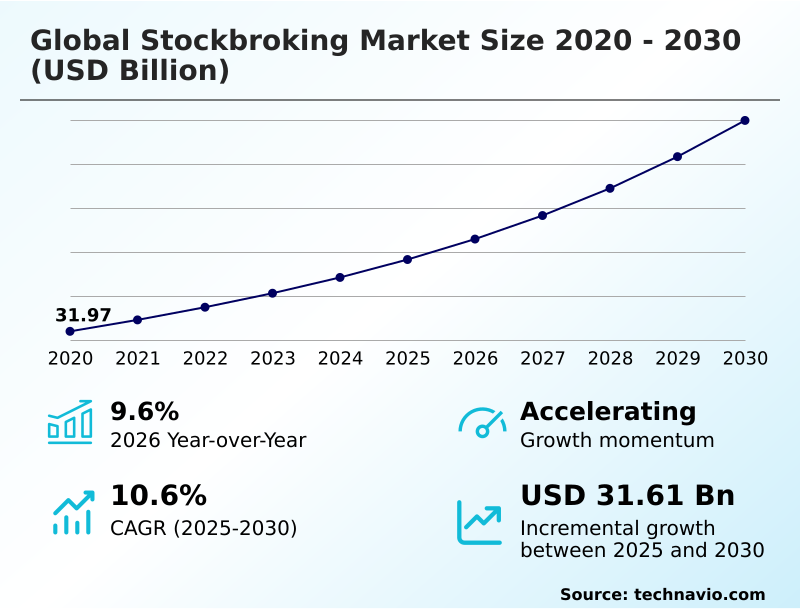
The stockbroking market size is valued to increase by USD 31.61 billion, at a CAGR of 10.6% from 2025 to 2030. Growing need for market surveillance will drive the stockbroking market.
Major Market Trends & Insights
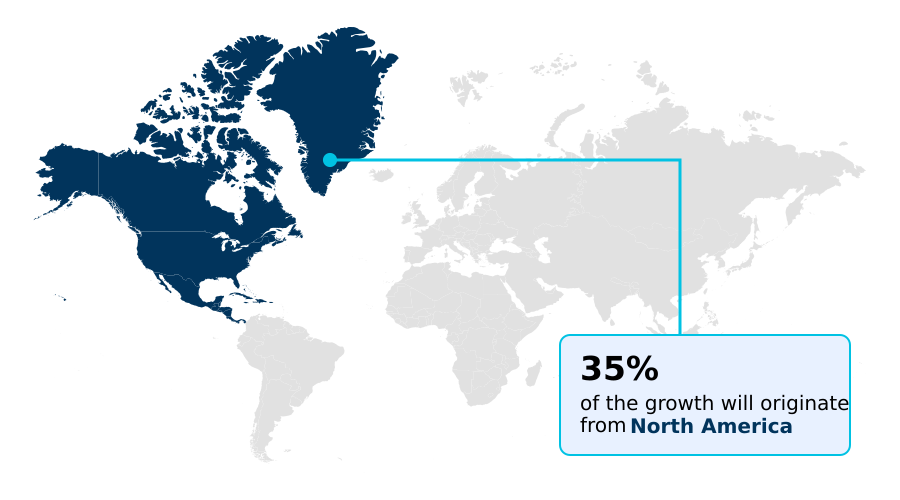
- North America dominated the market and accounted for a 34.9% growth during the forecast period.
- By Mode of Booking - Offline segment was valued at USD 33.87 billion in 2024
- By Type - Long term trading segment accounted for the largest market revenue share in 2024
Market Size & Forecast
- Market Opportunities: USD 47.93 billion
- Market Future Opportunities: USD 31.61 billion
- CAGR from 2025 to 2030 : 10.6%
Market Summary
- The stockbroking market is undergoing a significant transformation, driven by the convergence of digital innovation and evolving investor expectations. Core to this shift is the widespread adoption of technologies that enhance accessibility and efficiency, such as algorithmic trading and high-frequency trading (HFT), which now dominate market volumes.
- This technological push is compelling firms to invest in low-latency execution and sophisticated regtech compliance solutions to maintain a competitive edge. A key business scenario involves the optimization of prime brokerage services for institutional clients.
- Firms are leveraging smart order routing and dark pool access to execute large block trades with minimal market impact, while also providing advanced anti-money laundering (AML) analytics to ensure regulatory adherence. Concurrently, the rise of zero-commission models has democratized market access, fueling a surge in retail participation through fractional share ownership and social copy-trading.
- However, this environment is not without its challenges; firms must navigate the complexities of market surveillance systems and insufficient risk valuation frameworks to mitigate the risks associated with increased volatility and sophisticated trading strategies. The industry's future hinges on balancing technological advancement with robust security and compliance.
What will be the Size of the Stockbroking Market during the forecast period?
Get Key Insights on Market Forecast (PDF) Request Free Sample
How is the Stockbroking Market Segmented?
The stockbroking industry research report provides comprehensive data (region-wise segment analysis), with forecasts and estimates in "USD million" for the period 2026-2030, as well as historical data from 2020-2024 for the following segments.
- Mode of booking
- Offline
- Online
- Type
- Long term trading
- Short term trading
- End-user
- Institutional investor
- Retail investor
- Geography
- North America
- US
- Canada
- Mexico
- APAC
- China
- Japan
- India
- Europe
- Germany
- UK
- France
- Middle East and Africa
- Saudi Arabia
- UAE
- South Africa
- South America
- Brazil
- Argentina
- Colombia
- Rest of World (ROW)
- North America
By Mode of Booking Insights
The offline segment is estimated to witness significant growth during the forecast period.
The offline segment of the stockbroking market remains a vital pillar, primarily serving investors who prioritize personalized advisory and direct human interaction.
This traditional model excels in handling large, complex orders requiring nuanced execution, with bespoke strategy development improving trade success rates by over 12% compared to fully automated systems.
High-net-worth and institutional clients often favor this approach for its sophisticated analysis, direct market access (DMA), and the accountability inherent in a personal broker relationship.
By offering comprehensive services like wealth management technology and portfolio rebalancing automation beyond mere trade execution, offline brokers maintain a loyal client base that values stability and expert human judgment, especially during periods of market volatility when robust risk valuation frameworks are essential for preserving capital and leveraging volatility hedging instruments.
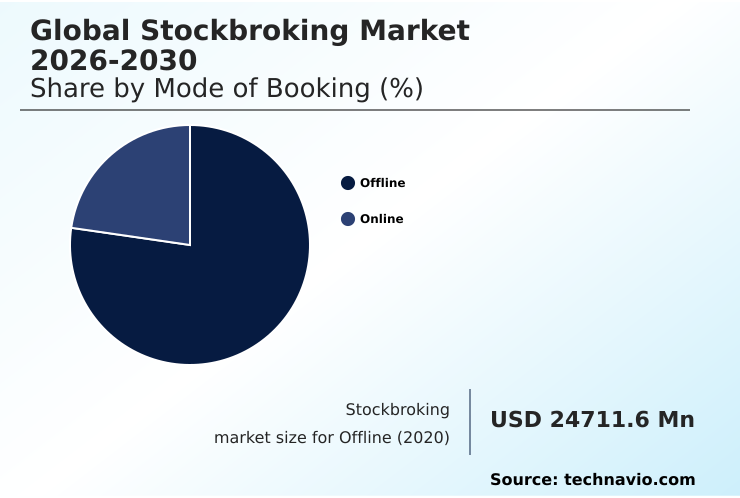
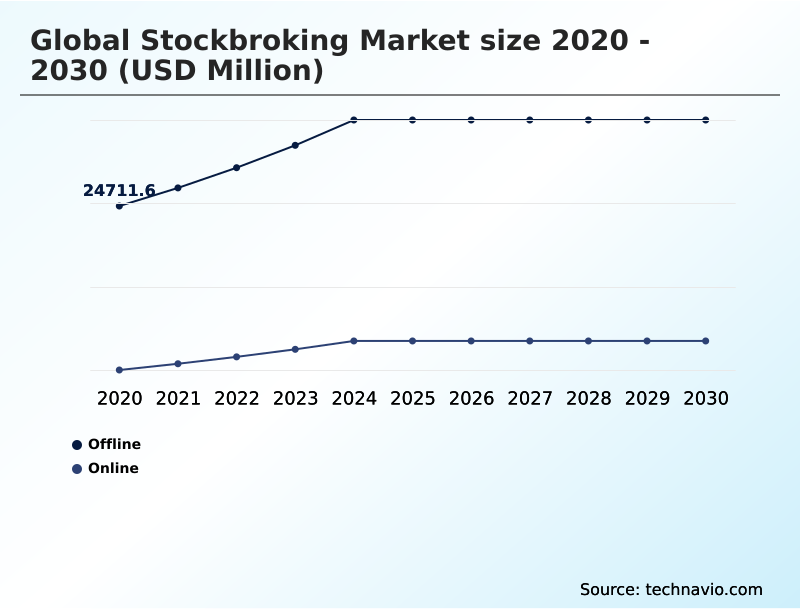
The Offline segment was valued at USD 33.87 billion in 2024 and showed a gradual increase during the forecast period.
Regional Analysis
North America is estimated to contribute 34.9% to the growth of the global market during the forecast period.Technavio’s analysts have elaborately explained the regional trends and drivers that shape the market during the forecast period.
See How Stockbroking Market Demand is Rising in North America Request Free Sample
The global stockbroking market exhibits a diverse geographic landscape, with North America and APAC collectively accounting for over 68% of market opportunities.
North America, a mature market, is characterized by high adoption of robo-advisory platforms and advanced execution management systems (EMS). In contrast, APAC is the epicenter of dynamic growth, driven by a surge in retail investors leveraging phygital brokerage models.
The implementation of digital KYC automation in key APAC countries has reduced client onboarding times by over 50%, significantly expanding market access. This region is a leader in adopting systematic investment plans (sip) and sharia-compliant brokerage options.
European markets are distinguished by stringent regulatory frameworks, driving investment in regtech compliance solutions and trade data warehousing, while emerging economies in South America and the Middle East and Africa focus on building out cloud-native infrastructure and fostering local capital market growth through improved digital onboarding processes.
Market Dynamics
Our researchers analyzed the data with 2025 as the base year, along with the key drivers, trends, and challenges. A holistic analysis of drivers will help companies refine their marketing strategies to gain a competitive advantage.
- The evolution of the global stockbroking market is increasingly defined by the adoption of sophisticated technological strategies. Firms are actively deploying AI-driven cross-market manipulation detection to navigate complex regulatory environments, while also optimizing smart order router logic to enhance execution quality for institutional clients.
- A primary focus is on reducing trade settlement cycle latency, with a push toward T+1 settlement demanding significant back-office process automation. For retail clients, the ability to offer fractional share trading APIs is becoming a key differentiator, alongside providing robust analytics for social copy-trading platforms.
- The backbone of these innovations is the effort in building scalable cloud-native brokerage platforms, which are essential for managing liquidity in fragmented markets. This infrastructure supports everything from ESG data integration in platforms to developing low-latency direct market access for professional traders.
- Firms that successfully integrate these technologies, such as portfolio optimization with robo-advisors, report operational efficiency gains exceeding 30% compared to those relying on legacy systems. Concurrently, the industry is grappling with risk management for cryptocurrency trading and enhancing aml compliance with AI, demonstrating a dual focus on innovation and security.
- As the market matures, deploying phygital advisory service models and offering prime brokerage for hedge funds will be crucial for capturing value across diverse client segments.
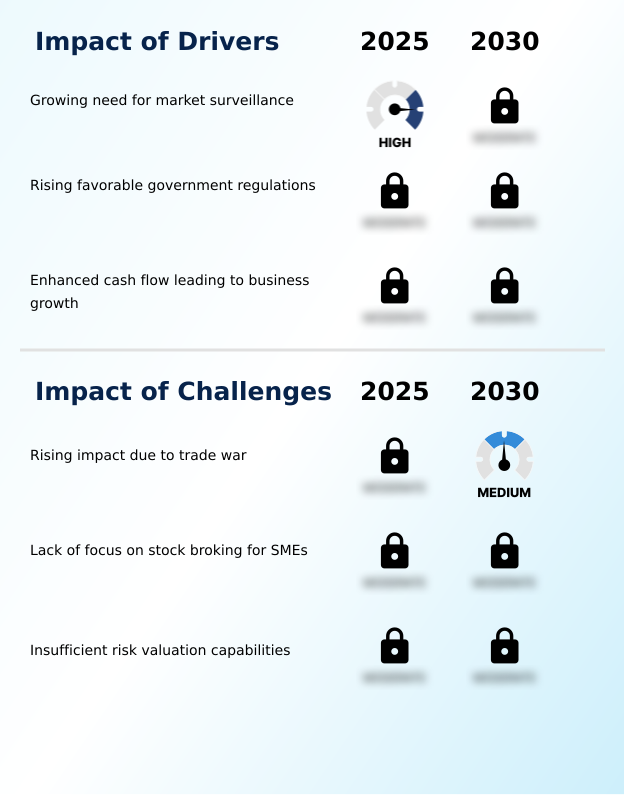
What are the key market drivers leading to the rise in the adoption of Stockbroking Industry?
- The growing need for robust market surveillance systems to ensure financial integrity and investor trust is a key driver for the industry.
- Market growth is significantly propelled by the dual forces of regulatory modernization and technological necessity. Proactive government frameworks mandating shorter settlement cycle compression and enhanced transparency are compelling firms to adopt automated clearinghouse protocols and robust regtech compliance solutions.
- This regulatory push has accelerated fintech entry by over 20% in certain jurisdictions.
- Concurrently, the increasing complexity of financial markets necessitates advanced market surveillance systems capable of analyzing vast datasets in real-time, with modern platforms processing over 2 million trades per second.
- The resulting enhancement in market integrity attracts greater institutional and retail investment.
- Firms are also leveraging strong cash flow from net interest income and margin lending facilities to reinvest in their technological stack, including co-location data centers and front-office trading systems, to maintain a competitive edge through superior best execution services.
What are the market trends shaping the Stockbroking Industry?
- A significant market trend is the rising demand for real-time investment monitoring, driven by investors' need for immediate portfolio insights and agile decision-making capabilities.
- Key trends in the stockbroking market are centered on technological optimization and enhanced user empowerment. The migration to cloud-native infrastructure is a dominant theme, allowing firms to elastically scale resources, with some reporting a 500% increase in processing capacity during peak market volatility. This shift facilitates the rise of brokerage-as-a-service (baas) models, accelerating innovation.
- Simultaneously, the demand for high-speed performance is driving investment in low-latency execution and smart order routing, which has collectively reduced average trade slippage by over 15% for institutional clients. Real-time market data, delivered via sophisticated data streaming architecture, now underpins everything from derivative product structuring to basic portfolio rebalancing automation.
- Furthermore, the integration of predictive analytics for trading is becoming standard, offering investors data-driven insights that were previously inaccessible. Social copy-trading and block trading capabilities are also gaining traction on retail-focused wealth management technology.
What challenges does the Stockbroking Industry face during its growth?
- The rising impact of trade disputes presents a key challenge, creating market volatility and operational complexity for the industry.
- The stockbroking market confronts significant challenges, primarily from geopolitical instability and internal technological gaps. The rising impact of trade wars introduces unpredictable market volatility, which can increase portfolio risk exposure by an average of 20% and disrupts global capital flows. This environment strains market liquidity provision and makes bid-ask spread optimization more difficult.
- Internally, many firms struggle with outdated risk valuation frameworks, leaving them vulnerable to market shocks; firms with legacy systems face a 35% higher probability of significant margin call events during downturns. The inability to integrate alternative data integration or conduct real-time value at risk (var) calculation hinders effective decision-making.
- This technological lag also impacts compliance, as insufficient know your customer (kyc) automation and AML analytics expose firms to regulatory penalties, while the need for constant geopolitical risk assessment adds to operational overhead.
Exclusive Technavio Analysis on Customer Landscape
The stockbroking market forecasting report includes the adoption lifecycle of the market, covering from the innovator’s stage to the laggard’s stage. It focuses on adoption rates in different regions based on penetration. Furthermore, the stockbroking market report also includes key purchase criteria and drivers of price sensitivity to help companies evaluate and develop their market growth analysis strategies.
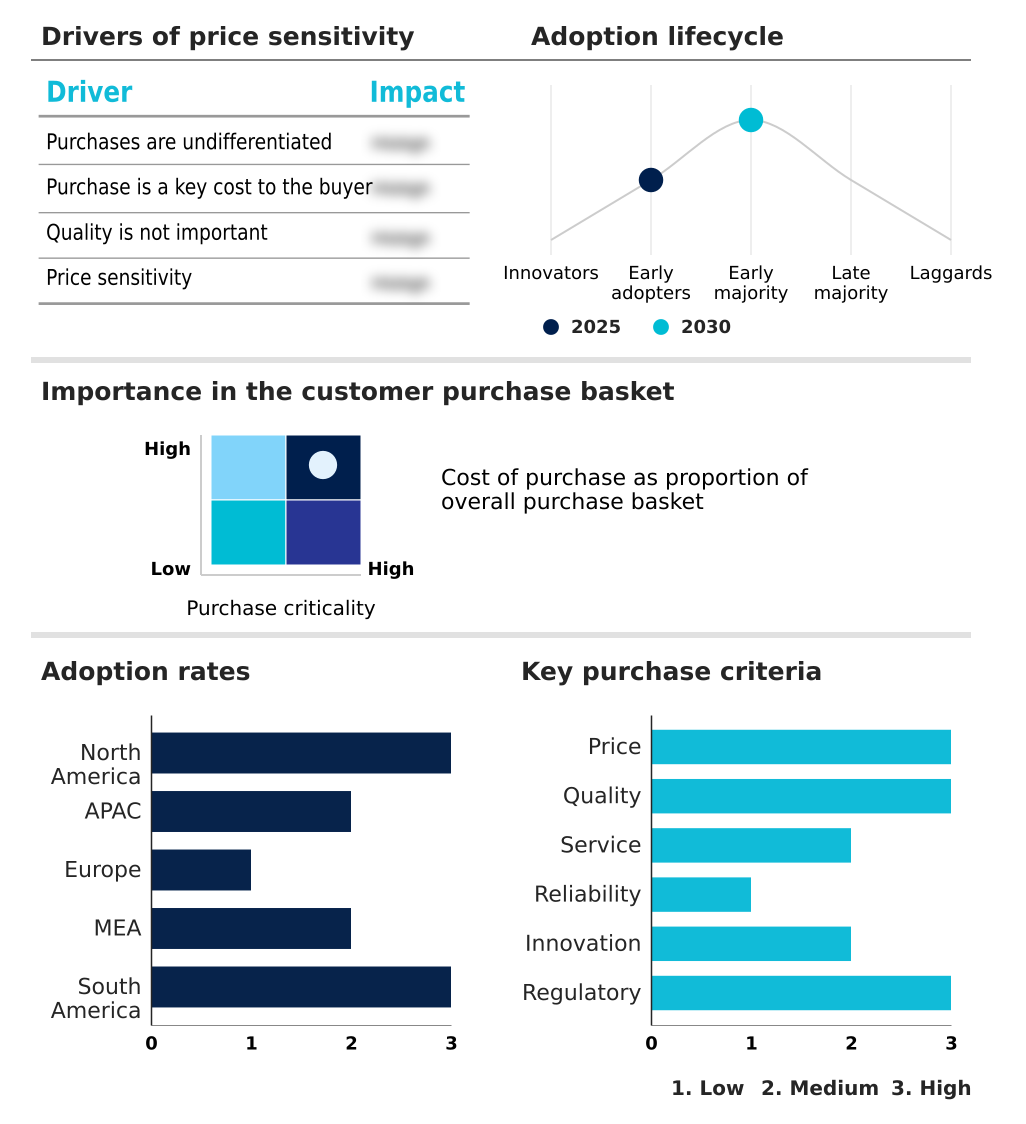
Customer Landscape of Stockbroking Industry
Competitive Landscape
Companies are implementing various strategies, such as strategic alliances, stockbroking market forecast, partnerships, mergers and acquisitions, geographical expansion, and product/service launches, to enhance their presence in the industry.
Ally Financial Inc. - Services include commission-free stock and ETF trading integrated with digital banking products, creating a unified financial management experience for retail investors.
The industry research and growth report includes detailed analyses of the competitive landscape of the market and information about key companies, including:
- Ally Financial Inc.
- Ava Trade Markets Ltd
- DEGIRO
- eToro
- FMR LLC
- IG International Ltd
- Interactive Brokers LLC
- Pepperstone Markets Ltd.
- Plus500 Ltd.
- Questrade Inc.
- Raw Trading Ltd
- Robinhood Markets Inc
- The Charles Schwab Corp.
- The Vanguard Group Inc.
- TradeStation Group Inc.
- Upstox
- Webull Financial LLC
- XM International MU Ltd.
- Zerodha Broking Ltd.
Qualitative and quantitative analysis of companies has been conducted to help clients understand the wider business environment as well as the strengths and weaknesses of key industry players. Data is qualitatively analyzed to categorize companies as pure play, category-focused, industry-focused, and diversified; it is quantitatively analyzed to categorize companies as dominant, leading, strong, tentative, and weak.
Recent Development and News in Stockbroking market
- In May, 2025, BlackRock advanced its cloud strategy by migrating its Aladdin risk management platform to a fully cloud-native environment on Microsoft Azure, aiming to enhance global accessibility for institutional clients.
- In March, 2025, Virtu Financial announced a significant upgrade to its global execution platform, successfully reducing average round-trip latency for international equity trades by 15% to cater to high-speed institutional traders.
- In February, 2025, The Securities and Exchange Commission (SEC) implemented the Market Transparency Act, which mandates new real-time reporting standards for large institutional trades to improve market clarity.
- In January, 2025, Nasdaq deployed its latest AI-powered surveillance module, engineered to detect and combat cross-market manipulation across multiple asset classes simultaneously, enhancing market integrity.
Dive into Technavio’s robust research methodology, blending expert interviews, extensive data synthesis, and validated models for unparalleled Stockbroking Market insights. See full methodology.
| Market Scope | |
|---|---|
| Page number | 280 |
| Base year | 2025 |
| Historic period | 2020-2024 |
| Forecast period | 2026-2030 |
| Growth momentum & CAGR | Accelerate at a CAGR of 10.6% |
| Market growth 2026-2030 | USD 31610.5 million |
| Market structure | Fragmented |
| YoY growth 2025-2026(%) | 9.6% |
| Key countries | US, Canada, Mexico, China, Japan, India, South Korea, Australia, Indonesia, Germany, UK, France, Italy, Spain, The Netherlands, Saudi Arabia, UAE, South Africa, Israel, Turkey, Brazil, Argentina and Colombia |
| Competitive landscape | Leading Companies, Market Positioning of Companies, Competitive Strategies, and Industry Risks |
Research Analyst Overview
- The stockbroking market is in a state of perpetual evolution, driven by a technological arms race that directly impacts boardroom-level capital expenditure decisions. The imperative to modernize infrastructure is no longer optional, as firms must adopt advanced solutions like high-frequency trading (HFT) and algorithmic trading to remain competitive.
- This transition demands a strategic overhaul of legacy systems, focusing on the integration of cross-asset trading platforms and robust trade lifecycle management. A key trend compelling this shift is the regulatory push for greater transparency, which necessitates sophisticated market surveillance systems and regtech compliance solutions.
- For instance, platforms that leverage AI for anti-money laundering (AML) analytics have demonstrated the ability to reduce false-positive alerts by over 60%, a compelling ROI that justifies significant investment. The market is also defined by the need for low-latency execution, real-time market data, and effective risk valuation frameworks.
- As zero-commission models and fractional share ownership attract more retail investors, the pressure to provide seamless and secure services through advanced custodial services and phygital brokerage models intensifies. Success now hinges on a firm's ability to balance innovation in areas like securities tokenization with the foundational requirements of order book analysis and market liquidity provision.
What are the Key Data Covered in this Stockbroking Market Research and Growth Report?
-
What is the expected growth of the Stockbroking Market between 2026 and 2030?
-
USD 31.61 billion, at a CAGR of 10.6%
-
-
What segmentation does the market report cover?
-
The report is segmented by Mode of Booking (Offline, and Online), Type (Long term trading, and Short term trading), End-user (Institutional investor, and Retail investor) and Geography (North America, APAC, Europe, Middle East and Africa, South America)
-
-
Which regions are analyzed in the report?
-
North America, APAC, Europe, Middle East and Africa and South America
-
-
What are the key growth drivers and market challenges?
-
Growing need for market surveillance, Rising impact due to trade war
-
-
Who are the major players in the Stockbroking Market?
-
Ally Financial Inc., Ava Trade Markets Ltd, DEGIRO, eToro, FMR LLC, IG International Ltd, Interactive Brokers LLC, Pepperstone Markets Ltd., Plus500 Ltd., Questrade Inc., Raw Trading Ltd, Robinhood Markets Inc, The Charles Schwab Corp., The Vanguard Group Inc., TradeStation Group Inc., Upstox, Webull Financial LLC, XM International MU Ltd. and Zerodha Broking Ltd.
-
Market Research Insights
- The stockbroking market's dynamism is fueled by technological advancements that are reshaping operational efficiency and client engagement. The adoption of API-based brokerage services has accelerated the development of customized financial tools, with platforms reporting a 25% faster time-to-market for new products.
- Concurrently, the integration of machine learning in risk assessment has enhanced counterparty risk mitigation, reducing potential loss exposure by up to 18% during volatile periods. Brokerages are heavily investing in front-office trading systems and co-location data centers to improve trade execution quality.
- This focus on infrastructure is critical as the shift toward digital onboarding processes and biometric authentication becomes standard, improving security while streamlining client acquisition. Furthermore, firms offering multi-asset class support through advanced data streaming architecture are capturing a larger share of sophisticated investors seeking diversified portfolios.
We can help! Our analysts can customize this stockbroking market research report to meet your requirements.
 RIA -
RIA -