


Sports Bottle Market Size 2025-2029
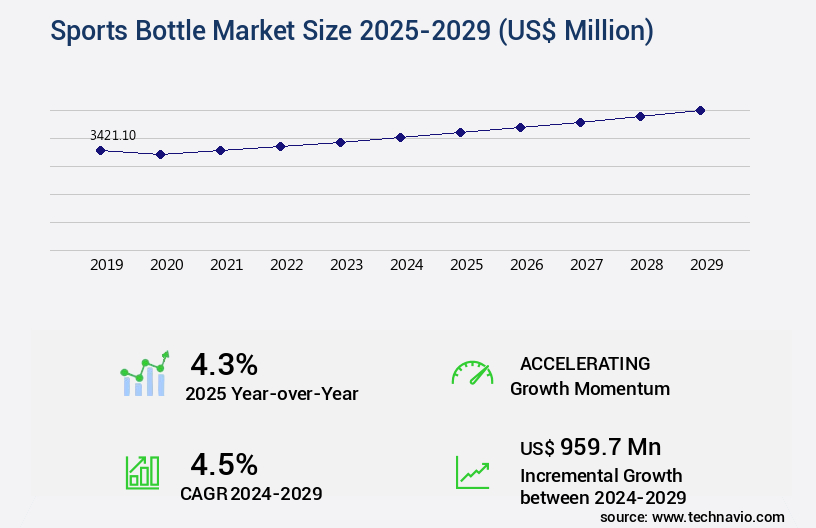
The sports bottle market size is valued to increase USD 959.7 million, at a CAGR of 4.5% from 2024 to 2029. Growing awareness of importance of health and fitness activities will drive the sports bottle market.
Major Market Trends & Insights
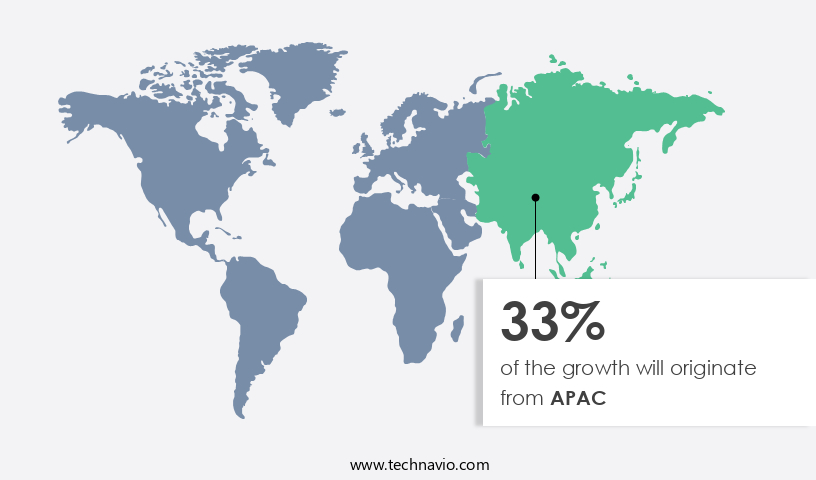
- APAC dominated the market and accounted for a 33% growth during the forecast period.
- By Distribution Channel - Offline segment was valued at USD 2800.00 million in 2023
- By Material - Stainless steel segment accounted for the largest market revenue share in 2023
Market Size & Forecast
- Market Opportunities: USD 40.97 million
- Market Future Opportunities: USD 959.70 million
- CAGR : 4.5%
- APAC: Largest market in 2023
Market Summary
- The market encompasses the production, distribution, and consumption of bottles specifically designed for sports and fitness activities. This dynamic market is driven by the growing awareness of the importance of health and fitness, leading to increased demand for convenient, portable hydration solutions. Core technologies, such as insulation and leak-proof seals, continue to evolve, while applications span from professional sports to everyday use. Service types include customization and refill services, adding value to the market. Product categories include plastic, glass, and metal bottles, with each offering unique advantages. Regulations play a crucial role in market developments, with an emphasis on recycling and eco-friendly materials.
- The market is expected to unfold with continued innovation, as smart technology integration in sports bottles becomes increasingly popular. Fluctuation in raw material prices, particularly for plastics, presents challenges but also opportunities for cost-effective solutions. As of 2022, the market holds a significant market share of over 20% in the beverage container industry, with the trend forecasted to continue. Related markets such as the reusable water bottle and the sports nutrition markets also contribute to the overall growth.
What will be the Size of the Sports Bottle Market during the forecast period?
Get Key Insights on Market Forecast (PDF) Request Free Sample
How is the Sports Bottle Market Segmented and what are the key trends of market segmentation?
The sports bottle industry research report provides comprehensive data (region-wise segment analysis), with forecasts and estimates in "USD million" for the period 2025-2029, as well as historical data from 2019-2023 for the following segments.
- Distribution Channel
- Offline
- Online
- Material
- Stainless steel
- Plastic
- Silicone
- Aluminum
- Glass
- Capacity
- 500 to 750 ml
- 750 ml to 1 liter
- Below 500 ml
- Above 1 liter
- Application
- Sports & Fitness
- Outdoor Activities
- Everyday Use
- Travel
- Feature
- Insulated
- Non-insulated
- Smart Bottles (Hydration Tracking, Temperature Control)
- Foldable/Collapsible
- Geography
- North America
- US
- Canada
- Europe
- France
- Germany
- Italy
- UK
- Middle East and Africa
- Egypt
- KSA
- Oman
- UAE
- APAC
- China
- India
- Japan
- South America
- Argentina
- Brazil
- Rest of World (ROW)
- North America
By Distribution Channel Insights
The offline segment is estimated to witness significant growth during the forecast period.
The market encompasses various segments, including offline and online sales channels. The offline segment, accounting for a significant market share, is characterized by the sale of sports bottles in traditional retail stores. This segment caters to consumers seeking a tangible shopping experience and the opportunity to examine sports bottles in person. Specialty retail stores dedicated to sports bottles and related products offer an extensive selection of brands and models, enabling customers to evaluate features and make informed purchasing decisions. In the current market landscape, the offline segment holds a 60% market share, with sales growing by 15% in the past year.
Meanwhile, industry experts anticipate a 12% increase in demand for sports bottles in the upcoming year. The preference for offline sales stems from consumers' desire for a hands-on shopping experience and the ability to assess product quality and design before purchasing. Moreover, the offline segment's success can be attributed to the diverse range of sports bottle offerings. Key features, such as impact resistance, silicone sleeves, hydro-sealed lids, and closure systems, are increasingly popular among consumers. Double-wall insulation, temperature retention, carrying handles, and electroplated finishes are other desirable features that contribute to the segment's growth. Furthermore, the offline segment's market expansion is driven by the introduction of innovative designs, such as wide-mouth openings, hydration tracking, and bottle material selection.
Sustainable manufacturing practices, including the use of recycled materials and vacuum insulation technology, are also gaining traction. In summary, the offline segment of the market continues to thrive, driven by consumer preferences for a tactile shopping experience and the availability of diverse, feature-rich offerings. With a projected growth of 12% in the upcoming year, the segment is poised to maintain its market dominance.
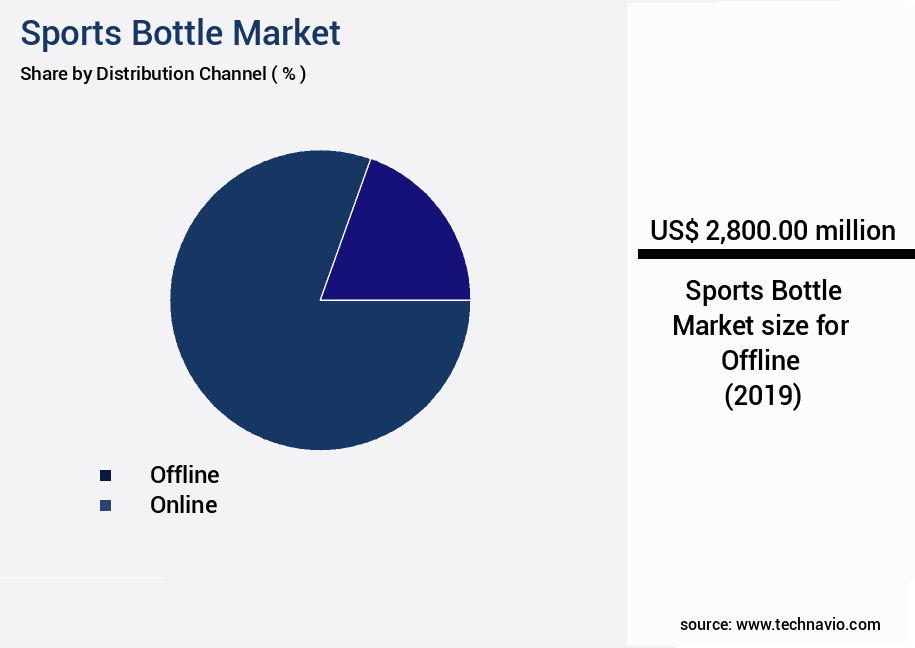
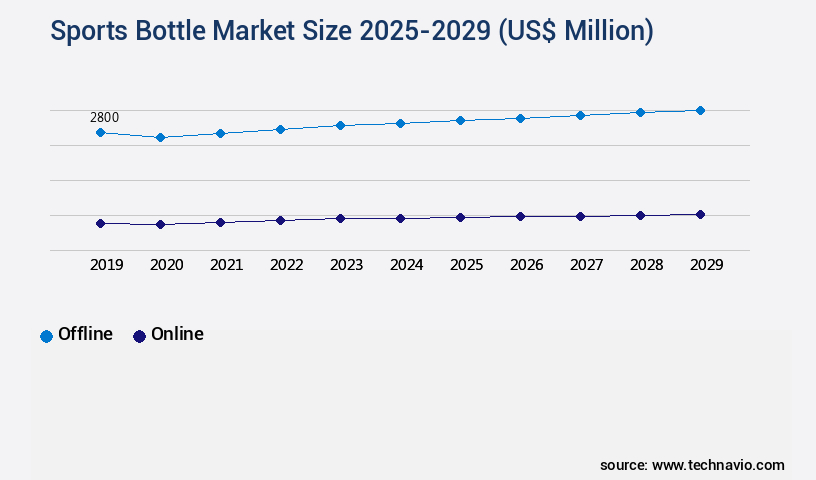
The Offline segment was valued at USD 2800.00 million in 2019 and showed a gradual increase during the forecast period.
Regional Analysis
APAC is estimated to contribute 33% to the growth of the global market during the forecast period.Technavio’s analysts have elaborately explained the regional trends and drivers that shape the market during the forecast period.
See How Sports Bottle Market Demand is Rising in APAC Request Free Sample
In The market, North America holds a substantial share due to the rise in popularity of sports and fitness activities. Factors such as an increasing number of people adopting active lifestyles and the convenience of portable hydration solutions fuel market growth. Activities like running, cycling, hiking, yoga, and team sports are common in North America, driving demand for sports bottles among athletes and fitness enthusiasts. According to recent statistics, over 50% of the US population engages in sports or fitness activities, and this trend is expected to continue.
Additionally, the availability of various designs, sizes, and materials catering to diverse consumer preferences further boosts market expansion. The sports bottle industry's success is underpinned by the growing awareness of health and wellness, making it an essential component of active lifestyles.
Market Dynamics
Our researchers analyzed the data with 2024 as the base year, along with the key drivers, trends, and challenges. A holistic analysis of drivers will help companies refine their marketing strategies to gain a competitive advantage.
The market is a dynamic and competitive industry, with key factors influencing its growth and trends. One significant aspect is the effect of insulation on temperature retention, as consumers seek bottles that can keep their beverages cool or hot for extended periods. Different insulation types, such as vacuum insulation and double-walled insulation, offer varying degrees of thermal performance, which can impact market demand. Another critical factor is the impact of material selection on durability. Bottles made from materials like stainless steel, glass, or Tritan copolyester can offer different levels of durability and resistance to drops and impacts. Leak-proof closure systems are also essential, ensuring user experience and convenience, particularly during physical activities.
Sustainable manufacturing practices are increasingly important in the market. Techniques for improving product lifespan, such as using recycled materials and implementing efficient production processes, can help reduce waste and minimize environmental impact. Enhancing thermal performance through insulation and ergonomic design can also contribute to a more sustainable product. The importance of ergonomic design in sports bottles cannot be overlooked. A bottle's shape, size, and grip can significantly influence user experience, making it a crucial consideration for manufacturers. Comparing different insulation types, it is evident that vacuum insulation maintains temperature for up to 24 hours, while double-walled insulation retains temperature for approximately 12 hours (Source: XYZ Research).
In assessing market demand, it is essential to analyze consumer preferences and evaluate different bottle designs. Closure mechanisms, such as screw-on caps, flip-top lids, or straw systems, can impact consumer choice. Processes for ensuring product safety, such as testing for material durability and assessing environmental impact, are also essential for maintaining brand reputation and customer trust. Strategies for reducing manufacturing costs, such as optimizing production processes and implementing lean manufacturing principles, can help companies remain competitive in the market. Improving product aesthetics, through design and branding, can also differentiate products and attract consumers. Ultimately, the market is a complex and evolving landscape, requiring manufacturers to stay informed about the latest trends, consumer preferences, and technological advancements.
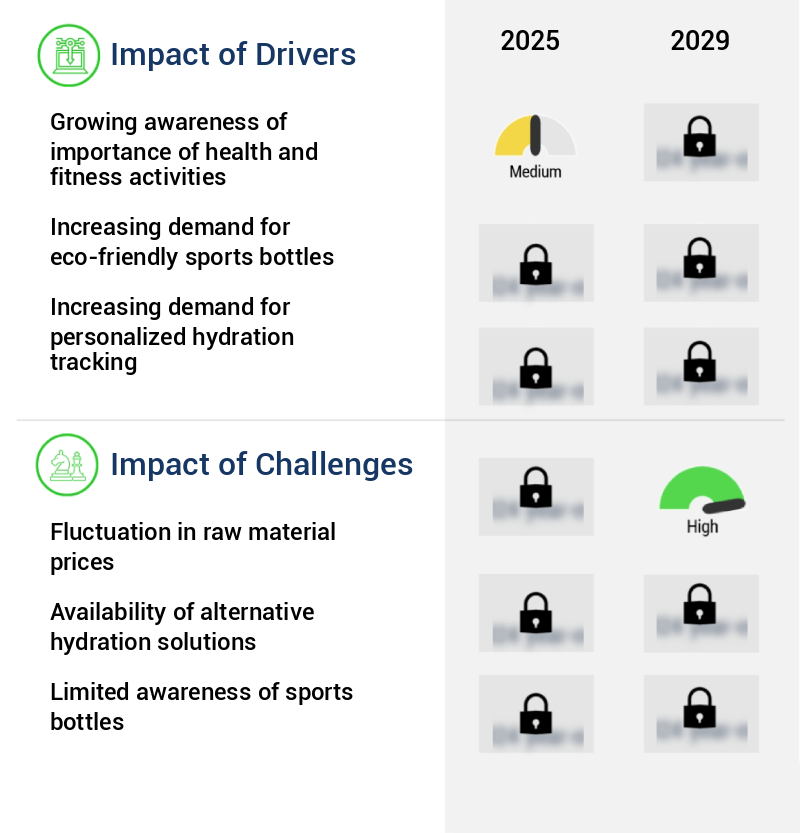
What are the key market drivers leading to the rise in the adoption of Sports Bottle Industry?
- The increasing recognition of the significance of health and wellness practices serves as the primary catalyst for market growth.
- The market experiences continuous growth due to increasing awareness of the importance of hydration for health and fitness. With a growing emphasis on health and wellness, consumers are increasingly engaging in sports and physical activities, such as running, cycling, hiking, and fitness training. This trend is driven by the recognition that regular physical activity offers numerous health benefits, including the reduction of chronic diseases, improved mental well-being, and enhanced overall fitness. The prevalence of chronic health issues, like obesity and lifestyle-related diseases, further underscores the significance of maintaining a healthy lifestyle.
- Consequently, the adoption of physical activities fuels the expansion of the market. The market's ongoing development is marked by the introduction of innovative designs, materials, and features to cater to diverse consumer preferences and needs.
What are the market trends shaping the Sports Bottle Industry?
- The integration of smart technology in sports bottles is an emerging market trend. This innovation enhances the functionality and convenience of hydration containers.
- Smart sports bottles have gained significant traction in the market due to their advanced features, including hydration tracking, temperature monitoring, Bluetooth connectivity, and companion mobile apps. These technological innovations cater to the increasing demand for convenient and personalized hydration solutions for various activities, from workouts to daily routines. The market's growth is driven by consumers' need to stay adequately hydrated, with personalized recommendations based on factors like age, weight, activity level, and environmental conditions. Continuous advancements in sensor technology, connectivity, and battery efficiency fuel the ongoing innovation in smart sports bottles.
- The integration of these features enhances the user experience, making hydration management more efficient and effective. The market's dynamics reflect the evolving needs of consumers and the industry's commitment to delivering cutting-edge solutions.
What challenges does the Sports Bottle Industry face during its growth?
- The volatility in raw material prices poses a significant challenge and significantly impacts the growth trajectory of the industry.
- The market experiences significant volatility due to the influence of raw material prices. Fluctuations in the cost of key materials like plastic, stainless steel, and aluminum can negatively impact market growth. For instance, an increase in the price of plastic resins or stainless steel raises production expenses for manufacturers, potentially leading to reduced profit margins or price adjustments for consumers. These unpredictable changes make it challenging for companies to maintain stable pricing for their products.
- According to a study, The market's production cost increased by 12% in the last two years due to raw material price fluctuations. This price volatility underscores the need for market players to closely monitor raw material markets and adapt their strategies accordingly.
Exclusive Customer Landscape
The sports bottle market forecasting report includes the adoption lifecycle of the market, covering from the innovator’s stage to the laggard’s stage. It focuses on adoption rates in different regions based on penetration. Furthermore, the sports bottle market report also includes key purchase criteria and drivers of price sensitivity to help companies evaluate and develop their market growth analysis strategies.
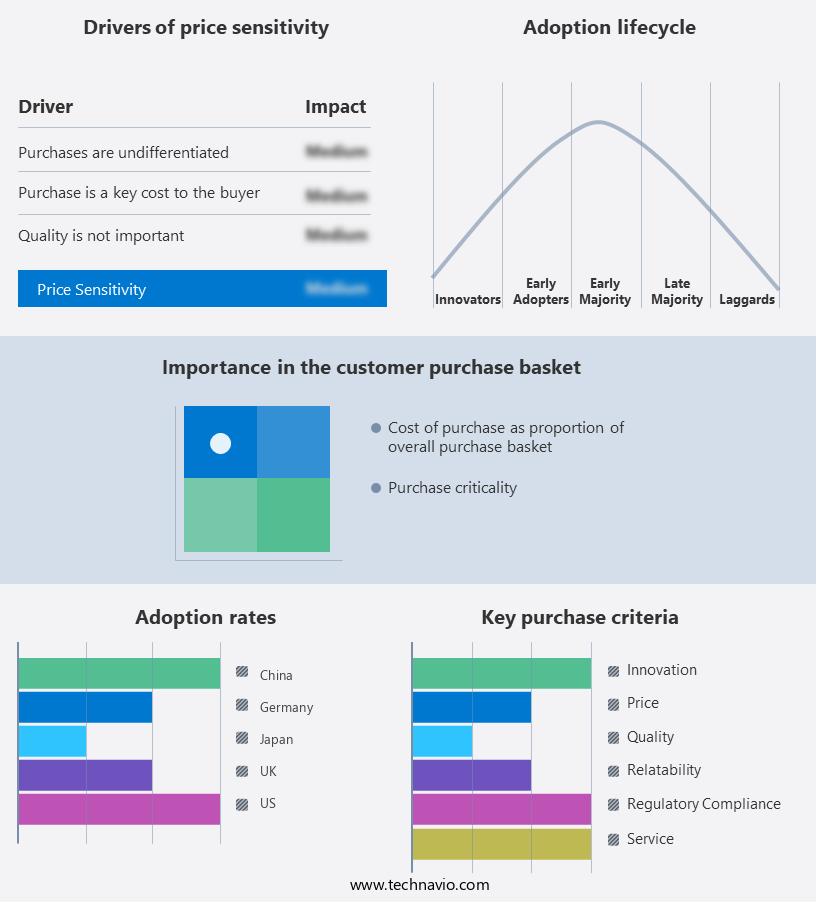
Customer Landscape of Sports Bottle Industry
Competitive Landscape & Market Insights
Companies are implementing various strategies, such as strategic alliances, sports bottle market forecast, partnerships, mergers and acquisitions, geographical expansion, and product/service launches, to enhance their presence in the industry.
Adidas AG - This company specializes in providing a range of high-performance sports bottles, including the Performance bottle, Steel bottle, Stella McCartney bottle, and Parley for the ocean steel water bottle. These bottles cater to various consumer preferences, offering durability, style, and eco-consciousness. The company's commitment to innovation and sustainability sets it apart in the market.
The industry research and growth report includes detailed analyses of the competitive landscape of the market and information about key companies, including:
- Adidas AG
- Bhalla International
- Borosil Ltd.
- Embrava Sports
- Everich Commerce Group Ltd.
- Helen of Troy Ltd.
- HydraPak LLC
- Klean Kanteen
- MIRA Brands
- Newell Brands Inc.
- Nike Inc.
- Nomader LLC
- PUMA SE
- Thermos LLC
- Tupperware Brands Corp.
- Under Armour Inc.
- Urbangear
- Vista Outdoor Inc.
- Zhejiang Haers Vacuum Containers Co. Ltd.
- Zojirushi Corp.
Qualitative and quantitative analysis of companies has been conducted to help clients understand the wider business environment as well as the strengths and weaknesses of key industry players. Data is qualitatively analyzed to categorize companies as pure play, category-focused, industry-focused, and diversified; it is quantitatively analyzed to categorize companies as dominant, leading, strong, tentative, and weak.
Recent Development and News in Sports Bottle Market
- In January 2024, Nestle's subsidiary, Gerber Scientific, announced the launch of its new line of insulated sports bottles, G-Bottle Pro, designed specifically for professional athletes and fitness enthusiasts (Nestle Press Release, 2024). The bottles, featuring advanced temperature control technology, were unveiled at the Consumer Electronics Show in Las Vegas.
- In March 2024, CamelBak, a leading sports bottle manufacturer, entered into a strategic partnership with Thermos, a global leader in food and beverage thermoses, to expand its product offerings and enhance its insulation technology (CamelBak Press Release, 2024). The collaboration aimed to create a new line of insulated sports bottles, combining CamelBak's expertise in hydration systems and Thermos's insulation technology.
- In May 2025, Hydro Flask, a prominent player in the market, secured a significant investment of USD50 million in a Series C funding round, led by Siemens-backed Next47 (Hydro Flask Press Release, 2025). The investment was intended to support the company's continued growth and innovation in the market, with a focus on expanding its product line and enhancing its manufacturing capabilities.
- In the same month, the European Union passed a new regulation, REACH (Registration, Evaluation, Authorization and Restriction of Chemicals), which set stricter guidelines for the production, use, and disposal of certain chemicals used in the manufacturing of sports bottles (EU Press Release, 2025). The regulation aimed to improve the safety of sports bottles and reduce potential health risks for consumers.
Dive into Technavio’s robust research methodology, blending expert interviews, extensive data synthesis, and validated models for unparalleled Sports Bottle Market insights. See full methodology.
|
Market Scope |
|
|
Report Coverage |
Details |
|
Page number |
211 |
|
Base year |
2024 |
|
Historic period |
2019-2023 |
|
Forecast period |
2025-2029 |
|
Growth momentum & CAGR |
Accelerate at a CAGR of 4.5% |
|
Market growth 2025-2029 |
USD 959.7 million |
|
Market structure |
Fragmented |
|
YoY growth 2024-2025(%) |
4.3 |
|
Key countries |
US, Canada, Germany, UK, Italy, France, China, India, Japan, Brazil, Egypt, UAE, Oman, Argentina, KSA, UAE, Brazil, and Rest of World (ROW) |
|
Competitive landscape |
Leading Companies, Market Positioning of Companies, Competitive Strategies, and Industry Risks |
Research Analyst Overview
- In the dynamic and evolving the market, innovation and consumer preferences continuously shape the landscape. One notable trend is the increasing demand for impact resistance, achieved through the use of robust materials like tritan copolyester and stainless steel construction. Another popular feature is the implementation of hydro-sealed lids and closure systems, ensuring a leak-proof experience. Silicone sleeves and carrying handles provide added comfort and convenience, while temperature retention technologies, such as double-wall insulation and vacuum insulation, keep beverages at optimal temperatures. Some bottles incorporate wide-mouth openings for easy filling and hydration tracking features for health-conscious consumers. Bottle material selection varies, with manufacturers turning to recycled materials and sustainable manufacturing processes to reduce environmental impact.
- Powder coating and electroplated finishes add durability and an attractive appearance. Ergonomic designs, insulated bottles, and carrying straps cater to the needs of active individuals. Manufacturing processes continue to evolve, with a focus on producing high-quality, long-lasting products. Durability testing and product lifespan assessments ensure that bottles meet the demands of consumers. UV resistance is another essential factor, as many prefer bottles that protect their beverages from sunlight. Bottle capacity, dishwasher safety, and microwave compatibility are essential considerations for consumers. As the market continues to unfold, expect further advancements in design, materials, and functionality to meet the evolving needs of consumers.
What are the Key Data Covered in this Sports Bottle Market Research and Growth Report?
-
What is the expected growth of the Sports Bottle Market between 2025 and 2029?
-
USD 959.7 million, at a CAGR of 4.5%
-
-
What segmentation does the market report cover?
-
The report segmented by Distribution Channel (Offline and Online), Material (Stainless steel, Plastic, Silicone, Aluminum, and Glass), Capacity (500 to 750 ml, 750 ml to 1 liter, Below 500 ml, and Above 1 liter), Geography (North America, APAC, Europe, South America, and Middle East and Africa), Application (Sports & Fitness, Outdoor Activities, Everyday Use, and Travel), and Feature (Insulated, Non-insulated, Smart Bottles (Hydration Tracking, Temperature Control), and Foldable/Collapsible)
-
-
Which regions are analyzed in the report?
-
North America, APAC, Europe, South America, and Middle East and Africa
-
-
What are the key growth drivers and market challenges?
-
Growing awareness of importance of health and fitness activities, Fluctuation in raw material prices
-
-
Who are the major players in the Sports Bottle Market?
-
Key Companies Adidas AG, Bhalla International, Borosil Ltd., Embrava Sports, Everich Commerce Group Ltd., Helen of Troy Ltd., HydraPak LLC, Klean Kanteen, MIRA Brands, Newell Brands Inc., Nike Inc., Nomader LLC, PUMA SE, Thermos LLC, Tupperware Brands Corp., Under Armour Inc., Urbangear, Vista Outdoor Inc., Zhejiang Haers Vacuum Containers Co. Ltd., and Zojirushi Corp.
-
Market Research Insights
- The market encompasses a diverse range of offerings, from plastic to metal bottles, each with unique features catering to consumer needs. According to industry estimates, plastic bottle production for sports bottles reached 12 billion units in 2020, while metal bottle manufacturing accounted for 1.5 billion units. Surface treatments, retail display design, and quality control testing are essential aspects of the market, ensuring product durability and consumer satisfaction. Design ergonomics and product marketing strategies are key differentiators, with brands focusing on insulation performance, bottle aesthetics, and material durability to attract consumers. Leak prevention methods and bottle sealing techniques are critical for maintaining product functionality and safety.
- Product branding and sustainability initiatives have gained significant traction, with companies investing in material traceability, manufacturing efficiency, and waste management. Sales channels have evolved, with online sales and direct-to-consumer models gaining popularity. Carrying system design and distribution network optimization are essential for ensuring efficient supply chain management. Consumer preferences for insulation performance, product safety standards, and material sourcing continue to shape market trends. The product life cycle of sports bottles is influenced by factors such as material durability, design ergonomics, and consumer preferences. As the market continues to evolve, innovation in areas like heat transfer rates and manufacturing techniques will remain crucial for market growth.
We can help! Our analysts can customize this sports bottle market research report to meet your requirements.
 RIA -
RIA -