
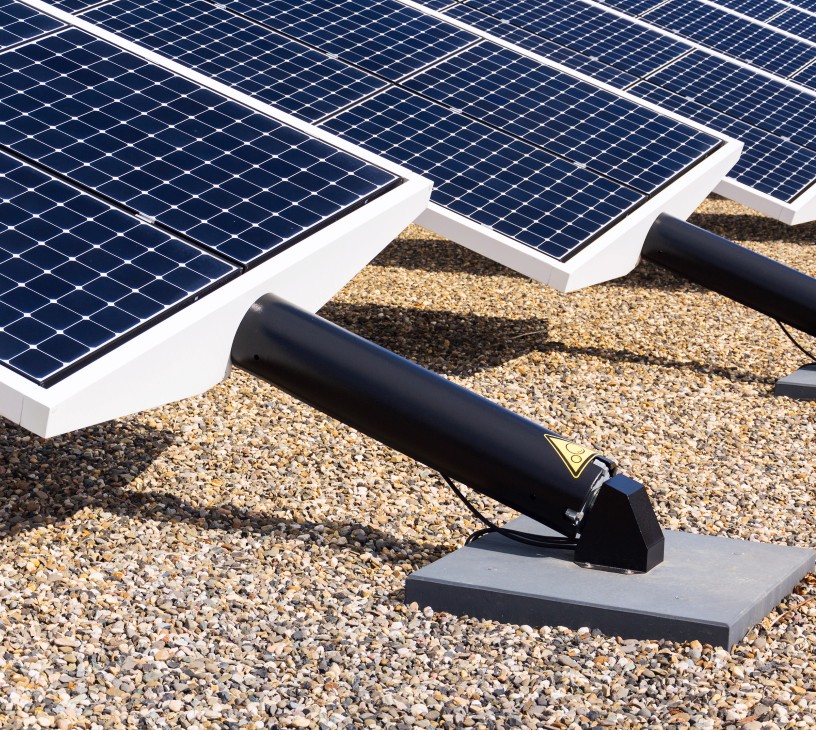


Solar PV Tracker Market Size 2026-2030
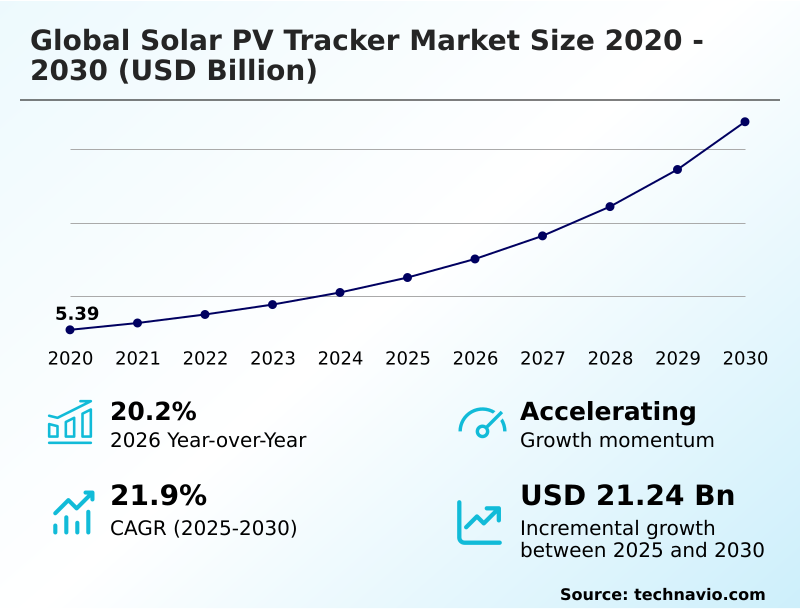
The solar pv tracker market size is valued to increase by USD 21.24 billion, at a CAGR of 21.9% from 2025 to 2030. Rise in investments in renewable energy will drive the solar pv tracker market.
Major Market Trends & Insights
- North America dominated the market and accounted for a 32.8% growth during the forecast period.
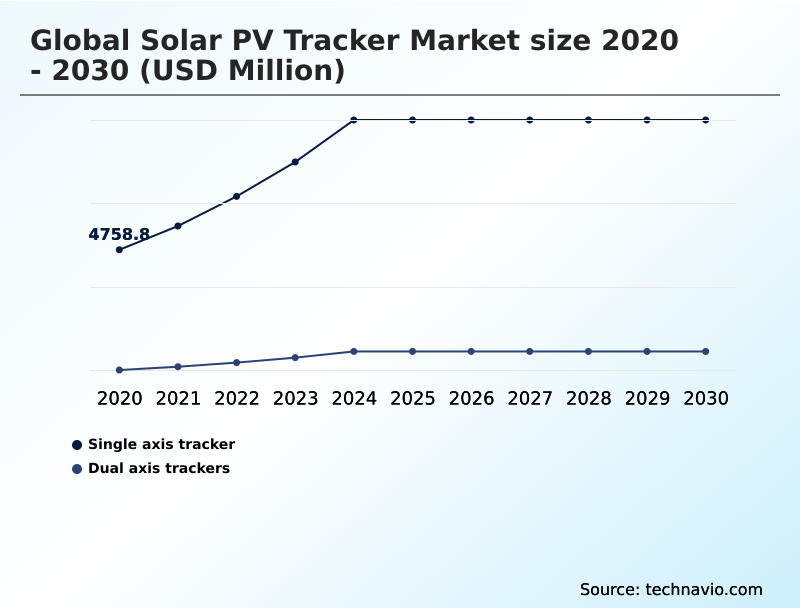
- By Product - Single axis tracker segment was valued at USD 9.21 billion in 2024
- By Technology - Solar PV segment accounted for the largest market revenue share in 2024
Market Size & Forecast
- Market Opportunities: USD 28.37 billion
- Market Future Opportunities: USD 21.24 billion
- CAGR from 2025 to 2030 : 21.9%
Market Summary
- The solar PV tracker market is expanding as the demand for enhanced solar power generation efficiency intensifies. These systems, which include single axis tracker and dual axis tracker models, are critical for maximizing energy yield from photovoltaic (pv) modules by continuously optimizing their orientation to the sun.
- This enhanced output helps lower the overall levelized cost of electricity (lcoe), making solar projects more financially viable. The adoption is driven by falling costs of balance-of-system (bos) components and supportive regulatory frameworks promoting the clean energy transition.
- For instance, a utility-scale developer evaluating a new project must weigh the higher initial capex of a dual axis tracker against its superior energy capture, especially when paired with bifacial solar modules. This decision directly impacts the project's long-term return on investment (roi) and its ability to meet power purchase agreements (ppas).
- While these systems improve capacity utilization, challenges related to solar irradiance variability and grid stability remain. Innovations in tracker control systems, incorporating predictive maintenance algorithms and real-time monitoring platforms, are crucial for mitigating these issues and ensuring reliable performance and extending asset lifespan.
What will be the Size of the Solar PV Tracker Market during the forecast period?
Get Key Insights on Market Forecast (PDF) Request Free Sample
How is the Solar PV Tracker Market Segmented?
The solar pv tracker industry research report provides comprehensive data (region-wise segment analysis), with forecasts and estimates in "USD million" for the period 2026-2030, as well as historical data from 2020-2024 for the following segments.
- Product
- Single axis tracker
- Dual axis trackers
- Technology
- Solar PV
- CSP
- Application
- Utility
- Commercial
- Residential
- Geography
- North America
- US
- Canada
- Mexico
- Europe
- Germany
- UK
- France
- APAC
- China
- India
- Japan
- South America
- Brazil
- Argentina
- Colombia
- Middle East and Africa
- Saudi Arabia
- UAE
- South Africa
- Rest of World (ROW)
- North America
By Product Insights
The single axis tracker segment is estimated to witness significant growth during the forecast period.
The market is primarily segmented by product and technology. The single axis tracker segment remains dominant, favored for its balance of cost-effectiveness and performance enhancement in utility-scale solar projects.
These systems, which rotate photovoltaic (pv) modules along one axis, are instrumental in improving solar power generation efficiency and overall solar project bankability.
Their design simplifies installation, contributing to a lower levelized cost of electricity (lcoe) and reduced operational expenditure reduction.
Integrating these trackers with bifacial solar modules further amplifies output, with deployments demonstrating an increase in energy capture by up to 25% over fixed-tilt installations.
This synergy between tracker control systems and advanced panel technology solidifies their role in maximizing capacity utilization and supporting global decarbonization initiatives while improving land-use efficiency and return on investment (roi).
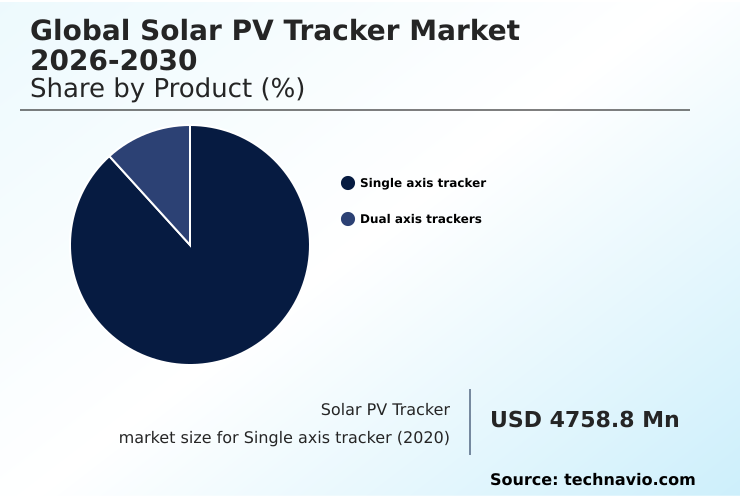
The Single axis tracker segment was valued at USD 9.21 billion in 2024 and showed a gradual increase during the forecast period.
Regional Analysis
North America is estimated to contribute 32.8% to the growth of the global market during the forecast period.Technavio’s analysts have elaborately explained the regional trends and drivers that shape the market during the forecast period.
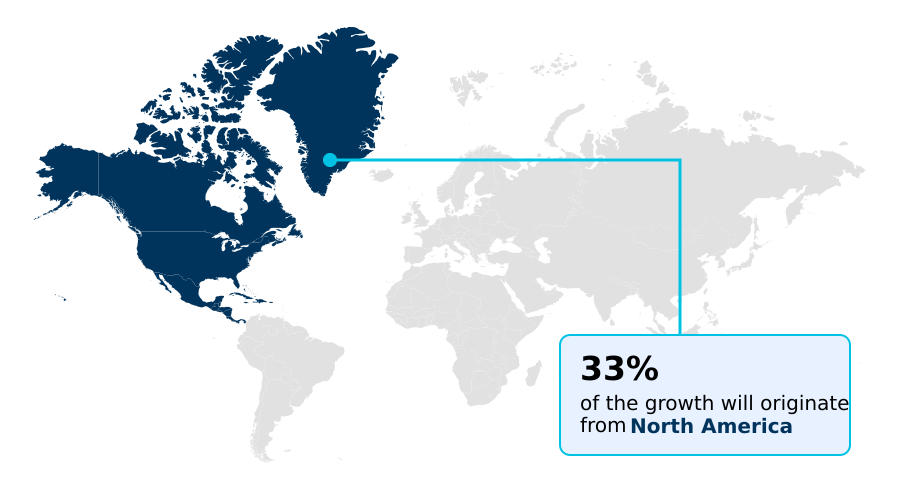
See How Solar PV Tracker Market Demand is Rising in North America Request Free Sample
The geographic landscape is varied, with APAC's expansion outpacing North America's growth by nearly 1.1 percentage points. North America focuses on utility-scale projects to improve grid stability, while Europe optimizes land use.
The Middle East and Africa leverage high direct normal irradiance (dni) for concentrated solar power (csp) projects, where dual axis tracker technology is used to orient heliostat fields, achieving performance gains of up to 40% and enabling thermal energy storage for enhanced grid resilience.
Innovations like automated alignment systems and smart grid integration support this growth across regions, fostering energy independence. This regional differentiation highlights how local factors influence technology choices, from residential rooftop systems to off-grid solar applications, driving sector coupling globally.
Market Dynamics
Our researchers analyzed the data with 2025 as the base year, along with the key drivers, trends, and challenges. A holistic analysis of drivers will help companies refine their marketing strategies to gain a competitive advantage.
- Strategic decision-making in the industry increasingly involves a detailed cost-benefit analysis of residential solar trackers and a nuanced understanding of the impact of bifacial modules on tracker roi. For utility-scale solar farms, the core debate often centers on single axis vs dual axis tracker lcoe, where the higher upfront cost of dual-axis systems must be justified by superior energy gains.
- Optimizing solar panel output with trackers is no longer just a mechanical process; it relies on improving energy yield with smart tracking algorithms and advanced solar tracker predictive maintenance technologies. Integrating trackers with battery storage systems is becoming essential for enhancing grid stability with tracker-equipped pv.
- Furthermore, advancements in solar tracker actuator design and pv tracker control system software advancements are addressing the challenges of tracker installation in difficult terrain and improving performance. For instance, operators using platforms for remote tracker monitoring report a reduction in operational costs, with some achieving a 15% improvement in maintenance dispatch efficiency compared to traditional methods.
- The solar tracker roi for commercial buildings is strengthened when accounting for these operational gains and the impact of soiling on tracker efficiency. As the market evolves, topics like tracker technology for agrivoltaic systems and government incentives for solar tracker deployment are becoming central to long-term strategy and reducing operational costs with remote tracker monitoring.
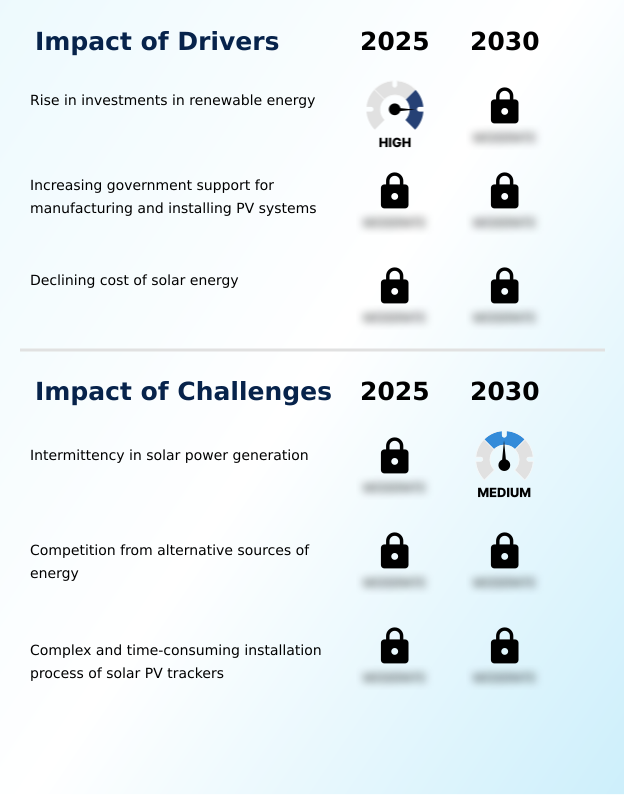
What are the key market drivers leading to the rise in the adoption of Solar PV Tracker Industry?
- The market is significantly driven by the substantial rise in investments directed toward renewable energy projects globally.
- Market expansion is driven by investments in renewable energy infrastructure and supportive regulatory frameworks that incentivize adoption. Projects incorporating trackers improve energy yield, delivering predictable generation profiles essential for securing power purchase agreements (ppas).
- This enhances project viability within various project financing models. Government support, through mechanisms like renewable energy certificates and feed-in tariffs, reduces barriers for developers, accelerating distributed generation and sustainable energy development.
- Furthermore, the declining cost of balance-of-system (bos) components and high-performing crystalline silicon cells makes trackers more viable, with some projects reporting a 12% reduction in operational costs through optimized designs that maximize capture of solar irradiance and help in carbon footprint reduction.
What are the market trends shaping the Solar PV Tracker Industry?
- A primary market trend is the continuous improvement in the conversion efficiency of solar PV modules, which directly enhances the energy yield and financial viability of projects utilizing tracker systems.
- Key trends are reshaping deployments, with the rise of smart city infrastructure creating demand for decentralized energy solutions where trackers can increase output per area by up to 35%. This facilitates better grid balancing and peak demand management.
- Concurrently, improvements in PV module efficiency, driven by advancements like heterojunction technology (hjt) and tunnel oxide passivated contact (topcon), amplify tracker benefits and improve supply chain optimization. This synergy is leading to payback period reductions of over 18% for commercial solar installations.
- A global slowdown in coal power investment further accelerates this clean energy transition, positioning tracker-equipped farms as essential for meeting ESG mandates, supported by innovations in silicon wafers and thin-film solar cells managed by advanced energy management platforms.
What challenges does the Solar PV Tracker Industry face during its growth?
- A key challenge affecting industry growth is the inherent intermittency of solar power generation, which impacts grid stability and project bankability.
- Technical and operational challenges persist, with solar power's intermittency impacting grid stability, often necessitating integration with energy storage solutions or microgrid systems. The complex installation process for turnkey pv solar power systems, especially in areas requiring terrain-adaptive systems and detailed wind load analysis, can extend project timelines.
- However, modular designs have been shown to reduce installation time by up to 20% compared to earlier fixed-tilt installations. Competition from alternative energy sources also influences investment.
- To remain competitive, tracker systems must demonstrate clear value, with innovations in predictive maintenance algorithms and durable actuators and sensors enabling a 15% reduction in unscheduled service calls, thereby supporting asset lifespan extension and improving the reliability of components like solar pv inverters and pv backsheets.
Exclusive Technavio Analysis on Customer Landscape
The solar pv tracker market forecasting report includes the adoption lifecycle of the market, covering from the innovator’s stage to the laggard’s stage. It focuses on adoption rates in different regions based on penetration. Furthermore, the solar pv tracker market report also includes key purchase criteria and drivers of price sensitivity to help companies evaluate and develop their market growth analysis strategies.
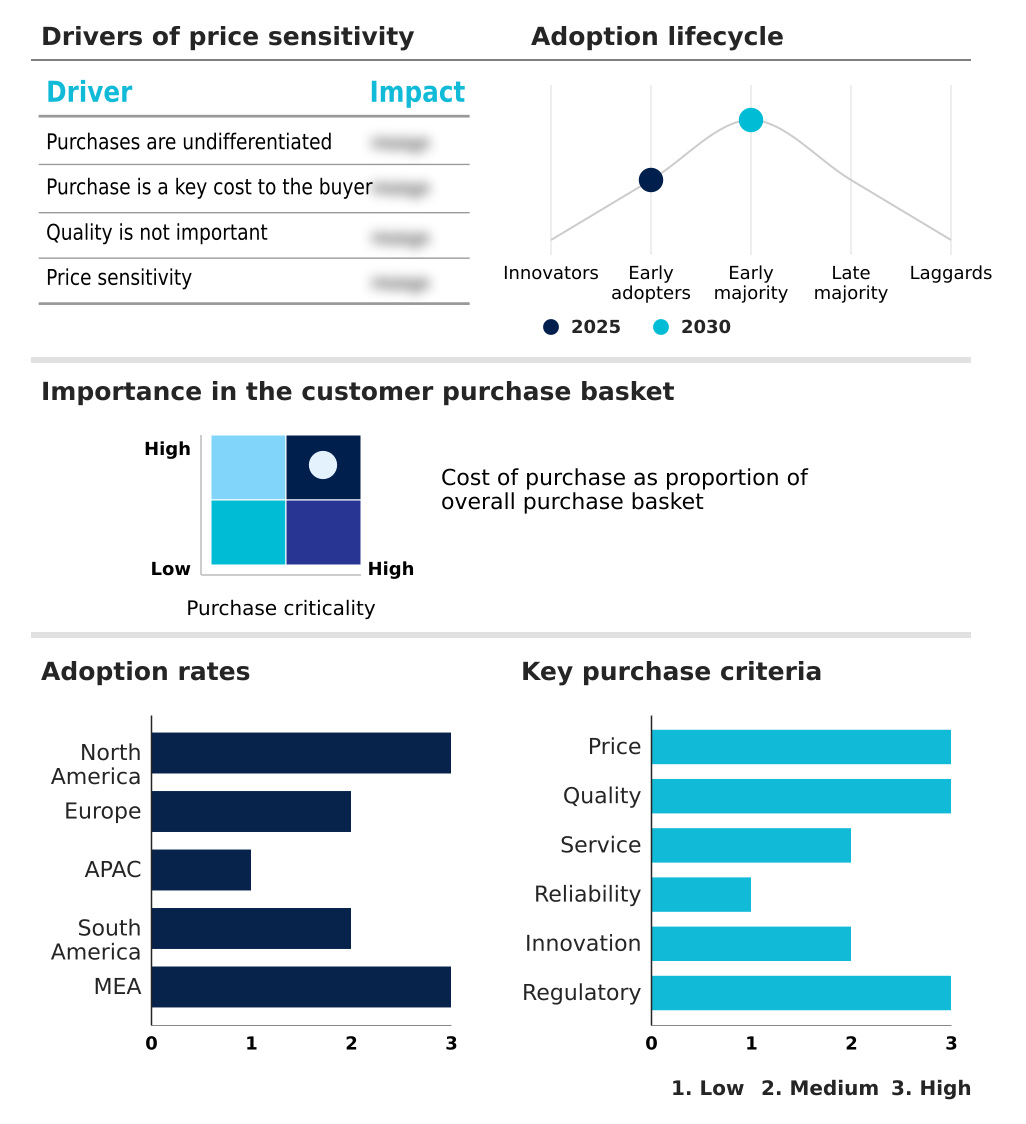
Customer Landscape of Solar PV Tracker Industry
Competitive Landscape
Companies are implementing various strategies, such as strategic alliances, solar pv tracker market forecast, partnerships, mergers and acquisitions, geographical expansion, and product/service launches, to enhance their presence in the industry.
All Earth Renewables - Key offerings include advanced dual-axis solar PV trackers engineered to optimize renewable energy generation for diverse applications.
The industry research and growth report includes detailed analyses of the competitive landscape of the market and information about key companies, including:
- All Earth Renewables
- ArcelorMittal SA
- Arctech Solar
- Array Technologies Inc.
- First Solar Inc.
- Flex Ltd.
- GameChange Solar
- Grupo Gransolar SL
- Hanwha Group
- Hao solar Co Ltd.
- IDEEMATEC Germany GmbH
- Mahindra and Mahindra Ltd.
- NOV Inc.
- Scorpius Trackers Pvt. Ltd.
- Soltec Energias Renovables SL
- Sun Action Trackers LLC
- SunPower Corp.
- Trina Solar Co. Ltd.
- Valmont Industries Inc.
Qualitative and quantitative analysis of companies has been conducted to help clients understand the wider business environment as well as the strengths and weaknesses of key industry players. Data is qualitatively analyzed to categorize companies as pure play, category-focused, industry-focused, and diversified; it is quantitatively analyzed to categorize companies as dominant, leading, strong, tentative, and weak.
Recent Development and News in Solar pv tracker market
- In January 2025, Trina Solar announced a new world record for PV module conversion efficiency, enhancing the energy yield potential when paired with solar tracker systems.
- In March 2025, Array Technologies Inc. reported that its single axis trackers deployed in new Texas utility-scale projects successfully reduced the levelized cost of electricity by over 12% compared to fixed-tilt systems.
- In April 2025, First Solar Inc. announced a USD 500 million investment to expand its North American portfolio of tracker-integrated solar PV projects, targeting large-scale farms in Texas and California.
- In May 2025, Adani Solar accelerated its installation of single axis trackers across multiple utility projects in India, responding to a new government initiative designed to support domestic tracker manufacturing and reduce import dependency.
Dive into Technavio’s robust research methodology, blending expert interviews, extensive data synthesis, and validated models for unparalleled Solar PV Tracker Market insights. See full methodology.
| Market Scope | |
|---|---|
| Page number | 290 |
| Base year | 2025 |
| Historic period | 2020-2024 |
| Forecast period | 2026-2030 |
| Growth momentum & CAGR | Accelerate at a CAGR of 21.9% |
| Market growth 2026-2030 | USD 21239.7 million |
| Market structure | Fragmented |
| YoY growth 2025-2026(%) | 20.2% |
| Key countries | US, Canada, Mexico, Germany, UK, France, Spain, Italy, The Netherlands, China, India, Japan, South Korea, Australia, Indonesia, Brazil, Argentina, Colombia, Saudi Arabia, UAE, South Africa, Israel and Turkey |
| Competitive landscape | Leading Companies, Market Positioning of Companies, Competitive Strategies, and Industry Risks |
Research Analyst Overview
- The market's evolution is marked by a decisive shift toward optimizing the levelized cost of electricity (lcoe) through advanced hardware and software integration. The core technology, including both single axis tracker and dual axis tracker systems, is now a standard component in planning for utility-scale deployments.
- Boardroom decisions are increasingly influenced by the long-term operational performance of these assets, where the integration of predictive maintenance algorithms has demonstrated the ability to reduce unscheduled downtime by over 30%. The choice between technologies like heterojunction technology (hjt) and tunnel oxide passivated contact (topcon) for photovoltaic (pv) modules is now intrinsically linked to tracker selection to maximize energy yield.
- This synergy is critical for achieving favorable power purchase agreements (ppas). While challenges from variable solar irradiance persist, the focus is on enhancing grid stability through smarter tracker control systems and real-time monitoring platforms, ensuring high capacity utilization and making tracker-equipped solar farms a more bankable asset class within the renewable energy infrastructure.
What are the Key Data Covered in this Solar PV Tracker Market Research and Growth Report?
-
What is the expected growth of the Solar PV Tracker Market between 2026 and 2030?
-
USD 21.24 billion, at a CAGR of 21.9%
-
-
What segmentation does the market report cover?
-
The report is segmented by Product (Single axis tracker, and Dual axis trackers), Technology (Solar PV, and CSP), Application (Utility, Commercial, and Residential) and Geography (North America, Europe, APAC, South America, Middle East and Africa)
-
-
Which regions are analyzed in the report?
-
North America, Europe, APAC, South America and Middle East and Africa
-
-
What are the key growth drivers and market challenges?
-
Rise in investments in renewable energy, Intermittency in solar power generation
-
-
Who are the major players in the Solar PV Tracker Market?
-
All Earth Renewables, ArcelorMittal SA, Arctech Solar, Array Technologies Inc., First Solar Inc., Flex Ltd., GameChange Solar, Grupo Gransolar SL, Hanwha Group, Hao solar Co Ltd., IDEEMATEC Germany GmbH, Mahindra and Mahindra Ltd., NOV Inc., Scorpius Trackers Pvt. Ltd., Soltec Energias Renovables SL, Sun Action Trackers LLC, SunPower Corp., Trina Solar Co. Ltd. and Valmont Industries Inc.
-
Market Research Insights
- Market dynamics are shaped by a strong push for sustainable energy development and operational expenditure reduction across industries. Utility-scale solar projects are increasingly standardizing on tracker systems, with deployments showing up to a 25% increase in energy output compared to fixed-tilt installations, directly improving solar project bankability.
- This shift is part of a broader clean energy transition, supported by regulatory frameworks that favor renewable energy infrastructure. In commercial solar installations, integrating trackers has been shown to improve return on investment (ROI) by accelerating payback periods by over 15%. Even in residential rooftop systems, smart grid integration with trackers is enhancing energy independence.
- Challenges such as complex project financing models and the need for advanced energy management platforms are being addressed through innovations that extend asset lifespan and optimize the supply chain.
We can help! Our analysts can customize this solar pv tracker market research report to meet your requirements.