


Soft Drinks Market Size 2025-2029
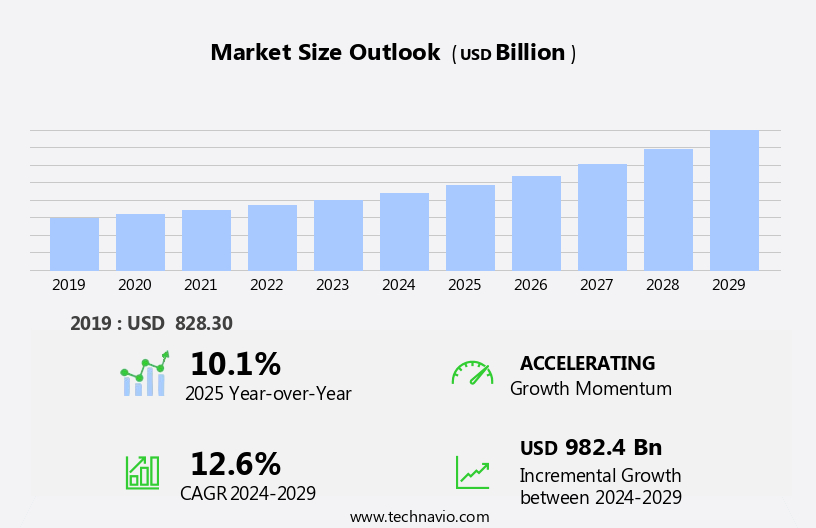
The soft drinks market size is forecast to increase by USD 982.4 billion, at a CAGR of 12.6% between 2024 and 2029.
- The market is characterized by three key drivers: the hectic lifestyle leading to the need for instant energy, the increasing demand for craft soft drinks, and the challenges posed by rising obesity rates and related health issues. The contemporary consumer base, particularly in urban areas, is increasingly time-starved and seeks convenient energy boosters. Soft drinks, with their quick energy delivery, cater to this need effectively. Moreover, the emergence of craft soft drinks, with their unique flavors and artisanal appeal, has added a new dimension to the market. Consumers are no longer content with mass-produced, homogeneous offerings; they seek diverse, authentic, and high-quality beverage options.
- This trend is particularly prominent among millennials and Gen Z consumers, who are more likely to experiment with new flavors and brands. However, the market also faces significant challenges. The growing awareness of the health risks associated with excessive sugar consumption has led to increased scrutiny of the industry. Obesity rates, particularly among children, continue to rise, fueling concerns about the long-term health consequences of soft drink consumption. Governments and health organizations are responding with stricter regulations and public health campaigns, which could impact market growth. Companies must navigate these challenges by offering healthier alternatives, such as low-sugar or zero-sugar options, and by engaging in transparent marketing practices.
- By staying attuned to these market dynamics, companies can capitalize on the opportunities presented by the evolving soft drinks landscape while mitigating potential risks.
What will be the Size of the Soft Drinks Market during the forecast period?
Explore in-depth regional segment analysis with market size data - historical 2019-2023 and forecasts 2025-2029 - in the full report.
Request Free Sample
The market continues to evolve, with dynamic market dynamics shaping its various sectors. Production capacity expands to meet consumer demand for an array of beverage offerings, from gourmet sodas and fruit juices to sports drinks and functional beverages. Taste perception remains a key driver, with flavor profiles constantly evolving to cater to changing preferences. Filtration systems and water treatment technologies ensure product quality, while manufacturing processes are optimized for energy efficiency. Health and wellness trends influence the market, leading to an increase in sugar-free options, organic choices, and natural ingredients. Vending machines and fountain dispensers are integrated into convenience stores and retail environments, providing consumers with easy access to their preferred beverages.
Beverage dispensing systems, including draft systems and cold chain technologies, ensure product freshness and consistency. Artificial sweeteners and flavoring extracts are used to create low-calorie and sugar-free options, catering to consumer preferences for healthier alternatives. Quality control measures are implemented to maintain product integrity, while supply chain management and distribution channels are optimized for efficiency. Social media marketing and digital marketing strategies are employed to reach consumers effectively. Environmental impact is a growing concern, leading to innovations in water conservation and sustainable packaging formats. Product innovation continues to drive the market, with new offerings in specialty sodas, craft sodas, and functional beverages.
Pricing strategies are adjusted to remain competitive, reflecting the ongoing unfolding of market activities and evolving patterns.
How is this Soft Drinks Industry segmented?
The soft drinks industry research report provides comprehensive data (region-wise segment analysis), with forecasts and estimates in "USD billion" for the period 2025-2029, as well as historical data from 2019-2023 for the following segments.
- Product
- Carbonated soft drinks
- Juices and juice concentrates
- Bottled water
- RTD tea and coffee
- Others
- Distribution Channel
- Offline
- Online
- Geography
- North America
- US
- Canada
- Europe
- France
- Germany
- Italy
- UK
- APAC
- China
- India
- Japan
- South Korea
- Rest of World (ROW)
- North America
By Product Insights
The carbonated soft drinks segment is estimated to witness significant growth during the forecast period.
The carbonated the market is undergoing a notable evolution, shaped by shifting consumer preferences and a growing focus on health and wellness. Traditional sales have plateaued, but the sector continues to expand through the introduction of innovative, healthier alternatives. Major players, such as PepsiCo and Coca-Cola, are adapting to this trend by reformulating their products with reduced sugar content and natural ingredients. This shift is most prominent in developed markets, where health awareness is increasingly prioritized. Companies are also investing in energy efficiency, filtration systems, and other sustainable practices to meet evolving consumer demands. In addition, the market is witnessing a surge in gourmet sodas, fruit juices, and functional beverages, catering to diverse taste preferences.
Product innovation, including low-calorie, sugar-free, and organic options, is a key strategy for market growth. Manufacturers are also leveraging digital marketing, social media, and supply chain management to reach consumers more effectively. Beverage dispensing systems, including draft systems and vending machines, are being upgraded to offer more customizable and convenient options. The market is further influenced by the increasing popularity of sports drinks, water conservation efforts, and the rise of craft sodas and marketing campaigns. Environmental impact and distribution channels, including online retailers, are also key considerations for manufacturers. Overall, the carbonated the market is adapting to changing consumer preferences and prioritizing sustainability and healthier options.
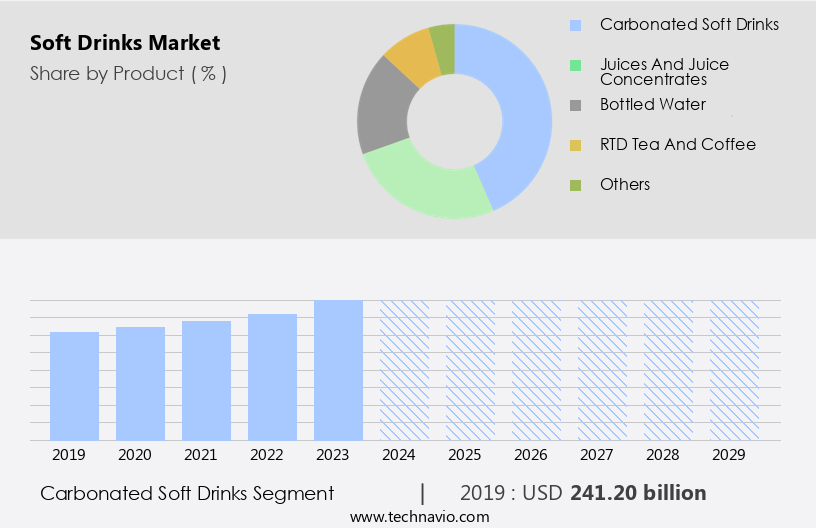
The Carbonated soft drinks segment was valued at USD 241.20 billion in 2019 and showed a gradual increase during the forecast period.
Regional Analysis
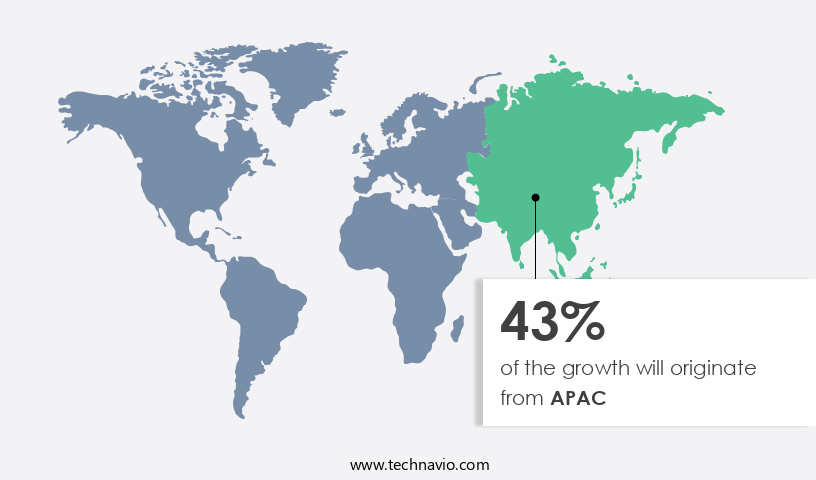
APAC is estimated to contribute 43% to the growth of the global market during the forecast period.Technavio’s analysts have elaborately explained the regional trends and drivers that shape the market during the forecast period.
The North American the market is projected to lead the global industry in terms of revenue by 2024. However, the preference for carbonated soft drinks is declining due to health concerns, such as the risk of diabetes and kidney malfunction. Instead, consumers are opting for bottled water, which is experiencing a surge in demand. Brands are responding to this trend by introducing new lines of flavored bottled water with no added sugar, sweeteners, or colors. The RTD tea and coffee segment is also growing rapidly in the region. Manufacturers are focusing on energy efficiency and implementing filtration systems to cater to consumer preferences for natural ingredients.
Social media marketing and digital channels are essential for reaching customers, while supply chain management and quality control are crucial for maintaining product consistency. Fruit juices, functional beverages, and sugar-free options are other categories experiencing growth. The market is also witnessing innovation in product offerings, including gourmet sodas, craft sodas, and specialty drinks. Water conservation and environmental impact are becoming increasingly important, leading to advancements in manufacturing processes and packaging formats, such as aseptic and cold chain technologies. Beverage dispensing systems, vending machines, and fountain dispensers are also evolving to meet consumer demands for convenience and taste perception. The market is expected to continue growing, driven by consumer preferences, pricing strategies, and product innovation.
Market Dynamics
Our researchers analyzed the data with 2024 as the base year, along with the key drivers, trends, and challenges. A holistic analysis of drivers will help companies refine their marketing strategies to gain a competitive advantage.
What are the key market drivers leading to the rise in the adoption of Soft Drinks Industry?
- The hectic lifestyle and demand for immediate energy serve as the primary catalyst for the market's growth.
- The beverage industry, specifically soft drinks, continues to evolve in response to shifting consumer preferences and market dynamics. Beverage dispensing systems and flavoring extracts are essential components of this sector, ensuring the production of high-quality, consistent products. Quality control is a top priority, with companies implementing rigorous testing procedures to meet consumer expectations. Social media marketing and digital strategies are increasingly important for reaching consumers. Fruit juices, water conservation, functional beverages, sugar-free options, and various flavor profiles are key trends driving growth. Supply chain management is crucial for maintaining efficiency and meeting demand. Consumer preferences for convenience, health, and taste are shaping pricing strategies.
- Companies offer various sugar-free and functional beverage options to cater to diverse consumer needs. Digital marketing plays a significant role in reaching consumers and building brand awareness. Water conservation and sustainability are becoming increasingly important, with companies focusing on reducing their environmental impact. The market for functional beverages, which offer health benefits beyond basic hydration, is growing rapidly. As the industry continues to evolve, companies must stay attuned to these trends and adapt to meet consumer demands.
What are the market trends shaping the Soft Drinks Industry?
- The trend in the beverage industry is shifting towards an increased demand for craft soft drinks. This emerging market preference reflects a growing consumer interest in unique, artisanal beverage options.
- The US the market is witnessing a significant shift towards craft beverages, with an increasing preference for unique flavors, natural ingredients, and unconventional packaging. These beverages are produced in small batches using manufacturing processes that prioritize taste perception and quality. The health and wellness trend is also influencing the market, with a growing demand for organic options and low-calorie alternatives. Craft soft drinks are gaining popularity among millennials, who are open to experimenting with new products. Some companies in this segment include Jones Soda, Reed Brooklyn Soda Works, Dry Sparkling, and Cool Mountain Beverages. For instance, Jones Soda Co.
- Expanded its product line in September 2024 by introducing Cola and Zero Cola flavors to its Hemp Delta-9 (HD9) beverage line. Vending machines and fountain dispensers are common distribution channels for mass-produced soft drinks. However, craft soft drinks are often sold in specialty stores and through direct-to-consumer channels. Draft systems and kegs are also used for serving these beverages in bars and restaurants. Water treatment and quality are crucial factors in the production of soft drinks. Manufacturing processes involve the use of artificial sweeteners and other additives, which can impact taste perception and health concerns. Companies are investing in research and development to create healthier and more natural alternatives.
- In conclusion, the US the market is evolving, with a growing demand for craft beverages that prioritize taste, quality, and health. Companies are responding to this trend by introducing new flavors, packaging, and distribution channels. The market is expected to continue growing, driven by changing consumer preferences and innovative product offerings.
What challenges does the Soft Drinks Industry face during its growth?
- The escalating obesity rates and the resulting health concerns pose a significant challenge to the industry's growth trajectory.
- The market faces challenges due to rising health concerns and consumer awareness. Obesity, a condition characterized by a body mass index (BMI) of 25 or higher, is a significant concern. Obesity leads to various health issues such as high blood pressure, diabetes, and joint problems. As a result, consumers are increasingly limiting their intake of sugar and high-calorie beverages, including carbonated soft drinks and juices. To cater to this trend, the industry is focusing on product innovation. Technologies such as cold chain, high-pressure processing, and aseptic packaging are being employed to preserve the quality and taste of low-sugar and no-sugar beverages.
- Craft sodas, which are often made with natural ingredients and contain fewer calories than traditional soft drinks, are gaining popularity. Marketing campaigns emphasizing the health benefits of these alternatives are also being used to attract consumers. Environmental impact is another concern, and companies are exploring sustainable packaging solutions and reducing their carbon footprint. Distribution channels are expanding to include online retailers, making it easier for consumers to access healthier options. Energy drinks, which are often high in sugar and caffeine, remain a significant portion of the market but are facing increasing scrutiny due to their potential health risks.
- In conclusion, the market is evolving to meet changing consumer preferences and concerns. Product innovation, sustainable practices, and effective marketing campaigns will be key to staying competitive in this dynamic industry. Recent research indicates that these trends will continue to shape the market in the coming years.
Exclusive Customer Landscape
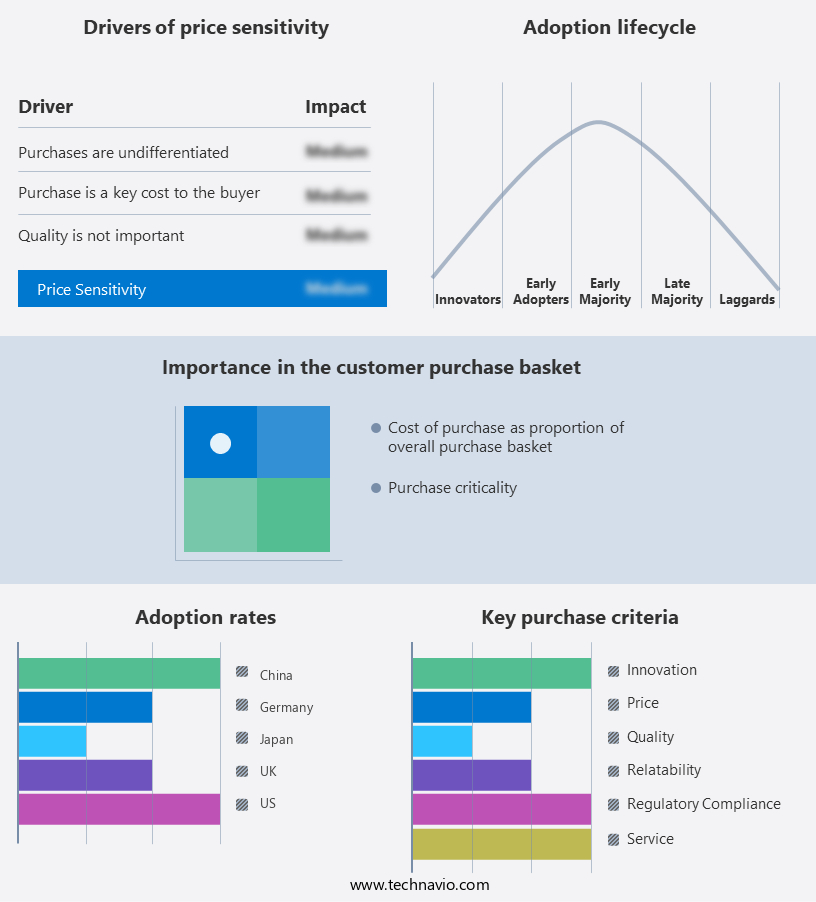
The soft drinks market forecasting report includes the adoption lifecycle of the market, covering from the innovator’s stage to the laggard’s stage. It focuses on adoption rates in different regions based on penetration. Furthermore, the soft drinks market report also includes key purchase criteria and drivers of price sensitivity to help companies evaluate and develop their market growth analysis strategies.
Customer Landscape
Key Companies & Market Insights
Companies are implementing various strategies, such as strategic alliances, soft drinks market forecast, partnerships, mergers and acquisitions, geographical expansion, and product/service launches, to enhance their presence in the industry.
Asahi Group Holdings Ltd. - This company specializes in an extensive range of fruit-infused soft drink options, appealing to numerous consumer tastes. Our product portfolio showcases a commitment to innovation and originality in the beverage industry. Each beverage is meticulously crafted to deliver a unique, authentic fruit flavor, enhancing consumer enjoyment and satisfaction. By prioritizing natural ingredients and diverse fruit selections, we cater to the evolving preferences of modern consumers. Our dedication to quality and taste sets us apart in the competitive beverage market.
The industry research and growth report includes detailed analyses of the competitive landscape of the market and information about key companies, including:
- Asahi Group Holdings Ltd.
- Danone SA
- Del Monte Pacific Ltd.
- Dongpeng Beverage Group Co. Ltd.
- Keurig Dr Pepper
- Kirin Holdings Co. Ltd.
- Mondelez International Inc.
- Monster Energy Co.
- National Beverage Corp.
- Nestle SA
- Otsuka Holdings Co. Ltd.
- Parle Agro Pvt Ltd.
- PepsiCo Inc.
- POSTOBON S.A
- Purity Soft Drinks Ltd.
- Red Bull GmbH
- Refresco Group
- Starbucks Corp.
- Suntory Beverage and Food Ltd.
- Tata Consumer Products Ltd.
Qualitative and quantitative analysis of companies has been conducted to help clients understand the wider business environment as well as the strengths and weaknesses of key industry players. Data is qualitatively analyzed to categorize companies as pure play, category-focused, industry-focused, and diversified; it is quantitatively analyzed to categorize companies as dominant, leading, strong, tentative, and weak.
Recent Development and News in Soft Drinks Market
- In March 2024, Coca-Cola Company introduced a new product line, "Aha," an sparkling water brand, in India. This expansion aims to cater to the growing demand for healthier beverage options in the Indian market (Coca-Cola Company Press Release, 2024).
- In July 2024, PepsiCo announced a strategic partnership with Starbucks to produce, sell, and distribute Starbucks' ready-to-drink coffee and tea products in the U.S. This collaboration is expected to strengthen PepsiCo's presence in the growing coffee market (Business Wire, 2024).
- In January 2025, Danone signed a definitive agreement to acquire a 60% stake in the U.S. Plant-based beverage company, Harmless Harvest. This acquisition is part of Danone's strategy to expand its presence in the fast-growing plant-based beverage market (Business Wire, 2025).
- In March 2025, the European Union approved new regulations limiting the amount of sugar in soft drinks. The new regulations, set to take effect in 2026, will significantly impact the European the market, forcing companies to reformulate their products or face potential sales losses (European Commission Press Release, 2025).
Research Analyst Overview
- The market is experiencing dynamic shifts, driven by various trends and consumer preferences. Subscription models are gaining traction, allowing consumers to receive regular deliveries of their favorite beverages. Functional ingredients, such as vitamins and botanicals, are increasingly popular, aligning with health-conscious consumer segmentation. Customer insights reveal that demographic trends favor zero-sugar options and sustainability certifications. Premium packaging design and innovation pipelines cater to the demand for unique flavors and plant-based beverages. Data analytics and sensory analysis are essential tools for understanding consumer preferences and developing new products. Sustainability certifications, alternative sweeteners, and personalized beverages are key areas of focus for market penetration.
- Shelf life, food safety, and ph levels are critical considerations for product development. Caffeine content and ingredient sourcing are also important factors, as are emerging technologies and flavor trends. Nutritional labeling and caffeine content transparency are essential for maintaining customer trust. The market is innovating to meet the evolving needs of consumers, with a focus on plant-based beverages, nutritional labeling, and sensory appeal.
Dive into Technavio’s robust research methodology, blending expert interviews, extensive data synthesis, and validated models for unparalleled Soft Drinks Market insights. See full methodology.
|
Market Scope |
|
|
Report Coverage |
Details |
|
Page number |
232 |
|
Base year |
2024 |
|
Historic period |
2019-2023 |
|
Forecast period |
2025-2029 |
|
Growth momentum & CAGR |
Accelerate at a CAGR of 12.6% |
|
Market growth 2025-2029 |
USD 982.4 billion |
|
Market structure |
Fragmented |
|
YoY growth 2024-2025(%) |
10.1 |
|
Key countries |
US, China, Canada, Japan, UK, Germany, India, South Korea, Italy, and France |
|
Competitive landscape |
Leading Companies, Market Positioning of Companies, Competitive Strategies, and Industry Risks |
What are the Key Data Covered in this Soft Drinks Market Research and Growth Report?
- CAGR of the Soft Drinks industry during the forecast period
- Detailed information on factors that will drive the growth and forecasting between 2025 and 2029
- Precise estimation of the size of the market and its contribution of the industry in focus to the parent market
- Accurate predictions about upcoming growth and trends and changes in consumer behaviour
- Growth of the market across North America, Europe, APAC, South America, and Middle East and Africa
- Thorough analysis of the market’s competitive landscape and detailed information about companies
- Comprehensive analysis of factors that will challenge the soft drinks market growth of industry companies
We can help! Our analysts can customize this soft drinks market research report to meet your requirements.
 RIA -
RIA -