


Sensor Market Size 2025-2029
The sensor market size is forecast to increase by USD 561.4 billion at a CAGR of 23.8% between 2024 and 2029.
- The market is experiencing significant growth, driven by the increasing adoption of Internet of Things (IoT) technology in various industries. The proliferation of IoT devices, particularly wearables, is fueling the demand for sensors. These sensors enable real-time data collection and analysis, leading to improved operational efficiency and enhanced user experiences. Additionally, the integration of sensors in network-embedded systems is expanding their applications in sectors such as automotive, healthcare, and industrial automation. However, the market faces challenges as well. One significant obstacle is the need for miniaturization and cost reduction in sensors to meet the demands of IoT applications.
- Another challenge is ensuring data security and privacy, as the widespread use of sensors generates vast amounts of sensitive information. Companies seeking to capitalize on the opportunities in the market must focus on addressing these challenges through innovative technologies and strategic partnerships. By staying abreast of these trends and overcoming the associated challenges, organizations can effectively navigate the dynamic market landscape and drive growth. Sensor fusion and calibration services ensure reliable data acquisition, while inventory management and supply chain optimization use data analytics to improve efficiency.
What will be the Size of the Sensor Market during the forecast period?
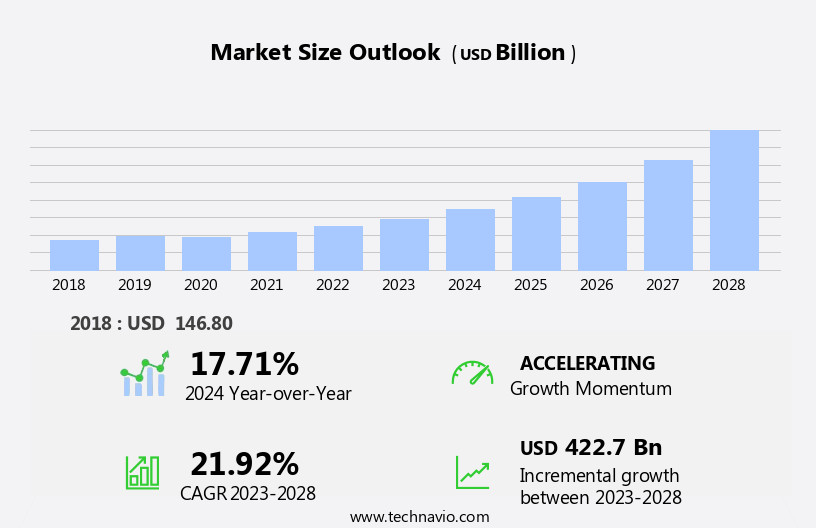
Explore in-depth regional segment analysis with market size data - historical 2019-2023 and forecasts 2025-2029 - in the full report.
Request Free Sample
In the dynamic market, user interface and data transmission technologies play a pivotal role in enhancing user experience and enabling remote control of sensor nodes. Businesses seek to maximize the value of sensor data through anomaly detection and fault detection, necessitating advanced data interpretation and decision support systems. Battery life is a critical performance metric, as is cost analysis and system integration in the development of sensor platforms and applications. Intellectual property protection and technical support are essential for maintaining a competitive advantage. Sensor maintenance, process control, and data logging are integral to ensuring sensor arrays and modules function optimally. Sensors are also integral to automotive applications, from gas sensors in vehicles to high-accuracy motion sensors for autonomous driving systems.
Performance metrics, such as power consumption and communication protocols, are key considerations in the technology roadmap for sensor systems. Joint ventures and software development collaborations are common strategies for expanding market opportunity and improving sensor replacement and sensor arrays. Data storage and safety standards are crucial for ensuring data security and reliability. Predictive modeling and remote diagnostics enable proactive maintenance and reduce downtime. Sensor lifespan and sensor replacement strategies are essential for minimizing overall costs and maximizing return on investment. In the realm of sensor systems, continuous innovation and improvement are the keys to success.
How is this Sensor Industry segmented?
The sensor industry research report provides comprehensive data (region-wise segment analysis), with forecasts and estimates in "USD billion" for the period 2025-2029, as well as historical data from 2019-2023 for the following segments.
- Type
- Temperature sensor
- Pressure sensor
- Image sensor
- Proximity sensor
- Others
- Connectivity
- Wired sensor
- Wireless sensor
- Environment
- Indoor sensor
- Outdoor sensor
- End-user
- Electronics
- IT and telecom
- Automotive
- Industrial
- Others
- Technology
- CMOS
- MEMS
- NEMS
- Others
- Geography
- North America
- US
- Canada
- Mexico
- Europe
- France
- Germany
- UK
- APAC
- China
- India
- Japan
- South Korea
- Rest of World (ROW)
- North America
By Type Insights
The Temperature sensor segment is estimated to witness significant growth during the forecast period. The market is witnessing significant growth across various industries, including control systems, smart agriculture, quality control, process optimization, maintenance services, and more. Sensor accuracy is a critical factor, with industrial sensors requiring high precision for environmental monitoring and automotive sensors ensuring safety in vehicles. Machine learning and artificial intelligence are revolutionizing data analysis, enabling pattern recognition and real-time monitoring. Mesh networks and wireless communication facilitate sensor integration, while data visualization tools make complex data easier to understand. Power management and edge computing are essential for optimizing energy usage and reducing latency. Industrial automation relies on sensor networks for environmental monitoring and process optimization, while aerospace sensors ensure safety in harsh conditions.
Data security is paramount, with encryption and network protocols ensuring data privacy and integrity. Smart cities and smart buildings utilize sensors for energy management, safety, and security. Medical sensors and wearable devices monitor health and wellness, while remote monitoring enables healthcare from a distance. Battery technology and biometric sensors are driving innovation, with deep learning and artificial intelligence enhancing their capabilities. Risk management and support services ensure optimal performance and minimize downtime. Overall, the market is evolving to meet the demands of Industry 4.0, with continuous innovation and integration into various applications.
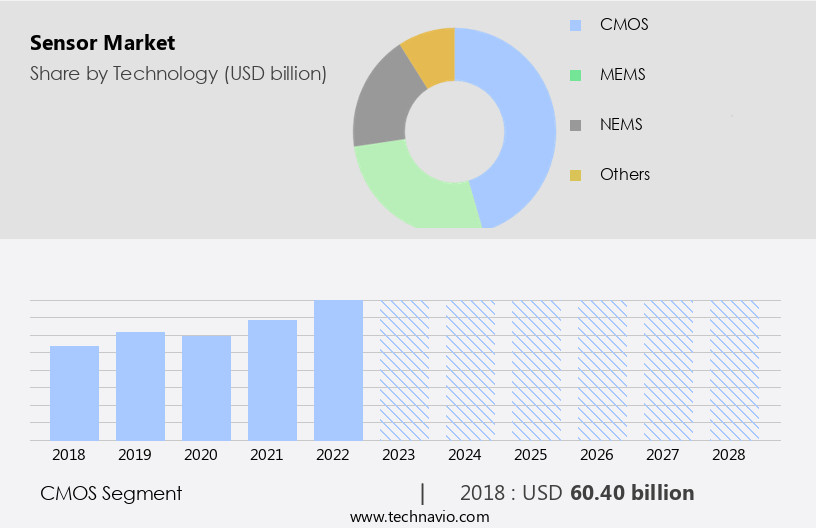
The Temperature sensor segment was valued at USD 35.80 billion in 2019 and showed a gradual increase during the forecast period.
The Sensor Market is experiencing rapid growth, fueled by increased demand for intelligent sensor modules across industries like automotive, healthcare, and smart infrastructure. Companies are investing in robust application development to tailor sensor capabilities to diverse real-world needsâfrom real-time diagnostics to environmental monitoring. As adoption broadens, enhanced customer support becomes critical to ensure smooth integration and sustained performance. Success in this competitive landscape hinges on building a strong business case, where operational efficiency, data-driven insights, and return on investment are clearly demonstrated. Another trend is the rising usage of wearable devices, which require sensors for tracking various health metrics.
Regional Analysis
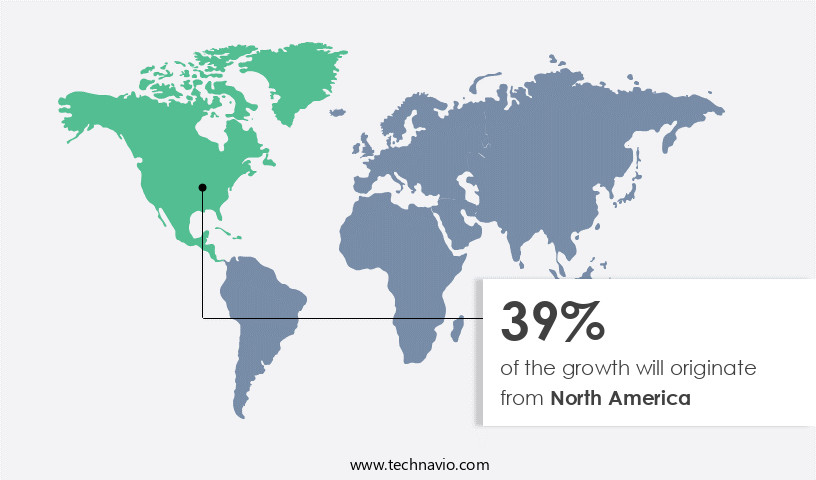
North America is estimated to contribute 44% to the growth of the global market during the forecast period.Technavio's analysts have elaborately explained the regional trends and drivers that shape the market during the forecast period.
In North America, the market is experiencing significant growth due to the increasing demand for sensors across various industries, including electronics, IT and telecom. Sensors are essential for converting physical parameters into measurable signals, enabling data collection and facilitating automation and control processes. With a strong research and development ecosystem and a highly skilled workforce, North America is a global hub for technological advancements and innovations in sensor technology. The region's diverse industrial landscape includes automotive, electronics, and industrial sectors. Infineon Technologies, a leading player in North America, launched its PSOC 4 microcontroller family with Multi-Sense capabilities in March 2025.
This innovation showcases the region's commitment to cutting-edge sensor technology. Smart agriculture, quality control, process optimization, and maintenance services are among the industries benefiting from sensor integration. Real-time monitoring, pattern recognition, and sensor precision are crucial for industrial sensors, while data security and power management are essential for embedded systems. Machine learning and artificial intelligence are revolutionizing data analytics, while data acquisition, inventory management, and supply chain management are streamlined through IoT platforms. Sensor networks, industrial automation, and environmental monitoring are transforming industries, with sensor fusion and data visualization enabling more accurate and efficient processes. Wireless communication, cloud computing, and edge computing are essential for seamless data transfer and processing.
Medical sensors, wearable sensors, and remote monitoring are improving healthcare and personal wellness. Sensor reliability, risk management, battery technology, and network protocols are critical considerations for sensor integration. Deep learning and computer vision are enhancing object detection and image processing capabilities. Overall, the market in North America is evolving, with a focus on improving efficiency, accuracy, and security across various industries.
Market Dynamics
Our researchers analyzed the data with 2024 as the base year, along with the key drivers, trends, and challenges. A holistic analysis of drivers will help companies refine their marketing strategies to gain a competitive advantage.
What are the Sensor market drivers leading to the rise in the adoption of Industry?
- The rise in demand for IoT (Internet of Things) technology-driven devices serves as the primary catalyst for market growth. Wearable sensors, a significant component of the Internet of Things (IoT), are revolutionizing data acquisition and analysis in various industries. These sensors, integrated into devices such as smartwatches and fitness bands, collect essential data on biometrics, environmental conditions, and industrial processes. Edge computing, a technology that processes data near the source, enables real-time analysis and risk management. The advancement of battery technology and development of reliable network protocols ensure uninterrupted data transmission. Sensor fusion, the combination of data from multiple sensors, enhances accuracy and reduces errors. Data analytics and sensor networks facilitate better decision-making and optimize processes in industrial automation and environmental monitoring.
- IoT applications extend beyond personal devices, improving process efficiency and security in industries like energy, healthcare, and logistics. Cold chain monitoring for temperature-sensitive commodities is a notable application, ensuring product quality and safety. Sensor calibration and reliability are crucial to maintaining data accuracy and system performance. The integration of wearable sensors and IoT technology is transforming industries by providing real-time data, enabling automation, and improving operational efficiency. The focus on sensor reliability, edge computing, and data analytics is driving innovation and growth in this market. Other sectors, such as agriculture, aerospace, defense, energy, robotics, and green energy technologies, also leverage sensors for automation, wireless connectivity, and various applications, including RFID sensors, CMOS sensors, and NEMS sensors.
What are the Sensor market trends shaping the Industry?
- The adoption of wearable devices is gaining significant traction and is a notable market trend. This trend is driven by advancements in technology and increasing consumer interest in health and fitness tracking. The market is experiencing significant growth due to the increasing integration of sensors in various industries, including control systems, smart agriculture, quality control, process optimization, maintenance services, data visualization, machine learning, and mesh networks. In the realm of industrial automation, sensors play a crucial role in enhancing the performance of machines and systems by providing real-time data. In the consumer electronics sector, the popularity of wearable devices, such as smartwatches and fitness bands, is propelling the demand for sensors. These devices rely on sensors to monitor and measure various health parameters, enabling users to track their physical activity and wellness.
- Moreover, the Internet of Things (IoT) platform is revolutionizing various industries by enabling seamless data collection and analysis. Sensors are a fundamental component of IoT systems, as they facilitate the conversion of physical data into digital signals that can be transmitted and analyzed. Automotive sensors are another significant application area for sensors, providing critical data for vehicle safety and performance. Machine learning algorithms are increasingly being used to analyze sensor data and provide predictive maintenance services, optimizing processes and reducing downtime. Data visualization tools and mesh networks enable the integration of multiple sensors, providing a holistic view of complex systems and enabling more informed decision-making.
How does Sensor market faces challenges during its growth?
- The escalating adoption of network-embedded systems poses a significant challenge to the industry's growth trajectory. Embedded networking, fueled by advancements in digital telecommunications technology, has led to the integration of sophisticated sensors and communication systems in various industrial and consumer applications. Object detection and pattern recognition are key functionalities of these sensors, which are increasingly being used for real-time monitoring in industries such as aerospace, automotive, and healthcare. Calibration services ensure sensor precision, while power management and data security are critical considerations for these systems. Deep learning and artificial intelligence are driving the adoption of advanced sensor technologies, enabling applications such as smart cities and industrial automation. Industrial sensors, in particular, are witnessing significant growth due to the increasing demand for automation and remote monitoring.
- Real-time monitoring and data exchange are essential for these applications, making network architecture and communication protocols crucial components of embedded systems. Moreover, embedded systems are being used to develop innovative solutions in various industries, including transportation, energy, and healthcare. Power management and data security are critical concerns for these systems, and advancements in these areas are driving the development of more efficient and secure embedded systems. The market for embedded systems and sensors is witnessing significant growth due to the increasing demand for real-time monitoring, automation, and data exchange in various industries. Object detection, pattern recognition, calibration services, power management, data security, and deep learning are some of the key trends driving the growth of this market.
Exclusive Customer Landscape
The sensor market forecasting report includes the adoption lifecycle of the market, covering from the innovator's stage to the laggard's stage. It focuses on adoption rates in different regions based on penetration. Furthermore, the sensor market report also includes key purchase criteria and drivers of price sensitivity to help companies evaluate and develop their market growth analysis strategies.
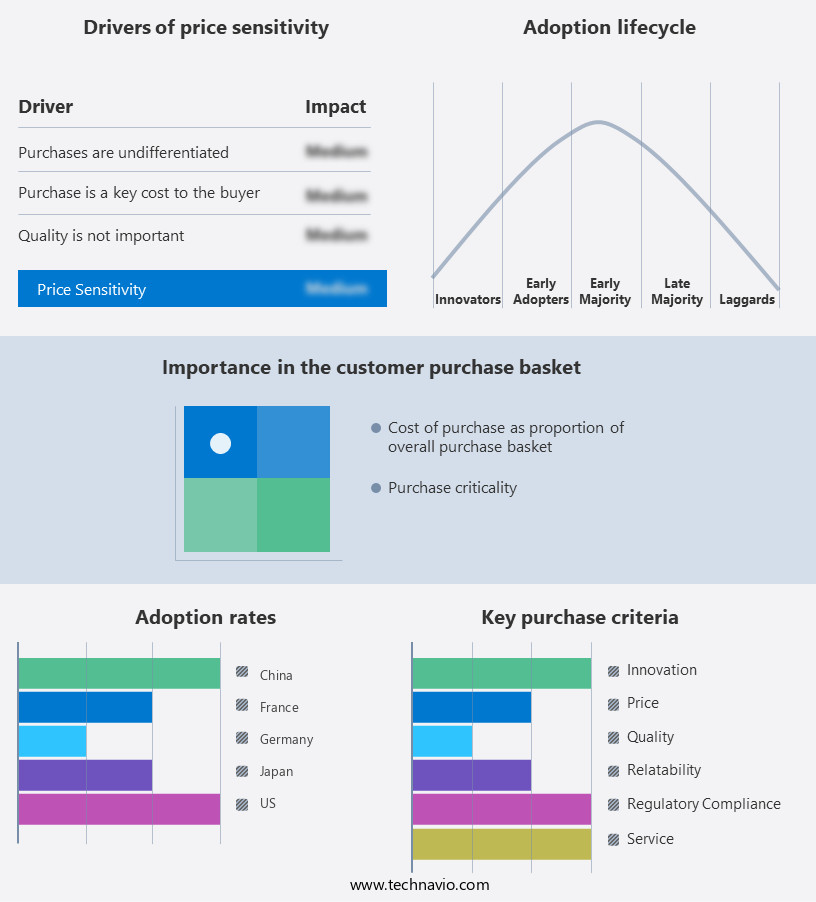
Customer Landscape
Key Companies & Market Insights
Companies are implementing various strategies, such as strategic alliances, sensor market forecast, partnerships, mergers and acquisitions, geographical expansion, and product/service launches, to enhance their presence in the industry.
ABB Ltd. - This company specializes in manufacturing and supplying advanced sensors, including temperature, pressure, and position sensors, for various industries, enhancing operational efficiency and performance.
The industry research and growth report includes detailed analyses of the competitive landscape of the market and information about key companies, including:
- ABB Ltd.
- Amphenol Corp.
- ams OSRAM AG
- Dwyer Instruments Inc.
- Honeywell International Inc.
- Infineon Technologies AG
- Johnson Controls International Plc
- Microchip Technology Inc.
- NXP Semiconductors NV
- OMRON Corp.
- Panasonic Holdings Corp.
- Qualcomm Inc.
- Robert Bosch GmbH
- Rockwell Automation Inc.
- Siemens AG
- Sony Group Corp.
- Spectris Plc
- STMicroelectronics NV
- TE Connectivity Ltd.
- Texas Instruments Inc.
Qualitative and quantitative analysis of companies has been conducted to help clients understand the wider business environment as well as the strengths and weaknesses of key industry players. Data is qualitatively analyzed to categorize companies as pure play, category-focused, industry-focused, and diversified; it is quantitatively analyzed to categorize companies as dominant, leading, strong, tentative, and weak.
Recent Development and News in Sensor Market
- In January 2024, Bosch Sensortec, a leading global supplier of micro-electromechanical systems (MEMS) sensors, announced the launch of its new Sensortec SCA21L04 pressure sensor for automotive applications (Bosch press release). This innovative sensor is designed to enhance fuel efficiency and safety in vehicles by precisely measuring tire pressure.
- In March 2024, STMicroelectronics and Infineon Technologies AG formed a strategic collaboration to develop advanced sensor solutions for the automotive and industrial markets (STMicroelectronics press release). The partnership aims to combine their expertise in MEMS sensors and power management to create more energy-efficient and cost-effective products.
- In April 2025, Honeywell International Inc. Completed the acquisition of Sensirion AG's industrial sensors business for approximately USD1.6 billion (Honeywell press release). This acquisition significantly expanded Honeywell's sensor portfolio, strengthening its position in the industrial automation market and enabling the company to offer a broader range of solutions to its customers.
- In May 2025, the European Union (EU) approved the Horizon Europe research and innovation program, which includes a focus on advancing sensor technologies (European Commission press release). The program, with a budget of 95.5 billion Euros, will fund research projects in various sectors, including healthcare, energy, and transportation, with a particular emphasis on developing innovative sensor solutions to address societal challenges.
Research Analyst Overview
The market continues to evolve, driven by advancements in technology and the increasing demand for real-time data in various sectors. Control systems integrate sensors to ensure optimal performance and efficiency. Sensor accuracy is paramount in applications such as smart agriculture and quality control, enabling precise data acquisition for process optimization and maintenance services. Data visualization and machine learning algorithms facilitate pattern recognition and object detection, enhancing decision-making capabilities. Mesh networks and sensor integration enable seamless communication between devices, while automotive sensors ensure safety and performance in the transportation industry. Consumer electronics and IoT platforms leverage sensors for data acquisition and inventory management, enhancing user experience and streamlining operations.
Industrial sensors provide critical data for power management and environmental monitoring in industrial automation, while data security and signal processing ensure data reliability. Aerospace sensors enable deep learning and artificial intelligence applications in smart cities and supply chain management. Sensor precision and calibration services ensure accurate data, while data analytics and sensor networks facilitate efficient data processing and analysis. Wireless communication and cloud computing enable remote monitoring and real-time data access, while edge computing and risk management enhance data security. Battery technology and biometric sensors cater to the unique needs of various industries, with network protocols ensuring seamless communication between devices.
Sensor reliability and sensor fusion enable improved performance and efficiency, while data analytics and machine learning facilitate predictive maintenance and optimization. The market revenue is segmented into biosensors, optical sensors, motion sensors, pressure sensors, temperature sensors, humidity sensors, radar sensors, touch sensors, proximity sensors, level sensors, and humidity sensor technology.
Dive into Technavio's robust research methodology, blending expert interviews, extensive data synthesis, and validated models for unparalleled Sensor Market insights. See full methodology.
|
Market Scope |
|
|
Report Coverage |
Details |
|
Page number |
274 |
|
Base year |
2024 |
|
Historic period |
2019-2023 |
|
Forecast period |
2025-2029 |
|
Growth momentum & CAGR |
Accelerate at a CAGR of 23.8% |
|
Market growth 2025-2029 |
USD 561.4 billion |
|
Market structure |
Fragmented |
|
YoY growth 2024-2025(%) |
19.3 |
|
Key countries |
US, China, Canada, UK, Germany, France, Japan, India, Mexico, and South Korea |
|
Competitive landscape |
Leading Companies, Market Positioning of Companies, Competitive Strategies, and Industry Risks |
What are the Key Data Covered in this Sensor Market Research and Growth Report?
- CAGR of the Sensor industry during the forecast period
- Detailed information on factors that will drive the growth and forecasting between 2025 and 2029
- Precise estimation of the size of the market and its contribution of the industry in focus to the parent market
- Accurate predictions about upcoming growth and trends and changes in consumer behaviour
- Growth of the market across North America, APAC, Europe, Middle East and Africa, and South America
- Thorough analysis of the market's competitive landscape and detailed information about companies
- Comprehensive analysis of factors that will challenge the sensor market growth of industry companies
We can help! Our analysts can customize this sensor market research report to meet your requirements.