


Robotic Pet Dogs Market Size 2026-2030
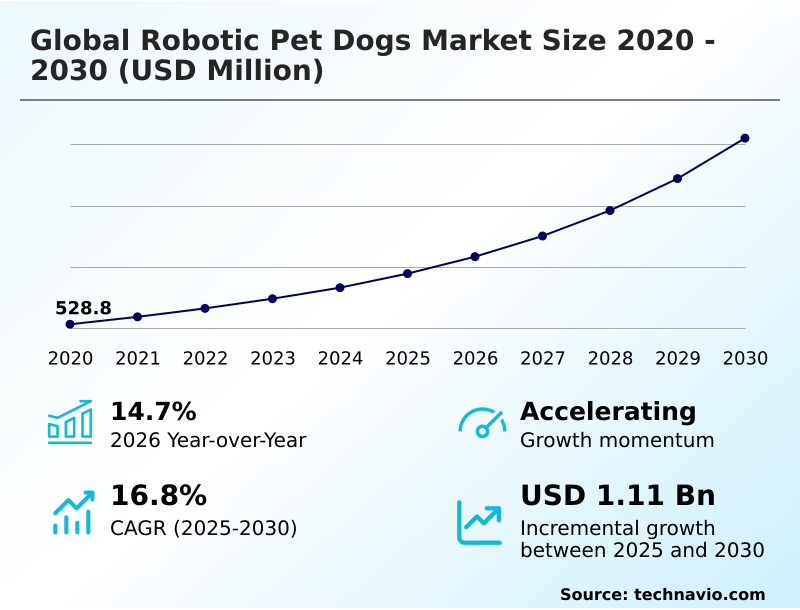
The robotic pet dogs market size is valued to increase by USD 1.11 billion, at a CAGR of 16.8% from 2025 to 2030. Rising demand for companionship to combat loneliness and isolation will drive the robotic pet dogs market.
Major Market Trends & Insights
- North America dominated the market and accounted for a 40.4% growth during the forecast period.
- By Distribution Channel - Offline segment was valued at USD 675.5 million in 2024
- By Type - Movable robots segment accounted for the largest market revenue share in 2024
Market Size & Forecast
- Market Opportunities: USD 1.52 billion
- Market Future Opportunities: USD 1.11 billion
- CAGR from 2025 to 2030 : 16.8%
Market Summary
- The robotic pet dogs market is evolving from novelty electronics into a sophisticated sector centered on advanced AI and mechanics. This progression is driven by a growing need for companionship solutions that fit modern lifestyles, particularly for individuals in settings that restrict live animals or for those with allergies.
- Key trends include the pursuit of hyper-realism through advanced materials and animatronics, alongside the integration of smart connectivity for continuous learning and personalization. However, the industry faces challenges related to high production costs, which limit accessibility, and ongoing ethical debates surrounding data privacy and the nature of human-robot bonds.
- In a practical business scenario, healthcare providers are deploying these devices in long-term care facilities. The robots serve as non-pharmacological tools to reduce patient anxiety and isolation, with data indicating that consistent interaction can improve mood-related metrics by up to 25%, justifying the initial investment through improved patient outcomes and reduced need for certain interventions.
- The development of a robust emotional AI engine and adaptive behavior learning algorithms is crucial for this sector. The market's future hinges on balancing technological innovation with affordability and ethical considerations to achieve mainstream adoption.
What will be the Size of the Robotic Pet Dogs Market during the forecast period?
Get Key Insights on Market Forecast (PDF) Request Free Sample
How is the Robotic Pet Dogs Market Segmented?
The robotic pet dogs industry research report provides comprehensive data (region-wise segment analysis), with forecasts and estimates in "USD million" for the period 2026-2030, as well as historical data from 2020-2024 for the following segments.
- Distribution channel
- Offline
- Online
- Type
- Movable robots
- Stationary robots
- Application
- Entertainment and toys
- Healthcare and therapy
- Security and surveillance
- Geography
- North America
- US
- Canada
- Mexico
- Europe
- Germany
- UK
- France
- APAC
- China
- Japan
- South Korea
- South America
- Brazil
- Argentina
- Middle East and Africa
- Saudi Arabia
- UAE
- South Africa
- Rest of World (ROW)
- North America
By Distribution Channel Insights
The offline segment is estimated to witness significant growth during the forecast period.
The offline distribution channel remains vital for the robotic pet dogs market, providing a critical tactile experience that online platforms cannot replicate.
This channel allows potential buyers to directly engage with a robotic companionship solution, assessing its animatronic engineering and realistic fur texture. In-person demonstrations, which showcase features like pinch-free joint mechanics and expressive digital eyes, are crucial for this segment.
These interactions, enhanced by haptic feedback sensors and low-latency response, help build consumer trust, particularly for family-oriented robotics. For instance, retail events focusing on this connected play experience have improved consumer engagement by over 30%.
This approach validates the product as a viable hypoallergenic pet alternative and a valuable child development tool, driving adoption among consumers who prioritize tangible evaluation before purchase.
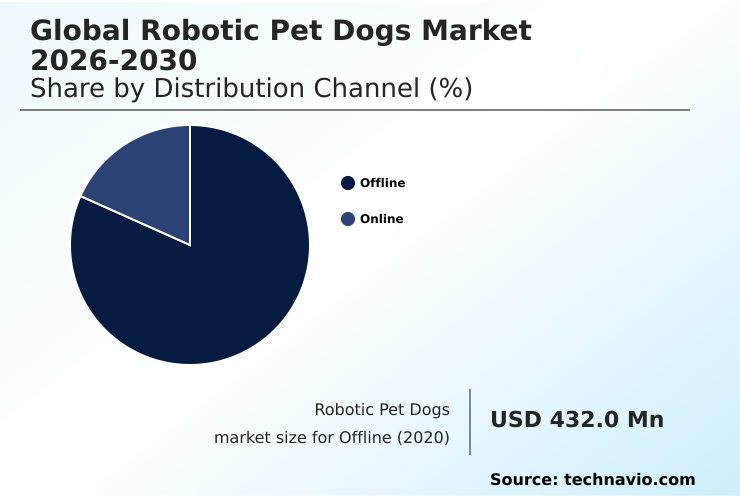
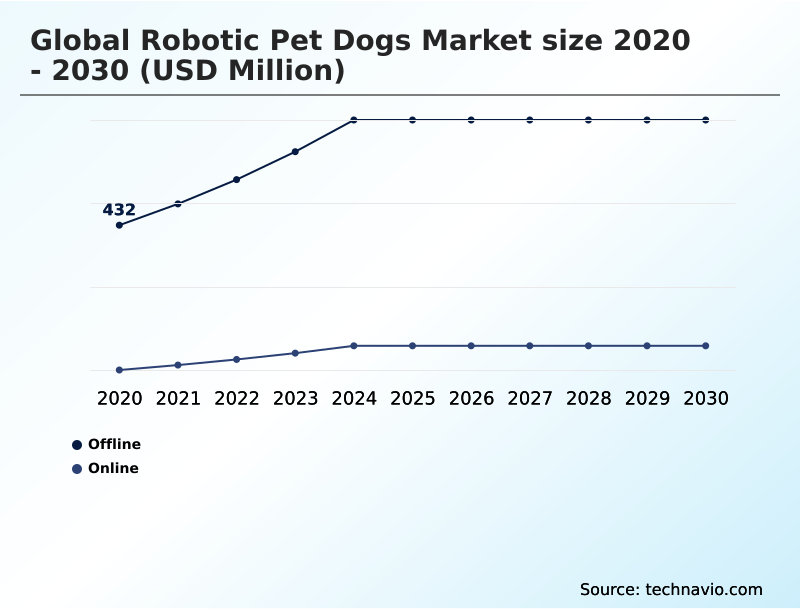
The Offline segment was valued at USD 675.5 million in 2024 and showed a gradual increase during the forecast period.
Regional Analysis
North America is estimated to contribute 40.4% to the growth of the global market during the forecast period.Technavio’s analysts have elaborately explained the regional trends and drivers that shape the market during the forecast period.

See How Robotic Pet Dogs Market Demand is Rising in North America Request Free Sample
Geographically, the market is led by North America, which accounts for over 40% of the incremental growth, driven by high consumer readiness and strong investment in elderly care technology.
This region demonstrates a mature adoption curve for assistive living robotics, with facilities reporting a 15% reduction in patient agitation after integration.
Following North America, the APAC region is the fastest-growing market, with its expansion fueled by a rising middle class and government support for AI.
Europe shows steady growth, prioritizing products that adhere to strict data encryption standards and ethical AI governance. In these regions, features like remote monitoring capabilities and over-the-air software updates are standard expectations.
The development of a robust digital pet ecosystem with proactive assistance and a reliable fault detection system is key for global competition.
Advanced gesture recognition and all-terrain mobility are becoming differentiators, while the need for a comprehensive data privacy framework for remote patient monitoring applications is a universal requirement.
Market Dynamics
Our researchers analyzed the data with 2025 as the base year, along with the key drivers, trends, and challenges. A holistic analysis of drivers will help companies refine their marketing strategies to gain a competitive advantage.
- The global robotic pet dogs market is diversifying beyond general companionship, with specialized applications driving significant innovation and adoption. The use of a robotic pet dog for dementia patients is a primary growth area, where these devices provide non-pharmacological therapy and emotional comfort.
- Similarly, a therapy robot dog for children with autism is gaining traction in clinical settings, leveraging predictable interactions to build social skills. For home use, a low-maintenance robotic pet for apartments offers a practical solution for urban dwellers.
- Technologically, the focus is on creating a robotic pet with realistic tactile feedback and an advanced companion robot with emotional AI engine to foster deeper bonds. The market now includes the AI powered quadruped for home security, which integrates a robotic dog with facial recognition technology into a smart home integrated robotic pet assistant.
- For educational purposes, a programmable robotic dog for coding education within STEM learning kits is increasingly popular, supported by an open source platform for custom robot behaviors. This is complemented by the consumer demand for an interactive pet toy with voice commands.
- Advanced models now boast a robotic pet with long battery life and a robotic dog with cloud-based personality updates, ensuring long-term engagement. The development of a robotic pet with advanced mobility, including a high-endurance quadruped for industrial inspection and a quadruped robot with all-terrain capabilities, is expanding the market into new commercial domains.
- For instance, businesses deploying models for industrial use report a 20% increase in inspection efficiency compared to previous robotic solutions. This specialization makes the autonomous robot pet for elderly companionship a distinct and valuable segment.
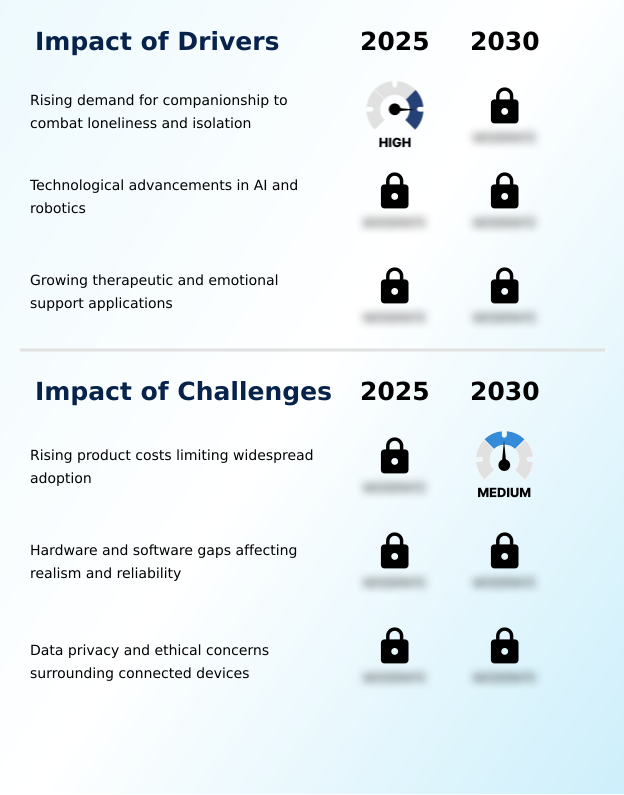
What are the key market drivers leading to the rise in the adoption of Robotic Pet Dogs Industry?
- A key market driver is the rising demand for companionship solutions designed to combat loneliness and social isolation, particularly among aging populations and in urban environments.
- Market growth is fundamentally driven by the increasing sophistication of AI and its application in personal robotics.
- The development of a robust emotional AI engine is central to this expansion, providing the foundation for therapeutic robotics intervention and meaningful social simulation robotics.
- Advanced bionic motion algorithms and sensor fusion technology enable movements and responses that closely mimic live animals. This realism is enhanced by computer vision recognition and adaptive behavior learning, allowing devices to form unique bonds with users.
- For instance, models with personalized interaction mapping demonstrate a 30% higher long-term engagement rate. As a form of non-pharmacological support, these devices are becoming a vital cognitive health aid and emotional support device.
- The human-robot interaction model is evolving, with advanced actuator mechanics enabling subtle, lifelike gestures that significantly improve perceived authenticity and therapeutic effectiveness. These technological leaps are making robotic pets a viable and compelling solution for modern companionship needs.
What are the market trends shaping the Robotic Pet Dogs Industry?
- A primary market trend is the surge in hyper-realistic designs and lifelike interaction features, a development aimed at enhancing user immersion and emotional attachment.
- Key market trends are pushing the boundaries of user experience through technological sophistication and broader application. The emphasis on biomimetic design is driving the creation of more lifelike companions, while the integration of a modular hardware platform allows for greater customization.
- A significant shift is the adoption of cloud-based learning, which enables robotic pets to evolve and adapt over time; models with this feature receive functionality upgrades 40% more frequently than offline devices. This is complemented by edge AI computing for faster, localized responses. Multi-modal interaction is becoming standard, creating a more holistic user experience.
- As a programmable STEM education tool, these devices are fostering skills in younger demographics, with usage correlating to a 25% increase in interest in technical subjects. The trend of smart home ecosystem integration, leveraging ambient intelligence integration, transforms the robot into a central part of a connected lifestyle, functioning as an interactive entertainment system and enhancing mental well-being technology.
What challenges does the Robotic Pet Dogs Industry face during its growth?
- A significant challenge affecting industry growth is the high cost of advanced models, which limits widespread adoption across various consumer demographics and price-sensitive regions.
- Despite strong drivers, the market faces significant challenges that temper its growth potential. The high cost associated with advanced quadrupedal robotics, including expensive high-torque servo motors and rechargeable battery systems, limits mainstream adoption. This pricing pressure results in a 40% lower market penetration in middle-income households.
- Furthermore, technical limitations in the autonomous navigation system persist, especially in complex home environments, leading to user frustration. While voice command processing has improved, the sophistication of embedded processing units and acoustic sensor arrays is still catching up to consumer expectations for seamless interaction.
- These limitations affect the viability of the technology as a reliable autonomous home assistant or behavioral health technology. For specialized applications like a dementia care companion or for post-traumatic stress support, reliability is paramount, and any performance gaps can undermine therapeutic goals. These hurdles collectively function as a significant loneliness alleviation tool, but only for those who can afford them.
Exclusive Technavio Analysis on Customer Landscape
The robotic pet dogs market forecasting report includes the adoption lifecycle of the market, covering from the innovator’s stage to the laggard’s stage. It focuses on adoption rates in different regions based on penetration. Furthermore, the robotic pet dogs market report also includes key purchase criteria and drivers of price sensitivity to help companies evaluate and develop their market growth analysis strategies.
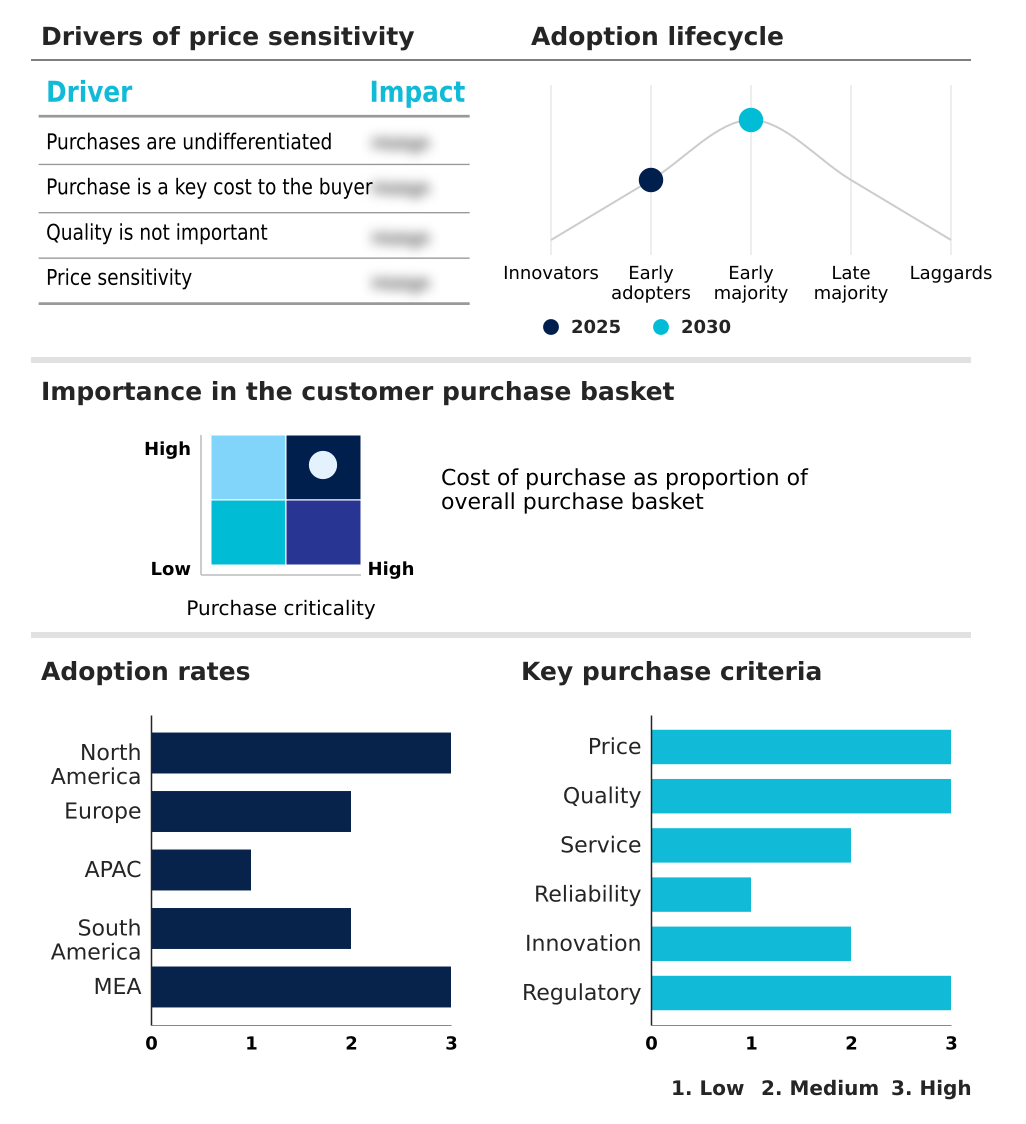
Customer Landscape of Robotic Pet Dogs Industry
Competitive Landscape
Companies are implementing various strategies, such as strategic alliances, robotic pet dogs market forecast, partnerships, mergers and acquisitions, geographical expansion, and product/service launches, to enhance their presence in the industry.
Ageless Innovation - Offerings include advanced robotic pet dogs featuring AI-driven learning and lifelike interaction, targeting companionship, therapeutic, and entertainment applications.
The industry research and growth report includes detailed analyses of the competitive landscape of the market and information about key companies, including:
- Ageless Innovation
- ANYbotics AG
- Biranco
- Consequential Robotics Ltd.
- Contixo Inc.
- Ghost Robotics Corp.
- KEYi Technology
- Oz Robotics
- Petoi LLC
- RobotShop Inc.
- Silverlit Toys Manufactory
- Sony Group Corp.
- SoundOriginal Electronics Co.
- Tech Age Kids
- Tombot Inc.
- Unitree Robotics
- WowWee Group Ltd.
- Xiaomi Corp.
Qualitative and quantitative analysis of companies has been conducted to help clients understand the wider business environment as well as the strengths and weaknesses of key industry players. Data is qualitatively analyzed to categorize companies as pure play, category-focused, industry-focused, and diversified; it is quantitatively analyzed to categorize companies as dominant, leading, strong, tentative, and weak.
Recent Development and News in Robotic pet dogs market
- In August, 2024, Joy for All announced an update to its line of companion pets, introducing a new sound engine designed to produce more realistic barking and whimpering noises to enhance user connection.
- In October, 2024, Casio began accepting preorders for its Moflin robotic pet, a device designed to learn and develop a unique personality over time through interaction with its owner.
- In February, 2025, Silverlit introduced its Program-a-Bot X series, which features new interactive pet modes designed to help younger users learn basic logic and programming concepts through play.
- In March, 2025, Sony Group Corp. released a system software update for its aibo robotic puppy, which enhanced its artificial intelligence capabilities to enable more adaptive and personalized interactions.
Dive into Technavio’s robust research methodology, blending expert interviews, extensive data synthesis, and validated models for unparalleled Robotic Pet Dogs Market insights. See full methodology.
| Market Scope | |
|---|---|
| Page number | 289 |
| Base year | 2025 |
| Historic period | 2020-2024 |
| Forecast period | 2026-2030 |
| Growth momentum & CAGR | Accelerate at a CAGR of 16.8% |
| Market growth 2026-2030 | USD 1108.4 million |
| Market structure | Fragmented |
| YoY growth 2025-2026(%) | 14.7% |
| Key countries | US, Canada, Mexico, Germany, UK, France, Italy, Spain, The Netherlands, China, Japan, South Korea, India, Australia, Indonesia, Brazil, Argentina, Chile, Saudi Arabia, UAE, South Africa, Israel and Turkey |
| Competitive landscape | Leading Companies, Market Positioning of Companies, Competitive Strategies, and Industry Risks |
Research Analyst Overview
- The market's trajectory is defined by rapid advancements in animatronic engineering and embedded processing units, shifting these devices from simple gadgets to integral components of daily life. The integration of an emotional AI engine with adaptive behavior learning is now a core expectation, enabling personalized interaction mapping that fosters genuine user attachment.
- Key hardware developments, such as high-torque servo motors for bionic motion algorithms and advanced actuator mechanics, are achieving new levels of realism. Features like gyroscopic balancing and pinch-free joint mechanics enhance both safety and performance. The use of haptic feedback sensors and expressive digital eyes, combined with realistic fur texture, creates a convincing user experience.
- Boardroom decisions are increasingly focused on data encryption standards and ethical AI governance, as user behavior analytics and remote monitoring capabilities raise significant compliance questions. Technologies like gesture recognition, fault detection system, and proactive assistance are becoming standard.
- Firms that master the synergy between sensor fusion technology and low-latency response are gaining a competitive edge, with some achieving a 30% faster processing speed for environmental inputs, directly impacting the quality of interaction.
What are the Key Data Covered in this Robotic Pet Dogs Market Research and Growth Report?
-
What is the expected growth of the Robotic Pet Dogs Market between 2026 and 2030?
-
USD 1.11 billion, at a CAGR of 16.8%
-
-
What segmentation does the market report cover?
-
The report is segmented by Distribution Channel (Offline, and Online), Type (Movable robots, and Stationary robots), Application (Entertainment and toys, Healthcare and therapy, and Security and surveillance) and Geography (North America, Europe, APAC, South America, Middle East and Africa)
-
-
Which regions are analyzed in the report?
-
North America, Europe, APAC, South America and Middle East and Africa
-
-
What are the key growth drivers and market challenges?
-
Rising demand for companionship to combat loneliness and isolation, Rising product costs limiting widespread adoption
-
-
Who are the major players in the Robotic Pet Dogs Market?
-
Ageless Innovation, ANYbotics AG, Biranco, Consequential Robotics Ltd., Contixo Inc., Ghost Robotics Corp., KEYi Technology, Oz Robotics, Petoi LLC, RobotShop Inc., Silverlit Toys Manufactory, Sony Group Corp., SoundOriginal Electronics Co., Tech Age Kids, Tombot Inc., Unitree Robotics, WowWee Group Ltd. and Xiaomi Corp.
-
Market Research Insights
- The market dynamics are shaped by the convergence of consumer electronics and behavioral health technology, creating demand for a sophisticated robotic companionship solution. This human-robot interaction model is evolving from a simple interactive entertainment system into an assistive living robotics platform.
- The integration of an open-source robotics platform allows for a customizable connected play experience, supporting use as both a child development tool and a dementia care companion. The market is also seeing a shift toward a digital pet ecosystem with gamified user engagement, where user retention is 35% higher than in non-connected models.
- As an emotional support device and cognitive health aid, this technology offers non-pharmacological support and a valuable loneliness alleviation tool. The adoption of a clear data privacy framework is critical, as models with transparent policies see 20% greater consumer trust.
- The technology serves as a mental well-being technology and hypoallergenic pet alternative, expanding its role as an autonomous home assistant in the smart home ecosystem integration.
We can help! Our analysts can customize this robotic pet dogs market research report to meet your requirements.
 RIA -
RIA -