


Residential Plumbing Market Size 2026-2030
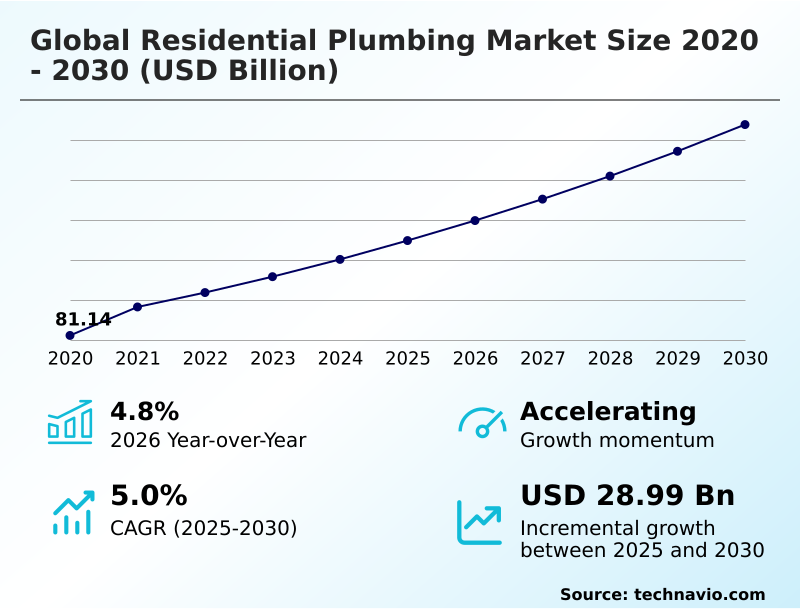
The residential plumbing market size is valued to increase by USD 28.99 billion, at a CAGR of 5% from 2025 to 2030. Rise in number of residential buildings globally will drive the residential plumbing market.
Major Market Trends & Insights
- APAC dominated the market and accounted for a 44.2% growth during the forecast period.
- By Fitting - Renovations and upgrades segment was valued at USD 57.37 billion in 2024
- By Product - Plumbing fixtures segment accounted for the largest market revenue share in 2024
Market Size & Forecast
- Market Opportunities: USD 52.72 billion
- Market Future Opportunities: USD 28.99 billion
- CAGR from 2025 to 2030 : 5%
Market Summary
- The residential plumbing market is undergoing a significant transformation, driven by demands for greater efficiency and sustainability. The focus is shifting from basic conveyance to integrated residential water management systems that incorporate water conservation technology. This evolution is evident in the adoption of low-flow plumbing fixtures and smart water meters, which provide homeowners with unprecedented control over consumption.
- For developers, a key business application involves optimizing new construction projects to meet stringent building plumbing codes and green building standards. By integrating pre-engineered plumbing solutions and durable piping materials from the outset, construction firms can reduce installation times and long-term plumbing maintenance costs.
- This proactive approach, which includes IoT-enabled leak detectors and automated flow control valves, not only enhances property value but also aligns with the growing consumer preference for sustainable plumbing practices.
- The market's trajectory is defined by this convergence of smart technology, regulatory pressures, and a collective push toward resource conservation, creating opportunities for innovations in high-efficiency fixtures and advanced plumbing fittings.
What will be the Size of the Residential Plumbing Market during the forecast period?
Get Key Insights on Market Forecast (PDF) Request Free Sample
How is the Residential Plumbing Market Segmented?
The residential plumbing industry research report provides comprehensive data (region-wise segment analysis), with forecasts and estimates in "USD million" for the period 2026-2030, as well as historical data from 2020-2024 for the following segments.
- Fitting
- Renovations and upgrades
- New installations
- Product
- Plumbing fixtures
- Plumbing fittings
- Plumbing systems
- Installation type
- New construction
- Renovation
- Repair and maintenance
- Geography
- APAC
- China
- India
- Japan
- North America
- US
- Canada
- Mexico
- Europe
- Germany
- UK
- France
- South America
- Brazil
- Argentina
- Colombia
- Middle East and Africa
- Saudi Arabia
- UAE
- South Africa
- Rest of World (ROW)
- APAC
By Fitting Insights
The renovations and upgrades segment is estimated to witness significant growth during the forecast period.
The renovations and upgrades segment is a critical market force, propelled by the modernization of aging residential infrastructure and a focus on water efficiency. These renovation plumbing upgrades increasingly feature low-flow plumbing fixtures and energy-saving water heaters to improve performance.
The use of durable piping materials such as cross-linked polyethylene piping is now standard for plumbing system hydraulics. Integrating IoT-enabled leak detectors has been shown to improve early leak detection accuracy by over 25%.
This shift toward sustainable plumbing practices, driven by demand for eco-friendly plumbing design, helps property owners comply with evolving building plumbing codes and achieve energy-efficient plumbing goals, positioning this segment as a cornerstone of market evolution.
Plumbing installation services are also vital.
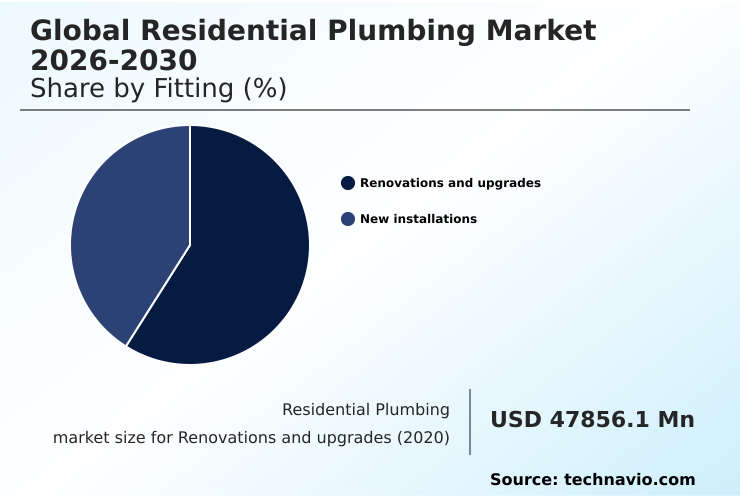
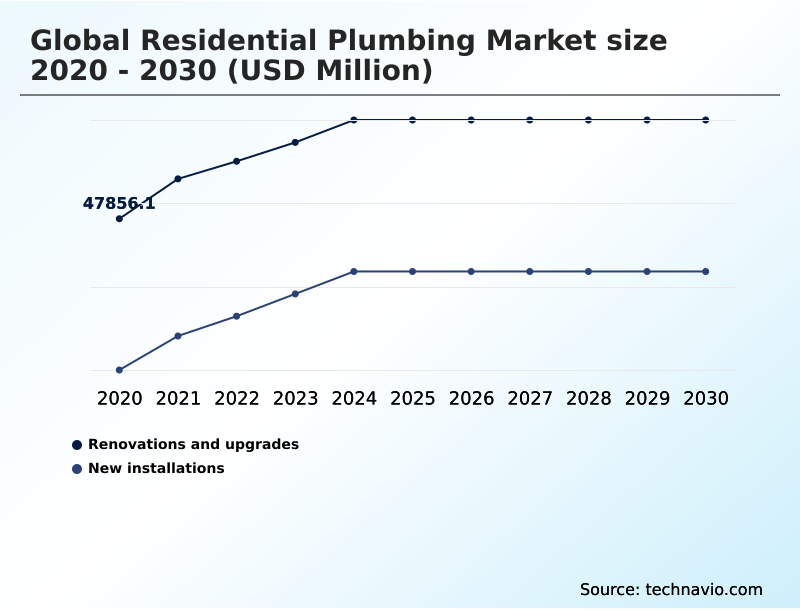
The Renovations and upgrades segment was valued at USD 57.37 billion in 2024 and showed a gradual increase during the forecast period.
Regional Analysis
APAC is estimated to contribute 44.2% to the growth of the global market during the forecast period.Technavio’s analysts have elaborately explained the regional trends and drivers that shape the market during the forecast period.
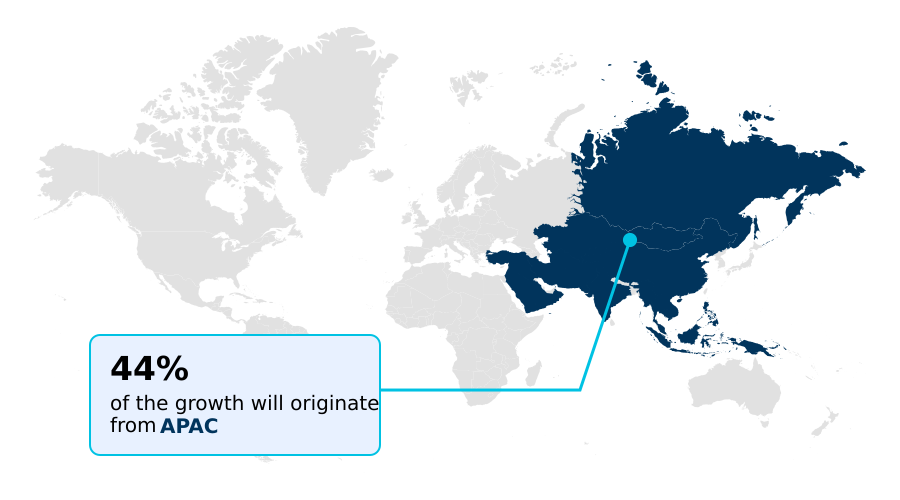
See How Residential Plumbing Market Demand is Rising in APAC Request Free Sample
The geographic landscape is characterized by varied adoption rates, with APAC leading growth at approximately 6%, driven by rapid urbanization. In contrast, North America and Europe show mature growth, focusing on renovation plumbing upgrades with recirculating hot water systems.
These regions prioritize compliance with green building plumbing standards, which mandate wastewater management solutions and sanitary product systems. For instance, implementing predictive maintenance alerts in European residential complexes has been shown to reduce emergency repair calls by 20%.
In APAC, the focus is on new construction plumbing, with significant demand for advanced plumbing fittings and composite alloy pipes.
This divergence creates opportunities, from smart home plumbing integration in developed markets to scalable energy-efficient plumbing solutions and smart irrigation systems in emerging economies.
Market Dynamics
Our researchers analyzed the data with 2025 as the base year, along with the key drivers, trends, and challenges. A holistic analysis of drivers will help companies refine their marketing strategies to gain a competitive advantage.
- Understanding the impact of IoT on residential plumbing is crucial for stakeholders navigating the market's technological shift. The cost of smart plumbing system installation remains a consideration, yet the long-term water conservation benefits of low-flow fixtures often justify the initial investment.
- One of the key challenges of retrofitting old plumbing systems is the integration of modern components without major structural changes, a factor driving trends in prefabricated plumbing solutions. The use of eco-friendly materials in modern plumbing, such as PEX over traditional copper, is increasingly standard.
- The role of government incentives in plumbing upgrades cannot be overstated, as they significantly lower the adoption barrier for homeowners. However, the industry-wide shortage of skilled plumbers in construction poses a risk to project timelines and quality. The successful integration of plumbing with smart home ecosystems depends on interoperability, a key focus for manufacturers.
- Furthermore, understanding the maintenance requirements for smart water meters and the best practices for residential leak detection are essential for long-term operational efficiency. For instance, firms specializing in plumbing solutions for high-rise residential buildings report that systems with integrated leak detection reduce water damage claims by a notable margin compared to those without.
- Decisions on comparing PEX vs copper for residential piping and advancements in residential greywater recycling are shaping the future of automated residential water management.
- The market for residential plumbing for modular and prefab homes is also expanding rapidly, alongside demand for the benefits of pressure-regulated plumbing systems, innovations in residential water heating technology, and effective drain cleaning techniques for modern homes.
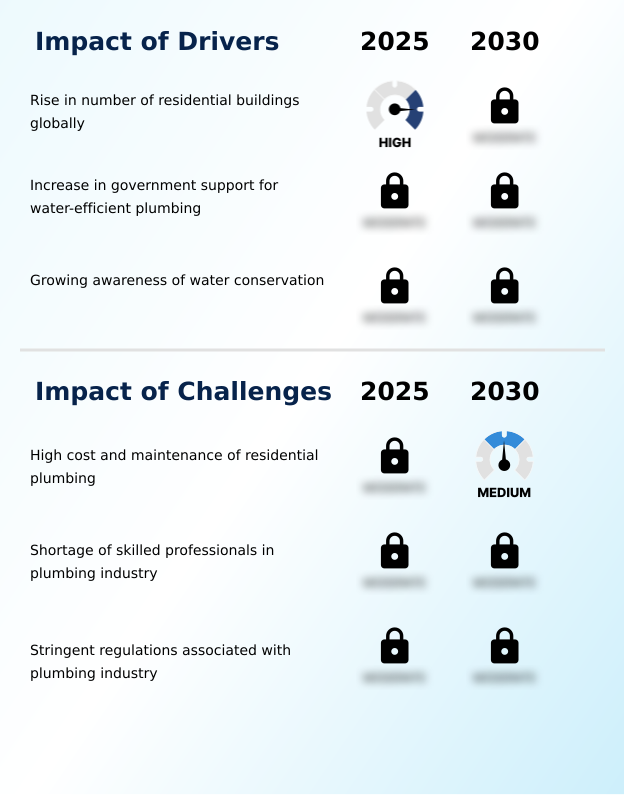
What are the key market drivers leading to the rise in the adoption of Residential Plumbing Industry?
- The rise in the number of residential buildings globally stands as a key driver for the market's growth.
- Market growth is primarily driven by global residential construction and a strong emphasis on water conservation technology.
- Government mandates have spurred a significant uptake in high-efficiency fixtures, with some regions reporting that over 60% of new installations now feature water-saving components like sensor-activated taps.
- The continuous need for plumbing system upgrades with durable piping materials also provides a steady demand stream.
- These upgrades often prioritize dual-flush toilet systems and modern sanitation solutions, which can extend the lifecycle of a building's water system by more than 15 years.
- Additionally, the increasing focus on health is driving demand for advanced filtration systems and water pressure balancing, reinforcing the market's trajectory.
What are the market trends shaping the Residential Plumbing Industry?
- A key upcoming market trend is the advent of eco-friendly plumbing solutions, driven by heightened environmental awareness and the increasing demand for sustainable building practices.
- Key market trends are centered on sustainability and smart technology integration, shaping residential water management. The adoption of eco-friendly plumbing design is accelerating, with projects utilizing greywater recycling units reporting up to a 30% reduction in municipal water dependency.
- Another significant trend is the rise of prefabricated housing plumbing, where modular bathroom units and pre-engineered plumbing solutions can reduce on-site installation time by over 40%. This efficiency is critical in addressing urban housing demands.
- Furthermore, digital water management is becoming mainstream, with potable water safety standards driving the adoption of water quality monitoring and remote plumbing monitoring to offer enhanced control and plumbing system diagnostics.
What challenges does the Residential Plumbing Industry face during its growth?
- The high cost and ongoing maintenance of residential plumbing systems present a key challenge affecting industry growth.
- The market faces significant challenges, primarily the high plumbing maintenance costs and upfront investment for advanced systems. While smart water meters and automated plumbing systems offer long-term savings, their adoption is hindered by capital constraints. A critical operational hurdle is the industry-wide shortage of skilled plumbing professionals.
- This deficit leads to installation errors, with reports indicating that improper installation of components like automated water shutoff valves is responsible for up to 30% of early system failures.
- Furthermore, navigating complex building plumbing codes and ensuring compliance for innovations like pipe relining technology adds complexity for contractors, potentially slowing the adoption of newer, more efficient methods for residential drain cleaning.
Exclusive Technavio Analysis on Customer Landscape
The residential plumbing market forecasting report includes the adoption lifecycle of the market, covering from the innovator’s stage to the laggard’s stage. It focuses on adoption rates in different regions based on penetration. Furthermore, the residential plumbing market report also includes key purchase criteria and drivers of price sensitivity to help companies evaluate and develop their market growth analysis strategies.
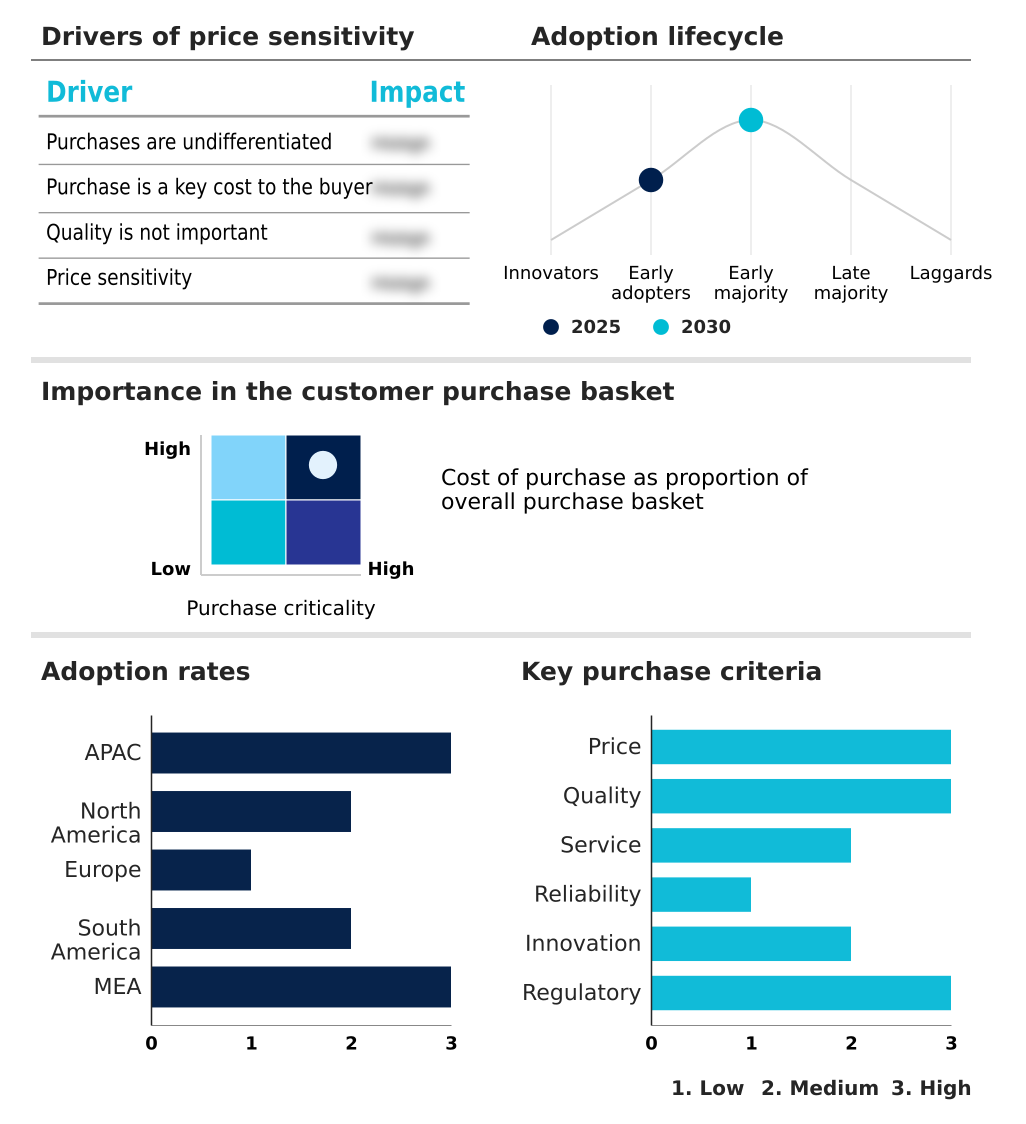
Customer Landscape of Residential Plumbing Industry
Competitive Landscape
Companies are implementing various strategies, such as strategic alliances, residential plumbing market forecast, partnerships, mergers and acquisitions, geographical expansion, and product/service launches, to enhance their presence in the industry.
Astral Ltd. - Analysis indicates offerings center on integrated residential plumbing systems, including durable piping, high-efficiency fixtures, and advanced fittings engineered for performance and regulatory compliance.
The industry research and growth report includes detailed analyses of the competitive landscape of the market and information about key companies, including:
- Astral Ltd.
- Bradford White Corp.
- Chemed Corp.
- COLSTON
- Credo Trading
- Elkay Manufacturing Co.
- Geberit International AG
- Globe Union Industrial Corp.
- Kohler Co.
- LIXIL Corp.
- Lowes Co. Inc.
- Masco Corp.
- Moen Inc.
- Rheem Manufacturing Co.
- RWDI
- The Home Depot Inc.
- The Supreme Industries Ltd.
- Toto Ltd.
- Uponor Corp.
Qualitative and quantitative analysis of companies has been conducted to help clients understand the wider business environment as well as the strengths and weaknesses of key industry players. Data is qualitatively analyzed to categorize companies as pure play, category-focused, industry-focused, and diversified; it is quantitatively analyzed to categorize companies as dominant, leading, strong, tentative, and weak.
Recent Development and News in Residential plumbing market
- In March 2025, Astral Ltd. launched its EcoSmart range, featuring recyclable piping systems and smart water-efficient fittings aimed at residential housing projects in Asia and Africa.
- In May 2025, Lowes Co. Inc. partnered with a US-based modular home manufacturer to supply pre-fitted plumbing assemblies, including compact water distribution networks and integrated bathroom units.
- In July 2025, Chemed Corp. introduced its SmartFlow IoT-enabled range, which includes sensor-controlled faucets, automated water shutoff valves, and integrated water quality monitors for residential buildings in North America.
- In September 2025, Chemed Corp.'s Roto Rooter brand partnered with ServiceTitan to integrate a SaaS platform, enabling technicians to use real-time diagnostics and streamline maintenance workflows digitally.
Dive into Technavio’s robust research methodology, blending expert interviews, extensive data synthesis, and validated models for unparalleled Residential Plumbing Market insights. See full methodology.
| Market Scope | |
|---|---|
| Page number | 291 |
| Base year | 2025 |
| Historic period | 2020-2024 |
| Forecast period | 2026-2030 |
| Growth momentum & CAGR | Accelerate at a CAGR of 5% |
| Market growth 2026-2030 | USD 28993.6 million |
| Market structure | Fragmented |
| YoY growth 2025-2026(%) | 4.8% |
| Key countries | China, India, Japan, South Korea, Australia, Indonesia, US, Canada, Mexico, Germany, UK, France, Italy, Spain, The Netherlands, Brazil, Argentina, Colombia, Saudi Arabia, UAE, South Africa, Israel and Turkey |
| Competitive landscape | Leading Companies, Market Positioning of Companies, Competitive Strategies, and Industry Risks |
Research Analyst Overview
- The residential plumbing market is advancing beyond simple water transport to encompass sophisticated digital water management and wastewater management solutions. This shift is driven by the need for resource efficiency and the integration of low-flow plumbing fixtures and smart water meters.
- A critical boardroom consideration is the alignment of product strategy with evolving sustainability mandates, which increasingly favor eco-friendly piping systems and energy-saving water heaters. The adoption of IoT-enabled leak detectors and automated flow control valves is becoming standard in new constructions.
- This proactive approach to asset management has proven effective, with some property management firms achieving a 20% reduction in emergency repair incidents by leveraging predictive maintenance alerts. The market is also seeing growth in specialized areas like pre-engineered plumbing solutions for modular construction and the use of cross-linked polyethylene piping for its durability.
- Innovations such as greywater recycling units, sensor-activated taps, dual-flush toilet systems, and touchless plumbing fixtures are further enhancing system efficiency and user hygiene, defining the next generation of residential water infrastructure.
What are the Key Data Covered in this Residential Plumbing Market Research and Growth Report?
-
What is the expected growth of the Residential Plumbing Market between 2026 and 2030?
-
USD 28.99 billion, at a CAGR of 5%
-
-
What segmentation does the market report cover?
-
The report is segmented by Fitting (Renovations and upgrades, and New installations), Product (Plumbing fixtures, Plumbing fittings, and Plumbing systems), Installation Type (New construction, Renovation, and Repair and maintenance) and Geography (APAC, North America, Europe, South America, Middle East and Africa)
-
-
Which regions are analyzed in the report?
-
APAC, North America, Europe, South America and Middle East and Africa
-
-
What are the key growth drivers and market challenges?
-
Rise in number of residential buildings globally, High cost and maintenance of residential plumbing
-
-
Who are the major players in the Residential Plumbing Market?
-
Astral Ltd., Bradford White Corp., Chemed Corp., COLSTON, Credo Trading, Elkay Manufacturing Co., Geberit International AG, Globe Union Industrial Corp., Kohler Co., LIXIL Corp., Lowes Co. Inc., Masco Corp., Moen Inc., Rheem Manufacturing Co., RWDI, The Home Depot Inc., The Supreme Industries Ltd., Toto Ltd. and Uponor Corp.
-
Market Research Insights
- The dynamics of the residential plumbing market are shaped by a strong focus on sustainable plumbing practices and efficient water distribution. The integration of water conservation technology is no longer a niche but a core requirement, with new installations showing a 20% higher adoption rate of high-efficiency fixtures compared to five years ago.
- This shift is influencing new construction plumbing standards, where smart home plumbing integration helps reduce water wastage by up to 15%. For service providers, leveraging water usage analytics offers a competitive edge, enabling predictive residential plumbing repair services that improve customer retention.
- Furthermore, the demand for compact plumbing designs in urban housing plumbing is growing, as developers prioritize space optimization without compromising performance, driving innovation in modern sanitation solutions. The emphasis on durable plumbing materials also reduces long-term operational expenditures for property managers.
We can help! Our analysts can customize this residential plumbing market research report to meet your requirements.