


Rehabilitation Equipment Market Size 2025-2029
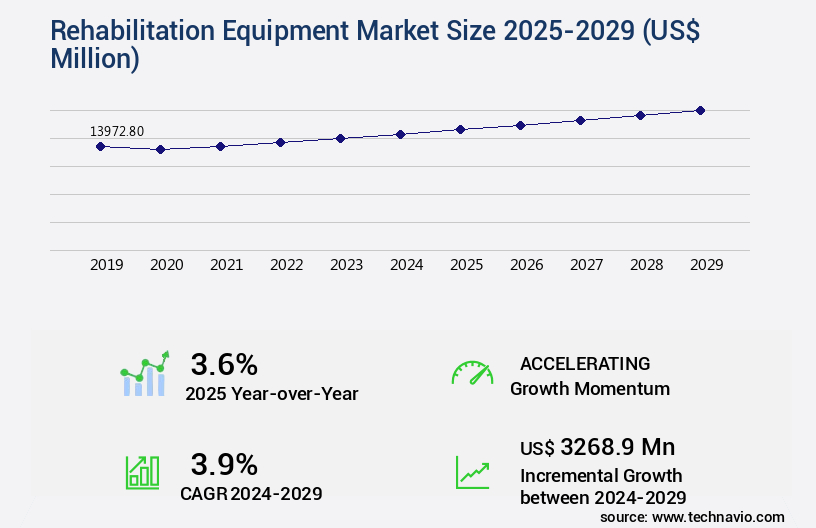
The rehabilitation equipment market size is forecast to increase by USD 3.27 billion, at a CAGR of 3.9% between 2024 and 2029.
- The market is driven by the high prevalence of Cardiovascular Diseases (CVD) and the ongoing technological advancements in rehabilitation equipment. The increasing incidence of CVDs necessitates the need for effective rehabilitation solutions, creating a significant demand for advanced rehabilitation equipment. These devices offer improved patient outcomes, enhanced mobility, and reduced recovery time, making them indispensable in healthcare settings. However, the market faces challenges in the form of cost barriers. Despite the benefits, the high cost of rehabilitation equipment poses a significant obstacle for both healthcare providers and patients.
- Additionally, the high cost of maintenance and replacement parts further increases the overall cost of ownership. To capitalize on the market opportunities and navigate these challenges effectively, companies must focus on developing cost-effective solutions while maintaining the technological edge. This approach will enable them to cater to a wider customer base and gain a competitive edge in the market. The expensive nature of these devices limits their accessibility, particularly in low-income regions and developing countries. Virtual reality therapy and adaptive clothing provide engaging experiences and increased comfort, respectively.
What will be the Size of the Rehabilitation Equipment Market during the forecast period?
Get Key Insights on Market Forecast (PDF) Request Free Sample
- The market continues to evolve, driven by advancements in technology and growing demand across various sectors. Biofeedback sensors, for instance, have revolutionized the way healthcare professionals monitor and manage patient progress in pulmonary and cardiac rehabilitation systems. According to industry reports, the market is projected to grow by 5% annually, with a significant focus on ergonomic workstations, neurological rehabilitation tools, and home modification services. Functional electrical stimulation and lower limb prosthetics have become essential components of rehabilitation programs for individuals with mobility impairments. Robotics in rehabilitation, such as gait analysis systems and endurance training equipment, are increasingly popular for their ability to provide personalized therapy plans.
- Telehealth rehabilitation and remote patient monitoring enable access to care from the comfort of one's home, with numbers showing a 30% increase in remote rehabilitation sessions in the past year. Orthotic devices, including upper limb prosthetics and assistive mobility devices, offer improved functionality and independence for patients. Stroke rehabilitation devices, augmentative communication devices, and wheelchair accessibility solutions cater to the unique needs of individuals with neurological conditions. Rehabilitation robotics, muscle stimulation devices, and physical therapy equipment are integral to restoring strength and function. Adaptive technology, postural support systems, balance training equipment, and pressure mapping systems are essential for enhancing overall patient care and improving outcomes.
How is this Rehabilitation Equipment Industry segmented?
The rehabilitation equipment industry research report provides comprehensive data (region-wise segment analysis), with forecasts and estimates in "USD million" for the period 2025-2029, as well as historical data from 2019-2023 for the following segments.
- End-user
- Hospitals and clinics
- Rehabilitation centers
- Home care
- Physiotherapy centers
- Application
- Physical rehabilitation and training
- Strength endurance and pain reduction
- Occupational rehabilitation and training
- Product Type
- Mobility equipment
- Daily living aids
- Body support devices
- Exercise equipment
- Geography
- North America
- US
- Canada
- Europe
- France
- Germany
- Italy
- UK
- APAC
- China
- India
- Japan
- South America
- Brazil
- Rest of World (ROW)
- North America
By End-user Insights
The Hospitals and clinics segment is estimated to witness significant growth during the forecast period. The market encompasses a diverse range of tools and technologies, including biofeedback sensors, pulmonary rehabilitation equipment, cardiac rehabilitation systems, ergonomic workstations, neurological rehabilitation tools, home modification services, functional electrical stimulation, lower limb prosthetics, prosthetic limbs, telehealth rehabilitation, remote patient monitoring, gait analysis systems, endurance training equipment, orthotic devices, upper limb prosthetics, adaptive clothing, and assistive technology. Gait analysis systems help healthcare professionals assess patients' mobility and identify potential issues, enabling early intervention and more effective treatment. Another significant trend in the market is the integration of robotics and artificial intelligence (AI) into rehabilitation devices.
Rehabilitation robotics, muscle stimulation devices, and physical therapy equipment equipped with AI capabilities can provide personalized treatment plans and real-time feedback to patients, enhancing the effectiveness of rehabilitation programs. Hospitals and clinics represent a significant market segment, with these medical facilities playing a pivotal role in the provision of healthcare services and rehabilitation programs. The segment includes various types of medical establishments, from large multi-specialty hospitals to small private clinics. The growing emphasis on physical and functional recovery for individuals with disabilities or injuries has led to a rise in demand for rehabilitation equipment in hospitals and clinics. Key drivers for the adoption of rehabilitation equipment in hospitals and clinics include the increasing prevalence of chronic diseases and conditions, such as cardiovascular diseases (CVD), neurological disorders, and musculoskeletal injuries.
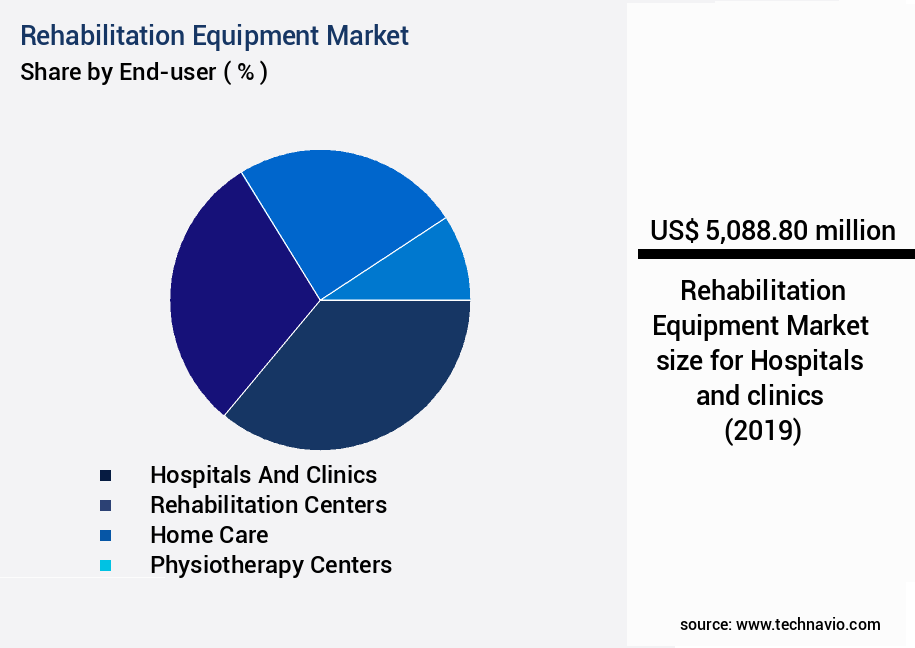
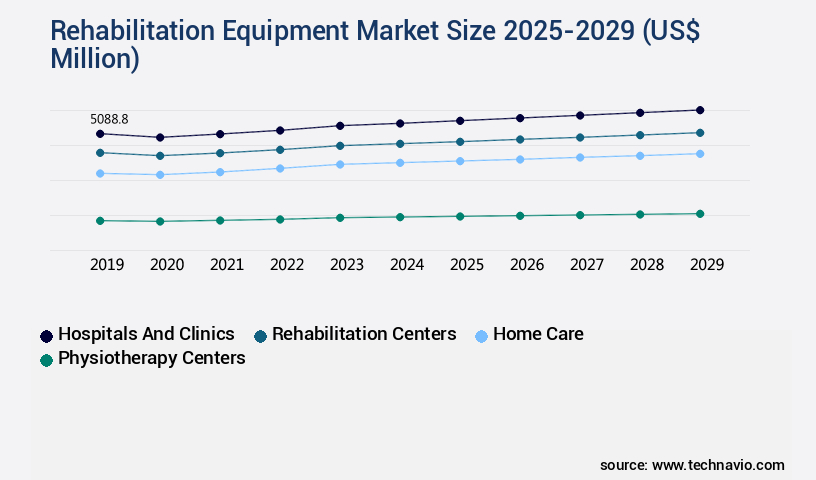
The Hospitals and clinics segment was valued at USD 5.09 billion in 2019 and showed a gradual increase during the forecast period.
Furthermore, the market for telehealth rehabilitation services is expected to grow at a compound annual growth rate (CAGR) of 20% during the same period. The market is a dynamic and evolving industry, driven by the increasing prevalence of chronic diseases and conditions, the aging population, and advancements in technology. Hospitals and clinics play a crucial role in the market, with the adoption of rehabilitation equipment essential for providing comprehensive healthcare services and promoting physical and functional recovery for individuals with disabilities or injuries. The integration of robotics, AI, and telehealth into rehabilitation equipment is set to transform the industry, offering new opportunities for growth and innovation. In the healthcare sector, neurological rehabilitation tools, orthotic devices, and prosthetic limbs are increasingly being used to cater to the growing patient population suffering from neurological conditions and injuries.
The Rehabilitation Equipment Market is expanding with innovations in adaptive devices, mobility aids, and advanced therapeutic modalities that enhance rehabilitation technology and support home healthcare equipment. Key developments include patient monitoring systems, therapeutic exercises, and motor skill training using occupational therapy tools, along with personalized prosthetic fitting and orthotic bracing. Essential solutions like wound care products, pressure relief systems, fall prevention devices, adaptive seating, and adjustable beds improve clinical outcomes, treatment efficacy, and overall rehabilitation outcomes.
Regional Analysis
North America is estimated to contribute 38% to the growth of the global market during the forecast period. Technavio's analysts have elaborately explained the regional trends and drivers that shape the market during the forecast period.
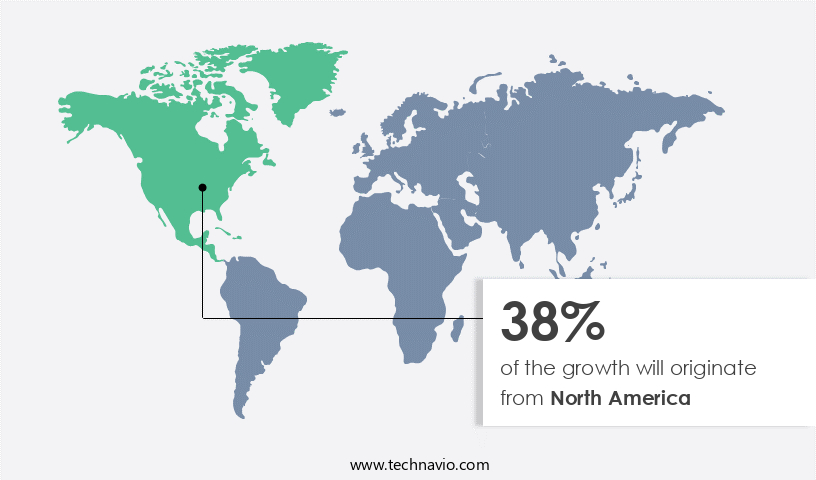
See How rehabilitation equipment market Demand is Rising in North America Request Free Sample
The market trends encompass a diverse range of technologies and applications, including biofeedback sensors, pulmonary rehabilitation equipment, cardiac rehabilitation systems, ergonomic workstations, neurological rehabilitation tools, balance training equipment, pressure mapping systems, therapeutic exercise equipment, virtual reality therapy, adaptive clothing, and assistive technology. The North American market holds a significant share due to the presence of numerous large hospitals specializing in cardiology that offer rehabilitation programs. Currently, the region experiences a growing preference for outpatient and intensive cardiac rehabilitation (ICR) services, which is a rigorous rehabilitation program lasting three to six months based on the patient's health condition. This growth is driven by advancements in technology, such as remote monitoring systems, wearable sensors, and smart home technology, which enable more effective and convenient patient care.
Canada, in particular, has established clinical guidelines for rehabilitation throughout the country under the Canadian Association of Cardiovascular Prevention and Rehabilitation (CACPR), comprised of interdisciplinary health professionals dedicated to supporting rehabilitation in the country. For instance, telehealth rehabilitation and remote patient monitoring have gained significant traction, enabling patients to receive care from the comfort of their homes. Additionally, the integration of robotics and artificial intelligence in rehabilitation equipment is revolutionizing the industry, offering personalized treatment plans and improved patient outcomes. Furthermore, the market is witnessing a rise in the adoption of ergonomic workstations, functional electrical stimulation, and gait analysis systems to enhance productivity and efficiency in various industries.
Market Dynamics
Our researchers analyzed the data with 2024 as the base year, along with the key drivers, trends, and challenges. A holistic analysis of drivers will help companies refine their marketing strategies to gain a competitive advantage. The market is experiencing significant growth due to the increasing prevalence of chronic diseases and injuries, leading to a rising demand for advanced solutions to support the rehabilitation process. This market encompasses a range of innovative technologies, including advanced prosthetic limb control systems that utilize machine learning algorithms and myoelectric sensors for improved functionality. Non-invasive brain-computer interfaces are another key area of development, enabling paralyzed individuals to regain control over their limbs through thought-controlled systems.
Exoskeleton robotic rehabilitation systems offer another promising solution, providing intensive physical therapy for patients recovering from injuries or surgeries. Smart wheelchair navigation technology, integrated with tele-rehabilitation platforms, allows remote monitoring of vital signs and progress, while wearable sensors for fall detection ensure the safety and independence of elderly and disabled individuals. Computer-assisted gait training programs and ergonomic office chair adjustments cater to the rehabilitation needs of stroke patients and office workers, respectively. Home accessibility modifications, such as ramps and grab bars, facilitate the daily lives of wheelchair users, while augmentative communication apps for aphasia and sensory integration therapy techniques help individuals with speech and sensory processing disorders.
Robotics for upper limb rehabilitation and virtual reality therapy for PTSD patients offer personalized and engaging therapeutic experiences, while remote patient monitoring of physical therapy progress and biofeedback for stress management techniques enable continuous care and improvement. Gait analysis for identifying movement impairments and muscle stimulation devices for improving muscle strength round out the comprehensive offerings of the market. Overall, these advanced technologies are transforming the rehabilitation landscape, providing effective and accessible solutions for individuals in need.
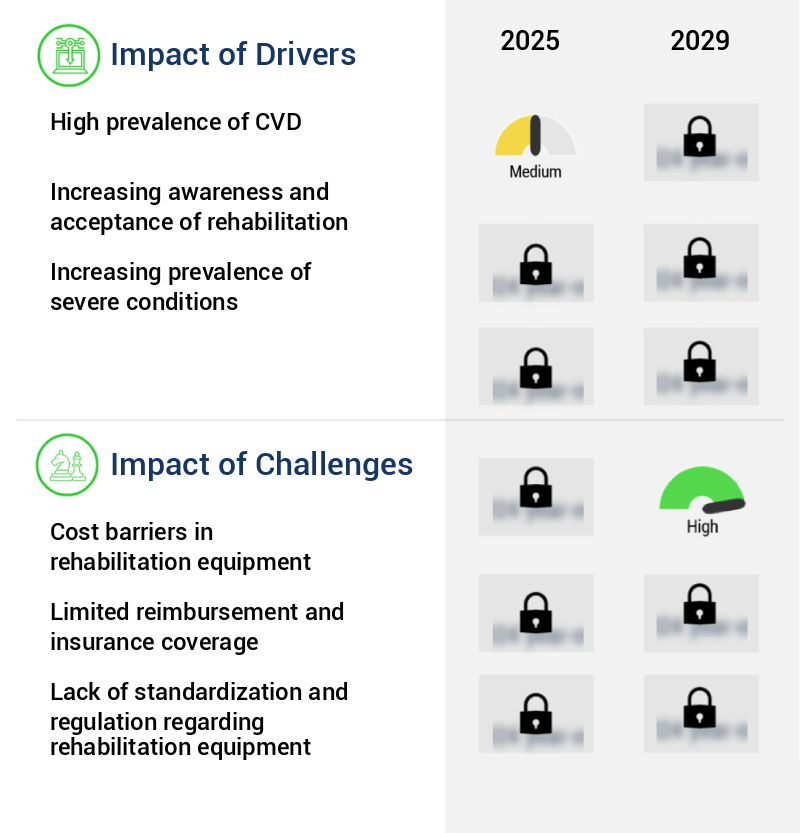
What are the key market drivers leading to the rise in the adoption of Rehabilitation Equipment Industry?
- The high prevalence of cardiovascular diseases (CVD) serves as the primary market driver, given the significant global health burden and increasing demand for effective treatment and management solutions. Cardiovascular diseases (CVDs) are a significant global health concern, accounting for approximately one-third of annual deaths worldwide according to the World Health Organization. In the US, heart disease remains a leading cause of death, with around 610,000 fatalities each year, as reported by the Centers for Disease Control and Prevention (CDC). Furthermore, the CDC estimates that approximately 790,000 Americans experience a heart attack annually, with 580,000 being first-time occurrences and 210,000 representing recurrent attacks.
- This growth is attributed to the rising number of CVD patients and the increasing recognition of the importance of post-treatment care in improving patient outcomes and reducing readmission rates. The high prevalence of CVDs, driven by unhealthy lifestyles and an aging population, has led to a substantial demand for rehabilitation equipment. The market for these products is projected to grow substantially, with industry analysts estimating a 12% increase in demand over the next five years.
What are the market trends shaping the Rehabilitation Equipment Industry?
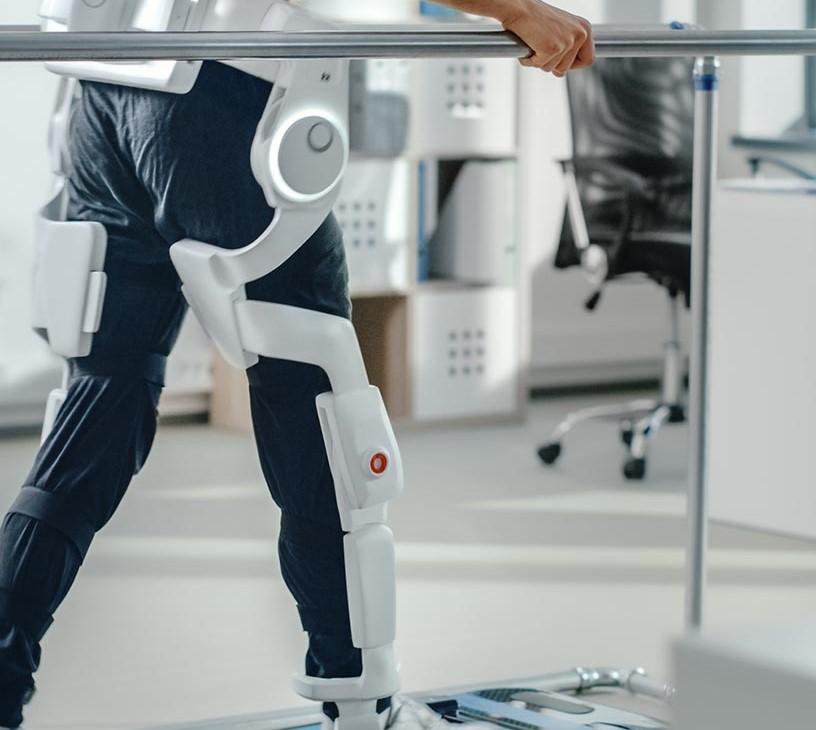
- Technological advancements are mandated in the market, representing an upcoming trend. The market growth is driven by technological advancements, revolutionizing the industry with innovative devices and systems. Robotic exoskeletons, a prime example, assist individuals with mobility impairments or injuries in walking and daily activities, using active motors and sensors for powered support and movement assistance. Moreover, the market is expected to expand as the demand for advanced rehabilitation technologies continues to increase.
- These advancements significantly enhance therapy effectiveness, boost patient engagement, and offer personalized care, transforming the rehabilitation landscape through technology. Industry growth is projected to expand substantially, with an estimated 20% increase in market size within the next five years. Despite these positive growth prospects, challenges such as high costs, lack of reimbursement policies, and limited access to advanced technologies in developing countries may hinder market expansion.
What challenges does the Rehabilitation Equipment Industry face during its growth?
- The high cost of overcoming barriers in the acquisition of rehabilitation equipment represents a significant challenge to the industry's growth. For instance, a robotic exoskeleton designed to help mobility-impaired individuals walk can cost upwards of USD 100,000. Despite these challenges, the market is expected to grow robustly, with industry analysts projecting a 15% increase in demand over the next five years. This growth is fueled by advancements in technology, increasing awareness of the benefits of rehabilitation equipment, and a growing aging population.
- The market is driven by the increasing prevalence of chronic diseases and injuries, leading to a growing demand for advanced medical devices. However, the high cost of these devices, particularly advanced robotic exoskeletons, poses a significant barrier to access for many individuals in need. The complexity of design and advanced technologies used in production contribute to the high prices. However, ongoing research and development efforts are expected to address these challenges, ultimately driving the market forward.
Exclusive Customer Landscape
The rehabilitation equipment market forecasting report includes the adoption lifecycle of the market, covering from the innovator's stage to the laggard's stage. It focuses on adoption rates in different regions based on penetration. Furthermore, the rehabilitation equipment market report also includes key purchase criteria and drivers of price sensitivity to help companies evaluate and develop their market growth analysis strategies.
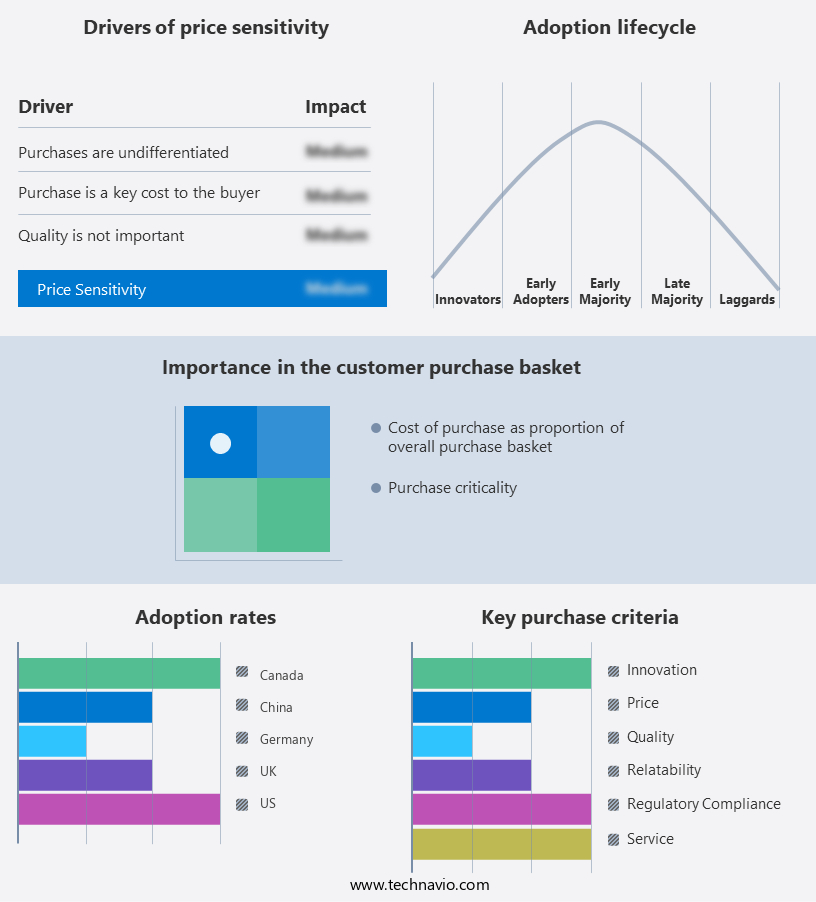
Customer Landscape
Key Companies & Market Insights
Companies are implementing various strategies, such as strategic alliances, rehabilitation equipment market forecast, partnerships, mergers and acquisitions, geographical expansion, and product/service launches, to enhance their presence in the industry.
Alimed Inc. - The company specializes in providing a range of rehabilitation equipment solutions, including arm and shoulder slings, clinic furnishings, pediatric seating, and positioning equipment.
The industry research and growth report includes detailed analyses of the competitive landscape of the market and information about key companies, including:
- Alimed Inc.
- ANTANO GROUP S.R.L.
- Arjo AB
- Baxter International Inc.
- Compass Health Brands
- DeVilbiss Healthcare GmbH
- Dynatronics Corp.
- Enovis Corp.
- EZ Way Inc.
- GF Health Products Inc.
- Hospital Equipment Manufacturing Co.
- Invacare Corp.
- Joerns Healthcare LLC
- LINET Group SE
- Medline Industries LP
- Prism UK Medical Ltd.
- Roma Medical
- Savaria Corp.
- V. Guldmann AS
Qualitative and quantitative analysis of companies has been conducted to help clients understand the wider business environment as well as the strengths and weaknesses of key industry players. Data is qualitatively analyzed to categorize companies as pure play, category-focused, industry-focused, and diversified; it is quantitatively analyzed to categorize companies as dominant, leading, strong, tentative, and weak.
Recent Development and News in Rehabilitation Equipment Market
- In January 2024, Medtronic plc, a global healthcare solutions company, announced the launch of its new rehabilitation system, the Lokomat Pro G6, which utilizes robotic technology for gait and balance training for stroke and spinal cord injury patients. This innovative product expansion underscores Medtronic's commitment to advancing rehabilitation technologies (Medtronic Press Release, 2024).
- In March 2024, Hocma Tech and Bioness, two leading providers of wearable medical technology, entered into a strategic partnership to integrate Bioness's wireless functional electrical stimulation (FES) technology into Hocma Tech's line of rehabilitation equipment. This collaboration aims to enhance the therapeutic capabilities of Hocma Tech's devices and improve patient outcomes (Bioness Press Release, 2024).
- In May 2024, Becton, Dickinson and Company (BD) completed the acquisition of CareFusion Corporation, a leading provider of medical devices and technology solutions for acute care, critical care, and rehabilitation settings. The acquisition significantly expanded BD's portfolio in the market, bolstering its presence and offering a broader range of products to meet the evolving needs of healthcare providers (BD Press Release, 2024).
- In April 2025, the European Union (EU) approved the use of exoskeleton technology from ReWalk Robotics for rehabilitation purposes. This regulatory approval marks a significant milestone for the company, as it expands the potential market for its exoskeleton devices beyond the United States and opens new opportunities for growth in the European market (ReWalk Robotics Press Release, 2025).
Research Analyst Overview
- The market encompasses a wide range of tools and technologies designed to support the recovery and improvement of various physical and cognitive functions. Two key areas of focus within this market are cognitive rehabilitation and occupational therapy. Cognitive rehabilitation tools, such as speech therapy devices and adaptive learning systems, help patients regain and enhance cognitive abilities following brain injuries or neurological conditions. For instance, a study published in the Journal of Neurology, Neurosurgery, and Psychiatry reported a 30% improvement in cognitive function in patients using a specific speech therapy device. The market is expected to grow steadily, with industry analysts projecting a 5% annual expansion rate over the next five years.
- These innovations, along with the increasing demand for home healthcare services and the integration of data analytics into clinical rehabilitation, contribute to the continuous evolution of the market. Digital healthcare trends highlight tele-rehabilitation platform integration, while lifestyle solutions such as adaptive clothing for ease of dressing and home accessibility modifications for wheelchair users enhance independence. Specialized therapeutic exercise programs for stroke patients, along with spinal cord injury devices and traumatic brain injury devices, are driving further market growth.
Dive into Technavio's robust research methodology, blending expert interviews, extensive data synthesis, and validated models for unparalleled Rehabilitation Equipment Market insights. See full methodology.
|
Market Scope |
|
|
Report Coverage |
Details |
|
Page number |
226 |
|
Base year |
2024 |
|
Historic period |
2019-2023 |
|
Forecast period |
2025-2029 |
|
Growth momentum & CAGR |
Accelerate at a CAGR of 3.9% |
|
Market growth 2025-2029 |
USD 3.27 billion |
|
Market structure |
Fragmented |
|
YoY growth 2024-2025(%) |
3.6 |
|
Key countries |
US, UK, China, Germany, Canada, India, France, Japan, Brazil, and Italy |
|
Competitive landscape |
Leading Companies, Market Positioning of Companies, Competitive Strategies, and Industry Risks |
What are the Key Data Covered in this Rehabilitation Equipment Market Research and Growth Report?
- CAGR of the Rehabilitation Equipment industry during the forecast period
- Detailed information on factors that will drive the growth and forecasting between 2025 and 2029
- Precise estimation of the size of the market and its contribution of the industry in focus to the parent market
- Accurate predictions about upcoming growth and trends and changes in consumer behaviour
- Growth of the market across North America, Europe, Asia, and Rest of World (ROW)
- Thorough analysis of the market's competitive landscape and detailed information about companies
- Comprehensive analysis of factors that will challenge the rehabilitation equipment market growth of industry companies
We can help! Our analysts can customize this rehabilitation equipment market research report to meet your requirements.
 RIA -
RIA -