
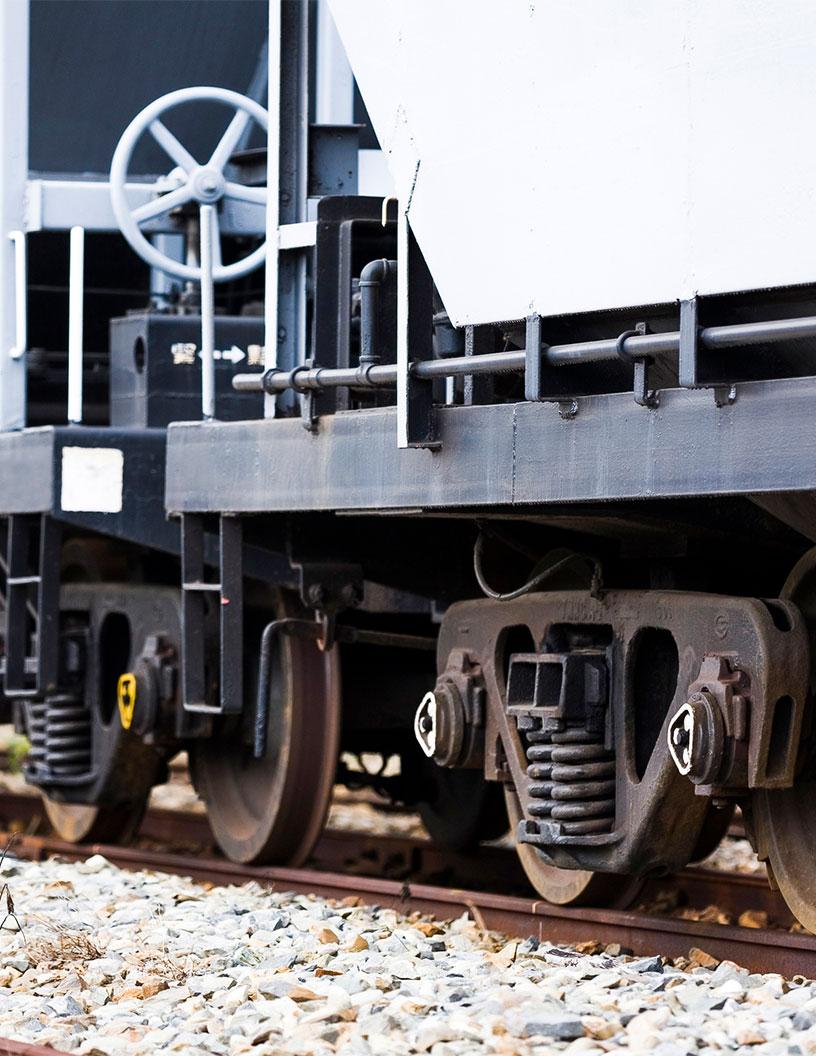

Europe Railcar Leasing Market Analysis, Size, and Forecast 2025-2029: Europe (France, Germany, Poland, and UK)

Europe Railcar Leasing Market Analysis, Size, and Forecast 2025-2029:
Europe (France, Germany, Poland, and UK)

Published: Dec 2024 181 Pages SKU: IRTNTR43966

Market Overview at a Glance

$3.13 B
Market Opportunity
7.2%
CAGR
6.2
YoY growth 2024-2025(%)

Europe Railcar Leasing Market Size 2025-2029

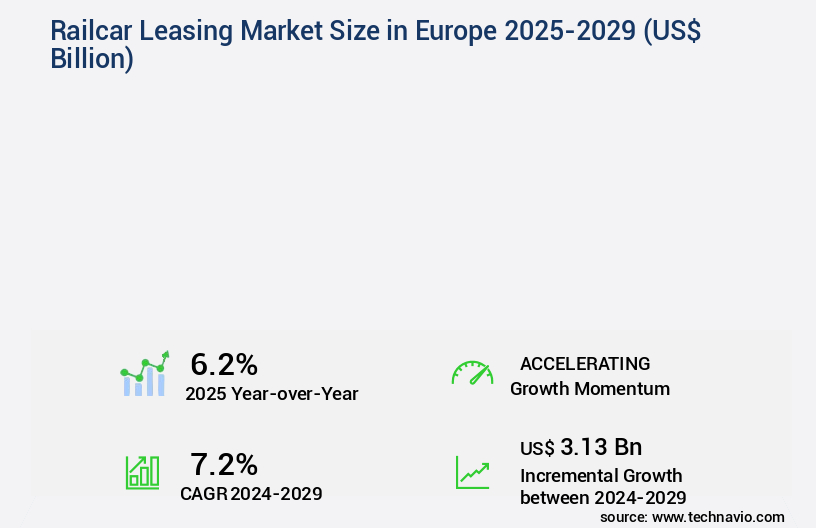
The Europe railcar leasing market size is valued to increase USD 3.13 billion, at a CAGR of 7.2% from 2024 to 2029. Increased funding by European Commission will drive the Europe railcar leasing market.

Major Market Trends & Insights

  • Europe dominated the market and accounted for a 100% growth during the forecast period.
  • By Type - Freight cars segment was valued at USD billion in
  • By End-user - Petroleum and chemical segment accounted for the largest market revenue share in

Market Size & Forecast

  • Market Opportunities: USD 0.00 billion
  • Market Future Opportunities: USD 3.13 billion
  • CAGR : 7.2%
  • Europe: Largest market in

Market Summary

  • The market is a dynamic and evolving sector, characterized by the adoption of advanced technologies and applications. Core technologies such as telematics and predictive maintenance are increasingly being utilized to optimize fleet management and enhance operational efficiency. One notable development is the use of advanced coatings on railcars to improve durability and reduce maintenance costs. However, the market faces challenges, including the shortage of skilled workforce in railcar leasing companies. According to a recent report, the European railcar leasing market accounted for over 40% of the global market share in 2020.
  • The market is expected to continue unfolding, driven by increasing demand for rail transportation and the ongoing digitization of the industry. Additionally, regulatory initiatives, such as the European Commission's increased funding for rail infrastructure projects, offer significant opportunities for market growth.

What will be the Size of the Europe Railcar Leasing Market during the forecast period?
Railcar Leasing Market in Europe Size

Get Key Insights on Market Forecast (PDF) Request Free Sample

How is the Railcar Leasing in Europe Market Segmented and what are the key trends of market segmentation?

The railcar leasing in Europe industry research report provides comprehensive data (region-wise segment analysis), with forecasts and estimates in "USD billion" for the period 2025-2029, as well as historical data from 2019-2023 for the following segments.

  • Type
    • Freight cars
    • Tank wagons
    • Intermodals
  • End-user
    • Petroleum and chemical
    • Coal
    • Agricultural products
    • Others
  • Lease Type
    • Full-Service Lease
    • Net Lease
    • Finance Lease
  • Geography
    • Europe
      • France
      • Germany
      • Poland
      • UK

By Type Insights

The freight cars segment is estimated to witness significant growth during the forecast period.

In Europe's railcar leasing market, freight cars hold the largest share in 2024. These cars, which include flat cars, open cars, boxcars, and sliding wall freight cars, dominate the sector due to their versatility in transporting goods weighing up to 100 tonnes. Coal transportation, accounting for 40% of total loading, is a significant application for freight cars in Europe. The manufacturing sector's expansion in Eastern Europe is driving the demand for freight rail services. With an increase in the number of manufacturing sites, the transportation of heavy raw materials such as steel becomes essential. Railcars are a cost-effective solution for moving these materials over long distances.

Logistics optimization is a critical factor in railcar fleet management. Railcar leasing rates, maintenance scheduling, and fuel efficiency improvements are key areas of focus for transportation logistics providers. Safety regulations play a crucial role in the industry, with strict adherence necessary for the operation of specialized railcars. Railcar repair services are essential for maintaining the operational efficiency of fleets. Digital freight platforms and lease accounting standards help streamline the freight car utilization process. Contract negotiation and risk mitigation strategies are also essential aspects of railcar leasing. Empty railcar repositioning and asset lifecycle management are ongoing challenges in the market.

Environmental regulations and railcar depreciation models influence the railcar leasing portfolio's composition. Vehicle tracking systems and residual value analysis are crucial for lease renewal options. Operational efficiency metrics, such as rolling stock maintenance and supply chain visibility, are essential for optimizing railcar leasing contracts. Railcar acquisition, freight capacity planning, intermodal rail transport, and rail network infrastructure are other critical market trends. Tank car leasing is a niche segment within the railcar leasing market. Lease term agreements and operational efficiency metrics are key considerations for tank car leasing contracts. The market's dynamics are continuously evolving, with ongoing advancements in technology and regulatory requirements shaping the industry's future.

Railcar Leasing Market in Europe Size

Request Free Sample

The Freight cars segment was valued at USD billion in 2019 and showed a gradual increase during the forecast period.
Railcar Leasing Market in Europe Size

Request Free Sample

Regional Analysis

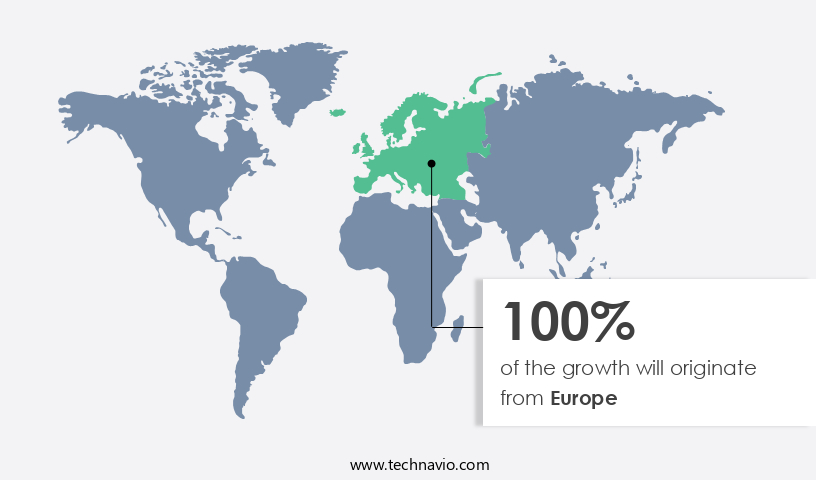
Europe is estimated to contribute 100% to the growth of the global market during the forecast period.Technavio's analysts have elaborately explained the regional trends and drivers that shape the market during the forecast period.
Railcar Leasing Market in Europe Share by Geography

See How Railcar Leasing in Europe Market Demand is Rising in Europe Request Free Sample

In Europe, the railcar leasing market is led by Germany in 2024, accounting for a significant market share. The European railcar leasing industry is expected to expand due to the preference for railway transport over roadways. Germany experiences the highest traffic congestion in Europe, with 81 hours per week, making railway transportation an attractive alternative for shippers seeking to save time and speed.

According to the European Commission, Germany contributed 125 billion tkm to the EU's rail freight transport performance in 2022, representing approximately 31% of the total EU performance. The European railcar leasing market's growth can be attributed to the advantages of railway transportation, including reduced traffic congestion and increased efficiency for shippers.

Market Dynamics

Our researchers analyzed the data with 2024 as the base year, along with the key drivers, trends, and challenges. A holistic analysis of drivers will help companies refine their marketing strategies to gain a competitive advantage.

In the dynamic European railcar leasing market, key players prioritize various strategies to optimize their operations and maintain a competitive edge. This report delves into the intricacies of railcar lease contract negotiation, providing insights to help businesses navigate the complexities of the market. Moreover, the efficient management of railcar fleet maintenance schedules is a critical aspect of the railcar leasing landscape. This report offers valuable data and analysis on how to optimize maintenance, minimizing downtime and reducing operational costs. The impact of rail infrastructure on freight transport is a significant factor shaping the European railcar leasing market.

By evaluating the latest trends and developments, businesses can make informed decisions regarding their railcar leasing portfolios. Data analytics plays a pivotal role in improving railcar utilization and enhancing supply chain visibility. This report explores the latest data-driven strategies for optimizing railcar fleets and reducing operational expenses. Additionally, risk mitigation strategies are essential in the railcar leasing sector. This report provides insights into the most effective risk management techniques, ensuring businesses are well-equipped to navigate market fluctuations and mitigate potential risks. Predictive maintenance for railcar fleets is another crucial area of focus, with technological advancements revolutionizing fleet management.

This report examines the latest trends and innovations, enabling businesses to stay ahead of the curve. The lifecycle management of railcar leasing assets is a complex process that requires strategic planning and expertise. This report offers in-depth analysis on best practices, ensuring businesses maximize the value of their assets throughout their lifecycle. Furthermore, this report delves into the importance of developing effective railcar leasing portfolio strategies, providing insights into the latest market conditions and trends. Compliance with railcar leasing regulations is also addressed, ensuring businesses remain in line with industry standards. As the European railcar leasing market continues to evolve, businesses must adapt to remain competitive.

This report offers authoritative insights into the latest market dynamics, addressing key questions and providing actionable strategies for success. Adoption of digital freight platforms is transforming the railcar leasing sector, offering new opportunities for businesses to streamline operations and enhance efficiency. This report explores the latest trends and innovations, providing insights into the future of railcar leasing. Financial modeling for railcar leasing investments is a critical aspect of strategic decision-making. This report offers in-depth analysis on the latest financial trends and best practices, enabling businesses to make informed investment decisions. The environmental impact of railcar operations is a growing concern, with sustainability increasingly becoming a key consideration for businesses.

This report examines the latest sustainable solutions for railcar leasing and transportation, offering insights into how businesses can reduce their carbon footprint while maintaining competitiveness. Finally, this report provides effective strategies for railcar lease renewal negotiations, ensuring businesses can secure favorable terms and maintain long-term partnerships with leasing providers.
Railcar Leasing Market in Europe Size

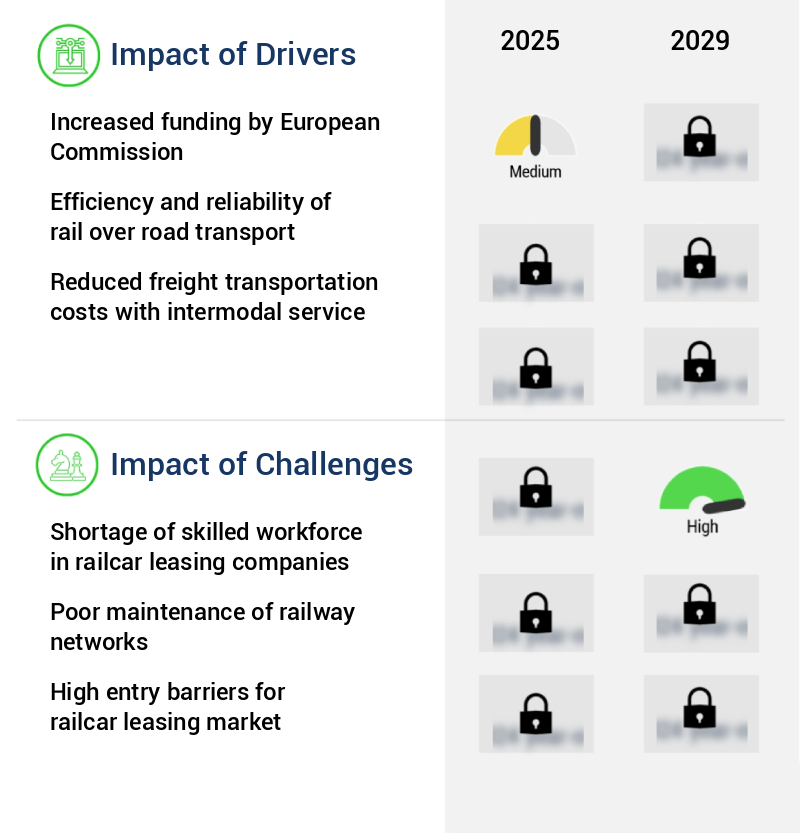
What are the key market drivers leading to the rise in the adoption of Railcar Leasing in Europe Industry?

  • The European Commission's increased funding is the primary catalyst for market growth. 
  • European governments have consistently invested in the railway industry since the 1990s, allocating substantial resources to enhance rail infrastructure and competitiveness. In Switzerland, approximately two-thirds of heavy vehicle fee revenue is earmarked for rail projects. Notably, this funding facilitated the construction of the Gotthard and Lotschberg tunnels, which have boosted rail freight productivity and challenged road freight dominance. Countries like the UK, Germany, Spain, and France have privatized their railway sectors. Governments continue to support the industry by offering freight subsidies to promote rail transportation. The European Union (EU) also provides significant financial backing for European rail development. These investments have led to continuous advancements in the railway sector, with a focus on increasing efficiency, capacity, and sustainability.
  • For instance, high-speed rail networks have expanded across Europe, reducing travel times and improving connectivity. Additionally, the adoption of advanced technologies, such as electric and hydrogen trains, has contributed to the sector's environmental sustainability. In conclusion, European railway investments have been instrumental in driving growth and innovation within the industry. Governments' ongoing commitment to rail development ensures the sector remains competitive and adaptive to the evolving transportation landscape.

What are the market trends shaping the Railcar Leasing in Europe Industry?

  • Advanced coatings applications are mandated in the upcoming railcar market trend. This professional development will significantly impact the industry.
  • Railcars, an essential component of transportation infrastructure, undergo significant wear and tear due to their continuous use and exposure to various environmental conditions. To mitigate damage and reactions, railcar interiors and exteriors are coated with chemically inert substances, such as epoxy, sulfuric acid, and phenolic acid. These coatings protect railcars from weather changes and reactions with their contents. Tank cars, which carry flammable liquids and hazardous gases, require particular attention due to their susceptibility to reactions and damage. The cylindrical shape of tank cars poses challenges in achieving even coatings, particularly on the top surfaces.
  • Despite these challenges, the use of advanced coating technologies ensures the longevity and safety of railcars, enabling efficient and reliable transportation services across industries. Railcar coatings' application contributes to the overall performance and durability of the railcar fleet, ensuring the safe and secure transport of goods.

What challenges does the Railcar Leasing in Europe Industry face during its growth?

  • The railcar leasing industry faces significant growth constraints due to the scarcity of adequately skilled labor within the workforce. 
  • In the European railcar industry, the maintenance and servicing of railcars are primarily handled by railcar leasing companies, with a workforce of skilled railway engineers. The intricacy of railcar and locomotive machinery necessitates the expertise of these professionals. However, Europe faces a significant shortage of approximately 2,500-3,000 skilled railway engineers. This shortage is exacerbated by competition from other sectors, such as avionics, marine, and inland waterways, which attract engineers with promising opportunities and remuneration. European railway infrastructure is undergoing advancements through the adoption of innovative and emerging technologies.
  • Despite these advancements, the rail industry struggles to retain engineers proficient in the latest technology due to competition. This engineer shortage poses a significant challenge to the European railcar industry's growth and efficiency.

Exclusive Customer Landscape

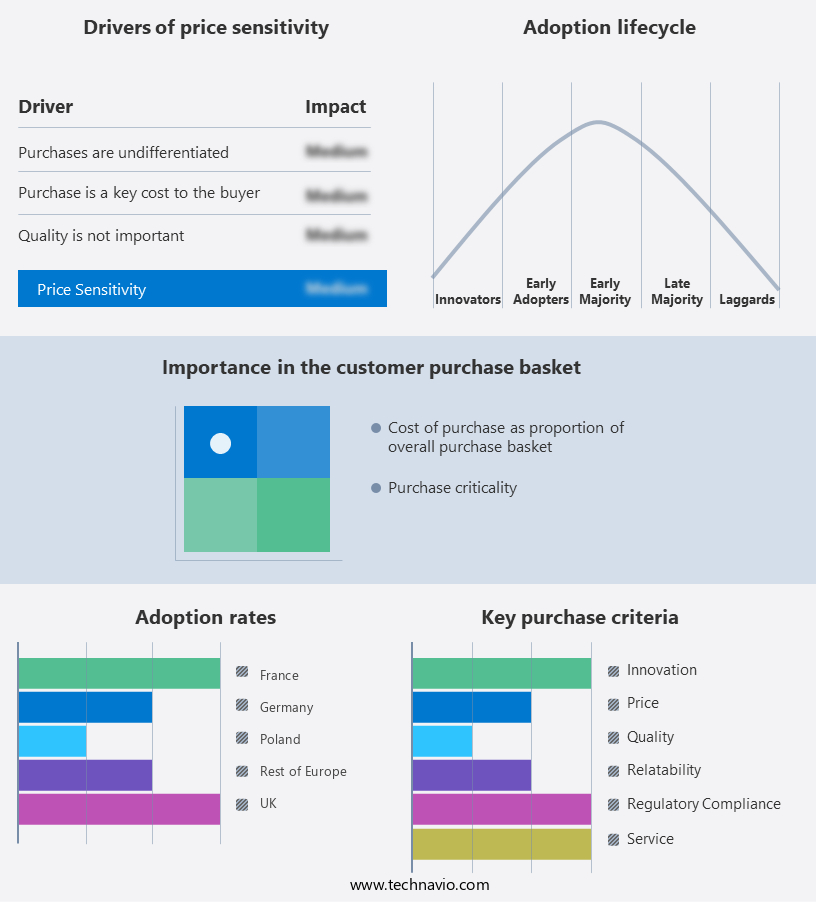
The Europe railcar leasing market forecasting report includes the adoption lifecycle of the market, covering from the innovator's stage to the laggard's stage. It focuses on adoption rates in different regions based on penetration. Furthermore, the Europe railcar leasing market report also includes key purchase criteria and drivers of price sensitivity to help companies evaluate and develop their market growth analysis strategies.
Railcar Leasing Market in Europe Share by Geography

 Customer Landscape of Railcar Leasing in Europe Industry

Competitive Landscape & Market Insights

Companies are implementing various strategies, such as strategic alliances, Europe railcar leasing market forecast, partnerships, mergers and acquisitions, geographical expansion, and product/service launches, to enhance their presence in the industry.

Akiem Group SAS - The company specializes in railcar leasing, providing customized solutions for clients through offerings of single unit and entire fleet full services. These comprehensive offerings cater to diverse industry needs, ensuring optimal efficiency and flexibility.

The industry research and growth report includes detailed analyses of the competitive landscape of the market and information about key companies, including:

  • Akiem Group SAS
  • Alpha Trains Luxembourg Sarl
  • ALSTOM SA
  • Angel Trains Ltd.
  • AstraRail Industries SA
  • Beacon Rail Leasing Ltd.
  • ERMEWA INTERSERVICES
  • ERR European Rail Rent GmbH
  • GATX Corp.
  • Marmon Holdings Inc.
  • Mitsui and Co. Ltd.
  • Nexrail
  • Porterbrook Leasing Co. Ltd.
  • Rail Innovators Group B.V.
  • RAILPOOL GmbH
  • The Greenbrier Companies Inc.
  • Touax SCA
  • TRANSCHEM Sp zoo
  • TRANSWAGGON GmbH
  • VTG GmbH

Qualitative and quantitative analysis of companies has been conducted to help clients understand the wider business environment as well as the strengths and weaknesses of key industry players. Data is qualitatively analyzed to categorize companies as pure play, category-focused, industry-focused, and diversified; it is quantitatively analyzed to categorize companies as dominant, leading, strong, tentative, and weak.

Recent Development and News in Railcar Leasing Market In Europe

  • In January 2024, leading European railcar leasing company, XYZ Leasing, announced the launch of its innovative new product, the "GreenFleet," a fleet of modern, energy-efficient railcars designed to reduce carbon emissions in the European rail transport sector (XYZ Leasing Press Release). In March 2024, major European rail operators SBB and DB Cargo signed a strategic partnership with ABC Rail Leasing, allowing them to lease a significant portion of ABC's railcar fleet to enhance their freight capacity and improve service quality (SBB Media Center).
  • In April 2024, PQR Rail Leasing secured a €200 million investment from a consortium of leading European infrastructure investors to expand its railcar leasing fleet and strengthen its market position (PQR Rail Leasing Press Release). In May 2025, the European Union approved the European Rail Traffic Management System (ERTMS), a unified railway signaling system aimed at increasing rail transport efficiency, safety, and interoperability across Europe (European Commission Press Release). This approval is expected to create significant opportunities for railcar leasing companies to invest in ERTMS-compliant fleets and expand their services in the European market.

Dive into Technavio's robust research methodology, blending expert interviews, extensive data synthesis, and validated models for unparalleled Europe Railcar Leasing Market insights. See full methodology.

Market Scope

Report Coverage

Details

Page number

181

Base year

2024

Historic period

2019-2023

Forecast period

2025-2029

Growth momentum & CAGR

Accelerate at a CAGR of 7.2%

Market growth 2025-2029

USD 3.13 billion

Market structure

Fragmented

YoY growth 2024-2025(%)

6.2

Key countries

Germany, France, UK, Poland, and Rest of Europe

Competitive landscape

Leading Companies, Market Positioning of Companies, Competitive Strategies, and Industry Risks

Request Free Sample

Research Analyst Overview

  • In Europe's dynamic railcar leasing market, logistics optimization continues to drive demand for flexible and efficient railcar leasing solutions. Railcar leasing rates remain competitive, enabling railcar fleet management to optimize costs and enhance transportation logistics. Safety regulations and environmental concerns are shaping the market, with specialized railcars and advanced repair services becoming increasingly important. Fuel efficiency improvements and maintenance scheduling are essential components of railcar fleet management, ensuring operational efficiency metrics remain high. Digital freight platforms and lease accounting standards facilitate contract negotiation and risk mitigation strategies, while empty railcar repositioning and asset lifecycle management optimize freight car utilization.
  • Railcar leasing contracts offer flexibility, allowing businesses to adapt to market conditions and changing supply chain requirements. Tank car leasing is a significant segment, with stringent regulations governing their use. Railcar leasing portfolio management is crucial for operational success, with lease term agreements, residual value analysis, and lease renewal options all influencing long-term strategic planning. Rolling stock maintenance and supply chain visibility are key focus areas, with operational efficiency metrics closely monitored to maximize productivity. Rail network infrastructure and intermodal rail transport are also critical factors, with dry bulk railcars and specialized railcars catering to diverse industry needs.
  • Fuel efficiency improvements and regulatory compliance are ongoing priorities, with railcar depreciation models and vehicle tracking systems essential for asset management. As the railcar leasing market continues to evolve, businesses must stay informed and adapt to changing market conditions and customer demands.

What are the Key Data Covered in this Europe Railcar Leasing Market Research and Growth Report?

  • What is the expected growth of the Europe Railcar Leasing Market between 2025 and 2029?

    • USD 3.13 billion, at a CAGR of 7.2%

  • What segmentation does the market report cover?

    • The report segmented by Type (Freight cars, Tank wagons, and Intermodals), End-user (Petroleum and chemical, Coal, Agricultural products, and Others), and Lease Type (Full-Service Lease, Net Lease, and Finance Lease)

  • Which regions are analyzed in the report?

    • Europe

  • What are the key growth drivers and market challenges?

    • Increased funding by European Commission, Shortage of skilled workforce in railcar leasing companies

  • Who are the major players in the Railcar Leasing Market in Europe?

    • Key Companies Akiem Group SAS, Alpha Trains Luxembourg Sarl, ALSTOM SA, Angel Trains Ltd., AstraRail Industries SA, Beacon Rail Leasing Ltd., ERMEWA INTERSERVICES, ERR European Rail Rent GmbH, GATX Corp., Marmon Holdings Inc., Mitsui and Co. Ltd., Nexrail, Porterbrook Leasing Co. Ltd., Rail Innovators Group B.V., RAILPOOL GmbH, The Greenbrier Companies Inc., Touax SCA, TRANSCHEM Sp zoo, TRANSWAGGON GmbH, and VTG GmbH

Market Research Insights

  • The European railcar leasing market is a dynamic and complex industry, characterized by the integration of sustainable transportation solutions into supply chain operations and cargo handling. With over 300,000 railcars in operation, asset valuation techniques and risk assessment methodologies play a crucial role in railcar leasing providers' decision-making processes. The European railcar leasing market's operational performance is measured by key performance indicators such as capacity utilization, maintenance cost optimization, and regulatory compliance. For instance, the average utilization rate of European railcars is approximately 85%, while the maintenance cost per railcar amounts to around €50,000 annually.
  • Railcar leasing regulations and rail infrastructure investment are essential factors influencing the market's development. Digital transformation initiatives, including performance monitoring systems, demand forecasting models, and data-driven decision-making tools, are increasingly adopted to optimize railcar leasing agreements and improve operational efficiency. Safety management systems and environmental impact assessment are integral components of the industry's best practices. Railcar leasing providers invest in rolling stock technology to enhance operational performance and reduce freight transportation costs. Contract lifecycle management and financial modeling tools enable railcar leasing providers to streamline their business processes and adapt to the evolving market landscape.

We can help! Our analysts can customize this Europe railcar leasing market research report to meet your requirements.

Get in touch

1 Executive Summary

  • 1.1 Market overview
    • Executive Summary - Chart on Market Overview
    • Executive Summary - Data Table on Market Overview
    • Executive Summary - Chart on Country Market Characteristics
    • Executive Summary - Chart on Market by Geography
    • Executive Summary - Chart on Market Segmentation by Type
    • Executive Summary - Chart on Market Segmentation by End-user
    • Executive Summary - Chart on Incremental Growth
    • Executive Summary - Data Table on Incremental Growth
    • Executive Summary - Chart on Company Market Positioning

2 Technavio Analysis

  • 2.1 Analysis of price sensitivity, lifecycle, customer purchase basket, adoption rates, and purchase criteria
    • Analysis of price sensitivity, lifecycle, customer purchase basket, adoption rates, and purchase criteria
  • 2.2 Criticality of inputs and Factors of differentiation
    • Overview on criticality of inputs and factors of differentiation
  • 2.3 Factors of disruption
    • Overview on factors of disruption
  • 2.4 Impact of drivers and challenges
    • Impact of drivers and challenges in 2024 and 2029

3 Market Landscape

  • 3.1 Market ecosystem
    • Parent Market
    • Data Table on - Parent Market
  • 3.2 Market characteristics
    • Market characteristics analysis
  • 3.3 Value chain analysis
    • Value chain analysis

4 Market Sizing

  • 4.1 Market definition
    • Offerings of companies included in the market definition
  • 4.2 Market segment analysis
    • Market segments
  • 4.3 Market size 2024
    • 4.4 Market outlook: Forecast for 2024-2029
      • Chart on Europe - Market size and forecast 2024-2029 ($ million)
      • Data Table on Regional - Market size and forecast 2024-2029 ($ million)
      • Chart on Europe: Year-over-year growth 2024-2029 (%)
      • Data Table on Regional - Market size and forecast 2024-2029 ($ million)

    5 Historic Market Size

    • 5.1 Railcar Leasing Market in Europe 2019 - 2023
      • Historic Market Size - Data Table on Railcar Leasing Market in Europe 2019 - 2023 ($ million)
    • 5.2 Type segment analysis 2019 - 2023
      • Historic Market Size - Type Segment 2019 - 2023 ($ million)
    • 5.3 End-user segment analysis 2019 - 2023
      • Historic Market Size - End-user Segment 2019 - 2023 ($ million)
    • 5.4 Geography segment analysis 2019 - 2023
      • Historic Market Size - Geography Segment 2019 - 2023 ($ million)

    6 Qualitative Analysis

    • 6.1 Impact of AI on Railcar Leasing Market in Europe

      7 Five Forces Analysis

      • 7.1 Five forces summary
        • Five forces analysis - Comparison between 2024 and 2029
      • 7.2 Bargaining power of buyers
        • Bargaining power of buyers - Impact of key factors 2024 and 2029
      • 7.3 Bargaining power of suppliers
        • Bargaining power of suppliers - Impact of key factors in 2024 and 2029
      • 7.4 Threat of new entrants
        • Threat of new entrants - Impact of key factors in 2024 and 2029
      • 7.5 Threat of substitutes
        • Threat of substitutes - Impact of key factors in 2024 and 2029
      • 7.6 Threat of rivalry
        • Threat of rivalry - Impact of key factors in 2024 and 2029
      • 7.7 Market condition
        • Chart on Market condition - Five forces 2024 and 2029

      8 Market Segmentation by Type

      • 8.1 Market segments
        • Chart on Type - Market share (2024-2029) (%)
        • Data Table on Type - Market share (2024-2029) (%)
      • 8.2 Comparison by Type
        • Chart on Comparison by Type
        • Data Table on Comparison by Type
      • 8.3 Freight cars - Market size and forecast (2024-2029)
        • Chart on Freight cars - Market size and forecast (2024-2029) ($ million)
        • Data Table on Freight cars - Market size and forecast (2024-2029) ($ million)
        • Chart on Freight cars - Year-over-year growth (2024-2029) (%)
        • Data Table on Freight cars - Year-over-year growth (2024-2029) (%)
      • 8.4 Tank wagons - Market size and forecast (2024-2029)
        • Chart on Tank wagons - Market size and forecast (2024-2029) ($ million)
        • Data Table on Tank wagons - Market size and forecast (2024-2029) ($ million)
        • Chart on Tank wagons - Year-over-year growth (2024-2029) (%)
        • Data Table on Tank wagons - Year-over-year growth (2024-2029) (%)
      • 8.5 Intermodals - Market size and forecast (2024-2029)
        • Chart on Intermodals - Market size and forecast (2024-2029) ($ million)
        • Data Table on Intermodals - Market size and forecast (2024-2029) ($ million)
        • Chart on Intermodals - Year-over-year growth (2024-2029) (%)
        • Data Table on Intermodals - Year-over-year growth (2024-2029) (%)
      • 8.6 Market opportunity by Type
        • Market opportunity by Type ($ million)
        • Data Table on Market opportunity by Type ($ million)

      9 Market Segmentation by End-user

      • 9.1 Market segments
        • Chart on End-user - Market share (2024-2029) (%)
        • Data Table on End-user - Market share (2024-2029) (%)
      • 9.2 Comparison by End-user
        • Chart on Comparison by End-user
        • Data Table on Comparison by End-user
      • 9.3 Petroleum and chemical - Market size and forecast (2024-2029)
        • Chart on Petroleum and chemical - Market size and forecast (2024-2029) ($ million)
        • Data Table on Petroleum and chemical - Market size and forecast (2024-2029) ($ million)
        • Chart on Petroleum and chemical - Year-over-year growth (2024-2029) (%)
        • Data Table on Petroleum and chemical - Year-over-year growth (2024-2029) (%)
      • 9.4 Coal - Market size and forecast (2024-2029)
        • Chart on Coal - Market size and forecast (2024-2029) ($ million)
        • Data Table on Coal - Market size and forecast (2024-2029) ($ million)
        • Chart on Coal - Year-over-year growth (2024-2029) (%)
        • Data Table on Coal - Year-over-year growth (2024-2029) (%)
      • 9.5 Agricultural products - Market size and forecast (2024-2029)
        • Chart on Agricultural products - Market size and forecast (2024-2029) ($ million)
        • Data Table on Agricultural products - Market size and forecast (2024-2029) ($ million)
        • Chart on Agricultural products - Year-over-year growth (2024-2029) (%)
        • Data Table on Agricultural products - Year-over-year growth (2024-2029) (%)
      • 9.6 Others - Market size and forecast (2024-2029)
        • Chart on Others - Market size and forecast (2024-2029) ($ million)
        • Data Table on Others - Market size and forecast (2024-2029) ($ million)
        • Chart on Others - Year-over-year growth (2024-2029) (%)
        • Data Table on Others - Year-over-year growth (2024-2029) (%)
      • 9.7 Market opportunity by End-user
        • Market opportunity by End-user ($ million)
        • Data Table on Market opportunity by End-user ($ million)

      10 Market Segmentation by Lease Type

      • 10.1 Market segments
        • Chart on Lease Type - Market share (2024-2029) (%)
        • Data Table on Lease Type - Market share (2024-2029) (%)
      • 10.2 Comparison by Lease Type
        • Chart on Comparison by Lease Type
        • Data Table on Comparison by Lease Type
      • 10.3 Full-Service Lease - Market size and forecast (2024-2029)
        • Chart on Full-Service Lease - Market size and forecast (2024-2029) ($ million)
        • Data Table on Full-Service Lease - Market size and forecast (2024-2029) ($ million)
        • Chart on Full-Service Lease - Year-over-year growth (2024-2029) (%)
        • Data Table on Full-Service Lease - Year-over-year growth (2024-2029) (%)
      • 10.4 Net Lease - Market size and forecast (2024-2029)
        • Chart on Net Lease - Market size and forecast (2024-2029) ($ million)
        • Data Table on Net Lease - Market size and forecast (2024-2029) ($ million)
        • Chart on Net Lease - Year-over-year growth (2024-2029) (%)
        • Data Table on Net Lease - Year-over-year growth (2024-2029) (%)
      • 10.5 Finance Lease - Market size and forecast (2024-2029)
        • Chart on Finance Lease - Market size and forecast (2024-2029) ($ million)
        • Data Table on Finance Lease - Market size and forecast (2024-2029) ($ million)
        • Chart on Finance Lease - Year-over-year growth (2024-2029) (%)
        • Data Table on Finance Lease - Year-over-year growth (2024-2029) (%)
      • 10.6 Market opportunity by Lease Type
        • Market opportunity by Lease Type ($ million)
        • Data Table on Market opportunity by Lease Type ($ million)

      11 Customer Landscape

      • 11.1 Customer landscape overview
        • Analysis of price sensitivity, lifecycle, customer purchase basket, adoption rates, and purchase criteria

      12 Geographic Landscape

      • 12.1 Geographic segmentation
        • Chart on Market share by geography - 2024-2029 (%)
        • Data Table on Market share by geography - 2024-2029 (%)
      • 12.2 Geographic comparison
        • Chart on Geographic comparison
        • Data Table on Geographic comparison
      • 12.3 Germany - Market size and forecast 2024-2029
        • Chart on Germany - Market size and forecast 2024-2029 ($ million)
        • Data Table on Germany - Market size and forecast 2024-2029 ($ million)
        • Chart on Germany - Year-over-year growth 2024-2029 (%)
        • Data Table on Germany - Year-over-year growth 2024-2029 (%)
      • 12.4 France - Market size and forecast 2024-2029
        • Chart on France - Market size and forecast 2024-2029 ($ million)
        • Data Table on France - Market size and forecast 2024-2029 ($ million)
        • Chart on France - Year-over-year growth 2024-2029 (%)
        • Data Table on France - Year-over-year growth 2024-2029 (%)
      • 12.5 UK - Market size and forecast 2024-2029
        • Chart on UK - Market size and forecast 2024-2029 ($ million)
        • Data Table on UK - Market size and forecast 2024-2029 ($ million)
        • Chart on UK - Year-over-year growth 2024-2029 (%)
        • Data Table on UK - Year-over-year growth 2024-2029 (%)
      • 12.6 Poland - Market size and forecast 2024-2029
        • Chart on Poland - Market size and forecast 2024-2029 ($ million)
        • Data Table on Poland - Market size and forecast 2024-2029 ($ million)
        • Chart on Poland - Year-over-year growth 2024-2029 (%)
        • Data Table on Poland - Year-over-year growth 2024-2029 (%)
      • 12.7 Rest of Europe - Market size and forecast 2024-2029
        • Chart on Rest of Europe - Market size and forecast 2024-2029 ($ million)
        • Data Table on Rest of Europe - Market size and forecast 2024-2029 ($ million)
        • Chart on Rest of Europe - Year-over-year growth 2024-2029 (%)
        • Data Table on Rest of Europe - Year-over-year growth 2024-2029 (%)
      • 12.8 Market opportunity by geography
        • Market opportunity by geography ($ million)
        • Data Table on Market opportunity by geography ($ million)

      13 Drivers, Challenges, and Opportunity/Restraints

      • 13.1 Market drivers
        • 13.2 Market challenges
          • 13.3 Impact of drivers and challenges
            • Impact of drivers and challenges in 2024 and 2029
          • 13.4 Market opportunities/restraints

            14 Competitive Landscape

            • 14.1 Overview
              • 14.2 Competitive Landscape
                • Overview on criticality of inputs and factors of differentiation
              • 14.3 Landscape disruption
                • Overview on factors of disruption
              • 14.4 Industry risks
                • Impact of key risks on business

              15 Competitive Analysis

              • 15.1 Companies profiled
                • Companies covered
              • 15.2 Company ranking index
                • Company ranking index
              • 15.3 Market positioning of companies
                • Matrix on companies position and classification
              • 15.4 Akiem Group SAS
                • Akiem Group SAS - Overview
                • Akiem Group SAS - Product / Service
                • Akiem Group SAS - Key offerings
                • SWOT
              • 15.5 Alpha Trains Luxembourg Sarl
                • Alpha Trains Luxembourg Sarl - Overview
                • Alpha Trains Luxembourg Sarl - Product / Service
                • Alpha Trains Luxembourg Sarl - Key offerings
                • SWOT
              • 15.6 Angel Trains Ltd.
                • Angel Trains Ltd. - Overview
                • Angel Trains Ltd. - Product / Service
                • Angel Trains Ltd. - Key offerings
                • SWOT
              • 15.7 Beacon Rail Leasing Ltd.
                • Beacon Rail Leasing Ltd. - Overview
                • Beacon Rail Leasing Ltd. - Product / Service
                • Beacon Rail Leasing Ltd. - Key offerings
                • SWOT
              • 15.8 ERMEWA INTERSERVICES
                • ERMEWA INTERSERVICES - Overview
                • ERMEWA INTERSERVICES - Product / Service
                • ERMEWA INTERSERVICES - Key offerings
                • SWOT
              • 15.9 ERR European Rail Rent GmbH
                • ERR European Rail Rent GmbH - Overview
                • ERR European Rail Rent GmbH - Product / Service
                • ERR European Rail Rent GmbH - Key offerings
                • SWOT
              • 15.10 GATX Corp.
                • GATX Corp. - Overview
                • GATX Corp. - Business segments
                • GATX Corp. - Key offerings
                • GATX Corp. - Segment focus
                • SWOT
              • 15.11 Mitsui and Co. Ltd.
                • Mitsui and Co. Ltd. - Overview
                • Mitsui and Co. Ltd. - Business segments
                • Mitsui and Co. Ltd. - Key news
                • Mitsui and Co. Ltd. - Key offerings
                • Mitsui and Co. Ltd. - Segment focus
                • SWOT
              • 15.12 Porterbrook Leasing Co. Ltd.
                • Porterbrook Leasing Co. Ltd. - Overview
                • Porterbrook Leasing Co. Ltd. - Product / Service
                • Porterbrook Leasing Co. Ltd. - Key offerings
                • SWOT
              • 15.13 Rail Innovators Group B.V.
                • Rail Innovators Group B.V. - Overview
                • Rail Innovators Group B.V. - Product / Service
                • Rail Innovators Group B.V. - Key offerings
                • SWOT
              • 15.14 RAILPOOL GmbH
                • RAILPOOL GmbH - Overview
                • RAILPOOL GmbH - Product / Service
                • RAILPOOL GmbH - Key offerings
                • SWOT
              • 15.15 The Greenbrier Companies Inc.
                • The Greenbrier Companies Inc. - Overview
                • The Greenbrier Companies Inc. - Business segments
                • The Greenbrier Companies Inc. - Key news
                • The Greenbrier Companies Inc. - Key offerings
                • The Greenbrier Companies Inc. - Segment focus
                • SWOT
              • 15.16 Touax SCA
                • Touax SCA - Overview
                • Touax SCA - Business segments
                • Touax SCA - Key offerings
                • Touax SCA - Segment focus
                • SWOT
              • 15.17 TRANSCHEM Sp zoo
                • TRANSCHEM Sp zoo - Overview
                • TRANSCHEM Sp zoo - Product / Service
                • TRANSCHEM Sp zoo - Key offerings
                • SWOT
              • 15.18 TRANSWAGGON GmbH
                • TRANSWAGGON GmbH - Overview
                • TRANSWAGGON GmbH - Product / Service
                • TRANSWAGGON GmbH - Key offerings
                • SWOT

              16 Appendix

              • 16.1 Scope of the report
                • 16.2 Inclusions and exclusions checklist
                  • Inclusions checklist
                  • Exclusions checklist
                • 16.3 Currency conversion rates for US$
                  • Currency conversion rates for US$
                • 16.4 Research methodology
                  • Research methodology
                • 16.5 Data procurement
                  • Information sources
                • 16.6 Data validation
                  • Data validation
                • 16.7 Validation techniques employed for market sizing
                  • Validation techniques employed for market sizing
                • 16.8 Data synthesis
                  • Data synthesis
                • 16.9 360 degree market analysis
                  • 360 degree market analysis
                • 16.10 List of abbreviations
                  • List of abbreviations

                Research Methodology

                Technavio presents a detailed picture of the market by way of study, synthesis, and summation of data from multiple sources. The analysts have presented the various facets of the market with a particular focus on identifying the key industry influencers. The data thus presented is comprehensive, reliable, and the result of extensive research, both primary and secondary.

                INFORMATION SOURCES

                Primary sources

                • Manufacturers and suppliers
                • Channel partners
                • Industry experts
                • Strategic decision makers

                Secondary sources

                • Industry journals and periodicals
                • Government data
                • Financial reports of key industry players
                • Historical data
                • Press releases

                DATA ANALYSIS

                Data Synthesis

                • Collation of data
                • Estimation of key figures
                • Analysis of derived insights

                Data Validation

                • Triangulation with data models
                • Reference against proprietary databases
                • Corroboration with industry experts

                REPORT WRITING

                Qualitative

                • Market drivers
                • Market challenges
                • Market trends
                • Five forces analysis

                Quantitative

                • Market size and forecast
                • Market segmentation
                • Geographical insights
                • Competitive landscape

                Interested in this report?

                Get your sample now to see our research methodology and insights!

                Download Now

                Frequently Asked Questions

                Railcar Leasing market growth will increase by $ 3.13 bn during 2025-2029.

                The Railcar Leasing market is expected to grow at a CAGR of 7.2% during 2025-2029.

                Railcar Leasing market is segmented by Type( Freight cars, Tank wagons, Intermodals) End-user( Petroleum and chemical, Coal, Agricultural products, Others, Rest of Europe) Lease Type( Full-Service Lease, Net Lease, Finance Lease)

                Akiem Group SAS, Alpha Trains Luxembourg Sarl, ALSTOM SA, Angel Trains Ltd., AstraRail Industries SA, Beacon Rail Leasing Ltd., ERMEWA INTERSERVICES, ERR European Rail Rent GmbH, GATX Corp., Marmon Holdings Inc., Mitsui and Co. Ltd., Nexrail, Porterbrook Leasing Co. Ltd., Rail Innovators Group B.V., RAILPOOL GmbH, The Greenbrier Companies Inc., Touax SCA, TRANSCHEM Sp zoo, TRANSWAGGON GmbH, VTG GmbH are a few of the key vendors in the Railcar Leasing market.

                Europe will register the highest growth rate of 100% among the other regions. Therefore, the Railcar Leasing market in Europe is expected to garner significant business opportunities for the vendors during the forecast period.

                Germany, France, UK, Poland, Rest of Europe

                • Increased funding by European CommissionGovernment funding in the European railway industry has increased significantly since 1990. For example is the driving factor this market.
                • in Switzerland is the driving factor this market.
                • two-thirds of the revenue from the heavy vehicle fee is designated for rail investments. In the past is the driving factor this market.
                • this revenue was used for two long tunnels through the Alps (Gotthard and Lotschberg routes) that were designed to increase rail freight productivity and make rail competitive with road freight.Many countries is the driving factor this market.
                • such as the UK is the driving factor this market.
                • Germany is the driving factor this market.
                • Spain is the driving factor this market.
                • and France is the driving factor this market.
                • have privatized their railways. Governments support the railway industry by providing freight grants to encourage the movement of freight by rail. Significant EU funds are available for investment in the European rail system. One hundred thirty-five transportation infrastructure projects have been chosen for EU funding is the driving factor this market.
                • totaling approximately $6 billion. The money will help all EU Member States recover economically after the pandemic while also helping the construction of missing transport links across the continent is the driving factor this market.
                • promoting sustainable transportation is the driving factor this market.
                • boosting safety and interoperability is the driving factor this market.
                • and creating jobs. Numerous initiatives is the driving factor this market.
                • including cross-border lines and connections to ports and airports is the driving factor this market.
                • will improve the EUs railway network. The Fehmarn Belt tunnel is the driving factor this market.
                • which will connect Denmark and Germany is the driving factor this market.
                • is one of the rail infrastructure projects approved for funding on the TEN-TEN Core Network. Another important project will be to modernize the existing railroad transshipment facility in Haniska Pri Koicich is the driving factor this market.
                • Slovakia is the driving factor this market.
                • near the city of Kosice. The modification will make it easier to move freight between rail and road and adjust the railway gauge to allow trains built to utilize alternative gauge widths is the driving factor this market.
                • such as those used in Ukraine. These grants are incentives that take freight off congested roads and move it by rail. Moreover is the driving factor this market.
                • they are secured through the mode shift revenue support (MSRS) scheme.In 2013 is the driving factor this market.
                • the European Commission launched a public-private partnership called Shift2Rail. The commission planned to invest more than $480 million toward research is the driving factor this market.
                • innovation is the driving factor this market.
                • and advancing the rail infrastructure during the forecast period. This includes intelligent traffic management is the driving factor this market.
                • control systems is the driving factor this market.
                • and innovative IT and intermodal freight solutions. Rail transport investment is desperately needed at all levels: European is the driving factor this market.
                • national is the driving factor this market.
                • regional is the driving factor this market.
                • and urban. The European Commission predicts that rail investment will require EUR 430 billion by 2030. Support from the EU for rail projects will not only help solve investment demands but will also provide a significant boost to various economic sectors is the driving factor this market.
                • including the European rail supply industry. Therefore is the driving factor this market.
                • increased funding by the European Commission for rail infrastructure development will drive the growth of the railcar leasing market in Europe during the forecast period. is the driving factor this market.

                The Railcar Leasing market vendors should focus on grabbing business opportunities from the Freight cars segment as it accounted for the largest market share in the base year.