


Physiotherapy Market Size 2026-2030
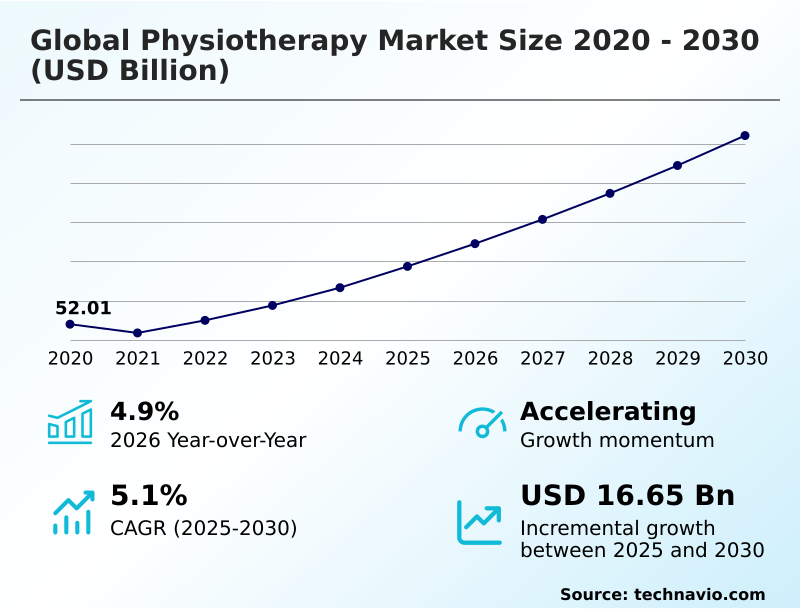
The physiotherapy market size is valued to increase by USD 16.65 billion, at a CAGR of 5.1% from 2025 to 2030. Integration AI-driven predictive rehabilitation and personalised treatment algorithms will drive the physiotherapy market.
Major Market Trends & Insights
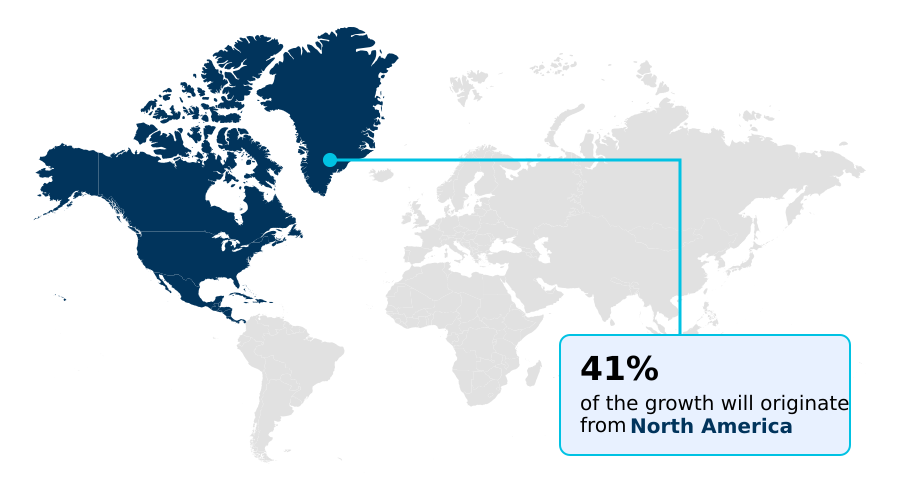
- North America dominated the market and accounted for a 40.6% growth during the forecast period.
- By Application - Musculoskeletal segment was valued at USD 31.86 billion in 2024
- By Type - Physiotherapy services segment accounted for the largest market revenue share in 2024
Market Size & Forecast
- Market Opportunities: USD 24.01 billion
- Market Future Opportunities: USD 16.65 billion
- CAGR from 2025 to 2030 : 5.1%
Market Summary
- The physiotherapy market is undergoing a significant transformation, moving beyond traditional manual interventions to a sophisticated, technology-enabled ecosystem. This evolution is driven by a global aging population and a higher incidence of chronic conditions, shifting physiotherapy from an elective service to a crucial component of long-term care.
- A key trend is the integration of advanced technologies like wearable biofeedback devices and AI-driven predictive rehabilitation to enhance treatment precision and patient outcomes. For instance, a large healthcare network can implement remote therapeutic monitoring to manage post-operative recovery for a high volume of patients, reducing hospital readmissions and improving operational efficiency.
- This shift to data-driven, value-based care is reshaping clinical workflows. However, the industry faces challenges, including a critical shortage of skilled therapists and navigating complex reimbursement models. The increasing competition from alternative wellness providers also pressures firms to differentiate through superior clinical results and specialized expertise in areas like pelvic floor physical therapy and geriatric frailty management.
What will be the Size of the Physiotherapy Market during the forecast period?
Get Key Insights on Market Forecast (PDF) Request Free Sample
How is the Physiotherapy Market Segmented?
The physiotherapy industry research report provides comprehensive data (region-wise segment analysis), with forecasts and estimates in "USD million" for the period 2026-2030, as well as historical data from 2020-2024 for the following segments.
- Application
- Musculoskeletal
- Neurological
- Cardiovascular and pulmonary
- Pediatric
- Others
- Type
- Physiotherapy services
- Physiotherapy equipment and accessories
- Age group
- Adults
- Elderly
- Children
- Geography
- North America
- US
- Canada
- Mexico
- Europe
- Germany
- UK
- France
- Asia
- Rest of World (ROW)
- North America
By Application Insights
The musculoskeletal segment is estimated to witness significant growth during the forecast period.
The musculoskeletal segment is the primary revenue driver in the physiotherapy market, focusing on restoring function to muscles, bones, and ligaments.
This area addresses the rising prevalence of chronic conditions and age-related degenerative disorders, with a growing emphasis on personalized rehabilitation protocols that blend clinical intervention with home-based exercise.
Advanced imaging integration has become a critical standard, with practitioners utilizing diagnostic ultrasound and real-time motion-tracking software to refine manual therapy and exercise prescriptions.
This data-driven approach, which includes the use of myofascial release techniques, is crucial as musculoskeletal physiotherapy is increasingly seen as a cost-effective alternative to surgery.
The adoption of a biopsychosocial model of care addresses both physical and psychological barriers, improving outcomes by over 15% in patient adherence.
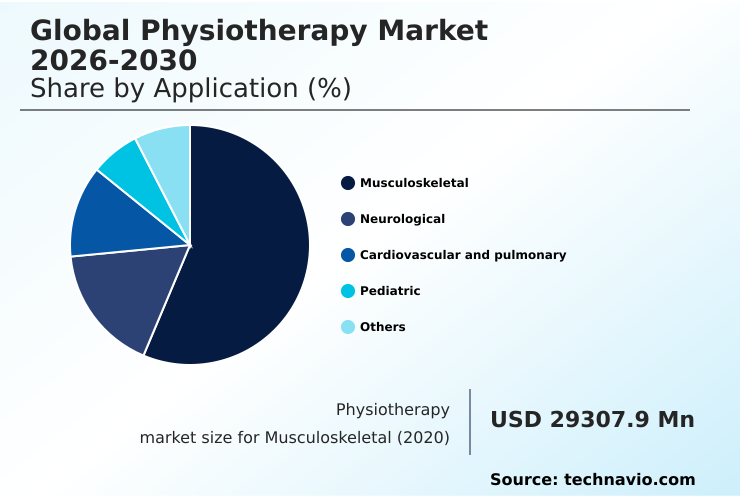
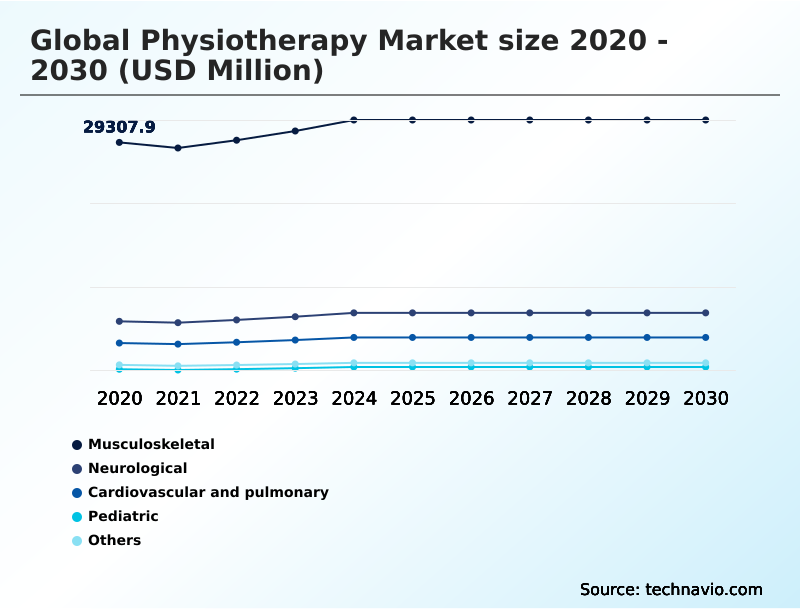
The Musculoskeletal segment was valued at USD 31.86 billion in 2024 and showed a gradual increase during the forecast period.
Regional Analysis
North America is estimated to contribute 40.6% to the growth of the global market during the forecast period.Technavio’s analysts have elaborately explained the regional trends and drivers that shape the market during the forecast period.
See How Physiotherapy Market Demand is Rising in North America Request Free Sample
The market's geographic landscape is characterized by varied adoption rates and regional priorities. In North America, the focus is on integrating advanced technologies to manage chronic conditions, with a strong emphasis on musculoskeletal disorder treatment.
Europe is defined by comprehensive public healthcare systems concentrating on geriatric frailty management and the implementation of a multi-disciplinary health integration approach.
Meanwhile, Asia is experiencing the fastest growth, driven by healthcare modernization and a rising middle class seeking quality care. This regional push includes the development of gender-specific musculoskeletal care centers, reflecting a global trend toward specialization.
The implementation of AI has been shown to improve diagnostic accuracy by up to 25%, a crucial factor for providers in competitive markets. Continuous patient monitoring is becoming standard in developed regions, improving outcomes and operational efficiency.
Market Dynamics
Our researchers analyzed the data with 2025 as the base year, along with the key drivers, trends, and challenges. A holistic analysis of drivers will help companies refine their marketing strategies to gain a competitive advantage.
- The physiotherapy market's evolution is evident in the detailed examination of specific treatment pathways and their operational impact. For instance, analyzing the cost of physiotherapy equipment for clinics reveals a strategic shift towards modular systems that integrate multiple modalities, reducing capital expenditure.
- When comparing electrotherapy and ultrasound therapy, providers are using data to determine which is more effective for specific conditions, optimizing treatment plans and patient throughput. The effectiveness of virtual reality in physiotherapy is particularly notable in pediatric and neurological applications, where it has been shown to improve engagement and adherence.
- Similarly, the role of physiotherapy in chronic pain management is expanding, with a focus on non-pharmacological interventions. The benefits of hydrotherapy for arthritis are well-documented, making it a key offering in geriatric care facilities. The return on investment for robotic exoskeletons in spinal cord injury rehabilitation is becoming clearer, justifying their high initial cost with long-term functional gains.
- Furthermore, establishing clear physiotherapy billing codes for remote monitoring has unlocked new revenue streams and improved access to care, with some clinics reporting a 15% increase in patient management capacity without adding staff. The integration of physiotherapy with corporate wellness programs is also proving effective for sports injury prevention and managing clinician burnout in physiotherapy clinics by diversifying service offerings.
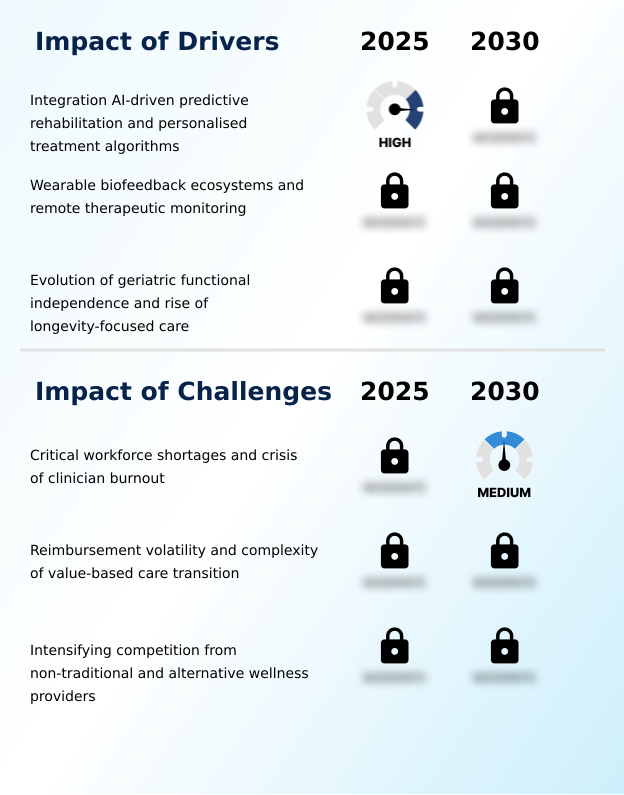
What are the key market drivers leading to the rise in the adoption of Physiotherapy Industry?
- The integration of AI-driven predictive rehabilitation and personalized treatment algorithms is a key driver for market growth.
- Market growth is significantly propelled by technological innovation and new care delivery frameworks. The integration of predictive rehabilitation algorithms allows therapists to forecast recovery trajectories with greater accuracy, optimizing treatment plans from the outset.
- Automated postural assessment tools are streamlining diagnostics, enabling a single clinician to process patient assessments 40% faster than manual methods. This efficiency is critical in addressing workforce shortages.
- The expansion of remote care, supported by a favorable value-based reimbursement landscape, is a primary driver. These systems facilitate continuous progress tracking, which is essential for achieving documented functional outcomes.
- The development of motor learning strategies within these platforms is enhancing the effectiveness of remote interventions, improving patient recovery times by an average of 10-15% compared to non-monitored home programs.
What are the market trends shaping the Physiotherapy Industry?
- A surging incidence of chronic musculoskeletal disorders and geriatric frailty, compounded by lifestyle-induced health issues, is a primary trend shaping the market.
- Key trends are reshaping the physiotherapy market, driven by demographic shifts and evolving healthcare philosophies. The rising incidence of chronic conditions necessitates a move towards comprehensive chronic disease physical management, while an aging population creates high demand for specialized fall prevention programs. This has elevated the importance of first-contact practitioner roles to streamline patient access and reduce healthcare system loads.
- The emphasis on value-based care is accelerating the adoption of technologies that offer clinical-grade precision in tracking outcomes. Practices that integrate gamified rehabilitation interfaces report patient engagement rates that are up to 30% higher than traditional methods.
- Moreover, a focus on osteoporosis management is becoming a standard offering in geriatric-focused clinics, with treatment efficacy improving by nearly 15% when combined with new diagnostic tools.
What challenges does the Physiotherapy Industry face during its growth?
- Critical workforce shortages and a crisis of clinician burnout present a key challenge affecting industry growth.
- The market faces significant operational and structural challenges that temper its growth potential. A critical shortage of qualified therapists creates a major bottleneck, with patient wait times in some rural areas increasing by over 50%.
- This strain is compounded by the complexity of transitioning to new care models, where a lack of standardized patient adherence tracking metrics complicates efforts to secure consistent reimbursement. The proliferation of dry needling and other specialized services requires ongoing education, yet training budgets remain tight. Furthermore, the principles of neuroplasticity demand intensive, one-on-one therapy, which is difficult to scale.
- Kinesiology applications are also becoming more complex, requiring advanced equipment. Some clinics report that administrative overhead associated with new compliance measures has increased non-billable hours by up to 20%, impacting overall profitability and the ability to invest in growth.
Exclusive Technavio Analysis on Customer Landscape
The physiotherapy market forecasting report includes the adoption lifecycle of the market, covering from the innovator’s stage to the laggard’s stage. It focuses on adoption rates in different regions based on penetration. Furthermore, the physiotherapy market report also includes key purchase criteria and drivers of price sensitivity to help companies evaluate and develop their market growth analysis strategies.
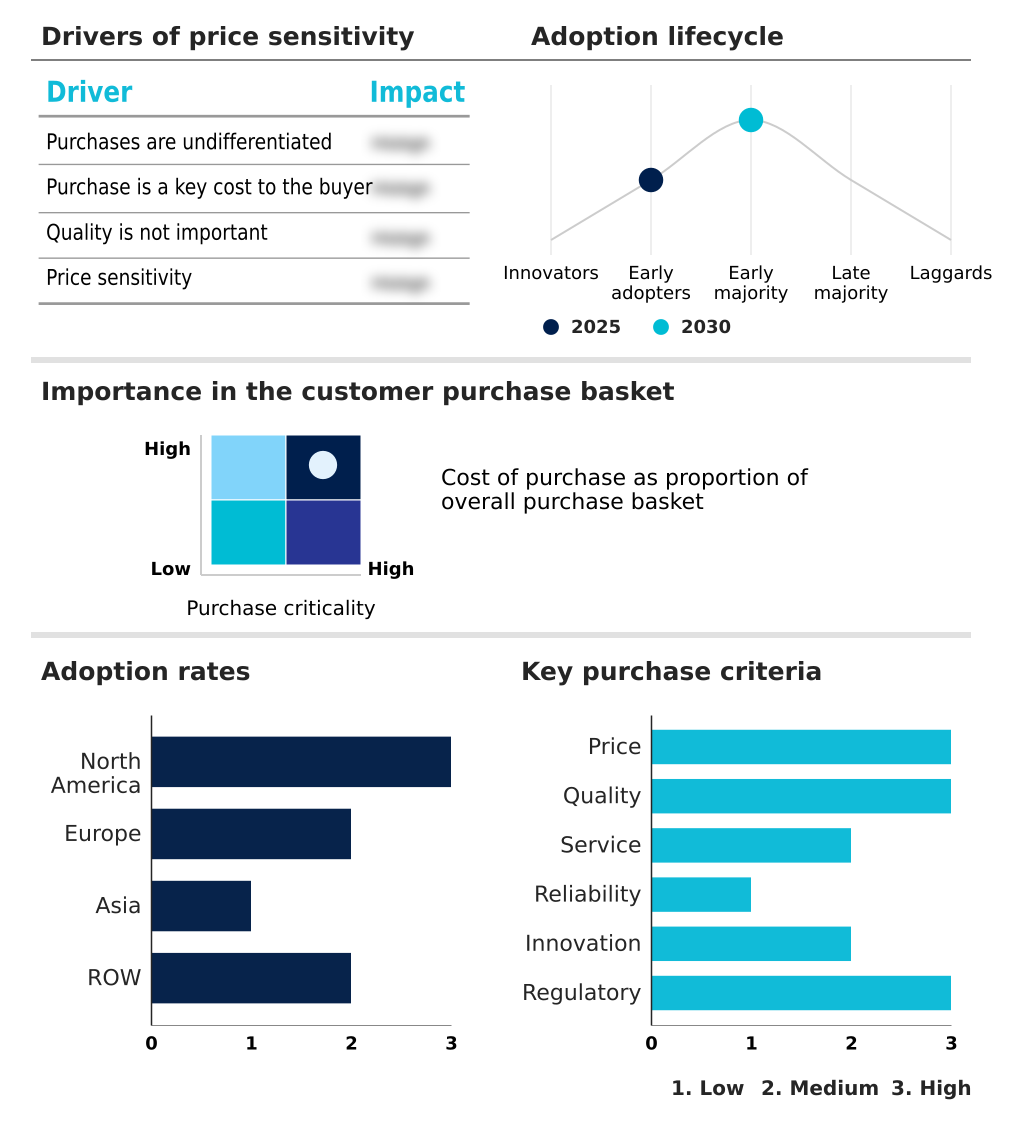
Customer Landscape of Physiotherapy Industry
Competitive Landscape
Companies are implementing various strategies, such as strategic alliances, physiotherapy market forecast, partnerships, mergers and acquisitions, geographical expansion, and product/service launches, to enhance their presence in the industry.
A. Algeo Ltd. - The company offers advanced clinical treatment solutions, including cryotherapy, shockwave therapy, and rehabilitation equipment for high-performance therapeutic outcomes.
The industry research and growth report includes detailed analyses of the competitive landscape of the market and information about key companies, including:
- A. Algeo Ltd.
- Accord Medical Products Ltd.
- Arch Physiotherapy
- CB Physiotherapy
- Dr Spine Chiropractic Clinic
- EMS Physio Ltd
- Enovis Corp.
- Enraf Nonius BV
- GymnaUniphy NV
- HMS Medical Systems
- Ito Co. Ltd.
- Mectronic Medicale S.r.l.
- Medisport S.R.L.
- Mettler Electronics Corp.
- Minsu Healing Oasis LLC
- Richmar
- The Americare Co
- Zelus Health Care
- Zimmer MedizinSysteme GmbH
Qualitative and quantitative analysis of companies has been conducted to help clients understand the wider business environment as well as the strengths and weaknesses of key industry players. Data is qualitatively analyzed to categorize companies as pure play, category-focused, industry-focused, and diversified; it is quantitatively analyzed to categorize companies as dominant, leading, strong, tentative, and weak.
Recent Development and News in Physiotherapy market
- In June, 2025, the Annual State of Pelvic Floor Physical Therapy Report highlighted a paradigm shift in the industry, uncovering how integrated pelvic health is essential for longevity and fall prevention in the aging female population.
- In April, 2025, U.S. Physical Therapy Inc. announced the acquisition of an outpatient home care practice to provide comprehensive physical and occupational therapy services directly to patients within their residences.
- In March, 2025, the American Physical Therapy Association published a comprehensive workforce forecast projecting that the national shortfall of physical therapist full-time equivalents would continue through 2037.
- In February, 2025, PT Solutions Physical Therapy finalized the acquisition of OrthoCarolina’s physical therapy division and entered a strategic partnership with Novant Health to expand its service footprint across the Southeastern United States.
Dive into Technavio’s robust research methodology, blending expert interviews, extensive data synthesis, and validated models for unparalleled Physiotherapy Market insights. See full methodology.
| Market Scope | |
|---|---|
| Page number | 284 |
| Base year | 2025 |
| Historic period | 2020-2024 |
| Forecast period | 2026-2030 |
| Growth momentum & CAGR | Accelerate at a CAGR of 5.1% |
| Market growth 2026-2030 | USD 16651.7 million |
| Market structure | Fragmented |
| YoY growth 2025-2026(%) | 4.9% |
| Key countries | US, Canada, Mexico, Germany, UK, France, Italy, Spain, The Netherlands, China, Japan, India, South Korea, Indonesia, Thailand, Brazil, South Africa, Saudi Arabia, UAE, Turkey, Argentina, Colombia and Egypt |
| Competitive landscape | Leading Companies, Market Positioning of Companies, Competitive Strategies, and Industry Risks |
Research Analyst Overview
- The physiotherapy market is advancing through the integration of sophisticated technologies that redefine both clinical practice and business operations. The adoption of AI-driven predictive rehabilitation and wearable biofeedback devices enables a level of personalization previously unattainable, directly influencing the biopsychosocial model of care. The use of remote therapeutic monitoring and motion-tracking software is now central to delivering effective treatments.
- Boardroom decisions are increasingly focused on the capital investment required for technologies like robotic exoskeletons and virtual reality rehabilitation systems, weighed against the benefits of improved patient outcomes and operational efficiency. The implementation of neuromodulation techniques and high-power laser therapy is becoming a competitive differentiator.
- Firms leveraging femtech devices and smart orthotics for specialized applications such as pelvic floor physical therapy are capturing new market segments.
- This technological shift, which includes diagnostic ultrasound and advanced electrotherapy devices, has led to a documented 20% improvement in diagnostic accuracy for complex musculoskeletal cases, forcing a strategic re-evaluation of service delivery models and compliance with evolving standards for tecar therapy and shockwave therapy.
What are the Key Data Covered in this Physiotherapy Market Research and Growth Report?
-
What is the expected growth of the Physiotherapy Market between 2026 and 2030?
-
USD 16.65 billion, at a CAGR of 5.1%
-
-
What segmentation does the market report cover?
-
The report is segmented by Application (Musculoskeletal, Neurological, Cardiovascular and pulmonary, Pediatric, and Others), Type (Physiotherapy services, and Physiotherapy equipment and accessories), Age Group (Adults, Elderly, and Children) and Geography (North America, Europe, Asia, Rest of World (ROW))
-
-
Which regions are analyzed in the report?
-
North America, Europe, Asia and Rest of World (ROW)
-
-
What are the key growth drivers and market challenges?
-
Integration AI-driven predictive rehabilitation and personalised treatment algorithms, Critical workforce shortages and crisis of clinician burnout
-
-
Who are the major players in the Physiotherapy Market?
-
A. Algeo Ltd., Accord Medical Products Ltd., Arch Physiotherapy, CB Physiotherapy, Dr Spine Chiropractic Clinic, EMS Physio Ltd, Enovis Corp., Enraf Nonius BV, GymnaUniphy NV, HMS Medical Systems, Ito Co. Ltd., Mectronic Medicale S.r.l., Medisport S.R.L., Mettler Electronics Corp., Minsu Healing Oasis LLC, Richmar, The Americare Co, Zelus Health Care and Zimmer MedizinSysteme GmbH
-
Market Research Insights
- Market dynamics are increasingly shaped by a strategic shift toward a value-based healthcare model, where documented functional outcomes hold more weight than service volume. The adoption of direct access physiotherapy, where patients can see a practitioner without a referral, has improved service utilization by over 20% in some regions.
- This transition is supported by technology, with hybrid care models blending in-clinic and remote sessions. For providers, this pivot means that investments in technologies that track patient adherence and functional independence metrics are no longer optional.
- Firms that successfully integrate these tools can demonstrate superior outcomes, with some achieving a 10% greater alignment with value-based reimbursement criteria compared to those using traditional methods, creating a distinct competitive advantage.
We can help! Our analysts can customize this physiotherapy market research report to meet your requirements.
 RIA -
RIA -