


Offshore Supply Vessel Market Size 2025-2029
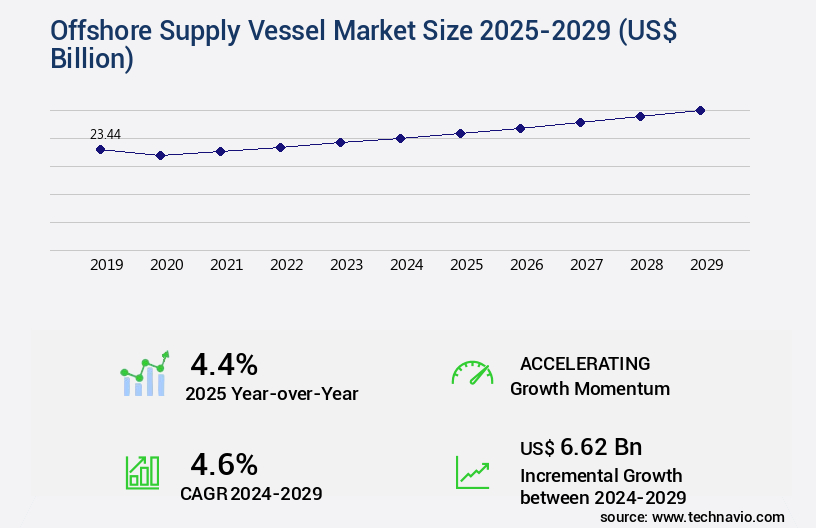
The offshore supply vessel market size is valued to increase USD 6.62 billion, at a CAGR of 4.6% from 2024 to 2029. Rise in global demand for oil and natural gas will drive the offshore supply vessel market.
Major Market Trends & Insights
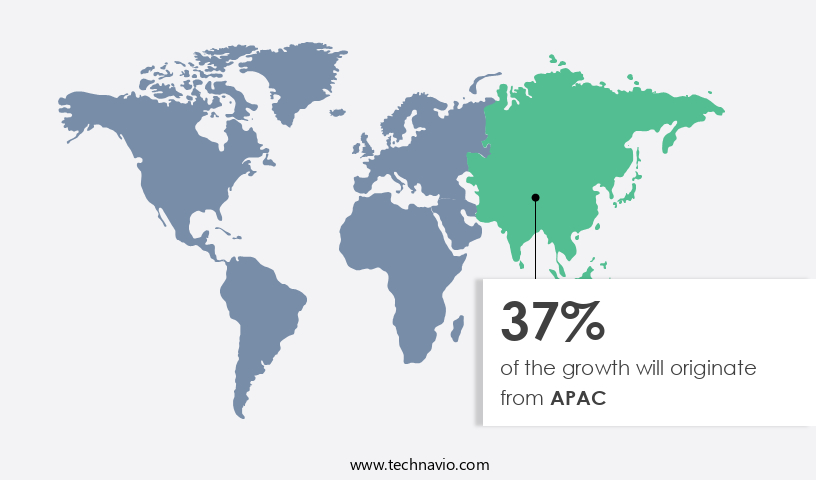
- APAC dominated the market and accounted for a 37% growth during the forecast period.
- By Type - AHTS segment was valued at USD 9.51 billion in 2023
- By End-user - Offshore oil and gas segment accounted for the largest market revenue share in 2023
Market Size & Forecast
- Market Opportunities: USD 38.82 billion
- Market Future Opportunities: USD 6.62 billion
- CAGR from 2024 to 2029 : 4.6%
Market Summary
- In the dynamic energy sector, the Offshore Supply Vessel (OSV) market experiences continuous evolution, driven by the escalating global demand for oil and natural gas. This demand fuels the preference for high-capacity OSVs and those utilizing liquefied natural gas (LNG) as fuel. However, this market's growth is not without challenges. Operational costs for OSVs have been on the rise, necessitating innovative solutions and operational efficiencies. The OSV market's size was valued at USD53.7 billion in 2020, reflecting its significant role in the energy industry. As the world's energy needs evolve, so too will the OSV market. Advanced technologies, such as autonomous vessels and digitalization, are poised to revolutionize OSV operations, enhancing safety, efficiency, and sustainability.
- Moreover, the shift towards renewable energy sources may impact the OSV market's future direction. As offshore wind farms expand, the demand for specialized vessels to install, maintain, and service these installations is growing. This diversification could provide new opportunities for OSV operators, ensuring their relevance in an evolving energy landscape. In conclusion, the OSV market's growth is driven by the increasing demand for oil and natural gas, the preference for high-capacity and LNG-fueled vessels, and the need for operational efficiencies. Despite challenges, the market's future direction is influenced by technological advancements, the potential impact of renewable energy, and the continuous evolution of the energy sector.
What will be the Size of the Offshore Supply Vessel Market during the forecast period?
Get Key Insights on Market Forecast (PDF) Request Free Sample
How is the Offshore Supply Vessel Market Segmented ?
The offshore supply vessel industry research report provides comprehensive data (region-wise segment analysis), with forecasts and estimates in "USD billion" for the period 2025-2029, as well as historical data from 2019-2023 for the following segments.
- Type
- AHTS
- PSV
- FSIV
- MPSV
- Others
- End-user
- Offshore oil and gas
- Offshore wind
- Propulsion
- Conventional diesel-powered
- LNG-powered
- Hybrid/electric propulsion
- Geography
- North America
- US
- Canada
- Europe
- Norway
- Russia
- APAC
- China
- India
- Japan
- South America
- Brazil
- Rest of World (ROW)
- North America
By Type Insights
The ahts segment is estimated to witness significant growth during the forecast period.
Offshore supply vessels (OSVs), including platform supply vessels (PSVs, the focus of this discussion), play a pivotal role in the offshore energy sector by transporting essential supplies to oil rigs and carrying cargo from rigs to the shore. PSVs are instrumental in maintaining offshore operations, facilitating construction and maintenance projects in deep waters. These versatile vessels carry a range of equipment and materials, such as diesel fuel, drilling by-products, water, and chemicals, to support underwater drilling activities. PSVs are equipped with advanced systems, including helicopter deck operations, subsea intervention systems, maintenance management systems, deck handling equipment, safety management systems, emergency response procedures, vessel tracking technology, and cargo handling operations.
These systems ensure efficient and safe platform supply operations. Moreover, hull integrity monitoring, vessel motion compensation, and supply boat operations contribute to the overall performance and reliability of the vessel. The dynamic positioning system, propulsion system efficiency, riser handling systems, pollution prevention equipment, crew accommodation standards, ballast water management, diving support operations, environmental monitoring sensors, fire suppression systems, offshore crane capacity, lifeboat deployment systems, supply chain optimization, fuel efficiency metrics, remote operational capabilities, underwater rov operations, anchor handling operations, and automated mooring systems are all integral components of a modern PSV. According to industry reports, over 3,000 OSVs are in operation worldwide, with PSVs accounting for approximately 60% of the total fleet.
This underscores the vital role these vessels play in the offshore energy sector.
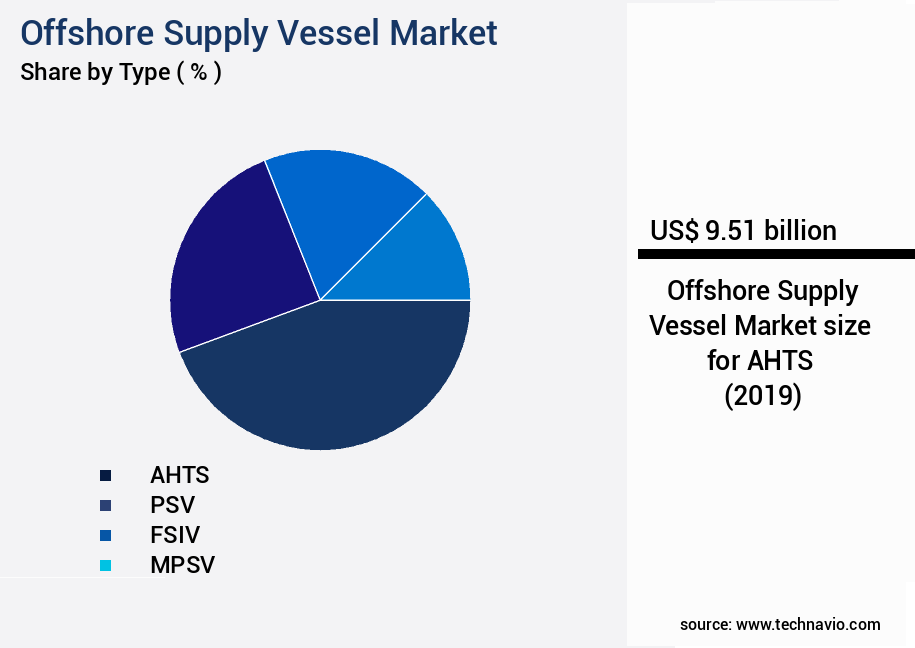
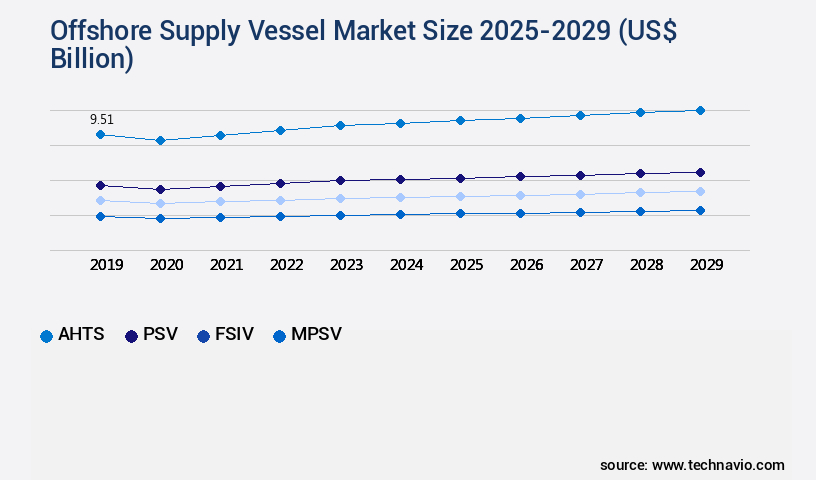
The AHTS segment was valued at USD 9.51 billion in 2019 and showed a gradual increase during the forecast period.
Regional Analysis
APAC is estimated to contribute 37% to the growth of the global market during the forecast period.Technavio’s analysts have elaborately explained the regional trends and drivers that shape the market during the forecast period.
See How Offshore Supply Vessel Market Demand is Rising in APAC Request Free Sample
The market in Asia Pacific (APAC) is experiencing significant growth, driven by the surge in offshore activities in the region. This expansion is primarily attributed to the increasing number of oil rigs and the substantial capital expenditure (CAPEX) in the oil and gas industry. According to industry reports, there is an estimated CAPEX of USD28 billion in APAC from the final investment decision (FID). China is currently the leading country in the offshore vessel market in APAC, with approximately half of the global Anchor Handling, Towing, and Supply (AHTS) vessels and one-fourth of the global Platform Supply Vessels (PSVs) in operation.
The energy demands in developing economies like China and India are increasing due to motorization and infrastructure developments, further fueling the market's robust growth.
Market Dynamics
Our researchers analyzed the data with 2024 as the base year, along with the key drivers, trends, and challenges. A holistic analysis of drivers will help companies refine their marketing strategies to gain a competitive advantage.
The market is a critical component of the offshore energy industry, optimizing operations to transport equipment, personnel, and supplies to offshore installations. Vessel motion compensation technology and dynamic positioning system performance are essential for maintaining stability in harsh marine environments. Offshore crane capacity requirements continue to evolve, necessitating advancements in deck handling equipment maintenance and subsea intervention system capabilities. Fuel efficiency improvements in offshore vessels are a significant focus, as rising operational costs drive the need for more energy-efficient solutions. Innovations in propulsion system efficiency optimization and hull integrity monitoring techniques are key areas of investment. Improving offshore supply vessel safety remains a top priority, with pollution prevention methods for supply vessels and crew accommodation standards compliance essential for environmental sustainability and worker welfare.
Remote operational capabilities for supply vessels, such as vessel tracking technology integration and automated mooring system performance, enable more efficient and cost-effective operations. Navigation and communication system reliability are crucial for ensuring safe and effective vessel performance, while environmental monitoring sensor accuracy and fire suppression system effectiveness are vital for maintaining regulatory compliance. Compared to traditional vessels, modern offshore supply vessels boast significant advancements in technology and design. For instance, more than 70% of new product developments in the offshore vessel sector focus on enhancing vessel performance and safety features. This trend underscores the industry's commitment to addressing the unique challenges of offshore operations and delivering sustainable, efficient, and reliable solutions.
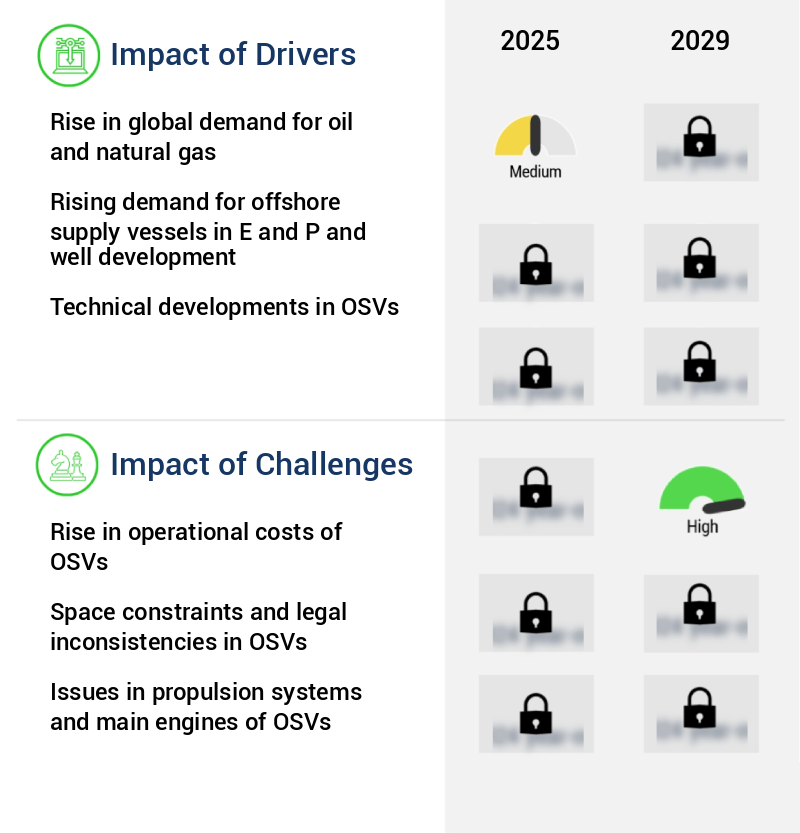
What are the key market drivers leading to the rise in the adoption of Offshore Supply Vessel Industry?
- The escalating global demand for oil and natural gas serves as the primary driver of the market.
- The global demand for oil and natural gas continues to escalate due to expanding economic growth, with the Energy Information Administration (EIA) projecting global oil consumption to reach 104.1 million barrels per day (mb/d) by 2026. This represents a significant increase of 4.4 mb/d from 2019 levels. Consequently, the exploration and production (E&P) industry must discover and drill new oil and gas reservoirs as existing ones mature or deplete. The shift towards offshore E&P activities is a response to the larger size and longer product life of offshore reservoirs compared to onshore ones.
- This trend is evident as companies prioritize offshore drilling to meet the growing demand for oil and gas. It is essential for businesses to stay informed of these evolving market dynamics and adapt accordingly.
What are the market trends shaping the Offshore Supply Vessel Industry?
- The increasing demand for high-capacity and liquefied natural gas (LNG)-fueled Offshore Support Vessels (OSVs) represents a significant market trend in the maritime industry.
- The high-capacity vessel market is experiencing a surge in demand due to the increasing need for transporting large quantities of goods, particularly in the context of expanding remote deepwater activities worldwide. These vessels boast high engine capacity, efficient propellers, substantial bollard pull, expansive decks, ample below-deck space, and helipad areas, as well as robust winches. The cargo load capacity of these vessels is notably high, making them indispensable for bulk transportation. The anticipated recovery of oil prices is expected to fuel the demand for high-capacity vessels, as offshore oil and gas exploration and production activities gain momentum.
- Moreover, the market is witnessing a shift towards LNG-fueled OSVs (Offshore Support Vessels), as they offer cost savings and eco-friendly advantages over diesel-fueled OSVs. This trend is poised to significantly impact the high-capacity vessel market, as LNG becomes an increasingly popular fuel source for offshore operations.
What challenges does the Offshore Supply Vessel Industry face during its growth?
- The escalating operational costs of Offshore Support Vessels (OSVs) pose a significant challenge to the growth of the industry. This issue, which is mandatory for industry professionals to address, arises from various factors such as increasing fuel prices, maintenance costs, and crew wages. Effective cost management and the implementation of innovative solutions, like the adoption of energy-efficient technologies and optimization of operational processes, are crucial to mitigating this challenge and ensuring the sustainable growth of the OSV sector.
- The offshore supply vessel (OSV) market encounters significant challenges due to substantial capital investments and infrastructure necessities for constructing and maintaining the OSV fleet. The maintenance of these vessels entails high costs, including engine and tug upkeep, crew expenditures, and regular maintenance, repair, and operations (MRO) expenses. Furthermore, a considerable portion of investments in the global OSV market originates from external financing, potentially leading to substantial debts. Operational risks are prevalent in the OSV sector, encompassing technical and mechanical failures, exposure to harsh weather conditions, pirate attacks, and collisions with other vessels.
- Despite these challenges, the market continues to evolve, with ongoing activities and emerging trends shaping its applications across various industries, such as oil and gas exploration and renewable energy.
Exclusive Technavio Analysis on Customer Landscape
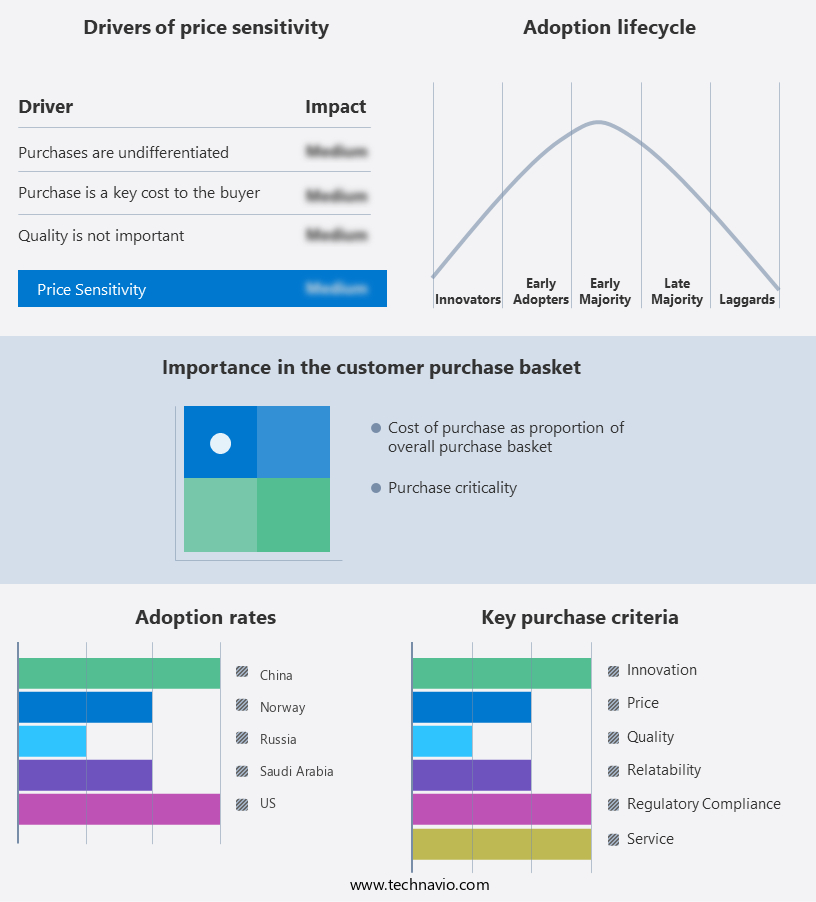
The offshore supply vessel market forecasting report includes the adoption lifecycle of the market, covering from the innovator’s stage to the laggard’s stage. It focuses on adoption rates in different regions based on penetration. Furthermore, the offshore supply vessel market report also includes key purchase criteria and drivers of price sensitivity to help companies evaluate and develop their market growth analysis strategies.
Customer Landscape of Offshore Supply Vessel Industry
Competitive Landscape
Companies are implementing various strategies, such as strategic alliances, offshore supply vessel market forecast, partnerships, mergers and acquisitions, geographical expansion, and product/service launches, to enhance their presence in the industry.
AP Moller Maersk AS - This company specializes in providing offshore supply vessels, including M class anchor handling tug supply vessels, to the global energy industry. These vessels ensure efficient and safe operations in challenging offshore environments. With a focus on innovation and reliability, the company's offerings enhance the productivity of offshore projects.
The industry research and growth report includes detailed analyses of the competitive landscape of the market and information about key companies, including:
- AP Moller Maersk AS
- Bass Marine Pty Ltd.
- BOURBON Maritime
- Damen Shipyards Group
- DP World
- Edison Chouest Offshore Co.
- Harren Shipping Services GmbH and Co. KG
- Harvey Gulf International Marine LLC
- Havila Shipping ASA
- Hornbeck Offshore Services Inc.
- Island Offshore Management AS
- Nam Cheong Ltd.
- Qatar Navigation QPSC
- SEACOR Marine Holdings Inc.
- Siem Offshore Inc.
- Solstad Offshore ASA
- Tidewater Inc.
- Van Aalst Group
- Vroon BV
- Wartsila Corp.
Qualitative and quantitative analysis of companies has been conducted to help clients understand the wider business environment as well as the strengths and weaknesses of key industry players. Data is qualitatively analyzed to categorize companies as pure play, category-focused, industry-focused, and diversified; it is quantitatively analyzed to categorize companies as dominant, leading, strong, tentative, and weak.
Recent Development and News in Offshore Supply Vessel Market
- In January 2024, Norwegian offshore vessel owner and operator, Solstad Offshore, announced a strategic partnership with Siem Offshore AS to jointly offer renewable energy solutions, integrating Solstad's fleet of offshore supply vessels with Siem's renewable energy expertise (Solstad Offshore Press Release).
- In March 2024, Singaporean offshore vessel provider, Sembcorp Marine, secured a major contract worth approximately USD1.2 billion to construct and deliver a newbuild multi-purpose offshore support vessel for a leading international oil and gas company (Sembcorp Marine Press Release).
- In May 2024, the Norwegian Maritime Authority granted a significant regulatory approval to Norwegian offshore vessel owner and operator, Eastern Shipbuilding Group, allowing it to expand its operations in the Norwegian Continental Shelf (NCS) (Norwegian Maritime Authority Press Release).
- In April 2025, Danish offshore vessel provider, Maersk Supply Service, showcased a new generation of offshore wind service vessels, featuring advanced technology for efficient and safe wind farm operations (Maersk Supply Service Press Release).
Dive into Technavio’s robust research methodology, blending expert interviews, extensive data synthesis, and validated models for unparalleled Offshore Supply Vessel Market insights. See full methodology.
|
Market Scope |
|
|
Report Coverage |
Details |
|
Page number |
219 |
|
Base year |
2024 |
|
Historic period |
2019-2023 |
|
Forecast period |
2025-2029 |
|
Growth momentum & CAGR |
Accelerate at a CAGR of 4.6% |
|
Market growth 2025-2029 |
USD 6.62 billion |
|
Market structure |
Fragmented |
|
YoY growth 2024-2025(%) |
4.4 |
|
Key countries |
China, US, Russia, Saudi Arabia, Japan, Norway, Canada, Brazil, and India |
|
Competitive landscape |
Leading Companies, Market Positioning of Companies, Competitive Strategies, and Industry Risks |
Research Analyst Overview
- Amidst the dynamic offshore energy landscape, the role of offshore supply vessels (OSVs) remains pivotal, continually evolving to meet the demands of helicopter deck operations, subsea intervention systems, and platform supply operations. These versatile maritime assets are integral to the success of offshore projects, enabling efficient deployment of personnel and equipment. One striking trend in the OSV market is the increasing integration of advanced technologies. For instance, vessel tracking technology and automated mooring systems streamline operations, while safety management systems and emergency response procedures enhance safety and mitigate risks. Moreover, the adoption of dynamic positioning systems and underwater ROV operations bolsters subsea intervention capabilities.
- Another key driver is the growing emphasis on efficiency and sustainability. Fuel efficiency metrics and propulsion system efficiency are under the spotlight, with hull integrity monitoring and ballast water management systems playing crucial roles in reducing environmental impact. Furthermore, remote operational capabilities and supply chain optimization are transforming the way OSVs support offshore projects. A recent study reveals that over 60% of the total offshore support vessel market value is attributed to platform supply vessels. This underscores their indispensable role in transporting cargo, fuel, water, and personnel to offshore installations. However, challenges persist, including the need for crew accommodation standards that meet stringent regulations and the integration of fire suppression systems and pollution prevention equipment.
- In conclusion, the market is a dynamic and evolving sector, shaped by the integration of advanced technologies, the pursuit of efficiency and sustainability, and the demands of various offshore operations. This diverse landscape presents both opportunities and challenges for stakeholders, making it an intriguing area for further exploration.
What are the Key Data Covered in this Offshore Supply Vessel Market Research and Growth Report?
-
What is the expected growth of the Offshore Supply Vessel Market between 2025 and 2029?
-
USD 6.62 billion, at a CAGR of 4.6%
-
-
What segmentation does the market report cover?
-
The report is segmented by Type (AHTS, PSV, FSIV, MPSV, and Others), End-user (Offshore oil and gas and Offshore wind), Propulsion (Conventional diesel-powered, LNG-powered, and Hybrid/electric propulsion), and Geography (APAC, Europe, North America, Middle East and Africa, and South America)
-
-
Which regions are analyzed in the report?
-
APAC, Europe, North America, Middle East and Africa, and South America
-
-
What are the key growth drivers and market challenges?
-
Rise in global demand for oil and natural gas, Rise in operational costs of OSVs
-
-
Who are the major players in the Offshore Supply Vessel Market?
-
AP Moller Maersk AS, Bass Marine Pty Ltd., BOURBON Maritime, Damen Shipyards Group, DP World, Edison Chouest Offshore Co., Harren Shipping Services GmbH and Co. KG, Harvey Gulf International Marine LLC, Havila Shipping ASA, Hornbeck Offshore Services Inc., Island Offshore Management AS, Nam Cheong Ltd., Qatar Navigation QPSC, SEACOR Marine Holdings Inc., Siem Offshore Inc., Solstad Offshore ASA, Tidewater Inc., Van Aalst Group, Vroon BV, and Wartsila Corp.
-
Market Research Insights
- The market encompasses a diverse range of specialized vessels designed to support various offshore energy and marine construction projects. These vessels employ advanced cargo securement methods, satellite communication systems, and risk assessment matrices to ensure safe and efficient operations. Two key performance indicators highlight the market's evolving nature: supply vessel deadweight and deck space utilization. For instance, a modern offshore supply vessel may boast a deadweight capacity of 10,000 metric tons, enabling it to transport larger quantities of cargo. Meanwhile, optimized deck space utilization can accommodate more equipment and personnel, increasing operational efficiency. In turn, this enhances project timelines and reduces overall costs.
- Moreover, stringent IMO safety regulations mandate the integration of fire detection systems, life-saving appliances, and oil spill response equipment. Additionally, ballast water treatment, engine performance data analysis, and survey equipment integration ensure regulatory compliance and environmental sustainability. Further advancements include the integration of autonomous vessel systems, logistics management, and subsea cable installation technology, underscoring the market's continuous evolution.
We can help! Our analysts can customize this offshore supply vessel market research report to meet your requirements.
 RIA -
RIA -