


Office Coffee Service Market Size 2025-2029
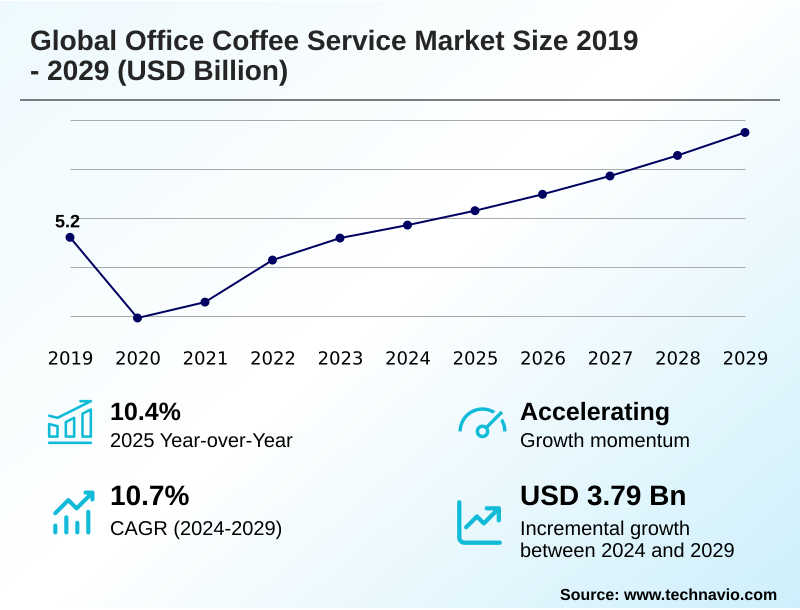
The office coffee service market size is valued to increase by USD 3.79 billion, at a CAGR of 10.7% from 2024 to 2029. Increasing emphasis on employee experience and talent retention will drive the office coffee service market.
Major Market Trends & Insights
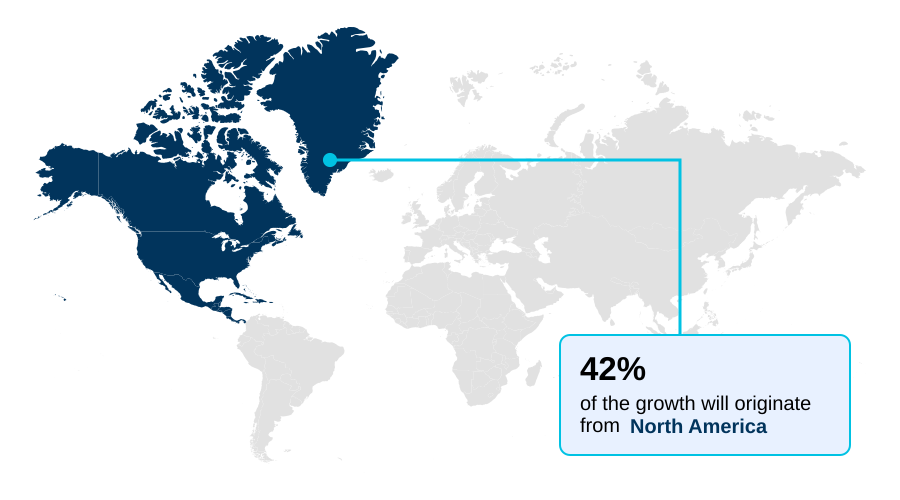
- North America dominated the market and accounted for a 41.5% growth during the forecast period.
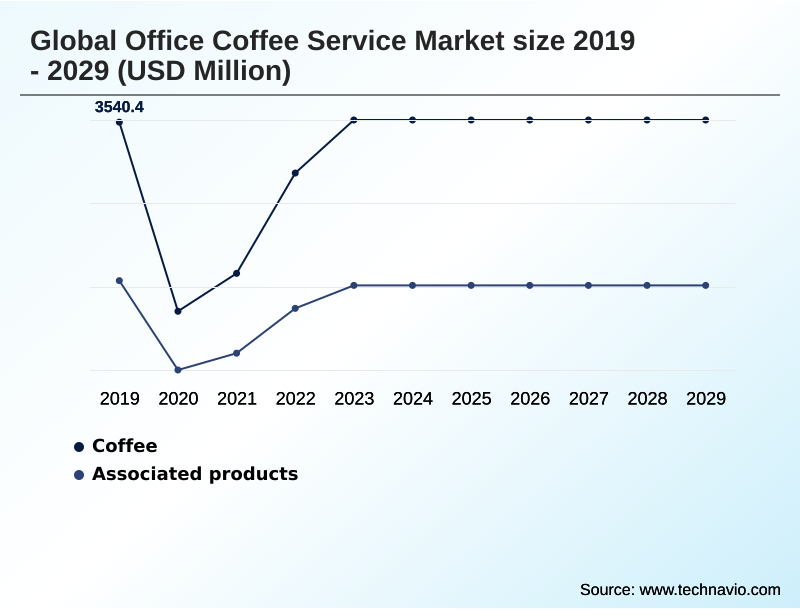
- By Type - Coffee segment was valued at USD 3.57 billion in 2023
- By End-user - Large enterprises segment accounted for the largest market revenue share in 2023
Market Size & Forecast
- Market Opportunities: USD 4.29 billion
- Market Future Opportunities: USD 3.79 billion
- CAGR from 2024 to 2029 : 10.7%
Market Summary
- The office coffee service market is undergoing a significant transformation, evolving from a basic provision to a strategic element of corporate culture and talent management. Driven by the need to make physical offices more appealing in a hybrid work era, companies are investing in premium beverage solutions that rival the quality of high-street cafes.
- This trend towards premiumization involves deploying sophisticated bean-to-cup machines, offering single-origin coffees, and providing a wide array of customizable options. Simultaneously, the integration of IoT technology is optimizing operations through predictive maintenance and data-driven inventory management, enhancing service reliability.
- For instance, a facilities manager can now use consumption data to tailor breakroom offerings to specific employee preferences, reducing waste and improving satisfaction. Sustainability has also become a critical purchasing criterion, with strong demand for ethically sourced products and eco-friendly disposables.
- However, the market grapples with the challenge of fluctuating office occupancy, which necessitates flexible service models that can adapt to unpredictable consumption patterns. Success hinges on a provider's ability to deliver a high-value, experiential service that supports a dynamic and engaging workplace.
What will be the Size of the Office Coffee Service Market during the forecast period?
Get Key Insights on Market Forecast (PDF) Request Free Sample
How is the Office Coffee Service Market Segmented?
The office coffee service industry research report provides comprehensive data (region-wise segment analysis), with forecasts and estimates in "USD million" for the period 2025-2029, as well as historical data from 2019-2023 for the following segments.
- Type
- Coffee
- Associated products
- End-user
- Large enterprises
- SMEs
- Service type
- Subscription based
- One time purchase
- Managed services
- Others
- Geography
- North America
- US
- Canada
- Mexico
- Europe
- Germany
- UK
- France
- APAC
- China
- India
- Japan
- South America
- Brazil
- Argentina
- Colombia
- Middle East and Africa
- Saudi Arabia
- UAE
- South Africa
- Rest of World (ROW)
- North America
By Type Insights
The coffee segment is estimated to witness significant growth during the forecast period.
The coffee segment, the foundational component of the office coffee service market, is evolving. No longer a simple provision, it is central to a comprehensive workplace amenity strategy.
Demand is shifting from basic offerings to premium and specialty coffee options, mirroring consumer retail trends. This transition is driven by the deployment of advanced bean-to-cup machines and superautomatic espresso machines that deliver a superior, customizable experience.
Companies are leveraging these enhanced corporate coffee programs as a key part of their employee engagement initiatives.
This focus on quality has resulted in the coffee segment commanding over 69% of the market, reinforcing its importance in creating experiential breakrooms and supporting talent retention perks.
Key to this is a robust pantry service model and ethical trade certification.
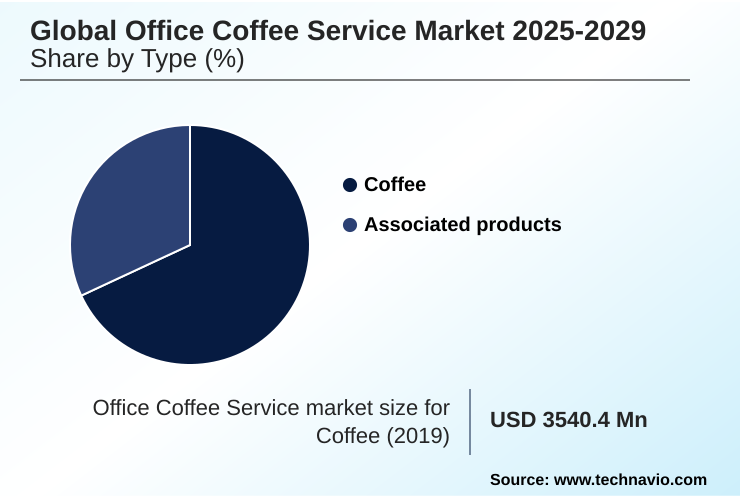
The Coffee segment was valued at USD 3.57 billion in 2023 and showed a gradual increase during the forecast period.
Regional Analysis
North America is estimated to contribute 41.5% to the growth of the global market during the forecast period.Technavio’s analysts have elaborately explained the regional trends and drivers that shape the market during the forecast period.
See How Office Coffee Service Market Demand is Rising in North America Request Free Sample
North America remains the largest region, contributing over 41% of the market's incremental growth, driven by mature workplace beverage solutions and a focus on premium office amenities.
This region sees heavy adoption of managed beverage programs and data-driven vending to optimize services. In contrast, APAC is the fastest-growing market, with a growth rate nearly 2% higher than Europe's.
This expansion is fueled by economic development and the adoption of modern corporate wellness programs in emerging economies.
OCS providers are implementing frictionless retail and turnkey breakroom solutions to capture this growth, adapting their offerings from the established practices in more mature markets to meet localized demand and operational dynamics. These facility management services are crucial for expansion.
Market Dynamics
Our researchers analyzed the data with 2024 as the base year, along with the key drivers, trends, and challenges. A holistic analysis of drivers will help companies refine their marketing strategies to gain a competitive advantage.
- Strategic decision-making in the global office coffee service market 2025-2029 now requires a holistic approach that balances cost with value. A detailed cost analysis of managed coffee services is essential, as the premiumization trend in corporate coffee continues to elevate expectations.
- The impact of hybrid work on office coffee consumption patterns necessitates flexible contracts and the use of IoT enabled coffee machine maintenance for efficiency. Forward-thinking firms explore the benefits of pantry services for SMEs, which can be a significant differentiator in competitive talent markets.
- When evaluating providers, a thorough comparison of bean-to-cup and pod systems is crucial, considering both quality and sustainability. This feeds into broader corporate coffee and beverage trends and influences corporate coffee contract negotiation. The role of OCS in corporate wellness is undeniable, with plant-based options in office coffee and cold brew solutions for the office becoming standard.
- Effective breakroom design and coffee service are now linked directly to employee satisfaction with office coffee. As such, OCS provider selection criteria must include capabilities in OCS technology and data analytics and a commitment to ethical sourcing in office coffee supply, as well as robust water quality solutions for office coffee to ensure a premium experience.
- Smart coffee machines for employee engagement are no longer a luxury but a strategic tool, with sustainable office coffee service solutions offering a dual benefit of environmental responsibility and enhanced corporate image.
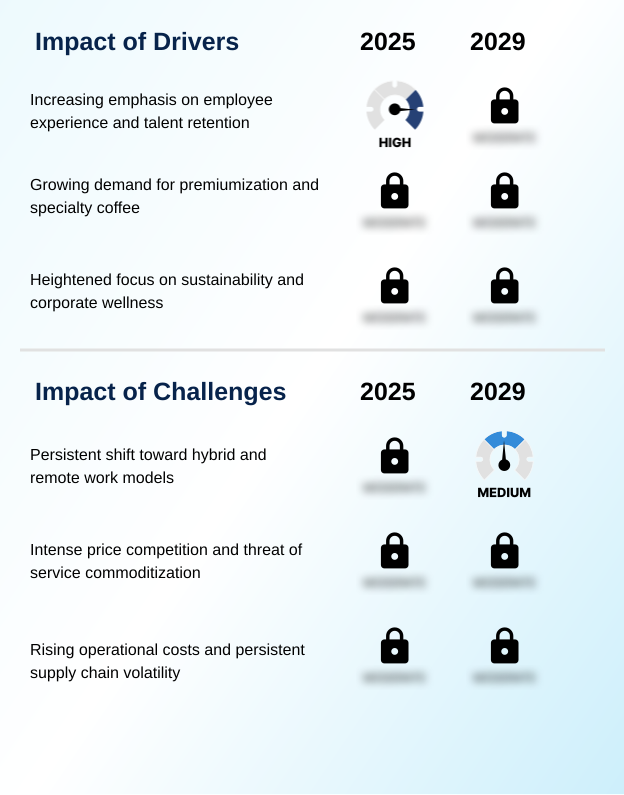
What are the key market drivers leading to the rise in the adoption of Office Coffee Service Industry?
- The increasing emphasis on enhancing the employee experience and retaining talent stands as a primary driver, positioning office coffee service as a strategic corporate amenity.
- A primary market driver is the strategic use of high-quality office hospitality services to enhance employee experience and support talent retention.
- Companies are investing in premium solutions, including single-origin varieties and artisanal roasts, to make the physical office a more attractive destination.
- This trend towards premiumization is evident in the demand for on-demand beverage service and sophisticated equipment that delivers a cafe-quality experience, such as cold brew on tap.
- The availability of diverse options, including various compostable cups and water filtration systems, supports corporate wellness initiatives.
- By providing these employee refreshment solutions, organizations can boost morale and foster collaboration, with some firms seeing a 15% improvement in employee satisfaction survey scores related to workplace amenities. This is a core part of effective on-demand beverage service.
What are the market trends shaping the Office Coffee Service Industry?
- The integration of smart technology and data analytics is a defining trend, transforming service delivery from a reactive, schedule-based function to a proactive, data-driven operation.
- The integration of smart technology is reshaping service delivery. Modern coffee makers now feature telemetry and IoT sensors, enabling predictive maintenance and dynamic restocking, which can improve operational uptime by over 20%. This technology transforms reactive services into proactive, data-driven operations. Providers are leveraging this data for consumption-based billing and to offer customizable beverage menus.
- The trend extends to creating integrated, technology-driven ecosystems with contactless payment systems and mobile app integration. This focus on automated coffee service is a core component of a seamless, data-rich employee experience design, enabling smart kitchen technology and better office pantry management.
What challenges does the Office Coffee Service Industry face during its growth?
- The persistent structural shift toward hybrid and remote work models presents a paramount challenge, disrupting traditional business models based on predictable daily office occupancy.
- The enduring shift to hybrid work models presents a significant challenge, disrupting traditional consumption patterns and making forecasting difficult. Reduced office foot traffic challenges fixed-fee contracts, increasing demand for flexible service models that reflect actual usage. OCS providers face intense price competition, amplified by rising operational costs for inputs like whole-bean coffee and fuel for service fleets.
- This environment compels providers to differentiate through sustainable sourcing and superior equipment, such as offering a wide variety of plant-based milk alternatives. Balancing ESG compliant procurement with cost pressures is a critical strategic hurdle, impacting supply chain transparency and the ability to invest in new return-to-office incentives.
Exclusive Technavio Analysis on Customer Landscape
The office coffee service market forecasting report includes the adoption lifecycle of the market, covering from the innovator’s stage to the laggard’s stage. It focuses on adoption rates in different regions based on penetration. Furthermore, the office coffee service market report also includes key purchase criteria and drivers of price sensitivity to help companies evaluate and develop their market growth analysis strategies.
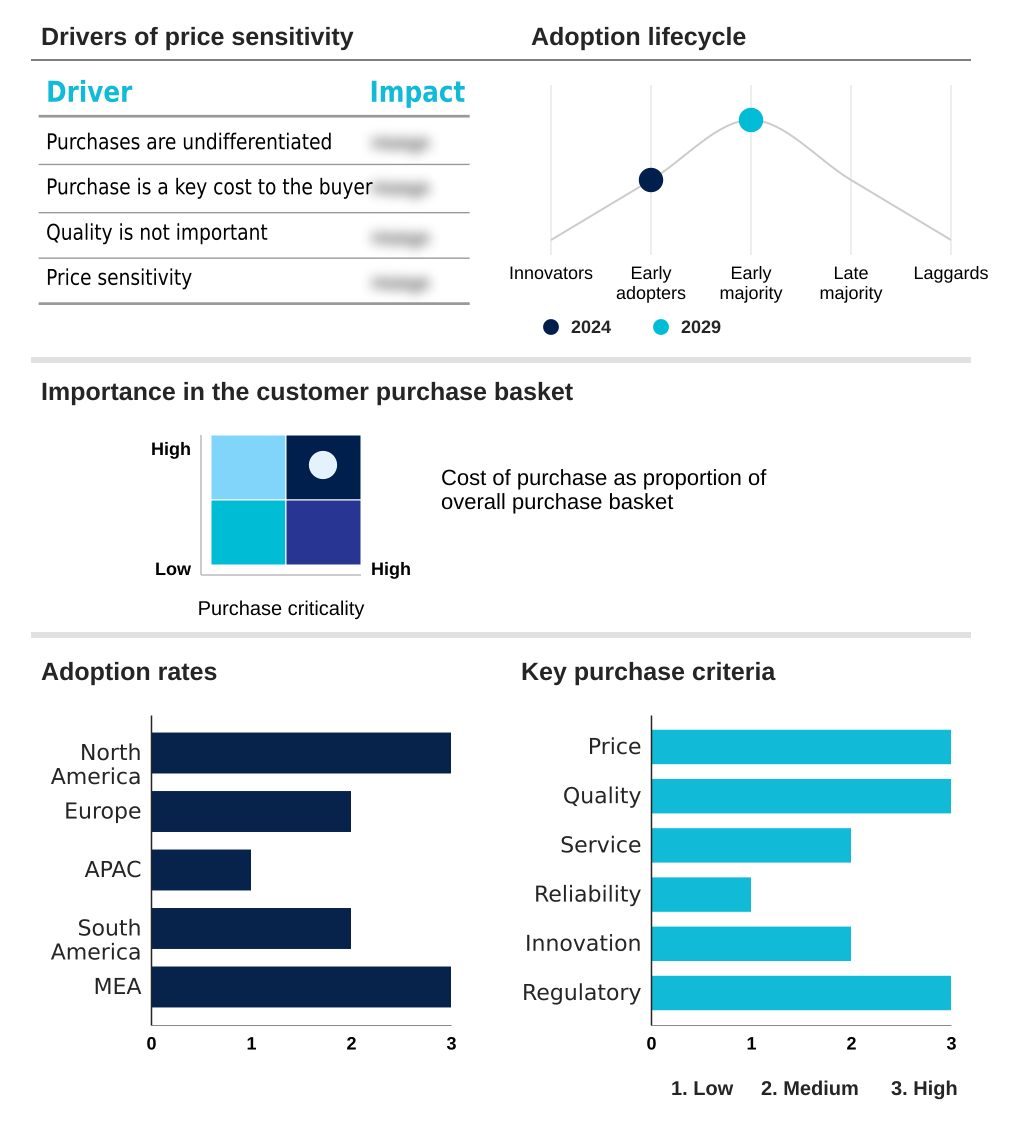
Customer Landscape of Office Coffee Service Industry
Competitive Landscape
Companies are implementing various strategies, such as strategic alliances, office coffee service market forecast, partnerships, mergers and acquisitions, geographical expansion, and product/service launches, to enhance their presence in the industry.
American Dining Creations - Offering comprehensive breakroom, vending, and micro market solutions for modern workplaces through its food, hospitality, and facilities services segments.
The industry research and growth report includes detailed analyses of the competitive landscape of the market and information about key companies, including:
- American Dining Creations
- Aramark
- AVS Companies
- Bodecker
- Bunn O Matic Corp.
- Compass Group
- Evoca Group
- Farmer Bros Co.
- Hamilton Beach Brands Inc.
- JACOBS DOUWE EGBERTS PRO
- Keurig Green Mountain Inc.
- Luigi Lavazza SPA.
- Nestle SA
- Royal Cup Inc.
- Selecta Group BV
- Sodexo SA
- Starbucks Corp.
- Strauss Coffee BV
- Westrock Coffee Co.
Qualitative and quantitative analysis of companies has been conducted to help clients understand the wider business environment as well as the strengths and weaknesses of key industry players. Data is qualitatively analyzed to categorize companies as pure play, category-focused, industry-focused, and diversified; it is quantitatively analyzed to categorize companies as dominant, leading, strong, tentative, and weak.
Recent Development and News in Office coffee service market
- In August 2024, Huhtamaki, in partnership with a major coffee retailer, launched a fully renewable and compostable molded fiber lid for hot cups, addressing growing demand for sustainable packaging in foodservice.
- In May 2025, 365 Retail Markets acquired Impulsify, a self-service retail technology provider, signaling a strategic move toward creating integrated, data-driven breakroom ecosystems with smart coffee solutions.
- In March 2025, Canteen unveiled its Connect and Pay AI-powered retail experience, allowing employees to select items from smart coolers with automatic charging, enhancing the experiential breakroom concept.
- In April 2025, premium coffee technology company xBloom launched its xBloom for Business subscription program, providing offices with advanced automated pour-over machines and curated specialty coffee beans.
Dive into Technavio’s robust research methodology, blending expert interviews, extensive data synthesis, and validated models for unparalleled Office Coffee Service Market insights. See full methodology.
| Market Scope | |
|---|---|
| Page number | 292 |
| Base year | 2024 |
| Historic period | 2019-2023 |
| Forecast period | 2025-2029 |
| Growth momentum & CAGR | Accelerate at a CAGR of 10.7% |
| Market growth 2025-2029 | USD 3792.7 million |
| Market structure | Fragmented |
| YoY growth 2024-2025(%) | 10.4% |
| Key countries | US, Canada, Mexico, Germany, UK, France, Italy, The Netherlands, Spain, China, India, Japan, Australia, South Korea, Indonesia, Brazil, Argentina, Colombia, Saudi Arabia, UAE, South Africa, Israel and Turkey |
| Competitive landscape | Leading Companies, Market Positioning of Companies, Competitive Strategies, and Industry Risks |
Research Analyst Overview
- The office coffee service market's evolution is defined by a strategic convergence of technology and service premiumization, fundamentally altering its role as a workplace amenity. The deployment of bean-to-cup machines and superautomatic espresso machines is now standard, driven by demand for specialty coffee options and single-origin varieties.
- A key boardroom consideration is the integration of telemetry and IoT sensors, which enable predictive maintenance and dynamic restocking, directly impacting operational budgets. For example, firms leveraging these systems have reported a reduction in equipment downtime by up to 30%. This data-driven approach facilitates consumption-based billing and supports a holistic pantry service model.
- The shift extends to consumables, with strong demand for whole-bean coffee, plant-based milk alternatives, and artisanal roasts. Providers are compelled to offer managed beverage programs that feature sustainable sourcing, ethical trade certification, and compostable cups, aligning with corporate ESG mandates.
- This move towards experiential breakrooms, complete with cold brew on tap and advanced water filtration systems, positions OCS as a critical component of any modern workplace amenity strategy, supported by intuitive touchscreen interfaces and mobile app integration.
What are the Key Data Covered in this Office Coffee Service Market Research and Growth Report?
-
What is the expected growth of the Office Coffee Service Market between 2025 and 2029?
-
USD 3.79 billion, at a CAGR of 10.7%
-
-
What segmentation does the market report cover?
-
The report is segmented by Type (Coffee, Associated products), End-user (Large enterprises, SMEs), Service Type (Subscription based, One time purchase, Managed services, Others ) and Geography (North America, Europe, APAC, South America, Middle East and Africa)
-
-
Which regions are analyzed in the report?
-
North America, Europe, APAC, South America and Middle East and Africa
-
-
What are the key growth drivers and market challenges?
-
Increasing emphasis on employee experience and talent retention , Persistent shift toward hybrid and remote work models
-
-
Who are the major players in the Office Coffee Service Market?
-
American Dining Creations, Aramark, AVS Companies, Bodecker, Bunn O Matic Corp., Compass Group, Evoca Group, Farmer Bros Co., Hamilton Beach Brands Inc., JACOBS DOUWE EGBERTS PRO, Keurig Green Mountain Inc., Luigi Lavazza SPA., Nestle SA, Royal Cup Inc., Selecta Group BV, Sodexo SA, Starbucks Corp., Strauss Coffee BV and Westrock Coffee Co.
-
Market Research Insights
- The market is shaped by a strategic pivot toward comprehensive employee refreshment solutions, where providers act as partners in talent retention. The adoption of data-driven vending and breakroom management has led to a 15% reduction in stock-outs and waste for early adopters.
- Corporate coffee programs are increasingly integrated into broader employee engagement initiatives and corporate wellness programs, with a strong focus on ESG compliant procurement. Companies offering premium office amenities and flexible workplace beverage solutions report a 10% higher score on employee satisfaction surveys compared to those with basic services.
- This shift requires expertise in office pantry management and the deployment of turnkey breakroom solutions to create an appealing environment that serves as a tangible return-to-office incentive.
We can help! Our analysts can customize this office coffee service market research report to meet your requirements.