



North America Fuel Cell Market Size 2025-2029
The fuel cell market size in North America is forecast to increase by USD 7.42 billion at a CAGR of 24.4% between 2024 and 2029.
-
The fuel cell market is experiencing significant growth, driven by the increasing focus on the adoption of a hydrogen economy as a viable alternative to traditional fossil fuel-based energy sources. This shift is being fueled by advancements in technology, particularly the rising adoption of solid oxide electrolyzers, which offer improved efficiency and durability. However, challenges remain, including the persistent issue of fuel cell durability, leading to a high dependency on subsidies to drive mass market adoption. The increasing demand for wastewater treatment is a major factor, as MFCs offer an efficient and environmentally friendly solution for organic matter disposal through the anaerobic oxidation process. As the hydrogen economy gains traction, stakeholders must navigate these challenges and capitalize on opportunities to innovate and differentiate in a rapidly evolving market landscape. Furthermore, the increasing adoption of renewable energy sources is boosting the MFC market, as these cells can generate electricity directly from organic matter using bacteria as the catalyst.
What will be the Size of the market During the Forecast Period?

- The fuel cell market is experiencing significant growth, driven by advancements in technology and increasing demand for clean energy solutions. Hydrogen pipelines are being developed to facilitate the transportation and distribution of hydrogen fuel, while fuel cell startups receive investments from venture capitalists to bring innovative solutions to market. Fuel cell maintenance and diagnostics are crucial for ensuring the reliability and efficiency of these systems, with certification and standardization playing essential roles in market expansion. Hydrogen safety standards are being established to mitigate risks associated with handling and storing hydrogen. Fuel cell cogeneration and microgrids are gaining traction as decentralized power solutions, offering resilience and cost savings. The cathode, on the other hand, is where oxygen accepts the electrons, forming water as a byproduct.
- Hydrogen storage tanks and fuel cell testing are integral components of the hydrogen energy ecosystem, ensuring the quality and availability of fuel. Policy initiatives, incentives, and subsidies are fostering the adoption of fuel cells in various sectors, from transportation to industrial processes. Collaboration between industry players and research institutions is paving the way for breakthroughs in fuel cell technology and hydrogen energy infrastructure.
How is this market segmented and which is the largest segment?
The market research report provides comprehensive data (region-wise segment analysis), with forecasts and estimates in "USD million" for the period 2025-2029, as well as historical data from 2019-2023 for the following segments.
- Application
- Stationary
- Transport
- Portable
- Product
- PEMFC
- SOFC
- PAFC
- Others
- End-user
- Automotive
- Energy and utilities
- Residential and commercial
- Data centers
- Military and defense
- Geography
- North America
- US
- Canada
- Mexico
- North America
By Application Insights
- The stationary segment is estimated to witness significant growth during the forecast period. Fuel cells represent a promising technology for energy generation, offering higher conversion efficiency than traditional combustion methods. This efficiency translates into cost savings and reduced environmental impact, making fuel cells an appealing choice for stationary power applications. The North American market, driven by the demand for energy efficiency and sustainability, is witnessing increased adoption of fuel cells, particularly in industries and commercial buildings. Fuel cells' reliability and long operational lifetimes are significant advantages, especially in applications where continuous power is essential. The durability of fuel cells ensures stable and dependable power generation, minimizing downtime and maintenance costs for end-users. Membrane biofouling and substrate selection are critical challenges in MFC applications, necessitating ongoing research and innovation.
- Alkaline fuel cells are gaining traction due to their cost-effectiveness and ease of operation. Fuel cell manufacturing is evolving, with advancements in materials science and engineering leading to improved performance and durability. Fuel cell commercialization is progressing, with investments in research and development, as well as infrastructure development for hydrogen production and refueling. Renewable hydrogen is becoming increasingly important in the fuel cell industry, as the hydrogen economy gains momentum. Fuel cell technology is advancing, with innovations in fuel cell stacks, membranes, and catalysts. Proton exchange membrane fuel cells are leading the market due to their high efficiency and durability.
- Fuel cell safety is a critical concern, with ongoing research and development focused on improving safety standards and regulations. Portable fuel cells are gaining popularity for their versatility and convenience. The fuel cell industry is facing challenges, including the high cost of fuel cells and hydrogen production, as well as the need for a robust hydrogen infrastructure. Fuel cell efficiency is a significant focus area, with ongoing research and development aimed at improving performance and reducing emissions. Fuel cell integration into the existing energy infrastructure is another challenge, requiring collaboration between industry stakeholders and regulatory bodies. Fuel cell applications are expanding beyond stationary power generation, with buses and transportation emerging as significant markets. Fuel cell systems are being developed for various industries, including telecommunications, healthcare, and military. Fuel cell generators are gaining popularity for emergency power backup and remote power applications. The fuel cell industry is expected to continue growing, driven by advancements in technology, increasing demand for energy efficiency, and the transition to a hydrogen economy.
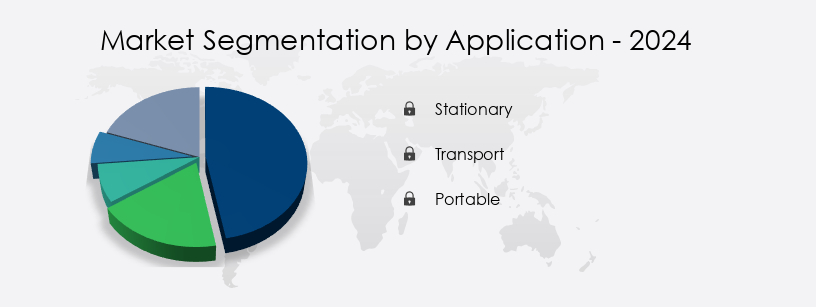
Get a glance at the market report of share of various segments Request Free Sample
Market Dynamics
Our North America Fuel Cell Market researchers analyzed the data with 2024 as the base year, along with the key drivers, trends, and challenges. A holistic analysis of drivers will help companies refine their marketing strategies to gain a competitive advantage.
What are the key market drivers leading to the rise in adoption of North America Fuel Cell Market?
- Growing focus on adoption of hydrogen economy is the key driver of the market. The hydrogen economy is gaining momentum as a viable solution for a low-carbon energy future. Fuel cells, a critical component in this economy, efficiently convert hydrogen into electricity with minimal emissions. Their applications span various sectors, including transportation, power generation, and industry. In North America, the expanding hydrogen infrastructure, encompassing production, storage, and distribution, fuels market growth. This development presents significant opportunities for fuel cell manufacturers and suppliers in the region. Alkaline fuel cells, a type of fuel cell, are particularly noteworthy due to their cost-effectiveness and versatility.
-
The fuel cell roadmap highlights the importance of continuous innovation to improve efficiency, durability, and affordability. Renewable hydrogen production, a sustainable approach to hydrogen generation, further strengthens the fuel cell market's potential. As the fuel cell future unfolds, the demand for these technologies is poised to increase, driving the need for advanced fuel cell stacks and manufacturing processes. Membrane biofouling and substrate selection are critical challenges in MFC applications, necessitating ongoing research and innovation.
What are the market trends shaping the North America Fuel Cell Market?
- Rising adoption of solid oxide electrolyzers is the upcoming trend in the market. Fuel cell technology is a developing sector that utilizes hydrogen as a clean and renewable fuel source for various applications. The integration of solid oxide electrolyzers (SOEs) in hydrogen production is a significant advancement in this field. SOEs are efficient devices that convert water into hydrogen through electrolysis, using electricity derived from renewable sources or excess grid electricity. The global shift towards green hydrogen production has increased the demand for SOEs, offering a cost-effective and sustainable solution. Fuel cell investments and development continue to grow as the industry seeks to reduce the cost of fuel cell systems and generators.
-
Fuel cell standards are being established to ensure safety and interoperability, fostering industry growth. SOEs can be integrated with renewable energy sources, such as solar and wind power, to produce green hydrogen. This integration enhances the sustainability of hydrogen production and expands the scope of fuel cell applications. The fuel cell industry is experiencing growth as the demand for clean and renewable fuel sources increases. The integration of SOEs in hydrogen production is a promising development, providing a cost-effective and sustainable solution. The adoption of fuel cell technology in various applications, such as transportation and power generation, is expected to continue driving market growth.
What challenges does North America Fuel Cell Market face during the growth?
- Fuel cell durability issues leading to high dependency on subsidies is a key challenge affecting the market growth. Fuel cell technology, a key component of the hydrogen economy, offers impressive benefits such as high efficiency and minimal emissions. However, challenges persist, particularly in the area of fuel cell durability. Fuel cell stacks have a durability rate that is currently half the industry standard for commercialization. This is a significant hurdle for fuel cell buses and other vehicles to compete with traditional gasoline engines. Despite these challenges, the fuel cell market has seen gradual growth due to its environmental advantages. However, the higher cost compared to other alternative technologies, such as batteries, remains a significant barrier to wider adoption.
-
Fuel cell safety is another critical concern, with ongoing research and regulation aimed at addressing potential risks. Portable fuel cells and other applications continue to gain traction, offering potential solutions to these challenges. Fuel cell efficiency, a key selling point, remains a significant advantage, providing faster refueling and higher range and energy density compared to batteries. The future of fuel cells lies in continued innovation and collaboration between industry, academia, and regulatory bodies to address durability, cost, and safety concerns, ultimately driving the deployment of green hydrogen as a viable alternative energy source.
Exclusive Customer Landscape
The market forecasting report includes the adoption lifecycle of the market, covering from the innovator's stage to the laggard's stage. It focuses on adoption rates in different regions based on penetration. Furthermore, the market report also includes key purchase criteria and drivers of price sensitivity to help companies evaluate and develop their market growth analysis strategies.
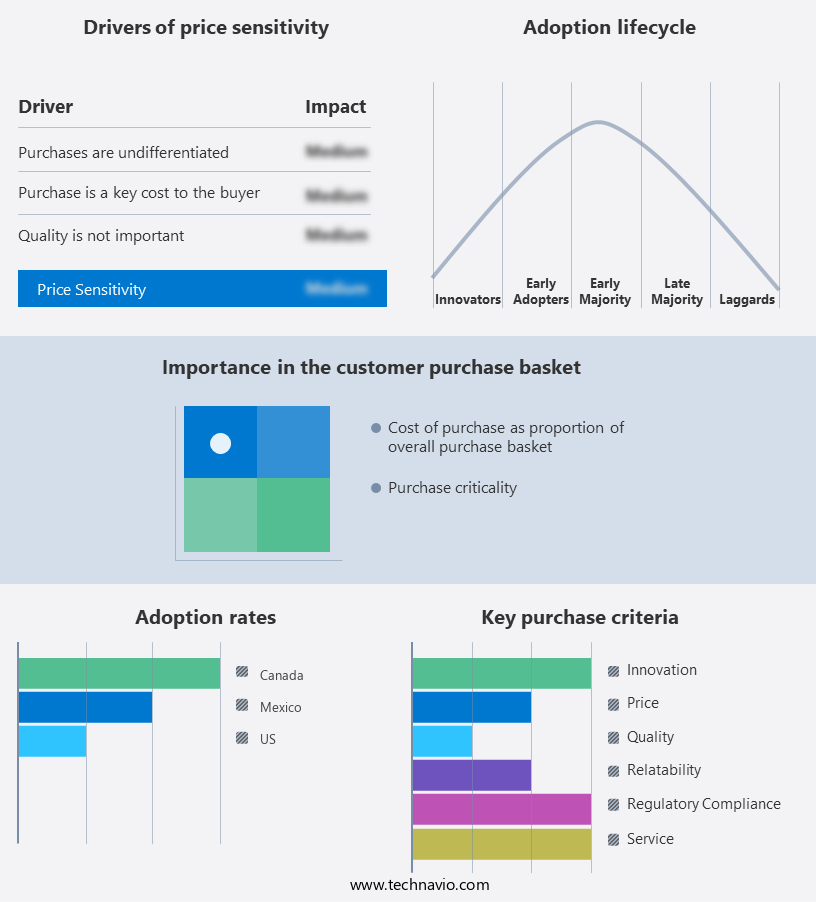
Customer Landscape
Key Companies & Market Insights
Companies are implementing various strategies, such as strategic alliances, market forecast , partnerships, mergers and acquisitions, geographical expansion, and product/service launches, to enhance their presence in the market.
Acumentrics Inc. - The company specializes in the production and supply of advanced fuel cell technology products.
The market research and growth report includes detailed analyses of the competitive landscape of the market and information about key companies, including:
- Acumentrics Inc.
- AFC Energy PLC
- AVL List GmbH
- Ballard Power Systems Inc.
- Bloom Energy Corp.
- BorgWarner Inc.
- Cellcentric GmbH and Co. KG
- Cummins Inc.
- Doosan Fuel Cell Co. Ltd.
- FuelCell Energy Inc.
- General Motors Co.
- Hyster Yale Materials Handling Inc.
- Loop Energy Inc.
- Plug Power Inc.
- SFC Energy AG
- The Symbio SAS
- Watt Fuel Cell Corp.
Qualitative and quantitative analysis of companies has been conducted to help clients understand the wider business environment as well as the strengths and weaknesses of key market players. Data is qualitatively analyzed to categorize companies as pure play, category-focused, industry-focused, and diversified; it is quantitatively analyzed to categorize companies as dominant, leading, strong, tentative, and weak.
Recent Development and News in Fuel Cell Market In North America
- In February 2024, Plug Power, a leading fuel cell technology company, announced a strategic partnership with South Korean automaker Hyundai Motor Group to jointly develop and commercialize hydrogen fuel cell systems for various applications, including commercial vehicles and stationary power solutions (Plug Power Press Release, 2024). This collaboration represents a significant step forward in the commercialization of fuel cell technology and highlights the growing interest from automotive giants in the sector.
- In March 2024, Bloom Energy, a leading provider of solid oxide fuel cells, unveiled its new 300kW fuel cell system, which is the most powerful fuel cell system available in the market, surpassing the capacity of its previous offerings (Bloom Energy Press Release, 2024). This technological advancement showcases the ongoing innovation in fuel cell technology, pushing the boundaries of what is possible in terms of power generation capacity and efficiency.
Research Analyst Overview
The fuel cell market continues to evolve, driven by ongoing innovation and advancements in technology. Fuel cells, which convert chemical energy into electricity through a chemical reaction, offer numerous applications across various sectors. Alkaline fuel cells, an alternative to the more common proton exchange membrane fuel cells, are gaining attention due to their unique advantages. Fuel cell opportunities are emerging in areas such as transportation, power generation, and industrial processes. Fuel cell manufacturing is advancing, with improvements in production methods leading to increased efficiency and cost savings. Commercialization of fuel cells is progressing, with hydrogen production and infrastructure development playing crucial roles.
Fuel cell stacks, the heart of the fuel cell system, are being optimized for better performance and durability. Renewable hydrogen, produced from sources like wind and solar energy, is becoming increasingly important in the fuel cell roadmap. The fuel cell future is bright, with continued research and development pushing the boundaries of this technology. Fuel cell buses are a promising application, offering clean and efficient transportation solutions. Performance improvements and cost reductions are key focus areas for the hydrogen economy. Safety concerns are being addressed through rigorous testing and regulations. Portable fuel cells are finding applications in remote power and telecommunications. Carbon materials like graphite rods and carbon nanotubes (CNTs) are commonly used due to their large surface area, conductivity, and biocompatibility.
Fuel cell efficiency is a critical factor in their success. Deployment of fuel cell systems is expanding, driven by the need for clean and reliable energy sources. Green hydrogen, produced from renewable sources, is gaining favor due to its lower carbon footprint. Hydrogen refueling infrastructure is being developed to support the growing demand for fuel cell vehicles. Fuel cell investments are flowing in, driven by the potential for significant returns. Fuel cell development is ongoing, with a focus on addressing challenges such as hydrogen storage and fuel cell integration. Proton exchange membrane technology is advancing, with improvements in durability and reliability.
The Fuel Cell Market in North America is expanding rapidly, driven by declining fuel cell cost and improvements in fuel cell performance and fuel cell reliability. As sustainability takes center stage, reducing fuel cell emissions is a key priority, with stationary fuel cells gaining traction for clean energy solutions. Ongoing fuel cell research continues to advance efficiency, while robust fuel cell infrastructure supports seamless integration. Stringent fuel cell regulation ensures safety, while growing fuel cell patents highlight increasing fuel cell innovation. Rising fuel cell adoption is paving the way for large-scale fuel cell deployment, though notable fuel cell challenges such as scalability and affordability remain.
Fuel cell standards are being established to ensure consistency and safety. The fuel cell industry is dynamic, with constant innovation and progress shaping its future. Cost reductions and performance improvements are key priorities, as the industry strives to make fuel cells a viable and competitive energy solution. StartFragment The Fuel Cell Market in North America is witnessing rapid growth, driven by advancements in fuel cell microgrids and fuel cell diagnostics. Enhanced fuel cell monitoring ensures efficiency, while robust hydrogen distribution and hydrogen transportation networks support scalability. Government fuel cell policy plays a vital role, offering fuel cell incentives and fuel cell subsidies to accelerate adoption. Rigorous fuel cell validation and fuel cell certification processes enhance reliability, while fuel cell standardization ensures seamless integration across industries. Collaborative efforts, including fuel cell collaboration with stakeholders and fuel cell investors, are fostering innovation and expansion.
|
Market Scope |
|
|
Report Coverage |
Details |
|
Page number |
205 |
|
Base year |
2024 |
|
Historic period |
2019-2023 |
|
Forecast period |
2025-2029 |
|
Growth momentum & CAGR |
Accelerate at a CAGR of 24.4% |
|
Market growth 2025-2029 |
USD 7.41 billion |
|
Market structure |
Fragmented |
|
YoY growth 2024-2025(%) |
21.3 |
|
Key countries |
US, Canada, and Mexico |
|
Competitive landscape |
Leading Companies, Market Positioning of Companies, Competitive Strategies, and Industry Risks |
What are the Key Data Covered in this Market Research and Growth Report?
- CAGR of the market during the forecast period
- Detailed information on factors that will drive the market growth and forecasting between 2025 and 2029
- Precise estimation of the size of the market and its contribution of the market in focus to the parent market
- Accurate predictions about upcoming market growth and trends and changes in consumer behaviour
- Growth of the market across North America
- Thorough analysis of the market's competitive landscape and detailed information about companies
- Comprehensive analysis of factors that will challenge the growth of market companies
We can help! Our analysts can customize this market research report to meet your requirements. Get in touch
 RIA -
RIA -