
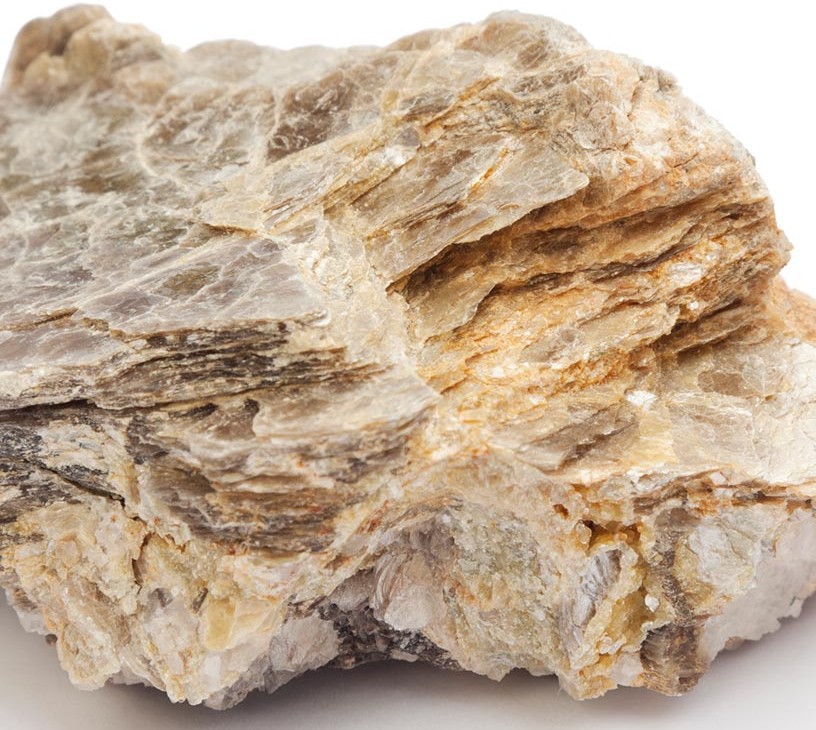


Mica Market Size 2026-2030
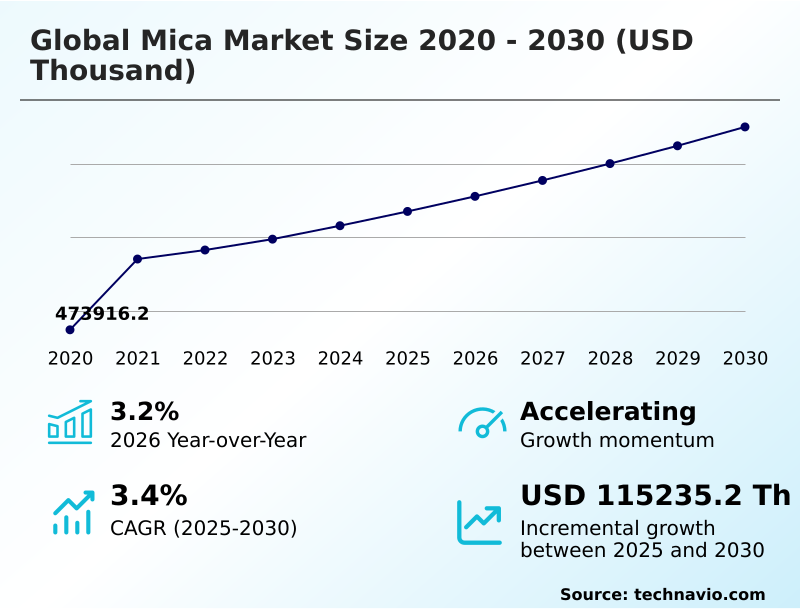
The mica market size is valued to increase by USD 115.24 million, at a CAGR of 3.4% from 2025 to 2030. Rising demand for thermal management in EV battery systems will drive the mica market.
Major Market Trends & Insights
- APAC dominated the market and accounted for a 45.2% growth during the forecast period.
- By Type - Natural segment was valued at USD 525.52 million in 2024
- By Application - Electronics segment accounted for the largest market revenue share in 2024
Market Size & Forecast
- Market Opportunities:
- Market Future Opportunities: USD 115.24 million
- CAGR from 2025 to 2030 : 3.4%
Market Summary
- The Mica market is undergoing a significant transformation, balancing traditional industrial roles with emerging high-technology demands. As a fundamental material for high-voltage electrical insulation, its importance in power generation and grid infrastructure remains constant. However, new growth is catalyzed by the electric vehicle (EV) sector, where mica-based thermal barriers are critical for preventing thermal runaway in battery packs.
- Concurrently, the market is navigating a crucial pivot toward synthetic fluorophlogopite, especially in cosmetics and automotive coatings, to address both performance and ethical concerns. For instance, a global cosmetics firm might overhaul its procurement strategy, replacing natural mineral sources with synthetic mica to guarantee its products are free from heavy metal contaminants and meet stringent clean beauty ingredients standards.
- This move not only satisfies consumer demand for supply chain transparency but also improves product consistency. This dynamic interplay between industrial necessity, technological innovation in materials like wet ground mica powder, and corporate responsibility continues to shape the industry's trajectory.
What will be the Size of the Mica Market during the forecast period?
Get Key Insights on Market Forecast (PDF) Request Free Sample
How is the Mica Market Segmented?
The mica industry research report provides comprehensive data (region-wise segment analysis), with forecasts and estimates in "USD thousand" for the period 2026-2030, as well as historical data from 2020-2024 for the following segments.
- Type
- Natural
- Synthetic
- Application
- Electronics
- Paints and coatings
- Construction
- Cosmetics
- Others
- Grade type
- Ground
- Sheet
- Built-up
- Geography
- APAC
- China
- India
- Japan
- Europe
- Germany
- France
- UK
- North America
- US
- Canada
- Mexico
- South America
- Brazil
- Argentina
- Middle East and Africa
- South Africa
- UAE
- Saudi Arabia
- Rest of World (ROW)
- APAC
By Type Insights
The natural segment is estimated to witness significant growth during the forecast period.
The natural segment is defined by minerals extracted from geological deposits, primarily natural muscovite mica.
This material is essential as a functional filler reinforcement in construction, where dry ground mica filler is used to prevent cracking in plasters and joint compounds.
Its use extends to specialty architectural paints and architectural pearlescent coatings, providing durability and aesthetic value. The industry is also adopting circular economy principles to manage resources better.
As part of sustainable procurement practices and a focus on energy-efficient infrastructure, manufacturers are exploring innovations like sound dampening acoustic panels and anti-sticking agents for roofing.
Adherence to green mining protocols is critical, as new regulations have increased operational costs by nearly 15% for some mining firms, reflecting a market balancing value-added mineral processing with corporate social responsibility.
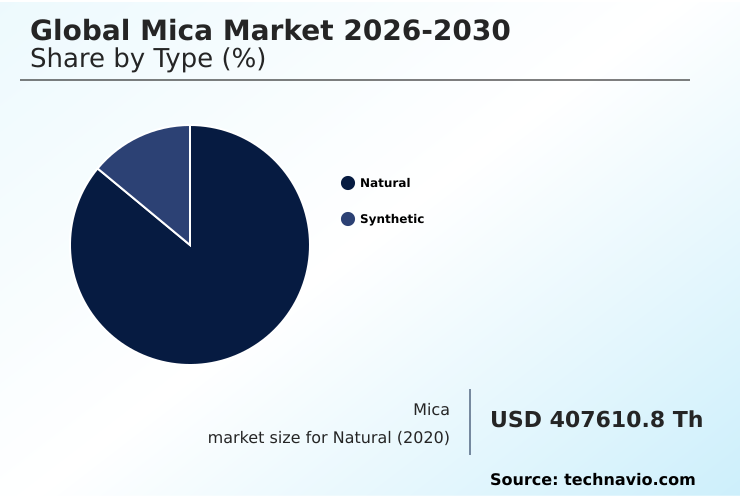
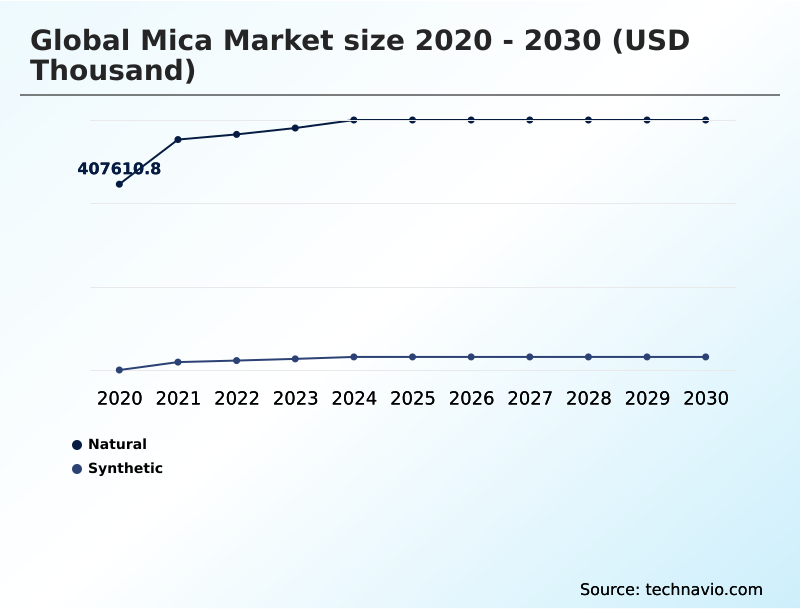
The Natural segment was valued at USD 525.52 million in 2024 and showed a gradual increase during the forecast period.
Regional Analysis
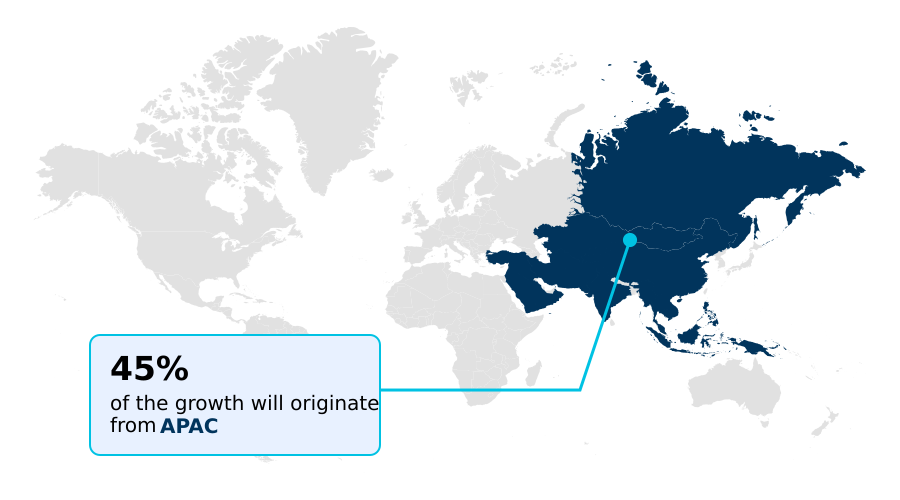
APAC is estimated to contribute 45.2% to the growth of the global market during the forecast period.Technavio’s analysts have elaborately explained the regional trends and drivers that shape the market during the forecast period.
See How Mica Market Demand is Rising in APAC Request Free Sample
The geographic landscape is dominated by the APAC region, which accounts for over 45% of incremental market growth, driven by its dual role as a production and consumption powerhouse.
China is central to this dominance, not only as a major consumer in its vast electronics and automotive sectors but also as the leading producer of synthetic mica, with advanced processing facilities achieving a 20% higher yield compared to older methods.
India remains the foremost source of natural muscovite, crucial for global energy infrastructure. In North America and Europe, the focus is on high-value applications, such as mica-reinforced polymers for lightweight structural components and phlogopite mica sheets for automotive thermal management.
The Middle East's demand is fueled by massive construction projects utilizing industrial mica laminates and lost circulation material.
This regional specialization underscores a market where verified ethical origins and high-purity material specifications are becoming globally standardized requirements for mica-based effect pigments and clean beauty ingredients.
Market Dynamics
Our researchers analyzed the data with 2025 as the base year, along with the key drivers, trends, and challenges. A holistic analysis of drivers will help companies refine their marketing strategies to gain a competitive advantage.
- The global mica market is defined by its diverse and highly specialized applications, each with unique material requirements. For instance, the use of phlogopite mica for EV batteries is a critical growth area, where its function in thermal management in battery enclosures is essential for safety and preventing thermal runaway.
- This contrasts with the established use of muscovite mica for electrical insulation, particularly in insulation tapes for high-voltage motors and built-up mica for generator coils, where its dielectric properties are paramount. In aesthetics, synthetic mica for cosmetic pigments and mica pigments in automotive coatings are preferred for their purity and brilliance, especially in mica in pearlescent cosmetic powders.
- The construction industry relies on ground mica in construction materials, with dry ground mica in joint compounds and wet ground mica in paints enhancing durability. Technologically, the unique properties of the mineral are leveraged in various forms: sheet mica for high-temperature applications like transparent mica for boiler gauges, and mica-reinforced plastics for automotive parts.
- The ability of mica as a fire retardant is a key safety feature. As the industry grapples with the ethical sourcing of natural mica, advancements in high-purity mica for electronics are driven by performance needs, while the debate over alternatives to natural mica mining continues to shape supply chain strategies.
- Companies using advanced mica have reported that thermal barrier effectiveness has more than doubled in certain applications compared to traditional materials.
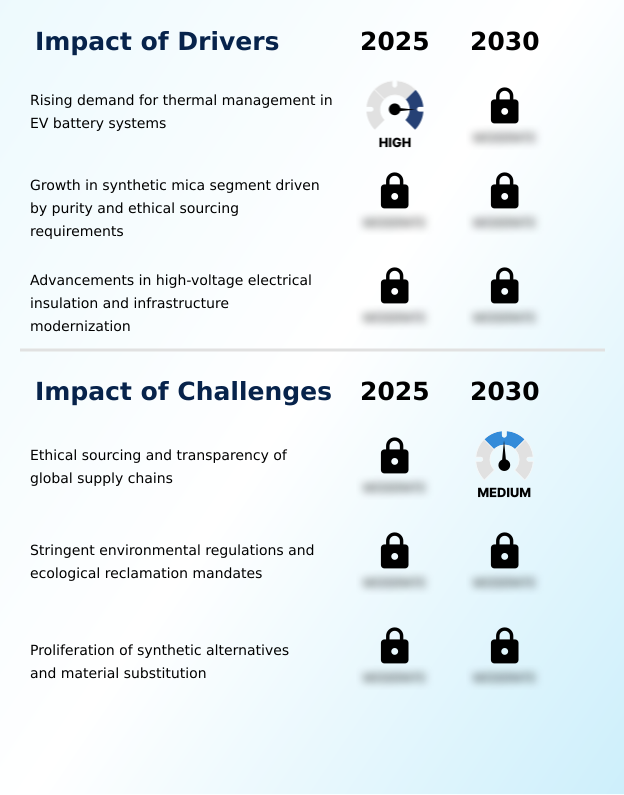
What are the key market drivers leading to the rise in the adoption of Mica Industry?
- The rising demand for effective thermal management in electric vehicle battery systems is a key driver propelling market growth.
- Market growth is significantly driven by escalating demand from high-technology sectors. The proliferation of electric vehicles has made mica indispensable for its dielectric strength properties, with high-voltage electrical insulation applications in battery systems growing exponentially.
- The use of pearlescent effect pigments in automotive and cosmetic industries is another major driver, with new mineral delamination technology enabling a 25% brighter finish. This technology also ensures the batch-to-batch consistency required for high-performance industrial applications.
- Furthermore, global grid modernization and renewable energy infrastructure projects are fueling demand for materials with superior corona discharge resistance, such as those used in a mica capacitor dielectric.
- In parallel, ethical sourcing compliance is pushing manufacturers toward synthetic alternatives that guarantee performance without labor rights issues.
- The use of fire-retardant additives in construction has also been shown to increase building material safety ratings by over 15%, solidifying mica's role in this segment.
What are the market trends shaping the Mica Industry?
- A significant market trend is the accelerated adoption of synthetic mica. This shift is particularly prominent within the cosmetic and coating sectors, driven by demand for purity and ethical sourcing.
- Key trends are reshaping the market, driven by technological precision and ethical transparency. The move toward synthetic fluorophlogopite is accelerating, particularly as a solution to avoid heavy metal contaminants in consumer goods. This shift supports the growing demand for clean-label ingredients, where batch-to-batch consistency has been improved by up to 30% with synthetic production.
- In the automotive sector, the integration of mica-based thermal barriers is now standard for preventing thermal runaway in high-density batteries, with new mica paper substrates enabling the miniaturization of electronics within these systems. Simultaneously, digital traceability systems are being implemented to address artisanal mining concerns and enhance supply chain transparency.
- These platforms provide an immutable record of a mineral's journey, which has helped reduce sourcing verification times by 40% for participating companies. Innovations such as epoxy bonded micanite for industrial insulation and materials for high-temperature furnace windows also highlight the trend toward high-performance solutions in eco-friendly coating systems.
What challenges does the Mica Industry face during its growth?
- Ensuring ethical sourcing and maintaining transparency across global supply chains presents a key challenge affecting industry growth.
- The market faces significant challenges centered on ethical and environmental accountability, alongside technical competition. The drive to meet environmental reclamation mandates and reduce the industry's carbon footprint has increased operational costs by as much as 20% in some regions. These costs are passed down, impacting pricing for wet ground mica powder and built-up mica plates.
- Concurrently, the material substitution threat from advanced polymers is intensifying, with some alternatives offering a 10% lower cost for similar heat deflection temperature performance. Adherence to social responsibility standards and conducting human rights due diligence remain complex, especially in supply chains for cosmetic-grade mica powder used in functional ingredient formulations.
- Innovations like silicone-bonded mica tape and high-aspect-ratio flakes offering superior ultraviolet radiation protection provide a competitive edge, but the industry must continually justify its value against cheaper, non-mineral alternatives.
Exclusive Technavio Analysis on Customer Landscape
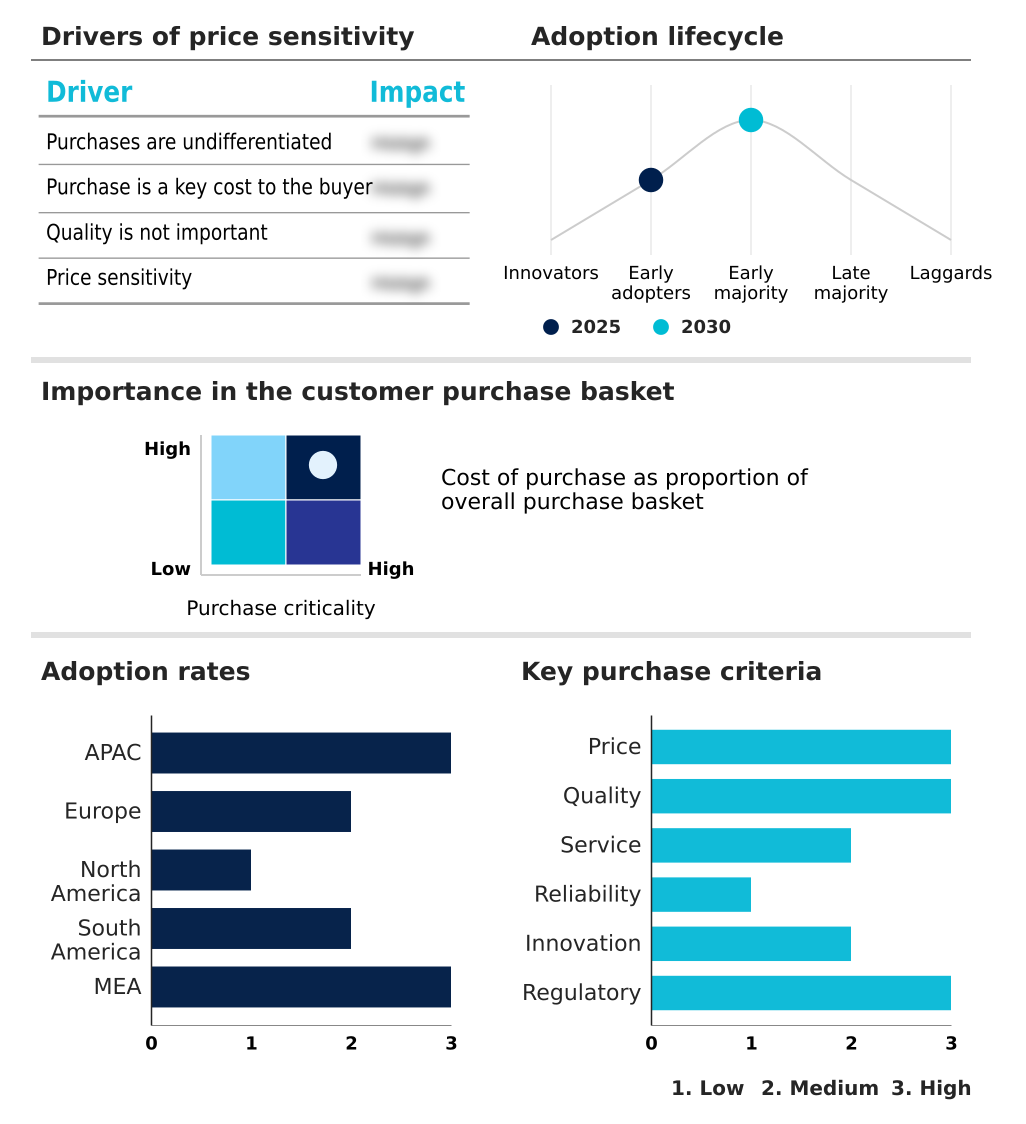
The mica market forecasting report includes the adoption lifecycle of the market, covering from the innovator’s stage to the laggard’s stage. It focuses on adoption rates in different regions based on penetration. Furthermore, the mica market report also includes key purchase criteria and drivers of price sensitivity to help companies evaluate and develop their market growth analysis strategies.
Customer Landscape of Mica Industry
Competitive Landscape
Companies are implementing various strategies, such as strategic alliances, mica market forecast, partnerships, mergers and acquisitions, geographical expansion, and product/service launches, to enhance their presence in the industry.
BASF SE - The company offers a range of mica-based effect pigments, including lumina and firemist pearlescent varieties, for diverse industrial and cosmetic applications.
The industry research and growth report includes detailed analyses of the competitive landscape of the market and information about key companies, including:
- BASF SE
- CMMP
- Dupre Minerals Ltd
- ECKART GmbH
- Great Lakes Mica
- Imerys S.A.
- Kobo Products Inc.
- Kuncai Europe B.V.
- Merck KGaA
- Merino Laminates Ltd.
- Mica Manufacturing Co. Pvt. Ltd.
- Purbanchal Laminates Pvt. Ltd.
- Quartz Works GmbH
- Sakti Mica Manufacturing Co.
- SCR Sibelco NV
- Star Laminates Pvt. Ltd.
- Sun Chemical Corp.
- The Earth Pigments Co
- Vasundhara Micro Mineral Infinite
- Vinayaka Microns India Pvt Ltd
Qualitative and quantitative analysis of companies has been conducted to help clients understand the wider business environment as well as the strengths and weaknesses of key industry players. Data is qualitatively analyzed to categorize companies as pure play, category-focused, industry-focused, and diversified; it is quantitatively analyzed to categorize companies as dominant, leading, strong, tentative, and weak.
Recent Development and News in Mica market
- In March, 2025, Kuncai Material Technology announced the successful completion and full operational commencement of the third phase of its synthetic mica expansion project to meet global demand for pearlescent pigments.
- In March, 2025, Imerys launched a new generation of high-purity phlogopite mica tapes engineered for the thermal management systems of next-generation solid-state batteries.
- In April, 2025, Imerys introduced a new range of high-aspect-ratio phlogopite mica products specifically engineered for the battery enclosures of heavy-duty electric trucks, providing superior flame resistance.
- In May, 2025, Sun Chemical, a subsidiary of the DIC Corporation, unveiled a new series of mica-based effect pigments designed for eco-friendly, water-borne automotive coating systems.
Dive into Technavio’s robust research methodology, blending expert interviews, extensive data synthesis, and validated models for unparalleled Mica Market insights. See full methodology.
| Market Scope | |
|---|---|
| Page number | 301 |
| Base year | 2025 |
| Historic period | 2020-2024 |
| Forecast period | 2026-2030 |
| Growth momentum & CAGR | Accelerate at a CAGR of 3.4% |
| Market growth 2026-2030 | USD 115235.2 thousand |
| Market structure | Fragmented |
| YoY growth 2025-2026(%) | 3.2% |
| Key countries | China, India, Japan, South Korea, Indonesia, Thailand, Germany, Russia, France, UK, Italy, Spain, US, Canada, Mexico, Brazil, Argentina, Chile, South Africa, UAE, Saudi Arabia, Egypt and Turkey |
| Competitive landscape | Leading Companies, Market Positioning of Companies, Competitive Strategies, and Industry Risks |
Research Analyst Overview
- The mica market's evolution is driven by a convergence of technological advancements and stringent ethical demands. The industry leverages a diverse portfolio of materials, from natural muscovite mica and phlogopite mica sheets to advanced synthetic fluorophlogopite, to serve high-stakes applications.
- The transition to electric mobility has made mica-based thermal barriers a critical safety component, functioning as a thermal runaway barrier in batteries. In parallel, the demand for aesthetic perfection fuels the use of pearlescent effect pigments and mica-based effect pigments, delivering the distinct automotive pearlescent finish.
- For industrial needs, materials like built-up mica plates, silicone-bonded mica tape, and industrial mica laminates are crucial for high-voltage electrical insulation, valued for their dielectric strength properties and corona discharge resistance. The adoption of automated furnace systems has enabled a 99.9% purity level in synthetic variants, a key factor in material sourcing decisions.
- Process innovations like mineral delamination technology create high-aspect-ratio flakes, enhancing mica-reinforced polymers and improving the heat deflection temperature. Whether used as wet ground mica powder for coatings, dry ground mica filler for construction, or as fire-retardant additives, the mineral's versatility is clear.
- Its use spans from mica capacitor dielectric and mica paper substrates to cosmetic-grade mica powder for clean beauty ingredients, specialty architectural paints, and even sound dampening acoustic panels, with other applications including lost circulation material, anti-sticking agents, and windows for high-temperature furnaces, all while navigating challenges related to heavy metal contaminants and ensuring ultraviolet radiation protection.
What are the Key Data Covered in this Mica Market Research and Growth Report?
-
What is the expected growth of the Mica Market between 2026 and 2030?
-
USD 115.24 million, at a CAGR of 3.4%
-
-
What segmentation does the market report cover?
-
The report is segmented by Type (Natural, and Synthetic), Application (Electronics, Paints and coatings, Construction, Cosmetics, and Others), Grade Type (Ground, Sheet, and Built-up) and Geography (APAC, Europe, North America, South America, Middle East and Africa)
-
-
Which regions are analyzed in the report?
-
APAC, Europe, North America, South America and Middle East and Africa
-
-
What are the key growth drivers and market challenges?
-
Rising demand for thermal management in EV battery systems, Ethical sourcing and transparency of global supply chains
-
-
Who are the major players in the Mica Market?
-
BASF SE, CMMP, Dupre Minerals Ltd, ECKART GmbH, Great Lakes Mica, Imerys S.A., Kobo Products Inc., Kuncai Europe B.V., Merck KGaA, Merino Laminates Ltd., Mica Manufacturing Co. Pvt. Ltd., Purbanchal Laminates Pvt. Ltd., Quartz Works GmbH, Sakti Mica Manufacturing Co., SCR Sibelco NV, Star Laminates Pvt. Ltd., Sun Chemical Corp., The Earth Pigments Co, Vasundhara Micro Mineral Infinite and Vinayaka Microns India Pvt Ltd
-
Market Research Insights
- Market dynamics are increasingly shaped by a dual focus on high-performance industrial applications and corporate governance requirements. The shift toward renewable energy infrastructure and automotive thermal management is creating new revenue streams, with firms leveraging advanced material science reporting up to a 25% improvement in thermal resistance.
- Simultaneously, the demand for clean-label ingredients and verified ethical origins is compelling a transition to high-purity material specifications. Companies using digital traceability for human rights due diligence have reduced compliance risks by over 30%.
- This landscape requires a strategic balance between sourcing lightweight structural components and meeting rigorous social responsibility standards, influencing everything from functional ingredient formulations to large-scale industrial procurement.
We can help! Our analysts can customize this mica market research report to meet your requirements.
 RIA -
RIA -