
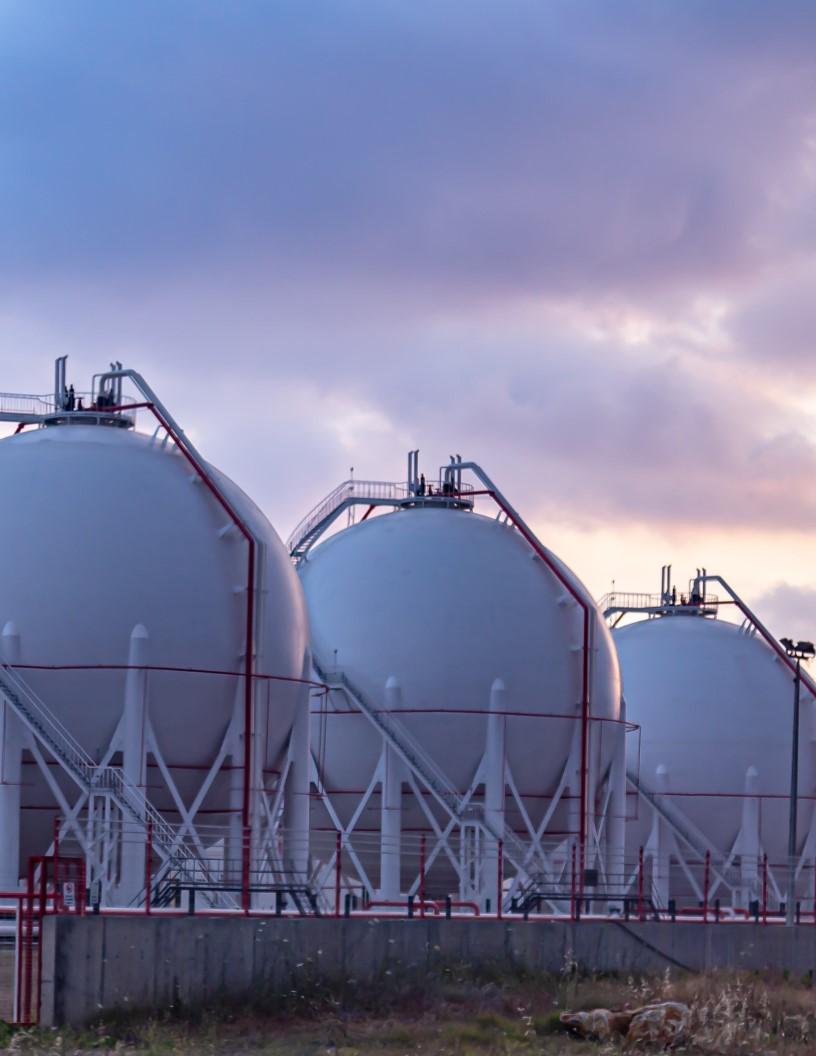


Mexico Oil And Gas Market Size 2025-2029
The Mexico oil and gas market size is forecast to increase by USD 38.9 billion at a CAGR of 3.4% between 2024 and 2029.
-
The Mexican oil and gas market exhibits significant growth potential due to several key factors. Abundant oil and gas resources, particularly in the Gulf of Mexico, provide a solid foundation for market expansion. Advancements in drilling technology, such as horizontal drilling and hydraulic fracturing, enable efficient extraction of these resources, boosting production levels. Additionally, the global shift towards cleaner energy sources is driving the increasing adoption of natural gas as a bridge fuel, creating new opportunities for market participants. In addition, Mexico is investing in renewable energy sources, including solar, wind, geothermal, and hydrogen energy, as part of the energy transition. However, challenges remain, including regulatory complexities, infrastructure limitations, and geopolitical risks, which may hinder market growth. Overall, the Mexican oil and gas market presents a dynamic and complex landscape, offering both opportunities and challenges for stakeholders.
What will be the Size of the Market During the Forecast Period?

-
The Mexican oil and gas market is a significant player in the global energy sector, with a focus on both oil and natural gas production. The country's energy demand continues to grow, making it an attractive destination for international investment. Notable discoveries of gas hydrates have expanded the country's natural gas production capacity. The downstream sector, including oil refineries, is a primary contributor to the market, producing motor gasoline, petroleum fuel, and refined petroleum products. The oil refinery throughput in Mexico has increased, driven by rising demand for petroleum fuels. The market's size and direction are influenced by various factors, including sustainable practices, profit margins, and environmental concerns.
-
Fossil fuels, including oil and natural gas, remain the primary fuel sources, but the energy transition towards renewable energy sources is gaining momentum. Logistical complexities, such as deep-sea locations, land rights, and offshore drilling, pose challenges to production activities. Natural resources, including deep-water drilling techniques, are being leveraged to maximize production volume. Mexico's energy security is a critical consideration, as the country aims to meet its growing energy demands while addressing the complexities of the energy market.
How is this market segmented and which is the largest segment?
The market research report provides comprehensive data (region-wise segment analysis), with forecasts and estimates in "USD billion" for the period 2025-2029, as well as historical data from 2019-2023 for the following segments.
- Type
- Upstream
- Downstream
- Midstream
- Deployment
- Offshore
- Onshore
- Application
- Residential
- Commercial
- Industrial
- Product Type
- Crude oil
- Refined petroleum products
- Natural gas
- Service
- Refining and petrochemical processing
- Pipeline infrastructure and transportation
- Exploration and drilling equipment
- Storage and distribution
- Geography
- Mexico
By Type Insights
The upstream segment is estimated to witness significant growth during the forecast period. The Mexican oil and gas market encompasses the exploration, development, and production of crude oil and natural gas, denoted as the upstream segment. This segment involves critical operations including seismic surveys, drilling activities, well construction, and oil and gas transportation. Factors fueling growth in this sector include escalating energy demand, technological advancements, and supportive government policies. Mexico's energy consumption is on an upward trajectory, driven by urbanization and industrialization. Urban growth leads to heightened electricity demand for residential and commercial buildings, while industrialization intensifies energy usage in manufacturing and production processes. Key trends shaping the petroleum industry include energy efficiency, petroleum product innovation, and the exploration of unconventional resources like gas hydrates.

Get a glance at the market report of share of various segments Request Free Sample
Market Dynamics
Our Mexico Oil And Gas Market researchers analyzed the data with 2024 as the base year, along with the key drivers, trends, and challenges. A holistic analysis of drivers will help companies refine their marketing strategies to gain a competitive advantage.
What are the key market drivers leading to the rise in adoption of Mexico Oil And Gas Market?
- Availability of adequate oil and gas resource potential is the key driver of the market. Mexico holds substantial oil and natural gas reserves, making it a significant player in the global energy market. With proven reserves of approximately 6.0 billion barrels as of January 2023, Mexico ranks among the largest oil producers globally and fourth in the Americas, following the US, Canada, and Brazil. The country's reserves consist of crude oil, lease condensate, natural gas liquids, and oil sands. Mexico's geological diversity offers a range of hydrocarbon resources, including conventional oil and gas deposits and unconventional resources like shale gas and deepwater reserves. These reserves are spread across various geological formations and basins. In addition to petroleum, Mexico is also rich in natural gas, with significant reserves of natural gas hydrates, which can be extracted using advanced technologies like gas hydrate extraction.
- The Mexican petroleum industry is undergoing trends such as energy efficiency, digital transformation, and the adoption of renewable energy sources. Natural gas imports are increasing to meet growing energy demand, while natural gas liquefaction and storage are essential for energy security. The petrochemical industry is experiencing growth, and petroleum derivatives continue to be in high demand. Environmental regulations, cost optimization, and corporate sustainability are critical considerations for the petroleum industry. The petroleum refining process is undergoing technological advancements, and the industry is adopting digitalization solutions to optimize supply chain management and circular economy practices.
What are the market trends shaping the Mexico Oil And Gas Market?
- Advancements in drilling technology is the upcoming trend in the market. The Mexican oil and gas market is driven by advancements in petroleum extraction technologies, enabling access to both conventional and unconventional hydrocarbon reserves. Technological innovations, such as horizontal drilling and extended-reach drilling, have increased exploration efforts, leading to a higher demand for drilling equipment and related technologies. Furthermore, technological advancements have facilitated drilling in deepwater and ultra-deepwater environments, necessitating specialized drilling rigs, subsea equipment, and wellhead systems. Automation technologies, including drilling automation and robotics, are improving drilling efficiency, reducing downtime, and enhancing safety. These technologies often require specialized equipment, sensors, and control systems. Additionally, advancements in drill bit design and materials have enhanced drilling speed and reduced wear and tear.
- Natural gas fields are becoming increasingly important in the Mexican energy sector due to their potential as petroleum derivatives and as renewable energy alternatives. Natural gas reserves are being explored and extracted using advanced techniques, such as gas hydrate extraction and natural gas liquefaction. Natural gas imports are also a significant part of the market, contributing to energy security and supply chain management. The petrochemical industry's growth is another key trend in the Mexican oil and gas market. Petroleum product demand remains strong, and petroleum refining technology continues to advance, leading to cost optimization and corporate sustainability. However, environmental regulations and social responsibility are increasingly important considerations, necessitating investments in renewable energy, energy efficiency, and sustainable development.
What challenges doesMexico Oil And Gas Market face during the growth?
- Increasing transition to cleaner energy sources is a key challenge affecting the market growth. The Mexican oil and gas market faces significant shifts due to the global energy transition towards renewable sources. Decreasing demand for petroleum products and natural gas, driven by increasing focus on energy efficiency and sustainable development, may lead to reduced exploration, production, and drilling activities. This trend could negatively impact the market, particularly in the areas of crude oil imports, refinery operations, and petroleum product distribution. Moreover, the uncertainty surrounding the future of the petroleum industry can deter investments in exploration projects. Companies may prioritize renewable energy investment over hydrocarbon projects due to the potential for long-term viability and corporate sustainability.
- Environmental regulations and cost optimization also play a role in the market dynamics. In the petrochemical industry, there is ongoing growth in the production of petroleum derivatives, such as natural gas liquefaction and petroleum refining technology. However, the market is subject to petroleum price volatility and the adoption of renewable energy alternatives. Natural gas storage, pipeline networks, and supply chain management are crucial aspects of the market, as Mexico continues to import natural gas to meet its energy demand. The energy infrastructure, including onshore drilling and offshore wind, is evolving to accommodate the transition to cleaner energy sources.
Exclusive Customer Landscape
The market forecasting report includes the adoption lifecycle of the market, covering from the innovator's stage to the laggard's stage. It focuses on adoption rates in different regions based on penetration. Furthermore, the market report also includes key purchase criteria and drivers of price sensitivity to help companies evaluate and develop their market growth analysis strategies.

Customer Landscape
Key Companies & Market Insights
Companies are implementing various strategies, such as strategic alliances, market forecast , partnerships, mergers and acquisitions, geographical expansion, and product/service launches, to enhance their presence in the market.
BP Plc - The company offers oil and gas operations which include offshore and onshore, and it operates six refineries in the US and Europe for producing essential transport fuels and other products for everyday life.
The market research and growth report includes detailed analyses of the competitive landscape of the market and information about key companies, including:
- Chevron Corp.
- Citla Energy
- Exxon Mobil Corp.
- Grupo Petroil
- Marathon Petroleum Corp.
- Petroleos Mexicanos
- Saipem S.p.A.
- Sempra
- Shell plc
- Techint
- TotalEnergies SE
- Vista Energy S.A.B. de C.V.
Qualitative and quantitative analysis of companies has been conducted to help clients understand the wider business environment as well as the strengths and weaknesses of key market players. Data is qualitatively analyzed to categorize companies as pure play, category-focused, industry-focused, and diversified; it is quantitatively analyzed to categorize companies as dominant, leading, strong, tentative, and weak.
Research Analyst Overview
The market has experienced significant dynamics in recent years, driven by various factors shaping the petroleum industry trends. The natural gas fields and petroleum reserves in the country have attracted substantial attention from international players, leading to an increase in investment and technological advancements. The petroleum industry has been focusing on improving energy efficiency and reducing carbon emissions, aligning with the global energy transition. The adoption of petroleum refining technology and the development of petroleum derivatives have been key areas of growth. The natural gas reserves have also been a significant focus, with natural gas liquefaction and natural gas imports playing crucial roles in ensuring energy security.
In addition, the petrochemical industry has seen strong growth, driven by the demand for petroleum products and the expansion of petroleum refining processes. The petroleum supply chain has undergone digital transformation, with supply chain management and cost optimization becoming essential priorities. The petroleum extraction process has also evolved, with the adoption of exploration technology and drilling equipment enabling the exploration of hydrocarbon projects in previously unexplored areas. Natural gas storage and energy infrastructure have been essential components of the market, ensuring the reliable delivery of energy to consumers. The energy demand growth has been a significant driver of market dynamics, with environmental regulations and social responsibility becoming increasingly important considerations for industry players.
Moreover, risk management has been a critical aspect of the market, with companies adopting various strategies to mitigate risks and ensure corporate sustainability. The market has also seen the emergence of renewable energy investment, with geothermal energy, solar energy, and wind energy gaining traction. The oil market has been subject to volatility, with factors such as crude oil imports, factory gate values, and petroleum price fluctuations impacting the industry. The petroleum industry regulations have been evolving, with a focus on promoting sustainable development and reducing carbon emissions. The petroleum product distribution landscape has been transforming, with renewable energy alternatives gaining popularity and the emergence of digitalization solutions.
Furthermore, the market has also seen the growth of the onshore drilling sector, with oil reserves and gas production being key drivers. The market has been characterized by a focus on cost optimization, circular economy, and the adoption of technology to improve operational efficiency. The petroleum engineering jobs market has been growing, with a demand for skilled professionals to drive innovation and growth in the industry. The industry has been adapting to the energy transition, with a focus on renewable energy and sustainability. The market outlook remains positive, with opportunities for growth and innovation in various areas, including petroleum engineering, technology adoption, and supply chain management.
|
Market Scope |
|
|
Report Coverage |
Details |
|
Page number |
192 |
|
Base year |
2024 |
|
Historic period |
2019-2023 |
|
Forecast period |
2025-2029 |
|
Growth momentum & CAGR |
Accelerate at a CAGR of 3.4% |
|
Market growth 2025-2029 |
USD 38.9 billion |
|
Market structure |
Concentrated |
|
YoY growth 2024-2025(%) |
3.2 |
|
Competitive landscape |
Leading Companies, Market Positioning of Companies, Competitive Strategies, and Industry Risks |
What are the Key Data Covered in this Market Research and Growth Report?
- CAGR of the market during the forecast period
- Detailed information on factors that will drive the market growth and forecasting between 2025 and 2029
- Precise estimation of the size of the market and its contribution of the market in focus to the parent market
- Accurate predictions about upcoming market growth and trends and changes in consumer behaviour
- Growth of the market across Mexico
- Thorough analysis of the market's competitive landscape and detailed information about companies
- Comprehensive analysis of factors that will challenge the growth of market companies
We can help! Our analysts can customize this market research report to meet your requirements. Get in touch
 RIA -
RIA -