


Massage Equipment Market Size 2026-2030
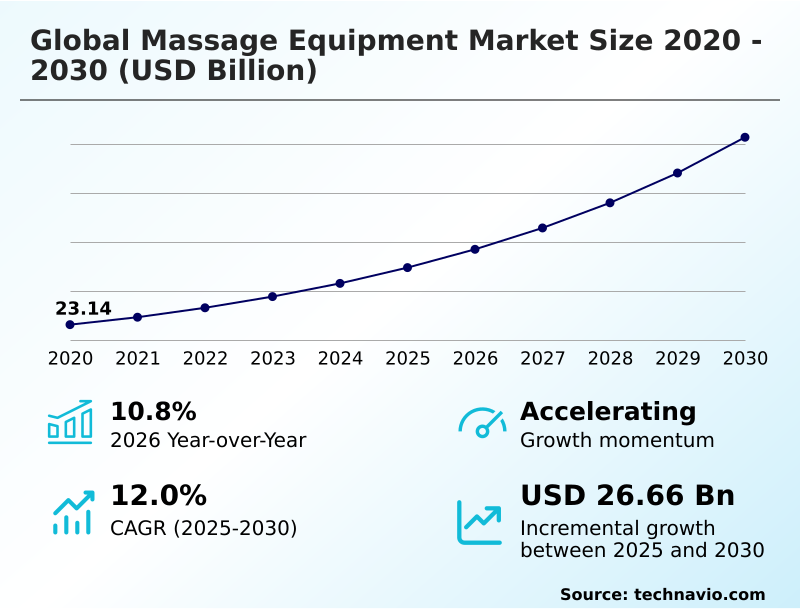
The massage equipment market size is valued to increase by USD 26.66 billion, at a CAGR of 12% from 2025 to 2030. Rising prevalence of stress and work-related musculoskeletal disorders will drive the massage equipment market.
Major Market Trends & Insights
- North America dominated the market and accounted for a 36.4% growth during the forecast period.
- By Product - Massage chairs and sofas segment was valued at USD 8.93 billion in 2024
- By End-user - Commercial segment accounted for the largest market revenue share in 2024
Market Size & Forecast
- Market Opportunities: USD 38.33 billion
- Market Future Opportunities: USD 26.66 billion
- CAGR from 2025 to 2030 : 12%
Market Summary
- The massage equipment market is undergoing a significant transformation, driven by a consumer shift toward preventative healthcare and at-home wellness. Devices are evolving from simple mechanical tools to sophisticated systems featuring AI-driven massage and IoT-enabled wellness capabilities. This technological integration allows for a highly personalized wellness experience, with features like real-time body scanning and user-specific massage profiles becoming increasingly standard.
- A key business scenario involves corporate wellness programs procuring these devices to combat employee burnout, viewing the investment in ergonomic recovery tools and stress reduction technology as a direct contribution to productivity and talent retention. While high-end systems represent a considerable investment, the proliferation of affordable, portable massagers and myofascial release tools is expanding the market's reach.
- The industry is also contending with the need for non-invasive pain management solutions for an aging population, pushing innovation in areas like circulation improvement technology and sports medicine equipment. This creates a dynamic environment where success depends on balancing technological sophistication with accessibility and demonstrating tangible health outcomes.
What will be the Size of the Massage Equipment Market during the forecast period?
Get Key Insights on Market Forecast (PDF) Request Free Sample
How is the Massage Equipment Market Segmented?
The massage equipment industry research report provides comprehensive data (region-wise segment analysis), with forecasts and estimates in "USD million" for the period 2026-2030, as well as historical data from 2020-2024 for the following segments.
- Product
- Massage chairs and sofas
- Back massagers
- Handheld massagers
- Neck and shoulder massagers
- Others
- End-user
- Commercial
- Residential
- Type
- Electric massage equipment
- Non-electric massage equipment
- Geography
- North America
- US
- Canada
- Mexico
- Europe
- Germany
- UK
- France
- APAC
- China
- India
- Japan
- South America
- Brazil
- Argentina
- Colombia
- Middle East and Africa
- Saudi Arabia
- UAE
- South Africa
- Rest of World (ROW)
- North America
By Product Insights
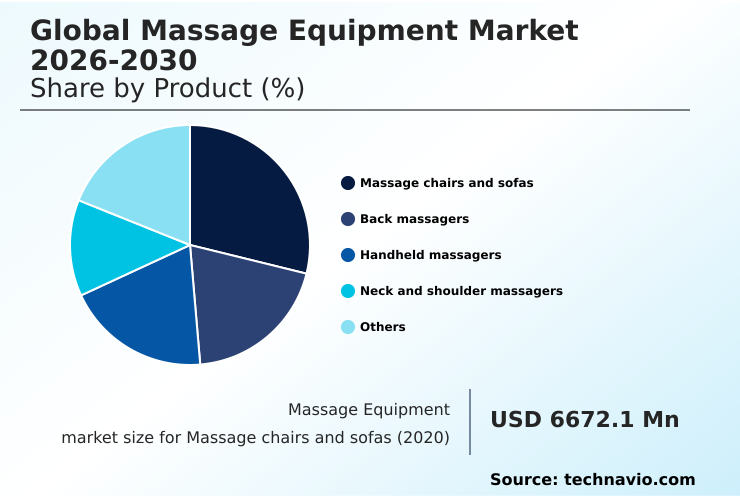
The massage chairs and sofas segment is estimated to witness significant growth during the forecast period.
The market is segmented by product, end-user, and geography. Massage chairs and sofas represent a significant category, characterized by rapid technological advancements. These are no longer just mechanical devices but sophisticated in-home therapeutic solutions.
The integration of zero-gravity recliners and biometric feedback sensors allows for a personalized wellness experience, mimicking professional techniques.
This focus on comprehensive home wellness is driving adoption, particularly as organizations recognize the value of preventative healthcare devices, with over 40% of leading corporations now mandating ergonomic recovery tools in their wellness budgets.
This trend highlights the shift from luxury items to essential corporate wellness programs and tools for stress reduction technology. AI-driven massage features are becoming a key differentiator in this evolving landscape.
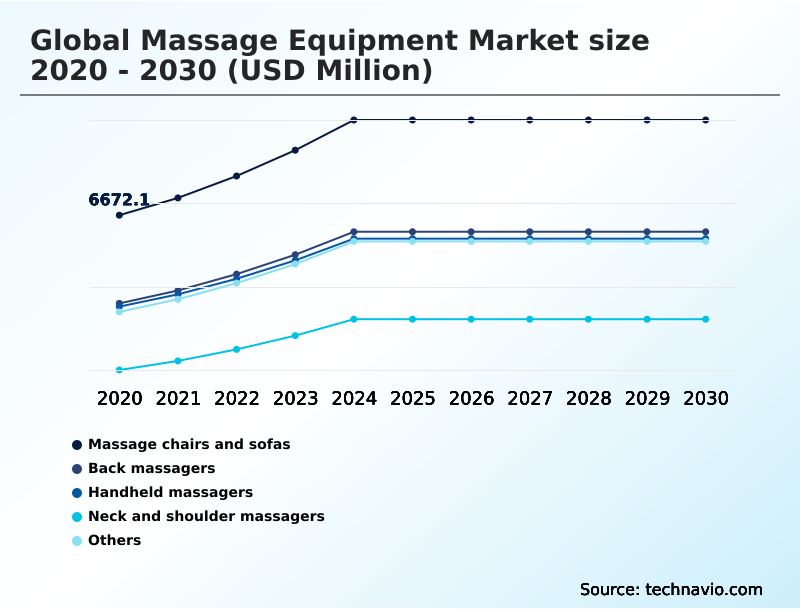
The Massage chairs and sofas segment was valued at USD 8.93 billion in 2024 and showed a gradual increase during the forecast period.
Regional Analysis
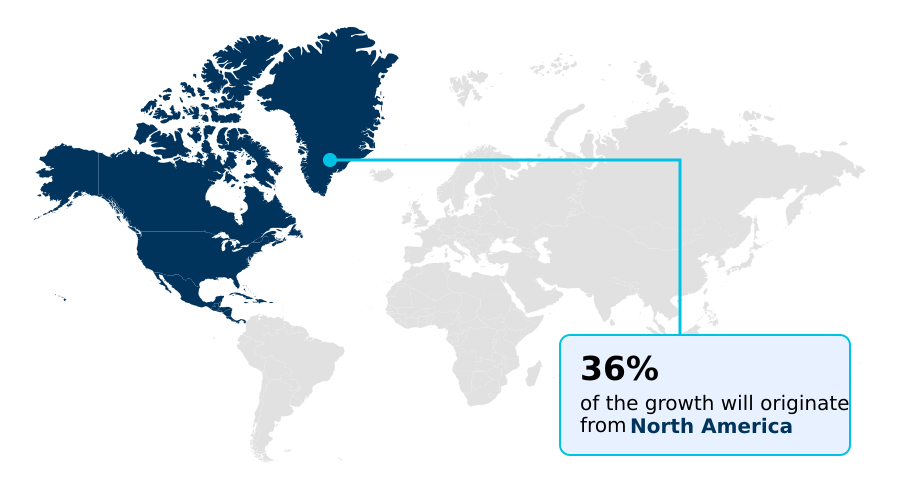
North America is estimated to contribute 36.4% to the growth of the global market during the forecast period.Technavio’s analysts have elaborately explained the regional trends and drivers that shape the market during the forecast period.
See How Massage Equipment Market Demand is Rising in North America Request Free Sample
The geographic landscape of the global massage equipment market 2026-2030 is diverse, with North America and APAC showing the most significant activity.
Firms are allocating nearly 36% of new product development resources to meet North American demand for holistic wellness solutions that address sedentary lifestyle solutions.
In APAC, the focus is on home-based elder care and luxury wellness appliances, driving a 14% regional growth rate. European markets prioritize non-invasive pain management and sports medicine equipment, aligning with stringent regulatory standards for remote firmware updates.
In the Middle East and Africa, demand is bifurcated between high-end, direct-to-consumer wellness products and basic post-workout recovery tools. South America shows growing interest in quality of life enhancement, with a focus on products supporting low-impact exercise recovery.
Market Dynamics
Our researchers analyzed the data with 2025 as the base year, along with the key drivers, trends, and challenges. A holistic analysis of drivers will help companies refine their marketing strategies to gain a competitive advantage.
- Strategic positioning in the market increasingly depends on addressing specific consumer needs through targeted product development. Understanding the nuances between an AI massage chair for back pain and a percussive therapy gun for muscle recovery is crucial for capturing distinct market segments.
- For instance, the demand for the best handheld massager for athletes is driven by performance optimization, while interest in a portable neck massager for travel is about convenience. The technical differences when comparing AI and non-AI massage chairs are significant, particularly in how predictive tension analysis works to deliver customized therapy.
- Businesses must clearly articulate the benefits of lymphatic drainage massagers and the distinctions between TENS units versus percussive massagers. As consumers become more tech-savvy, integrating massage equipment with smart homes is no longer a niche feature.
- The top features in luxury massage chairs, such as zero-gravity chair with heat therapy and smart massage chair with body scanning, set the benchmark for the premium segment. However, the total cost of ownership for massage chairs remains a key consideration for residential buyers.
- Meanwhile, commercial applications like massage equipment for corporate wellness and medical grade massage chair benefits are expanding. Specialized products like a foot massager for circulation improvement, a full body massage mat with shiatsu, an ergonomic massage cushion for an office chair, and compression therapy for leg recovery address targeted pain points, driving incremental growth across the board.
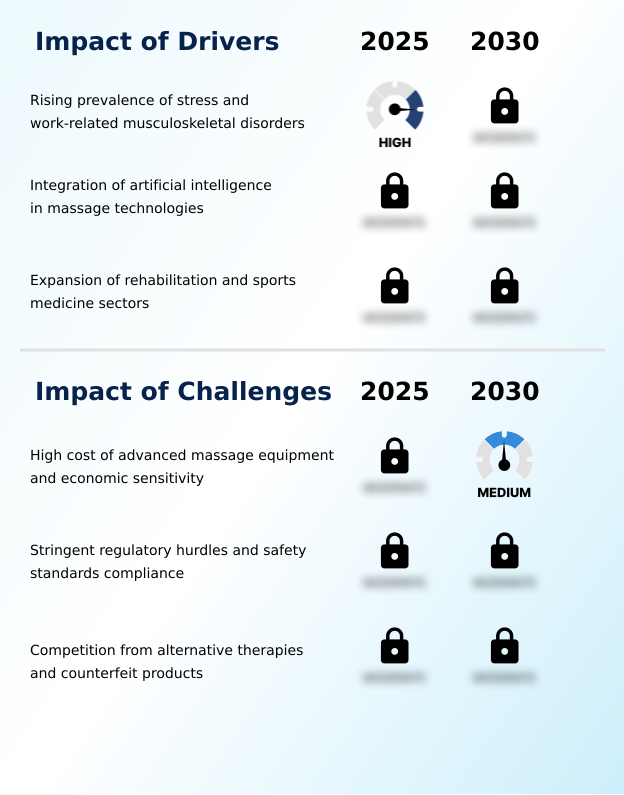
What are the key market drivers leading to the rise in the adoption of Massage Equipment Industry?
- The rising prevalence of stress and work-related musculoskeletal disorders is a key driver fueling the growth of the massage equipment market.
- Market expansion is significantly driven by the increasing need for in-home therapeutic solutions to manage chronic pain management and the effects of sedentary lifestyle solutions.
- The adoption of ergonomic design principles and myofascial release tools is a direct response to rising musculoskeletal disorder aids. This has led to a 25% increase in demand from corporate wellness programs seeking to reduce employee burnout.
- Furthermore, the market for post-operative recovery aids and sports rehabilitation tools is expanding as consumers seek alternatives to traditional medicine.
- The focus on preventative healthcare devices and circulation improvement technology is particularly strong among the aging population, further fueling demand for accessible and effective solutions.
What are the market trends shaping the Massage Equipment Industry?
- The integration of the Internet of Things (IoT) for personalized wellness is emerging as a significant market trend. This development is reshaping user experiences and product capabilities.
- A key trend is the integration of advanced technology to create a hyper-personalized wellness experience. The use of air compression systems and 4D massage rollers is now enhanced by real-time body scanning and haptic feedback technology.
- This shift toward athletic performance optimization is driving product development, with some firms reporting a 15% increase in user engagement for devices offering automated therapy sessions. As a result, IoT-enabled wellness solutions that offer customized massage intensity and integrate with connected health monitoring are becoming standard.
- This allows for guided recovery programs that adapt to user biometrics analysis, addressing a key demand from tech-savvy consumers seeking more than just relaxation from their devices.
What challenges does the Massage Equipment Industry face during its growth?
- The high cost of advanced massage equipment, coupled with economic sensitivity, poses a significant challenge to industry growth.
- A primary market challenge is the competition from alternative therapy integration and the high cost of advanced reflexology foot massagers and cervical traction devices. While automated massage therapy offers convenience, many consumers still prefer manual treatments, impacting adoption rates by up to 20% in certain demographics.
- Furthermore, ensuring compliance for lymphatic drainage devices and lumbar support massagers across different regions creates significant overhead, increasing time-to-market by an average of six months. The market must also contend with the need for sophisticated user-specific massage profiles and remote work ergonomics solutions, which require substantial R&D investment that is difficult to justify in price-sensitive segments.
Exclusive Technavio Analysis on Customer Landscape
The massage equipment market forecasting report includes the adoption lifecycle of the market, covering from the innovator’s stage to the laggard’s stage. It focuses on adoption rates in different regions based on penetration. Furthermore, the massage equipment market report also includes key purchase criteria and drivers of price sensitivity to help companies evaluate and develop their market growth analysis strategies.
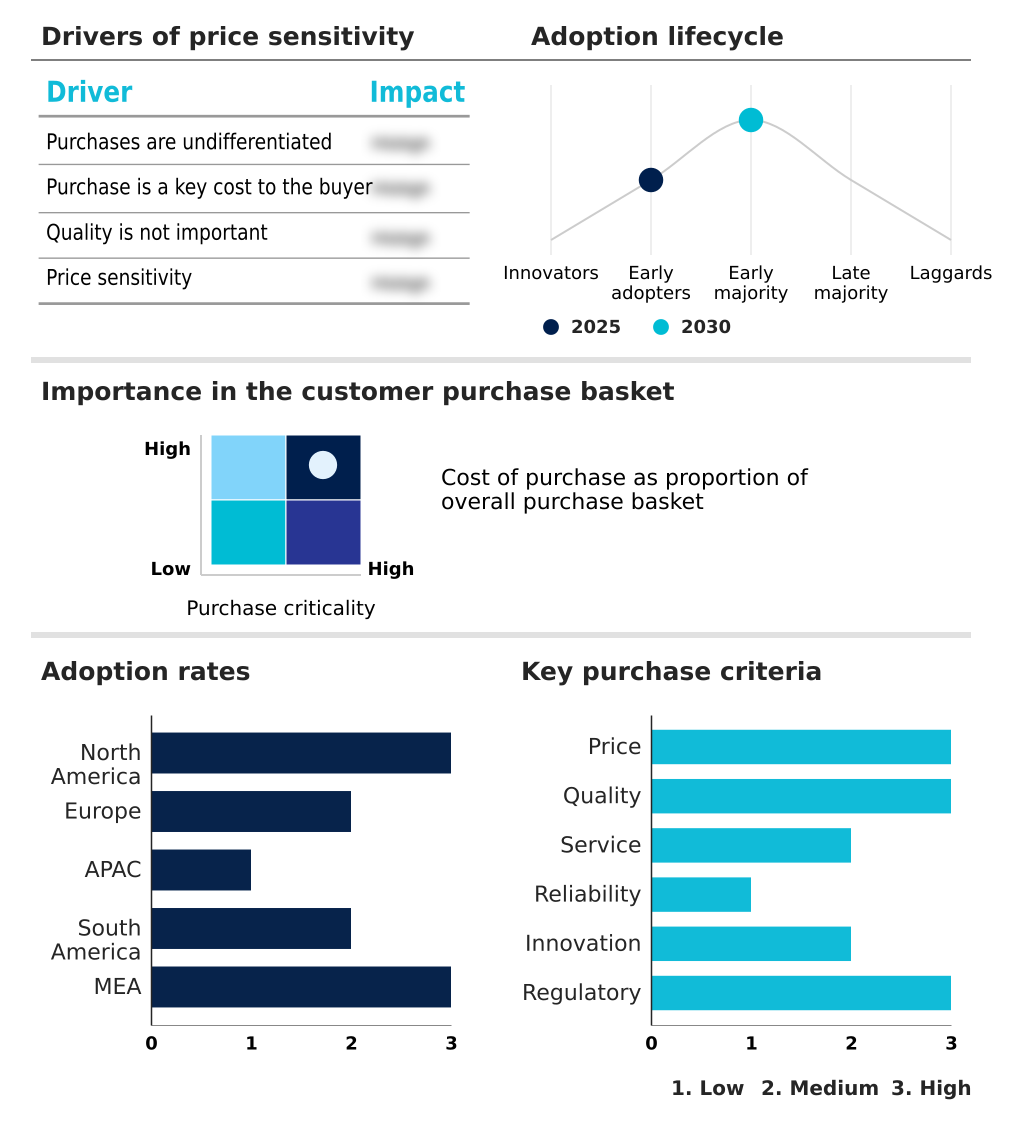
Customer Landscape of Massage Equipment Industry
Competitive Landscape
Companies are implementing various strategies, such as strategic alliances, massage equipment market forecast, partnerships, mergers and acquisitions, geographical expansion, and product/service launches, to enhance their presence in the industry.
Beurer GmbH - The company provides a range of solutions for personal care, including heated massaging seat cushions, footbaths, and other wellness devices.
The industry research and growth report includes detailed analyses of the competitive landscape of the market and information about key companies, including:
- Beurer GmbH
- Bodyfriend Inc.
- Casada International GmbH
- Conair Corp.
- Family Inada Co. Ltd.
- Fujita Massage Chair
- Homedics USA
- Human Touch LLC
- Luraco Technologies
- OMRON Corp.
- OSIM International Pte. Ltd.
- Panasonic Holdings Corp.
- Prospera Corp.
- Relaxonchair
- RoboTouch
- Thumper Massager Inc.
- Wahl Clipper Corp.
- WelbuTech Co. Ltd.
- Xiaomi Inc.
Qualitative and quantitative analysis of companies has been conducted to help clients understand the wider business environment as well as the strengths and weaknesses of key industry players. Data is qualitatively analyzed to categorize companies as pure play, category-focused, industry-focused, and diversified; it is quantitatively analyzed to categorize companies as dominant, leading, strong, tentative, and weak.
Recent Development and News in Massage equipment market
- In February 2025, Ogawa Smart Healthcare Technology announced the launch of a new flagship massage chair featuring advanced biometric feedback sensors designed to adjust massage intensity in real-time based on the user's muscle tension levels.
- In March 2025, Human Touch LLC announced the launch of a new biometric-sensing massage chair capable of adapting pressure intensity based on user muscle tension data, marking a significant advancement in personalized home therapy.
- In April 2025, Ogawa World Berhad announced a new line of smart massage chairs featuring predictive tension analysis, representing a significant advancement in automated and personalized care.
- In April 2025, Therabody introduced a breakthrough in battery efficiency for its commercial line, extending the operational life of its high-powered percussive therapy devices by forty percent.
Dive into Technavio’s robust research methodology, blending expert interviews, extensive data synthesis, and validated models for unparalleled Massage Equipment Market insights. See full methodology.
| Market Scope | |
|---|---|
| Page number | 293 |
| Base year | 2025 |
| Historic period | 2020-2024 |
| Forecast period | 2026-2030 |
| Growth momentum & CAGR | Accelerate at a CAGR of 12% |
| Market growth 2026-2030 | USD 26659.7 million |
| Market structure | Fragmented |
| YoY growth 2025-2026(%) | 10.8% |
| Key countries | US, Canada, Mexico, Germany, UK, France, Italy, The Netherlands, Spain, China, India, Japan, South Korea, Australia, Indonesia, Brazil, Argentina, Colombia, Saudi Arabia, UAE, South Africa, Israel and Turkey |
| Competitive landscape | Leading Companies, Market Positioning of Companies, Competitive Strategies, and Industry Risks |
Research Analyst Overview
- The massage equipment market is characterized by rapid technological convergence, compelling boardroom-level strategic shifts in R&D budgeting. The market’s 10.8% year-over-year expansion is not merely a sign of growth but a reflection of a fundamental change in consumer behavior toward proactive health management. The integration of AI-driven massage and IoT-enabled wellness into devices is now a primary focus.
- Advanced therapeutic massage equipment utilizes technologies like transcutaneous electrical nerve stimulation (TENS) and electrical muscle stimulation (EMS) alongside mechanical systems such as 4D massage rollers and air compression systems. Innovations in percussive therapy devices and cordless handheld massagers are making muscle recovery tools more accessible.
- High-end zero-gravity recliners now incorporate biometric feedback sensors for real-time body scanning and predictive tension analysis, creating user-specific massage profiles. This move toward holistic wellness solutions is supported by features like infrared heat therapy, voice command integration, and haptic feedback technology.
- For decision-makers, the challenge lies in navigating the complexities of developing sports medicine equipment and non-invasive pain management solutions, including cervical traction devices and lumbar support massagers, while ensuring seamless smart home ecosystem connectivity and providing remote firmware updates.
- The use of advanced materials like bio-based polyurethane upholstery and the development of energy-efficient motors are also becoming critical differentiators for post-workout recovery and reflexology foot massagers.
What are the Key Data Covered in this Massage Equipment Market Research and Growth Report?
-
What is the expected growth of the Massage Equipment Market between 2026 and 2030?
-
USD 26.66 billion, at a CAGR of 12%
-
-
What segmentation does the market report cover?
-
The report is segmented by Product (Massage chairs and sofas, Back massagers, Handheld massagers, Neck and shoulder massagers, and Others), End-user (Commercial, and Residential), Type (Electric massage equipment, and Non-electric massage equipment) and Geography (North America, Europe, APAC, South America, Middle East and Africa)
-
-
Which regions are analyzed in the report?
-
North America, Europe, APAC, South America and Middle East and Africa
-
-
What are the key growth drivers and market challenges?
-
Rising prevalence of stress and work-related musculoskeletal disorders, High cost of advanced massage equipment and economic sensitivity
-
-
Who are the major players in the Massage Equipment Market?
-
Beurer GmbH, Bodyfriend Inc., Casada International GmbH, Conair Corp., Family Inada Co. Ltd., Fujita Massage Chair, Homedics USA, Human Touch LLC, Luraco Technologies, OMRON Corp., OSIM International Pte. Ltd., Panasonic Holdings Corp., Prospera Corp., Relaxonchair, RoboTouch, Thumper Massager Inc., Wahl Clipper Corp., WelbuTech Co. Ltd. and Xiaomi Inc.
-
Market Research Insights
- The market dynamics are shaped by a blend of consumer demand for a personalized wellness experience and technological advancement. Buyers show low sensitivity to quality trade-offs in lower-end segments, but price sensitivity remains a neutral factor, influencing purchasing decisions by less than 5% compared to feature availability.
- The adoption of smart recovery devices is a key indicator, with a 15% increase in attachment rates for connected health monitoring apps. This trend toward automated therapy sessions and guided recovery programs is compelling manufacturers to invest in developing a frictionless user interface.
- As remote work ergonomics become a priority, sales of furniture-integrated massagers are outpacing traditional models by nearly two to one in urban markets, reflecting a focus on quality of life enhancement and self-care technology.
We can help! Our analysts can customize this massage equipment market research report to meet your requirements.