



Manga Market Size 2025-2029
The manga market size is forecast to increase by USD 28.15 billion, at a CAGR of 22.7% between 2024 and 2029.
- The market is experiencing significant growth, driven by the expanding e-commerce industry and the increasing adoption of anime in manga. The e-commerce sector's surge provides a lucrative platform for manga sales, enabling easy access to a vast audience worldwide. Furthermore, the integration of anime into manga has broadened its appeal, attracting a more diverse fanbase and increasing market reach. However, this burgeoning market faces challenges. The rise of manga piracy poses a substantial threat, with unauthorized distribution undermining the value of creators' intellectual property and potentially discouraging new entrants into the industry.
- As the market evolves, companies must navigate these challenges and capitalize on opportunities to maintain a competitive edge. Strategies such as strengthening digital security measures, collaborating with e-commerce platforms, and engaging with fans through legal channels can help mitigate piracy and foster a thriving manga ecosystem.
What will be the Size of the Manga Market during the forecast period?
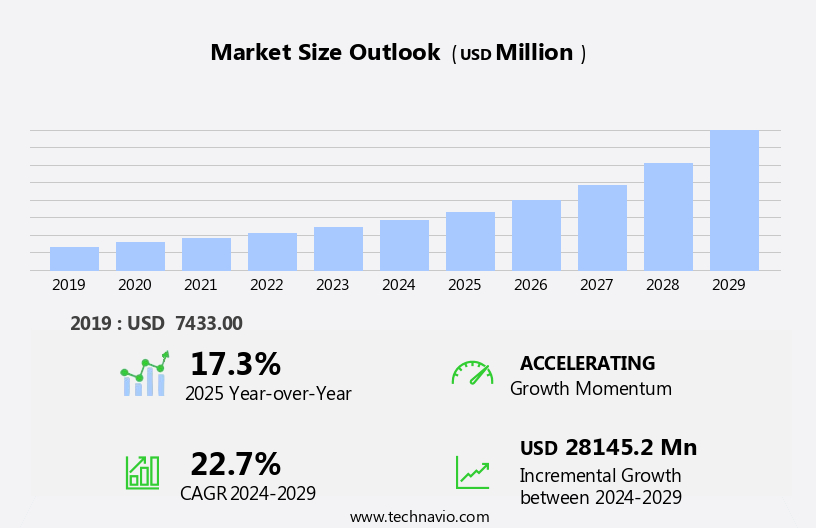
Explore in-depth regional segment analysis with market size data - historical 2019-2023 and forecasts 2025-2029 - in the full report.
Request Free Sample
The market continues to evolve, with various sectors experiencing dynamic shifts. School manga, for instance, adapts to educational trends, while psychological manga explores complex human emotions. Manga editors and artists collaborate to create drama manga, which resonates with readers seeking engaging narratives. Critics provide insightful analysis, fostering a rich manga culture. Autobiographical manga offers personal perspectives, comedy manga brings laughter, and fantasy manga transports readers to imaginative worlds. Character design is a crucial aspect, reflecting the unique style of each genre. Sales figures fluctuate, influenced by circulation and reader demographics. BL manga caters to specific audiences, educational manga supports learning, and mystery manga keeps readers guessing.
Manga publishing houses adapt to digital trends, translation services expand reach, and libraries preserve manga history. Shonen manga, shoujo manga, and seinen manga cater to distinct age groups and preferences. Manga techniques, from binding to lettering, evolve with technology. Digital manga art and traditional manga art coexist, while manga paper choices impact the final product. Anime and live-action adaptations expand manga's reach, and anthology manga showcases diverse voices. Manga fandom thrives on community engagement, distribution channels adapt to consumer demands, and manga conventions celebrate the art form. Manga research sheds light on genre trends and demographics, while manga licensing opens doors to new markets.
Manga storytelling continues to captivate audiences, transcending language and cultural barriers.
How is this Manga Industry segmented?
The manga industry research report provides comprehensive data (region-wise segment analysis), with forecasts and estimates in "USD million" for the period 2025-2029, as well as historical data from 2019-2023 for the following segments.
- Genre
- Action and adventure
- Sci-fi and fantasy
- Sports
- Romance and drama
- Others
- Distribution Channel
- Online
- Offline
- Content Type
- Printed
- Digital
- Audience
- Children & Kids (Aged below 10 years)
- Teenagers (Aged between 10 to 16 years)
- Adults (Aged above 16 years)
- Gender
- Male (Shonen)
- Female (Shojo)
- Seinen
- Josei
- Geography
- North America
- US
- Canada
- Europe
- France
- Germany
- Italy
- UK
- Middle East and Africa
- Egypt
- KSA
- Oman
- UAE
- APAC
- China
- India
- Japan
- South America
- Argentina
- Brazil
- Rest of World (ROW)
- North America
By Genre Insights
The action and adventure segment is estimated to witness significant growth during the forecast period.
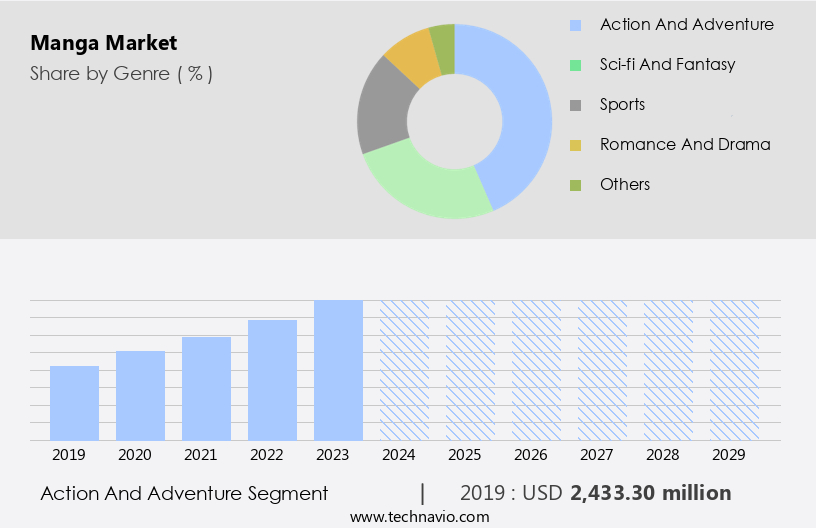
The Action and adventure segment was valued at USD 2.43 billion in 2019 and showed a gradual increase during the forecast period.
Regional Analysis
APAC is estimated to contribute 79% to the growth of the global market during the forecast period.Technavio's analysts have elaborately explained the regional trends and drivers that shape the market during the forecast period.
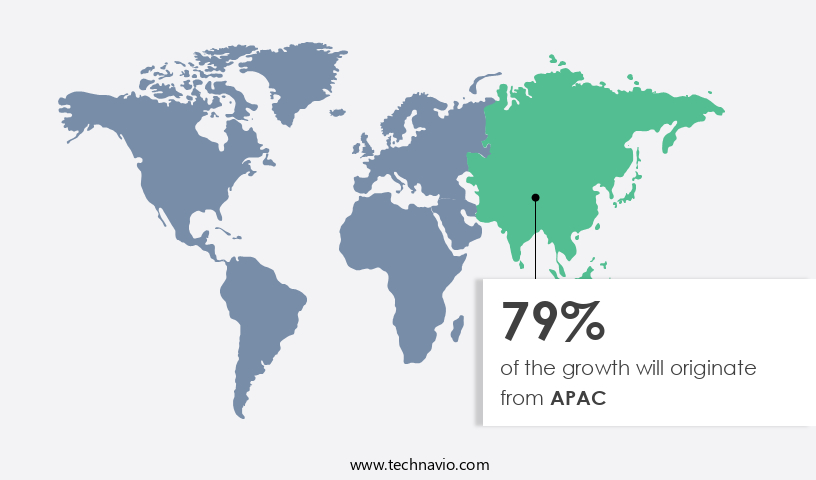
The market in the Asia Pacific (APAC) region is experiencing significant growth, accounting for the largest share in the global manga industry in 2024. This expansion is driven by the increasing demand for manga and its anime adaptations, which have gained popularity both regionally and internationally. Japanese manga, in particular, has seen a surge in interest, with anime versions streaming on various platforms elevating its profile. The primary revenue source in the APAC the market stems from the production and consumption of anime manga. Various genres, including school, psychological, drama, autobiographical, comedy, fantasy, mystery, and romance, cater to diverse manga readership.
Manga editors, artists, and publishers collaborate to create captivating stories, while manga criticism and fan communities contribute to the market's vibrant culture. Manga techniques, such as character design, lettering, and composition, are essential aspects of manga creation. Digital and traditional art forms coexist, with digital manga gaining traction due to its accessibility and convenience. Manga distribution channels, including libraries, retailers, and conventions, ensure the circulation of manga content. Manga genres span a wide range, from action and adventure to mecha, sci-fi, and historical. Awards and recognition, such as manga awards, further boost the industry's growth. Despite challenges like piracy, the market continues to evolve, with innovations in printing, binding, and coloring techniques.
Overall, the APAC the market's growth is fueled by its rich diversity, creative expression, and the enduring appeal of manga storytelling.
Market Dynamics
Our researchers analyzed the data with 2024 as the base year, along with the key drivers, trends, and challenges. A holistic analysis of drivers will help companies refine their marketing strategies to gain a competitive advantage.
The global manga market is experiencing robust manga market growth, significantly influenced by dynamic manga market trends. While printed manga volumes remain popular, the surge in digital manga consumption through online manga readers is undeniable, fueled by convenient subscription based manga services. The expanding manga market size is often bolstered by successful anime adaptations manga, which introduce new audiences to various manga genres.
Leading manga publishers are actively engaging manga fan communities, recognizing their crucial role. The widespread availability of translated manga has been instrumental in expanding the market beyond Japan, as seen in diverse manga applications. Key regions like the Asia-Pacific manga market continue to be central. Technological advancements within manga technologies are fostering innovation, further strengthening the reach and impact of cross-media franchises manga.
What are the key market drivers leading to the rise in the adoption of Manga Industry?
- The e-commerce sector's robust growth serves as the primary catalyst for market expansion.
- The market has experienced significant growth due to the expanding reach of online retailers and the adoption of e-commerce platforms by traditional brick-and-mortar stores. This development has facilitated increased access to manga for consumers in various regions and demographics, including those who prefer digital formats. Some popular e-commerce platforms, such as Amazon, Flipkart, and the Alibaba Group, offer a wide range of manga titles and provide convenient payment options, prompt delivery, and hassle-free return policies. Moreover, the growth of the market has enabled publishers and licensors to adopt the direct-to-retail model, eliminating the need for intermediaries.
- This approach has streamlined the distribution process and reduced costs, making manga more affordable for consumers. Manga covers a diverse range of genres, including biographical, historical, superhero, adventure, horror, dark fantasy, supernatural, and GL. Inking techniques, manga coloring, and adaptation into anime and live-action films have further expanded the reach and appeal of manga. Despite challenges such as piracy, the market continues to thrive due to its immersive storytelling and harmonious blend of art and expression. Manga magazines and conventions also contribute to the market's growth by providing a platform for creators to showcase their work and engage with fans.
What are the market trends shaping the Manga Industry?
- The growing preference for anime adaptations in manga represents a significant market trend. This trend reflects the increasing demand for animated versions of popular manga series.
- Manga and anime share a reciprocal connection, fueling each other's growth in the global market. Anime adaptations act as effective marketing tools for the original manga, captivating audiences and expanding the readership. The visual and immersive experience of anime often piques viewers' interest in the source material, leading to increased manga sales. Diverse genres such as psychological, drama, comedy, fantasy, mystery, and educational manga cater to various demographics, broadening the manga readership. Manga characters' intricate design and development add to their appeal, making them relatable and engaging. Manga editors and artists play crucial roles in creating compelling narratives and visually stunning artwork, contributing to the medium's growth.
- Manga criticism and translation facilitate the global circulation of manga, allowing readers from diverse cultures to appreciate the art form. Manga libraries and publishers play a significant role in preserving and promoting the manga culture, ensuring its continued relevance and success. The symbiotic relationship between manga and anime fosters a harmonious and thriving industry, attracting a vast and dedicated fan base.
What challenges does the Manga Industry face during its growth?
- The escalating issue of manga piracy poses a significant challenge to the growth and sustainability of the manga industry.
- The Japanese comic industry, encompassing genres such as shonen manga, shoujo manga, sports manga, action manga, and anthology manga, has faced significant challenges due to copyright infringement and piracy. With the proliferation of the Internet, unauthorized file sharing and downloading have become rampant, leading to substantial revenue losses for publishers. In 2023, the industry reportedly experienced a loss of approximately USD12 billion. Various factors contribute to eBook piracy, including the ease of Internet access and the availability of downloading tools. The legal framework and remedies have struggled to keep pace with technological advancements, leaving publishers to explore alternative solutions.
- Manga binding, manga printing, and manga lettering continue to be essential aspects of the industry, with digital manga art and traditional manga art coexisting to cater to diverse fan communities. The manga perspective, manga backgrounds, and anime adaptation remain integral to the manga experience, with live-action adaptations also gaining popularity. The manga fandom, characterized by its immersive and harmonious nature, remains a significant driving force behind the industry's growth.
Exclusive Customer Landscape
The manga market forecasting report includes the adoption lifecycle of the market, covering from the innovator's stage to the laggard's stage. It focuses on adoption rates in different regions based on penetration. Furthermore, the manga market report also includes key purchase criteria and drivers of price sensitivity to help companies evaluate and develop their market growth analysis strategies.
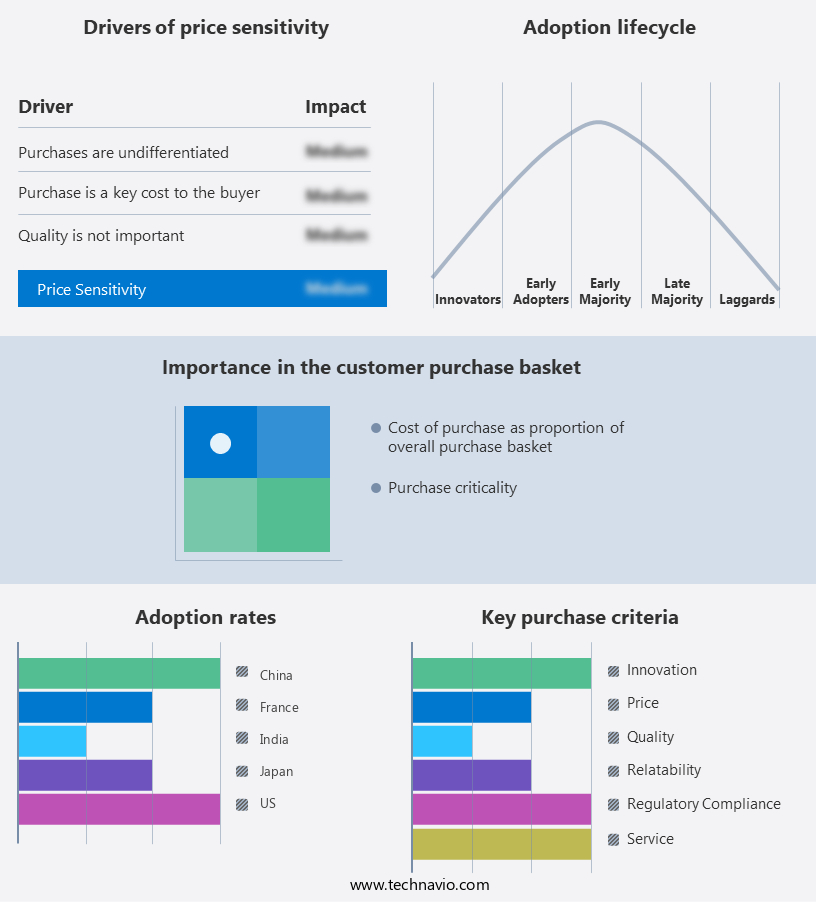
Customer Landscape
Key Companies & Market Insights
Companies are implementing various strategies, such as strategic alliances, manga market forecast, partnerships, mergers and acquisitions, geographical expansion, and product/service launches, to enhance their presence in the industry.
Akita Shoten - This company specializes in providing manga services, encompassing both comic and book formats.
The industry research and growth report includes detailed analyses of the competitive landscape of the market and information about key companies, including:
- Akita Shoten
- Bilibili Comics
- Bungeishunju Ltd.
- Dark Horse Comics
- DMG Entertainment
- Futubasha Publishers Ltd.
- Good Smile Company, Inc.
- Houbunsha
- IDW Publishing
- Kadokawa Corporation
- Kodansha Ltd.
- Nihon Bungeisha Co.
- Seven Seas Entertainment
- Shogakukan Inc.
- Shueisha Inc.
- TOKYOPOP
- Tuttle Publishing
- Vertical, Inc.
- VIZ Media LLC
- Yen Press
Qualitative and quantitative analysis of companies has been conducted to help clients understand the wider business environment as well as the strengths and weaknesses of key industry players. Data is qualitatively analyzed to categorize companies as pure play, category-focused, industry-focused, and diversified; it is quantitatively analyzed to categorize companies as dominant, leading, strong, tentative, and weak.
Recent Development and News in Manga Market
- In January 2024, Kodansha, a leading Japanese manga publisher, announced the launch of its digital manga subscription service, Kodansha Comics Global, in partnership with Comixology, an Amazon company. This collaboration aimed to expand Kodansha's reach beyond Japan, targeting international audiences (Anime News Network, 2024).
- In March 2024, Shueisha, another major manga publisher, revealed a strategic partnership with Netflix to produce original anime series based on its popular manga titles, such as "Jujutsu Kaisen" and "One Piece" (Variety, 2024).
- In May 2024, Shogakukan, the oldest and largest manga publisher in Japan, secured a significant investment of 10 billion yen (USD87 million USD) from Sony Group Corporation to strengthen its digital business and global expansion efforts (Nikkei Asia, 2024).
- In February 2025, Viz Media, a prominent American manga publisher, acquired Cinebooks, a European manga and graphic novel publisher, to expand its European presence and catalog (The Hollywood Reporter, 2025).
Research Analyst Overview
- The manga intellectual property market continues to evolve, with creators utilizing manga creation software to produce captivating content. Manga covers serve as essential marketing tools, attracting audiences to engage with manga series and volumes. Online communities foster discussions and fan clubs, driving audience participation and loyalty. Industry trends include manga promotions through streaming services and review sites on digital publishing platforms. Manga art styles vary, reflecting unique story arcs and themes. Censorship remains a topic of debate, influencing distribution channels and merchandise offerings. Translation tools facilitate global market expansion, while subscriptions and adaptations (film) broaden reach.
- Manga distribution channels extend to manga cafes and e-books. Marketing strategies leverage manga's popularity, with manga-themed events and apps enhancing fan experiences. Copyright protection remains crucial, ensuring fair compensation for creators. Manga story arcs and chapters release in volumes, fueling anticipation and demand. The manga industry adapts to digital trends while preserving its rich cultural heritage.
Dive into Technavio's robust research methodology, blending expert interviews, extensive data synthesis, and validated models for unparalleled Manga Market insights. See full methodology.
|
Market Scope |
|
|
Report Coverage |
Details |
|
Page number |
190 |
|
Base year |
2024 |
|
Historic period |
2019-2023 |
|
Forecast period |
2025-2029 |
|
Growth momentum & CAGR |
Accelerate at a CAGR of 22.7% |
|
Market growth 2025-2029 |
USD 28145.2 million |
|
Market structure |
Fragmented |
|
YoY growth 2024-2025(%) |
17.3 |
|
Key countries |
US, Canada, Germany, UK, Italy, France, China, India, Japan, Brazil, Egypt, UAE, Oman, Argentina, KSA, UAE, Brazil, and Rest of World (ROW) |
|
Competitive landscape |
Leading Companies, Market Positioning of Companies, Competitive Strategies, and Industry Risks |
What are the Key Data Covered in this Manga Market Research and Growth Report?
- CAGR of the Manga industry during the forecast period
- Detailed information on factors that will drive the growth and forecasting between 2025 and 2029
- Precise estimation of the size of the market and its contribution of the industry in focus to the parent market
- Accurate predictions about upcoming growth and trends and changes in consumer behaviour
- Growth of the market across APAC, Europe, North America, South America, and Middle East and Africa
- Thorough analysis of the market's competitive landscape and detailed information about companies
- Comprehensive analysis of factors that will challenge the manga market growth of industry companies
We can help! Our analysts can customize this manga market research report to meet your requirements.
 RIA -
RIA -