


Long Duration Energy Storage (LDES) Market Size 2026-2030
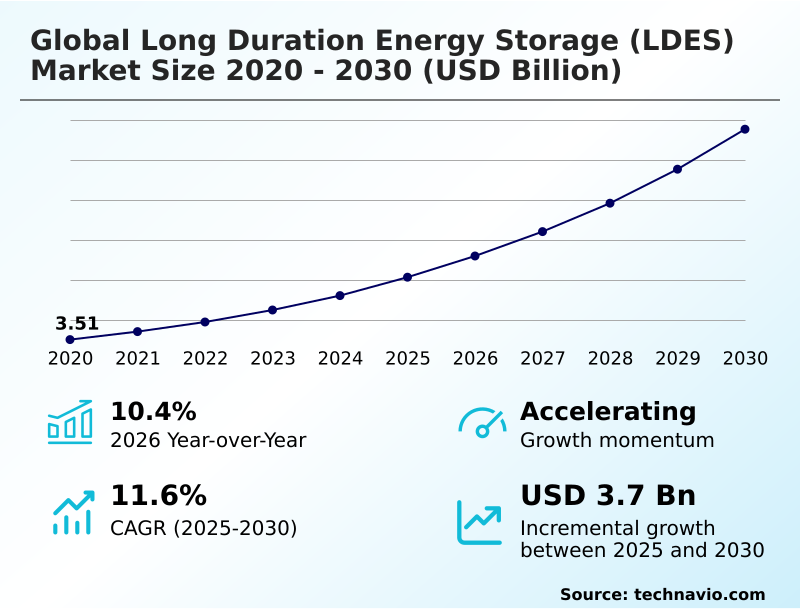
The long duration energy storage (ldes) market size is valued to increase by USD 3.70 billion, at a CAGR of 11.6% from 2025 to 2030. Increasing integration of intermittent renewable energy sources will drive the long duration energy storage (ldes) market.
Major Market Trends & Insights
- APAC dominated the market and accounted for a 34.9% growth during the forecast period.
- By Technology - Mechanical storage segment was valued at USD 1.82 billion in 2024
- By Capacity - Up to 50 MW segment accounted for the largest market revenue share in 2024
Market Size & Forecast
- Market Opportunities: USD 5.26 billion
- Market Future Opportunities: USD 3.70 billion
- CAGR from 2025 to 2030 : 11.6%
Market Summary
- The Long Duration Energy Storage (LDES) Market is foundational to the global energy transition, addressing the core challenge of renewable energy intermittency. As power grids decarbonize, the need for systems that can store and dispatch energy for ten hours or more becomes critical for maintaining stability and reliability.
- Key drivers include aggressive government mandates for net-zero emissions and significant advancements in alternative storage technologies beyond lithium-ion, such as vanadium redox flow battery and iron-air battery technology. Trends like the integration of AI for asset optimization and the rise of corporate power purchase agreements for continuous clean energy are shaping deployment strategies.
- For instance, a utility can leverage LDES to defer transmission line upgrades that would otherwise cost billions, using stored energy to manage peak loads and grid congestion instead. However, the market faces hurdles, including the high initial capital expenditure for emerging technologies and the lack of standardized regulatory frameworks, which can delay project financing and commercialization.
What will be the Size of the Long Duration Energy Storage (LDES) Market during the forecast period?
Get Key Insights on Market Forecast (PDF) Request Free Sample
How is the Long Duration Energy Storage (LDES) Market Segmented?
The long duration energy storage (ldes) industry research report provides comprehensive data (region-wise segment analysis), with forecasts and estimates in "USD million" for the period 2026-2030, as well as historical data from 2020-2024 for the following segments.
- Technology
- Mechanical storage
- Electromechanical storage
- Thermal storage
- Chemical storage
- Capacity
- Up to 50 MW
- 50 to 100 MW
- More than 100 MW
- Application
- Renewable energy integration
- Grid management
- Power backup
- Off grid and microgrid systems
- Geography
- North America
- US
- Canada
- Mexico
- APAC
- China
- India
- Japan
- Europe
- Germany
- UK
- France
- Middle East and Africa
- Saudi Arabia
- UAE
- South Africa
- South America
- Brazil
- Argentina
- Colombia
- Rest of World (ROW)
- North America
By Technology Insights
The mechanical storage segment is estimated to witness significant growth during the forecast period.
The global long duration energy storage (LDES) market is segmented by technology, capacity, application, and geography, including North America, APAC, Europe, the Middle East and Africa, and South America.
The market for mechanical storage solutions relies on established and large-scale technologies. This segment includes pumped hydro storage, compressed air energy storage (caes), and gravity-based systems.
Pumped hydro is the most prevalent form of energy storage globally, valued for its large capacity and long discharge times, with some systems offering a round trip efficiency over 80%. However, its deployment is limited by geographical and environmental factors.
Compressed air energy storage offers an alternative by using surplus electricity to compress air into underground formations, while gravity-based storage uses surplus power to lift heavy objects, converting kinetic energy back into electricity when needed.
These technologies provide crucial frequency regulation for modern electrical grids.
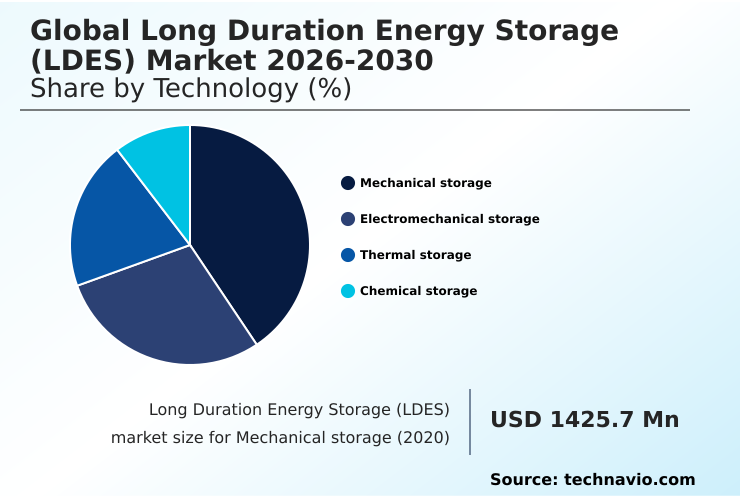
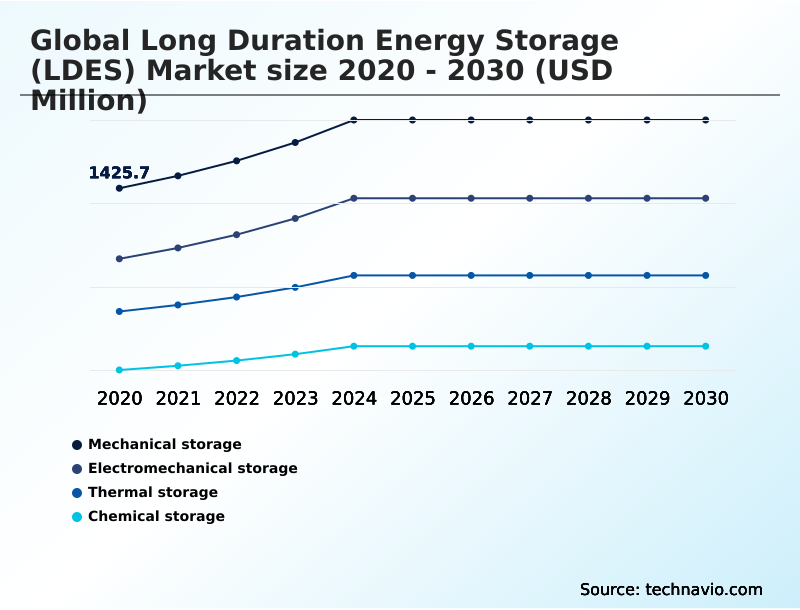
The Mechanical storage segment was valued at USD 1.82 billion in 2024 and showed a gradual increase during the forecast period.
Regional Analysis
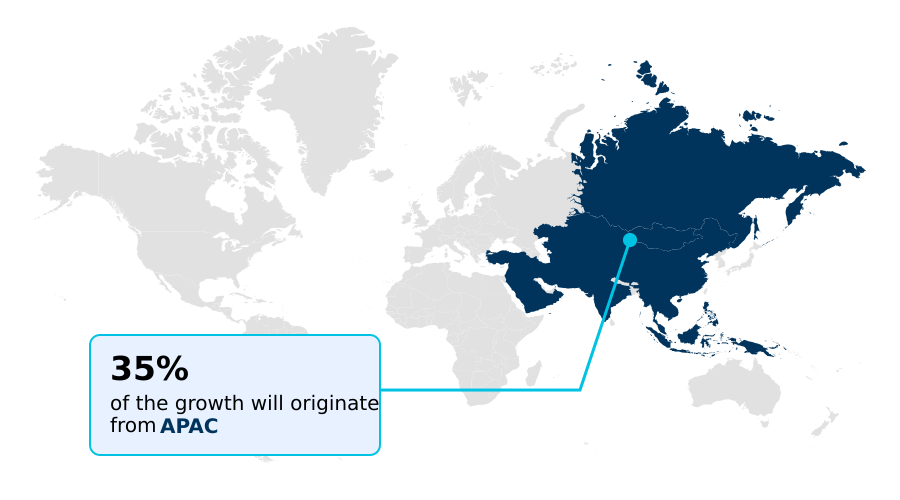
APAC is estimated to contribute 34.9% to the growth of the global market during the forecast period.Technavio’s analysts have elaborately explained the regional trends and drivers that shape the market during the forecast period.
See How Long Duration Energy Storage (LDES) Market Demand is Rising in APAC Request Free Sample
The global long duration energy storage (LDES) market landscape is led by APAC, which is set to contribute approximately 35% of the market's incremental growth.
This expansion is driven by massive renewable energy deployments in nations like China and India, necessitating grid stabilization technologies.
North America follows, with federal incentives promoting the adoption of advanced flow batteries and compressed air energy storage to enhance grid resilience against extreme weather.
In Europe, the focus on energy independence is accelerating the deployment of liquid air energy storage and green hydrogen storage systems to manage the intermittency of offshore wind.
The implementation of advanced asset optimization software has been shown to improve grid efficiency by over 12%. This makes grid-scale energy shifting and renewable energy integration more viable across all regions.
Market Dynamics
Our researchers analyzed the data with 2025 as the base year, along with the key drivers, trends, and challenges. A holistic analysis of drivers will help companies refine their marketing strategies to gain a competitive advantage.
- Achieving deep decarbonization of global power systems is contingent on mastering long-duration energy storage. The focus is now on developing utility-scale grid balancing solutions that can provide multi-day energy dispatch capability. This requires a portfolio of technologies, from mechanical systems designed for bulk energy shifting to advanced chemical storage for seasonal energy storage mechanisms.
- Innovations in decarbonizing industrial heat processes are being driven by thermal technologies that can replace fossil fuels. For off-grid power resilience in remote locations, robust and long-lasting storage is essential. As the industry matures, the ability to provide firm power capacity for renewables becomes a key differentiator, moving beyond simple energy arbitrage.
- The integration of advanced asset optimization software is critical for maximizing returns, with some systems demonstrating an ability to lower operational expenditures by over 12% compared to manual dispatch. Success hinges on creating cost-effective multi-day storage technologies that can be deployed at a massive scale to support a fully renewable grid.
What are the key market drivers leading to the rise in the adoption of Long Duration Energy Storage (LDES) Industry?
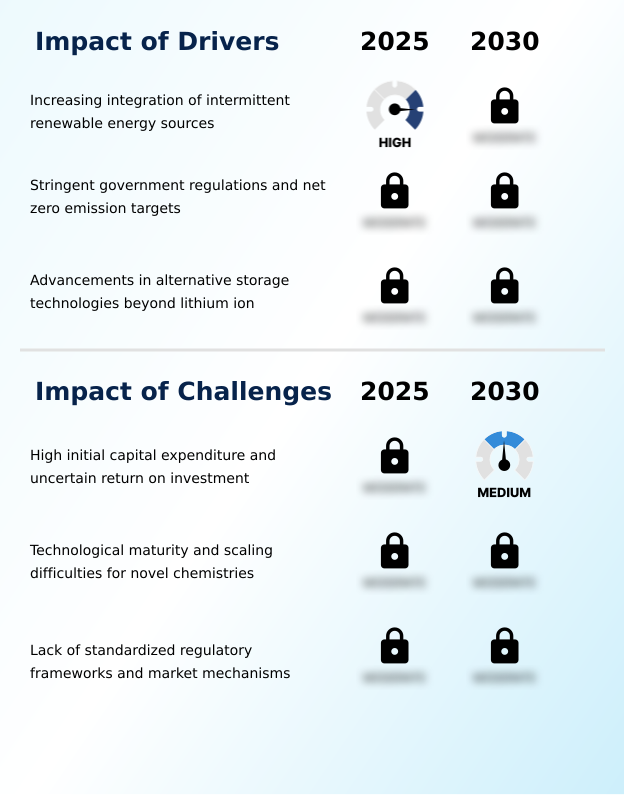
- The increasing integration of intermittent renewable energy sources stands as a key driver for market growth.
- The primary driver for the long duration energy storage (LDES) market is the critical need for renewable energy integration to ensure a continuous power supply.
- As nations expand solar and wind capacity, LDES systems that provide multi-day or seasonal energy storage capabilities are essential to prevent grid curtailment.
- Government regulations and net-zero emission targets provide strong policy support, while advancements in alternative technologies beyond lithium-ion, such as those enabling ancillary service markets, offer new revenue streams.
- The imperative to maintain baseload power without fossil fuels is accelerating investment in these solutions, which have demonstrated the ability to reduce renewable energy curtailment by up to 40% in some regions, fundamentally altering grid management and accelerating decarbonization.
What are the market trends shaping the Long Duration Energy Storage (LDES) Industry?
- The emergence of novel financing structures and Energy as a Service frameworks represents a significant upcoming market trend. These models are pivotal in accelerating the deployment of large-scale projects.
- Key trends shaping the long duration energy storage (LDES) market include the adoption of novel financing structures and the integration of artificial intelligence for asset management. Energy as a Service (EaaS) models are reducing the barrier of high initial capital costs, allowing industrial clients to access reliable power without massive upfront investment.
- This approach has accelerated deployment in data centers and manufacturing, improving operational uptime by over 99.9%. Concurrently, AI-driven predictive analytics are optimizing charge and discharge cycles for energy arbitrage, which has been shown to increase revenue from wholesale market participation by up to 20%.
- The use of intelligent software for governing asset dispatch, including power-to-gas conversion, is becoming standard for maximizing grid stabilization services.
What challenges does the Long Duration Energy Storage (LDES) Industry face during its growth?
- High initial capital expenditure coupled with an uncertain return on investment presents a key challenge affecting industry growth.
- Significant challenges in the long duration energy storage (LDES) market stem from high initial capital expenditure and technological scaling difficulties. Many novel chemistries, despite their potential, are at a low technological readiness level, and scaling from pilot to commercial projects often reveals unforeseen complications. The lack of standardized regulatory frameworks and market mechanisms further complicates deployment.
- For example, inconsistent grid interconnection rules can extend project timelines by up to 35%, while current market structures often fail to compensate storage for the full value of the grid services provided. These financial and regulatory hurdles can make securing low-cost debt financing difficult, with initial project costs sometimes running 50% higher than for conventional power assets.
Exclusive Technavio Analysis on Customer Landscape
The long duration energy storage (ldes) market forecasting report includes the adoption lifecycle of the market, covering from the innovator’s stage to the laggard’s stage. It focuses on adoption rates in different regions based on penetration. Furthermore, the long duration energy storage (ldes) market report also includes key purchase criteria and drivers of price sensitivity to help companies evaluate and develop their market growth analysis strategies.
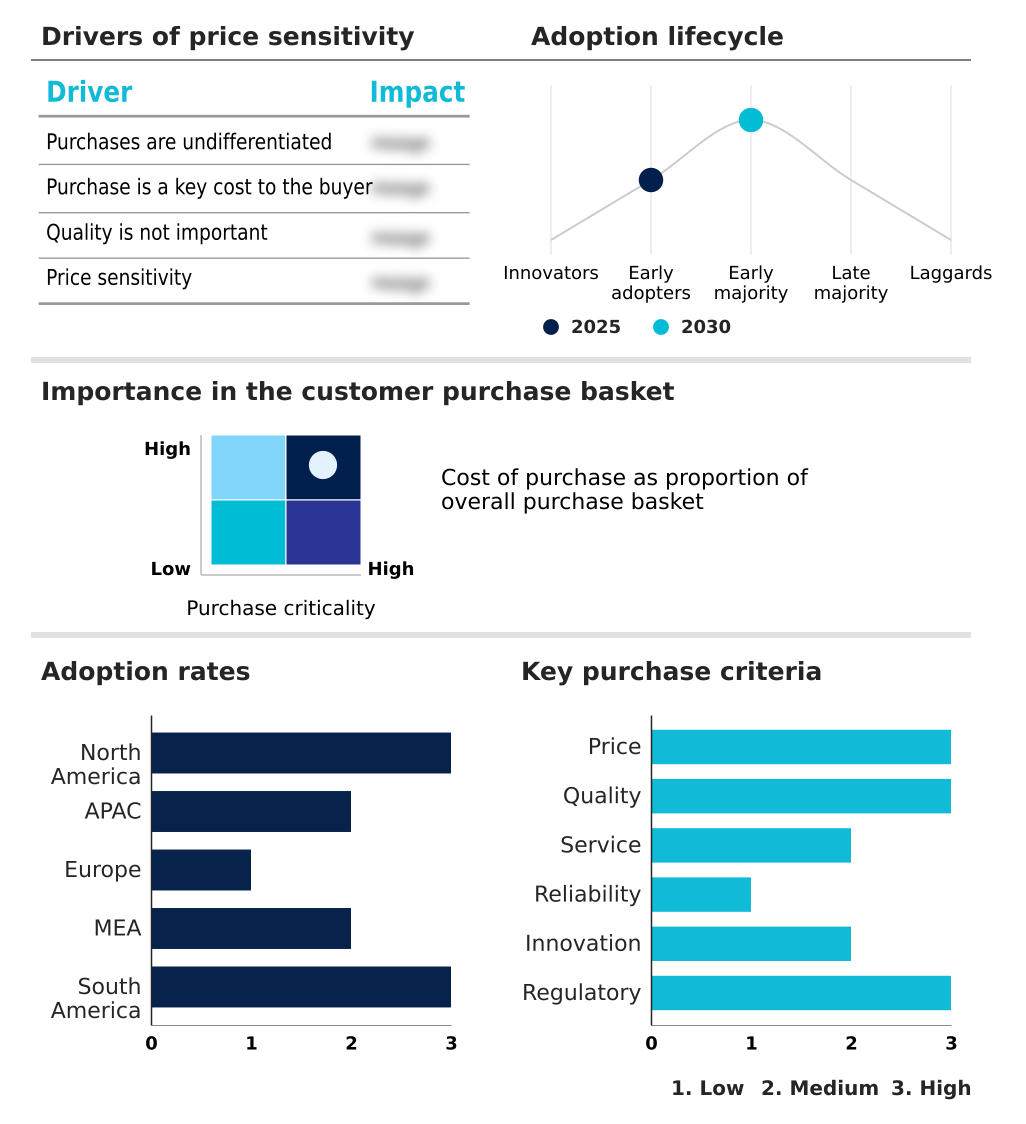
Customer Landscape of Long Duration Energy Storage (LDES) Industry
Competitive Landscape
Companies are implementing various strategies, such as strategic alliances, long duration energy storage (ldes) market forecast, partnerships, mergers and acquisitions, geographical expansion, and product/service launches, to enhance their presence in the industry.
Ambri Incorporated - Offering low-cost, degradation-free long-duration storage via high-temperature liquid metal battery technology for grid-scale applications.
The industry research and growth report includes detailed analyses of the competitive landscape of the market and information about key companies, including:
- Ambri Incorporated
- Antora Energy
- CellCube Energy Storage GmbH
- CMBlu Energy AG
- ENERGY DOME S.p.A
- Energy Vault Holdings Inc.
- ESS Tech Inc.
- e-Zinc Inc
- Form Energy
- Highview Enterprises Ltd
- Hydrostor
- Invinity Energy Systems plc
- Kraftblock GmbH
- Malta Inc
- Stryten Energy LLC
- Sumitomo Electric Industries
- VRB Energy
Qualitative and quantitative analysis of companies has been conducted to help clients understand the wider business environment as well as the strengths and weaknesses of key industry players. Data is qualitatively analyzed to categorize companies as pure play, category-focused, industry-focused, and diversified; it is quantitatively analyzed to categorize companies as dominant, leading, strong, tentative, and weak.
Recent Development and News in Long duration energy storage (ldes) market
- In May 2025, the New York State Energy Research and Development Authority (NYSERDA) announced over USD 5 million in funding to support innovative energy storage technologies, including long-duration solutions, aimed at enhancing grid reliability and integrating renewable energy.
- In May 2025, Zeo Energy Corp. announced a proposed acquisition of Heliogen Inc. to capitalize on synergies between solar generation and long-duration thermal energy storage technologies.
- In April 2025, the UK's Office of Gas and Electricity Markets (Ofgem) launched the first application window for its Long Duration Energy Storage (LDES) cap and floor mechanism, designed to attract private investment into large-scale storage infrastructure.
- In October 2024, Invinity Energy Systems plc secured a significant funding round to expand its vanadium flow battery manufacturing capacity, addressing growing demand for grid-scale energy storage solutions.
Dive into Technavio’s robust research methodology, blending expert interviews, extensive data synthesis, and validated models for unparalleled Long Duration Energy Storage (LDES) Market insights. See full methodology.
| Market Scope | |
|---|---|
| Page number | 304 |
| Base year | 2025 |
| Historic period | 2020-2024 |
| Forecast period | 2026-2030 |
| Growth momentum & CAGR | Accelerate at a CAGR of 11.6% |
| Market growth 2026-2030 | USD 3702.4 million |
| Market structure | Fragmented |
| YoY growth 2025-2026(%) | 10.4% |
| Key countries | US, Canada, Mexico, China, India, Japan, Australia, South Korea, Indonesia, Germany, UK, France, Italy, Spain, The Netherlands, Saudi Arabia, UAE, South Africa, Israel, Turkey, Brazil, Argentina and Colombia |
| Competitive landscape | Leading Companies, Market Positioning of Companies, Competitive Strategies, and Industry Risks |
Research Analyst Overview
- The long duration energy storage (LDES) market is pivotal for ensuring grid stability amid the global shift to intermittent renewable sources. The industry is characterized by intense innovation across various technological pathways, including gravity-based energy storage, liquid air energy storage (laes), iron-air battery technology, and molten salt thermal storage.
- These advancements address the limitations of conventional batteries by offering extended discharge durations and greater scalability. Boardroom decisions are increasingly influenced by the need for supply chain resilience, moving away from reliance on geographically concentrated critical minerals.
- The diversification into technologies like the vanadium redox flow battery or compressed air energy storage (caes) mitigates geopolitical risk and aligns with long-term asset planning.
- For instance, early adopters of thermal storage systems have successfully repurposed retired fossil fuel power plant infrastructure, reducing project development timelines by over 40% and demonstrating a viable path to a decarbonized and reliable energy future.
What are the Key Data Covered in this Long Duration Energy Storage (LDES) Market Research and Growth Report?
-
What is the expected growth of the Long Duration Energy Storage (LDES) Market between 2026 and 2030?
-
USD 3.70 billion, at a CAGR of 11.6%
-
-
What segmentation does the market report cover?
-
The report is segmented by Technology (Mechanical storage, Electromechanical storage, Thermal storage, and Chemical storage), Capacity (Up to 50 MW, 50 to 100 MW, and More than 100 MW), Application (Renewable energy integration, Grid management, Power backup, and Off grid and microgrid systems) and Geography (North America, APAC, Europe, Middle East and Africa, South America)
-
-
Which regions are analyzed in the report?
-
North America, APAC, Europe, Middle East and Africa and South America
-
-
What are the key growth drivers and market challenges?
-
Increasing integration of intermittent renewable energy sources, High initial capital expenditure and uncertain return on investment
-
-
Who are the major players in the Long Duration Energy Storage (LDES) Market?
-
Ambri Incorporated, Antora Energy, CellCube Energy Storage GmbH, CMBlu Energy AG, ENERGY DOME S.p.A, Energy Vault Holdings Inc., ESS Tech Inc., e-Zinc Inc, Form Energy, Highview Enterprises Ltd, Hydrostor, Invinity Energy Systems plc, Kraftblock GmbH, Malta Inc, Stryten Energy LLC, Sumitomo Electric Industries and VRB Energy
-
Market Research Insights
- The market is defined by a dynamic interplay of economic incentives and grid reliability imperatives. The adoption of long-duration systems enables significant participation in ancillary service markets, with some operators reporting revenue increases of up to 15%. This financial viability is crucial for grid stabilization, as these assets provide essential frequency regulation and voltage control.
- Effective energy arbitrage, facilitated by predictive analytics, allows for the strategic management of power-to-gas conversion and other storage mechanisms. This optimization has been shown to improve round-trip efficiency by over 10% in certain flow battery deployments.
- As a result, the market is shifting toward solutions that offer not just peak demand shifting but also comprehensive grid support, ensuring a resilient and cost-effective energy future.
We can help! Our analysts can customize this long duration energy storage (ldes) market research report to meet your requirements.
 RIA -
RIA -