
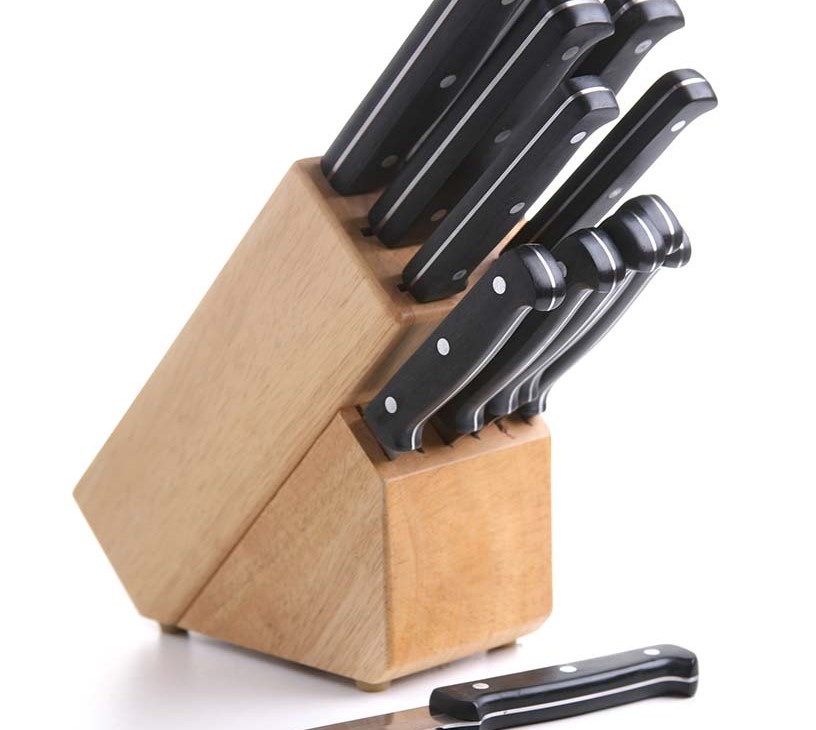


Knife Market Size 2026-2030
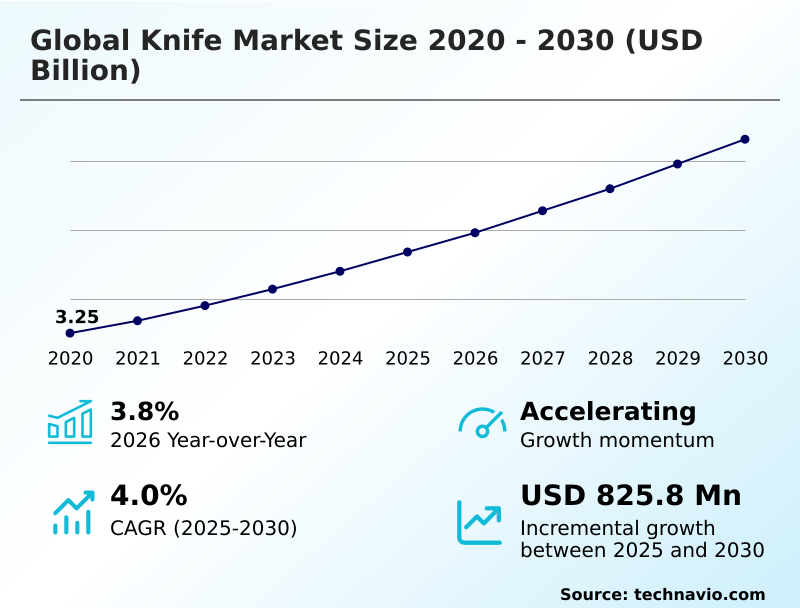
The knife market size is valued to increase by USD 825.8 million, at a CAGR of 4% from 2025 to 2030. Introduction of consumer kitchen knives with new features will drive the knife market.
Major Market Trends & Insights
- Europe dominated the market and accounted for a 37.2% growth during the forecast period.
- By Distribution Channel - Offline segment was valued at USD 2.98 billion in 2024
- By Type - Fixed blade segment accounted for the largest market revenue share in 2024
Market Size & Forecast
- Market Opportunities: USD 1.41 billion
- Market Future Opportunities: USD 825.8 million
- CAGR from 2025 to 2030 : 4%
Market Summary
- The knife market is experiencing robust evolution, driven by parallel demands from culinary professionals, outdoor enthusiasts, and industrial sectors. Innovation is centered on materials science, with the adoption of advanced powder metallurgy steel and cryogenic treatment processes enhancing blade hardness and edge retention. This technical focus caters to a sophisticated user base that scrutinizes blade geometry and blade steel composition.
- Concurrently, the rise of the experience economy fuels the market for premium kitchen cutlery and bushcraft survival knife models, where ergonomic handle design and full tang construction are key differentiators. In a significant business application, manufacturers are leveraging consumer data to develop specialized everyday carry (EDC) knife lines.
- For instance, by analyzing usage patterns, one product line was optimized with a specific G10 handle material and liner lock mechanism, resulting in a targeted design that improved market penetration within a key demographic by addressing previously unmet needs for grip security and one-handed operation.
- However, the market faces challenges from the convenience of multi-function kitchen appliances, compelling knife makers to emphasize the unique value of craftsmanship, precision, and durability in their offerings.
What will be the Size of the Knife Market during the forecast period?
Get Key Insights on Market Forecast (PDF) Request Free Sample
How is the Knife Market Segmented?
The knife industry research report provides comprehensive data (region-wise segment analysis), with forecasts and estimates in "USD million" for the period 2026-2030, as well as historical data from 2020-2024 for the following segments.
- Distribution channel
- Offline
- Online
- Type
- Fixed blade
- Folding blade
- Side slide
- Material
- Steel
- Titanium
- Ceramic
- Others
- Geography
- Europe
- Germany
- UK
- France
- North America
- US
- Canada
- Mexico
- APAC
- China
- Japan
- India
- South America
- Brazil
- Argentina
- Middle East and Africa
- Saudi Arabia
- UAE
- South Africa
- Rest of World (ROW)
- Europe
By Distribution Channel Insights
The offline segment is estimated to witness significant growth during the forecast period.
The offline retail segment maintains its foundational role in the market, driven by consumers' preference for tactile product assessment.
The ability to physically evaluate knife handle materials, balance, and blade deployment methods remains a key purchasing driver, particularly for high-value items where a detailed blade steel comparison is desired.
Retailers are enhancing in-store experiences, with expert consultations increasing average transaction values by over 15% for specialized products.
This channel is crucial for items with intricate locking mechanism types, where demonstrating a liner lock mechanism or frame lock mechanism is vital.
Demand for a reliable knife sharpening system and tools with high fillet knife flexibility also benefits from hands-on demonstrations, solidifying the channel's importance despite digital growth.
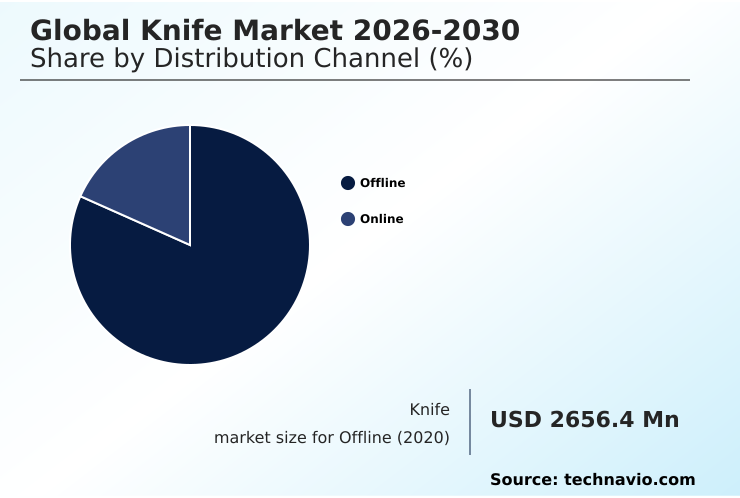
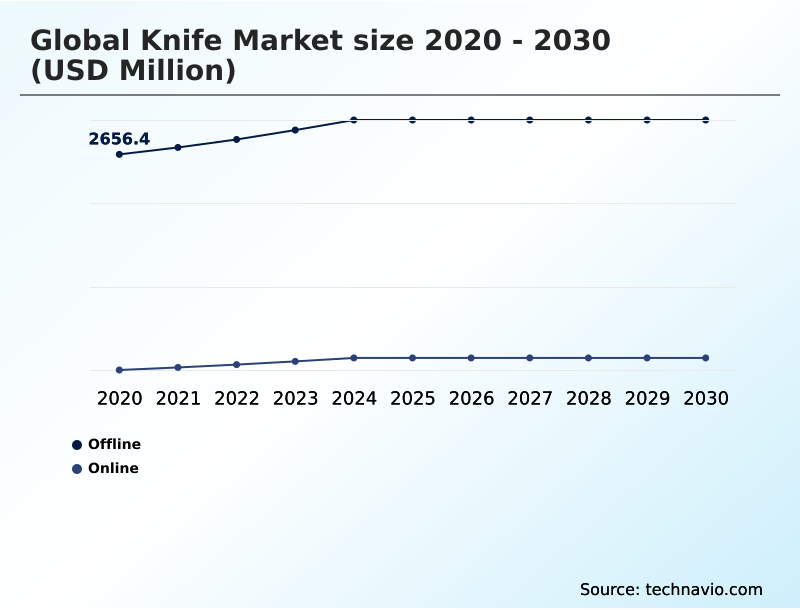
The Offline segment was valued at USD 2.98 billion in 2024 and showed a gradual increase during the forecast period.
Regional Analysis
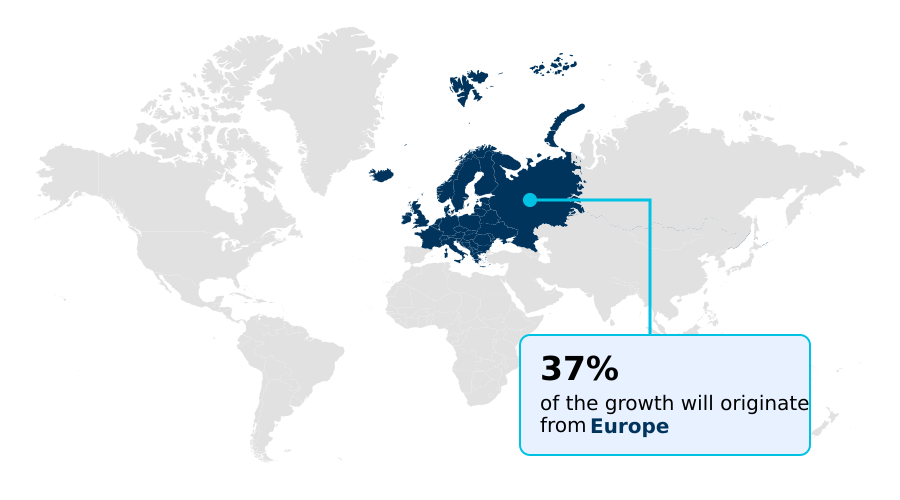
Europe is estimated to contribute 37.2% to the growth of the global market during the forecast period.Technavio’s analysts have elaborately explained the regional trends and drivers that shape the market during the forecast period.
See How Knife Market Demand is Rising in Europe Request Free Sample
The market's geographic landscape is shaped by distinct regional drivers and regulatory environments.
In Europe, which accounts for over 37% of incremental growth, a deep-rooted culinary tradition fuels demand for knives with high-carbon stainless steel blades, prized for their sharpness and ability to be finely honed.
German and French manufacturers leverage this heritage, focusing on blade hardness (HRC) and corrosion resistance.
In North America, the market is heavily influenced by outdoor recreation and tactical applications, leading to a preference for durable micarta handle materials and non-reflective blade coating on the tactical fixed blade.
The legal framework surrounding automatic knife regulations also significantly impacts product availability and design.
Across regions, there is a growing niche for the gentleman's folding knife, featuring materials like a titanium handle, and specialized tools such as the rescue and emergency knife and wood carving knife set, reflecting diverse consumer interests in both aesthetics and functionality.
Furthermore, improved knife ergonomics and grip are a global focus, with advancements in cryogenic treatment enhancing performance across different product tiers.
Market Dynamics
Our researchers analyzed the data with 2025 as the base year, along with the key drivers, trends, and challenges. A holistic analysis of drivers will help companies refine their marketing strategies to gain a competitive advantage.
- The global knife market is increasingly defined by sophisticated consumer and professional demands, compelling a deeper focus on specialization and performance. For end-users, the decision-making process often begins with identifying the best steel for outdoor survival knives or finding the perfect ergonomic chef knife for professional use, highlighting the divergence between rugged durability and culinary precision.
- The rise of outdoor hobbies has elevated the importance of a lightweight folding knife for backpacking, where every ounce counts. Technical understanding also plays a role, as users weigh the difference between hollow and flat grind for specific cutting tasks. Proper upkeep is critical, and knowledge of how to maintain a high carbon steel blade is essential for longevity.
- Technologically, the benefits of titanium frame lock knives, which offer a superior strength-to-weight ratio, are becoming more widely appreciated, as is the smooth action of a folding knife with ball bearing pivot system. In manufacturing, debates on full tang vs partial tang durability continue to inform design choices for fixed blades.
- The aesthetic and functional appeal of damascus steel for custom knife making is a key trend in the high-end segment. Selecting a grind for a utility knife depends entirely on its intended application. The comparison between G10 versus micarta for knife handles often comes down to user preference for texture and resilience.
- In the kitchen, determining the best sharpening angle for kitchen knives is crucial for optimal performance, while in maritime applications, a focus on corrosion resistance in saltwater environments is non-negotiable. For many, high-end steel for everyday carry knives is a worthwhile investment.
- Finally, subtle design elements like pocket clip design and retention, the impact of blade thickness on slicing, and even using a knife for emergency fire starting showcase the incredible versatility and nuanced engineering within the market.
- Optimizing the heat treatment process for blade steel remains a core competency, with advancements in this area reducing production lead times by over 15% for specialized batches.
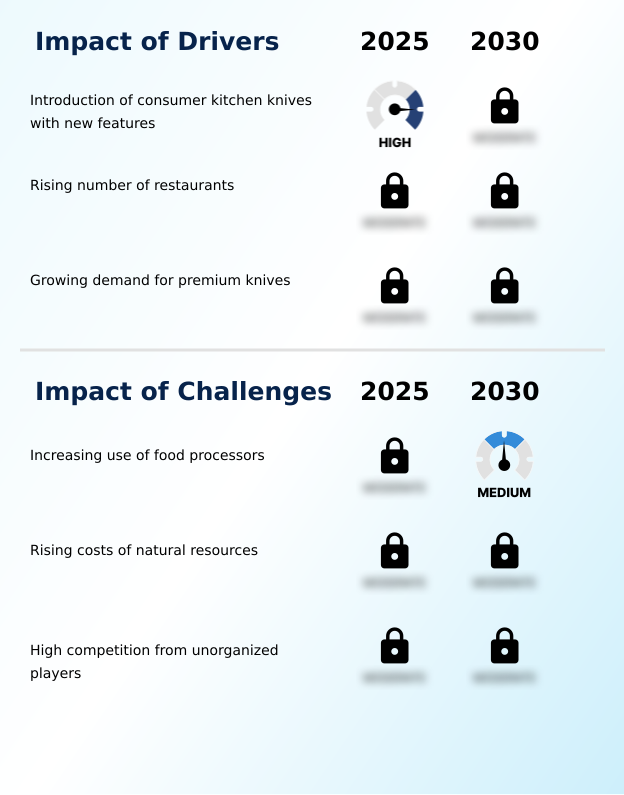
What are the key market drivers leading to the rise in the adoption of Knife Industry?
- The introduction of consumer kitchen knives incorporating new features, such as ergonomic designs and advanced materials, is a key driver for market growth.
- Innovation in design and materials is a primary market driver, particularly within the premium kitchen cutlery segment.
- Manufacturers are focusing on enhancing the user experience through superior ergonomic handle design and advanced blade geometry, which can reduce food preparation time by up to 20%.
- The sophisticated chef's knife selection process now involves detailed analysis of blade steel composition and whether a forged blade construction is used.
- This demand for high performance extends across the entire culinary knife set, from blades with fine bread knife serrations to the versatile paring knife uses.
- The adoption of the full-flat grind and non-traditional materials like the ceramic blade caters to consumers seeking specialized performance attributes.
- Furthermore, knife ergonomics and grip are being optimized for specialty food processing blades, where precision and safety are paramount, leading to measurable efficiency gains in commercial environments.
What are the market trends shaping the Knife Industry?
- The increasing participation in outdoor recreational and adventure pursuits is emerging as a significant market trend, subsequently fueling demand for specialized and durable knives designed for these activities.
- Market trends are increasingly shaped by the convergence of lifestyle activities and personal preparedness. The growing popularity of the everyday carry (EDC) knife culture is a significant driver, with consumers seeking a versatile folding blade knife or a compact fixed blade knife for daily tasks.
- This intersects with the expanding interest in outdoor recreation knives, where the bushcraft survival knife has become a staple for enthusiasts. Demand for models with a durable drop point blade and G10 handle material is particularly strong. Innovations in portability, such as various neck knife carry options and advanced sheath material options, are also gaining traction.
- For instance, sales of multi-tool with knife models have risen by 15% in key demographics focused on practicality. This trend is complemented by specialized interests in hunting and skinning knives, which require specific blade shapes like the sheepsfoot blade and features such as a lanyard hole integration for secure handling in the field.
What challenges does the Knife Industry face during its growth?
- The growing adoption of food processors for common kitchen tasks presents a key challenge to the knife market's growth, as they offer an alternative for chopping and slicing.
- The market faces persistent challenges from functional alternatives and the need to differentiate on quality and purpose. While a multi-tool with knife offers versatility, its primary blade often lacks the robustness for demanding tasks, creating an opening for dedicated tools. Ensuring utility knife safety features remains a top priority for manufacturers to compete against perceived safer options.
- This requires meticulous attention to choil design and blade thickness. Furthermore, the rise of custom knife making has elevated consumer expectations regarding performance and aesthetics, putting pressure on mass-market producers. Interest in niche areas like throwing knife balance and historical blade replication, while small, indicates a sophisticated user base that values specific attributes.
- Effective pocket knife maintenance and reliable blade deployment methods are crucial for user retention. Blade shapes like the tanto blade shape or clip point blade, along with specific grinds like the saber grind, must be clearly marketed for their intended applications to convey unique value propositions against generic cutting solutions.
Exclusive Technavio Analysis on Customer Landscape
The knife market forecasting report includes the adoption lifecycle of the market, covering from the innovator’s stage to the laggard’s stage. It focuses on adoption rates in different regions based on penetration. Furthermore, the knife market report also includes key purchase criteria and drivers of price sensitivity to help companies evaluate and develop their market growth analysis strategies.
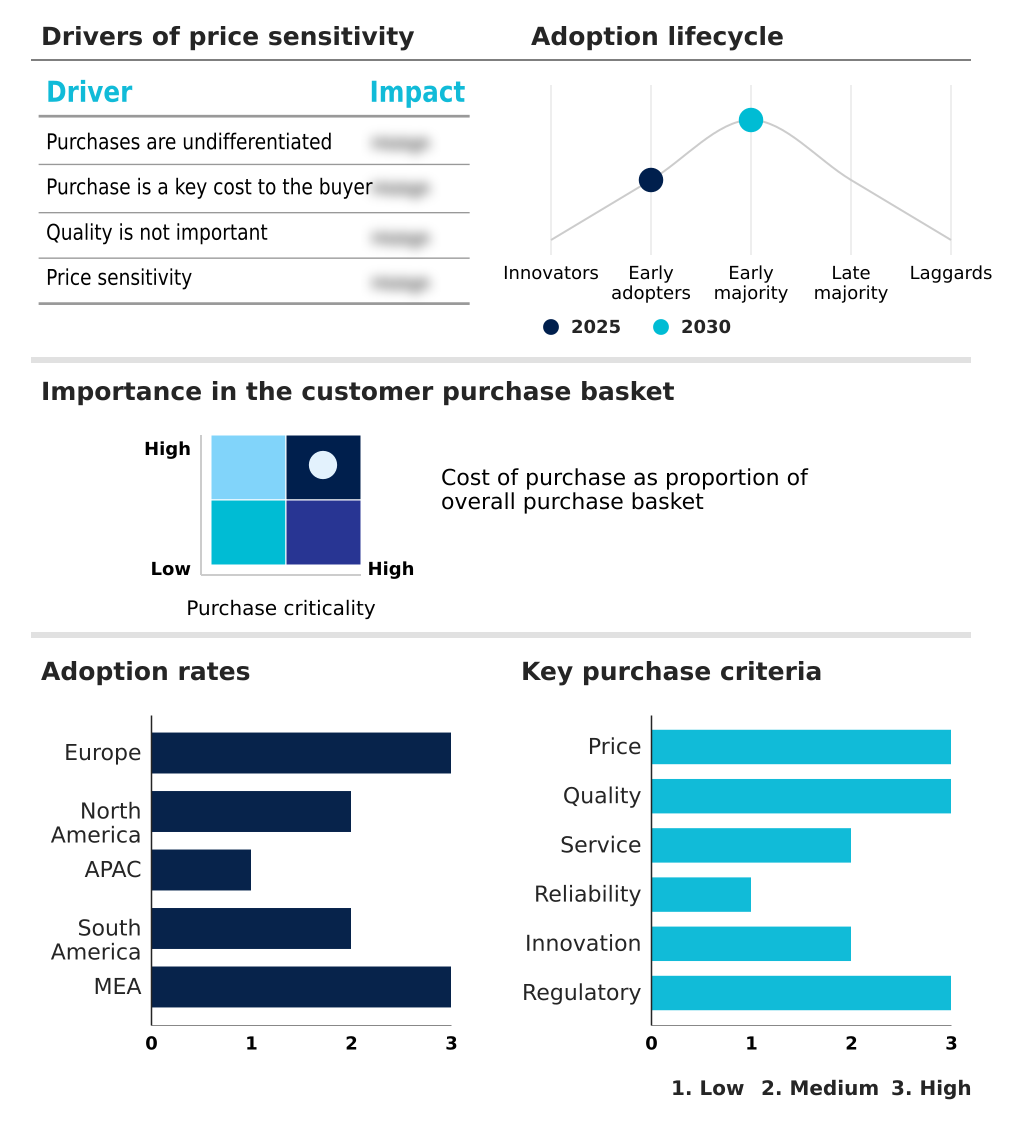
Customer Landscape of Knife Industry
Competitive Landscape
Companies are implementing various strategies, such as strategic alliances, knife market forecast, partnerships, mergers and acquisitions, geographical expansion, and product/service launches, to enhance their presence in the industry.
Apex Tool Group LLC - Offers a specialized portfolio of professional-grade cutting tools, including folding and utility knives, designed for precision performance and durability in demanding environments.
The industry research and growth report includes detailed analyses of the competitive landscape of the market and information about key companies, including:
- Apex Tool Group LLC
- Bettcher Industries Inc.
- Dexter Russell Inc.
- Friedr. Dick GmbH and Co. KG
- Gerber Gear
- Hyde Group Holdings Ltd.
- Kai Corp.
- Klein Tools Inc.
- MAC Knife Inc.
- Messermeister Inc.
- Morakniv AB
- Olfa Co. Ltd.
- Pacific Handy Cutter Inc.
- Q.E.P. Co. Inc.
- Stanley Black and Decker Inc.
- TOJIRO Co. Ltd.
- Victorinox AG
- Wilh. Werhahn KG
Qualitative and quantitative analysis of companies has been conducted to help clients understand the wider business environment as well as the strengths and weaknesses of key industry players. Data is qualitatively analyzed to categorize companies as pure play, category-focused, industry-focused, and diversified; it is quantitatively analyzed to categorize companies as dominant, leading, strong, tentative, and weak.
Recent Development and News in Knife market
- In November 2024, Zero Tolerance launched the 0004 model, a robust outdoor knife featuring a CPM-CruWear steel blade, to capture the premium segment of the market.
- In February 2025, the UK government announced upcoming, stricter regulations for the online sale of knives, a measure intended to prevent underage access and influence e-commerce practices.
- In March 2025, Benchmade released an upgraded Bugout knife with premium blade steel and a distinctive bolstered design, targeting collectors and enthusiasts who value fine details.
- In April 2025, Wusthof introduced a new line of chef knives that incorporates a novel blade geometry engineered to improve precision and reduce user fatigue.
Dive into Technavio’s robust research methodology, blending expert interviews, extensive data synthesis, and validated models for unparalleled Knife Market insights. See full methodology.
| Market Scope | |
|---|---|
| Page number | 282 |
| Base year | 2025 |
| Historic period | 2020-2024 |
| Forecast period | 2026-2030 |
| Growth momentum & CAGR | Accelerate at a CAGR of 4% |
| Market growth 2026-2030 | USD 825.8 million |
| Market structure | Fragmented |
| YoY growth 2025-2026(%) | 3.8% |
| Key countries | Germany, UK, France, Italy, The Netherlands, Spain, US, Canada, Mexico, China, Japan, India, South Korea, Australia, Indonesia, Brazil, Argentina, Chile, Saudi Arabia, UAE, South Africa, Israel and Turkey |
| Competitive landscape | Leading Companies, Market Positioning of Companies, Competitive Strategies, and Industry Risks |
Research Analyst Overview
- The knife market is defined by a relentless pursuit of performance, driven by materials innovation and purpose-built design. Boardroom decisions increasingly center on R&D investment in advanced blade steel composition, such as powder metallurgy steel, to achieve superior edge retention and blade hardness (HRC).
- The adoption of processes like cryogenic treatment and differential heat treatment has enabled a 25% improvement in toughness metrics for certain high-carbon stainless steel blades.
- This technical focus is evident across product types, from the fixed blade knife with its robust full tang construction to the intricate folding knife featuring a liner lock mechanism, frame lock mechanism, or assisted opening mechanism with a ball bearing pivot.
- The specific blade geometry—whether a scandi grind, hollow grind, convex grind, saber grind, or full-flat grind—is meticulously engineered for its intended use. Handle design is equally critical, with ergonomic handle design incorporating materials like G10 handle material, micarta handle material, or titanium handle to optimize grip and control.
- Features like spine jimping, a functional choil design, and lanyard hole integration enhance usability. The shape of the blade, be it a tanto blade shape, drop point blade, clip point blade, or sheepsfoot blade, is chosen for specific cutting dynamics, considering factors like blade thickness and corrosion resistance, sometimes enhanced by a non-reflective blade coating.
- Forged blade construction remains a hallmark of quality in the premium sector.
What are the Key Data Covered in this Knife Market Research and Growth Report?
-
What is the expected growth of the Knife Market between 2026 and 2030?
-
USD 825.8 million, at a CAGR of 4%
-
-
What segmentation does the market report cover?
-
The report is segmented by Distribution Channel (Offline, and Online), Type (Fixed blade, Folding blade, and Side slide), Material (Steel, Titanium, Ceramic, and Others) and Geography (Europe, North America, APAC, South America, Middle East and Africa)
-
-
Which regions are analyzed in the report?
-
Europe, North America, APAC, South America and Middle East and Africa
-
-
What are the key growth drivers and market challenges?
-
Introduction of consumer kitchen knives with new features, Increasing use of food processors
-
-
Who are the major players in the Knife Market?
-
Apex Tool Group LLC, Bettcher Industries Inc., Dexter Russell Inc., Friedr. Dick GmbH and Co. KG, Gerber Gear, Hyde Group Holdings Ltd., Kai Corp., Klein Tools Inc., MAC Knife Inc., Messermeister Inc., Morakniv AB, Olfa Co. Ltd., Pacific Handy Cutter Inc., Q.E.P. Co. Inc., Stanley Black and Decker Inc., TOJIRO Co. Ltd., Victorinox AG and Wilh. Werhahn KG
-
Market Research Insights
- The market is characterized by a dynamic interplay between traditional craftsmanship and technological innovation. This is evident in the rising popularity of custom knife making, where unique designs are paired with high-performance materials. For instance, the use of advanced steel alloys has led to a 20% improvement in edge retention benchmarks for premium models, a key metric for professional users.
- Concurrently, the accessibility of a sophisticated knife sharpening system allows consumers to maintain high-performance edges, boosting the longevity and value of their tools. The demand for both a high-quality bushcraft survival knife and premium kitchen cutlery highlights the market's segmentation, with consumer spending patterns indicating a clear bifurcation.
- While over 60% of professional chefs prioritize blade steel comparison over other features, the hobbyist market shows a stronger preference for aesthetics and brand heritage.
We can help! Our analysts can customize this knife market research report to meet your requirements.
 RIA -
RIA -