


Insulation Market Size 2026-2030
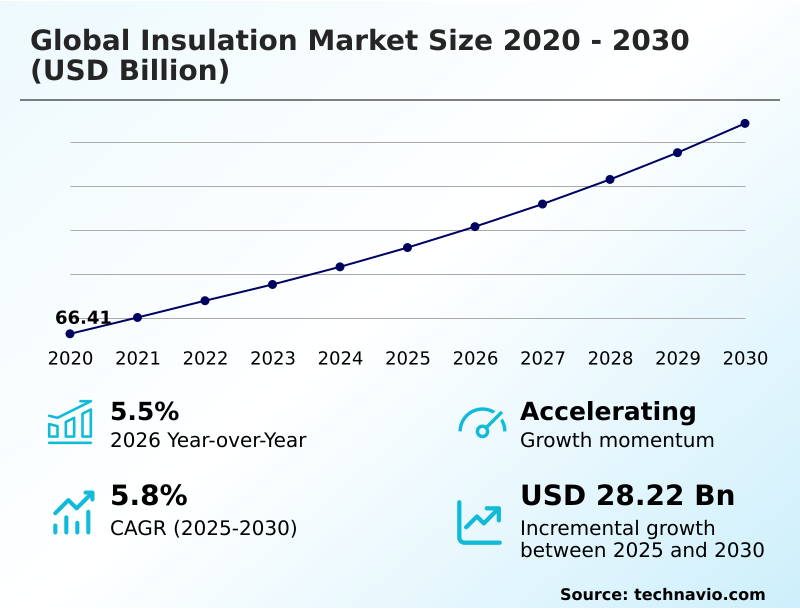
The insulation market size is valued to increase by USD 28.22 billion, at a CAGR of 5.8% from 2025 to 2030. Growing need for energy efficiency in buildings will drive the insulation market.
Major Market Trends & Insights
- APAC dominated the market and accounted for a 44% growth during the forecast period.
- By Product - Wool segment was valued at USD 45.79 billion in 2024
- By End-user - Non-residential segment accounted for the largest market revenue share in 2024
Market Size & Forecast
- Market Opportunities: USD 47.82 billion
- Market Future Opportunities: USD 28.22 billion
- CAGR from 2025 to 2030 : 5.8%
Market Summary
- The insulation market is undergoing a significant transformation, driven by the dual imperatives of energy conservation and enhanced building performance. Demand for advanced solutions like low-e glass integration and weatherproof sealant application is escalating as regulations tighten globally.
- A key trend is the shift toward materials with superior thermal retention properties, which are critical for minimizing energy consumption in both residential and commercial structures. For instance, a multinational logistics firm implementing a warehouse modernization project utilized high-performance insulation to reduce its energy costs for climate control by over 20%, demonstrating a clear return on investment.
- Concurrently, the industry faces challenges related to the volatile costs of raw materials for products like polyurethane and polystyrene foams. The development of eco-friendly and recyclable materials, including those derived from wool and plastic foam, is a strategic response to both cost pressures and the increasing focus on sustainability.
- The adoption of these innovative materials is pivotal for achieving long-term market growth and meeting consumer demand for environmentally responsible building solutions.
What will be the Size of the Insulation Market during the forecast period?
Get Key Insights on Market Forecast (PDF) Request Free Sample
How is the Insulation Market Segmented?
The insulation industry research report provides comprehensive data (region-wise segment analysis), with forecasts and estimates in "USD million" for the period 2026-2030, as well as historical data from 2020-2024 for the following segments.
- Product
- Wool
- Plastic foam
- Others
- End-user
- Non-residential
- Residential
- Product type
- Thermal insulation
- Acoustic insulation
- Electrical insulation
- Others
- Geography
- APAC
- China
- Japan
- India
- North America
- US
- Canada
- Mexico
- Europe
- Germany
- UK
- France
- Middle East and Africa
- Saudi Arabia
- UAE
- Turkey
- South America
- Brazil
- Argentina
- Rest of World (ROW)
- APAC
By Product Insights
The wool segment is estimated to witness significant growth during the forecast period.
The wool segment, including non-combustible stone wool and granulated mineral wool, represents a significant portion of the market, driven by its inherent fire resistance and acoustic insulation materials properties.
Demand is strong in projects adhering to net-zero building standards and energy conservation codes. This segment's growth is tied to sustainable construction practices and the need for building envelope optimization.
Innovations focus on increasing recycled content verification, aligning with circular economy principles.
As a result of enhanced material science, some advanced wool-based products now achieve a noise reduction coefficient up to 15% higher than previous generations, making them essential for soundproofing solutions in urban environments and for meeting fire safety compliance in commercial structures.
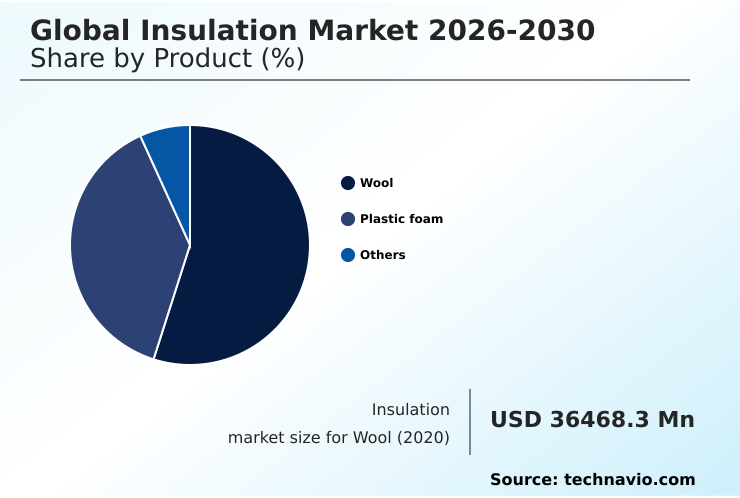
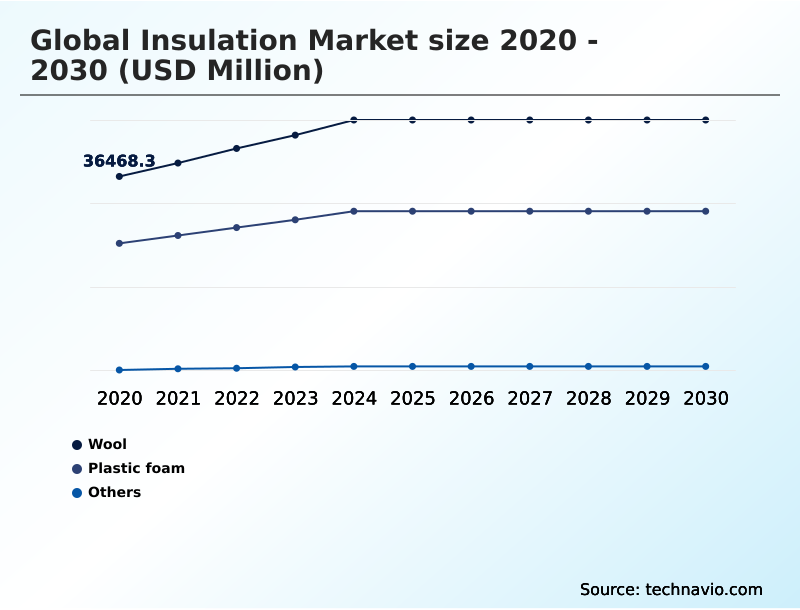
The Wool segment was valued at USD 45.79 billion in 2024 and showed a gradual increase during the forecast period.
Regional Analysis
APAC is estimated to contribute 44% to the growth of the global market during the forecast period.Technavio’s analysts have elaborately explained the regional trends and drivers that shape the market during the forecast period.
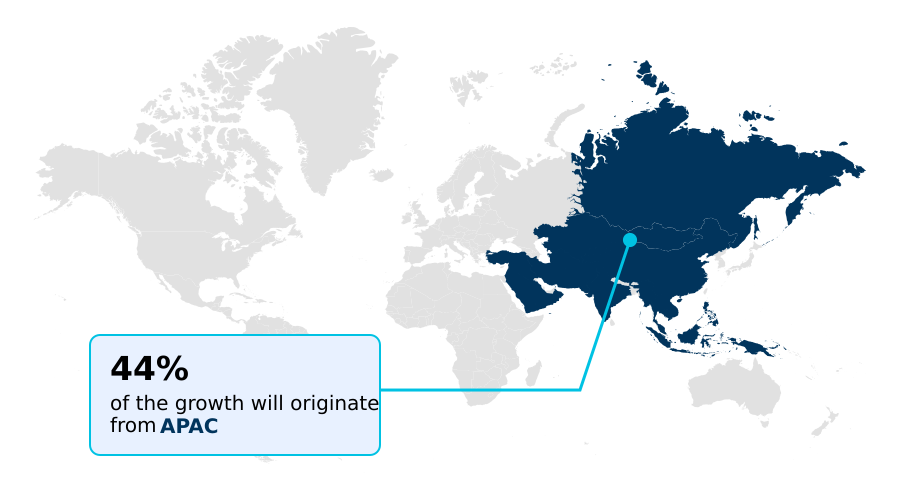
See How Insulation Market Demand is Rising in APAC Request Free Sample
The geographic landscape is diverse, with APAC accounting for 44% of incremental growth, driven by rapid urbanization and large-scale projects. In this region, demand for materials like composite etics eifs and phase change materials is rising for thermal comfort management.
In North America and Europe, which together represent over 40% of the market, the focus is on retrofitting and meeting stringent building codes, promoting the use of bio-based insulation materials and recycled fiber insulation.
The need for advanced thermal management systems is particularly high in these mature markets, with applications spanning from automotive nvh reduction to oil and gas pipelines. Infrared thermography inspection is increasingly used to verify insulation performance, ensuring compliance and efficiency.
Market Dynamics
Our researchers analyzed the data with 2025 as the base year, along with the key drivers, trends, and challenges. A holistic analysis of drivers will help companies refine their marketing strategies to gain a competitive advantage.
- The global insulation market 2026-2030 is shaped by specific application needs and performance metrics across various sectors. The impact of thermal insulation on hvac systems is a primary consideration in building design, as efficient systems can lead to significant energy savings.
- Acoustic insulation for commercial buildings is no longer an option but a necessity for creating productive environments, especially in mixed-use developments where noise control is critical. For high-rise structures, the selection of fire resistant materials is mandated by stringent safety codes. The insulation requirements for green buildings are driving innovation in sustainable insulation materials for retrofitting existing building stock.
- In new construction, the role of insulation in passive design is fundamental to achieving near-zero energy consumption. Beyond buildings, advanced insulation for electric vehicles is crucial for battery performance and safety. In the industrial sphere, cryogenic insulation for lng storage and insulation solutions for data centers highlight the diverse technical demands.
- Businesses are increasingly focused on reducing operational costs with insulation, ensuring compliance with building energy codes, and implementing effective moisture management in insulated assemblies to guarantee long-term performance of foam insulation.
- Insulation strategies for extreme climates, coupled with a focus on recycled content in fiberglass insulation and the benefits of vacuum insulated panels, are key to improving thermal comfort in buildings globally. For example, firms that switched to vacuum insulated panels in their cold chain logistics reported a 10% improvement in temperature stability compliance compared to traditional foam.
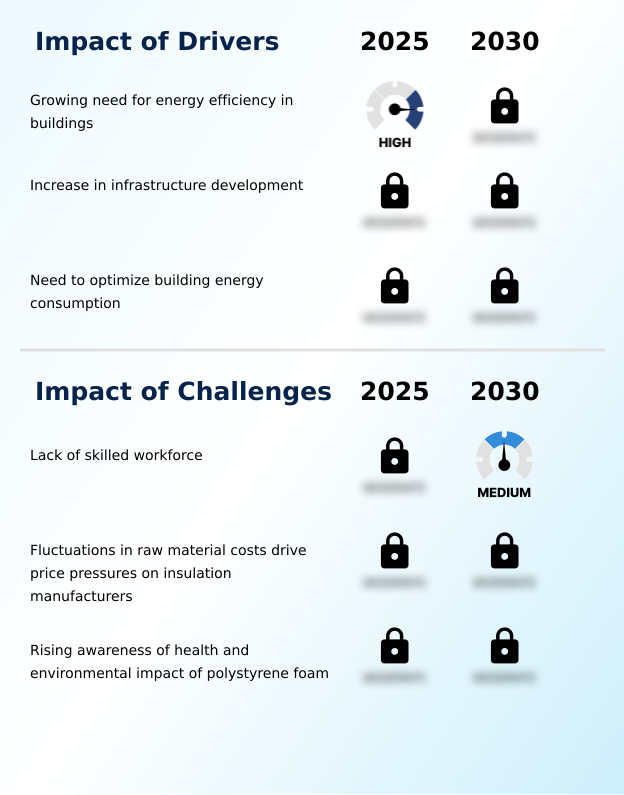
What are the key market drivers leading to the rise in the adoption of Insulation Industry?
- The escalating need to improve energy efficiency in buildings is a primary driver fueling the growth of the insulation market.
- A primary driver is the global push for energy efficiency retrofitting, compelling the use of materials like polyurethane (pu) foam and structural insulated panels. These materials are crucial for improving thermal resistance (r-value) and achieving whole-building energy modeling targets.
- The expansion of renewable energy infrastructure and district heating networks creates sustained demand for mechanical systems insulation. Implementations have shown that proper hvac duct insulation can reduce energy loss by up to 25%.
- The growth in cold chain logistics and the need for stringent cleanroom environment control also propel the market, demanding specialized insulation solutions that ensure process integrity and reduce operational energy consumption.
What are the market trends shaping the Insulation Industry?
- The growing emphasis on green building developments is significantly influencing sales prospects for insulation materials. This trend promotes the adoption of sustainable and energy-efficient solutions.
- The insulation market is increasingly shaped by demand for high-performance aerogels and vacuum insulation panels, particularly in aerospace thermal protection and applications where space is limited. Innovations in electrospun nanofiber aerogels and cellular glass insulation are meeting stringent performance criteria. These advancements support green building certification and passive house design, where minimizing thermal bridging is critical.
- The adoption of advanced building facade systems has improved energy efficiency by over 20% in new commercial constructions. Furthermore, a shift towards lifecycle assessment (lca) is influencing material selection, while urban heat island mitigation strategies are driving demand for reflective and high-albedo insulation solutions, reflecting a broader commitment to environmental stewardship.
What challenges does the Insulation Industry face during its growth?
- The lack of a sufficiently skilled workforce presents a key challenge that affects the growth of the insulation industry.
- A key challenge involves the complex logistics of materials like expanded polystyrene (eps) and extruded polystyrene (xps), particularly regarding recycled content and end-of-life management. Ensuring compliance with evolving low-voc emitting materials standards presents another hurdle, with failure rates in initial blower door testing for new installations sometimes reaching 10% without proper installation protocols.
- The need for specialized electrical insulation systems in industrial process control and data center cooling applications requires a highly skilled workforce. Moreover, managing condensation risk management in assemblies using flexible duct media and autoclaved aerated concrete demands advanced technical knowledge, which can be a constraint in rapidly growing markets.
Exclusive Technavio Analysis on Customer Landscape
The insulation market forecasting report includes the adoption lifecycle of the market, covering from the innovator’s stage to the laggard’s stage. It focuses on adoption rates in different regions based on penetration. Furthermore, the insulation market report also includes key purchase criteria and drivers of price sensitivity to help companies evaluate and develop their market growth analysis strategies.
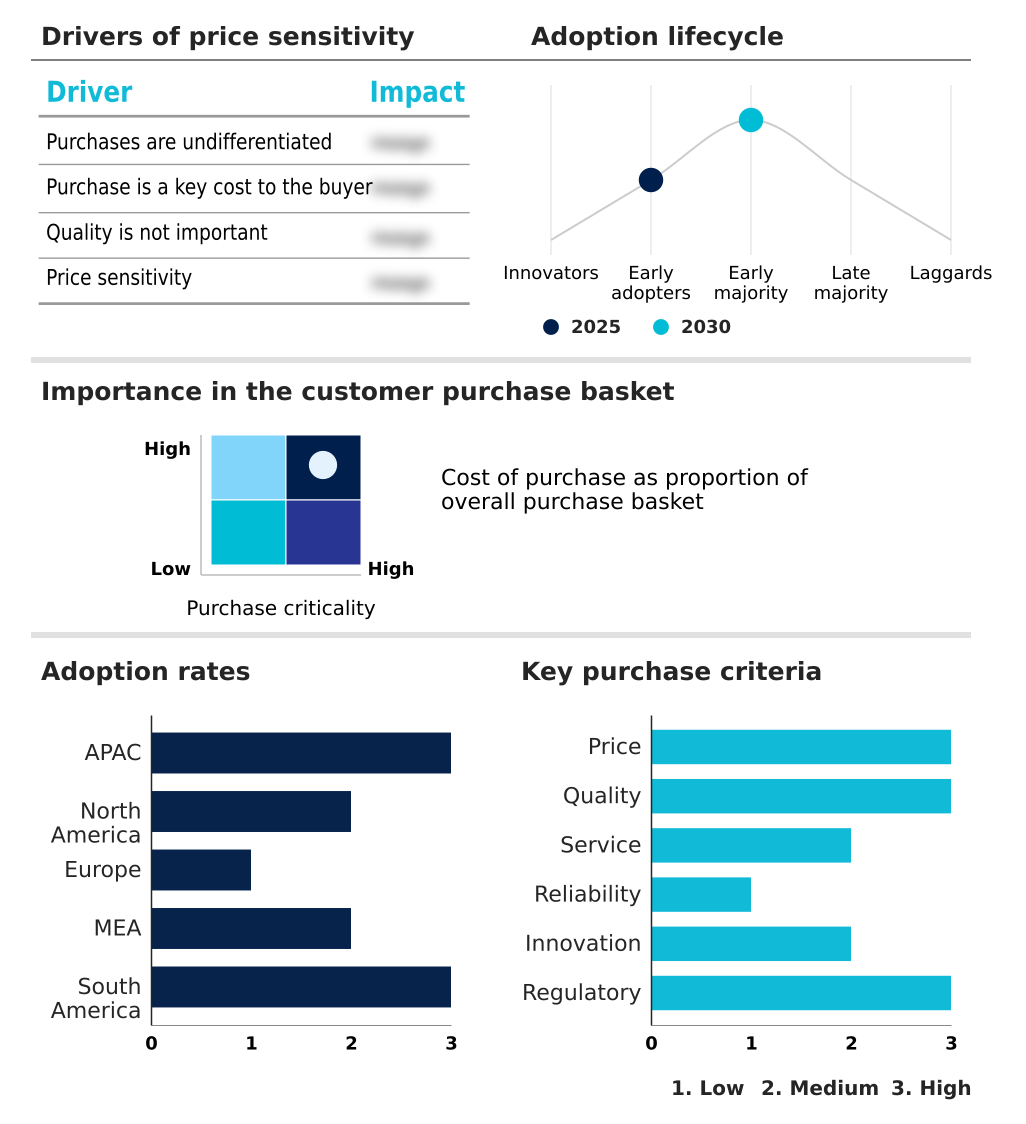
Customer Landscape of Insulation Industry
Competitive Landscape
Companies are implementing various strategies, such as strategic alliances, insulation market forecast, partnerships, mergers and acquisitions, geographical expansion, and product/service launches, to enhance their presence in the industry.
Aeroflex USA Inc. - Delivers specialized closed-cell elastomeric foam insulation products engineered for high-performance HVAC, refrigeration, and plumbing applications, ensuring thermal efficiency and control.
The industry research and growth report includes detailed analyses of the competitive landscape of the market and information about key companies, including:
- Aeroflex USA Inc.
- Altana AG
- Armacell International SA
- BASF SE
- Carlisle SynTec Systems
- Compagnie de Saint Gobain SA
- Continental AG
- Dow Chemical Co.
- Holcim Ltd.
- Huntsman International LLC
- Kaneka Corp.
- Kingspan Group Plc
- Knauf Digital GmbH
- Owens Corning
- Recticel Group
- Rilmac Group of Companies
- ROCKWOOL AS
- Synthos SA
- Thermaflex
- Xella International GmbH
Qualitative and quantitative analysis of companies has been conducted to help clients understand the wider business environment as well as the strengths and weaknesses of key industry players. Data is qualitatively analyzed to categorize companies as pure play, category-focused, industry-focused, and diversified; it is quantitatively analyzed to categorize companies as dominant, leading, strong, tentative, and weak.
Recent Development and News in Insulation market
- In May 2025, the Bureau of Energy Efficiency in India introduced the updated Energy Conservation and Sustainable Building Code (ECSBC) 2024, mandating stricter energy performance measures for large commercial buildings.
- In October 2025, building ministers in Australia announced a temporary pause on some new residential energy efficiency upgrades within the National Construction Code to address housing supply and affordability pressures.
- In June 2025, the European Commission released a comprehensive implementation package to guide member states in transposing the revised Energy Performance of Buildings Directive (EPBD) into national law by the May 2026 deadline.
- In May 2025, official statistics from the UK government revealed a significant month-over-month increase in the number of measures installed under the Great British Insulation Scheme, reaching 6,500 installations in March 2025.
Dive into Technavio’s robust research methodology, blending expert interviews, extensive data synthesis, and validated models for unparalleled Insulation Market insights. See full methodology.
| Market Scope | |
|---|---|
| Page number | 294 |
| Base year | 2025 |
| Historic period | 2020-2024 |
| Forecast period | 2026-2030 |
| Growth momentum & CAGR | Accelerate at a CAGR of 5.8% |
| Market growth 2026-2030 | USD 28215.8 million |
| Market structure | Fragmented |
| YoY growth 2025-2026(%) | 5.5% |
| Key countries | China, Japan, India, South Korea, Australia, Indonesia, US, Canada, Mexico, Germany, UK, France, Italy, Spain, The Netherlands, Saudi Arabia, UAE, Turkey, South Africa, Israel, Brazil, Argentina and Chile |
| Competitive landscape | Leading Companies, Market Positioning of Companies, Competitive Strategies, and Industry Risks |
Research Analyst Overview
- The insulation market is defined by a continuous push toward higher performance materials and stringent regulatory adherence. Innovations in building envelope optimization are critical, as are advancements in materials like non-combustible stone wool and structural insulated panels, which offer superior safety and structural integrity. The use of insulated concrete forms and high-performance aerogels is becoming more mainstream in specialized applications.
- Demand for bio-based insulation materials and recycled fiber insulation reflects a broader industry commitment to sustainability. Core applications such as thermal, acoustic, and electrical insulation systems are evolving with technologies like electrospun nanofiber aerogels and phase change materials. Effective heat transfer control remains a fundamental objective, with new solutions demonstrating a 15% improvement in thermal resistance r-value over conventional products.
- Meeting net-zero building standards and energy conservation codes is a primary driver, compelling the use of advanced materials like autoclaved aerated concrete and cellular glass insulation in new projects.
What are the Key Data Covered in this Insulation Market Research and Growth Report?
-
What is the expected growth of the Insulation Market between 2026 and 2030?
-
USD 28.22 billion, at a CAGR of 5.8%
-
-
What segmentation does the market report cover?
-
The report is segmented by Product (Wool, Plastic foam, and Others), End-user (Non-residential, and Residential), Product Type (Thermal insulation, Acoustic insulation, Electrical insulation, and Others) and Geography (APAC, North America, Europe, Middle East and Africa, South America)
-
-
Which regions are analyzed in the report?
-
APAC, North America, Europe, Middle East and Africa and South America
-
-
What are the key growth drivers and market challenges?
-
Growing need for energy efficiency in buildings, Lack of skilled workforce
-
-
Who are the major players in the Insulation Market?
-
Aeroflex USA Inc., Altana AG, Armacell International SA, BASF SE, Carlisle SynTec Systems, Compagnie de Saint Gobain SA, Continental AG, Dow Chemical Co., Holcim Ltd., Huntsman International LLC, Kaneka Corp., Kingspan Group Plc, Knauf Digital GmbH, Owens Corning, Recticel Group, Rilmac Group of Companies, ROCKWOOL AS, Synthos SA, Thermaflex and Xella International GmbH
-
Market Research Insights
- The dynamics of the insulation market are increasingly influenced by the push for sustainable construction practices and advanced thermal management systems. The adoption of green building certification standards has led to a 15% increase in the specification of high-performance materials in new commercial projects.
- In the industrial sector, applications in oil and gas pipelines and district heating networks demand robust solutions for industrial process control. Energy efficiency retrofitting initiatives are another key driver, with some programs reporting a 30% reduction in household energy consumption post-upgrade. This trend is complemented by the expansion of cold chain logistics, where effective insulation is critical.
- The market is also seeing growth in niche areas like aerospace thermal protection and marine vessel insulation, where specialized materials are paramount.
We can help! Our analysts can customize this insulation market research report to meet your requirements.
 RIA -
RIA -