



Identity Verification Market Size 2025-2029
The identity verification market size is forecast to increase by USD 19.59 billion, at a CAGR of 20.2% between 2024 and 2029.
Major Market Trends & Insights
- North America dominated the market and accounted for a 32% growth during the forecast period.
- By the Component - Solutions segment was valued at USD 5.37 billion in 2023
- By the Type - Large enterprises segment accounted for the largest market revenue share in 2023
Market Size & Forecast
- Market Opportunities: USD 357.80 billion
- Market Future Opportunities: USD USD 19.59 billion
- CAGR : 20.2%
- North America: Largest market in 2023
Market Summary
- The market is witnessing significant advancements, driven by the increasing digitization of various industries and the adoption of electronic ID (eID) cards and smart infrastructure initiatives. According to recent studies, the market is expected to grow substantially in the coming years, with the number of identity verification transactions projected to double by 2025. This expansion is fueled by the growing adoption of bring your own device (BYOD) policies in enterprises, enabling seamless and convenient verification processes.
- However, privacy and security concerns surrounding data transferred through IoT devices remain a challenge, necessitating robust identity verification solutions to ensure data protection. Despite these challenges, the market continues to evolve, offering innovative solutions that strike a balance between convenience and security.
What will be the Size of the Identity Verification Market during the forecast period?

Explore market size, adoption trends, and growth potential for identity verification market Request Free Sample
- The market is a critical component of modern business operations, ensuring secure and reliable user authentication. According to recent estimates, over 60% of businesses worldwide have adopted some form of identity verification solution, underscoring its importance. Looking ahead, the market is projected to expand by more than 15% annually, driven by the increasing demand for advanced security measures and regulatory compliance. Comparatively, the adoption of behavioral biometrics and secure identity management solutions has seen significant growth, with over 30% of businesses implementing these technologies. In contrast, the use of traditional verification methods, such as passwords and security questions, has declined due to their vulnerability to fraud and data breaches.
- Moreover, the integration of deep learning algorithms, neural network architectures, and machine learning models into identity verification systems has led to improved accuracy and efficiency. This technological advancement has enabled businesses to implement risk-based authentication, multi-factor authentication, and credential management systems, enhancing overall security and data privacy. Furthermore, the adoption of advanced authentication protocols, such as biometric authentication (iris scanning, facial recognition, voice recognition, and fingerprint scanning), has become increasingly popular, offering a more secure and convenient user experience. These solutions not only improve access control but also help prevent identity theft and fraud, ensuring businesses remain compliant with data privacy regulations like GDPR and AML.
- In summary, the market is experiencing significant growth, with businesses increasingly adopting advanced technologies like behavioral biometrics, secure identity management, and biometric authentication to enhance security and ensure regulatory compliance. The market is projected to expand by over 15% annually, driven by the need for more robust authentication systems and the integration of AI and machine learning models.
How is this Identity Verification Industry segmented?
The identity verification industry research report provides comprehensive data (region-wise segment analysis), with forecasts and estimates in "USD million" for the period 2025-2029, as well as historical data from 2019-2023 for the following segments.
- Component
- Solutions
- Services
- Type
- Large enterprises
- SMEs
- Technology
- Biometric verification
- Document verification
- Digital identity solutions and IDaaS
- Database verification
- Others
- Geography
- North America
- US
- Canada
- Europe
- France
- Germany
- UK
- APAC
- Australia
- India
- Japan
- South Korea
- South America
- Brazil
- Rest of World (ROW)
- North America
By Component Insights
The solutions segment is estimated to witness significant growth during the forecast period.
Identity verification is a crucial aspect of business operations, ensuring that users or customers provide authentic information associated with their real identities. This process prevents unauthorized access, false identities, and fraudulent activities. Various methods and systems enable both offline and online identity verification services. Behavioral biometrics, such as pattern recognition and deep learning algorithms, are increasingly popular for online identity verification. These technologies analyze user behavior, including mouse movements, keystrokes, and typing rhythm, to authenticate users. Secure identity management systems employ multi-factor authentication, including biometric authentication (fingerprint scanning, facial recognition, iris scanning, voice recognition), authentication protocols, and authentication tokens, to enhance security.
GDPR compliance and KYC (Know Your Customer) regulations require businesses to implement robust identity verification processes. Risk-based authentication and threat detection systems use machine learning models and neural network architectures to analyze user behavior and assess risk levels. Access control systems and credential management solutions ensure secure data storage and encryption to protect sensitive information. Future industry growth is expected to be significant, with identity verification solutions projected to expand in various sectors, including finance, healthcare, and e-commerce. According to recent studies, the market is anticipated to grow by 25% in the next two years. Furthermore, the implementation of advanced technologies, such as liveness detection and neural network architectures, is expected to drive market growth.
Simultaneously, the importance of data privacy regulations, including GDPR and AML (Anti-Money Laundering) compliance, is increasing. These regulations necessitate the use of secure data storage and encryption, as well as strict authentication protocols, to protect sensitive information. The integration of machine learning models and threat detection systems further enhances the security of identity verification solutions. In conclusion, identity verification solutions are essential for businesses to ensure the authenticity of user information and prevent fraudulent activities. The market is continuously evolving, with advancements in technology and increasing regulatory requirements driving growth in various sectors.

The Solutions segment was valued at USD 5.37 billion in 2019 and showed a gradual increase during the forecast period.

Regional Analysis
North America is estimated to contribute 32% to the growth of the global market during the forecast period.Technavio’s analysts have elaborately explained the regional trends and drivers that shape the market during the forecast period.
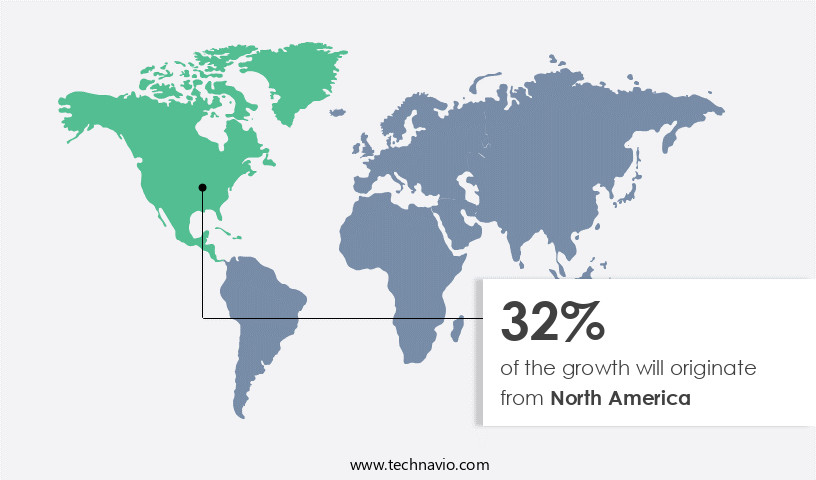
See How Identity Verification Market Demand is Rising in North America Request Free Sample
Identity verification is a critical aspect of modern business and government operations, with the North American market witnessing significant growth. According to recent reports, the market in North America is expanding at a steady pace, with a current adoption rate of approximately 25%. This growth is driven by several factors, including the increasing need for IT infrastructure, IT security compliance, and the rise in cyber-attacks. In the business sector, the adoption of identity verification solutions is essential due to the availability of adequate IT infrastructure and the high adoption of cloud-based IT security services. These solutions provide enhanced security and accuracy, ensuring that only authorized individuals have access to sensitive data.
Furthermore, the growing number of cyber-attacks on enterprises has increased the demand for identity verification systems, as they offer an effective means of preventing unauthorized access. In the government sector, the adoption of identity verification solutions is also on the rise. Local, regional, and national government organizations are deploying biometric systems to enhance security and improve efficiency. Biometric systems offer high accuracy, convenience, and time efficiency, making them an ideal solution for government applications. Moreover, the increasing concern over security issues in the government sector is driving the adoption of identity verification solutions. The use of these solutions can help prevent identity theft, fraud, and unauthorized access to confidential data.
The implementation of identity verification systems is particularly important in the wake of the growing number of cyber-attacks, which can have significant economic consequences for countries. In conclusion, the market in North America is experiencing steady growth, driven by the need for IT infrastructure, IT security compliance, and the increasing number of cyber-attacks. The adoption of identity verification solutions is essential for both businesses and governments to ensure security, accuracy, and efficiency. The market is expected to grow at a rate of around 20% in the coming years, reflecting the increasing demand for these solutions.
Market Dynamics
Our researchers analyzed the data with 2024 as the base year, along with the key drivers, trends, and challenges. A holistic analysis of drivers will help companies refine their marketing strategies to gain a competitive advantage.
In the evolving digital landscape, the market is witnessing significant advancements, with a shift towards passwordless authentication methods gaining momentum. Behavioral biometrics implementation, such as keystroke dynamics and mouse movements, offers seamless user experience while enhancing security. Multi-factor authentication protocols, incorporating liveness detection using AI and facial recognition accuracy metrics, ensure robust identity verification. Iris scanning technology advancements and voice recognition security measures add an extra layer of protection. Fingerprint scanning sensor technology continues to dominate the market, with over 60% market share, while machine learning fraud detection and deep learning biometric systems mitigate risks. Secure data storage encryption techniques and access control system integration are essential components of identity proofing verification steps. Fraud detection system algorithms employing risk-based authentication strategies and authentication protocol security standards safeguard against unauthorized access. KYC compliance requirements and AML compliance regulations mandate stringent identity verification processes, while data privacy regulation compliance, including GDPR, necessitates adherence to strict guidelines for handling identity data. These technological innovations and regulatory demands propel the market forward, ensuring secure and reliable user authentication.

What are the key market drivers leading to the rise in the adoption of Identity Verification Industry?
- The integration of electronic ID (eID) cards and smart infrastructure initiatives, such as the implementation of digitalization, serves as the primary catalyst for market growth.
- The market encompasses the technologies and services that enable organizations and governments to authenticate and confirm the identity of individuals in both physical and digital environments. With the digitalization of various sectors, the need for secure identity verification has grown exponentially. Digital ID, such as eID, has emerged as a solution for unlocking access to banking, government benefits, education, and numerous other services remotely over digital channels. Facilitated by advancements in technology, identity verification has expanded its reach beyond traditional applications. For instance, facial recognition and liveness detection are now used in smart border controls and smart cities for identity verification and authentication.
- These technologies ensure secure access to digital services and protect against identity-related frauds. The market for identity verification is a dynamic and evolving landscape. According to recent studies, the market is experiencing significant growth, with an increasing number of organizations and governments recognizing the importance of secure identity verification. In fact, the adoption of digital identity verification solutions is projected to increase at a remarkable pace, surpassing traditional methods in various sectors. Moreover, the integration of video analytics and biometric technologies has further enhanced the capabilities of identity verification systems. These advancements enable more accurate and efficient identity verification, ensuring a seamless user experience while maintaining high levels of security.
- In summary, the market plays a crucial role in the digital age, providing secure and efficient identity verification solutions for organizations and governments worldwide. The market's continuous growth is driven by the increasing demand for secure digital identity verification and the integration of advanced technologies, such as facial recognition, liveness detection, and video analytics.
What are the market trends shaping the Identity Verification Industry?
- The growing adoption of Bring Your Own Device (BYOD) policies in enterprises represents a significant market trend. This trend signifies a shift towards employees using their personal devices for professional purposes.
- The market encompasses solutions and technologies designed to authenticate and validate the identity of individuals or entities. This market is witnessing significant growth as businesses increasingly adopt Bring Your Own Device (BYOD) policies and transition to mobile-first, web next scenarios. In such environments, employees require secure access to privileged accounts using their mobile devices. Privileged users, often referred to as admin users, possess the authority to manage backend functions of enterprise systems. They can create, modify, and delete accounts, alter user roles, change settings, and access sensitive data. Ensuring the security and accuracy of these users' identities is crucial to maintaining the integrity of enterprise systems.
- The market presents a dynamic landscape, with continuous innovation and evolution. Solutions range from multi-factor authentication (MFA) and biometric authentication to behavioral analytics and artificial intelligence (AI) technologies. These advancements enable more robust identity verification processes, addressing the challenges of password-based authentication and mitigating the risks of identity theft and unauthorized access. Moreover, the market is expanding beyond traditional enterprise applications. It is increasingly being adopted in sectors such as healthcare, finance, and e-commerce, where secure identity verification is essential for regulatory compliance and customer trust. As the market continues to evolve, it is expected to bring about significant improvements in security, convenience, and user experience.
What challenges does the Identity Verification Industry face during its growth?
- The growth of the IoT industry is significantly impacted by the challenges posed by privacy and security concerns surrounding the transfer of data through IoT devices. Ensuring the secure and private transmission of sensitive information is essential to mitigate potential risks and build consumer trust.
- The market encompasses a diverse range of technologies and solutions designed to authenticate and verify the identity of individuals and entities in various sectors. This market is characterized by continuous innovation and evolution, driven by the increasing need for secure and efficient identity management systems. One notable trend in the market is the growing adoption of biometric technologies, such as facial recognition and fingerprint scanning, for identity verification. Biometric solutions offer enhanced security and convenience, making them a popular choice for industries like finance, healthcare, and government. Another significant trend is the integration of multi-factor authentication (MFA) into identity verification processes.
- MFA adds an additional layer of security by requiring users to provide two or more forms of identification, such as a password and a fingerprint scan. Moreover, the market is witnessing the rise of cloud-based solutions, which offer scalability, flexibility, and cost savings. Cloud-based identity verification systems enable organizations to quickly and easily onboard new users and manage their identity data in a secure and centralized manner. A comparison of market data reveals that the market is expected to grow significantly over the next few years. According to recent reports, the market is projected to reach a value of over USD30 billion by 2025, with a compound annual growth rate (CAGR) of around 15%.
- This growth is attributed to factors such as increasing security concerns, the growing adoption of digital channels, and the rising number of connected devices. Despite these positive trends, the market also faces challenges, including data privacy concerns, regulatory compliance, and the need for standardization. Addressing these challenges will require ongoing collaboration between industry stakeholders, regulatory bodies, and technology providers. In conclusion, the market is a dynamic and evolving market that plays a crucial role in ensuring secure and efficient identity management systems. With the increasing adoption of biometric technologies, multi-factor authentication, and cloud-based solutions, the market is poised for significant growth in the coming years.
- However, addressing challenges such as data privacy concerns, regulatory compliance, and the need for standardization will be essential for the market's continued success.
Exclusive Customer Landscape
The identity verification market forecasting report includes the adoption lifecycle of the market, covering from the innovator’s stage to the laggard’s stage. It focuses on adoption rates in different regions based on penetration. Furthermore, the identity verification market report also includes key purchase criteria and drivers of price sensitivity to help companies evaluate and develop their market growth analysis strategies.
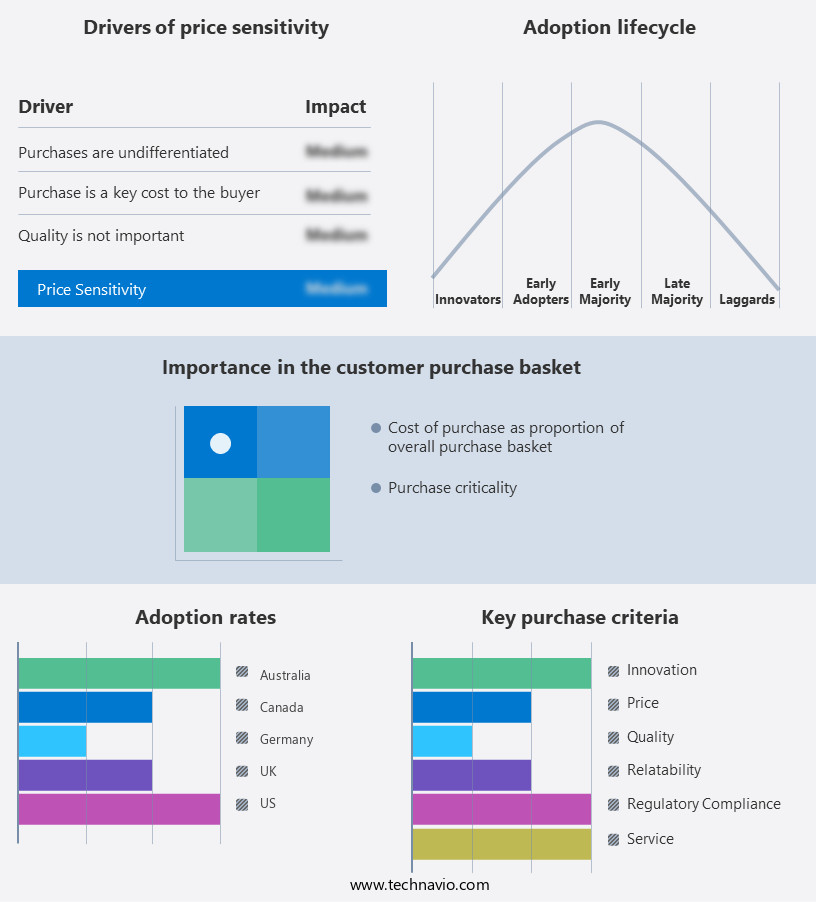
Customer Landscape of Identity Verification Industry
Key Companies & Market Insights
Companies are implementing various strategies, such as strategic alliances, identity verification market forecast, partnerships, mergers and acquisitions, geographical expansion, and product/service launches, to enhance their presence in the industry.
Applied Recognition Corp. - This company specializes in identity verification solutions, encompassing document, age, and ID authentication. Their offerings ensure secure and accurate verification processes for businesses and organizations.
The industry research and growth report includes detailed analyses of the competitive landscape of the market and information about key companies, including:
- Applied Recognition Corp.
- Authenteq Tarbena GmbH
- Equifax Inc.
- Experian Plc
- GB Group plc
- Gen Digital Inc.
- ID Merit
- Intellicheck Inc.
- Jumio Corp.
- Khosla Labs Pvt. Ltd.
- Mastercard Inc.
- Mitek Systems Inc.
- Onfido
- PXL Vision AG
- RELX Plc
- Shufti Pro Ltd.
- Thales Group
- TransUnion
- UAB iDenfy.
- WebID Solutions GmbH
Qualitative and quantitative analysis of companies has been conducted to help clients understand the wider business environment as well as the strengths and weaknesses of key industry players. Data is qualitatively analyzed to categorize companies as pure play, category-focused, industry-focused, and diversified; it is quantitatively analyzed to categorize companies as dominant, leading, strong, tentative, and weak.
Recent Development and News in Identity Verification Market
- In January 2024, leading identity verification provider Jumio announced the launch of its new AI-driven identity verification solution, "Jumio Authenticate," which uses machine learning and biometric authentication to verify identities in real-time. This development marks a significant advancement in identity verification technology, enabling faster and more accurate identity verification for businesses (Jumio Press Release).
- In March 2024, identity verification and fraud prevention company Onfido formed a strategic partnership with Mastercard to offer identity verification services to Mastercard's network of merchants and financial institutions. This collaboration is expected to expand Onfido's reach and strengthen its position in the market (Onfido Press Release).
- In May 2024, identity verification platform Idemia raised USD200 million in a Series D funding round, led by Temasek and Eurazeo. This investment will be used to accelerate the company's growth, expand its global footprint, and further develop its identity verification solutions (Idemia Press Release).
- In April 2025, the European Union's eIDAS Regulation came into full effect, mandating the use of electronic signatures and identity verification for cross-border transactions. This regulatory development is expected to drive significant growth in the market, as businesses adapt to the new regulations (European Commission Press Release).
Research Analyst Overview
- The market encompasses various technologies and techniques aimed at ensuring secure and accurate identification of individuals in the digital world. This market continues to evolve, driven by the increasing demand for passwordless authentication and enhanced security protocols. Voice recognition and neural network architectures are at the forefront of this evolution, offering convenient and secure identity proofing solutions. Machine learning models and deep learning algorithms are integral to these systems, enabling continuous learning and improvement. Fingerprint scanning, an established identity verification method, also remains relevant, with advancements in technology enhancing its accuracy and reliability. Passwordless authentication, a growing trend, eliminates the need for traditional passwords, replacing them with more secure alternatives like biometric authentication and multi-factor authentication.
- Biometric authentication encompasses various methods, including fingerprint scanning, voice recognition, and facial recognition, ensuring a more secure and convenient user experience. The market is expected to grow at a significant rate, with industry analysts projecting a 15% compound annual growth rate (CAGR) through 2026. This growth is driven by the increasing adoption of digital identity solutions across various sectors, including finance, healthcare, and government. Security protocols and data privacy regulations, such as GDPR and AML compliance, are essential components of the identity verification landscape. These regulations ensure secure data storage and protection, as well as risk-based authentication and threat detection systems to prevent identity theft and fraud.
- In conclusion, the market is a dynamic and evolving landscape, driven by advancements in technology and the increasing demand for secure and convenient digital identity solutions. The integration of voice recognition, neural network architectures, fingerprint scanning, and other cutting-edge technologies is transforming the way we prove and protect our digital identities.
Dive into Technavio’s robust research methodology, blending expert interviews, extensive data synthesis, and validated models for unparalleled Identity Verification Market insights. See full methodology.
|
Market Scope |
|
|
Report Coverage |
Details |
|
Page number |
221 |
|
Base year |
2024 |
|
Historic period |
2019-2023 |
|
Forecast period |
2025-2029 |
|
Growth momentum & CAGR |
Accelerate at a CAGR of 20.2% |
|
Market growth 2025-2029 |
USD 19586.8 million |
|
Market structure |
Fragmented |
|
YoY growth 2024-2025(%) |
17.4 |
|
Key countries |
US, Australia, UK, Japan, Canada, India, Brazil, Germany, France, and South Korea |
|
Competitive landscape |
Leading Companies, Market Positioning of Companies, Competitive Strategies, and Industry Risks |
What are the Key Data Covered in this Identity Verification Market Research and Growth Report?
- CAGR of the Identity Verification industry during the forecast period
- Detailed information on factors that will drive the growth and forecasting between 2025 and 2029
- Precise estimation of the size of the market and its contribution of the industry in focus to the parent market
- Accurate predictions about upcoming growth and trends and changes in consumer behaviour
- Growth of the market across North America, APAC, Europe, South America, and Middle East and Africa
- Thorough analysis of the market’s competitive landscape and detailed information about companies
- Comprehensive analysis of factors that will challenge the identity verification market growth of industry companies
We can help! Our analysts can customize this identity verification market research report to meet your requirements.