


HVAC Market Analysis, Size, and Forecast 2026-2030: APAC (China, India, and Japan), Europe (Germany, UK, and France), North America (US, Canada, and Mexico), Middle East and Africa (Saudi Arabia, UAE, and Turkey), South America (Brazil and Argentina), and Rest of World (ROW)

HVAC Market Analysis, Size, and Forecast 2026-2030:
APAC (China, India, and Japan), Europe (Germany, UK, and France), North America (US, Canada, and Mexico), Middle East and Africa (Saudi Arabia, UAE, and Turkey), South America (Brazil and Argentina), and Rest of World (ROW)

Published: Mar 2026 294 Pages SKU: IRTNTR46669

Market Overview at a Glance

$96.7 B
Market Opportunity
7%
CAGR 2025 - 2030
48.8%
APAC Growth
$153.6 B
HVAC equipment segment 2024

HVAC Market Size 2026-2030

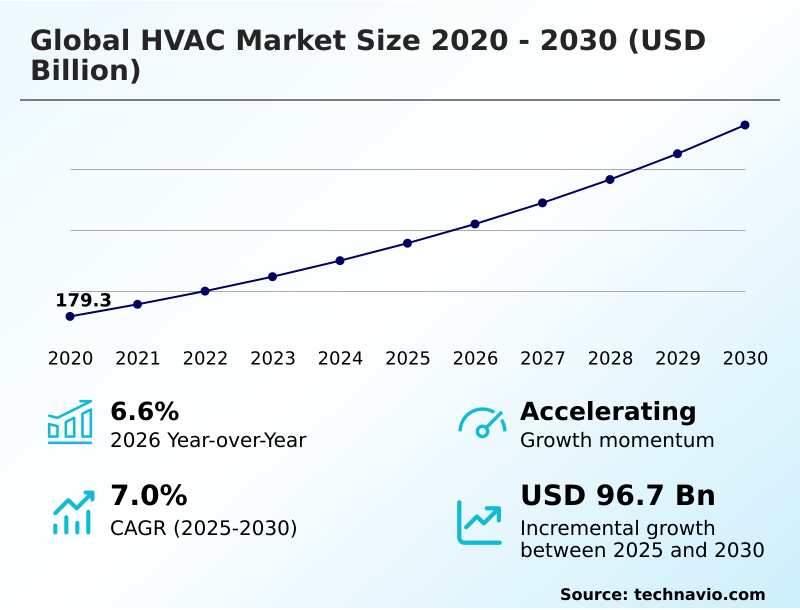
The hvac market size is valued to increase by USD 96.7 billion, at a CAGR of 7% from 2025 to 2030. Growing construction sector will drive the hvac market.

Major Market Trends & Insights

  • APAC dominated the market and accounted for a 48.8% growth during the forecast period.
  • By Type - HVAC equipment segment was valued at USD 153.6 billion in 2024
  • By End-user - Non-residential segment accounted for the largest market revenue share in 2024

Market Size & Forecast

  • Market Opportunities: USD 156.6 billion
  • Market Future Opportunities: USD 96.7 billion
  • CAGR from 2025 to 2030 : 7%

Market Summary

  • The HVAC market is undergoing a significant transformation, driven by the dual imperatives of energy efficiency and decarbonization. The growing construction sector and extensive refurbishment needs create sustained demand, while regulatory pressures accelerate the adoption of advanced solutions like heat pump technology and systems using low-GWP refrigerants.
  • A key trend is the integration of building automation systems and smart thermostats, which enable predictive maintenance algorithms and optimize energy use based on real-time data from indoor air quality sensors. However, the industry faces challenges, including the high initial cost of geothermal heating systems and a shortage of skilled labor for HVAC equipment installation.
  • For instance, a commercial real estate firm managing a portfolio of aging buildings can leverage HVAC system retrofitting with variable refrigerant flow systems. This not only cuts energy consumption by up to 30% but also enhances tenant comfort, directly improving occupancy rates and asset value.
  • The shift toward sustainable climate control is compelling innovation across the value chain, from scroll compressors to air handling units.

What will be the Size of the HVAC Market during the forecast period?
Get Key Insights on Market Forecast (PDF) Request Free Sample

How is the HVAC Market Segmented?

The hvac industry research report provides comprehensive data (region-wise segment analysis), with forecasts and estimates in "USD billion" for the period 2026-2030, as well as historical data from 2020-2024 for the following segments.

  • Type
    • HVAC equipment
    • HVAC services
  • End-user
    • Non-residential
    • Residential
  • Distribution channel
    • Indirect sales
    • Direct sales
  • Geography
    • APAC
      • China
      • India
      • Japan
    • Europe
      • Germany
      • UK
      • France
    • North America
      • US
      • Canada
      • Mexico
    • Middle East and Africa
      • Saudi Arabia
      • UAE
      • Turkey
    • South America
      • Brazil
      • Argentina
    • Rest of World (ROW)

By Type Insights

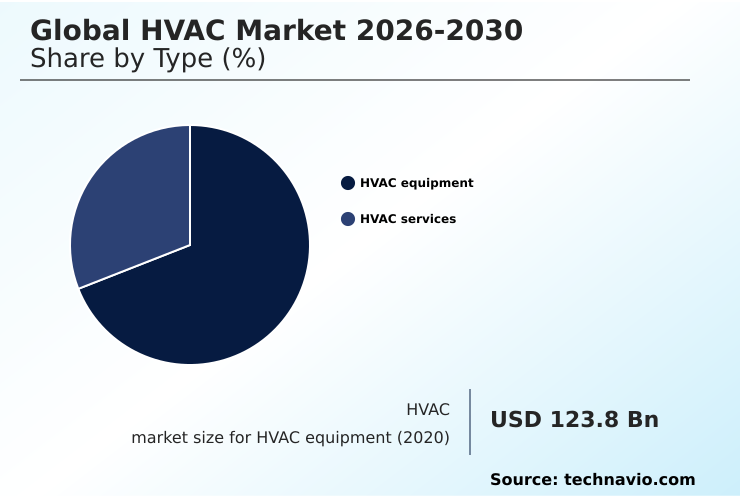
The hvac equipment segment is estimated to witness significant growth during the forecast period.

The HVAC equipment segment is pivoting toward higher building energy efficiency, driven by regulatory mandates and the decarbonization of buildings. This transition is accelerating the adoption of advanced heat pump technology and high-performance condensing boilers for residential heating solutions.

A critical shift involves stringent refrigerant management, with the industry moving to low-GWP refrigerants in all new equipment. Integration with smart thermostats is now standard, enabling granular control and optimization.

For instance, the phase-out of R-410A refrigerant has catalyzed system redesigns, forcing manufacturers to innovate with alternatives that improve both environmental compliance and operational performance, impacting the entire supply chain.
Request Free Sample

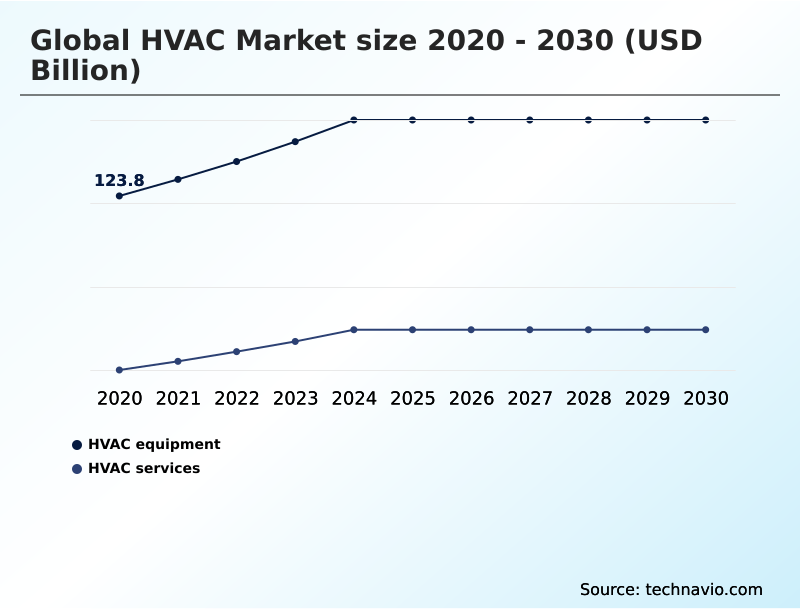
The HVAC equipment segment was valued at USD 153.6 billion in 2024 and showed a gradual increase during the forecast period.
Request Free Sample

Regional Analysis

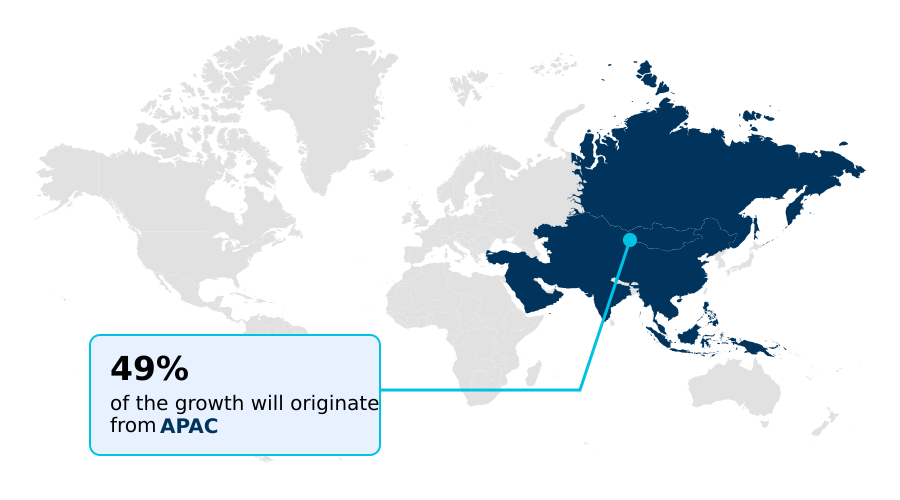
APAC is estimated to contribute 48.8% to the growth of the global market during the forecast period.Technavio’s analysts have elaborately explained the regional trends and drivers that shape the market during the forecast period.
See How HVAC Market Demand is Rising in APAC Request Free Sample

Regional market growth is strongly influenced by climate and infrastructure. In dense urban areas, district cooling and centralized HVAC systems are gaining traction for their efficiency, while tropical climates drive demand for advanced dehumidification solutions.

The expansion of industrial ventilation is critical in manufacturing hubs, where precise climate control automation is necessary.

Some regions are exploring passive cooling design and thermal storage technologies to reduce peak energy loads, with APAC contributing 48.8% of the market's incremental growth.

Innovations in air handling units and VRF systems are also tailored to regional energy standards, reflecting a global yet localized approach to climate control.

Market Dynamics

Our researchers analyzed the data with 2025 as the base year, along with the key drivers, trends, and challenges. A holistic analysis of drivers will help companies refine their marketing strategies to gain a competitive advantage.

  • Strategic decision-making in the HVAC market now requires a granular understanding of system performance and cost. For instance, evaluating the energy efficiency of ductless mini-split systems is crucial for residential applications, while the impact of low-GWP refrigerants on chillers dictates compliance and operational strategy for commercial properties.
  • The seamless integration of smart thermostats with BAS is a key factor in modernization, contrasting with the fundamental maintenance requirements for commercial rooftop units. Firms are exploring advancements in cold-climate heat pump technology for decarbonization, often weighing the lifecycle cost of district cooling systems in urban planning.
  • The benefits of energy recovery ventilation are now quantified in energy savings, supporting broader decarbonization strategies for residential heating. Similarly, HVAC retrofitting for older commercial buildings presents a massive opportunity, with decisions often hinging on the projected ROI of geothermal heating and cooling.
  • The focus is shifting toward improving IAQ with advanced filtration and understanding the role of predictive maintenance in HVAC. Overcoming the challenges of HVAC system installation is critical for project success. Furthermore, advancements in variable refrigerant flow systems are enabling new designs, while optimizing air handling unit performance remains a core operational goal.
  • The impact of building automation on energy use is significant, with some systems reducing consumption by over 25% compared to non-automated buildings, a crucial metric for financial planning. A detailed comparison of chiller plant technologies, trends in smart HVAC controls, and specialized HVAC solutions for data center cooling are shaping future investments.
  • Finally, selecting the right dehumidification technology for commercial use is key in humid climates.
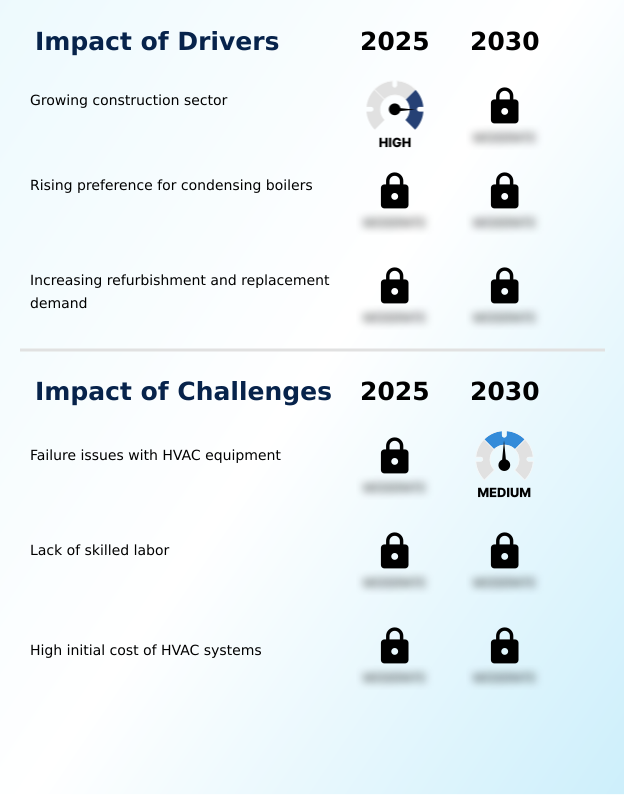
What are the key market drivers leading to the rise in the adoption of HVAC Industry?

  • The expanding global construction sector serves as a primary driver, generating foundational demand for HVAC systems across new building projects.

  • The push for sustainable climate control is a significant market driver, fueling investment in geothermal heating systems and highly efficient chiller plants.
  • In refurbishment projects, HVAC system retrofitting often includes the installation of variable speed drives and advanced scroll compressors, which can improve system efficiency by more than 20%.
  • The growing adoption of cold-climate heat pumps helps buildings achieve higher energy performance certificates. This focus on electrification positions buildings as grid-interactive buildings, capable of supporting grid stability.
  • These upgrades not only reduce energy consumption but also increase property asset value, making them attractive for long-term investors.

What are the market trends shaping the HVAC Industry?

  • A defining market trend is the increasing incorporation of building automation systems, enabling intelligent, data-driven operations for enhanced efficiency and control.

  • Smart building integration is reshaping market dynamics, with building automation systems serving as the core of modern climate control. These platforms leverage predictive maintenance algorithms and data from indoor air quality sensors to optimize thermal comfort management, reducing operational costs by over 15%. The adoption of inverter technology in air purification systems enhances performance and efficiency.
  • This connectivity enables sophisticated demand-response capabilities, allowing buildings to interact with the power grid dynamically. A thorough lifecycle cost analysis reveals that these intelligent systems deliver significant long-term value, justifying the initial investment in connected infrastructure and advanced monitoring.

What challenges does the HVAC Industry face during its growth?

  • A key market challenge stems from HVAC equipment failure issues, which impact system reliability, elevate operating costs, and diminish customer confidence.

  • Ensuring HVAC system reliability remains a persistent challenge, particularly with complex commercial cooling systems like variable refrigerant flow and rooftop units. Improper HVAC equipment installation of ductless mini-split systems can lead to performance degradation and increased service calls. A significant operational hurdle is the shortage in HVAC workforce development, as technicians require new skills for modern systems.
  • Furthermore, integrating advanced HVAC control valves and incorporating natural ventilation strategies into existing building designs presents technical difficulties. These factors collectively impact project timelines and costs, with poor installation practices increasing lifecycle expenses by up to 30%.

Exclusive Technavio Analysis on Customer Landscape

The hvac market forecasting report includes the adoption lifecycle of the market, covering from the innovator’s stage to the laggard’s stage. It focuses on adoption rates in different regions based on penetration. Furthermore, the hvac market report also includes key purchase criteria and drivers of price sensitivity to help companies evaluate and develop their market growth analysis strategies.
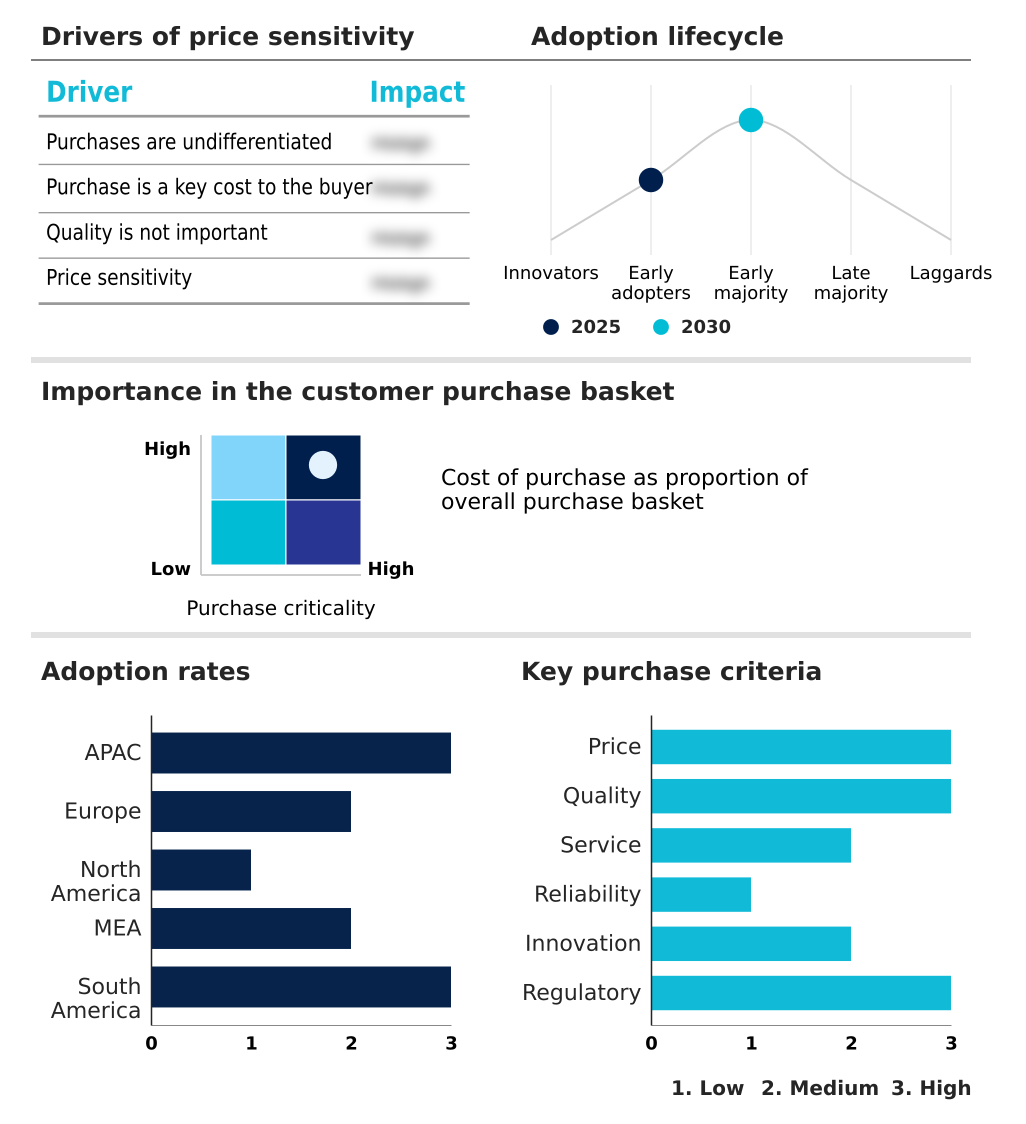
Customer Landscape of HVAC Industry

Competitive Landscape

Companies are implementing various strategies, such as strategic alliances, hvac market forecast, partnerships, mergers and acquisitions, geographical expansion, and product/service launches, to enhance their presence in the industry.

Addison HVAC - Core offerings comprise advanced climate control systems, including high-efficiency residential air conditioners and commercial chillers, engineered for optimal performance and energy management.

The industry research and growth report includes detailed analyses of the competitive landscape of the market and information about key companies, including:

  • Addison HVAC
  • Carrier Global Corp.
  • Daikin Industries Ltd.
  • Danfoss AS
  • Emerson Electric Co.
  • Fujitsu Ltd.
  • GREE Comfort
  • Haier Smart Home Co. Ltd.
  • Hitachi Ltd.
  • Honeywell International Inc.
  • Johnson Controls International
  • Lennox International Inc.
  • LG Electronics Inc.
  • Midea Group Co. Ltd.
  • Mitsubishi Electric Corp.
  • Nortek Air Solutions LLC
  • Panasonic Holdings Corp.
  • Samsung Electronics Co. Ltd.
  • Trane Technologies plc
  • Whirlpool Corp.

Qualitative and quantitative analysis of companies has been conducted to help clients understand the wider business environment as well as the strengths and weaknesses of key industry players. Data is qualitatively analyzed to categorize companies as pure play, category-focused, industry-focused, and diversified; it is quantitatively analyzed to categorize companies as dominant, leading, strong, tentative, and weak.

Recent Development and News in Hvac market

  • In August, 2025, Airo Mechanical was acquired by CCMP Growth Advisors, enabling accelerated expansion across the Southeastern US, enhanced HVAC and plumbing capabilities, and technology investments.
  • In September, 2025, NREL and Blue Frontier unveiled the Energy Storing and Efficient Air Conditioner (ESEAC), a commercial HVAC technology combining energy storage and advanced dehumidification to cut peak power demand by over 90%.
  • In October, 2025, Australia based Conry Tech secured fresh seed funding to advance its BullAnt decentralized HVAC system, a novel heat transfer technology for commercial buildings that aims to halve energy consumption.
  • In June, 2025, Johnson Controls Hitachi Air Conditioning India hosted the Hitachi Xchange Programme in Mumbai, engaging architects and HVAC consultants to promote energy-efficient cooling solutions and sustainable infrastructure.

Dive into Technavio’s robust research methodology, blending expert interviews, extensive data synthesis, and validated models for unparalleled HVAC Market insights. See full methodology.

Market Scope
Page number 294
Base year 2025
Historic period 2020-2024
Forecast period 2026-2030
Growth momentum & CAGR Accelerate at a CAGR of 7%
Market growth 2026-2030 USD 96.7 billion
Market structure Fragmented
YoY growth 2025-2026(%) 6.6%
Key countries China, India, Japan, South Korea, Australia, Indonesia, Germany, UK, France, Italy, Spain, The Netherlands, US, Canada, Mexico, Saudi Arabia, UAE, Turkey, South Africa, Israel, Brazil, Argentina and Chile
Competitive landscape Leading Companies, Market Positioning of Companies, Competitive Strategies, and Industry Risks

Request Free Sample

Research Analyst Overview

  • The HVAC market's evolution is accelerating, driven by the convergence of sustainability mandates and digital innovation. The adoption of heat pump technology, including specialized cold-climate heat pumps and geothermal heating systems, is central to electrification efforts.
  • In commercial applications, variable refrigerant flow (VRF systems) and modern chiller plants are being specified for their efficiency, often integrated within overarching building automation systems. The performance of core components like air handling units, scroll compressors, and HVAC control valves is being enhanced by variable speed drives and inverter technology.
  • A critical boardroom consideration is the transition to low-GWP refrigerants, a move that impacts equipment design and service protocols. Systems from rooftop units to ductless mini-split systems are now equipped with smart thermostats and indoor air quality sensors, enabling predictive maintenance algorithms that can reduce system failures by over 40%.
  • This shift demands new approaches to indoor climate, incorporating energy recovery ventilation, dehumidification solutions, and even natural ventilation where feasible. The market for high-efficiency condensing boilers and air purification systems also continues to grow, addressing both energy and health concerns. The integration of thermal storage technologies represents a strategic move to manage peak energy demand and enhance grid stability.

What are the Key Data Covered in this HVAC Market Research and Growth Report?

  • What is the expected growth of the HVAC Market between 2026 and 2030?

    • USD 96.7 billion, at a CAGR of 7%

  • What segmentation does the market report cover?

    • The report is segmented by Type (HVAC equipment, and HVAC services), End-user (Non-residential, and Residential), Distribution Channel (Indirect sales, and Direct sales) and Geography (APAC, Europe, North America, Middle East and Africa, South America)

  • Which regions are analyzed in the report?

    • APAC, Europe, North America, Middle East and Africa and South America

  • What are the key growth drivers and market challenges?

    • Growing construction sector, Failure issues with HVAC equipment

  • Who are the major players in the HVAC Market?

    • Addison HVAC, Carrier Global Corp., Daikin Industries Ltd., Danfoss AS, Emerson Electric Co., Fujitsu Ltd., GREE Comfort, Haier Smart Home Co. Ltd., Hitachi Ltd., Honeywell International Inc., Johnson Controls International, Lennox International Inc., LG Electronics Inc., Midea Group Co. Ltd., Mitsubishi Electric Corp., Nortek Air Solutions LLC, Panasonic Holdings Corp., Samsung Electronics Co. Ltd., Trane Technologies plc and Whirlpool Corp.

Market Research Insights

  • The drive for building energy efficiency and sustainable climate control is redefining the market. Smart building integration with climate control automation is crucial for thermal comfort management and enabling demand-response capabilities in grid-interactive buildings. This shift impacts both new projects and HVAC system retrofitting in older structures.
  • Residential heating solutions and commercial cooling systems are evolving, necessitating advances in industrial ventilation and passive cooling design. Achieving decarbonization of buildings requires thorough lifecycle cost analysis and improved refrigerant management. The focus on HVAC system reliability and proper HVAC equipment installation is paramount, creating a need for enhanced HVAC workforce development.
  • Success hinges on meeting stringent energy performance certificates through effective centralized HVAC systems.

We can help! Our analysts can customize this hvac market research report to meet your requirements.

Get in touch

1. Executive Summary

1.1 Market overview

Executive Summary - Chart on Market Overview
Executive Summary - Data Table on Market Overview
Executive Summary - Chart on Global Market Characteristics
Executive Summary - Chart on Market by Geography
Executive Summary - Chart on Market Segmentation by Type
Executive Summary - Chart on Market Segmentation by End-user
Executive Summary - Chart on Market Segmentation by Distribution Channel
Executive Summary - Chart on Incremental Growth
Executive Summary - Data Table on Incremental Growth
Executive Summary - Chart on Company Market Positioning

2. Technavio Analysis

2.1 Analysis of price sensitivity, lifecycle, customer purchase basket, adoption rates, and purchase criteria

2.2 Criticality of inputs and Factors of differentiation

Chart on Overview on criticality of inputs and factors of differentiation

2.3 Factors of disruption

Chart on Overview on factors of disruption

2.4 Impact of drivers and challenges

Chart on Impact of drivers and challenges in 2025 and 2030

3. Market Landscape

3.1 Market ecosystem

Chart on Parent Market
Data Table on - Parent Market

3.2 Market characteristics

Chart on Market characteristics analysis

3.3 Value chain analysis

Chart on Value chain analysis

4. Market Sizing

4.1 Market definition

Data Table on Offerings of companies included in the market definition

4.2 Market segment analysis

Market segments

4.3 Market size 2025

4.4 Market outlook: Forecast for 2025-2030

Chart on Global - Market size and forecast 2025-2030 ($ billion)
Data Table on Global - Market size and forecast 2025-2030 ($ billion)
Chart on Global Market: Year-over-year growth 2025-2030 (%)
Data Table on Global Market: Year-over-year growth 2025-2030 (%)

5. Historic Market Size

5.1 Global HVAC Market 2020 - 2024

Historic Market Size - Data Table on Global HVAC Market 2020 - 2024 ($ billion)

5.2 Type segment analysis 2020 - 2024

Historic Market Size - Type Segment 2020 - 2024 ($ billion)

5.3 End-user segment analysis 2020 - 2024

Historic Market Size - End-user Segment 2020 - 2024 ($ billion)

5.4 Distribution Channel segment analysis 2020 - 2024

Historic Market Size - Distribution Channel Segment 2020 - 2024 ($ billion)

5.5 Geography segment analysis 2020 - 2024

Historic Market Size - Geography Segment 2020 - 2024 ($ billion)

5.6 Country segment analysis 2020 - 2024

Historic Market Size - Country Segment 2020 - 2024 ($ billion)

6. Qualitative Analysis

6.1 Impact of AI on the Global HVAC Market

7. Five Forces Analysis

7.1 Five forces summary

Five forces analysis - Comparison between 2025 and 2030

7.2 Bargaining power of buyers

Bargaining power of buyers - Impact of key factors 2025 and 2030

7.3 Bargaining power of suppliers

Bargaining power of suppliers - Impact of key factors in 2025 and 2030

7.4 Threat of new entrants

Threat of new entrants - Impact of key factors in 2025 and 2030

7.5 Threat of substitutes

Threat of substitutes - Impact of key factors in 2025 and 2030

7.6 Threat of rivalry

Threat of rivalry - Impact of key factors in 2025 and 2030

7.7 Market condition

Chart on Market condition - Five forces 2025 and 2030

8. Market Segmentation by Type

8.1 Market segments

Chart on Type - Market share 2025-2030 (%)
Data Table on Type - Market share 2025-2030 (%)

8.2 Comparison by Type

Chart on Comparison by Type
Data Table on Comparison by Type

8.3 HVAC equipment - Market size and forecast 2025-2030

Chart on HVAC equipment - Market size and forecast 2025-2030 ($ billion)
Data Table on HVAC equipment - Market size and forecast 2025-2030 ($ billion)
Chart on HVAC equipment - Year-over-year growth 2025-2030 (%)
Data Table on HVAC equipment - Year-over-year growth 2025-2030 (%)

8.4 HVAC services - Market size and forecast 2025-2030

Chart on HVAC services - Market size and forecast 2025-2030 ($ billion)
Data Table on HVAC services - Market size and forecast 2025-2030 ($ billion)
Chart on HVAC services - Year-over-year growth 2025-2030 (%)
Data Table on HVAC services - Year-over-year growth 2025-2030 (%)

8.5 Market opportunity by Type

Market opportunity by Type ($ billion)
Data Table on Market opportunity by Type ($ billion)

9. Market Segmentation by End-user

9.1 Market segments

Chart on End-user - Market share 2025-2030 (%)
Data Table on End-user - Market share 2025-2030 (%)

9.2 Comparison by End-user

Chart on Comparison by End-user
Data Table on Comparison by End-user

9.3 Non-residential - Market size and forecast 2025-2030

Chart on Non-residential - Market size and forecast 2025-2030 ($ billion)
Data Table on Non-residential - Market size and forecast 2025-2030 ($ billion)
Chart on Non-residential - Year-over-year growth 2025-2030 (%)
Data Table on Non-residential - Year-over-year growth 2025-2030 (%)

9.4 Residential - Market size and forecast 2025-2030

Chart on Residential - Market size and forecast 2025-2030 ($ billion)
Data Table on Residential - Market size and forecast 2025-2030 ($ billion)
Chart on Residential - Year-over-year growth 2025-2030 (%)
Data Table on Residential - Year-over-year growth 2025-2030 (%)

9.5 Market opportunity by End-user

Market opportunity by End-user ($ billion)
Data Table on Market opportunity by End-user ($ billion)

10. Market Segmentation by Distribution Channel

10.1 Market segments

Chart on Distribution Channel - Market share 2025-2030 (%)
Data Table on Distribution Channel - Market share 2025-2030 (%)

10.2 Comparison by Distribution Channel

Chart on Comparison by Distribution Channel
Data Table on Comparison by Distribution Channel

10.3 Indirect sales - Market size and forecast 2025-2030

Chart on Indirect sales - Market size and forecast 2025-2030 ($ billion)
Data Table on Indirect sales - Market size and forecast 2025-2030 ($ billion)
Chart on Indirect sales - Year-over-year growth 2025-2030 (%)
Data Table on Indirect sales - Year-over-year growth 2025-2030 (%)

10.4 Direct sales - Market size and forecast 2025-2030

Chart on Direct sales - Market size and forecast 2025-2030 ($ billion)
Data Table on Direct sales - Market size and forecast 2025-2030 ($ billion)
Chart on Direct sales - Year-over-year growth 2025-2030 (%)
Data Table on Direct sales - Year-over-year growth 2025-2030 (%)

10.5 Market opportunity by Distribution Channel

Market opportunity by Distribution Channel ($ billion)
Data Table on Market opportunity by Distribution Channel ($ billion)

11. Customer Landscape

11.1 Customer landscape overview

Analysis of price sensitivity, lifecycle, customer purchase basket, adoption rates, and purchase criteria

12. Geographic Landscape

12.1 Geographic segmentation

Chart on Market share by geography 2025-2030 (%)
Data Table on Market share by geography 2025-2030 (%)

12.2 Geographic comparison

Chart on Geographic comparison
Data Table on Geographic comparison

12.3 APAC - Market size and forecast 2025-2030

Chart on APAC - Market size and forecast 2025-2030 ($ billion)
Data Table on APAC - Market size and forecast 2025-2030 ($ billion)
Chart on APAC - Year-over-year growth 2025-2030 (%)
Data Table on APAC - Year-over-year growth 2025-2030 (%)
Chart on Regional Comparison - APAC
Data Table on Regional Comparison - APAC

12.3.1 China - Market size and forecast 2025-2030

Chart on China - Market size and forecast 2025-2030 ($ billion)
Data Table on China - Market size and forecast 2025-2030 ($ billion)
Chart on China - Year-over-year growth 2025-2030 (%)
Data Table on China - Year-over-year growth 2025-2030 (%)

12.3.2 India - Market size and forecast 2025-2030

Chart on India - Market size and forecast 2025-2030 ($ billion)
Data Table on India - Market size and forecast 2025-2030 ($ billion)
Chart on India - Year-over-year growth 2025-2030 (%)
Data Table on India - Year-over-year growth 2025-2030 (%)

12.3.3 Japan - Market size and forecast 2025-2030

Chart on Japan - Market size and forecast 2025-2030 ($ billion)
Data Table on Japan - Market size and forecast 2025-2030 ($ billion)
Chart on Japan - Year-over-year growth 2025-2030 (%)
Data Table on Japan - Year-over-year growth 2025-2030 (%)

12.3.4 South Korea - Market size and forecast 2025-2030

Chart on South Korea - Market size and forecast 2025-2030 ($ billion)
Data Table on South Korea - Market size and forecast 2025-2030 ($ billion)
Chart on South Korea - Year-over-year growth 2025-2030 (%)
Data Table on South Korea - Year-over-year growth 2025-2030 (%)

12.3.5 Australia - Market size and forecast 2025-2030

Chart on Australia - Market size and forecast 2025-2030 ($ billion)
Data Table on Australia - Market size and forecast 2025-2030 ($ billion)
Chart on Australia - Year-over-year growth 2025-2030 (%)
Data Table on Australia - Year-over-year growth 2025-2030 (%)

12.3.6 Indonesia - Market size and forecast 2025-2030

Chart on Indonesia - Market size and forecast 2025-2030 ($ billion)
Data Table on Indonesia - Market size and forecast 2025-2030 ($ billion)
Chart on Indonesia - Year-over-year growth 2025-2030 (%)
Data Table on Indonesia - Year-over-year growth 2025-2030 (%)

12.4 Europe - Market size and forecast 2025-2030

Chart on Europe - Market size and forecast 2025-2030 ($ billion)
Data Table on Europe - Market size and forecast 2025-2030 ($ billion)
Chart on Europe - Year-over-year growth 2025-2030 (%)
Data Table on Europe - Year-over-year growth 2025-2030 (%)
Chart on Regional Comparison - Europe
Data Table on Regional Comparison - Europe

12.4.1 Germany - Market size and forecast 2025-2030

Chart on Germany - Market size and forecast 2025-2030 ($ billion)
Data Table on Germany - Market size and forecast 2025-2030 ($ billion)
Chart on Germany - Year-over-year growth 2025-2030 (%)
Data Table on Germany - Year-over-year growth 2025-2030 (%)

12.4.2 UK - Market size and forecast 2025-2030

Chart on UK - Market size and forecast 2025-2030 ($ billion)
Data Table on UK - Market size and forecast 2025-2030 ($ billion)
Chart on UK - Year-over-year growth 2025-2030 (%)
Data Table on UK - Year-over-year growth 2025-2030 (%)

12.4.3 France - Market size and forecast 2025-2030

Chart on France - Market size and forecast 2025-2030 ($ billion)
Data Table on France - Market size and forecast 2025-2030 ($ billion)
Chart on France - Year-over-year growth 2025-2030 (%)
Data Table on France - Year-over-year growth 2025-2030 (%)

12.4.4 Italy - Market size and forecast 2025-2030

Chart on Italy - Market size and forecast 2025-2030 ($ billion)
Data Table on Italy - Market size and forecast 2025-2030 ($ billion)
Chart on Italy - Year-over-year growth 2025-2030 (%)
Data Table on Italy - Year-over-year growth 2025-2030 (%)

12.4.5 Spain - Market size and forecast 2025-2030

Chart on Spain - Market size and forecast 2025-2030 ($ billion)
Data Table on Spain - Market size and forecast 2025-2030 ($ billion)
Chart on Spain - Year-over-year growth 2025-2030 (%)
Data Table on Spain - Year-over-year growth 2025-2030 (%)

12.4.6 The Netherlands - Market size and forecast 2025-2030

Chart on The Netherlands - Market size and forecast 2025-2030 ($ billion)
Data Table on The Netherlands - Market size and forecast 2025-2030 ($ billion)
Chart on The Netherlands - Year-over-year growth 2025-2030 (%)
Data Table on The Netherlands - Year-over-year growth 2025-2030 (%)

12.5 North America - Market size and forecast 2025-2030

Chart on North America - Market size and forecast 2025-2030 ($ billion)
Data Table on North America - Market size and forecast 2025-2030 ($ billion)
Chart on North America - Year-over-year growth 2025-2030 (%)
Data Table on North America - Year-over-year growth 2025-2030 (%)
Chart on Regional Comparison - North America
Data Table on Regional Comparison - North America

12.5.1 US - Market size and forecast 2025-2030

Chart on US - Market size and forecast 2025-2030 ($ billion)
Data Table on US - Market size and forecast 2025-2030 ($ billion)
Chart on US - Year-over-year growth 2025-2030 (%)
Data Table on US - Year-over-year growth 2025-2030 (%)

12.5.2 Canada - Market size and forecast 2025-2030

Chart on Canada - Market size and forecast 2025-2030 ($ billion)
Data Table on Canada - Market size and forecast 2025-2030 ($ billion)
Chart on Canada - Year-over-year growth 2025-2030 (%)
Data Table on Canada - Year-over-year growth 2025-2030 (%)

12.5.3 Mexico - Market size and forecast 2025-2030

Chart on Mexico - Market size and forecast 2025-2030 ($ billion)
Data Table on Mexico - Market size and forecast 2025-2030 ($ billion)
Chart on Mexico - Year-over-year growth 2025-2030 (%)
Data Table on Mexico - Year-over-year growth 2025-2030 (%)

12.6 Middle East and Africa - Market size and forecast 2025-2030

Chart on Middle East and Africa - Market size and forecast 2025-2030 ($ billion)
Data Table on Middle East and Africa - Market size and forecast 2025-2030 ($ billion)
Chart on Middle East and Africa - Year-over-year growth 2025-2030 (%)
Data Table on Middle East and Africa - Year-over-year growth 2025-2030 (%)
Chart on Regional Comparison - Middle East and Africa
Data Table on Regional Comparison - Middle East and Africa

12.6.1 Saudi Arabia - Market size and forecast 2025-2030

Chart on Saudi Arabia - Market size and forecast 2025-2030 ($ billion)
Data Table on Saudi Arabia - Market size and forecast 2025-2030 ($ billion)
Chart on Saudi Arabia - Year-over-year growth 2025-2030 (%)
Data Table on Saudi Arabia - Year-over-year growth 2025-2030 (%)

12.6.2 UAE - Market size and forecast 2025-2030

Chart on UAE - Market size and forecast 2025-2030 ($ billion)
Data Table on UAE - Market size and forecast 2025-2030 ($ billion)
Chart on UAE - Year-over-year growth 2025-2030 (%)
Data Table on UAE - Year-over-year growth 2025-2030 (%)

12.6.3 Turkey - Market size and forecast 2025-2030

Chart on Turkey - Market size and forecast 2025-2030 ($ billion)
Data Table on Turkey - Market size and forecast 2025-2030 ($ billion)
Chart on Turkey - Year-over-year growth 2025-2030 (%)
Data Table on Turkey - Year-over-year growth 2025-2030 (%)

12.6.4 South Africa - Market size and forecast 2025-2030

Chart on South Africa - Market size and forecast 2025-2030 ($ billion)
Data Table on South Africa - Market size and forecast 2025-2030 ($ billion)
Chart on South Africa - Year-over-year growth 2025-2030 (%)
Data Table on South Africa - Year-over-year growth 2025-2030 (%)

12.6.5 Israel - Market size and forecast 2025-2030

Chart on Israel - Market size and forecast 2025-2030 ($ billion)
Data Table on Israel - Market size and forecast 2025-2030 ($ billion)
Chart on Israel - Year-over-year growth 2025-2030 (%)
Data Table on Israel - Year-over-year growth 2025-2030 (%)

12.7 South America - Market size and forecast 2025-2030

Chart on South America - Market size and forecast 2025-2030 ($ billion)
Data Table on South America - Market size and forecast 2025-2030 ($ billion)
Chart on South America - Year-over-year growth 2025-2030 (%)
Data Table on South America - Year-over-year growth 2025-2030 (%)
Chart on Regional Comparison - South America
Data Table on Regional Comparison - South America

12.7.1 Brazil - Market size and forecast 2025-2030

Chart on Brazil - Market size and forecast 2025-2030 ($ billion)
Data Table on Brazil - Market size and forecast 2025-2030 ($ billion)
Chart on Brazil - Year-over-year growth 2025-2030 (%)
Data Table on Brazil - Year-over-year growth 2025-2030 (%)

12.7.2 Argentina - Market size and forecast 2025-2030

Chart on Argentina - Market size and forecast 2025-2030 ($ billion)
Data Table on Argentina - Market size and forecast 2025-2030 ($ billion)
Chart on Argentina - Year-over-year growth 2025-2030 (%)
Data Table on Argentina - Year-over-year growth 2025-2030 (%)

12.7.3 Chile - Market size and forecast 2025-2030

Chart on Chile - Market size and forecast 2025-2030 ($ billion)
Data Table on Chile - Market size and forecast 2025-2030 ($ billion)
Chart on Chile - Year-over-year growth 2025-2030 (%)
Data Table on Chile - Year-over-year growth 2025-2030 (%)

12.8 Market opportunity by geography

Market opportunity by geography ($ billion)
Data Tables on Market opportunity by geography ($ billion)

13. Drivers, Challenges, and Opportunity

13.1 Market drivers

Growing construction sector
Rising preference for condensing boilers
Increasing refurbishment and replacement demand

13.2 Market challenges

Failure issues with HVAC equipment
Lack of skilled labor
High initial cost of HVAC systems

13.3 Impact of drivers and challenges

Impact of drivers and challenges in 2025 and 2030

13.4 Market opportunities

Rise in incorporation of building automation systems
Increasing use of renewable energy sources for residential heating
Growing adoption of smartphones for controlling HVAC devices

14. Competitive Landscape

14.1 Overview

14.2

Overview on criticality of inputs and factors of differentiation

14.3 Landscape disruption

Overview on factors of disruption

14.4 Industry risks

Impact of key risks on business

15. Competitive Analysis

15.1 Companies profiled

Companies covered

15.2 Company ranking index

15.3 Market positioning of companies

Matrix on companies position and classification

15.4 Carrier Global Corp.

Carrier Global Corp. - Overview
Carrier Global Corp. - Business segments
Carrier Global Corp. - Key news
Carrier Global Corp. - Key offerings
Carrier Global Corp. - Segment focus
SWOT

15.5 Daikin Industries Ltd.

Daikin Industries Ltd. - Overview
Daikin Industries Ltd. - Business segments
Daikin Industries Ltd. - Key news
Daikin Industries Ltd. - Key offerings
Daikin Industries Ltd. - Segment focus
SWOT

15.6 Danfoss AS

Danfoss AS - Overview
Danfoss AS - Product / Service
Danfoss AS - Key offerings
SWOT

15.7 Emerson Electric Co.

Emerson Electric Co. - Overview
Emerson Electric Co. - Business segments
Emerson Electric Co. - Key news
Emerson Electric Co. - Key offerings
Emerson Electric Co. - Segment focus
SWOT

15.8 Haier Smart Home Co. Ltd.

Haier Smart Home Co. Ltd. - Overview
Haier Smart Home Co. Ltd. - Business segments
Haier Smart Home Co. Ltd. - Key offerings
Haier Smart Home Co. Ltd. - Segment focus
SWOT

15.9 Hitachi Ltd.

Hitachi Ltd. - Overview
Hitachi Ltd. - Business segments
Hitachi Ltd. - Key news
Hitachi Ltd. - Key offerings
Hitachi Ltd. - Segment focus
SWOT

15.10 Honeywell International Inc.

Honeywell International Inc. - Overview
Honeywell International Inc. - Business segments
Honeywell International Inc. - Key news
Honeywell International Inc. - Key offerings
Honeywell International Inc. - Segment focus
SWOT

15.11 Johnson Controls International

Johnson Controls International - Overview
Johnson Controls International - Business segments
Johnson Controls International - Key news
Johnson Controls International - Key offerings
Johnson Controls International - Segment focus
SWOT

15.12 Lennox International Inc.

Lennox International Inc. - Overview
Lennox International Inc. - Business segments
Lennox International Inc. - Key news
Lennox International Inc. - Key offerings
Lennox International Inc. - Segment focus
SWOT

15.13 LG Electronics Inc.

LG Electronics Inc. - Overview
LG Electronics Inc. - Business segments
LG Electronics Inc. - Key offerings
LG Electronics Inc. - Segment focus
SWOT

15.14 Midea Group Co. Ltd.

Midea Group Co. Ltd. - Overview
Midea Group Co. Ltd. - Business segments
Midea Group Co. Ltd. - Key offerings
Midea Group Co. Ltd. - Segment focus
SWOT

15.15 Mitsubishi Electric Corp.

Mitsubishi Electric Corp. - Overview
Mitsubishi Electric Corp. - Business segments
Mitsubishi Electric Corp. - Key offerings
Mitsubishi Electric Corp. - Segment focus
SWOT

15.16 Panasonic Holdings Corp.

Panasonic Holdings Corp. - Overview
Panasonic Holdings Corp. - Business segments
Panasonic Holdings Corp. - Key news
Panasonic Holdings Corp. - Key offerings
Panasonic Holdings Corp. - Segment focus
SWOT

15.17 Samsung Electronics Co. Ltd.

Samsung Electronics Co. Ltd. - Overview
Samsung Electronics Co. Ltd. - Business segments
Samsung Electronics Co. Ltd. - Key news
Samsung Electronics Co. Ltd. - Key offerings
Samsung Electronics Co. Ltd. - Segment focus
SWOT

15.18 Trane Technologies plc

Trane Technologies plc - Overview
Trane Technologies plc - Business segments
Trane Technologies plc - Key news
Trane Technologies plc - Key offerings
Trane Technologies plc - Segment focus
SWOT

16. Appendix

16.1 Scope of the report

Market definition
Objectives
Notes and caveats

16.2 Inclusions and exclusions checklist

Inclusions checklist
Exclusions checklist

16.3 Currency conversion rates for US$

16.4 Research methodology

16.5 Data procurement

Information sources

16.6 Data validation

16.7 Validation techniques employed for market sizing

16.8 Data synthesis

16.9 360 degree market analysis

16.10 List of abbreviations

Research Methodology

Technavio presents a detailed picture of the market by way of study, synthesis, and summation of data from multiple sources. The analysts have presented the various facets of the market with a particular focus on identifying the key industry influencers. The data thus presented is comprehensive, reliable, and the result of extensive research, both primary and secondary.

INFORMATION SOURCES

Primary sources

  • Manufacturers and suppliers
  • Channel partners
  • Industry experts
  • Strategic decision makers

Secondary sources

  • Industry journals and periodicals
  • Government data
  • Financial reports of key industry players
  • Historical data
  • Press releases

DATA ANALYSIS

Data Synthesis

  • Collation of data
  • Estimation of key figures
  • Analysis of derived insights

Data Validation

  • Triangulation with data models
  • Reference against proprietary databases
  • Corroboration with industry experts

REPORT WRITING

Qualitative

  • Market drivers
  • Market challenges
  • Market trends
  • Five forces analysis

Quantitative

  • Market size and forecast
  • Market segmentation
  • Geographical insights
  • Competitive landscape

Interested in this report?

Get your sample now to see our research methodology and insights!

Download Now

Frequently Asked Questions

HVAC market growth will increase by USD 96.7 billion during 2026-2030.

The HVAC market is expected to grow at a CAGR of 7% during 2026-2030.

HVAC market is segmented by Type (HVAC equipment, HVAC services) End-user (Non-residential, Residential) Distribution channel (Indirect sales, Direct sales)

Addison HVAC, Carrier Global Corp., Daikin Industries Ltd., Danfoss AS, Emerson Electric Co., Fujitsu Ltd., GREE Comfort, Haier Smart Home Co. Ltd., Hitachi Ltd., Honeywell International Inc., Johnson Controls International, Lennox International Inc., LG Electronics Inc., Midea Group Co. Ltd., Mitsubishi Electric Corp., Nortek Air Solutions LLC, Panasonic Holdings Corp., Samsung Electronics Co. Ltd., Trane Technologies plc, Whirlpool Corp. are a few of the key vendors in the HVAC market.

APAC will register the highest growth rate of 48.8% among the other regions. Therefore, the HVAC market in APAC is expected to garner significant business opportunities for the vendors during the forecast period.

China, India, Japan, South Korea, Australia, Indonesia, Germany, UK, France, Italy, Spain, The Netherlands, US, Canada, Mexico, Saudi Arabia, UAE, Turkey, South Africa, Israel, Brazil, Argentina, Chile

  • Growing construction sector is the driving factor this market.

The HVAC market vendors should focus on grabbing business opportunities from the Type segment as it accounted for the largest market share in the base year.
RIA - Research AI Assistant
Ask RIA