


Hot Drink Market Analysis, Size, and Forecast 2025-2029: North America (Mexico), Europe (France, Germany, and UK), Middle East and Africa (UAE), APAC (Australia, China, India, Japan, and South Korea), South America (Brazil), and Rest of World (ROW)

Hot Drink Market Analysis, Size, and Forecast 2025-2029:
North America (Mexico), Europe (France, Germany, and UK), Middle East and Africa (UAE), APAC (Australia, China, India, Japan, and South Korea), South America (Brazil), and Rest of World (ROW)

Published: Feb 2025 192 Pages SKU: IRTNTR76870

Market Overview at a Glance

$100.5 B
Market Opportunity
6.8%
CAGR
5.9
YoY growth 2024-2025(%)

Hot Drink Market Size 2025-2029

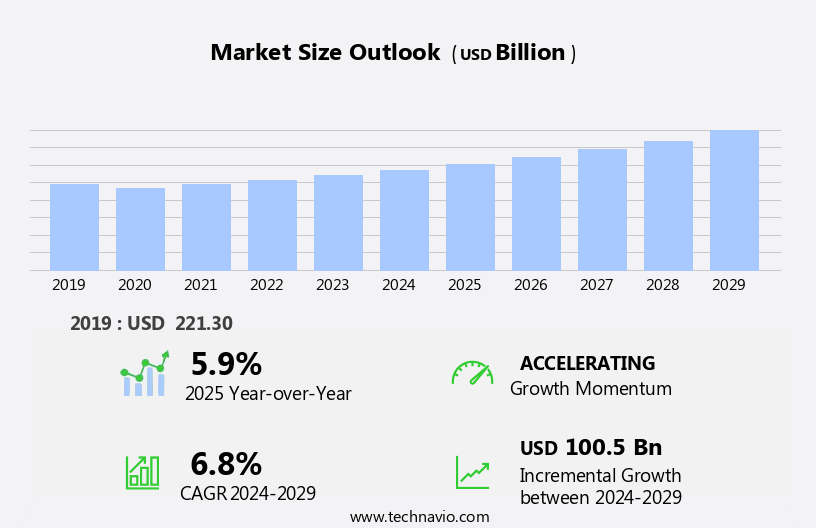
The hot drink market size is forecast to increase by USD 100.5 billion at a CAGR of 6.8% between 2024 and 2029.

  • The market is experiencing significant growth, driven primarily by the rising demand for premium and artisanal varieties. Consumers are increasingly seeking unique and high-quality hot beverages, leading to an expansion of the market. Additionally, advancements in brewing technologies have enabled producers to create more complex and nuanced flavors, further fueling consumer interest. However, this market growth is not without challenges. The competition from alternative beverages, such as Cold Brew Coffee and tea, poses a significant threat. As consumers explore various beverage options, hot drink producers must differentiate themselves through unique offerings, innovative marketing strategies, and competitive pricing.
  • To capitalize on market opportunities and navigate challenges effectively, companies must stay abreast of consumer preferences and technological advancements, while also addressing the competition from alternative beverages.

What will be the Size of the Hot Drink Market during the forecast period?
Hot Drink Market Size

 Request Free Sample

  • The market continues to evolve, with consumer preferences and trends shaping its dynamics. Fair trade coffee, a key player, gains traction due to growing awareness of ethical sourcing and sustainability. Brand loyalty is strong in this sector, with consumers seeking consistent flavor profiles and quality. Hot chocolate and tea blends cater to diverse taste preferences and health-conscious consumers, who value the health and wellness benefits of these beverages. Coffee shops remain a staple, offering a personalized experience and temperature control, while home consumption sees a rise due to convenience and the ability to customize brewing methods.
  • Coffee origin plays a significant role in consumer choice, with a growing interest in the unique characteristics of different beans. Temperature control, whether for hot beverage consumption or iced coffee, is crucial for optimal taste and enjoyment. Health and wellness trends influence the market, with consumers seeking organic and herbal tea options and reduced caffeine consumption. The beverage industry adapts to these trends, with online retailers, espresso machines, coffee grinders, and coffee pods catering to changing consumer needs. Digital marketing and specialty coffee culture further fuel growth, with grocery stores and convenience stores stocking an expanding range of hot drink options.
  • Brewing methods and water quality are essential considerations, with loose leaf tea, instant coffee, and tea infusers offering various solutions. The market's continuous unfolding is reflected in the emergence of new players and product innovations, ensuring a dynamic and evolving landscape.

How is this Hot Drink Industry segmented?

The hot drink industry research report provides comprehensive data (region-wise segment analysis), with forecasts and estimates in "USD billion" for the period 2025-2029, as well as historical data from 2019-2023 for the following segments.

  • Distribution Channel
    • Offline
    • Online
  • Type
    • Coffee
    • Tea
    • Cocoa
  • Packaging
    • Sachets
    • Tins
    • Pods
  • Consumer Segment
    • Household
    • Commercial
  • Geography
    • North America
      • US
      • Mexico
    • Europe
      • France
      • Germany
      • UK
    • Middle East and Africa
      • UAE
    • APAC
      • Australia
      • China
      • India
      • Japan
      • South Korea
    • South America
      • Brazil
    • Rest of World (ROW)

    By Distribution Channel Insights

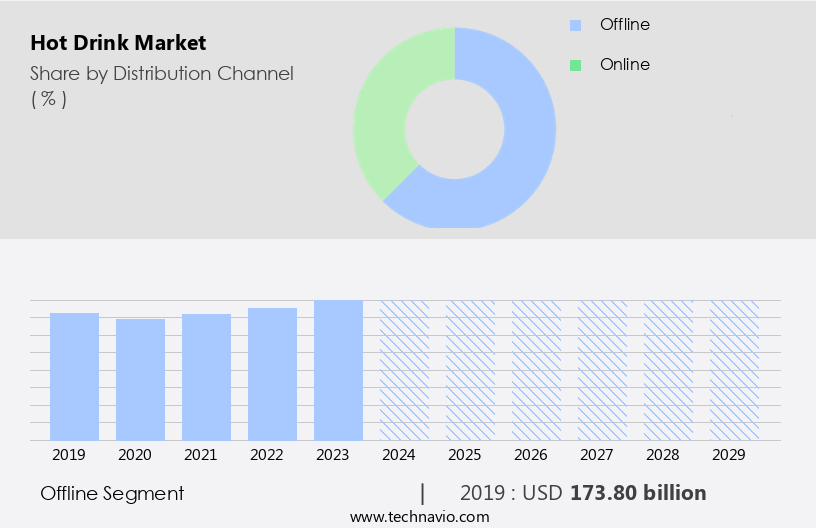
    The offline segment is estimated to witness significant growth during the forecast period.

    The market, comprising coffee, tea, and other heated beverages, holds a substantial position within the food and beverage sector. This discussion delves into the market segmentation via distribution channels, specifically focusing on the offline segment. Brick-and-mortar retail stores, supermarkets, cafes, and specialty shops constitute this segment. The offline distribution channel retains its importance, catering to consumer preferences and driving sales. For instance, specialty coffee shops epitomize the offline segment's significance, offering a harmonious environment for patrons to relish premium coffee origins, tea blends, and unique hot beverages. These establishments function as social hubs, providing personalized experiences through barista-prepared drinks, educational workshops, and community engagement.

    The coffee culture thrives in these spaces, fostering a sense of unity among hot drink aficionados. Additionally, the offline segment encompasses cafes and coffee shops that prioritize fair trade coffee, health and wellness, and Organic Coffee, further catering to evolving consumer trends. Home consumption also plays a role, with coffee makers, hot water dispensers, and coffee grinders enabling consumers to create their beverages. Online retailers and convenience stores further expand accessibility, while temperature control and flavor profiles remain essential factors for both producers and consumers. In the beverage industry, brewing methods, such as French press, pour-over, and espresso machines, add to the diverse offerings.

    The market landscape includes a wide array of options, from loose leaf tea and tea bags to instant coffee, flavored coffee, herbal tea, and coffee pods. The hot beverage consumption pattern extends to office settings and iced coffee, reflecting the versatility and ubiquity of these products. The tea culture, too, contributes to the market's growth, with digital marketing, tea infusers, and tasting notes playing a crucial role in engaging consumers. The market dynamics are shaped by various factors, including water quality, caffeine consumption, and consumer preferences. Overall, the market continues to evolve, offering a rich and diverse landscape for both producers and consumers.
    Hot Drink Market Size

    Request Free Sample

    The Offline segment was valued at USD 173.80 billion in 2019 and showed a gradual increase during the forecast period.

    Regional Analysis

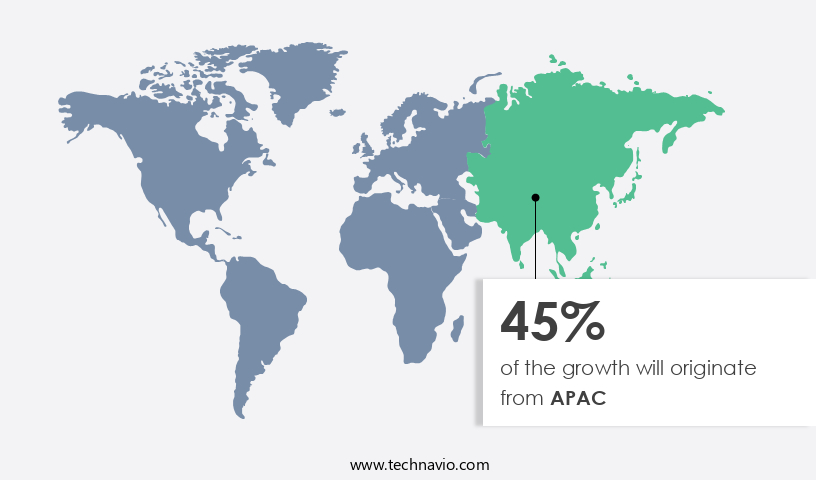
    APAC is estimated to contribute 45% to the growth of the global market during the forecast period.Technavio's analysts have elaborately explained the regional trends and drivers that shape the market during the forecast period.
    Hot Drink Market Share by Geography

     Request Free Sample

    The market in APAC experienced notable growth in 2024, holding a substantial share of the global industry. With diverse cultural tea traditions and an emerging coffee culture, APAC has become a significant contributor to innovation, consumption, and expansion in the hot drink sector. Consumer preferences, urbanization, and a growing middle-class population have fueled a surge in hot drink consumption in the region. Tea, a long-standing beverage in APAC, continues to shape the market, particularly in countries like China, Japan, and India. Meanwhile, the increasing popularity of coffee in South Korea, China, and Vietnam has solidified APAC's role as a key driver for growth in the coffee sector.

    Hot chocolate and tea blends cater to health-conscious consumers seeking wellness benefits, while coffee shops offer personalized experiences. Temperature control, flavor profiles, and brewing methods have become essential factors in the market, driving demand for advanced coffee makers, espresso machines, and hot water dispensers. Online retailers, grocery stores, and convenience stores cater to home consumption, while office consumption sees a rise with the availability of single-serve coffee and coffee pods. Herbal tea, iced coffee, and flavored coffee cater to various consumer trends. Organic coffee, digital marketing, and tea infusers have gained traction in the market, emphasizing health and sustainability.

    Coffee origin, caffeine consumption, and water quality have become crucial factors for consumers, leading to a growing interest in specialty coffee and coffee culture. Brewing methods, such as French press, pour-over, and cold brew, have gained popularity, offering unique tasting notes and experiences. In conclusion, the market in APAC is characterized by its rich cultural heritage, evolving consumer preferences, and a diverse range of products catering to various segments. The region's significance in the global hot drink industry is expected to continue, with continued innovation and expansion.

    Market Dynamics

    Our researchers analyzed the data with 2024 as the base year, along with the key drivers, trends, and challenges. A holistic analysis of drivers will help companies refine their marketing strategies to gain a competitive advantage.

    What are the key market drivers leading to the rise in the adoption of Hot Drink Industry?

    • The surge in consumer preference for high-end and artisanal hot beverage options is the primary growth factor for the market. 
    • The market is witnessing a significant rise in demand for premium and artisanal beverages, including fair trade coffee and unique tea blends. Consumers are increasingly seeking elevated sensory experiences and distinct taste profiles, leading to a growing preference for specialty coffee and high-quality teas. One of the key factors fueling this trend is the rising popularity of single-origin, ethically sourced, and expertly roasted coffee beans. Consumers appreciate the exquisite nuances and flavor complexities offered by these specialty coffees, resulting in a heightened demand for pour-over, cold brew, and espresso-based beverages. Additionally, health and wellness concerns are driving the market, as consumers seek out hot drinks with natural ingredients and health benefits.
    • Temperature control technology is also a significant factor, allowing for the creation of consistent and high-quality hot beverages at home. Overall, the market is evolving to meet the changing preferences of consumers, with a focus on artisanal, premium, and health-conscious offerings.

    What are the market trends shaping the Hot Drink Industry?

    • The current market trend reflects a significant focus on advancements in brewing technologies. As a professional in this industry, I can confirm that these innovations are shaping the future of brewing.
    • The market is experiencing significant shifts due to advancements in brewing technologies. Single serve brewing systems, such as pod-based coffee and tea machines, have gained popularity for their convenience and efficiency. These systems enable consumers to easily prepare individual servings of hot drinks with minimal effort, using pre-portioned pods or capsules containing coffee grounds, tea leaves, or other beverage ingredients. This streamlined brewing process appeals to consumers seeking hassle-free preparation and reduced waste. Additionally, the market is witnessing an increasing preference for specialty brewing equipment, including espresso machines and coffee grinders, which cater to the growing trend of at-home barista culture.
    • Overall, these advancements in brewing technologies are redefining consumer experience and market dynamics, making hot beverage consumption more accessible and enjoyable for consumers. Hot drinks, including coffee, tea, and caffeine-infused beverages, continue to be a staple in many households, with online retailers offering a wide range of options for consumers to choose from, including loose leaf tea, instant coffee, and various brewing methods.

    What challenges does the Hot Drink Industry face during its growth?

    • The growth of the beverage industry is significantly impacted by the intense competition among alternative beverage options. 
    • The market faces significant competition from alternative beverages, such as energy drinks and functional beverages, leading to shifts in consumer preferences and market dynamics. These alternatives offer consumers a quick energy boost and convenience, which has diverted attention from traditional hot drinks. The packaging and marketing strategies of energy drinks have further impacted the market share of hot drinks, particularly among demographics seeking immediate and portable sources of stimulation. Coffee pods and coffee makers continue to dominate the market, with personalized experiences and tasting notes becoming increasingly important to consumers. Herbal tea and iced coffee also remain popular choices, reflecting the diverse nature of the beverage industry and the evolving tea culture.
    • Hot water dispensers have gained traction as well, providing a convenient and cost-effective solution for consumers looking to prepare their favorite hot drinks at home or in the office. Despite the competition, the market remains a significant player in the beverage industry, offering consumers a wide range of options to suit their tastes and preferences. Companies continue to innovate and expand their product offerings to meet the evolving demands of consumers, ensuring that the market remains dynamic and competitive.

    Exclusive Customer Landscape

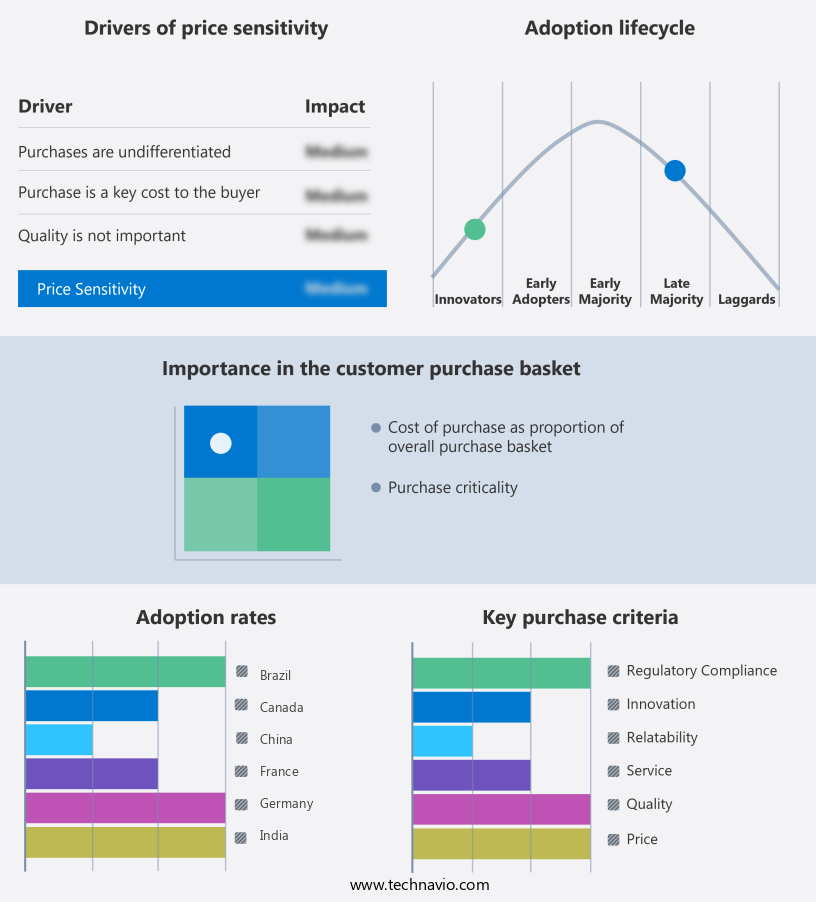
    The hot drink market forecasting report includes the adoption lifecycle of the market, covering from the innovator's stage to the laggard's stage. It focuses on adoption rates in different regions based on penetration. Furthermore, the hot drink market report also includes key purchase criteria and drivers of price sensitivity to help companies evaluate and develop their market growth analysis strategies.
    Hot Drink Market Share by Geography

     Customer Landscape

    Key Companies & Market Insights

    Companies are implementing various strategies, such as strategic alliances, hot drink market forecast, partnerships, mergers and acquisitions, geographical expansion, and product/service launches, to enhance their presence in the industry.

    Ajinomoto Co. Inc. - The company specializes in providing a range of hot drink solutions, featuring 3-in-1 powdered beverages. These innovative offerings encompass both coffee and masala chai. By combining convenience and versatility, these products allow consumers to easily prepare their preferred hot beverage with minimal effort. The blend of premium ingredients ensures a rich and satisfying taste experience. This forward-thinking approach to hot beverage consumption elevates the everyday routine, enhancing moments of relaxation and enjoyment.

    The industry research and growth report includes detailed analyses of the competitive landscape of the market and information about key companies, including:

    • Ajinomoto Co. Inc.
    • Bigelow Tea
    • Coffee Day Enterprises Ltd.
    • Colcafe Industria Colombiana de Cafe
    • Cornish Tea Ltd.
    • Costa Ltd.
    • jacobs DOUWE EGBERTS B.V.
    • Keurig Green Mountain Inc.
    • Luckin Coffee Inc.
    • LUIGI LAVAZZA SpA
    • Mother Parkers Tea and Coffee Inc.
    • Nestle SA
    • Paulig Ltd.
    • Reily Foods Co
    • Starbucks Corp.
    • Strauss Group Ltd.
    • TEEKANNE GMBH and CO.
    • The J.M Smucker Co.
    • The Republic of Tea Inc.
    • Unilever PLC
    • Wuxi Huadong Cocoa Food Co. Ltd

    Qualitative and quantitative analysis of companies has been conducted to help clients understand the wider business environment as well as the strengths and weaknesses of key industry players. Data is qualitatively analyzed to categorize companies as pure play, category-focused, industry-focused, and diversified; it is quantitatively analyzed to categorize companies as dominant, leading, strong, tentative, and weak.

    Recent Development and News in Hot Drink Market

    • In February 2024, Nestlé, a leading player in the market, introduced a new line of Nescafe Gold blend coffee capsules, designed for use in Nespresso machines. This expansion aimed to cater to the growing demand for premium coffee capsules (Nestlé Press Release, 2024).
    • In May 2025, Unilever and Starbucks announced a strategic partnership to develop and sell ready-to-drink tea and coffee products under the Lipton and Starbucks brands. This collaboration was expected to strengthen Unilever's position in the market and expand Starbucks' reach beyond its traditional retail outlets (Unilever Press Release, 2025).
    • In October 2024, Dunkin Brands, the parent company of Dunkin' Donuts and Baskin-Robbins, completed the acquisition of the remaining 50% stake in its European joint venture, Dunkin' Brands Europe, from JAB Holding Company. This move enabled Dunkin' Brands to have full control over its European operations and growth strategies in the market (Dunkin Brands Press Release, 2024).
    • In January 2025, Tetra Pak, a leading packaging solutions provider, launched a new plant-based mono-material for hot fill applications. This technological advancement was expected to reduce the environmental impact of hot drink packaging and increase consumer appeal for more sustainable options (Tetra Pak Press Release, 2025).

    Research Analyst Overview

    The market encompasses a diverse range of beverages, including tea and coffee, with various accessories and technologies shaping consumer experiences. Tea accessories, such as tea sets and brewing equipment, cater to the growing preference for specialty tea and traditional tea ceremonies. In contrast, smart coffee makers and coffee grinding technology enhance the convenience and customization of the coffee-making process. Ready-to-drink coffee and coffee concentrates cater to on-the-go consumers, while single-origin coffee and coffee subscription services appeal to those seeking a more authentic and consistent taste. Plant-based milk alternatives and herbal infusions broaden the horizons for consumers with dietary restrictions or unique taste preferences.

    Coffee analytics and IoT in coffee machines provide valuable consumer insights, enabling businesses to tailor offerings and improve customer satisfaction. Sustainable coffee practices, organic tea, and loyalty programs further differentiate offerings and foster long-term relationships. Functional beverages, energy drinks, and mobile ordering add to the market's dynamism, while cold brew, nitro cold brew, and coffee roasting technology continue to innovate and captivate consumers. Coffee festivals and artisan coffee showcase the artistry and passion behind these beloved beverages. Consumer preferences for decaf coffee and functional ingredients continue to influence market trends, as does the integration of technology to enhance the overall coffee and tea drinking experience.

    Dive into Technavio's robust research methodology, blending expert interviews, extensive data synthesis, and validated models for unparalleled Hot Drink Market insights. See full methodology.

    Market Scope

    Report Coverage

    Details

    Page number

    192

    Base year

    2024

    Historic period

    2019-2023

    Forecast period

    2025-2029

    Growth momentum & CAGR

    Accelerate at a CAGR of 6.8%

    Market growth 2025-2029

    USD 100.5 billion

    Market structure

    Fragmented

    YoY growth 2024-2025(%)

    5.9

    Key countries

    US, Canada, China, Japan, Germany, India, UK, France, Brazil, and Italy

    Competitive landscape

    Leading Companies, Market Positioning of Companies, Competitive Strategies, and Industry Risks

    Request Free Sample

    What are the Key Data Covered in this Hot Drink Market Research and Growth Report?

    • CAGR of the Hot Drink industry during the forecast period
    • Detailed information on factors that will drive the growth and forecasting between 2025 and 2029
    • Precise estimation of the size of the market and its contribution of the industry in focus to the parent market
    • Accurate predictions about upcoming growth and trends and changes in consumer behaviour
    • Growth of the market across APAC, North America, Europe, South America, and Middle East and Africa
    • Thorough analysis of the market's competitive landscape and detailed information about companies
    • Comprehensive analysis of factors that will challenge the hot drink market growth of industry companies

    We can help! Our analysts can customize this hot drink market research report to meet your requirements.

    Get in touch

    1 Executive Summary

    • 1.1 Market overview
      • Executive Summary - Chart on Market Overview
      • Executive Summary - Data Table on Market Overview
      • Executive Summary - Chart on Global Market Characteristics
      • Executive Summary - Chart on Market by Geography
      • Executive Summary - Chart on Market Segmentation by Distribution Channel
      • Executive Summary - Chart on Market Segmentation by Type
      • Executive Summary - Chart on Incremental Growth
      • Executive Summary - Data Table on Incremental Growth
      • Executive Summary - Chart on Company Market Positioning

    2 Technavio Analysis

    • 2.1 Analysis of price sensitivity, lifecycle, customer purchase basket, adoption rates, and purchase criteria
      • Analysis of price sensitivity, lifecycle, customer purchase basket, adoption rates, and purchase criteria
    • 2.2 Criticality of inputs and Factors of differentiation
      • Overview on criticality of inputs and factors of differentiation
    • 2.3 Factors of disruption
      • Overview on factors of disruption
    • 2.4 Impact of drivers and challenges
      • Impact of drivers and challenges in 2024 and 2029

    3 Market Landscape

    • 3.1 Market ecosystem
      • Parent Market
      • Data Table on - Parent Market
    • 3.2 Market characteristics
      • Market characteristics analysis
    • 3.3 Value chain analysis
      • Value chain analysis

    4 Market Sizing

    • 4.1 Market definition
      • Offerings of companies included in the market definition
    • 4.2 Market segment analysis
      • Market segments
    • 4.3 Market size 2024
      • 4.4 Market outlook: Forecast for 2024-2029
        • Chart on Global - Market size and forecast 2024-2029 ($ billion)
        • Data Table on Global - Market size and forecast 2024-2029 ($ billion)
        • Chart on Global Market: Year-over-year growth 2024-2029 (%)
        • Data Table on Global Market: Year-over-year growth 2024-2029 (%)

      5 Historic Market Size

      • 5.1 Global Hot Drink Market 2019 - 2023
        • Historic Market Size - Data Table on Global Hot Drink Market 2019 - 2023 ($ billion)
      • 5.2 Distribution Channel segment analysis 2019 - 2023
        • Historic Market Size - Distribution Channel Segment 2019 - 2023 ($ billion)
      • 5.3 Type segment analysis 2019 - 2023
        • Historic Market Size - Type Segment 2019 - 2023 ($ billion)
      • 5.4 Geography segment analysis 2019 - 2023
        • Historic Market Size - Geography Segment 2019 - 2023 ($ billion)
      • 5.5 Country segment analysis 2019 - 2023
        • Historic Market Size - Country Segment 2019 - 2023 ($ billion)

      6 Qualitative Analysis

      • 6.1 AI Impact on Global Hot Drink Market

        7 Five Forces Analysis

        • 7.1 Five forces summary
          • Five forces analysis - Comparison between 2024 and 2029
        • 7.2 Bargaining power of buyers
          • Bargaining power of buyers - Impact of key factors 2024 and 2029
        • 7.3 Bargaining power of suppliers
          • Bargaining power of suppliers - Impact of key factors in 2024 and 2029
        • 7.4 Threat of new entrants
          • Threat of new entrants - Impact of key factors in 2024 and 2029
        • 7.5 Threat of substitutes
          • Threat of substitutes - Impact of key factors in 2024 and 2029
        • 7.6 Threat of rivalry
          • Threat of rivalry - Impact of key factors in 2024 and 2029
        • 7.7 Market condition
          • Chart on Market condition - Five forces 2024 and 2029

        8 Market Segmentation by Distribution Channel

        • 8.1 Market segments
          • Chart on Distribution Channel - Market share (2024-2029) (%)
          • Data Table on Distribution Channel - Market share (2024-2029) (%)
        • 8.2 Comparison by Distribution Channel
          • Chart on Comparison by Distribution Channel
          • Data Table on Comparison by Distribution Channel
        • 8.3 Offline - Market size and forecast (2024-2029)
          • Chart on Offline - Market size and forecast (2024-2029) ($ billion)
          • Data Table on Offline - Market size and forecast (2024-2029) ($ billion)
          • Chart on Offline - Year-over-year growth (2024-2029) (%)
          • Data Table on Offline - Year-over-year growth (2024-2029) (%)
        • 8.4 Online - Market size and forecast (2024-2029)
          • Chart on Online - Market size and forecast (2024-2029) ($ billion)
          • Data Table on Online - Market size and forecast (2024-2029) ($ billion)
          • Chart on Online - Year-over-year growth (2024-2029) (%)
          • Data Table on Online - Year-over-year growth (2024-2029) (%)
        • 8.5 Market opportunity by Distribution Channel
          • Market opportunity by Distribution Channel ($ billion)
          • Data Table on Market opportunity by Distribution Channel ($ billion)

        9 Market Segmentation by Type

        • 9.1 Market segments
          • Chart on Type - Market share (2024-2029) (%)
          • Data Table on Type - Market share (2024-2029) (%)
        • 9.2 Comparison by Type
          • Chart on Comparison by Type
          • Data Table on Comparison by Type
        • 9.3 Coffee - Market size and forecast (2024-2029)
          • Chart on Coffee - Market size and forecast (2024-2029) ($ billion)
          • Data Table on Coffee - Market size and forecast (2024-2029) ($ billion)
          • Chart on Coffee - Year-over-year growth (2024-2029) (%)
          • Data Table on Coffee - Year-over-year growth (2024-2029) (%)
        • 9.4 Tea - Market size and forecast (2024-2029)
          • Chart on Tea - Market size and forecast (2024-2029) ($ billion)
          • Data Table on Tea - Market size and forecast (2024-2029) ($ billion)
          • Chart on Tea - Year-over-year growth (2024-2029) (%)
          • Data Table on Tea - Year-over-year growth (2024-2029) (%)
        • 9.5 Cocoa - Market size and forecast (2024-2029)
          • Chart on Cocoa - Market size and forecast (2024-2029) ($ billion)
          • Data Table on Cocoa - Market size and forecast (2024-2029) ($ billion)
          • Chart on Cocoa - Year-over-year growth (2024-2029) (%)
          • Data Table on Cocoa - Year-over-year growth (2024-2029) (%)
        • 9.6 Market opportunity by Type
          • Market opportunity by Type ($ billion)
          • Data Table on Market opportunity by Type ($ billion)

        10 Market Segmentation by Packaging

        • 10.1 Market segments
          • Chart on Packaging - Market share (2024-2029) (%)
          • Data Table on Packaging - Market share (2024-2029) (%)
        • 10.2 Comparison by Packaging
          • Chart on Comparison by Packaging
          • Data Table on Comparison by Packaging
        • 10.3 Sachets - Market size and forecast (2024-2029)
          • Chart on Sachets - Market size and forecast (2024-2029) ($ billion)
          • Data Table on Sachets - Market size and forecast (2024-2029) ($ billion)
          • Chart on Sachets - Year-over-year growth (2024-2029) (%)
          • Data Table on Sachets - Year-over-year growth (2024-2029) (%)
        • 10.4 Tins - Market size and forecast (2024-2029)
          • Chart on Tins - Market size and forecast (2024-2029) ($ billion)
          • Data Table on Tins - Market size and forecast (2024-2029) ($ billion)
          • Chart on Tins - Year-over-year growth (2024-2029) (%)
          • Data Table on Tins - Year-over-year growth (2024-2029) (%)
        • 10.5 Pods - Market size and forecast (2024-2029)
          • Chart on Pods - Market size and forecast (2024-2029) ($ billion)
          • Data Table on Pods - Market size and forecast (2024-2029) ($ billion)
          • Chart on Pods - Year-over-year growth (2024-2029) (%)
          • Data Table on Pods - Year-over-year growth (2024-2029) (%)
        • 10.6 Market opportunity by Packaging
          • Market opportunity by Packaging ($ billion)
          • Data Table on Market opportunity by Packaging ($ billion)

        11 Market Segmentation by Consumer Segment

        • 11.1 Market segments
          • Chart on Consumer Segment - Market share (2024-2029) (%)
          • Data Table on Consumer Segment - Market share (2024-2029) (%)
        • 11.2 Comparison by Consumer Segment
          • Chart on Comparison by Consumer Segment
          • Data Table on Comparison by Consumer Segment
        • 11.3 Household - Market size and forecast (2024-2029)
          • Chart on Household - Market size and forecast (2024-2029) ($ billion)
          • Data Table on Household - Market size and forecast (2024-2029) ($ billion)
          • Chart on Household - Year-over-year growth (2024-2029) (%)
          • Data Table on Household - Year-over-year growth (2024-2029) (%)
        • 11.4 Commercial - Market size and forecast (2024-2029)
          • Chart on Commercial - Market size and forecast (2024-2029) ($ billion)
          • Data Table on Commercial - Market size and forecast (2024-2029) ($ billion)
          • Chart on Commercial - Year-over-year growth (2024-2029) (%)
          • Data Table on Commercial - Year-over-year growth (2024-2029) (%)
        • 11.5 Market opportunity by Consumer Segment
          • Market opportunity by Consumer Segment ($ billion)
          • Data Table on Market opportunity by Consumer Segment ($ billion)

        12 Customer Landscape

        • 12.1 Customer landscape overview
          • Analysis of price sensitivity, lifecycle, customer purchase basket, adoption rates, and purchase criteria

        13 Geographic Landscape

        • 13.1 Geographic segmentation
          • Chart on Market share by geography 2024-2029 (%)
          • Data Table on Market share by geography 2024-2029 (%)
        • 13.2 Geographic comparison
          • Chart on Geographic comparison
          • Data Table on Geographic comparison
        • 13.3 APAC - Market size and forecast 2024-2029
          • Chart on APAC - Market size and forecast 2024-2029 ($ billion)
          • Data Table on APAC - Market size and forecast 2024-2029 ($ billion)
          • Chart on APAC - Year-over-year growth 2024-2029 (%)
          • Data Table on APAC - Year-over-year growth 2024-2029 (%)
        • 13.4 North America - Market size and forecast 2024-2029
          • Chart on North America - Market size and forecast 2024-2029 ($ billion)
          • Data Table on North America - Market size and forecast 2024-2029 ($ billion)
          • Chart on North America - Year-over-year growth 2024-2029 (%)
          • Data Table on North America - Year-over-year growth 2024-2029 (%)
        • 13.5 Europe - Market size and forecast 2024-2029
          • Chart on Europe - Market size and forecast 2024-2029 ($ billion)
          • Data Table on Europe - Market size and forecast 2024-2029 ($ billion)
          • Chart on Europe - Year-over-year growth 2024-2029 (%)
          • Data Table on Europe - Year-over-year growth 2024-2029 (%)
        • 13.6 South America - Market size and forecast 2024-2029
          • Chart on South America - Market size and forecast 2024-2029 ($ billion)
          • Data Table on South America - Market size and forecast 2024-2029 ($ billion)
          • Chart on South America - Year-over-year growth 2024-2029 (%)
          • Data Table on South America - Year-over-year growth 2024-2029 (%)
        • 13.7 Middle East and Africa - Market size and forecast 2024-2029
          • Chart on Middle East and Africa - Market size and forecast 2024-2029 ($ billion)
          • Data Table on Middle East and Africa - Market size and forecast 2024-2029 ($ billion)
          • Chart on Middle East and Africa - Year-over-year growth 2024-2029 (%)
          • Data Table on Middle East and Africa - Year-over-year growth 2024-2029 (%)
        • 13.8 US - Market size and forecast 2024-2029
          • Chart on US - Market size and forecast 2024-2029 ($ billion)
          • Data Table on US - Market size and forecast 2024-2029 ($ billion)
          • Chart on US - Year-over-year growth 2024-2029 (%)
          • Data Table on US - Year-over-year growth 2024-2029 (%)
        • 13.9 China - Market size and forecast 2024-2029
          • Chart on China - Market size and forecast 2024-2029 ($ billion)
          • Data Table on China - Market size and forecast 2024-2029 ($ billion)
          • Chart on China - Year-over-year growth 2024-2029 (%)
          • Data Table on China - Year-over-year growth 2024-2029 (%)
        • 13.10 Canada - Market size and forecast 2024-2029
          • Chart on Canada - Market size and forecast 2024-2029 ($ billion)
          • Data Table on Canada - Market size and forecast 2024-2029 ($ billion)
          • Chart on Canada - Year-over-year growth 2024-2029 (%)
          • Data Table on Canada - Year-over-year growth 2024-2029 (%)
        • 13.11 Japan - Market size and forecast 2024-2029
          • Chart on Japan - Market size and forecast 2024-2029 ($ billion)
          • Data Table on Japan - Market size and forecast 2024-2029 ($ billion)
          • Chart on Japan - Year-over-year growth 2024-2029 (%)
          • Data Table on Japan - Year-over-year growth 2024-2029 (%)
        • 13.12 India - Market size and forecast 2024-2029
          • Chart on India - Market size and forecast 2024-2029 ($ billion)
          • Data Table on India - Market size and forecast 2024-2029 ($ billion)
          • Chart on India - Year-over-year growth 2024-2029 (%)
          • Data Table on India - Year-over-year growth 2024-2029 (%)
        • 13.13 Germany - Market size and forecast 2024-2029
          • Chart on Germany - Market size and forecast 2024-2029 ($ billion)
          • Data Table on Germany - Market size and forecast 2024-2029 ($ billion)
          • Chart on Germany - Year-over-year growth 2024-2029 (%)
          • Data Table on Germany - Year-over-year growth 2024-2029 (%)
        • 13.14 UK - Market size and forecast 2024-2029
          • Chart on UK - Market size and forecast 2024-2029 ($ billion)
          • Data Table on UK - Market size and forecast 2024-2029 ($ billion)
          • Chart on UK - Year-over-year growth 2024-2029 (%)
          • Data Table on UK - Year-over-year growth 2024-2029 (%)
        • 13.15 France - Market size and forecast 2024-2029
          • Chart on France - Market size and forecast 2024-2029 ($ billion)
          • Data Table on France - Market size and forecast 2024-2029 ($ billion)
          • Chart on France - Year-over-year growth 2024-2029 (%)
          • Data Table on France - Year-over-year growth 2024-2029 (%)
        • 13.16 Italy - Market size and forecast 2024-2029
          • Chart on Italy - Market size and forecast 2024-2029 ($ billion)
          • Data Table on Italy - Market size and forecast 2024-2029 ($ billion)
          • Chart on Italy - Year-over-year growth 2024-2029 (%)
          • Data Table on Italy - Year-over-year growth 2024-2029 (%)
        • 13.17 Brazil - Market size and forecast 2024-2029
          • Chart on Brazil - Market size and forecast 2024-2029 ($ billion)
          • Data Table on Brazil - Market size and forecast 2024-2029 ($ billion)
          • Chart on Brazil - Year-over-year growth 2024-2029 (%)
          • Data Table on Brazil - Year-over-year growth 2024-2029 (%)
        • 13.18 Market opportunity by geography
          • Market opportunity by geography ($ billion)
          • Data Tables on Market opportunity by geography ($ billion)
        • 13.19 US - Market size and forecast (2024-2029)
          • Chart on US - Market size and forecast (2024-2029) ($ billion)
          • Data Table on US - Market size and forecast (2024-2029) ($ billion)
          • Chart on US - Year-over-year growth (2024-2029) (%)
          • Data Table on US - Year-over-year growth (2024-2029) (%)
        • 13.20 Australia - Market size and forecast (2024-2029)
          • Chart on Australia - Market size and forecast (2024-2029) ($ billion)
          • Data Table on Australia - Market size and forecast (2024-2029) ($ billion)
          • Chart on Australia - Year-over-year growth (2024-2029) (%)
          • Data Table on Australia - Year-over-year growth (2024-2029) (%)
        • 13.21 UAE - Market size and forecast (2024-2029)
          • Chart on UAE - Market size and forecast (2024-2029) ($ billion)
          • Data Table on UAE - Market size and forecast (2024-2029) ($ billion)
          • Chart on UAE - Year-over-year growth (2024-2029) (%)
          • Data Table on UAE - Year-over-year growth (2024-2029) (%)
        • 13.22 Rest of World (ROW) - Market size and forecast (2024-2029)
          • Chart on Rest of World (ROW) - Market size and forecast (2024-2029) ($ billion)
          • Data Table on Rest of World (ROW) - Market size and forecast (2024-2029) ($ billion)
          • Chart on Rest of World (ROW) - Year-over-year growth (2024-2029) (%)
          • Data Table on Rest of World (ROW) - Year-over-year growth (2024-2029) (%)
        • 13.23 Saudi Arabia - Market size and forecast (2024-2029)
          • Chart on Saudi Arabia - Market size and forecast (2024-2029) ($ billion)
          • Data Table on Saudi Arabia - Market size and forecast (2024-2029) ($ billion)
          • Chart on Saudi Arabia - Year-over-year growth (2024-2029) (%)
          • Data Table on Saudi Arabia - Year-over-year growth (2024-2029) (%)
        • 13.24 South Korea - Market size and forecast (2024-2029)
          • Chart on South Korea - Market size and forecast (2024-2029) ($ billion)
          • Data Table on South Korea - Market size and forecast (2024-2029) ($ billion)
          • Chart on South Korea - Year-over-year growth (2024-2029) (%)
          • Data Table on South Korea - Year-over-year growth (2024-2029) (%)
        • 13.25 Mexico - Market size and forecast (2024-2029)
          • Chart on Mexico - Market size and forecast (2024-2029) ($ billion)
          • Data Table on Mexico - Market size and forecast (2024-2029) ($ billion)
          • Chart on Mexico - Year-over-year growth (2024-2029) (%)
          • Data Table on Mexico - Year-over-year growth (2024-2029) (%)

        14 Drivers, Challenges, and Opportunity/Restraints

        • 14.1 Market drivers
          • 14.2 Market challenges
            • 14.3 Impact of drivers and challenges
              • Impact of drivers and challenges in 2024 and 2029
            • 14.4 Market opportunities/restraints

              15 Competitive Landscape

              • 15.1 Overview
                • 15.2 Competitive Landscape
                  • Overview on criticality of inputs and factors of differentiation
                • 15.3 Landscape disruption
                  • Overview on factors of disruption
                • 15.4 Industry risks
                  • Impact of key risks on business

                16 Competitive Analysis

                • 16.1 Companies profiled
                  • Companies covered
                • 16.2 Market positioning of companies
                  • Matrix on companies position and classification
                • 16.3 Nestlé S.A.
                  • Nestlé S.A. - Overview
                  • Nestlé S.A. - Product / Service
                  • Nestlé S.A. - Key offerings
                • 16.4 The Coca-Cola Company
                  • The Coca-Cola Company - Overview
                  • The Coca-Cola Company - Product / Service
                  • The Coca-Cola Company - Key offerings
                • 16.5 PepsiCo Inc.
                  • PepsiCo Inc. - Overview
                  • PepsiCo Inc. - Product / Service
                  • PepsiCo Inc. - Key offerings
                • 16.6 Starbucks Corporation
                  • Starbucks Corporation - Overview
                  • Starbucks Corporation - Product / Service
                  • Starbucks Corporation - Key offerings
                • 16.7 JAB Holding Company
                  • JAB Holding Company - Overview
                  • JAB Holding Company - Product / Service
                  • JAB Holding Company - Key offerings
                • 16.8 Unilever Plc
                  • Unilever Plc - Overview
                  • Unilever Plc - Product / Service
                  • Unilever Plc - Key offerings
                • 16.9 Keurig Dr Pepper Inc.
                  • Keurig Dr Pepper Inc. - Overview
                  • Keurig Dr Pepper Inc. - Product / Service
                  • Keurig Dr Pepper Inc. - Key offerings
                • 16.10 Associated British Foods Plc
                  • Associated British Foods Plc - Overview
                  • Associated British Foods Plc - Product / Service
                  • Associated British Foods Plc - Key offerings
                • 16.11 Tata Consumer Products Ltd.
                  • Tata Consumer Products Ltd. - Overview
                  • Tata Consumer Products Ltd. - Product / Service
                  • Tata Consumer Products Ltd. - Key offerings
                • 16.12 Lavazza
                  • Lavazza - Overview
                  • Lavazza - Product / Service
                  • Lavazza - Key offerings
                • 16.13 Illycaffè S.p.A.
                  • Illycaffè S.p.A. - Overview
                  • Illycaffè S.p.A. - Product / Service
                  • Illycaffè S.p.A. - Key offerings
                • 16.14 Costa Coffee (Coca-Cola)
                  • Costa Coffee (Coca-Cola) - Overview
                  • Costa Coffee (Coca-Cola) - Product / Service
                  • Costa Coffee (Coca-Cola) - Key offerings
                • 16.15 Tim Hortons (Restaurant Brands International)
                  • Tim Hortons (Restaurant Brands International) - Overview
                  • Tim Hortons (Restaurant Brands International) - Product / Service
                  • Tim Hortons (Restaurant Brands International) - Key offerings
                • 16.16 Dunkin’ Brands Group Inc.
                  • Dunkin’ Brands Group Inc. - Overview
                  • Dunkin’ Brands Group Inc. - Product / Service
                  • Dunkin’ Brands Group Inc. - Key offerings
                • 16.17 Peet’s Coffee
                  • Peet’s Coffee - Overview
                  • Peet’s Coffee - Product / Service
                  • Peet’s Coffee - Key offerings
                • 16.18 The Coffee Bean & Tea Leaf
                  • The Coffee Bean & Tea Leaf - Overview
                  • The Coffee Bean & Tea Leaf - Product / Service
                  • The Coffee Bean & Tea Leaf - Key offerings
                • 16.19 Harney & Sons
                  • Harney & Sons - Overview
                  • Harney & Sons - Product / Service
                  • Harney & Sons - Key offerings
                • 16.20 Bigelow Tea Company
                  • Bigelow Tea Company - Overview
                  • Bigelow Tea Company - Product / Service
                  • Bigelow Tea Company - Key offerings
                • 16.21 Twinings (Associated British Foods)
                  • Twinings (Associated British Foods) - Overview
                  • Twinings (Associated British Foods) - Product / Service
                  • Twinings (Associated British Foods) - Key offerings
                • 16.22 Yogi Tea
                  • Yogi Tea - Overview
                  • Yogi Tea - Product / Service
                  • Yogi Tea - Key offerings
                • 16.23 Ajinomoto Co. Inc.
                  • Ajinomoto Co. Inc. - Overview
                  • Ajinomoto Co. Inc. - Product / Service
                  • Ajinomoto Co. Inc. - Key offerings
                • 16.24 Bigelow Tea
                  • Bigelow Tea - Overview
                  • Bigelow Tea - Product / Service
                  • Bigelow Tea - Key offerings
                • 16.25 Coffee Day Enterprises Ltd.
                  • Coffee Day Enterprises Ltd. - Overview
                  • Coffee Day Enterprises Ltd. - Product / Service
                  • Coffee Day Enterprises Ltd. - Key offerings
                • 16.26 Colcafe Industria Colombiana de Cafe
                  • Colcafe Industria Colombiana de Cafe - Overview
                  • Colcafe Industria Colombiana de Cafe - Product / Service
                  • Colcafe Industria Colombiana de Cafe - Key offerings
                • 16.27 Cornish Tea Ltd.
                  • Cornish Tea Ltd. - Overview
                  • Cornish Tea Ltd. - Product / Service
                  • Cornish Tea Ltd. - Key offerings
                • 16.28 Costa Ltd.
                  • Costa Ltd. - Overview
                  • Costa Ltd. - Product / Service
                  • Costa Ltd. - Key offerings
                • 16.29 jacobs DOUWE EGBERTS B.V.
                  • jacobs DOUWE EGBERTS B.V. - Overview
                  • jacobs DOUWE EGBERTS B.V. - Product / Service
                  • jacobs DOUWE EGBERTS B.V. - Key offerings
                • 16.30 Keurig Green Mountain Inc.
                  • Keurig Green Mountain Inc. - Overview
                  • Keurig Green Mountain Inc. - Product / Service
                  • Keurig Green Mountain Inc. - Key offerings
                • 16.31 Luckin Coffee Inc.
                  • Luckin Coffee Inc. - Overview
                  • Luckin Coffee Inc. - Product / Service
                  • Luckin Coffee Inc. - Key offerings
                • 16.32 LUIGI LAVAZZA SpA
                  • LUIGI LAVAZZA SpA - Overview
                  • LUIGI LAVAZZA SpA - Product / Service
                  • LUIGI LAVAZZA SpA - Key offerings
                • 16.33 Mother Parkers Tea and Coffee Inc.
                  • Mother Parkers Tea and Coffee Inc. - Overview
                  • Mother Parkers Tea and Coffee Inc. - Product / Service
                  • Mother Parkers Tea and Coffee Inc. - Key offerings
                • 16.34 Nestle SA
                  • Nestle SA - Overview
                  • Nestle SA - Product / Service
                  • Nestle SA - Key offerings
                • 16.35 Paulig Ltd.
                  • Paulig Ltd. - Overview
                  • Paulig Ltd. - Product / Service
                  • Paulig Ltd. - Key offerings
                • 16.36 Reily Foods Co
                  • Reily Foods Co - Overview
                  • Reily Foods Co - Product / Service
                  • Reily Foods Co - Key offerings
                • 16.37 Starbucks Corp.
                  • Starbucks Corp. - Overview
                  • Starbucks Corp. - Product / Service
                  • Starbucks Corp. - Key offerings
                • 16.38 Strauss Group Ltd.
                  • Strauss Group Ltd. - Overview
                  • Strauss Group Ltd. - Product / Service
                  • Strauss Group Ltd. - Key offerings
                • 16.39 TEEKANNE GMBH and CO.
                  • TEEKANNE GMBH and CO. - Overview
                  • TEEKANNE GMBH and CO. - Product / Service
                  • TEEKANNE GMBH and CO. - Key offerings
                • 16.40 The J.M Smucker Co.
                  • The J.M Smucker Co. - Overview
                  • The J.M Smucker Co. - Product / Service
                  • The J.M Smucker Co. - Key offerings
                • 16.41 The Republic of Tea Inc.
                  • The Republic of Tea Inc. - Overview
                  • The Republic of Tea Inc. - Product / Service
                  • The Republic of Tea Inc. - Key offerings
                • 16.42 Unilever PLC
                  • Unilever PLC - Overview
                  • Unilever PLC - Product / Service
                  • Unilever PLC - Key offerings
                • 16.43 Wuxi Huadong Cocoa Food Co. Ltd
                  • Wuxi Huadong Cocoa Food Co. Ltd - Overview
                  • Wuxi Huadong Cocoa Food Co. Ltd - Product / Service
                  • Wuxi Huadong Cocoa Food Co. Ltd - Key offerings

                17 Appendix

                • 17.1 Scope of the report
                  • 17.2 Inclusions and exclusions checklist
                    • Inclusions checklist
                    • Exclusions checklist
                  • 17.3 Currency conversion rates for US$
                    • Currency conversion rates for US$
                  • 17.4 Research methodology
                    • Research methodology
                  • 17.5 Data procurement
                    • Information sources
                  • 17.6 Data validation
                    • Data validation
                  • 17.7 Validation techniques employed for market sizing
                    • Validation techniques employed for market sizing
                  • 17.8 Data synthesis
                    • Data synthesis
                  • 17.9 360 degree market analysis
                    • 360 degree market analysis
                  • 17.10 List of abbreviations
                    • List of abbreviations

                  Research Methodology

                  Technavio presents a detailed picture of the market by way of study, synthesis, and summation of data from multiple sources. The analysts have presented the various facets of the market with a particular focus on identifying the key industry influencers. The data thus presented is comprehensive, reliable, and the result of extensive research, both primary and secondary.

                  INFORMATION SOURCES

                  Primary sources

                  • Manufacturers and suppliers
                  • Channel partners
                  • Industry experts
                  • Strategic decision makers

                  Secondary sources

                  • Industry journals and periodicals
                  • Government data
                  • Financial reports of key industry players
                  • Historical data
                  • Press releases

                  DATA ANALYSIS

                  Data Synthesis

                  • Collation of data
                  • Estimation of key figures
                  • Analysis of derived insights

                  Data Validation

                  • Triangulation with data models
                  • Reference against proprietary databases
                  • Corroboration with industry experts

                  REPORT WRITING

                  Qualitative

                  • Market drivers
                  • Market challenges
                  • Market trends
                  • Five forces analysis

                  Quantitative

                  • Market size and forecast
                  • Market segmentation
                  • Geographical insights
                  • Competitive landscape

                  Interested in this report?

                  Get your sample now to see our research methodology and insights!

                  Download Now

                  Frequently Asked Questions

                  Hot Drink market growth will increase by $ 100.5 bn during 2025-2029.

                  The Hot Drink market is expected to grow at a CAGR of 6.8% during 2025-2029.

                  Hot Drink market is segmented by Distribution Channel( Offline, Online) Type( Coffee, Tea, Cocoa)

                  Nestlé S.A., The Coca-Cola Company, PepsiCo Inc., Starbucks Corporation, JAB Holding Company, Unilever Plc, Keurig Dr Pepper Inc., Associated British Foods Plc, Tata Consumer Products Ltd., Lavazza, Illycaffè S.p.A., Costa Coffee (Coca-Cola), Tim Hortons (Restaurant Brands International), Dunkin’ Brands Group Inc., Peet’s Coffee, The Coffee Bean & Tea Leaf, Harney & Sons, Bigelow Tea Company, Twinings (Associated British Foods), Yogi Tea are a few of the key vendors in the Hot Drink market.

                  APAC will register the highest growth rate of 45% among the other regions. Therefore, the Hot Drink market in APAC is expected to garner significant business opportunities for the vendors during the forecast period.

                  US, China, Germany, Japan, UK, Australia, India, France, Brazil, UAE, Rest of World (ROW), Saudi Arabia, France, South Korea, Mexico

                  • Rising demand for premium and artisanal hot drink varietiesThe global hot drink market is experiencing a surge in demand for premium and artisanal varieties is the driving factor this market.
                  • encompassing specialty coffees is the driving factor this market.
                  • high-quality teas is the driving factor this market.
                  • and unique flavor profiles. This rising trend is reshaping the industry as consumers increasingly seek elevated sensory experiences and distinct taste profiles in their hot beverage choices. One of the primary factors for the growth of the global hot drink market is the rising popularity of specialty coffee. There has been a discernible increase in the consumption of single-origin is the driving factor this market.
                  • ethically sourced is the driving factor this market.
                  • and expertly roasted coffee beans. Consumers are gravitating towards the exquisite nuances and flavor complexities offered by specialty coffee is the driving factor this market.
                  • leading to a heightened preference for pour-over is the driving factor this market.
                  • cold brew is the driving factor this market.
                  • and espresso-based beverages. This trend is epitomized by the emergence of boutique coffee roasteries and artisanal coffee houses that prioritize the sourcing of premium beans and the art of expert coffee preparation. Furthermore is the driving factor this market.
                  • the demand for high-quality teas has also exhibited significant growth. Discerning consumers are displaying a penchant for rare and exotic tea varieties such as oolong is the driving factor this market.
                  • matcha is the driving factor this market.
                  • and white tea is the driving factor this market.
                  • renowned for their distinctive flavors and perceived health benefits. Moreover is the driving factor this market.
                  • herbal infusions and wellness teas incorporating unique botanical blends and functional ingredients have gained traction is the driving factor this market.
                  • catering to the evolving preferences of health-conscious consumers seeking premium and purposeful hot drink selections. The shift towards unique flavor profiles is evident in the introduction of innovative and distinctive hot drink offerings. Manufacturers are increasingly leveraging unconventional flavor combinations is the driving factor this market.
                  • such as floral-infused teas is the driving factor this market.
                  • spiced coffee blends is the driving factor this market.
                  • and decadent hot chocolate varieties is the driving factor this market.
                  • to captivate consumers with novel sensory experiences. This trend aligns with the consumer inclination towards exploration and experimentation is the driving factor this market.
                  • as well as the desire for personalized and memorable hot drink encounters. Thus is the driving factor this market.
                  • the abovementioned factors are expected to increase the demand for hot drinks is the driving factor this market.
                  • which will propel the growth of the global hot drink market during the forecast period. is the driving factor this market.

                  The Hot Drink market vendors should focus on grabbing business opportunities from the Offline segment as it accounted for the largest market share in the base year.