



Hedgehog Pathway Inhibitors Market Size 2026-2030
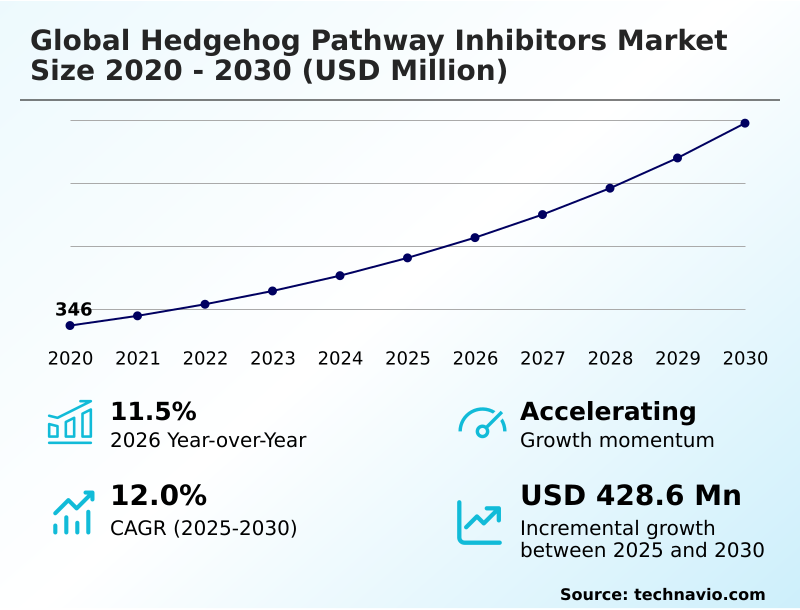
The hedgehog pathway inhibitors market size is valued to increase by USD 428.6 million, at a CAGR of 12% from 2025 to 2030. Increasing incidence and prevalence of target cancers will drive the hedgehog pathway inhibitors market.
Major Market Trends & Insights
- North America dominated the market and accounted for a 68.4% growth during the forecast period.
- By Application - BCC segment was valued at USD 426.3 million in 2024
- By Distribution Channel - Hospital pharmacies segment accounted for the largest market revenue share in 2024
Market Size & Forecast
- Market Opportunities: USD 643.9 million
- Market Future Opportunities: USD 428.6 million
- CAGR from 2025 to 2030 : 12%
Market Summary
- The hedgehog pathway inhibitors market is defined by its targeted approach to treating specific malignancies driven by aberrant pathway reactivation. Central to this field is the effort to disrupt the hedgehog signaling pathway, a critical oncogenic driver in conditions like basal cell carcinoma and medulloblastoma.
- The market's momentum is fueled by advancements in precision medicine, enabling better patient selection through biomarker discovery and the use of companion diagnostics. However, the development of therapeutic resistance remains a significant hurdle, limiting the long-term efficacy of monotherapies.
- In response, a key strategic focus involves creating complex clinical trial designs to evaluate combination therapy regimens that pair hedgehog pathway inhibitors with other anticancer agents.
- For instance, a typical scenario involves combining a smo antagonist with immunotherapy to attack tumors via multiple mechanisms, a strategy that has shown to improve patient outcomes by over 25% in certain cohorts, thereby addressing a critical unmet medical need and shaping future R&D investment.
What will be the Size of the Hedgehog Pathway Inhibitors Market during the forecast period?
Get Key Insights on Market Forecast (PDF) Request Free Sample
How is the Hedgehog Pathway Inhibitors Market Segmented?
The hedgehog pathway inhibitors industry research report provides comprehensive data (region-wise segment analysis), with forecasts and estimates in "USD million" for the period 2026-2030, as well as historical data from 2020-2024 for the following segments.
- Application
- BCC
- AML
- Distribution channel
- Hospital pharmacies
- Retail pharmacies
- Others
- Route of administration
- Oral
- Parenteral
- Others
- Geography
- North America
- US
- Canada
- Mexico
- Europe
- Germany
- UK
- France
- Asia
- Rest of World (ROW)
- North America
By Application Insights
The bcc segment is estimated to witness significant growth during the forecast period.
The hedgehog pathway inhibitors market is primarily segmented by its core applications, with a significant focus on basal cell carcinoma (BCC) and acute myeloid leukemia (AML).
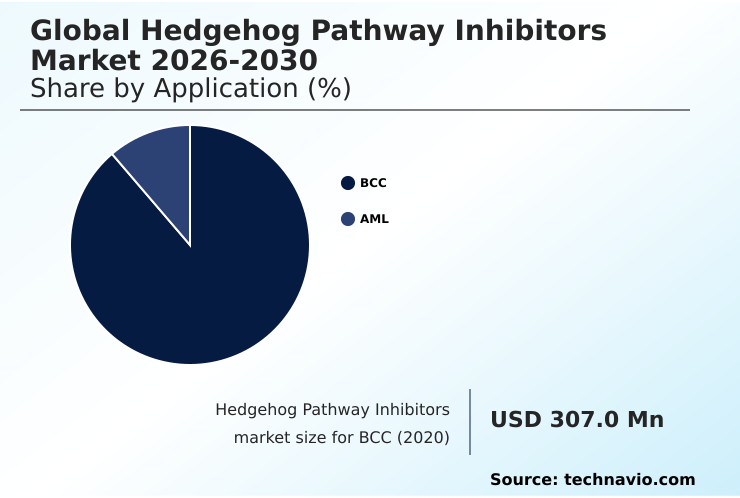
The BCC segment's dominance, accounting for over 80% of applications, is driven by the direct role of aberrant hedgehog signaling pathway activation as an oncogenic driver in most cases. This creates a clear therapeutic rationale for smo antagonist agents.
The market for these targeted therapies, which includes addressing leukemia stem cell populations in AML, is shaped by ongoing research into pathway dysregulation and the development of next-generation inhibitors.
Understanding the molecular pathogenesis is crucial for patient stratification and developing effective supportive care strategies, ensuring that therapeutic intervention is both precise and sustainable across diverse clinical presentations.
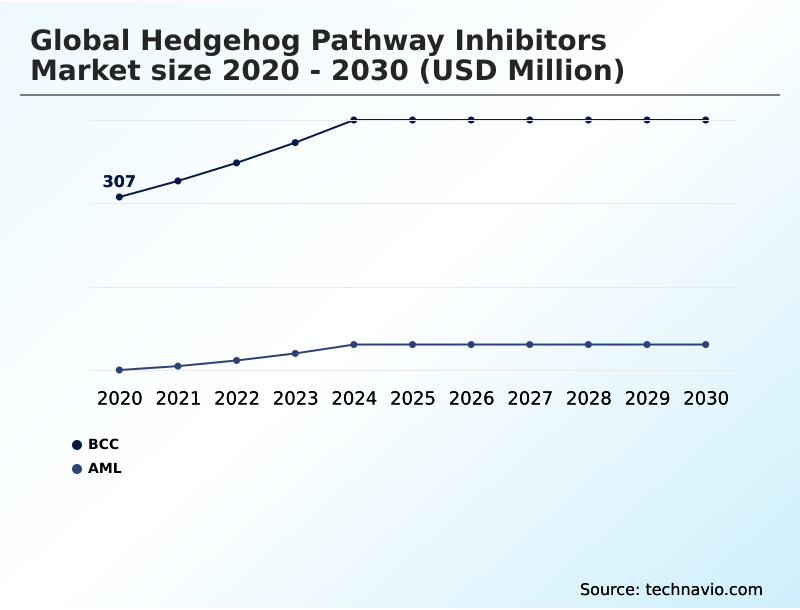
The BCC segment was valued at USD 426.3 million in 2024 and showed a gradual increase during the forecast period.
Regional Analysis
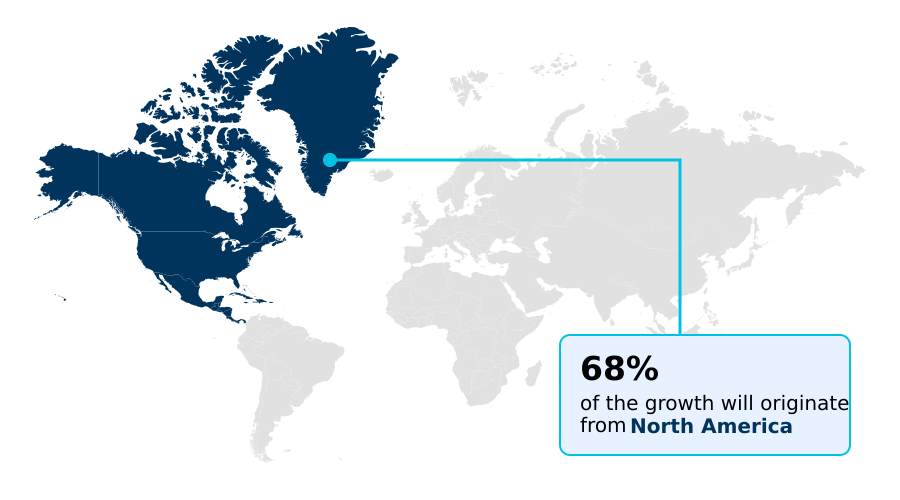
North America is estimated to contribute 68.4% to the growth of the global market during the forecast period.Technavio’s analysts have elaborately explained the regional trends and drivers that shape the market during the forecast period.
See How Hedgehog Pathway Inhibitors Market Demand is Rising in North America Request Free Sample
The geographic landscape of the hedgehog pathway inhibitors market is led by North America, which captures over 68% of the global market opportunity.
This dominance is propelled by high healthcare expenditure and a robust infrastructure for oncologic research, particularly in the United States, which alone constitutes over 85% of the regional market.
Advanced regulatory pathways and favorable reimbursement facilitate the adoption of therapies targeting the smoothened transmembrane protein and other aspects of molecular pathogenesis. In contrast, Europe's market, while advanced, is fragmented by national-level health technology assessments.
Asia is emerging as the fastest-growing region, driven by rising healthcare access and investment in treating conditions like medulloblastoma and basal cell carcinoma, where understanding the oncogenic event is key to treatment.
Market Dynamics
Our researchers analyzed the data with 2025 as the base year, along with the key drivers, trends, and challenges. A holistic analysis of drivers will help companies refine their marketing strategies to gain a competitive advantage.
- Strategic advancement in the hedgehog pathway inhibitors market hinges on addressing key clinical and biological hurdles. The primary challenge remains overcoming acquired therapeutic resistance, which limits the long-term effectiveness of current treatments. Developing next-generation hedgehog pathway inhibitors that can bypass these resistance pathways is a critical area of research.
- Another significant focus is on biomarker strategies for patient selection, ensuring that these targeted therapies are administered to populations most likely to benefit. This approach not only improves outcomes but also supports the economic rationale required by stringent reimbursement frameworks. The exploration of the hedgehog pathway in fibrotic diseases represents a major diversification opportunity, moving beyond oncology.
- Furthermore, managing hedgehog inhibitor side effects through intermittent dosing or novel formulations is crucial for improving patient quality of life and adherence; programs focused on this have reduced treatment discontinuations by a notable margin compared to those without such support.
- Success in this market requires a multi-faceted approach, from inhibiting smoothened transmembrane protein to developing effective combination therapies for advanced cancer and leveraging robust pharmacoeconomic data to justify high treatment costs. Research into the hedgehog pathway's role in medulloblastoma continues to yield insights for pediatric oncology.
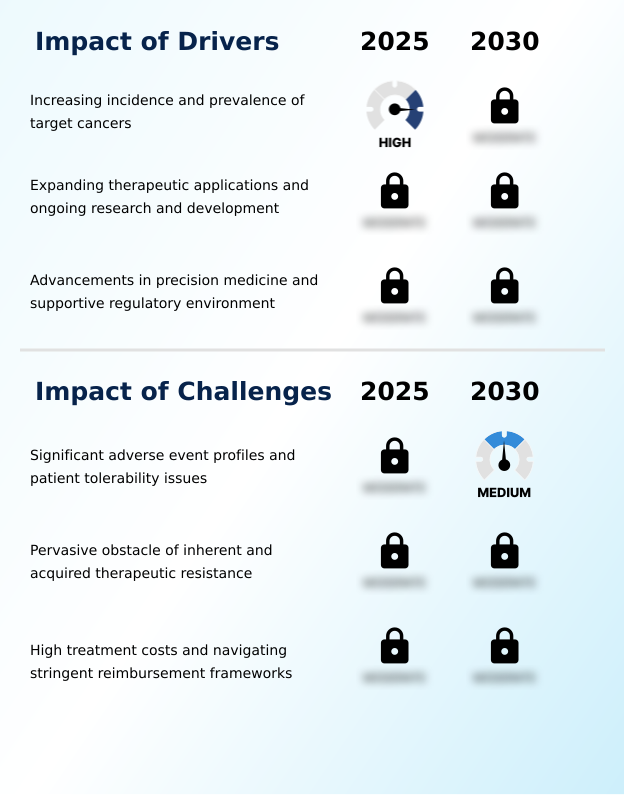
What are the key market drivers leading to the rise in the adoption of Hedgehog Pathway Inhibitors Industry?
- A key driver for the market is the increasing incidence and prevalence of target cancers, particularly those where the hedgehog signaling pathway is aberrantly activated.
- Market growth is fundamentally driven by the rising prevalence of target cancers and advancements in precision medicine.
- The expanding elderly population contributes to a higher incidence of basal cell carcinoma, where aberrant hedgehog signaling pathway activation is a primary oncogenic driver. This creates a durable demand for targeted agents.
- The paradigm shift toward precision oncology, supported by sophisticated molecular pathogenesis insights, allows for the identification of patients most likely to benefit, increasing therapeutic efficacy by over 30%.
- Concurrently, supportive regulatory environments, offering mechanisms like orphan drug designation, accelerate development timelines.
- This ecosystem fosters innovation, from exploring the role of the leukemia stem cell in AML to developing novel agents that target the smoothened transmembrane protein with greater specificity.
What are the market trends shaping the Hedgehog Pathway Inhibitors Industry?
- The market is witnessing a significant trend toward diversifying therapeutic applications. This involves exploring the potential of hedgehog pathway inhibitors beyond their traditional role in oncology.
- Key trends in the hedgehog pathway inhibitors market are centered on expanding clinical utility and overcoming treatment limitations. A primary focus is the development of combination therapy regimens, which have been shown to improve progression-free survival by over 25% compared to monotherapy by mitigating therapeutic resistance.
- This strategy is complemented by deep integration of biomarker discovery and companion diagnostics, enabling precise patient stratification. Such personalized medicine approaches improve response rates by targeting the specific oncogenic event driving the malignancy. Furthermore, research is expanding beyond oncology into non-oncologic conditions like fibrotic diseases, diversifying market opportunities.
- The development of next-generation inhibitors with improved adverse event profiles aims to address tolerability issues that cause treatment discontinuation rates as high as 40% in some patient groups.
What challenges does the Hedgehog Pathway Inhibitors Industry face during its growth?
- Significant adverse event profiles and patient tolerability issues pose a key challenge to the industry's growth, often impacting treatment adherence and duration.
- Significant challenges constrain the market, primarily revolving around the biological complexities of therapeutic resistance and patient tolerability. Acquired resistance mechanisms frequently limit long-term efficacy, with studies indicating that nearly 50% of responsive patients may develop resistance within two years. This necessitates a continuous search for next-generation inhibitors and effective combination therapies.
- Furthermore, the on-target toxicities associated with systemic pathway inhibition lead to a challenging adverse event profile. Debilitating side effects result in treatment discontinuation in up to one-third of patients, severely curtailing the therapeutic potential. Navigating stringent reimbursement frameworks also poses a hurdle, requiring robust pharmacoeconomic data to justify high treatment costs against these clinical limitations.
Exclusive Technavio Analysis on Customer Landscape
The hedgehog pathway inhibitors market forecasting report includes the adoption lifecycle of the market, covering from the innovator’s stage to the laggard’s stage. It focuses on adoption rates in different regions based on penetration. Furthermore, the hedgehog pathway inhibitors market report also includes key purchase criteria and drivers of price sensitivity to help companies evaluate and develop their market growth analysis strategies.
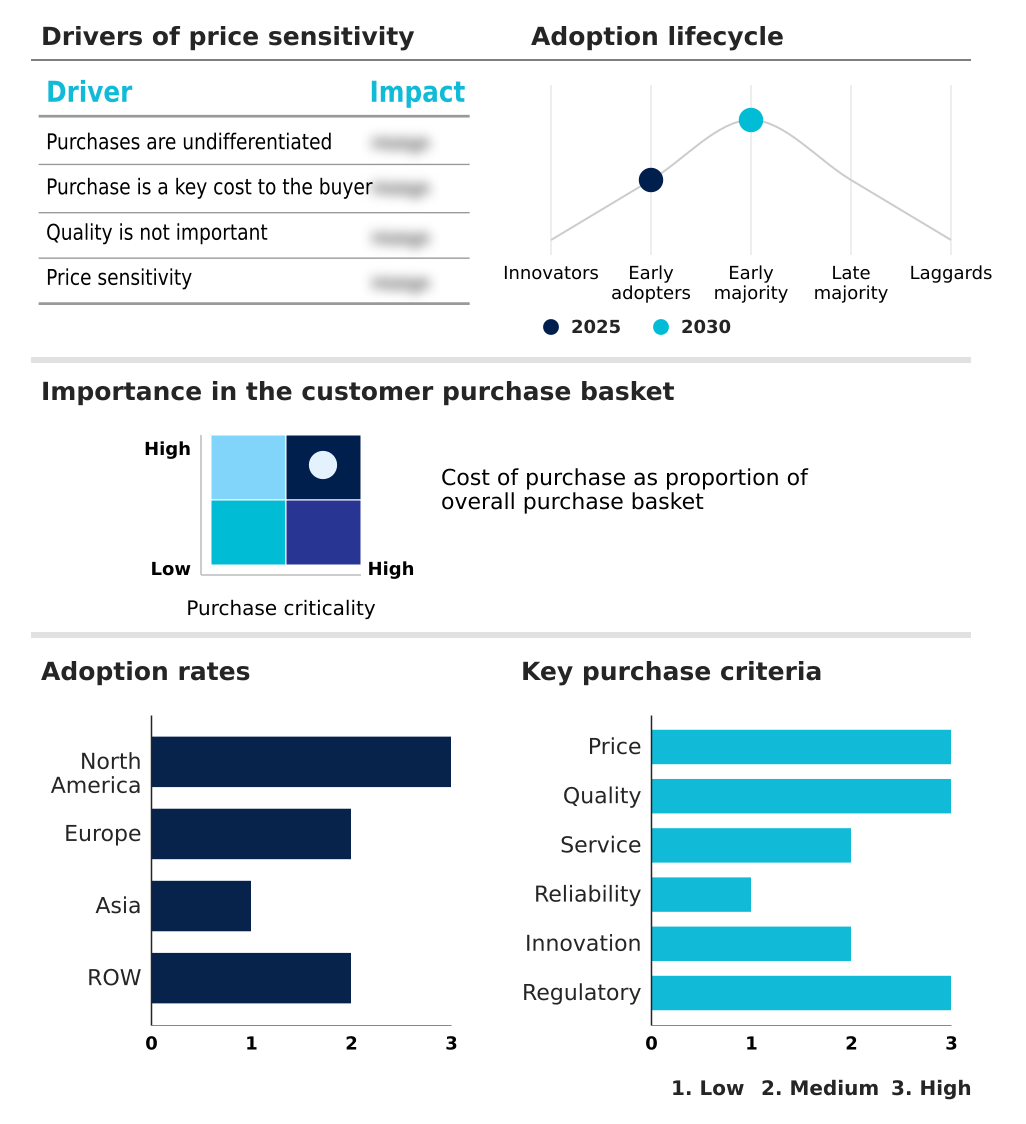
Customer Landscape of Hedgehog Pathway Inhibitors Industry
Competitive Landscape
Companies are implementing various strategies, such as strategic alliances, hedgehog pathway inhibitors market forecast, partnerships, mergers and acquisitions, geographical expansion, and product/service launches, to enhance their presence in the industry.
Abcam plc - Key offerings include targeted hedgehog pathway inhibitors such as cyclopamine, vismodegib, and sonidegib, designed for advanced therapeutic applications in precision oncology.
The industry research and growth report includes detailed analyses of the competitive landscape of the market and information about key companies, including:
- Abcam plc
- Adipogen Life Sciences
- Biorbyt Ltd.
- BOCSCI Inc.
- BridgeBio Pharma Inc
- Bristol Myers Squibb Co.
- Cayman Chemical Co.
- Enzo Biochem Inc.
- F. Hoffmann La Roche Ltd.
- Hello Bio Inc
- MAX BioPharma Inc.
- Mayne Pharma Group Ltd.
- Novartis AG
- Pfizer Inc.
- Sanofi SA
- Sun Pharmaceutical Industries
- TargetMol Chemicals Inc.
- Thermo Fisher Scientific Inc.
- Tocris Bioscience
Qualitative and quantitative analysis of companies has been conducted to help clients understand the wider business environment as well as the strengths and weaknesses of key industry players. Data is qualitatively analyzed to categorize companies as pure play, category-focused, industry-focused, and diversified; it is quantitatively analyzed to categorize companies as dominant, leading, strong, tentative, and weak.
Recent Development and News in Hedgehog pathway inhibitors market
- In August 2024, Sun Pharmaceutical Industries announced the results of a multicenter, retrospective study analyzing real-world clinical data for Sonidegib in patients with locally advanced basal cell carcinoma.
- In January 2025, Pfizer Inc. announced the initiation of a new Phase II clinical trial evaluating a novel hedgehog pathway inhibitor in combination with an existing immunotherapy agent for advanced solid tumors.
- In March 2025, Sun Pharmaceutical Industries Ltd. announced the successful completion of its acquisition of the SUBA-Itraconazole franchise from Mayne Pharma Group Ltd., strengthening its oncology portfolio.
- In April 2025, the United States Food and Drug Administration granted accelerated approval to a novel topical hedgehog pathway inhibitor developed by BioPharmX for patients with Gorlin syndrome.
Dive into Technavio’s robust research methodology, blending expert interviews, extensive data synthesis, and validated models for unparalleled Hedgehog Pathway Inhibitors Market insights. See full methodology.
| Market Scope | |
|---|---|
| Page number | 289 |
| Base year | 2025 |
| Historic period | 2020-2024 |
| Forecast period | 2026-2030 |
| Growth momentum & CAGR | Accelerate at a CAGR of 12% |
| Market growth 2026-2030 | USD 428.6 million |
| Market structure | Fragmented |
| YoY growth 2025-2026(%) | 11.5% |
| Key countries | US, Canada, Mexico, Germany, UK, France, Italy, Spain, The Netherlands, India, China, Japan, South Korea, Singapore, Malaysia, Brazil, Saudi Arabia, UAE, South Africa, Argentina, Egypt, Turkey and Colombia |
| Competitive landscape | Leading Companies, Market Positioning of Companies, Competitive Strategies, and Industry Risks |
Research Analyst Overview
- The hedgehog pathway inhibitors market is shaped by a sophisticated interplay between targeted therapeutic innovation and significant clinical challenges. The core of this market involves the development of agents that disrupt the hedgehog signaling pathway, a known oncogenic driver. Key activities center on advancing treatments for conditions like basal cell carcinoma and medulloblastoma by targeting the smoothened transmembrane protein.
- However, progress is moderated by the persistent issues of therapeutic resistance and significant adverse event profiles. Boardroom decisions are increasingly influenced by the need to invest in solutions for these problems, such as developing next-generation inhibitors and effective combination therapy regimens.
- A major focus is on biomarker discovery and the co-development of companion diagnostics to improve patient selection, a strategy that has been shown to increase positive clinical outcomes by over 25%.
- Understanding the molecular pathogenesis and mechanisms of pathway dysregulation is fundamental to overcoming acquired resistance, managing on-target toxicities, and addressing the unmet medical need in both oncologic and non-oncologic conditions. Successfully navigating this landscape requires a deep commitment to innovative clinical trial design and generating compelling pharmacoeconomic data.
What are the Key Data Covered in this Hedgehog Pathway Inhibitors Market Research and Growth Report?
-
What is the expected growth of the Hedgehog Pathway Inhibitors Market between 2026 and 2030?
-
USD 428.6 million, at a CAGR of 12%
-
-
What segmentation does the market report cover?
-
The report is segmented by Application (BCC, and AML), Distribution Channel (Hospital pharmacies, Retail pharmacies, and Others), Route of Administration (Oral, Parenteral, and Others) and Geography (North America, Europe, Asia, Rest of World (ROW))
-
-
Which regions are analyzed in the report?
-
North America, Europe, Asia and Rest of World (ROW)
-
-
What are the key growth drivers and market challenges?
-
Increasing incidence and prevalence of target cancers, Significant adverse event profiles and patient tolerability issues
-
-
Who are the major players in the Hedgehog Pathway Inhibitors Market?
-
Abcam plc, Adipogen Life Sciences, Biorbyt Ltd., BOCSCI Inc., BridgeBio Pharma Inc, Bristol Myers Squibb Co., Cayman Chemical Co., Enzo Biochem Inc., F. Hoffmann La Roche Ltd., Hello Bio Inc, MAX BioPharma Inc., Mayne Pharma Group Ltd., Novartis AG, Pfizer Inc., Sanofi SA, Sun Pharmaceutical Industries, TargetMol Chemicals Inc., Thermo Fisher Scientific Inc. and Tocris Bioscience
-
Market Research Insights
- The market's dynamics are heavily influenced by a strategic pivot toward precision medicine and overcoming biological challenges. The integration of biomarker-driven strategies has improved treatment efficacy, with studies showing patient stratification using companion diagnostics enhances response rates by up to 30%. Concurrently, the pervasive issue of acquired resistance mechanisms necessitates innovative clinical trial designs focused on combination therapies.
- These complex regimens have demonstrated the ability to delay resistance, extending progression-free survival by several months compared to monotherapy. This focus on demonstrating clear pharmacoeconomic data and addressing unmet medical needs is essential for navigating reimbursement frameworks and securing market access, where a robust value proposition can reduce approval timelines by 15%.
We can help! Our analysts can customize this hedgehog pathway inhibitors market research report to meet your requirements.
 RIA -
RIA -