


Heavy Construction Equipment Market Analysis, Size, and Forecast 2025-2029: North America (US and Canada), Europe (France, Germany, and UK), APAC (China, India, Japan, and South Korea), South America (Brazil), and Rest of World (ROW)

Heavy Construction Equipment Market Analysis, Size, and Forecast 2025-2029:
North America (US and Canada), Europe (France, Germany, and UK), APAC (China, India, Japan, and South Korea), South America (Brazil), and Rest of World (ROW)

Published: Jun 2025 215 Pages SKU: IRTNTR74375

Market Overview at a Glance

$49.7 B
Market Opportunity
4.6%
CAGR
4.4
YoY growth 2024-2025(%)

Heavy Construction Equipment Market Size 2025-2029

The heavy construction equipment market size is forecast to increase by USD 49.7 billion at a CAGR of 4.6% between 2024 and 2029.

  • The market is experiencing significant growth, driven by increased investment in infrastructure projects worldwide. This trend is expected to continue, creating lucrative opportunities for market participants. Fuel alternatives, including diesel engines and hydraulic systems, are essential components of heavy construction machinery. The secondhand machine market is also expanding, providing an affordable alternative for companies seeking to acquire equipment without the high upfront costs of new machinery.
  • Strategic partnerships, innovation, and operational efficiency are essential for success in the market. However, challenges persist in the form of intense competition, increasing raw material prices, and regulatory compliance, which may impact profitability. Companies must navigate these challenges effectively to capitalize on the market's potential and maintain a competitive edge. Manufacturing processes incorporate advanced engineering and quality control measures, while supply chain efficiency is enhanced through fleet management and raw materials sourcing strategies. Technological advances, including the adoption of battery technology, telematics, and automation, are driving innovation and improving efficiency, safety, and sustainability in the industry.

What will be the Size of the Heavy Construction Equipment Market during the forecast period?
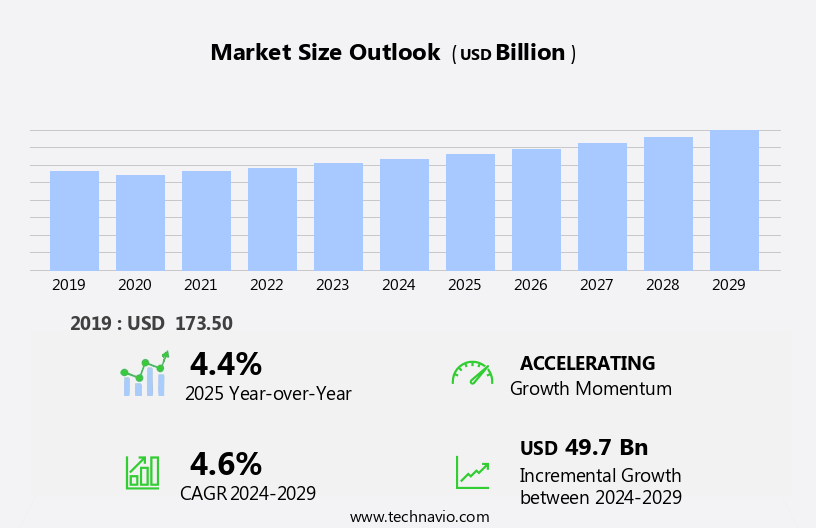
Heavy Construction Equipment Market Size

 Explore in-depth regional segment analysis with market size data - historical 2019-2023 and forecasts 2025-2029 - in the full report.  
Request Free Sample

  • In the market, product lifecycle management plays a crucial role in ensuring optimal performance and longevity of machinery. Dealers maintain a robust network to provide site preparation services, monitoring systems, parts distribution, and project management solutions. Equipment financing options facilitate the acquisition of new machinery, while used equipment market participation offers cost-effective alternatives. Control valves, hydraulic pumps, and braking system components are essential components undergoing rigorous compliance testing to meet industry standards. Safety systems and operator interface design are increasingly prioritized for worksite logistics and demolition techniques.
  • Customer service, spare parts supply, and technical support are integral to maintaining a competitive edge. Certification bodies and training programs ensure adherence to safety and standards compliance, while field testing and compliance testing are critical aspects of the product development cycle. The integration of monitoring systems and technical support enhances overall equipment performance and reliability. Another key driver is the growing trend of construction equipment rentals, which offers flexibility and cost savings for businesses.

How is this Heavy Construction Equipment Industry segmented?

The heavy construction equipment industry research report provides comprehensive data (region-wise segment analysis), with forecasts and estimates in "USD billion" for the period 2025-2029, as well as historical data from 2019-2023 for the following segments.

  • Type
    • Earthmoving equipment
    • Material handling equipment
    • Heavy construction vehicles
    • Others
  • Application
    • Excavation and demolition
    • Heavy lifting
    • Material handling
    • Tunneling
    • Others
  • Propulsion
    • ICE
    • Electric
  • Geography
    • North America
      • US
      • Canada
    • Europe
      • France
      • Germany
      • UK
    • APAC
      • China
      • India
      • Japan
      • South Korea
    • South America
      • Brazil
    • Rest of World (ROW)

By Type Insights

The earthmoving equipment segment is estimated to witness significant growth during the forecast period. The market encompasses machinery utilized for carrying, digging, spreading, or moving earth and materials. Key equipment in this sector includes excavators, loaders, dozers, and motor graders. Operating costs are a significant consideration for businesses in this industry, making aftermarket parts essential for maintaining equipment and maximizing return on investment. Software solutions and IoT sensors enhance machine performance and efficiency, while electric motors and remote control capabilities offer environmental benefits and increased safety. Infrastructure projects, driven by both public and private investment, provide opportunities for growth. Rapid urbanization, particularly in developing countries like China and India, is increasing the demand for heavy construction equipment due to the emergence of megacities.

Safety regulations and rental services ensure accessibility to various businesses. Transmission systems, lifting capacity, GPS guidance, and emission standards are crucial performance metrics. Specialized tools, such as dump trucks, are integral to material handling and land clearing. Maintenance contracts and fuel efficiency are essential for minimizing downtime and reducing operational costs. Cab comfort and emission reduction technologies are prioritized for operator training and environmental impact considerations. Braking systems and waste management systems are essential safety features. Construction sites rely on these machines to optimize productivity and efficiency.
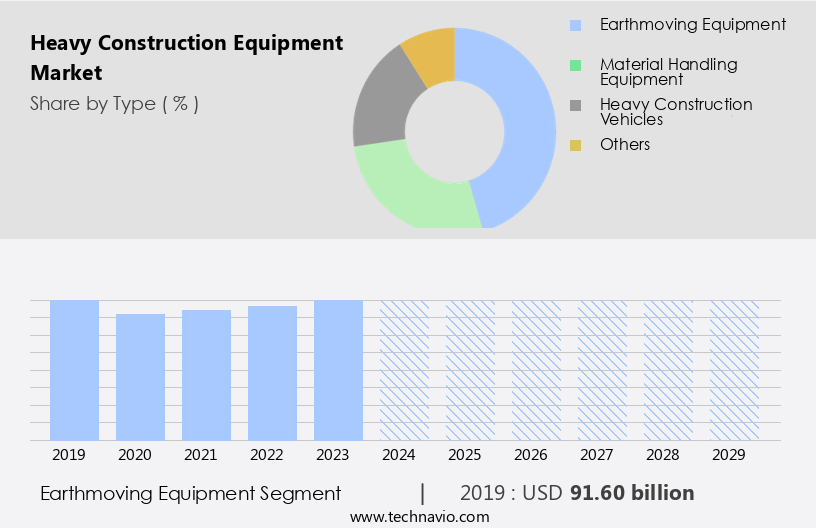
Heavy Construction Equipment Market Size

 Download Free Sample Report

The Earthmoving equipment segment was valued at USD 91.60 billion in 2019 and showed a gradual increase during the forecast period.

The Heavy Construction Equipment Market is expanding steadily, driven by rising infrastructure demands and technological advancements. Dump truck remain essential for material transportation, valued for their durability and adaptability across terrains. Contractors increasingly focus on minimizing operating cost by selecting machines with optimized fuel efficiency and longer service intervals. Payload capacity plays a crucial role in productivity, influencing the speed and scale of operations. High engine power is another critical factor, ensuring equipment can handle demanding tasks with ease. Additionally, operating weight affects machine stability and ground pressure, both of which are vital in varied site conditions. The growing use of auxiliary attachments further enhances equipment versatility, allowing one machine to perform multiple tasks and improving return on investment.

The Heavy Construction Equipment Market is evolving with cutting-edge innovations aimed at improving efficiency, safety, and sustainability. Advancements in engine technology are enhancing fuel economy and reducing emissions, aligning with global environmental standards. Sophisticated steering system now offer better maneuverability, especially in tight or rugged job sites. Modern display panels provide operators with real-time diagnostics and intuitive controls, boosting productivity and reducing downtime. A strong dealer network plays a pivotal role in after-sales service, spare parts availability, and technical support, influencing purchase decisions. Additionally, the focus on waste disposal solutions is growing, with equipment increasingly tailored to handle debris responsibly and sustainably.

Regional Analysis

APAC is estimated to contribute 47% to the growth of the global market during the forecast period. Technavio's analysts have elaborately explained the regional trends and drivers that shape the market during the forecast period.
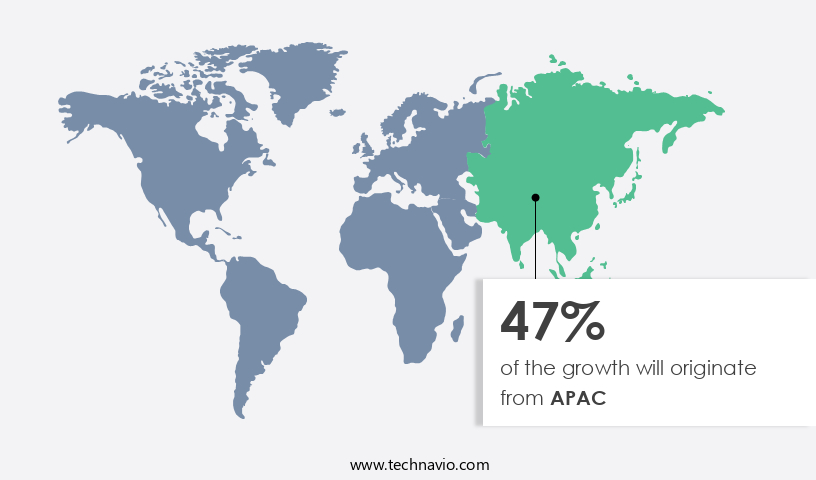
Heavy Construction Equipment Market Share by Geography

View Free PDF Sample

The market in the APAC region is witnessing significant growth, driven by an increase in infrastructure projects such as roads, dams, and airports. China, India, and Japan are key contributors to this expansion, with global manufacturers setting up operations in response to the promising business opportunities. The construction sector's growth is further fueled by rising demand in emerging nations, particularly in the residential and commercial sectors. With steady growth projected, the region's construction market is expected to drive new infrastructure development, catering to the needs of a growing urban population. Moreover, the integration of IoT sensors, software solutions, and data analytics in heavy construction equipment is revolutionizing the industry.

Electric motors, remote control, and emission reduction technologies are becoming increasingly popular, with a focus on fuel efficiency and environmental impact. Operating costs are being optimized through lease agreements, maintenance contracts, and component parts. Operator training, safety regulations, and specialized tools ensure optimal performance and safety. Lifting capacity, transmission systems, and braking systems are essential features, while cab comfort and emission standards are key considerations for manufacturers. The market in APAC is experiencing robust growth, driven by infrastructure projects, rising construction activity, and technological advancements. The integration of IoT sensors, software solutions, and data analytics is transforming the industry, with a focus on reducing operating costs, improving performance metrics, and minimizing environmental impact.

The market's evolving trends include the adoption of electric motors, remote control, and emission reduction technologies, as well as the growing popularity of fuel alternatives and specialized tools.

Market Dynamics

Our researchers analyzed the data with 2024 as the base year, along with the key drivers, trends, and challenges. A holistic analysis of drivers will help companies refine their marketing strategies to gain a competitive advantage.

What are the Heavy Construction Equipment market drivers leading to the rise in the adoption of Industry?

  • A significant increase in infrastructure investment serves as the primary catalyst for market growth. The market is experiencing significant growth due to increased investment in infrastructure projects worldwide. Governments and private entities are allocating substantial resources to modernize outdated systems, stimulate economic growth, and enhance competitiveness. In the US, the proposed infrastructure plan aims to invest over USD 2 trillion in rebuilding roads, bridges, airports, and public transit, as well as upgrading water systems and expanding broadband access. Meanwhile, China's Belt and Road Initiative and Made in China 2025 strategy are driving demand for heavy equipment in Asia, Africa, and Europe, with a focus on improving connectivity and advancing manufacturing infrastructure. Safety regulations are a crucial factor in the market, ensuring the protection of operators and workers.
  • Rental services provide flexibility for businesses, allowing them to lease equipment with varying engine powers and lifting capacities as needed. Component parts and transmission systems require regular maintenance and replacement, creating opportunities for suppliers. Data analytics and operator training are essential for optimizing equipment performance and reducing downtime. The market is thriving due to the increasing demand for infrastructure development and modernization projects. Safety regulations, rental services, component parts, data analytics, operator training, and transmission systems are key market dynamics shaping the industry's growth.

What are the Heavy Construction Equipment market trends shaping the Industry?

  • The increasing popularity of construction equipment rentals represents a significant market trend. This trend is driven by the numerous benefits it offers, including cost savings, flexibility, and access to the latest technology. The market experiences continuous growth due to the increasing trend of equipment rental services. Renting heavy construction equipment offers numerous advantages to businesses, such as flexibility, cost savings, and access to advanced technology without substantial upfront investments. With rental services, companies can adapt to their equipment requirements according to specific projects and scale operations efficiently.
  • Additionally, the exploration of fuel alternatives, such as hybrid and electric engines, and the development of advanced hydraulic, braking, and waste management systems contribute to the market's expansion. Overall, the market's growth is driven by the evolving needs of construction companies and contractors, as well as the ongoing advancements in equipment technology. Moreover, rental firms compete fiercely to offer expanded rental fleets, enhanced service offerings, and competitive pricing strategies, enabling businesses to utilize the latest machinery and technology without ownership responsibilities. Technological advancements in heavy construction equipment are significant market growth factors. For instance, GPS guidance systems, emission reduction technologies, and improved cab comfort enhance machine productivity and operator experience.

How does Heavy Construction Equipment market face challenges during its growth?

  • The expanding secondhand machine market poses a significant challenge to the industry's growth trajectory. The market is experiencing a shift in trends due to the increasing availability and demand for secondhand machines. This dynamic is particularly noticeable in industries based in the United States and Europe, where high labor expenses and stringent pollution regulations have led to the closure of several manufacturing and mining operations. As a result, there is an oversupply of secondhand heavy construction equipment, such as dump trucks, excavators, and bulldozers, which are being exported to developing economies in Asia. In response to this trend, Asian contractors and mining firms are actively seeking to purchase secondhand European equipment at reduced prices.
  • This trend is driven by the cost-effective production facilities in APAC, which have attracted many manufacturing industries to relocate from developed economies. Performance metrics, such as fuel efficiency and safety features, remain key considerations for both new and secondhand equipment purchases. Additionally, maintenance contracts and specialized tools are essential for ensuring the longevity and productivity of heavy construction equipment. Overall, the market is characterized by a focus on maintaining equipment performance and reducing operational costs through the use of secondhand machinery.

Exclusive Customer Landscape

The heavy construction equipment market forecasting report includes the adoption lifecycle of the market, covering from the innovator's stage to the laggard's stage. It focuses on adoption rates in different regions based on penetration. Furthermore, the heavy construction equipment market report also includes key purchase criteria and drivers of price sensitivity to help companies evaluate and develop their market growth analysis strategies.
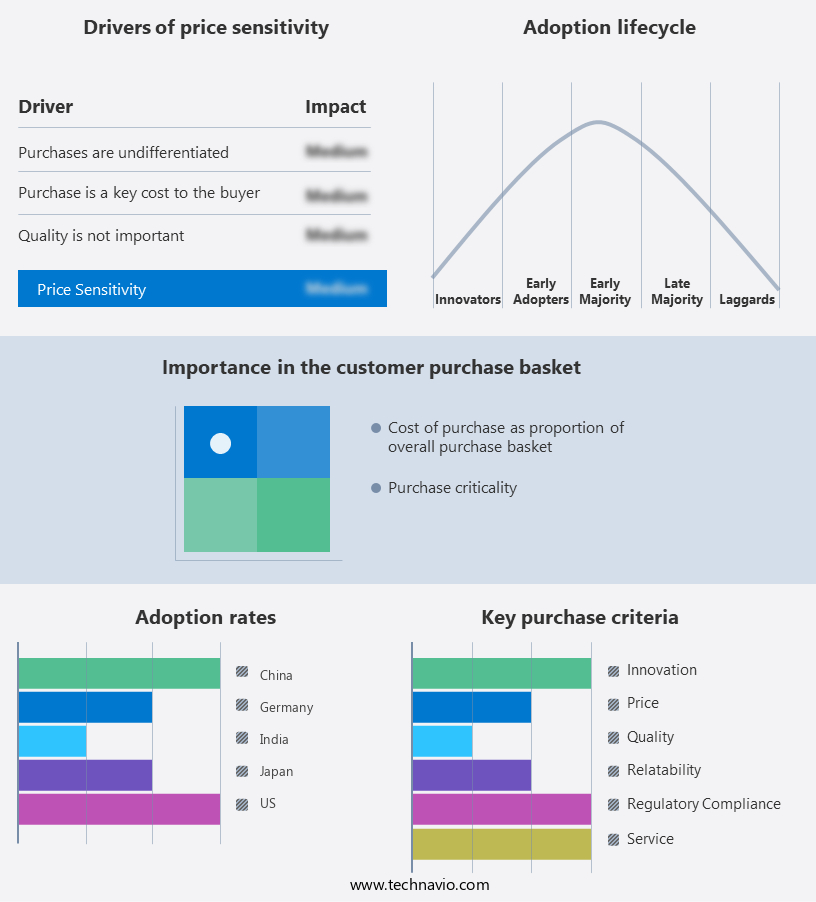
Heavy Construction Equipment Market Share by Geography

 Customer Landscape

Key Companies & Market Insights

Companies are implementing various strategies, such as strategic alliances, heavy construction equipment market forecast, partnerships, mergers and acquisitions, geographical expansion, and product/service launches, to enhance their presence in the industry.

AB Volvo - This company specializes in providing heavy construction equipment solutions, including excavators and wheel loaders, to clients worldwide.

The industry research and growth report includes detailed analyses of the competitive landscape of the market and information about key companies, including:

  • AB Volvo
  • Caterpillar Inc.
  • CNH Industrial NV
  • Deere and Co.
  • Dieci Srl
  • Doosan Corp.
  • Eazi Access Investments Pty Ltd
  • Hitachi Ltd.
  • Hyundai Heavy Industries Group
  • J C Bamford Excavators Ltd.
  • Kobe Steel Ltd.
  • Komatsu Ltd.
  • Liebherr International AG
  • Manitou BF SA
  • Oshkosh Corp.
  • Sany Group
  • Terex Corp.
  • Wacker Neuson SE
  • Xuzhou Construction Machinery Group Co. Ltd.
  • Zoomlion Heavy Industry Science and Technology Co. Ltd.

Qualitative and quantitative analysis of companies has been conducted to help clients understand the wider business environment as well as the strengths and weaknesses of key industry players. Data is qualitatively analyzed to categorize companies as pure play, category-focused, industry-focused, and diversified; it is quantitatively analyzed to categorize companies as dominant, leading, strong, tentative, and weak.

Recent Development and News in Heavy Construction Equipment Market

  • In January 2024, Caterpillar Inc., a leading heavy construction equipment manufacturer, launched its new electric mining truck prototype, the 793F AC Electric Drive, marking a significant step towards sustainable mining operations (Caterpillar Press Release, 2024).
  • In March 2024, Volvo Construction Equipment and Gehl Company announced their strategic partnership, combining Volvo's global presence and Gehl's compact construction equipment expertise to expand their product offerings (Volvo Construction Equipment Press Release, 2024).
  • In April 2025, Komatsu Limited, a major player in the heavy construction equipment industry, acquired Mobiles de Manutention SAS, a French forklift manufacturer, to strengthen its presence in the European market and expand its product portfolio (Komatsu Limited Press Release, 2025).
  • In May 2025, the European Union approved the new emission standards for heavy construction equipment, which will come into effect from 2027, driving the market towards greener and more efficient machinery (European Commission Press Release, 2025).

Research Analyst Overview

The market continues to evolve, driven by advancements in technology and shifting market dynamics. Operating costs remain a key consideration, with aftermarket parts and software solutions playing essential roles in optimizing efficiency and reducing expenses. IoT sensors and GPS guidance enhance productivity and safety, while emission standards and cab comfort are increasingly prioritized for environmental impact and operator satisfaction. Emission reduction and fuel alternatives are at the forefront of industry innovation, with electric motors and diesel engines undergoing continuous improvements. Hydraulic systems and braking systems are being optimized for greater performance and reduced environmental footprint.

Waste management solutions are also gaining traction, as the industry focuses on sustainability and compliance with regulatory requirements. Infrastructure projects, material handling, and land clearing applications are among the sectors benefiting from these advancements. Lease agreements, maintenance contracts, and operator training are crucial components of the market's evolving business models. Transmission systems, lifting capacity, and safety features are also subject to ongoing research and development, ensuring that heavy construction equipment remains a vital and dynamic force in the industry. Specialized tools and remote control capabilities are increasingly important, enabling greater precision and flexibility on construction sites.

Performance metrics, safety regulations, and rental services are also shaping the market, as the industry continues to adapt and innovate. The market is characterized by continuous change and growth. From emission reduction and cab comfort to hydraulic systems and braking technology, the industry is constantly pushing the boundaries of what is possible. Whether it's through the integration of IoT sensors or the development of new fuel alternatives, the future of heavy construction equipment is bright and full of possibilities.

Dive into Technavio's robust research methodology, blending expert interviews, extensive data synthesis, and validated models for unparalleled Heavy Construction Equipment Market insights. See full methodology.

Market Scope

Report Coverage

Details

Page number

215

Base year

2024

Historic period

2019-2023

Forecast period

2025-2029

Growth momentum & CAGR

Accelerate at a CAGR of 4.6%

Market growth 2025-2029

USD 49.7 billion

Market structure

Fragmented

YoY growth 2024-2025(%)

4.4

Key countries

US, China, India, Brazil, Germany, Japan, UK, France, Canada, and South Korea

Competitive landscape

Leading Companies, Market Positioning of Companies, Competitive Strategies, and Industry Risks

Request Free Sample

What are the Key Data Covered in this Heavy Construction Equipment Market Research and Growth Report?

  • CAGR of the Heavy Construction Equipment industry during the forecast period
  • Detailed information on factors that will drive the growth and forecasting between 2025 and 2029
  • Precise estimation of the size of the market and its contribution of the industry in focus to the parent market
  • Accurate predictions about upcoming growth and trends and changes in consumer behaviour
  • Growth of the market across APAC, North America, Europe, South America, and Middle East and Africa
  • Thorough analysis of the market's competitive landscape and detailed information about companies
  • Comprehensive analysis of factors that will challenge the heavy construction equipment market growth of industry companies

We can help! Our analysts can customize this heavy construction equipment market research report to meet your requirements.

Get in touch

1 Executive Summary

  • 1.1 Market overview
    • Executive Summary - Chart on Market Overview
    • Executive Summary - Data Table on Market Overview
    • Executive Summary - Chart on Global Market Characteristics
    • Executive Summary - Chart on Market by Geography
    • Executive Summary - Chart on Market Segmentation by Type
    • Executive Summary - Chart on Market Segmentation by Application
    • Executive Summary - Chart on Market Segmentation by Propulsion
    • Executive Summary - Chart on Incremental Growth
    • Executive Summary - Data Table on Incremental Growth
    • Executive Summary - Chart on Company Market Positioning

2 Technavio Analysis

  • 2.1 Analysis of price sensitivity, lifecycle, customer purchase basket, adoption rates, and purchase criteria
    • Analysis of price sensitivity, lifecycle, customer purchase basket, adoption rates, and purchase criteria
  • 2.2 Criticality of inputs and Factors of differentiation
    • Overview on criticality of inputs and factors of differentiation
  • 2.3 Factors of disruption
    • Overview on factors of disruption
  • 2.4 Impact of drivers and challenges
    • Impact of drivers and challenges in 2024 and 2029

3 Market Landscape

  • 3.1 Market ecosystem
    • Parent Market
    • Data Table on - Parent Market
  • 3.2 Market characteristics
    • Market characteristics analysis
  • 3.3 Value chain analysis
    • Value chain analysis

4 Market Sizing

  • 4.1 Market definition
    • Offerings of companies included in the market definition
  • 4.2 Market segment analysis
    • Market segments
  • 4.3 Market size 2024
    • 4.4 Market outlook: Forecast for 2024-2029
      • Chart on Global - Market size and forecast 2024-2029 ($ billion)
      • Data Table on Global - Market size and forecast 2024-2029 ($ billion)
      • Chart on Global Market: Year-over-year growth 2024-2029 (%)
      • Data Table on Global Market: Year-over-year growth 2024-2029 (%)

    5 Historic Market Size

    • 5.1 Global Heavy Construction Equipment Market 2019 - 2023
      • Historic Market Size - Data Table on Global Heavy Construction Equipment Market 2019 - 2023 ($ billion)
    • 5.2 Type segment analysis 2019 - 2023
      • Historic Market Size - Type Segment 2019 - 2023 ($ billion)
    • 5.3 Application segment analysis 2019 - 2023
      • Historic Market Size - Application Segment 2019 - 2023 ($ billion)
    • 5.4 Propulsion segment analysis 2019 - 2023
      • Historic Market Size - Propulsion Segment 2019 - 2023 ($ billion)
    • 5.5 Geography segment analysis 2019 - 2023
      • Historic Market Size - Geography Segment 2019 - 2023 ($ billion)
    • 5.6 Country segment analysis 2019 - 2023
      • Historic Market Size - Country Segment 2019 - 2023 ($ billion)

    6 Qualitative Analysis

    • 6.1 Impact of AI in global heavy construction equipment market

      7 Five Forces Analysis

      • 7.1 Five forces summary
        • Five forces analysis - Comparison between 2024 and 2029
      • 7.2 Bargaining power of buyers
        • Bargaining power of buyers - Impact of key factors 2024 and 2029
      • 7.3 Bargaining power of suppliers
        • Bargaining power of suppliers - Impact of key factors in 2024 and 2029
      • 7.4 Threat of new entrants
        • Threat of new entrants - Impact of key factors in 2024 and 2029
      • 7.5 Threat of substitutes
        • Threat of substitutes - Impact of key factors in 2024 and 2029
      • 7.6 Threat of rivalry
        • Threat of rivalry - Impact of key factors in 2024 and 2029
      • 7.7 Market condition
        • Chart on Market condition - Five forces 2024 and 2029

      8 Market Segmentation by Type

      • 8.1 Market segments
        • Chart on Type - Market share 2024-2029 (%)
        • Data Table on Type - Market share 2024-2029 (%)
      • 8.2 Comparison by Type
        • Chart on Comparison by Type
        • Data Table on Comparison by Type
      • 8.3 Earthmoving equipment - Market size and forecast 2024-2029
        • Chart on Earthmoving equipment - Market size and forecast 2024-2029 ($ billion)
        • Data Table on Earthmoving equipment - Market size and forecast 2024-2029 ($ billion)
        • Chart on Earthmoving equipment - Year-over-year growth 2024-2029 (%)
        • Data Table on Earthmoving equipment - Year-over-year growth 2024-2029 (%)
      • 8.4 Material handling equipment - Market size and forecast 2024-2029
        • Chart on Material handling equipment - Market size and forecast 2024-2029 ($ billion)
        • Data Table on Material handling equipment - Market size and forecast 2024-2029 ($ billion)
        • Chart on Material handling equipment - Year-over-year growth 2024-2029 (%)
        • Data Table on Material handling equipment - Year-over-year growth 2024-2029 (%)
      • 8.5 Heavy construction vehicles - Market size and forecast 2024-2029
        • Chart on Heavy construction vehicles - Market size and forecast 2024-2029 ($ billion)
        • Data Table on Heavy construction vehicles - Market size and forecast 2024-2029 ($ billion)
        • Chart on Heavy construction vehicles - Year-over-year growth 2024-2029 (%)
        • Data Table on Heavy construction vehicles - Year-over-year growth 2024-2029 (%)
      • 8.6 Others - Market size and forecast 2024-2029
        • Chart on Others - Market size and forecast 2024-2029 ($ billion)
        • Data Table on Others - Market size and forecast 2024-2029 ($ billion)
        • Chart on Others - Year-over-year growth 2024-2029 (%)
        • Data Table on Others - Year-over-year growth 2024-2029 (%)
      • 8.7 Market opportunity by Type
        • Market opportunity by Type ($ billion)
        • Data Table on Market opportunity by Type ($ billion)

      9 Market Segmentation by Application

      • 9.1 Market segments
        • Chart on Application - Market share 2024-2029 (%)
        • Data Table on Application - Market share 2024-2029 (%)
      • 9.2 Comparison by Application
        • Chart on Comparison by Application
        • Data Table on Comparison by Application
      • 9.3 Excavation and demolition - Market size and forecast 2024-2029
        • Chart on Excavation and demolition - Market size and forecast 2024-2029 ($ billion)
        • Data Table on Excavation and demolition - Market size and forecast 2024-2029 ($ billion)
        • Chart on Excavation and demolition - Year-over-year growth 2024-2029 (%)
        • Data Table on Excavation and demolition - Year-over-year growth 2024-2029 (%)
      • 9.4 Heavy lifting - Market size and forecast 2024-2029
        • Chart on Heavy lifting - Market size and forecast 2024-2029 ($ billion)
        • Data Table on Heavy lifting - Market size and forecast 2024-2029 ($ billion)
        • Chart on Heavy lifting - Year-over-year growth 2024-2029 (%)
        • Data Table on Heavy lifting - Year-over-year growth 2024-2029 (%)
      • 9.5 Material handling - Market size and forecast 2024-2029
        • Chart on Material handling - Market size and forecast 2024-2029 ($ billion)
        • Data Table on Material handling - Market size and forecast 2024-2029 ($ billion)
        • Chart on Material handling - Year-over-year growth 2024-2029 (%)
        • Data Table on Material handling - Year-over-year growth 2024-2029 (%)
      • 9.6 Tunneling - Market size and forecast 2024-2029
        • Chart on Tunneling - Market size and forecast 2024-2029 ($ billion)
        • Data Table on Tunneling - Market size and forecast 2024-2029 ($ billion)
        • Chart on Tunneling - Year-over-year growth 2024-2029 (%)
        • Data Table on Tunneling - Year-over-year growth 2024-2029 (%)
      • 9.7 Others - Market size and forecast 2024-2029
        • Chart on Others - Market size and forecast 2024-2029 ($ billion)
        • Data Table on Others - Market size and forecast 2024-2029 ($ billion)
        • Chart on Others - Year-over-year growth 2024-2029 (%)
        • Data Table on Others - Year-over-year growth 2024-2029 (%)
      • 9.8 Market opportunity by Application
        • Market opportunity by Application ($ billion)
        • Data Table on Market opportunity by Application ($ billion)

      10 Market Segmentation by Propulsion

      • 10.1 Market segments
        • Chart on Propulsion - Market share 2024-2029 (%)
        • Data Table on Propulsion - Market share 2024-2029 (%)
      • 10.2 Comparison by Propulsion
        • Chart on Comparison by Propulsion
        • Data Table on Comparison by Propulsion
      • 10.3 ICE - Market size and forecast 2024-2029
        • Chart on ICE - Market size and forecast 2024-2029 ($ billion)
        • Data Table on ICE - Market size and forecast 2024-2029 ($ billion)
        • Chart on ICE - Year-over-year growth 2024-2029 (%)
        • Data Table on ICE - Year-over-year growth 2024-2029 (%)
      • 10.4 Electric - Market size and forecast 2024-2029
        • Chart on Electric - Market size and forecast 2024-2029 ($ billion)
        • Data Table on Electric - Market size and forecast 2024-2029 ($ billion)
        • Chart on Electric - Year-over-year growth 2024-2029 (%)
        • Data Table on Electric - Year-over-year growth 2024-2029 (%)
      • 10.5 Market opportunity by Propulsion
        • Market opportunity by Propulsion ($ billion)
        • Data Table on Market opportunity by Propulsion ($ billion)

      11 Customer Landscape

      • 11.1 Customer landscape overview
        • Analysis of price sensitivity, lifecycle, customer purchase basket, adoption rates, and purchase criteria

      12 Geographic Landscape

      • 12.1 Geographic segmentation
        • Chart on Market share by geography 2024-2029 (%)
        • Data Table on Market share by geography 2024-2029 (%)
      • 12.2 Geographic comparison
        • Chart on Geographic comparison
        • Data Table on Geographic comparison
      • 12.3 APAC - Market size and forecast 2024-2029
        • Chart on APAC - Market size and forecast 2024-2029 ($ billion)
        • Data Table on APAC - Market size and forecast 2024-2029 ($ billion)
        • Chart on APAC - Year-over-year growth 2024-2029 (%)
        • Data Table on APAC - Year-over-year growth 2024-2029 (%)
      • 12.4 North America - Market size and forecast 2024-2029
        • Chart on North America - Market size and forecast 2024-2029 ($ billion)
        • Data Table on North America - Market size and forecast 2024-2029 ($ billion)
        • Chart on North America - Year-over-year growth 2024-2029 (%)
        • Data Table on North America - Year-over-year growth 2024-2029 (%)
      • 12.5 Europe - Market size and forecast 2024-2029
        • Chart on Europe - Market size and forecast 2024-2029 ($ billion)
        • Data Table on Europe - Market size and forecast 2024-2029 ($ billion)
        • Chart on Europe - Year-over-year growth 2024-2029 (%)
        • Data Table on Europe - Year-over-year growth 2024-2029 (%)
      • 12.6 South America - Market size and forecast 2024-2029
        • Chart on South America - Market size and forecast 2024-2029 ($ billion)
        • Data Table on South America - Market size and forecast 2024-2029 ($ billion)
        • Chart on South America - Year-over-year growth 2024-2029 (%)
        • Data Table on South America - Year-over-year growth 2024-2029 (%)
      • 12.7 Middle East and Africa - Market size and forecast 2024-2029
        • Chart on Middle East and Africa - Market size and forecast 2024-2029 ($ billion)
        • Data Table on Middle East and Africa - Market size and forecast 2024-2029 ($ billion)
        • Chart on Middle East and Africa - Year-over-year growth 2024-2029 (%)
        • Data Table on Middle East and Africa - Year-over-year growth 2024-2029 (%)
      • 12.8 US - Market size and forecast 2024-2029
        • Chart on US - Market size and forecast 2024-2029 ($ billion)
        • Data Table on US - Market size and forecast 2024-2029 ($ billion)
        • Chart on US - Year-over-year growth 2024-2029 (%)
        • Data Table on US - Year-over-year growth 2024-2029 (%)
      • 12.9 China - Market size and forecast 2024-2029
        • Chart on China - Market size and forecast 2024-2029 ($ billion)
        • Data Table on China - Market size and forecast 2024-2029 ($ billion)
        • Chart on China - Year-over-year growth 2024-2029 (%)
        • Data Table on China - Year-over-year growth 2024-2029 (%)
      • 12.10 India - Market size and forecast 2024-2029
        • Chart on India - Market size and forecast 2024-2029 ($ billion)
        • Data Table on India - Market size and forecast 2024-2029 ($ billion)
        • Chart on India - Year-over-year growth 2024-2029 (%)
        • Data Table on India - Year-over-year growth 2024-2029 (%)
      • 12.11 Brazil - Market size and forecast 2024-2029
        • Chart on Brazil - Market size and forecast 2024-2029 ($ billion)
        • Data Table on Brazil - Market size and forecast 2024-2029 ($ billion)
        • Chart on Brazil - Year-over-year growth 2024-2029 (%)
        • Data Table on Brazil - Year-over-year growth 2024-2029 (%)
      • 12.12 Germany - Market size and forecast 2024-2029
        • Chart on Germany - Market size and forecast 2024-2029 ($ billion)
        • Data Table on Germany - Market size and forecast 2024-2029 ($ billion)
        • Chart on Germany - Year-over-year growth 2024-2029 (%)
        • Data Table on Germany - Year-over-year growth 2024-2029 (%)
      • 12.13 Japan - Market size and forecast 2024-2029
        • Chart on Japan - Market size and forecast 2024-2029 ($ billion)
        • Data Table on Japan - Market size and forecast 2024-2029 ($ billion)
        • Chart on Japan - Year-over-year growth 2024-2029 (%)
        • Data Table on Japan - Year-over-year growth 2024-2029 (%)
      • 12.14 UK - Market size and forecast 2024-2029
        • Chart on UK - Market size and forecast 2024-2029 ($ billion)
        • Data Table on UK - Market size and forecast 2024-2029 ($ billion)
        • Chart on UK - Year-over-year growth 2024-2029 (%)
        • Data Table on UK - Year-over-year growth 2024-2029 (%)
      • 12.15 France - Market size and forecast 2024-2029
        • Chart on France - Market size and forecast 2024-2029 ($ billion)
        • Data Table on France - Market size and forecast 2024-2029 ($ billion)
        • Chart on France - Year-over-year growth 2024-2029 (%)
        • Data Table on France - Year-over-year growth 2024-2029 (%)
      • 12.16 Canada - Market size and forecast 2024-2029
        • Chart on Canada - Market size and forecast 2024-2029 ($ billion)
        • Data Table on Canada - Market size and forecast 2024-2029 ($ billion)
        • Chart on Canada - Year-over-year growth 2024-2029 (%)
        • Data Table on Canada - Year-over-year growth 2024-2029 (%)
      • 12.17 South Korea - Market size and forecast 2024-2029
        • Chart on South Korea - Market size and forecast 2024-2029 ($ billion)
        • Data Table on South Korea - Market size and forecast 2024-2029 ($ billion)
        • Chart on South Korea - Year-over-year growth 2024-2029 (%)
        • Data Table on South Korea - Year-over-year growth 2024-2029 (%)
      • 12.18 Market opportunity by geography
        • Market opportunity by geography ($ billion)
        • Data Tables on Market opportunity by geography ($ billion)

      13 Drivers, Challenges, and Opportunity/Restraints

      • 13.1 Market drivers
        • 13.2 Market challenges
          • 13.3 Impact of drivers and challenges
            • Impact of drivers and challenges in 2024 and 2029
          • 13.4 Market opportunities/restraints

            14 Competitive Landscape

            • 14.1 Overview
              • 14.2 Competitive Landscape
                • Overview on criticality of inputs and factors of differentiation
              • 14.3 Landscape disruption
                • Overview on factors of disruption
              • 14.4 Industry risks
                • Impact of key risks on business

              15 Competitive Analysis

              • 15.1 Companies profiled
                • Companies covered
              • 15.2 Company ranking index
                • Company ranking index
              • 15.3 Market positioning of companies
                • Matrix on companies position and classification
              • 15.4 AB Volvo
                • AB Volvo - Overview
                • AB Volvo - Business segments
                • AB Volvo - Key news
                • AB Volvo - Key offerings
                • AB Volvo - Segment focus
                • SWOT
              • 15.5 Caterpillar Inc.
                • Caterpillar Inc. - Overview
                • Caterpillar Inc. - Business segments
                • Caterpillar Inc. - Key news
                • Caterpillar Inc. - Key offerings
                • Caterpillar Inc. - Segment focus
                • SWOT
              • 15.6 CNH Industrial NV
                • CNH Industrial NV - Overview
                • CNH Industrial NV - Business segments
                • CNH Industrial NV - Key offerings
                • CNH Industrial NV - Segment focus
                • SWOT
              • 15.7 Deere and Co.
                • Deere and Co. - Overview
                • Deere and Co. - Business segments
                • Deere and Co. - Key news
                • Deere and Co. - Key offerings
                • Deere and Co. - Segment focus
                • SWOT
              • 15.8 Dieci Srl
                • Dieci Srl - Overview
                • Dieci Srl - Product / Service
                • Dieci Srl - Key offerings
                • SWOT
              • 15.9 Doosan Corp.
                • Doosan Corp. - Overview
                • Doosan Corp. - Business segments
                • Doosan Corp. - Key news
                • Doosan Corp. - Key offerings
                • Doosan Corp. - Segment focus
                • SWOT
              • 15.10 Hitachi Ltd.
                • Hitachi Ltd. - Overview
                • Hitachi Ltd. - Business segments
                • Hitachi Ltd. - Key news
                • Hitachi Ltd. - Key offerings
                • Hitachi Ltd. - Segment focus
                • SWOT
              • 15.11 Hyundai Heavy Industries Group
                • Hyundai Heavy Industries Group - Overview
                • Hyundai Heavy Industries Group - Product / Service
                • Hyundai Heavy Industries Group - Key offerings
                • SWOT
              • 15.12 J C Bamford Excavators Ltd.
                • J C Bamford Excavators Ltd. - Overview
                • J C Bamford Excavators Ltd. - Product / Service
                • J C Bamford Excavators Ltd. - Key offerings
                • SWOT
              • 15.13 Kobe Steel Ltd.
                • Kobe Steel Ltd. - Overview
                • Kobe Steel Ltd. - Business segments
                • Kobe Steel Ltd. - Key news
                • Kobe Steel Ltd. - Key offerings
                • Kobe Steel Ltd. - Segment focus
                • SWOT
              • 15.14 Komatsu Ltd.
                • Komatsu Ltd. - Overview
                • Komatsu Ltd. - Business segments
                • Komatsu Ltd. - Key news
                • Komatsu Ltd. - Key offerings
                • Komatsu Ltd. - Segment focus
                • SWOT
              • 15.15 Liebherr International AG
                • Liebherr International AG - Overview
                • Liebherr International AG - Product / Service
                • Liebherr International AG - Key offerings
                • SWOT
              • 15.16 Manitou BF SA
                • Manitou BF SA - Overview
                • Manitou BF SA - Product / Service
                • Manitou BF SA - Key offerings
                • SWOT
              • 15.17 Oshkosh Corp.
                • Oshkosh Corp. - Overview
                • Oshkosh Corp. - Business segments
                • Oshkosh Corp. - Key news
                • Oshkosh Corp. - Key offerings
                • Oshkosh Corp. - Segment focus
                • SWOT
              • 15.18 Xuzhou Construction Machinery Group Co. Ltd.
                • Xuzhou Construction Machinery Group Co. Ltd. - Overview
                • Xuzhou Construction Machinery Group Co. Ltd. - Product / Service
                • Xuzhou Construction Machinery Group Co. Ltd. - Key offerings
                • SWOT

              16 Appendix

              • 16.1 Scope of the report
                • 16.2 Inclusions and exclusions checklist
                  • Inclusions checklist
                  • Exclusions checklist
                • 16.3 Currency conversion rates for US$
                  • Currency conversion rates for US$
                • 16.4 Research methodology
                  • Research methodology
                • 16.5 Data procurement
                  • Information sources
                • 16.6 Data validation
                  • Data validation
                • 16.7 Validation techniques employed for market sizing
                  • Validation techniques employed for market sizing
                • 16.8 Data synthesis
                  • Data synthesis
                • 16.9 360 degree market analysis
                  • 360 degree market analysis
                • 16.10 List of abbreviations
                  • List of abbreviations

                Research Methodology

                Technavio presents a detailed picture of the market by way of study, synthesis, and summation of data from multiple sources. The analysts have presented the various facets of the market with a particular focus on identifying the key industry influencers. The data thus presented is comprehensive, reliable, and the result of extensive research, both primary and secondary.

                INFORMATION SOURCES

                Primary sources

                • Manufacturers and suppliers
                • Channel partners
                • Industry experts
                • Strategic decision makers

                Secondary sources

                • Industry journals and periodicals
                • Government data
                • Financial reports of key industry players
                • Historical data
                • Press releases

                DATA ANALYSIS

                Data Synthesis

                • Collation of data
                • Estimation of key figures
                • Analysis of derived insights

                Data Validation

                • Triangulation with data models
                • Reference against proprietary databases
                • Corroboration with industry experts

                REPORT WRITING

                Qualitative

                • Market drivers
                • Market challenges
                • Market trends
                • Five forces analysis

                Quantitative

                • Market size and forecast
                • Market segmentation
                • Geographical insights
                • Competitive landscape

                Interested in this report?

                Get your sample now to see our research methodology and insights!

                Download Now

                Frequently Asked Questions

                Heavy Construction Equipment market growth will increase by $ 49.7 bn during 2025-2029.

                The Heavy Construction Equipment market is expected to grow at a CAGR of 4.6% during 2025-2029.

                Heavy Construction Equipment market is segmented by Type( Earthmoving equipment, Material handling equipment, Heavy construction vehicles, Others) Application( Excavation and demolition, Heavy lifting, Material handling, Tunneling, Others) Propulsion( ICE, Electric, Material Handling, Tunneling, Transportation)

                AB Volvo, Caterpillar Inc., CNH Industrial NV, Deere and Co., Dieci Srl, Doosan Corp., Eazi Access Investments Pty Ltd, Hitachi Ltd., Hyundai Heavy Industries Group, J C Bamford Excavators Ltd., Kobe Steel Ltd., Komatsu Ltd., Liebherr International AG, Manitou BF SA, Oshkosh Corp., Sany Group, Terex Corp., Wacker Neuson SE, Xuzhou Construction Machinery Group Co. Ltd., Zoomlion Heavy Industry Science and Technology Co. Ltd. are a few of the key vendors in the Heavy Construction Equipment market.

                APAC will register the highest growth rate of 47% among the other regions. Therefore, the Heavy Construction Equipment market in APAC is expected to garner significant business opportunities for the vendors during the forecast period.

                US, China, India, Brazil, Germany, Japan, UK, France, Canada, South Korea

                • Increased investment in infrastructureThe global heavy construction equipment market is experiencing robust growth is the driving factor this market.
                • driven by increased investment in infrastructure projects worldwide. Governments and private entities in different countries are boosting infrastructure spending to address outdated systems is the driving factor this market.
                • drive economic growth is the driving factor this market.
                • and strengthen competitiveness. In the United States is the driving factor this market.
                • the administration has proposed a plan to invest over $2 trillion in rebuilding roads is the driving factor this market.
                • bridges is the driving factor this market.
                • airports is the driving factor this market.
                • and public transit while upgrading water systems and expanding broadband access.In China is the driving factor this market.
                • the Belt and Road Initiative is a large-scale infrastructure strategy designed to improve connectivity and trade across Asia is the driving factor this market.
                • Africa is the driving factor this market.
                • and Europe. Additionally is the driving factor this market.
                • the Made in China 2025 initiative focuses on advancing manufacturing infrastructure is the driving factor this market.
                • which demands heavy equipment such as cranes and excavators. India is also making significant investments is the driving factor this market.
                • with its National Infrastructure Pipeline planning to allocate over $1.4 trillion to transportation is the driving factor this market.
                • energy is the driving factor this market.
                • and urban development in the coming years.Meanwhile is the driving factor this market.
                • Middle Eastern nations like Saudi Arabia and the United Arab Emirates are undertaking ambitious projects is the driving factor this market.
                • including new cities is the driving factor this market.
                • airports is the driving factor this market.
                • and transportation networks is the driving factor this market.
                • as part of efforts to diversify their economies and reduce reliance on oil revenue. These developments highlight the crucial role of infrastructure investment in propelling the global heavy construction equipment market is the driving factor this market.
                • with governments prioritizing modernization and expansion to support long-term economic progress. These actions taken by governments to improve the infrastructure are expected to drive the growth of the global heavy construction equipment market during the forecast period. is the driving factor this market.

                The Heavy Construction Equipment market vendors should focus on grabbing business opportunities from the Earthmoving equipment segment as it accounted for the largest market share in the base year.