



Hair Bond Multiplier Market Size 2025-2029
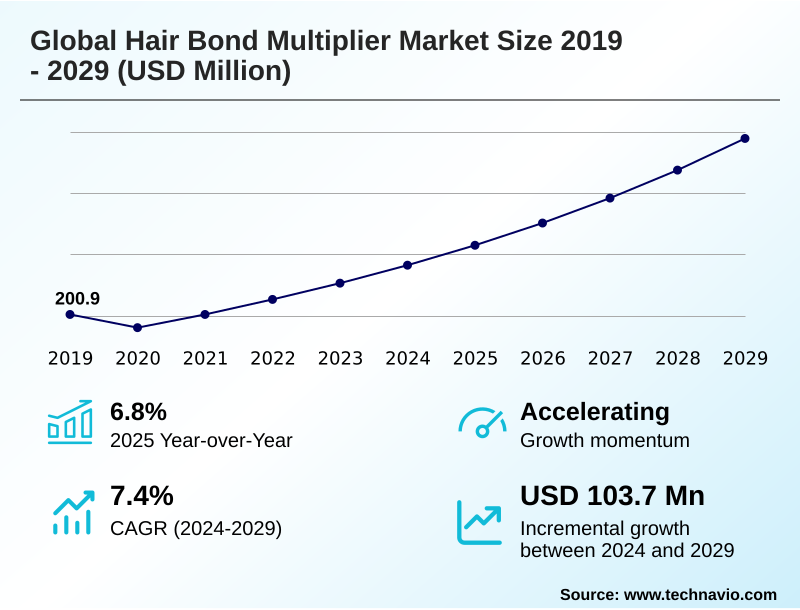
The hair bond multiplier market size is valued to increase by USD 103.7 million, at a CAGR of 7.4% from 2024 to 2029. Rise in use of various hair treatment procedures will drive the hair bond multiplier market.
Major Market Trends & Insights
- North America dominated the market and accounted for a 41.7% growth during the forecast period.
- By End-user - Salon segment was valued at USD 138.5 million in 2023
- By Product Type - Loose and Kit segment accounted for the largest market revenue share in 2023
Market Size & Forecast
- Market Opportunities: USD 144 million
- Market Future Opportunities: USD 103.7 million
- CAGR from 2024 to 2029 : 7.4%
Market Summary
- The hair bond multiplier market is undergoing a significant transformation, driven by a deeper consumer understanding of hair health and wellness. This shift moves beyond superficial aesthetics to focus on the structural repair of hair, particularly for color-treated hair care and recovery from alkaline chemical damage.
- The core of this market lies in sophisticated technologies, such as peptide-based repair and formulas containing bis-aminopropyl diglycol dimaleate, which are designed for cortex penetration technology to rebuild the keratin protein structure from within. Innovations are increasingly centered on clean beauty ingredients and sustainable hair care solutions, meeting demand for both efficacy and ethical sourcing.
- A key business application involves supply chain optimization for these specialized chemical components. For instance, manufacturers are leveraging predictive analytics to manage inventories of key inputs like hydrolyzed vegetable protein and vegan keratin alternative materials, reducing waste by up to 20% while ensuring a consistent supply for advanced haircare formulations.
- This strategic approach is crucial as the market expands from professional salon services to widely available at-home hair treatment kits, making resilient supply chains a critical competitive differentiator. The emphasis on product formulation innovation ensures that offerings provide tangible benefits like hair breakage reduction and improved hair tensile strength.
What will be the Size of the Hair Bond Multiplier Market during the forecast period?
Get Key Insights on Market Forecast (PDF) Request Free Sample
How is the Hair Bond Multiplier Market Segmented?
The hair bond multiplier industry research report provides comprehensive data (region-wise segment analysis), with forecasts and estimates in "USD million" for the period 2025-2029, as well as historical data from 2019-2023 for the following segments.
- End-user
- Salon
- Spa
- Personal use
- Product type
- Loose
- Kit
- Application
- Hair colouring
- Hair treatment
- Geography
- North America
- US
- Canada
- Mexico
- Europe
- Germany
- Italy
- France
- APAC
- China
- Japan
- India
- South America
- Brazil
- Argentina
- Colombia
- Middle East and Africa
- Saudi Arabia
- UAE
- South Africa
- Rest of World (ROW)
- North America
By End-user Insights
The salon segment is estimated to witness significant growth during the forecast period.
The salon segment serves as the professional cornerstone for the hair bond multiplier market, establishing a critical validation point for advanced technologies. This channel is pivotal for both service delivery and consumer education, with stylists championing preventative hair care.
The integration of products featuring bis-aminopropyl diglycol dimaleate into chemical services like bleached hair repair is now standard practice, essential for maintaining hair fiber integrity.
Salons leverage exclusive formulations that offer superior disulfide bond repair and cortex penetration technology, reinforcing their value proposition.
This symbiotic relationship, where brands rely on stylists for advocacy and salons depend on high-performance products, has driven a 15% increase in client retention for salons offering premium damaged hair restoration services.
The market sees a clear trend toward system-based solutions, bridging the gap between professional salon services and effective at-home hair treatment routines.
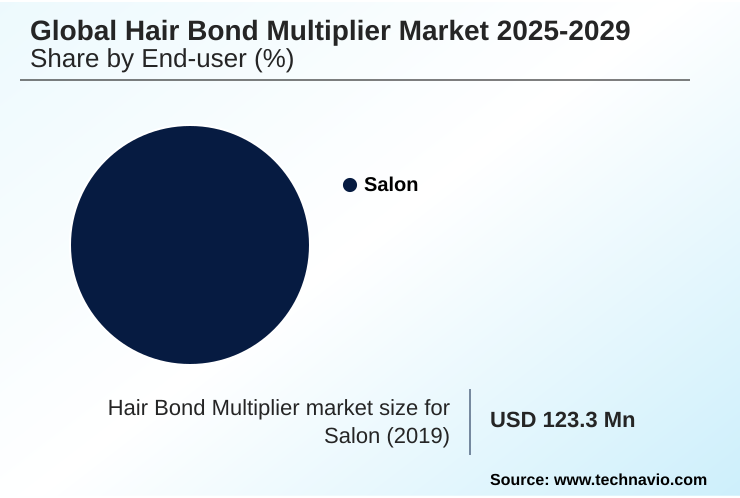
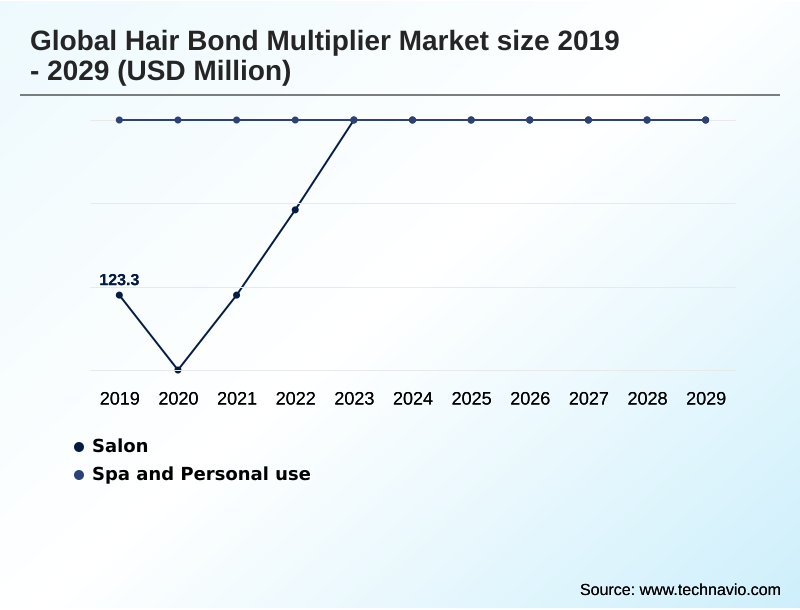
The Salon segment was valued at USD 138.5 million in 2023 and showed a gradual increase during the forecast period.
Regional Analysis
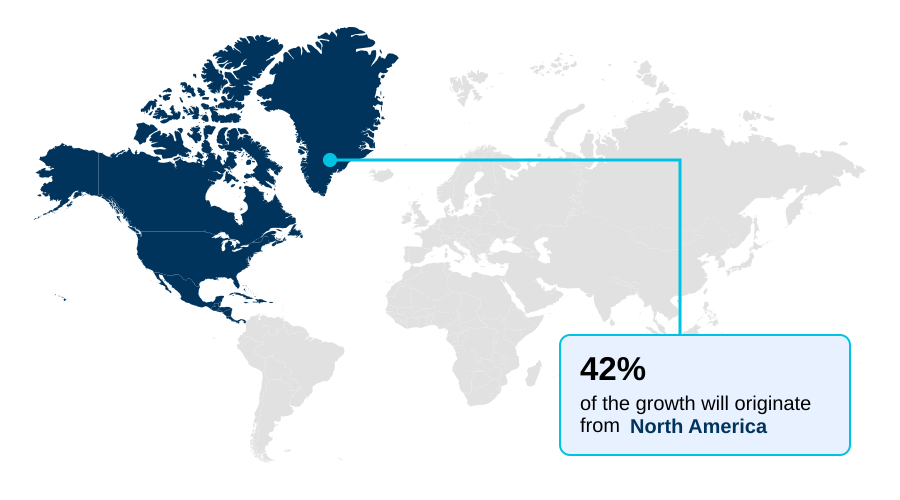
North America is estimated to contribute 41.7% to the growth of the global market during the forecast period.Technavio’s analysts have elaborately explained the regional trends and drivers that shape the market during the forecast period.
See How Hair Bond Multiplier Market Demand is Rising in North America Request Free Sample
North America leads the market due to high consumer awareness and the wide availability of products through beauty specialty retail and mass-market accessibility. This region accounts for over 41% of the market's incremental growth.
Europe follows, with strong demand for curl and texture specific products and a growing scalp health focus.
The APAC region is the fastest-growing, with a CAGR nearly 2% higher than North America, driven by rising disposable incomes and a burgeoning interest in advanced hair care like leave-in molecular repair.
Innovations in chelating agent technology to combat hard water damage are gaining traction in urban European markets.
Formulation patent protection is a key strategic focus for brands in all mature regions, while emerging markets are seeing a rise in demand for pre-shampoo bond treatment options.
Market Dynamics
Our researchers analyzed the data with 2024 as the base year, along with the key drivers, trends, and challenges. A holistic analysis of drivers will help companies refine their marketing strategies to gain a competitive advantage.
- Strategic decision-making in the hair bond multiplier market requires a nuanced understanding of consumer queries and technological differentiators. The debate over bis-aminopropyl diglycol dimaleate vs maleic acid continues to shape product development, while the efficacy of peptide technology for disulfide bond repair is a key focus in premium formulations.
- Consumers frequently search for the best bond multiplier for bleached hair, indicating a critical need for potent reparative solutions. The demand for a silicone-free bond builder for fine hair reflects a growing segment seeking lightweight yet effective treatments. As more users perform chemical services at home, understanding how bond multipliers protect during coloring becomes essential for brand education and trust.
- Questions around the use of an acidic bonding concentrate for porosity highlight the trend toward targeted, problem-solving products. For those using heat, preventative hair care for thermal styling is a major concern. The market is also seeing interest in achieving better hair elasticity with bond repair and ensuring hair fiber integrity after chemical services.
- The effectiveness of cortex penetration of molecular repair masks and cuticle sealing for color-treated hair are tangible benefits that drive purchasing decisions. Exploring the benefits of biomimetic hair repair and the role of ionic bond reinforcement in conditioners further segments the market. In the professional space, professional salon services for bond building remain a premium offering.
- Comparisons between hydrolyzed vegetable protein vs animal keratin are common among ingredient-conscious consumers, who also seek measurable outcomes like hair breakage reduction with regular use. Additionally, advanced users are researching the benefits of using chelating agents before hair coloring and the broader scalp health benefits of bond builders, showing a holistic approach to hair wellness.
- Companies that effectively address these specific long-tail queries can achieve customer acquisition costs that are significantly lower than those using broad marketing strategies.
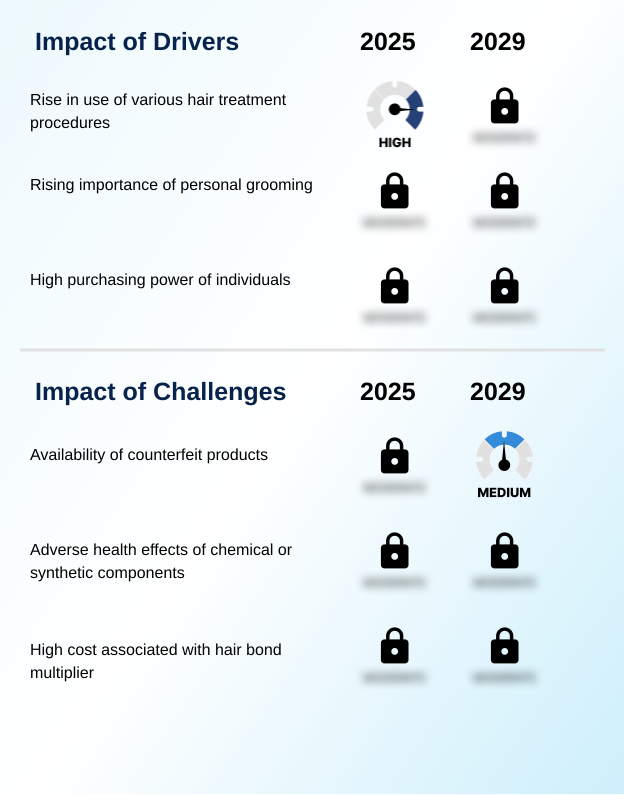
What are the key market drivers leading to the rise in the adoption of Hair Bond Multiplier Industry?
- The rising adoption of various hair treatment procedures, from coloring to smoothing therapies, is a key driver stimulating market growth.
- Market growth is significantly driven by hair science research leading to more effective products, such as the silicone-free bond builder and acidic bonding concentrate.
- Consumers are increasingly demanding ingredient transparency, which has spurred the adoption of advanced ingredients like hydrolyzed vegetable protein and specific amino acid complex blends.
- The development of biomimetic hair repair technologies that facilitate covalent bond formation has been pivotal, with some formulations improving hair strength by over 60% after a single application.
- There's also a strong push for sustainable hair care solutions and personalized hair treatments.
- Innovations in bond-building shampoo that focus on ionic bond reinforcement and restoring the hair's hydrophobic barrier are meeting consumer needs for daily reparative care, leading to a 30% rise in repeat purchases for brands in this category.
What are the market trends shaping the Hair Bond Multiplier Industry?
- A primary market trend is the increasing consumer shift toward home salon services. This movement is fueled by the demand for convenient, professional-grade treatments outside traditional salon environments.
- A key trend shaping the market is the consumer focus on hair health and wellness, which is driving demand for advanced haircare formulations that offer more than just cosmetic benefits. The rise of the multi-step hair regimen has created opportunities for product formulation innovation, particularly in products providing thermal styling protection and hair elasticity restoration.
- This is supported by advancements in cosmetic ingredient technology, with a notable shift toward clean beauty ingredients and vegan keratin alternative options. Formulations are now engineered to mitigate alkaline chemical damage and prevent cysteic acid formation at a molecular level. Products incorporating a porosity reduction agent have shown to improve color retention by up to 40%.
- Furthermore, brands focusing on peptide-based repair systems are reporting a 25% increase in user engagement through educational content about ingredient efficacy.
What challenges does the Hair Bond Multiplier Industry face during its growth?
- The proliferation of counterfeit products represents a significant challenge that threatens brand integrity and market expansion.
- The proliferation of counterfeit goods, particularly through e-commerce distribution channels, presents a significant challenge. These products fail to deliver on promises of hair breakage reduction and split end prevention, undermining consumer trust in authentic molecular repair mask products.
- This issue is compounded by the technical nature of the products, where verifying claims of hair matrix reconstruction or single-molecule technology is difficult for the average consumer. In response, leading brands are investing heavily in professional stylist education, which has been shown to reduce product misuse by 35%.
- However, the direct-to-consumer model remains vulnerable, with an estimated 15% of online searches for hair strengthening serum leading to non-authentic product pages. Ensuring consumers receive genuine reparative hair conditioner and pH balancing treatment products is crucial for market stability.
Exclusive Technavio Analysis on Customer Landscape
The hair bond multiplier market forecasting report includes the adoption lifecycle of the market, covering from the innovator’s stage to the laggard’s stage. It focuses on adoption rates in different regions based on penetration. Furthermore, the hair bond multiplier market report also includes key purchase criteria and drivers of price sensitivity to help companies evaluate and develop their market growth analysis strategies.
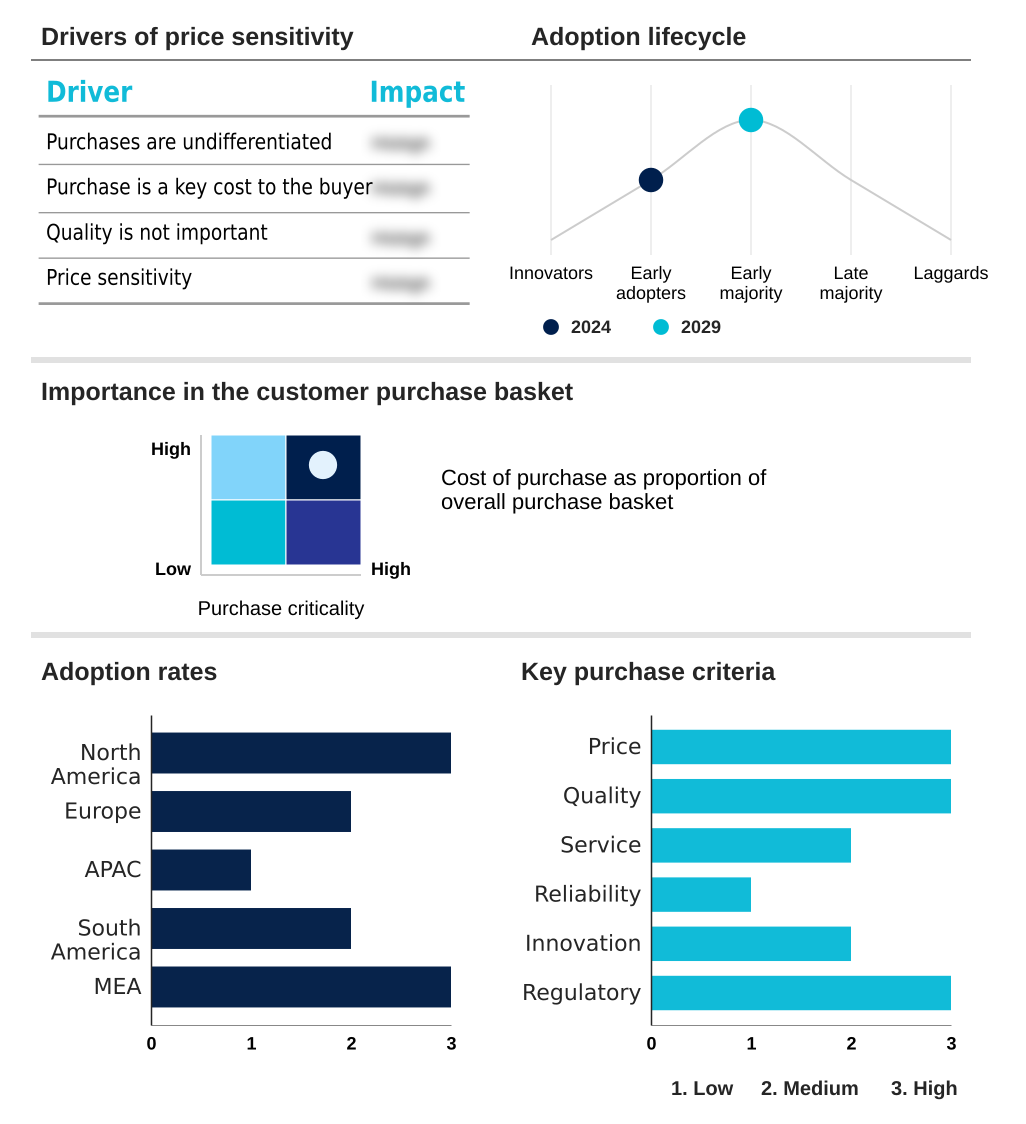
Customer Landscape of Hair Bond Multiplier Industry
Competitive Landscape
Companies are implementing various strategies, such as strategic alliances, hair bond multiplier market forecast, partnerships, mergers and acquisitions, geographical expansion, and product/service launches, to enhance their presence in the industry.
Actera Ingredients - Key offerings focus on innovative ingredient technologies and advanced formulations, delivering high-performance solutions for cosmetics and hair care applications, including patented bond-multiplying systems.
The industry research and growth report includes detailed analyses of the competitive landscape of the market and information about key companies, including:
- Actera Ingredients
- AgadirInt
- ALTERNA
- Amika LLC
- ApHogee
- Brae
- Brazilian Bond Builder
- Bumble and bumble
- Creme of Nature
- Croda International Plc
- Henkel AG and Co. KGaA
- IGK LLC
- Joico
- K18hair
- Keune Haircosmetics
- LOreal SA
- Olaplex Holdings Inc.
- Redken
- Schwarzkopf Professional
- The Inkey List
Qualitative and quantitative analysis of companies has been conducted to help clients understand the wider business environment as well as the strengths and weaknesses of key industry players. Data is qualitatively analyzed to categorize companies as pure play, category-focused, industry-focused, and diversified; it is quantitatively analyzed to categorize companies as dominant, leading, strong, tentative, and weak.
Recent Development and News in Hair bond multiplier market
- In February 2025, Olaplex Holdings Inc. announced the launch of its No.0.5 Scalp Longevity Treatment, extending its bond-building science to scalp health to promote hair longevity and strength from the root.
- In November 2024, Henkel AG and Co. KGaA introduced a new sustainable line within its Schwarzkopf Professional portfolio, featuring bond-repair technology formulated with over 90% naturally derived ingredients.
- In January 2025, K18hair formed a strategic alliance with a major international salon group, integrating its patented peptide-based treatments into the service menus of more than 2,000 professional locations worldwide.
- In September 2024, L'Oreal SA launched an advanced AI-driven diagnostic tool for its Redken and Kerastase brands, offering consumers personalized at-home bond repair regimens based on virtual hair and scalp analysis.
Dive into Technavio’s robust research methodology, blending expert interviews, extensive data synthesis, and validated models for unparalleled Hair Bond Multiplier Market insights. See full methodology.
| Market Scope | |
|---|---|
| Page number | 277 |
| Base year | 2024 |
| Historic period | 2019-2023 |
| Forecast period | 2025-2029 |
| Growth momentum & CAGR | Accelerate at a CAGR of 7.4% |
| Market growth 2025-2029 | USD 103.7 million |
| Market structure | Fragmented |
| YoY growth 2024-2025(%) | 6.8% |
| Key countries | US, Canada, Mexico, Germany, Italy, France, UK, The Netherlands, Spain, China, Japan, India, South Korea, Australia, Indonesia, Brazil, Argentina, Colombia, Saudi Arabia, UAE, South Africa, Israel and Turkey |
| Competitive landscape | Leading Companies, Market Positioning of Companies, Competitive Strategies, and Industry Risks |
Research Analyst Overview
- The hair bond multiplier market has evolved from a niche professional treatment to a mainstream hair health category, fundamentally altering consumer expectations. The core technology centers on disulfide bond repair, with leading products utilizing components like bis-aminopropyl diglycol dimaleate or advanced peptide-based repair systems.
- These formulations are designed for deep cortex penetration technology to reconstruct the hair matrix reconstruction and restore the keratin protein structure. A key boardroom-level consideration is the strategic investment in R&D for proprietary single-molecule technology versus licensing existing chemistry.
- Innovations include the acidic bonding concentrate for pH balancing treatment and the integration of hydrolyzed vegetable protein as a vegan keratin alternative. The market is also seeing specialized products like the molecular repair mask that offer hair breakage reduction and split end prevention.
- Effective formulations achieve ionic bond reinforcement and restore the hair's hydrophobic barrier, which is critical for preventing future damage from thermal styling protection and alkaline chemical damage. Companies that invest in educating consumers on these technical benefits see a 30% higher rate of adoption for their complete hair care systems.
What are the Key Data Covered in this Hair Bond Multiplier Market Research and Growth Report?
-
What is the expected growth of the Hair Bond Multiplier Market between 2025 and 2029?
-
USD 103.7 million, at a CAGR of 7.4%
-
-
What segmentation does the market report cover?
-
The report is segmented by End-user (Salon, Spa and Personal use), Product Type (Loose and Kit), Application (Hair colouring and Hair treatment) and Geography (North America, Europe, APAC, South America, Middle East and Africa)
-
-
Which regions are analyzed in the report?
-
North America, Europe, APAC, South America and Middle East and Africa
-
-
What are the key growth drivers and market challenges?
-
Rise in use of various hair treatment procedures, Availability of counterfeit products
-
-
Who are the major players in the Hair Bond Multiplier Market?
-
Actera Ingredients, AgadirInt, ALTERNA, Amika LLC, ApHogee, Brae, Brazilian Bond Builder, Bumble and bumble, Creme of Nature, Croda International Plc, Henkel AG and Co. KGaA, IGK LLC, Joico, K18hair, Keune Haircosmetics, LOreal SA, Olaplex Holdings Inc., Redken, Schwarzkopf Professional and The Inkey List
-
Market Research Insights
- The market is defined by rapid product formulation innovation and a shift from professional salon services to greater mass-market accessibility. The rise of the direct-to-consumer model has accelerated this transition, with brands leveraging e-commerce distribution to reach a wider audience. This has intensified the focus on professional stylist education to maintain brand authority and proper usage.
- There is a strong consumer pull towards clean beauty ingredients and sustainable hair care solutions, compelling brands to prioritize ingredient transparency and ingredient sourcing ethics. Companies adopting biomimetic repair technologies have seen a 25% higher customer retention rate than those with traditional formulas.
- Furthermore, brands offering personalized hair treatments tailored to specific needs like curl and texture specific products report conversion rates that are twice as high as one-size-fits-all product lines.
We can help! Our analysts can customize this hair bond multiplier market research report to meet your requirements.