



Epidermal Growth Factor Receptor (EGFR) Inhibitors Market Size 2026-2030
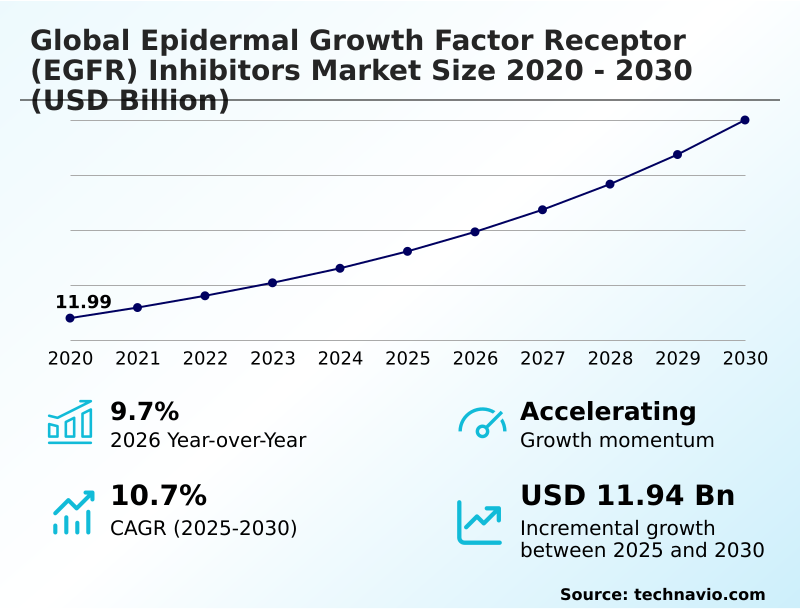
The epidermal growth factor receptor (egfr) inhibitors market size is valued to increase by USD 11.94 billion, at a CAGR of 10.7% from 2025 to 2030. Advancements in combination therapies and regulatory approvals will drive the epidermal growth factor receptor (egfr) inhibitors market.
Major Market Trends & Insights
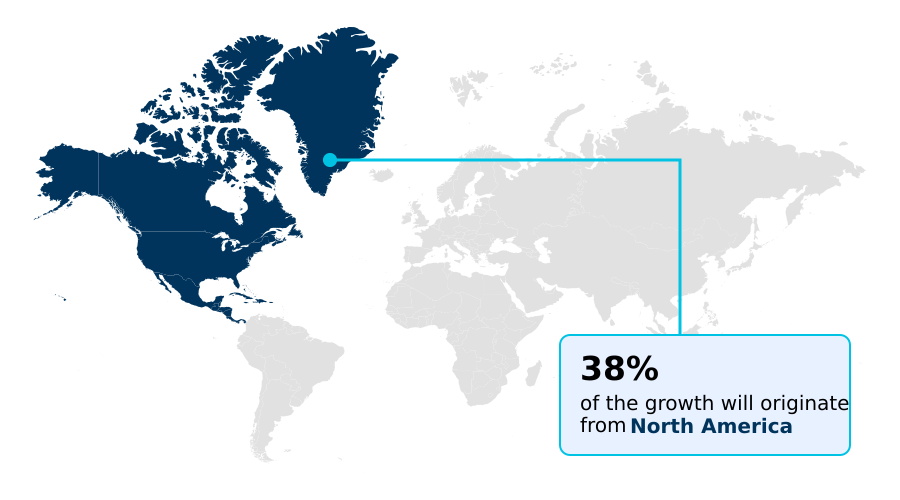
- North America dominated the market and accounted for a 37.8% growth during the forecast period.
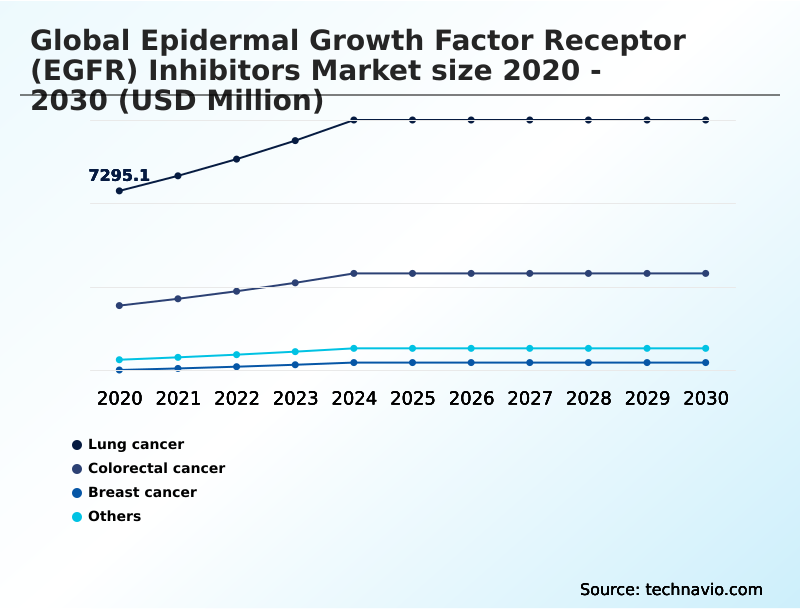
- By Indication - Lung cancer segment was valued at USD 9.93 billion in 2024
- By Distribution Channel - Retail pharmacies segment accounted for the largest market revenue share in 2024
Market Size & Forecast
- Market Opportunities: USD 18.01 billion
- Market Future Opportunities: USD 11.94 billion
- CAGR from 2025 to 2030 : 10.7%
Market Summary
- The epidermal growth factor receptor (EGFR) inhibitors market is defined by a relentless pursuit of precision oncology to combat mutation-driven tumors, particularly non-small cell lung cancer. Market expansion is fueled by the development of next-generation inhibitors and combination regimens designed to enhance clinical outcomes and overcome acquired resistance.
- A primary trend involves the integration of advanced molecular diagnostics, such as liquid biopsy technology and genomic profiling, to enable highly specific patient selection and personalized treatment strategies. This synergy between therapeutics and diagnostics is crucial for improving progression-free survival. However, the industry grapples with the challenge of treatment-induced toxicities and the high costs associated with novel therapies.
- A key operational scenario involves optimizing the supply chain for both oral formulations, which offer patient convenience, and intravenous monoclonal antibodies, which require specialized clinical administration.
- The successful management of this dual supply model is essential for ensuring broad market access and maintaining therapeutic continuity for patients with locally advanced or metastatic disease, ultimately impacting both clinical success rates and commercial viability.
What will be the Size of the Epidermal Growth Factor Receptor (EGFR) Inhibitors Market during the forecast period?
Get Key Insights on Market Forecast (PDF) Request Free Sample
How is the Epidermal Growth Factor Receptor (EGFR) Inhibitors Market Segmented?
The epidermal growth factor receptor (egfr) inhibitors industry research report provides comprehensive data (region-wise segment analysis), with forecasts and estimates in "USD million" for the period 2026-2030, as well as historical data from 2020-2024 for the following segments.
- Indication
- Lung cancer
- Colorectal cancer
- Breast cancer
- Others
- Distribution channel
- Retail pharmacies
- Hospital pharmacies
- Online pharmacies
- Drug class
- Small molecule TKIs
- Monoclonal antibodies
- Geography
- North America
- US
- Canada
- Mexico
- Europe
- Germany
- UK
- France
- Asia
- Rest of World (ROW)
- North America
By Indication Insights
The lung cancer segment is estimated to witness significant growth during the forecast period.
The lung cancer segment dominates the epidermal growth factor receptor (EGFR) inhibitors market, driven by the high prevalence of targetable mutations in non-small cell lung cancer.
Innovations in therapeutic agents, including both small molecule therapies and monoclonal antibodies, focus on mutation-specific targeting to improve clinical efficacy. Development is geared toward addressing acquired resistance and improving progression-free survival.
For instance, the approval of new combination regimens for first-line treatment of locally advanced cancer underscores a strategic shift. This focus on precision medicine is supported by advanced biomarker screening and molecular profiling, which have become standard practice.
In fact, the adoption of these targeted therapies in North America contributes to over 37% of the market's incremental growth, reflecting deep market penetration and a robust diagnostic infrastructure.
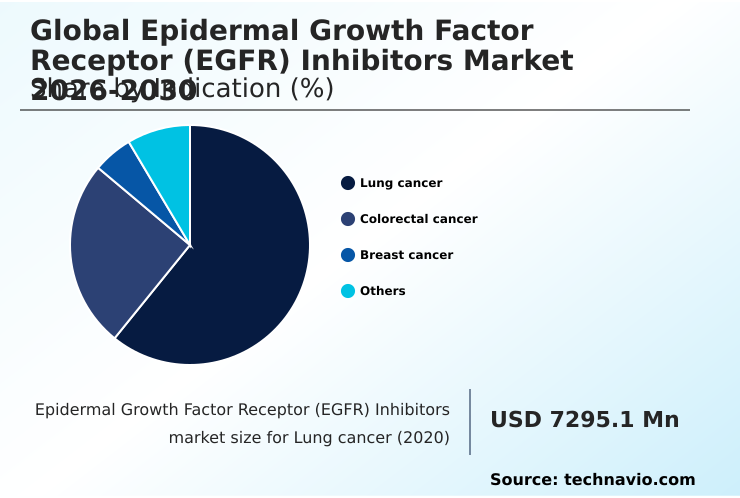
The Lung cancer segment was valued at USD 9.93 billion in 2024 and showed a gradual increase during the forecast period.
Regional Analysis
North America is estimated to contribute 37.8% to the growth of the global market during the forecast period.Technavio’s analysts have elaborately explained the regional trends and drivers that shape the market during the forecast period.
See How Epidermal Growth Factor Receptor (EGFR) Inhibitors Market Demand is Rising in North America Request Free Sample
The geographic landscape is characterized by varied adoption rates and clinical priorities.
North America leads, accounting for over 37% of the market's incremental growth, driven by a sophisticated healthcare infrastructure that supports advanced biomarker screening and rapid uptake of new therapeutic agents for metastatic disease.
Europe follows, with a strong emphasis on evidence-based regulatory approvals for combination regimens and next-generation inhibitors.
The Asia region is projected to exhibit the fastest growth, with a CAGR of 12.2%, fueled by a high prevalence of EGFR mutations, rising healthcare expenditure, and increasing access to molecular diagnostics.
In these regions, the strategic focus on precision medicine is improving clinical outcomes, with some health systems reporting a 15% improvement in patient selection efficiency due to integrated digital health platforms.
Market Dynamics
Our researchers analyzed the data with 2025 as the base year, along with the key drivers, trends, and challenges. A holistic analysis of drivers will help companies refine their marketing strategies to gain a competitive advantage.
- The strategic focus within the global epidermal growth factor receptor (EGFR) inhibitors market 2026-2030 is increasingly granular, moving beyond broad indications to address specific molecular challenges. A critical area is the development of EGFR inhibitors for brain metastases, which requires overcoming the blood-brain barrier, a significant hurdle for many existing drugs.
- Simultaneously, research into overcoming resistance to EGFR inhibitors is paramount, with a focus on creating fourth-generation tkis for c797s mutation and other acquired resistance pathways. The management of side effects of tkis remains a key factor in ensuring long-term treatment viability, directly influencing strategies for improving patient compliance with oral inhibitors.
- For clinical practice, the development of combination therapy for EGFR mutated NSCLC continues to evolve, integrating targeted agents with chemotherapy or immuno-oncology treatments. The transition toward subcutaneous delivery of monoclonal antibodies represents a major logistical shift, as streamlining the supply chain for these biologics presents different challenges compared to oral tkis.
- In diagnostics, the role of liquid biopsy in monitoring treatment response and the use of next-generation sequencing for patient selection are becoming standard.
- This precision is essential for matching patients to therapies like bispecific antibodies in oncology and antibody-drug conjugates for solid tumors, expanding the application of EGFR inhibition beyond lung cancer into areas such as breast, colorectal, and even pancreatic cancer.
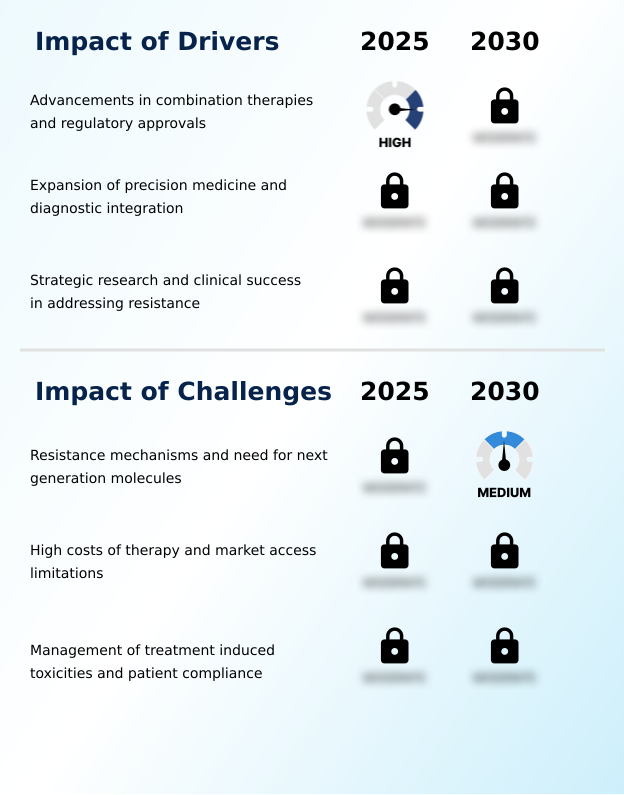
What are the key market drivers leading to the rise in the adoption of Epidermal Growth Factor Receptor (EGFR) Inhibitors Industry?
- Advancements in combination therapies coupled with supportive regulatory approvals are key drivers propelling market growth.
- The market is primarily driven by the continuous approval of novel combination regimens that enhance clinical outcomes. These strategies often pair tyrosine kinase inhibitors with chemotherapy or other targeted therapies to combat tumor growth more aggressively and delay acquired resistance.
- Successful regulatory approvals for first-line treatment and second-line treatment options in indications like non-small cell lung cancer validate the efficacy of these multi-faceted approaches. For example, certain combination therapies have improved progression-free survival by over 20% in specific patient cohorts.
- The expansion of precision medicine, underpinned by the development of companion diagnostics and wider use of liquid biopsy technology, ensures that the right therapeutic agents are matched to patients with specific genetic biomarkers, further propelling adoption and improving clinical success rates.
What are the market trends shaping the Epidermal Growth Factor Receptor (EGFR) Inhibitors Industry?
- Advancements in next-generation tyrosine kinase inhibitors (TKIs) designed to target complex mutations represent a significant upcoming market trend. This evolution in targeted therapy aims to address treatment resistance and improve outcomes for patients with specific genetic profiles.
- A key trend is the advancement of next-generation inhibitors, including fourth-generation inhibitors, designed to address complex resistance mechanisms such as the c797s mutation. This reflects a broader industry movement toward multi-target precision medicine.
- Concurrently, there is a significant shift toward patient-centric delivery methods, including oral formulations and subcutaneous delivery, which have been shown to reduce clinic visit times by up to 50%. This focus on convenience enhances patient adherence and quality of life.
- The integration of AI-powered biomarker screening and digital health platforms is also accelerating, with algorithms now capable of analyzing genomic profiling data 40% faster than manual methods, enabling more rapid and accurate patient selection for targeted therapies. This synergy of advanced molecular diagnostics and novel therapeutic agents is redefining care standards.
What challenges does the Epidermal Growth Factor Receptor (EGFR) Inhibitors Industry face during its growth?
- The emergence of drug resistance mechanisms and the corresponding need for next-generation molecules present a key challenge affecting industry growth.
- A persistent challenge is the evolution of drug resistance mechanisms, including mutations like kras g12c and complex exon 20 insertion mutations, which render existing treatments ineffective. This necessitates constant R&D investment in next-generation molecules and fourth-generation inhibitors.
- Another significant hurdle is managing treatment-induced toxicities, such as dose-limiting toxicity, which can lead to poor patient adherence and therapy discontinuation in up to 25% of cases. The high cost of these small molecule therapies and immuno-oncology treatments, coupled with market access limitations and reimbursement challenges, creates economic pressure.
- This is compounded by the need to manage side effects through supportive care, which adds complexity and cost to the patient journey, impacting overall treatment success.
Exclusive Technavio Analysis on Customer Landscape
The epidermal growth factor receptor (egfr) inhibitors market forecasting report includes the adoption lifecycle of the market, covering from the innovator’s stage to the laggard’s stage. It focuses on adoption rates in different regions based on penetration. Furthermore, the epidermal growth factor receptor (egfr) inhibitors market report also includes key purchase criteria and drivers of price sensitivity to help companies evaluate and develop their market growth analysis strategies.
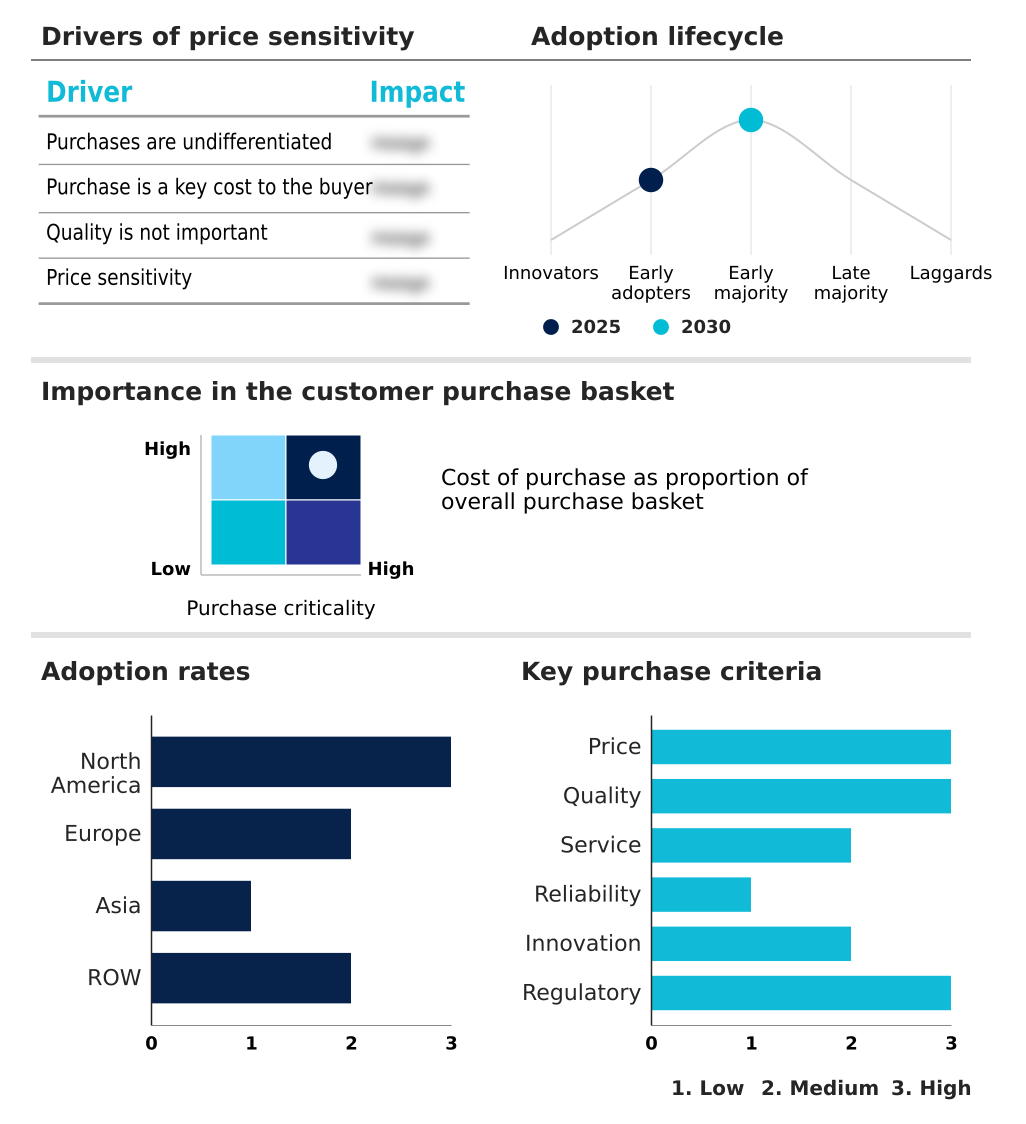
Customer Landscape of Epidermal Growth Factor Receptor (EGFR) Inhibitors Industry
Competitive Landscape
Companies are implementing various strategies, such as strategic alliances, epidermal growth factor receptor (egfr) inhibitors market forecast, partnerships, mergers and acquisitions, geographical expansion, and product/service launches, to enhance their presence in the industry.
Amgen Inc. - Provides EGFR inhibitors via targeted oncology research, focusing on mutation-driven tumor signaling pathways to advance therapeutic innovation.
The industry research and growth report includes detailed analyses of the competitive landscape of the market and information about key companies, including:
- Amgen Inc.
- AstraZeneca Plc
- Boehringer Ingelheim GmbH
- Bristol Myers Squibb Co.
- Checkpoint Therapeutics Inc.
- Eli Lilly and Co.
- F. Hoffmann La Roche Ltd.
- Hansoh Pharmaceutical Group Co. Ltd.
- Hutchison China Meditech Ltd.
- Jiangsu Hengrui Pharmaceuticals Co. Ltd.
- Johnson and Johnson Services
- Lutris Pharma
- Merus N.V.
- Otsuka Holdings Co. Ltd.
- Pfizer Inc.
- Pierre Fabre SA
- Puma Biotechnology Inc.
- Takeda Pharmaceutical Ltd.
Qualitative and quantitative analysis of companies has been conducted to help clients understand the wider business environment as well as the strengths and weaknesses of key industry players. Data is qualitatively analyzed to categorize companies as pure play, category-focused, industry-focused, and diversified; it is quantitatively analyzed to categorize companies as dominant, leading, strong, tentative, and weak.
Recent Development and News in Epidermal growth factor receptor (egfr) inhibitors market
- In August 2024, Johnson and Johnson Inc received regulatory approval for the combination of Rybrevant and lazertinib, offering a new first-line chemotherapy-free option for patients with common EGFR mutations.
- In September 2024, Boehringer Ingelheim International GmbH reported positive clinical data for its investigational drug zongertinib, focusing on specific mutations that are often resistant to existing therapies.
- In October 2024, Takeda Pharmaceutical Co. Ltd. shared new insights into its oncology pipeline, emphasizing the development of drugs that can overcome structural barriers of the EGFR receptor.
- In August 2024, Bristol Myers Squibb Co highlighted the use of advanced bioinformatics to analyze clinical data and identify new biomarkers for colorectal cancer, aiming to design more effective combination regimens.
Dive into Technavio’s robust research methodology, blending expert interviews, extensive data synthesis, and validated models for unparalleled Epidermal Growth Factor Receptor (EGFR) Inhibitors Market insights. See full methodology.
| Market Scope | |
|---|---|
| Page number | 299 |
| Base year | 2025 |
| Historic period | 2020-2024 |
| Forecast period | 2026-2030 |
| Growth momentum & CAGR | Accelerate at a CAGR of 10.7% |
| Market growth 2026-2030 | USD 11937.9 million |
| Market structure | Fragmented |
| YoY growth 2025-2026(%) | 9.7% |
| Key countries | US, Canada, Mexico, Germany, UK, France, Italy, Spain, The Netherlands, China, India, Japan, South Korea, Indonesia, Thailand, Brazil, Saudi Arabia, UAE, Turkey, Argentina, Colombia, South Africa and Israel |
| Competitive landscape | Leading Companies, Market Positioning of Companies, Competitive Strategies, and Industry Risks |
Research Analyst Overview
- The epidermal growth factor receptor (EGFR) inhibitors market is sustained by a highly focused innovation cycle centered on mutation-specific targeting and overcoming acquired resistance. The development pipeline is rich with therapeutic agents, including tyrosine kinase inhibitors, monoclonal antibodies, and advanced antibody-drug conjugates, all aimed at disrupting tumor signaling pathways in indications like non-small cell lung cancer.
- Central to this evolution is the integration of companion diagnostics, which has improved patient selection for clinical trials by over 30%. A pivotal trend influencing boardroom strategy is the shift toward subcutaneous delivery and oral formulations, which necessitates rethinking manufacturing investments and patient support infrastructure.
- The market's trajectory is shaped by the pursuit of enhanced progression-free survival and better management of refractory cancers. This requires deep investment in pharmacovigilance infrastructure and the ability to penetrate challenging sites like the central nervous system, ensuring that therapies for metastatic disease and unresectable stage iii cancer deliver meaningful clinical outcomes through precise molecular profiling and biomarker screening.
What are the Key Data Covered in this Epidermal Growth Factor Receptor (EGFR) Inhibitors Market Research and Growth Report?
-
What is the expected growth of the Epidermal Growth Factor Receptor (EGFR) Inhibitors Market between 2026 and 2030?
-
USD 11.94 billion, at a CAGR of 10.7%
-
-
What segmentation does the market report cover?
-
The report is segmented by Indication (Lung cancer, Colorectal cancer, Breast cancer, and Others), Distribution Channel (Retail pharmacies, Hospital pharmacies, and Online pharmacies), Drug Class (Small molecule TKIs, and Monoclonal antibodies) and Geography (North America, Europe, Asia, Rest of World (ROW))
-
-
Which regions are analyzed in the report?
-
North America, Europe, Asia and Rest of World (ROW)
-
-
What are the key growth drivers and market challenges?
-
Advancements in combination therapies and regulatory approvals, Resistance mechanisms and need for next generation molecules
-
-
Who are the major players in the Epidermal Growth Factor Receptor (EGFR) Inhibitors Market?
-
Amgen Inc., AstraZeneca Plc, Boehringer Ingelheim GmbH, Bristol Myers Squibb Co., Checkpoint Therapeutics Inc., Eli Lilly and Co., F. Hoffmann La Roche Ltd., Hansoh Pharmaceutical Group Co. Ltd., Hutchison China Meditech Ltd., Jiangsu Hengrui Pharmaceuticals Co. Ltd., Johnson and Johnson Services, Lutris Pharma, Merus N.V., Otsuka Holdings Co. Ltd., Pfizer Inc., Pierre Fabre SA, Puma Biotechnology Inc. and Takeda Pharmaceutical Ltd.
-
Market Research Insights
- The market dynamics are heavily influenced by the drive for enhanced clinical efficacy and patient convenience. The shift toward subcutaneous delivery for monoclonal antibodies, for instance, has been shown to reduce infusion-related reactions by over 50% compared to traditional intravenous methods, directly improving the patient experience.
- Simultaneously, AI-driven digital health platforms are improving patient identification accuracy for targeted therapies by up to 25%, ensuring that therapeutic agents are matched with the correct genetic biomarkers. This focus on precision medicine is critical for managing metastatic disease and unresectable stage III cancers.
- As the industry moves away from a one-size-fits-all approach, the emphasis on molecular profiling and overcoming resistance mechanisms continues to shape investment in next-generation inhibitors and supportive care strategies, driving differentiated value propositions.
We can help! Our analysts can customize this epidermal growth factor receptor (egfr) inhibitors market research report to meet your requirements.
 RIA -
RIA -