


Energy Storage For Unmanned Aerial Vehicles (UAVS) Market Analysis, Size, and Forecast 2025-2029: North America (US and Canada), Europe (France, Germany, Italy, and UK), APAC (China, India, Japan, and South Korea), and Rest of World (ROW)

Energy Storage For Unmanned Aerial Vehicles (UAVS) Market Analysis, Size, and Forecast 2025-2029:
North America (US and Canada), Europe (France, Germany, Italy, and UK), APAC (China, India, Japan, and South Korea), and Rest of World (ROW)

Published: Jun 2025 220 Pages SKU: IRTNTR70320

Market Overview at a Glance

$12.92 B
Market Opportunity
32.4%
CAGR
24.6
YoY growth 2024-2025(%)

Energy Storage For Unmanned Aerial Vehicles (UAVS) Market Size 2025-2029

The energy storage for unmanned aerial vehicles (UAVs) market size is forecast to increase by USD 12.92 billion, at a CAGR of 32.4% between 2024 and 2029.

  • The market is experiencing significant growth, driven by the increasing affordability and popularity of UAVs among hobbyists and commercial applications. This trend is fueled by advancements in technology, making UAVs more accessible and cost-effective. Additionally, the integration of Artificial Intelligence (AI) in autonomous UAVs is a key driver, enabling longer flight times and improved operational efficiency. The integration of AI and advanced energy storage systems will unlock new possibilities for UAV applications, from autonomous flight and data acquisition to infrastructure inspections and environmental monitoring.
  • Companies seeking to capitalize on market opportunities must address these challenges through technological advancements and strategic partnerships. Navigating these challenges effectively will be crucial for success in the Energy Storage for UAVs market. However, the market faces challenges related to Size, Weight, and Power (SWaP) constraints and network-based limitations. These challenges require innovative energy storage solutions that can provide sufficient power while maintaining a compact and lightweight design. Navigation systems, data security, and battery life cycle management are also crucial factors.

What will be the Size of the Energy Storage For Unmanned Aerial Vehicles (UAVS) Market during the forecast period?
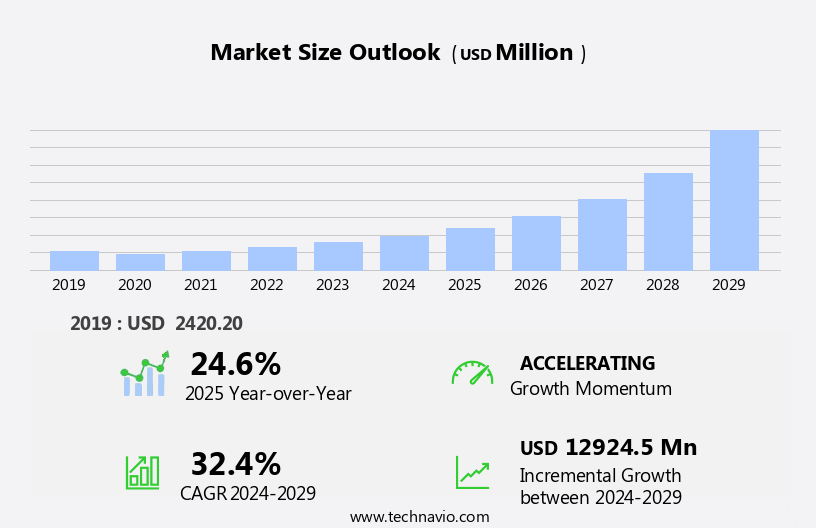
Energy Storage For Unmanned Aerial Vehicles (UAVS) Market Size

Explore in-depth regional segment analysis with market size data - historical 2019-2023 and forecasts 2025-2029 - in the full report.  
 Request Free Sample

  • Unmanned Aerial Vehicles (UAVs) are revolutionizing various industries, from agriculture to construction and defense. Fuel cell advancements and solid-state batteries are driving the energy storage market for UAVs, offering longer flight times and improved safety. Drone swarm technology is gaining traction, requiring advanced battery technologies and power electronics to ensure efficient energy management. UAV autonomy and cybersecurity are critical concerns, with innovations in anti-drone technologies and thermal runaway prevention addressing potential vulnerabilities. The UAV industry is creating jobs and contributing to economic growth. However, noise pollution and emissions remain challenges, leading to research on energy harvesting innovations and microgrid integration.
  • UAV airspace management and communication protocols are essential for safe and efficient operations. Li-ion battery chemistry continues to evolve, with a focus on thermal runaway prevention and sustainability. UAV security vulnerabilities are a growing concern, necessitating research on power electronics and battery pack design. Advanced battery technologies and energy storage solutions are vital for ensuring UAV sustainability and reducing dependence on fossil fuels. As the UAV market expands, energy management and airspace traffic control will become increasingly important. Overall, the UAV energy storage market is dynamic, with continuous advancements in technology and regulatory frameworks shaping its future. In the agriculture industry, precision farming is a significant application area for UAVs, enabling farmers to monitor crop health, optimize irrigation, and improve yields.

How is this Energy Storage For Unmanned Aerial Vehicles (UAVS) Industry segmented?

The energy storage for unmanned aerial vehicles (UAVs) industry research report provides comprehensive data (region-wise segment analysis), with forecasts and estimates in "USD million" for the period 2025-2029, as well as historical data from 2019-2023 for the following segments.

  • Application
    • MALE (medium altitude long endurance) UAVs
    • HALE (high altitude long endurance) UAVs
    • Tactical UAVs
    • Others
  • Product
    • Battery
    • Fuel cell
  • Platform
    • Fixed-wing UAVs
    • Rotary-wing UAVs
    • Hybrid UAVs
  • Geography
    • North America
      • US
      • Canada
    • Europe
      • France
      • Germany
      • Italy
      • UK
    • APAC
      • China
      • India
      • Japan
      • South Korea
    • Rest of World (ROW)

By Application Insights

The male (medium altitude long endurance) UAVs segment is estimated to witness significant growth during the forecast period. The Unmanned Aerial Vehicles (UAV) market for Energy Storage is experiencing significant growth due to the increasing demand for extended flight times and improved operational efficiency in various sectors. MALE (Medium Altitude Long Endurance) UAVs, which can fly for up to 48 hours at altitudes between 10,000 and 30,000 feet, are leading this trend. Advanced nations, including the US, South Africa, Israel, and Turkey, dominate the MALE UAV segment. Energy storage solutions, such as lithium-ion battery packs, electrochemical capacitors, and hybrid energy storage, play a crucial role in enhancing UAV capabilities. These technologies enable longer flight times, extend range, and improve payload capacity.

Power-to-weight ratio is a critical factor, as UAVs require minimal weight to maintain airworthiness certification. Surveillance applications, search and rescue, security and defense, emergency response, precision agriculture, environmental monitoring, and infrastructure inspection are some sectors driving the demand for energy storage in UAVs. Solar charging and energy harvesting are alternative solutions for extending flight times, while safety protocols and privacy concerns are essential considerations. Market adoption of autonomous flight, wireless charging, and data acquisition systems is increasing. Fuel cell technology, battery management systems, and thermal management are essential components of energy storage systems.

The UAV regulations, software development, mapping and surveying, charging infrastructure, flight time optimization, and return on investment are essential aspects of the market. Agricultural applications, border patrol, sensor integration, and cost analysis are emerging trends. The industry is adhering to stringent industry standards to ensure airworthiness certification, payload integration, and flight control systems. The Energy Storage for UAVs market is witnessing significant growth due to the increasing demand for extended flight times, improved operational efficiency, and advanced capabilities in various sectors. The integration of energy storage solutions, such as lithium-ion battery packs, electrochemical capacitors, and hybrid energy storage, is playing a crucial role in enhancing UAV performance. Video analytics, thermal imaging, and software integration provide valuable insights for industries like law enforcement, border security, and wildlife conservation.

The market is also witnessing the adoption of autonomous flight, wireless charging, and data acquisition systems, among others.

Energy Storage For Unmanned Aerial Vehicles (UAVS) Market Size

Request Free Sample

The MALE (medium altitude long endurance) UAVs segment was valued at USD 260.90 million in 2019 and showed a gradual increase during the forecast period.

The Energy Storage for Unmanned Aerial Vehicles (UAVs) Market is evolving as efficient power solutions enhance operational capabilities. Advanced UAV communication protocols ensure seamless data transmission, supporting precision in UAV traffic control for safer airspace management. Innovations in cybersecurity for UAVs strengthen protection against cyber threats, ensuring reliability in mission-critical applications. The sector drives UAV job creation, fostering opportunities in technology development and system integration. With sustainability concerns rising, improved energy storage solutions help reduce UAV emissions while enhancing flight efficiency. Addressing environmental impact, advancements focus on minimizing UAV noise pollution, making operations quieter and more adaptable. Drone logistics and charging infrastructure are essential components to ensure seamless operations.

Regional Analysis

North America is estimated to contribute 41% to the growth of the global market during the forecast period. Technavio's analysts have elaborately explained the regional trends and drivers that shape the market during the forecast period.
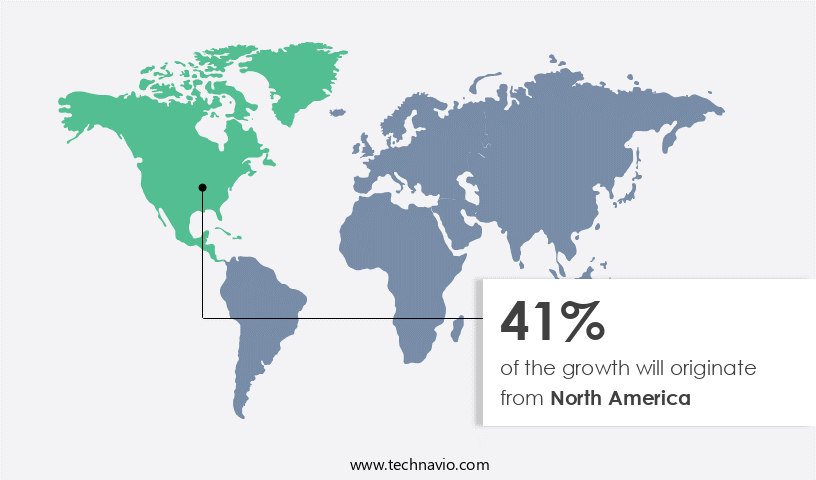
Energy Storage For Unmanned Aerial Vehicles (UAVS) Market Share by Geography

Download Free Sample Report

The UAV market in North America is experiencing significant growth, driven by the region's large military presence and expanding commercial drone usage. The US, in particular, is a major player in both military and civilian UAV applications. In the military sector, there is a focus on enhancing defense capabilities by expanding drone operations beyond traditional reconnaissance and airborne reconnaissance to include logistical missions such as resupply and delivery of essentials to forces in remote or hostile territories. UAVs are also gaining popularity in civilian applications, including precision agriculture, emergency response, and infrastructure inspection. Unique design features, such as extended range, solar charging, and hybrid energy storage, are enabling UAVs to perform various tasks, from data acquisition and environmental monitoring to delivery services and disaster relief.

Safety protocols and privacy concerns are critical considerations in the market, with industry standards and regulations being established to ensure operational efficiency and airworthiness certification. Market adoption is being driven by advancements in battery management systems, thermal management, and navigation systems, which are improving the power-to-weight ratio and flight time optimization of UAVs. Additionally, the integration of sensors, fuel cell technology, and software development is expanding the capabilities of UAVs in areas such as border patrol, mapping and surveying, and inspection services. Cost analysis and return on investment are key factors influencing market growth, with wireless charging and autonomous flight increasing operational efficiency and reducing the need for manual intervention. UAV technology has seen a notable shift towards hydrogen fuel cells as an alternative to traditional Li-ion batteries in both commercial and military applications.

Market Dynamics

Our researchers analyzed the data with 2024 as the base year, along with the key drivers, trends, and challenges. A holistic analysis of drivers will help companies refine their marketing strategies to gain a competitive advantage.

What are the Energy Storage For Unmanned Aerial Vehicles (UAVS) market drivers leading to the rise in the adoption of Industry?

  • The increasing affordability and widespread popularity among hobbyists are primary factors fueling the growth of the UAV market. The global energy storage market for Unmanned Aerial Vehicles (UAVs) is experiencing notable growth due to the increasing demand for drones in various sectors, including search and rescue, surveillance applications in security and defense, precision agriculture, and emergency response. The integration of advanced technologies, such as electrochemical capacitors, is enabling UAVs to extend their flight range and carry heavier payloads. Solar charging technology is also gaining popularity, offering an eco-friendly solution for UAVs. Safety protocols and privacy concerns are crucial factors influencing the market's growth. As UAVs become more integrated into industries, ensuring safety and privacy is essential.
  • The market's power-to-weight ratio is a significant consideration, as lighter and more efficient energy storage solutions are required to maximize UAV performance. The demand for UAVs in various industries is expected to continue growing, driven by technological advancements and cost reductions. Solar charging and electrochemical capacitors are among the emerging technologies that are expected to significantly impact the market's growth. As UAVs become more integrated into sectors such as security and defense, precision agriculture, and emergency response, the need for reliable and efficient energy storage solutions will become increasingly important.

What are the Energy Storage For Unmanned Aerial Vehicles (UAVS) market trends shaping the Industry?

  • The use of artificial intelligence (AI) is increasingly prevalent in the development of autonomous Unmanned Aerial Vehicles (UAVs), representing a significant market trend. This advanced technology enables UAVs to navigate complex environments and execute tasks with minimal human intervention. Drones, also known as Unmanned Aerial Vehicles (UAVs), have significantly transformed various industries by offering solutions for data acquisition and operational efficiency. Applications range from environmental monitoring and disaster management to military operations and delivery services. The next evolution of drones is expected to be driven by artificial intelligence (AI), enabling real-time data generation for complex analysis. Energy storage plays a crucial role in enhancing the capabilities of UAVs, particularly in ensuring longer autonomous flight times and airworthiness certification. Lithium-ion battery packs are currently the most popular choice due to their high energy density and reliability.
  • However, research is ongoing for hybrid energy storage systems that combine batteries with energy harvesting technologies like solar panels or wind turbines for wireless charging. The integration of payloads, including advanced sensors and cameras, adds to the energy demands of UAVs. Ensuring operational efficiency and reducing environmental impact are essential considerations for market adoption. As the UAV market continues to grow, the focus on energy storage solutions that offer high energy density, long cycle life, and safety will be crucial. The ongoing research and development efforts in this field will undoubtedly lead to innovative solutions that meet the evolving demands of the UAV market.

How does Energy Storage For Unmanned Aerial Vehicles (UAVS) market face challenges during its growth?

  • The integration of SWaP (Size, Weight, and Power) constraints and other network-based limitations poses a significant challenge to the growth of the industry. The Unmanned Aerial Vehicles (UAV) market has experienced significant growth in recent years due to the expanding use cases in various sectors, including infrastructure inspection, delivery drones, and inspection services. UAVs offer numerous advantages, such as improved efficiency, cost savings, and enhanced safety in applications like mapping and surveying, disaster relief, and flight control systems. However, developing UAVs that meet the demands of these applications presents complex design challenges.
  • The need for advanced software development and charging infrastructure further adds to the complexity. UAV regulations also play a significant role in market growth. As the regulatory landscape evolves, new opportunities will emerge, driving demand for innovative UAV solutions. The return on investment (ROI) for UAV applications is a key consideration for businesses, making it essential to develop cost-effective and efficient systems. The UAV market is poised for continued growth, driven by the increasing demand for inspection services, delivery drones, and advanced applications in mapping and surveying, disaster relief, and flight control systems. One of the primary challenges is integrating high-performance systems for onboard processing within the size, weight, and power (SWaP) constraints. This requirement is crucial for applications like real-time data processing, payload delivery, and flight time optimization.

Exclusive Customer Landscape

The energy storage for unmanned aerial vehicles (UAVs) market forecasting report includes the adoption lifecycle of the market, covering from the innovator's stage to the laggard's stage. It focuses on adoption rates in different regions based on penetration. Furthermore, the energy storage for unmanned aerial vehicles (UAVs) market report also includes key purchase criteria and drivers of price sensitivity to help companies evaluate and develop their market growth analysis strategies.
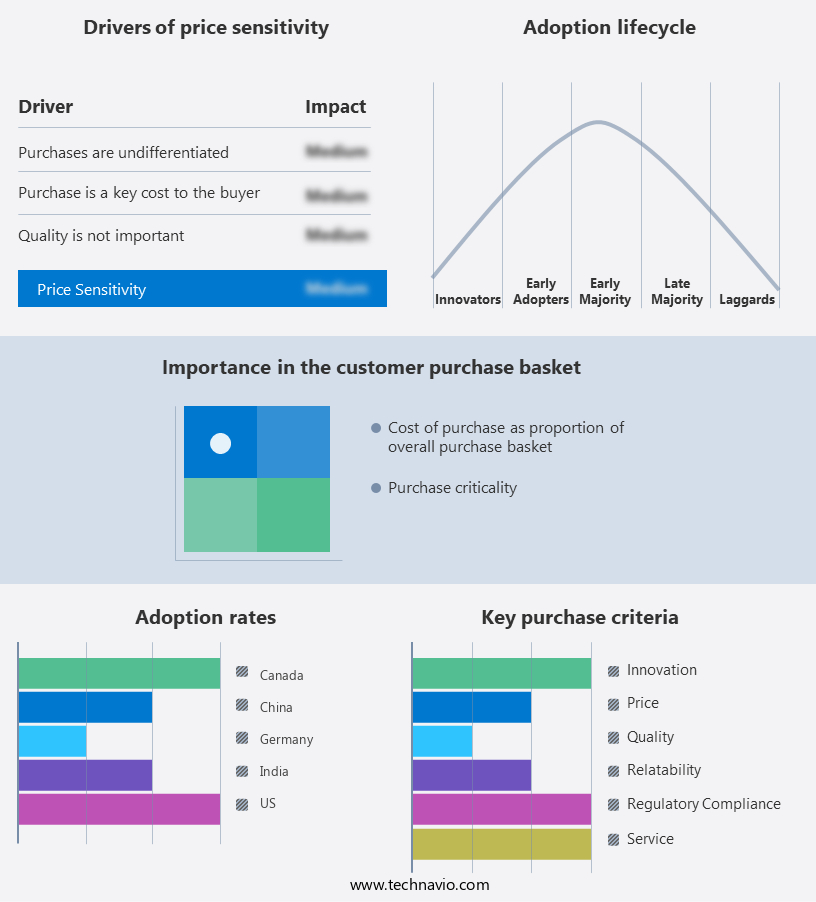
Energy Storage For Unmanned Aerial Vehicles (UAVS) Market Share by Geography

 Customer Landscape

Key Companies & Market Insights

Companies are implementing various strategies, such as strategic alliances, energy storage for unmanned aerial vehicles (UAVs) market forecast, partnerships, mergers and acquisitions, geographical expansion, and product/service launches, to enhance their presence in the industry.

Denchi Group Ltd. - The company specializes in energy storage, providing Unmanned Aerial Vehicles (UAVs) with dependable solutions to ensure extended flight durations and enhanced operational efficiency.

The industry research and growth report includes detailed analyses of the competitive landscape of the market and information about key companies, including:

  • Denchi Group Ltd.
  • Doosan Corp.
  • EaglePicher Technologies LLC
  • Edge Autonomy
  • H3 Dynamics Holdings Pte. Ltd.
  • Highpower International Inc.
  • Honeywell International Inc.
  • Hylium Industries Inc.
  • Intelligent Energy Ltd.
  • Kokam Co. Ltd.
  • Lumenier
  • MMC
  • Plug Power Inc.
  • Shenzhen Grepow Battery Co. Ltd.
  • Sion Power Corp.
  • TDK Corp.
  • TotalEnergies SE
  • Vcanz Co. Ltd.
  • Veken Technology Co. Ltd.

Qualitative and quantitative analysis of companies has been conducted to help clients understand the wider business environment as well as the strengths and weaknesses of key industry players. Data is qualitatively analyzed to categorize companies as pure play, category-focused, industry-focused, and diversified; it is quantitatively analyzed to categorize companies as dominant, leading, strong, tentative, and weak.

Recent Development and News in Energy Storage For Unmanned Aerial Vehicles (UAVS) Market

  • In February 2024, Tesla, a leading energy storage solutions provider, announced the integration of its Powerwall energy storage system with DJI's M300 RTK drone, marking a significant strategic partnership between the two tech giants (Tesla Press Release, 2024). This collaboration aims to extend the operational time of DJI's commercial drones and expand their capabilities in various industries, including inspection, surveying, and mapping.
  • In May 2024, LG Chem, a prominent battery manufacturer, secured a USD100 million investment from South Korea's National Pension Service to expand its production capacity for lithium-ion batteries used in UAV energy storage systems (Bloomberg, 2024). This funding will enable LG Chem to meet the growing demand for energy storage solutions in the UAV sector and strengthen its market position.
  • In January 2025, SunPower, a solar technology company, unveiled its Maxeon 4 solar panels, which are lighter and more efficient than previous models, making them an ideal choice for UAV solar energy systems (SunPower Press Release, 2025). This technological advancement will enable UAVs to fly longer missions and carry more payload, enhancing their utility in various applications.
  • In March 2025, the European Union announced the 'Drone Energy Hub' initiative, which aims to develop advanced energy storage systems for UAVs, focusing on increasing their flight endurance and reducing their carbon footprint (European Commission, 2025). This collaborative effort brings together leading European organizations in the fields of energy storage, drone manufacturing, and research to create a competitive European market for UAV energy storage solutions.

Research Analyst Overview

Unmanned Aerial Vehicles (UAVs) have been revolutionizing various industries with their versatility and capabilities. The energy storage market for UAVs continues to evolve, driven by the need for extended flight times, data acquisition, and energy harvesting. Lithium-ion battery packs remain a popular choice due to their high energy density and power-to-weight ratio. However, ongoing research explores alternative energy storage solutions like electrochemical capacitors for range extension. Autonomous flight and precision agriculture are significant sectors benefiting from UAV energy storage advancements. Solar charging and hybrid energy storage systems are increasingly adopted for environmental monitoring and infrastructure inspection applications. Market adoption is further fueled by the integration of wireless charging and payload delivery systems in delivery drones and inspection services.

Operational efficiency and safety protocols are crucial considerations in UAV energy storage. Energy harvesting from solar panels and kinetic energy recovery systems contribute to reducing operational costs and improving return on investment. However, privacy concerns and airworthiness certification pose challenges to market growth. UAVs are transforming industries such as emergency response, disaster relief, surveillance applications, and security and defense. Energy storage plays a vital role in ensuring optimal flight time, data security, and payload capacity. Software development and charging infrastructure are essential components in flight time optimization and battery management systems. Fuel cell technology and thermal management are emerging trends in UAV energy storage, offering potential solutions for longer flight times and improved safety.

Navigation systems and battery life cycle analysis are critical factors in ensuring operational efficiency and cost analysis. UAV regulations and sensor integration are ongoing concerns in the market, with industry standards and safety protocols continually evolving to address these challenges. The market dynamics of UAV energy storage are continuously unfolding, with new applications and technologies shaping its future. In the realm of terrain mapping, data processing, precision agriculture, mining applications, emergency response, construction monitoring, commercial drone operations, and military applications, fuel cell-powered UAVs offer extended flight times and reduced downtime.

Dive into Technavio's strong research methodology, blending expert interviews, extensive data synthesis, and validated models for unparalleled Energy Storage For Unmanned Aerial Vehicles (UAVS) Market insights. See full methodology.

Market Scope

Report Coverage

Details

Page number

220

Base year

2024

Historic period

2019-2023

Forecast period

2025-2029

Growth momentum & CAGR

Accelerate at a CAGR of 32.4%

Market growth 2025-2029

USD 12.92 billion

Market structure

Fragmented

YoY growth 2024-2025(%)

24.6

Key countries

US, China, Germany, Canada, UK, India, France, Japan, Italy, and South Korea

Competitive landscape

Leading Companies, Market Positioning of Companies, Competitive Strategies, and Industry Risks

Request Free Sample

What are the Key Data Covered in this Energy Storage For Unmanned Aerial Vehicles (UAVS) Market Research and Growth Report?

  • CAGR of the Energy Storage For Unmanned Aerial Vehicles (UAVS) industry during the forecast period
  • Detailed information on factors that will drive the growth and forecasting between 2025 and 2029
  • Precise estimation of the size of the market and its contribution of the industry in focus to the parent market
  • Accurate predictions about upcoming growth and trends and changes in consumer behaviour
  • Growth of the market across North America, APAC, Europe, Middle East and Africa, and South America
  • Thorough analysis of the market's competitive landscape and detailed information about companies
  • Comprehensive analysis of factors that will challenge the energy storage for unmanned aerial vehicles (uavs) market growth of industry companies

We can help! Our analysts can customize this energy storage for unmanned aerial vehicles (uavs) market research report to meet your requirements.

Get in touch

1 Executive Summary

  • 1.1 Market overview
    • Executive Summary - Chart on Market Overview
    • Executive Summary - Data Table on Market Overview
    • Executive Summary - Chart on Global Market Characteristics
    • Executive Summary - Chart on Market by Geography
    • Executive Summary - Chart on Market Segmentation by Application
    • Executive Summary - Chart on Market Segmentation by Product
    • Executive Summary - Chart on Market Segmentation by Platform
    • Executive Summary - Chart on Incremental Growth
    • Executive Summary - Data Table on Incremental Growth
    • Executive Summary - Chart on Company Market Positioning

2 Technavio Analysis

  • 2.1 Analysis of price sensitivity, lifecycle, customer purchase basket, adoption rates, and purchase criteria
    • Analysis of price sensitivity, lifecycle, customer purchase basket, adoption rates, and purchase criteria
  • 2.2 Criticality of inputs and Factors of differentiation
    • Overview on criticality of inputs and factors of differentiation
  • 2.3 Factors of disruption
    • Overview on factors of disruption
  • 2.4 Impact of drivers and challenges
    • Impact of drivers and challenges in 2024 and 2029

3 Market Landscape

  • 3.1 Market ecosystem
    • Parent Market
    • Data Table on - Parent Market
  • 3.2 Market characteristics
    • Market characteristics analysis
  • 3.3 Value chain analysis
    • Value chain analysis

4 Market Sizing

  • 4.1 Market definition
    • Offerings of companies included in the market definition
  • 4.2 Market segment analysis
    • Market segments
  • 4.3 Market size 2024
    • 4.4 Market outlook: Forecast for 2024-2029
      • Chart on Global - Market size and forecast 2024-2029 ($ million)
      • Data Table on Global - Market size and forecast 2024-2029 ($ million)
      • Chart on Global Market: Year-over-year growth 2024-2029 (%)
      • Data Table on Global Market: Year-over-year growth 2024-2029 (%)

    5 Historic Market Size

    • 5.1 Global Energy Storage For Unmanned Aerial Vehicles (UAVs) Market 2019 - 2023
      • Historic Market Size - Data Table on Global Energy Storage For Unmanned Aerial Vehicles (UAVs) Market 2019 - 2023 ($ million)
    • 5.2 Application segment analysis 2019 - 2023
      • Historic Market Size - Application Segment 2019 - 2023 ($ million)
    • 5.3 Product segment analysis 2019 - 2023
      • Historic Market Size - Product Segment 2019 - 2023 ($ million)
    • 5.4 Platform segment analysis 2019 - 2023
      • Historic Market Size - Platform Segment 2019 - 2023 ($ million)
    • 5.5 Geography segment analysis 2019 - 2023
      • Historic Market Size - Geography Segment 2019 - 2023 ($ million)
    • 5.6 Country segment analysis 2019 - 2023
      • Historic Market Size - Country Segment 2019 - 2023 ($ million)

    6 Qualitative Analysis

    • 6.1 Impact of AI on global energy storage for unmanned aerial vehicles (UAVs) market

      7 Five Forces Analysis

      • 7.1 Five forces summary
        • Five forces analysis - Comparison between 2024 and 2029
      • 7.2 Bargaining power of buyers
        • Bargaining power of buyers - Impact of key factors 2024 and 2029
      • 7.3 Bargaining power of suppliers
        • Bargaining power of suppliers - Impact of key factors in 2024 and 2029
      • 7.4 Threat of new entrants
        • Threat of new entrants - Impact of key factors in 2024 and 2029
      • 7.5 Threat of substitutes
        • Threat of substitutes - Impact of key factors in 2024 and 2029
      • 7.6 Threat of rivalry
        • Threat of rivalry - Impact of key factors in 2024 and 2029
      • 7.7 Market condition
        • Chart on Market condition - Five forces 2024 and 2029

      8 Market Segmentation by Application

      • 8.1 Market segments
        • Chart on Application - Market share 2024-2029 (%)
        • Data Table on Application - Market share 2024-2029 (%)
      • 8.2 Comparison by Application
        • Chart on Comparison by Application
        • Data Table on Comparison by Application
      • 8.3 MALE UAVs - Market size and forecast 2024-2029
        • Chart on MALE UAVs - Market size and forecast 2024-2029 ($ million)
        • Data Table on MALE UAVs - Market size and forecast 2024-2029 ($ million)
        • Chart on MALE UAVs - Year-over-year growth 2024-2029 (%)
        • Data Table on MALE UAVs - Year-over-year growth 2024-2029 (%)
      • 8.4 HALE UAVs - Market size and forecast 2024-2029
        • Chart on HALE UAVs - Market size and forecast 2024-2029 ($ million)
        • Data Table on HALE UAVs - Market size and forecast 2024-2029 ($ million)
        • Chart on HALE UAVs - Year-over-year growth 2024-2029 (%)
        • Data Table on HALE UAVs - Year-over-year growth 2024-2029 (%)
      • 8.5 Tactical UAVs - Market size and forecast 2024-2029
        • Chart on Tactical UAVs - Market size and forecast 2024-2029 ($ million)
        • Data Table on Tactical UAVs - Market size and forecast 2024-2029 ($ million)
        • Chart on Tactical UAVs - Year-over-year growth 2024-2029 (%)
        • Data Table on Tactical UAVs - Year-over-year growth 2024-2029 (%)
      • 8.6 Others - Market size and forecast 2024-2029
        • Chart on Others - Market size and forecast 2024-2029 ($ million)
        • Data Table on Others - Market size and forecast 2024-2029 ($ million)
        • Chart on Others - Year-over-year growth 2024-2029 (%)
        • Data Table on Others - Year-over-year growth 2024-2029 (%)
      • 8.7 Market opportunity by Application
        • Market opportunity by Application ($ million)
        • Data Table on Market opportunity by Application ($ million)

      9 Market Segmentation by Product

      • 9.1 Market segments
        • Chart on Product - Market share 2024-2029 (%)
        • Data Table on Product - Market share 2024-2029 (%)
      • 9.2 Comparison by Product
        • Chart on Comparison by Product
        • Data Table on Comparison by Product
      • 9.3 Battery - Market size and forecast 2024-2029
        • Chart on Battery - Market size and forecast 2024-2029 ($ million)
        • Data Table on Battery - Market size and forecast 2024-2029 ($ million)
        • Chart on Battery - Year-over-year growth 2024-2029 (%)
        • Data Table on Battery - Year-over-year growth 2024-2029 (%)
      • 9.4 Fuel cell - Market size and forecast 2024-2029
        • Chart on Fuel cell - Market size and forecast 2024-2029 ($ million)
        • Data Table on Fuel cell - Market size and forecast 2024-2029 ($ million)
        • Chart on Fuel cell - Year-over-year growth 2024-2029 (%)
        • Data Table on Fuel cell - Year-over-year growth 2024-2029 (%)
      • 9.5 Market opportunity by Product
        • Market opportunity by Product ($ million)
        • Data Table on Market opportunity by Product ($ million)

      10 Market Segmentation by Platform

      • 10.1 Market segments
        • Chart on Platform - Market share 2024-2029 (%)
        • Data Table on Platform - Market share 2024-2029 (%)
      • 10.2 Comparison by Platform
        • Chart on Comparison by Platform
        • Data Table on Comparison by Platform
      • 10.3 Fixed-wing UAVs - Market size and forecast 2024-2029
        • Chart on Fixed-wing UAVs - Market size and forecast 2024-2029 ($ million)
        • Data Table on Fixed-wing UAVs - Market size and forecast 2024-2029 ($ million)
        • Chart on Fixed-wing UAVs - Year-over-year growth 2024-2029 (%)
        • Data Table on Fixed-wing UAVs - Year-over-year growth 2024-2029 (%)
      • 10.4 Rotary-wing UAVs - Market size and forecast 2024-2029
        • Chart on Rotary-wing UAVs - Market size and forecast 2024-2029 ($ million)
        • Data Table on Rotary-wing UAVs - Market size and forecast 2024-2029 ($ million)
        • Chart on Rotary-wing UAVs - Year-over-year growth 2024-2029 (%)
        • Data Table on Rotary-wing UAVs - Year-over-year growth 2024-2029 (%)
      • 10.5 Hybrid UAVs - Market size and forecast 2024-2029
        • Chart on Hybrid UAVs - Market size and forecast 2024-2029 ($ million)
        • Data Table on Hybrid UAVs - Market size and forecast 2024-2029 ($ million)
        • Chart on Hybrid UAVs - Year-over-year growth 2024-2029 (%)
        • Data Table on Hybrid UAVs - Year-over-year growth 2024-2029 (%)
      • 10.6 Market opportunity by Platform
        • Market opportunity by Platform ($ million)
        • Data Table on Market opportunity by Platform ($ million)

      11 Customer Landscape

      • 11.1 Customer landscape overview
        • Analysis of price sensitivity, lifecycle, customer purchase basket, adoption rates, and purchase criteria

      12 Geographic Landscape

      • 12.1 Geographic segmentation
        • Chart on Market share by geography 2024-2029 (%)
        • Data Table on Market share by geography 2024-2029 (%)
      • 12.2 Geographic comparison
        • Chart on Geographic comparison
        • Data Table on Geographic comparison
      • 12.3 North America - Market size and forecast 2024-2029
        • Chart on North America - Market size and forecast 2024-2029 ($ million)
        • Data Table on North America - Market size and forecast 2024-2029 ($ million)
        • Chart on North America - Year-over-year growth 2024-2029 (%)
        • Data Table on North America - Year-over-year growth 2024-2029 (%)
      • 12.4 APAC - Market size and forecast 2024-2029
        • Chart on APAC - Market size and forecast 2024-2029 ($ million)
        • Data Table on APAC - Market size and forecast 2024-2029 ($ million)
        • Chart on APAC - Year-over-year growth 2024-2029 (%)
        • Data Table on APAC - Year-over-year growth 2024-2029 (%)
      • 12.5 Europe - Market size and forecast 2024-2029
        • Chart on Europe - Market size and forecast 2024-2029 ($ million)
        • Data Table on Europe - Market size and forecast 2024-2029 ($ million)
        • Chart on Europe - Year-over-year growth 2024-2029 (%)
        • Data Table on Europe - Year-over-year growth 2024-2029 (%)
      • 12.6 Middle East and Africa - Market size and forecast 2024-2029
        • Chart on Middle East and Africa - Market size and forecast 2024-2029 ($ million)
        • Data Table on Middle East and Africa - Market size and forecast 2024-2029 ($ million)
        • Chart on Middle East and Africa - Year-over-year growth 2024-2029 (%)
        • Data Table on Middle East and Africa - Year-over-year growth 2024-2029 (%)
      • 12.7 South America - Market size and forecast 2024-2029
        • Chart on South America - Market size and forecast 2024-2029 ($ million)
        • Data Table on South America - Market size and forecast 2024-2029 ($ million)
        • Chart on South America - Year-over-year growth 2024-2029 (%)
        • Data Table on South America - Year-over-year growth 2024-2029 (%)
      • 12.8 US - Market size and forecast 2024-2029
        • Chart on US - Market size and forecast 2024-2029 ($ million)
        • Data Table on US - Market size and forecast 2024-2029 ($ million)
        • Chart on US - Year-over-year growth 2024-2029 (%)
        • Data Table on US - Year-over-year growth 2024-2029 (%)
      • 12.9 China - Market size and forecast 2024-2029
        • Chart on China - Market size and forecast 2024-2029 ($ million)
        • Data Table on China - Market size and forecast 2024-2029 ($ million)
        • Chart on China - Year-over-year growth 2024-2029 (%)
        • Data Table on China - Year-over-year growth 2024-2029 (%)
      • 12.10 Germany - Market size and forecast 2024-2029
        • Chart on Germany - Market size and forecast 2024-2029 ($ million)
        • Data Table on Germany - Market size and forecast 2024-2029 ($ million)
        • Chart on Germany - Year-over-year growth 2024-2029 (%)
        • Data Table on Germany - Year-over-year growth 2024-2029 (%)
      • 12.11 Canada - Market size and forecast 2024-2029
        • Chart on Canada - Market size and forecast 2024-2029 ($ million)
        • Data Table on Canada - Market size and forecast 2024-2029 ($ million)
        • Chart on Canada - Year-over-year growth 2024-2029 (%)
        • Data Table on Canada - Year-over-year growth 2024-2029 (%)
      • 12.12 India - Market size and forecast 2024-2029
        • Chart on India - Market size and forecast 2024-2029 ($ million)
        • Data Table on India - Market size and forecast 2024-2029 ($ million)
        • Chart on India - Year-over-year growth 2024-2029 (%)
        • Data Table on India - Year-over-year growth 2024-2029 (%)
      • 12.13 UK - Market size and forecast 2024-2029
        • Chart on UK - Market size and forecast 2024-2029 ($ million)
        • Data Table on UK - Market size and forecast 2024-2029 ($ million)
        • Chart on UK - Year-over-year growth 2024-2029 (%)
        • Data Table on UK - Year-over-year growth 2024-2029 (%)
      • 12.14 Japan - Market size and forecast 2024-2029
        • Chart on Japan - Market size and forecast 2024-2029 ($ million)
        • Data Table on Japan - Market size and forecast 2024-2029 ($ million)
        • Chart on Japan - Year-over-year growth 2024-2029 (%)
        • Data Table on Japan - Year-over-year growth 2024-2029 (%)
      • 12.15 France - Market size and forecast 2024-2029
        • Chart on France - Market size and forecast 2024-2029 ($ million)
        • Data Table on France - Market size and forecast 2024-2029 ($ million)
        • Chart on France - Year-over-year growth 2024-2029 (%)
        • Data Table on France - Year-over-year growth 2024-2029 (%)
      • 12.16 South Korea - Market size and forecast 2024-2029
        • Chart on South Korea - Market size and forecast 2024-2029 ($ million)
        • Data Table on South Korea - Market size and forecast 2024-2029 ($ million)
        • Chart on South Korea - Year-over-year growth 2024-2029 (%)
        • Data Table on South Korea - Year-over-year growth 2024-2029 (%)
      • 12.17 Italy - Market size and forecast 2024-2029
        • Chart on Italy - Market size and forecast 2024-2029 ($ million)
        • Data Table on Italy - Market size and forecast 2024-2029 ($ million)
        • Chart on Italy - Year-over-year growth 2024-2029 (%)
        • Data Table on Italy - Year-over-year growth 2024-2029 (%)
      • 12.18 Market opportunity by geography
        • Market opportunity by geography ($ million)
        • Data Tables on Market opportunity by geography ($ million)

      13 Drivers, Challenges, and Opportunity/Restraints

      • 13.1 Market drivers
        • 13.2 Market challenges
          • 13.3 Impact of drivers and challenges
            • Impact of drivers and challenges in 2024 and 2029
          • 13.4 Market opportunities/restraints

            14 Competitive Landscape

            • 14.1 Overview
              • 14.2 Competitive Landscape
                • Overview on criticality of inputs and factors of differentiation
              • 14.3 Landscape disruption
                • Overview on factors of disruption
              • 14.4 Industry risks
                • Impact of key risks on business

              15 Competitive Analysis

              • 15.1 Companies profiled
                • Companies covered
              • 15.2 Company ranking index
                • Company ranking index
              • 15.3 Market positioning of companies
                • Matrix on companies position and classification
              • 15.4 Denchi Group Ltd.
                • Denchi Group Ltd. - Overview
                • Denchi Group Ltd. - Product / Service
                • Denchi Group Ltd. - Key offerings
                • SWOT
              • 15.5 Doosan Corp.
                • Doosan Corp. - Overview
                • Doosan Corp. - Business segments
                • Doosan Corp. - Key news
                • Doosan Corp. - Key offerings
                • Doosan Corp. - Segment focus
                • SWOT
              • 15.6 EaglePicher Technologies LLC
                • EaglePicher Technologies LLC - Overview
                • EaglePicher Technologies LLC - Product / Service
                • EaglePicher Technologies LLC - Key news
                • EaglePicher Technologies LLC - Key offerings
                • SWOT
              • 15.7 Edge Autonomy
                • Edge Autonomy - Overview
                • Edge Autonomy - Product / Service
                • Edge Autonomy - Key offerings
                • SWOT
              • 15.8 H3 Dynamics Holdings Pte. Ltd.
                • H3 Dynamics Holdings Pte. Ltd. - Overview
                • H3 Dynamics Holdings Pte. Ltd. - Product / Service
                • H3 Dynamics Holdings Pte. Ltd. - Key offerings
                • SWOT
              • 15.9 Highpower International Inc.
                • Highpower International Inc. - Overview
                • Highpower International Inc. - Product / Service
                • Highpower International Inc. - Key offerings
                • SWOT
              • 15.10 Honeywell International Inc.
                • Honeywell International Inc. - Overview
                • Honeywell International Inc. - Business segments
                • Honeywell International Inc. - Key news
                • Honeywell International Inc. - Key offerings
                • Honeywell International Inc. - Segment focus
                • SWOT
              • 15.11 Hylium Industries Inc.
                • Hylium Industries Inc. - Overview
                • Hylium Industries Inc. - Product / Service
                • Hylium Industries Inc. - Key offerings
                • SWOT
              • 15.12 Intelligent Energy Ltd.
                • Intelligent Energy Ltd. - Overview
                • Intelligent Energy Ltd. - Product / Service
                • Intelligent Energy Ltd. - Key offerings
                • SWOT
              • 15.13 Kokam Co. Ltd.
                • Kokam Co. Ltd. - Overview
                • Kokam Co. Ltd. - Product / Service
                • Kokam Co. Ltd. - Key offerings
                • SWOT
              • 15.14 Lumenier
                • Lumenier - Overview
                • Lumenier - Product / Service
                • Lumenier - Key offerings
                • SWOT
              • 15.15 MMC
                • MMC - Overview
                • MMC - Product / Service
                • MMC - Key offerings
                • SWOT
              • 15.16 Sion Power Corp.
                • Sion Power Corp. - Overview
                • Sion Power Corp. - Product / Service
                • Sion Power Corp. - Key offerings
                • SWOT
              • 15.17 TotalEnergies SE
                • TotalEnergies SE - Overview
                • TotalEnergies SE - Business segments
                • TotalEnergies SE - Key news
                • TotalEnergies SE - Key offerings
                • TotalEnergies SE - Segment focus
                • SWOT
              • 15.18 Veken Technology Co. Ltd.
                • Veken Technology Co. Ltd. - Overview
                • Veken Technology Co. Ltd. - Product / Service
                • Veken Technology Co. Ltd. - Key offerings
                • SWOT

              16 Appendix

              • 16.1 Scope of the report
                • 16.2 Inclusions and exclusions checklist
                  • Inclusions checklist
                  • Exclusions checklist
                • 16.3 Currency conversion rates for US$
                  • Currency conversion rates for US$
                • 16.4 Research methodology
                  • Research methodology
                • 16.5 Data procurement
                  • Information sources
                • 16.6 Data validation
                  • Data validation
                • 16.7 Validation techniques employed for market sizing
                  • Validation techniques employed for market sizing
                • 16.8 Data synthesis
                  • Data synthesis
                • 16.9 360 degree market analysis
                  • 360 degree market analysis
                • 16.10 List of abbreviations
                  • List of abbreviations

                Research Methodology

                Technavio presents a detailed picture of the market by way of study, synthesis, and summation of data from multiple sources. The analysts have presented the various facets of the market with a particular focus on identifying the key industry influencers. The data thus presented is comprehensive, reliable, and the result of extensive research, both primary and secondary.

                INFORMATION SOURCES

                Primary sources

                • Manufacturers and suppliers
                • Channel partners
                • Industry experts
                • Strategic decision makers

                Secondary sources

                • Industry journals and periodicals
                • Government data
                • Financial reports of key industry players
                • Historical data
                • Press releases

                DATA ANALYSIS

                Data Synthesis

                • Collation of data
                • Estimation of key figures
                • Analysis of derived insights

                Data Validation

                • Triangulation with data models
                • Reference against proprietary databases
                • Corroboration with industry experts

                REPORT WRITING

                Qualitative

                • Market drivers
                • Market challenges
                • Market trends
                • Five forces analysis

                Quantitative

                • Market size and forecast
                • Market segmentation
                • Geographical insights
                • Competitive landscape

                Interested in this report?

                Get your sample now to see our research methodology and insights!

                Download Now

                Frequently Asked Questions

                Energy Storage For Unmanned Aerial Vehicles (Uavs) market growth will increase by $ 12924.5 mn during 2025-2029.

                The Energy Storage For Unmanned Aerial Vehicles (Uavs) market is expected to grow at a CAGR of 32.4% during 2025-2029.

                Energy Storage For Unmanned Aerial Vehicles (Uavs) market is segmented by Application( MALE (medium altitude long endurance) UAVs, HALE (high altitude long endurance) UAVs, Tactical UAVs, Others) Product( Battery, Fuel cell, APAC, Middle East and Africa, South America) Platform( Fixed-wing UAVs, Rotary-wing UAVs, Hybrid UAVs, Middle East and Africa, South America)

                Denchi Group Ltd., Doosan Corp., EaglePicher Technologies LLC, Edge Autonomy, H3 Dynamics Holdings Pte. Ltd., Highpower International Inc., Honeywell International Inc., Hylium Industries Inc., Intelligent Energy Ltd., Kokam Co. Ltd., Lumenier, MMC, Plug Power Inc., Shenzhen Grepow Battery Co. Ltd., Sion Power Corp., TDK Corp., TotalEnergies SE, Vcanz Co. Ltd., Veken Technology Co. Ltd. are a few of the key vendors in the Energy Storage For Unmanned Aerial Vehicles (Uavs) market.

                North America will register the highest growth rate of 41% among the other regions. Therefore, the Energy Storage For Unmanned Aerial Vehicles (Uavs) market in North America is expected to garner significant business opportunities for the vendors during the forecast period.

                US, China, Germany, Canada, UK, India, France, Japan, Italy, South Korea

                • Growing affordability and popularity of UAVs among hobbyistsSmall UVAs predominantly used for recreational reasons are referred to as hobby drones is the driving factor this market.
                • recreational drones is the driving factor this market.
                • or consumer drones. These drones come with cameras and other capabilities that let people take aerial pictures and films is the driving factor this market.
                • engage in recreational flying is the driving factor this market.
                • or just experience the rush of piloting a moving object. The market for recreational drones is expanding significantly and is predicted to do so in the future. The global energy storage for unmanned aerial vehicles (UAVs) market is being driven by the growing popularity of drones among enthusiasts is the driving factor this market.
                • as well as technological breakthroughs and falling costs. The large range of hobby drones on the market is the driving factor this market.
                • from more advanced options to entry-level models is the driving factor this market.
                • is another factor contributing to the sectors rise. Moreover is the driving factor this market.
                • hobby drone applications go beyond simple recreational use. They are being utilized for drone racing is the driving factor this market.
                • aerial photography is the driving factor this market.
                • filmmaking is the driving factor this market.
                • and even teaching. The market is expanding due in part to the growing demand for aerial photography and videography for real estate is the driving factor this market.
                • filmmaking is the driving factor this market.
                • and other commercial uses. The market for hobby drones is expected to be driven by the incorporation of artificial intelligence is the driving factor this market.
                • longer battery life is the driving factor this market.
                • increased safety measures is the driving factor this market.
                • and more sophisticated camera functionalities. For example is the driving factor this market.
                • DJI provides the DJI Mavic 3 Pro is the driving factor this market.
                • a drone with cutting-edge imaging capabilities. The triple-camera system on the Mavic 3 Pro is the driving factor this market.
                • which houses three sensors and lenses with varying focal lengths is the driving factor this market.
                • heralds a new era of camera drones. The development of drone leagues and the rising popularity of drone racing as a sport are also anticipated to contribute to the markets growth. Nonetheless is the driving factor this market.
                • obstacles like legal limitations and privacy issues with drone use could somewhat impede the markets expansion. Regulations pertaining to the use of drones by the government must balance protecting privacy and safety with facilitating drone enthusiasts is the driving factor this market.
                • particularly when it comes to hobbyist flight.All things considered is the driving factor this market.
                • the hobby drone industry is expected to continue growing in the upcoming years due to the growing number of people using them for recreational purposes and the growing number of businesses for which they are being applied. Hence is the driving factor this market.
                • the global energy storage for unmanned aerial vehicles (UAVs) market will have steady growth during the forecast period. is the driving factor this market.

                The Energy Storage For Unmanned Aerial Vehicles (Uavs) market vendors should focus on grabbing business opportunities from the MALE (medium altitude long endurance) UAVs segment as it accounted for the largest market share in the base year.