
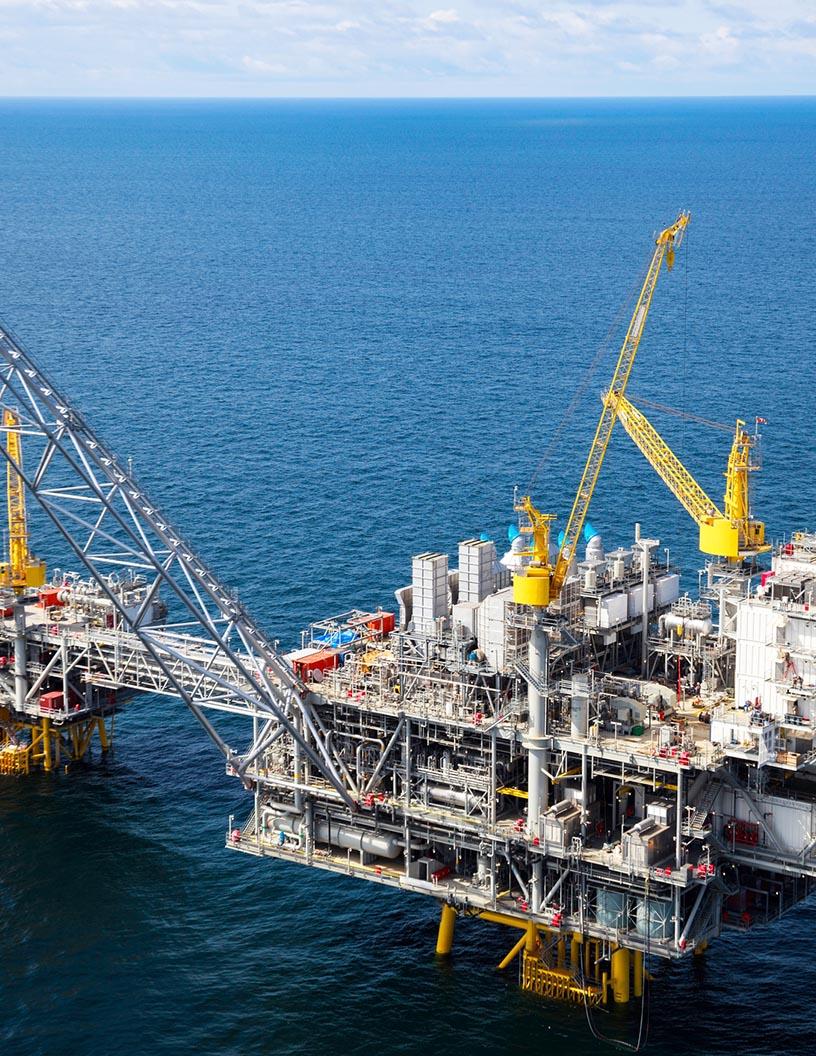


Drilling Rig Market Size 2025-2029
The drilling rig market size is forecast to increase by USD 15.7 billion, at a CAGR of 5.7% between 2024 and 2029.
- The market is experiencing significant growth, driven by the escalating demand for oil and gas. This surge in demand is fueled by increasing energy consumption and population growth, leading to a heightened need for hydrocarbon resources. A notable trend in the market is the preference for new-generation automated drilling rigs. These advanced rigs offer enhanced efficiency, productivity, and safety, making them a popular choice for oil and gas companies. However, the market faces challenges as well. Environmental concerns associated with oil and gas exploration and production activities continue to mount.
- Stringent regulations and growing public pressure are compelling companies to adopt sustainable practices and reduce their carbon footprint. As a result, investments in renewable energy and alternative drilling technologies are on the rise. Companies seeking to capitalize on market opportunities must navigate these challenges effectively, balancing the need for resource extraction with environmental sustainability.
What will be the Size of the Drilling Rig Market during the forecast period?

Explore in-depth regional segment analysis with market size data - historical 2019-2023 and forecasts 2025-2029 - in the full report.
Request Free Sample
The market is characterized by continuous evolution and dynamic market dynamics. This sector encompasses various applications, including reservoir simulation, resource allocation, enhanced oil recovery, mud logging, shaker screens, drill pipe, spare parts, pressure management, blowout preventers (BOP), safety systems, well logging, and environmental regulations. Reservoir simulation and resource allocation are crucial aspects of drilling operations, requiring advanced technology and data acquisition for accurate predictions. Enhanced oil recovery techniques, such as water flooding and gas injection, are increasingly adopted to maximize reserves and improve efficiency. Mud logging and well testing are essential components of drilling operations, providing valuable data for reservoir evaluation and well performance analysis.
Shaker screens, drill pipe, and spare parts ensure the smooth operation of drilling equipment, while pressure management and BOP systems ensure safety and well control. Safety systems, including health and safety regulations, are a top priority in the drilling industry. Remote operation and drilling optimizers enhance efficiency and reduce operational costs. Rig design and technology advancements, such as horizontal drilling and subsea drilling, expand the reach and capabilities of drilling operations. Environmental regulations play a significant role in the drilling industry, driving the adoption of eco-friendly drilling practices and technologies. Project management, drilling cost, and supply chain optimization are essential for successful drilling projects.
The drilling industry is marked by ongoing innovation, with advancements in drill bits, rotary tables, rig integrity, drilling fluids, mud tanks, rig design, hydraulic fracturing, and top drive systems. Floating drilling units, semi-submersible rigs, and hoisting systems enable drilling in diverse locations and water depths. Formation evaluation and talent acquisition are essential for maintaining a competitive edge in this dynamic market.
How is this Drilling Rig Industry segmented?
The drilling rig industry research report provides comprehensive data (region-wise segment analysis), with forecasts and estimates in "USD billion" for the period 2025-2029, as well as historical data from 2019-2023 for the following segments.
- Application
- Onshore
- Offshore
- Type
- Crude oil
- Natural gas
- End-user
- Oil and gas
- Mining
- Construction
- Geography
- North America
- US
- Canada
- Europe
- Russia
- UK
- Middle East and Africa
- UAE
- APAC
- Australia
- China
- India
- Rest of World (ROW)
- North America
By Application Insights
The onshore segment is estimated to witness significant growth during the forecast period.
In the dynamic the market, various types of rigs cater to diverse drilling requirements. Onshore drilling rigs, also known as land drilling rigs, come in various sizes and power capabilities. Conventional derrick units are further classified into standard and hi-tech, high horsepower (HP) rigs. Mobile units are categorized as portable mast and jackknife rigs. HP, lifting capacity, size, number of mud pumps, and mud pump power are key differentiating factors. Offshore drilling rigs, such as jackup rigs and floating drilling units, employ advanced technology for drilling in challenging marine environments. Well testing, seismic surveys, and reservoir simulation are crucial processes in offshore drilling.

Rig design, technology advancement, and pressure management are essential aspects of offshore drilling rigs. Safety systems, health and safety, and environmental regulations are paramount in drilling operations. Remote operation, drilling optimizer, and well control enhance efficiency and productivity. Drilling permits and project management are integral to successful drilling projects. Onshore drilling involves drilling permits, well testing, and formation evaluation. Drilling cost, supply chain, and talent acquisition are significant considerations. Drill bits, rotary tables, drill pipe, and spare parts are essential components. Horizontal drilling, directional drilling, and hydraulic fracturing expand drilling capabilities. Top drive systems, subsea drilling, and hoisting systems are innovative drilling technologies.
Mud pumps, shaker screens, and mud tanks facilitate efficient drilling operations. Pressure management, blowout preventers (BOPs), and safety systems ensure safe drilling practices. Resource allocation, reservoir simulation, and enhanced oil recovery are essential aspects of drilling optimization. Data acquisition and well logging provide valuable insights into drilling operations. Rig integrity and drilling fluids are critical factors in maintaining rig efficiency.

The Onshore segment was valued at USD 34.70 billion in 2019 and showed a gradual increase during the forecast period.
Regional Analysis
APAC is estimated to contribute 30% to the growth of the global market during the forecast period.Technavio's analysts have elaborately explained the regional trends and drivers that shape the market during the forecast period.

The market in North America is experiencing significant growth, driven by the increasing oil and gas production in the region. The US and Canada are the leading contributors to this market due to their status as major oil and gas producers. The rise in unconventional Exploration and Production (E&P) activities, such as shale drilling in the US and oil sands production in Canada, has led to a substantial increase in crude oil and natural gas output. According to the US Energy Information Administration (EIA), the US produced approximately 8.32 million barrels per day (mbpd) of oil from tight oil reserves in 2023.
This surge in E&P activities is fueling the demand for drilling rigs, including jackup rigs for offshore drilling and onshore rigs for shale and oil sands exploration. Well testing, seismic surveys, and reservoir simulation are essential processes in the drilling process. Technology advancements, such as drilling optimizers, top drive systems, and directional drilling, have improved rig efficiency and reduced drilling costs. Rig design, drilling fluids, and mud tanks are critical components of rig infrastructure. Drilling permits, health and safety, and environmental regulations are crucial considerations in project management. Remote operation, pressure management, and blowout preventers (BOPs) are essential safety systems.
Well logging, formation evaluation, and talent acquisition are essential components of the drilling process. Hydraulic fracturing and subsea drilling are emerging trends in the market. Supply chain management, rig integrity, and spare parts are essential for maintaining rig operations. The market is witnessing advancements in drilling technology, such as horizontal drilling and enhanced oil recovery. Floating drilling units, mud pumps, and drill collars are essential components of these advanced rigs. Data acquisition and real-time monitoring systems are improving rig performance and efficiency. The market is also witnessing a shift towards digitalization and automation, with drilling optimizers and drill bit monitoring systems becoming increasingly popular.
In conclusion, the market in North America is experiencing significant growth due to the increasing oil and gas production in the region. The demand for drilling rigs is being driven by the rise in unconventional E&P activities, such as shale drilling and oil sands production. The market is witnessing several trends, including technology advancements, remote operation, and digitalization. The market is also subject to regulatory requirements, such as health and safety and environmental regulations. Project management, rig efficiency, and supply chain management are essential considerations for market participants.
Market Dynamics
Our researchers analyzed the data with 2024 as the base year, along with the key drivers, trends, and challenges. A holistic analysis of drivers will help companies refine their marketing strategies to gain a competitive advantage.
The market is a dynamic and essential sector in the global energy industry, encompassing advanced technologies and services that enable the extraction of natural resources from the earth. Drilling rigs, a cornerstone of this market, are sophisticated machines engineered for drilling and boring into the earth's subsurface to access oil, gas, and geothermal energy. Key players in this market include drilling contractors, drilling equipment manufacturers, and drilling services providers. Drilling rigs come in various types, including land rigs, offshore rigs, and rigs for unconventional resources. Each type caters to specific geological conditions and drilling requirements. The drilling process involves several stages, including site preparation, drilling, and production. Drilling fluids, such as mud and water-based systems, are crucial for maintaining wellbore stability and ensuring efficient drilling operations. Drilling rigs incorporate innovative technologies like directional drilling, horizontal drilling, and automated drilling systems to optimize drilling efficiency and minimize environmental impact. The market is driven by factors like increasing energy demand, technological advancements, and regulatory requirements. It faces challenges such as high capital costs, operational risks, and environmental concerns. Despite these challenges, the market continues to evolve, offering opportunities for growth and innovation.

What are the key market drivers leading to the rise in the adoption of Drilling Rig Industry?
- The primary factor fueling market growth is the rising demand for oil and gas.
- The market is experiencing significant growth due to the increasing demand for oil and gas, driven by industrialization and urbanization in developing countries. According to the World Bank Group, the global industrial sector, including construction, saw an annual percentage growth in value addition of 26.1% in 2023, up from 26% in 2020. Simultaneously, the global urban population grew from 56% to 57% of the total population during the same period. As developing countries urbanize rapidly, their energy demands are escalating. Consequently, the market is witnessing substantial growth. Drilling rigs are essential for extracting oil and gas, and their demand is expected to continue increasing due to the rising energy needs.
- Drilling rigs consist of various components, including drill bits, rotary tables, mud tanks, and rig design. Technology advancements have led to improvements in rig efficiency, such as horizontal drilling and floating drilling units. Data acquisition and rig integrity are crucial aspects of drilling operations, ensuring the safety and productivity of the rig. Drilling fluids play a vital role in the drilling process, enhancing the drill bit's performance and maintaining the wellbore's stability. In conclusion, The market is experiencing growth due to the increasing demand for oil and gas driven by industrialization and urbanization in developing countries.
- The market's growth is underpinned by technological advancements, rig efficiency improvements, and the importance of drilling fluids and data acquisition in drilling operations.
What are the market trends shaping the Drilling Rig Industry?
- The market trend reflects a rising demand for new-generation automated drilling rigs. These advanced rigs are increasingly preferred due to their efficiency and productivity.
- In the oil and gas exploration and production (E&P) industry, ensuring worker safety and enhancing operational efficiency are top priorities. To address these concerns, the adoption of advanced drilling technologies is on the rise. New-generation drilling rigs, which minimize human intervention and reduce the risk of errors, are gaining significant traction. These rigs enable the construction of complex boreholes and extended-reach wells, particularly in onshore oilfields. Automation plays a crucial role in the drilling process, with automated drilling units minimizing human intervention at remote and hazardous drilling sites. This not only enhances safety but also leads to increased efficacy and cost savings.
- Furthermore, these rigs facilitate resource allocation and reservoir simulation, optimizing the extraction of crude oil and natural gas. Enhanced oil recovery techniques, such as mud logging, well logging, and pressure management, are integrated into these advanced rigs to maximize production. Additionally, safety systems, bop (blowout preventer) systems, shaker screens, drill pipe, and spare parts are essential components of these rigs, ensuring reliable and efficient operations. Environmental regulations also drive the demand for advanced drilling technologies, as they help minimize the environmental impact of E&P activities. The integration of environmental monitoring systems into these rigs further enhances their value proposition.
- Overall, the adoption of new-generation drilling rigs is a strategic investment for E&P companies, offering significant benefits in terms of safety, efficiency, and cost savings.
What challenges does the Drilling Rig Industry face during its growth?
- The growth of the oil and gas industry is significantly challenged by the environmental concerns associated with Exploration and Production (E&P) activities. These concerns, which include issues such as greenhouse gas emissions, water usage, and waste management, must be addressed to ensure sustainable industry expansion.
- The market encompasses the supply of technology and services for managing project execution in oil and gas exploration and production (E&P). Drilling costs are a significant portion of E&P expenses, making the efficiency of drilling operations crucial. The market comprises various components, including top drive systems, hoisting systems, mud pumps, and directional drilling systems. Subsea drilling and hydraulic fracturing are two key drilling techniques driving market growth. Top drive systems enable directional drilling, increasing the reach and productivity of wells. Hoisting systems facilitate lifting heavy drilling equipment, while mud pumps circulate drilling fluids. Formation evaluation is an essential aspect of drilling, ensuring the drilled reservoir is economically viable.
- Effective talent acquisition and retention are vital in the industry's competitive landscape. The market's supply chain includes various stakeholders, from rig manufacturers and service providers to drilling contractors and operators. The market is influenced by several factors, including technological advancements, regulatory requirements, and market conditions. Semi-submersible rigs, a popular drilling rig type, offer mobility and increased drilling capabilities. These rigs can operate in deeper waters and harsher environments, expanding the reach of drilling activities. In summary, the market plays a pivotal role in the oil and gas industry, enabling efficient and effective drilling operations while minimizing environmental impact.
Exclusive Customer Landscape
The drilling rig market forecasting report includes the adoption lifecycle of the market, covering from the innovator's stage to the laggard's stage. It focuses on adoption rates in different regions based on penetration. Furthermore, the drilling rig market report also includes key purchase criteria and drivers of price sensitivity to help companies evaluate and develop their market growth analysis strategies.
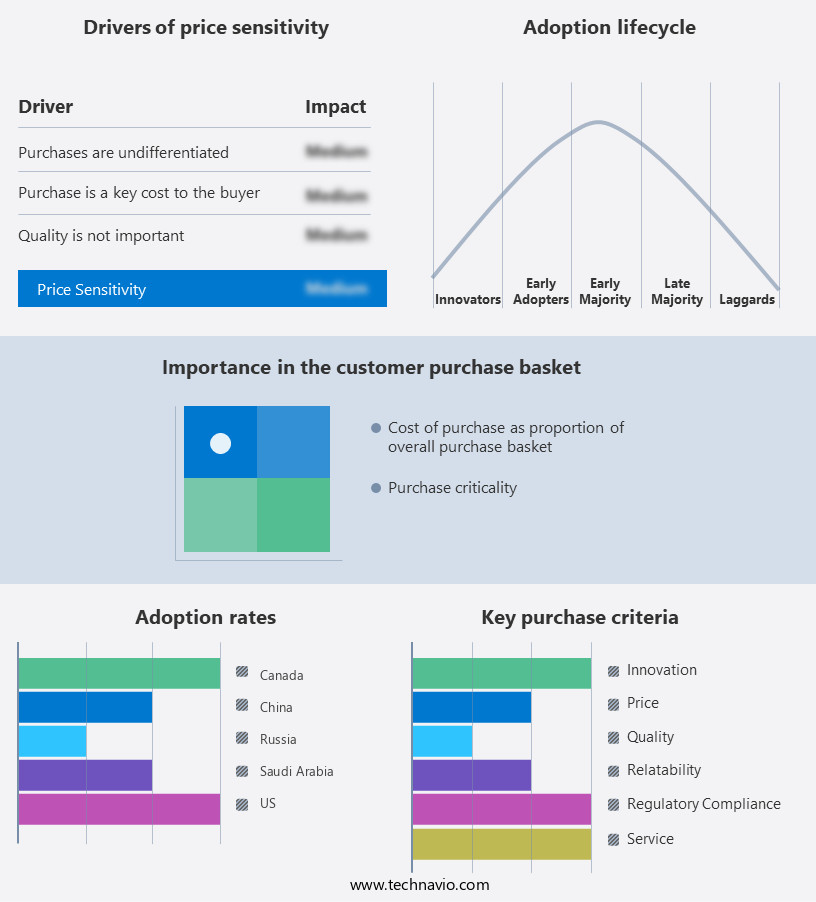
Customer Landscape
Key Companies & Market Insights
Companies are implementing various strategies, such as strategic alliances, drilling rig market forecast, partnerships, mergers and acquisitions, geographical expansion, and product/service launches, to enhance their presence in the industry.
AP Moller Maersk AS - The company specializes in providing advanced drilling rig solutions, including the Archer Emerald and Archer Topaz models.
The industry research and growth report includes detailed analyses of the competitive landscape of the market and information about key companies, including:
- AP Moller Maersk AS
- Archer Ltd.
- China Oilfield Services Ltd.
- Helmerich and Payne Inc.
- KCA Deutag Alpha Ltd.
- Loews Corp.
- Nabors Industries Ltd.
- Noble Corp. Plc
- NOV Inc.
- Parker Drilling Co.
- Patterson UTI Energy Inc.
- PR Marriott Drilling Ltd.
- Precision Drilling Corp.
- Saipem S.p.A.
- Schlumberger Ltd.
- Seadrill Ltd.
- Stena AB
- Transocean Ltd.
- Valaris Ltd.
- Weatherford International Plc
Qualitative and quantitative analysis of companies has been conducted to help clients understand the wider business environment as well as the strengths and weaknesses of key industry players. Data is qualitatively analyzed to categorize companies as pure play, category-focused, industry-focused, and diversified; it is quantitatively analyzed to categorize companies as dominant, leading, strong, tentative, and weak.
Recent Development and News in Drilling Rig Market
- In January 2024, National Oilwell Varco, a leading provider of equipment and components used in oil and gas drilling and production, announced the launch of its new PACEseries drilling rigs. These rigs are designed to increase efficiency and reduce operational costs through advanced automation and digitalization (National Oilwell Varco Press Release, 2024).
- In March 2024, Baker Hughes, a GE company, and Schneider Electric entered into a strategic partnership to integrate Schneider Electric's EcoStruxure platform into Baker Hughes' drilling and production systems. This collaboration aims to enhance operational efficiency and improve asset performance for oil and gas companies (Baker Hughes Press Release, 2024).
- In May 2024, Halliburton Company completed the acquisition of Sperry Drilling Technologies, a leading provider of drilling automation and optimization solutions. This acquisition strengthens Halliburton's position in the drilling technology market and expands its offerings to include advanced automation and digitalization solutions (Halliburton Company Press Release, 2024).
- In February 2025, Saudi Aramco, the world's largest oil company, announced a major investment in drilling rig manufacturer, Nabors Industries. This investment is part of Saudi Aramco's strategy to expand its drilling operations and increase its production capacity (Reuters, 2025).
- These developments demonstrate significant advancements in technology, strategic partnerships, and mergers and acquisitions within the market. Companies are focusing on digitalization, automation, and optimization to increase efficiency and reduce operational costs.
Research Analyst Overview
- The market experiences dynamic activity, driven by the integration of advanced technologies and regulatory compliance. Hydrogen fuel cells are increasingly adopted for power generation, reducing carbon footprint and enhancing operational efficiency. Corrosion control and safety procedures are essential, with risk assessment a critical component in maintaining structural integrity. Mud motors and drilling optimization software optimize power consumption, while non-destructive testing ensures wellbore stability and formation damage prevention. Real-time monitoring, digital twins, and data analytics facilitate remote diagnostics, addressing issues in underbalanced drilling and extended reach drilling.
- Alternative energy sources, such as wind and solar, are explored for power generation, reducing reliance on traditional fuel sources. Regulatory compliance remains a significant factor, with automation technologies and fatigue analysis crucial for managing pressure drilling and ensuring safety. Waste management solutions minimize environmental impact, further advancing the industry's sustainability efforts.
Dive into Technavio's robust research methodology, blending expert interviews, extensive data synthesis, and validated models for unparalleled Drilling Rig Market insights. See full methodology.
|
Market Scope |
|
|
Report Coverage |
Details |
|
Page number |
216 |
|
Base year |
2024 |
|
Historic period |
2019-2023 |
|
Forecast period |
2025-2029 |
|
Growth momentum & CAGR |
Accelerate at a CAGR of 5.7% |
|
Market growth 2025-2029 |
USD 15.7 billion |
|
Market structure |
Fragmented |
|
YoY growth 2024-2025(%) |
5.3 |
|
Key countries |
US, Russia, Saudi Arabia, Canada, China, UK, UAE, Nigeria, India, and Australia |
|
Competitive landscape |
Leading Companies, Market Positioning of Companies, Competitive Strategies, and Industry Risks |
What are the Key Data Covered in this Drilling Rig Market Research and Growth Report?
- CAGR of the Drilling Rig industry during the forecast period
- Detailed information on factors that will drive the growth and forecasting between 2025 and 2029
- Precise estimation of the size of the market and its contribution of the industry in focus to the parent market
- Accurate predictions about upcoming growth and trends and changes in consumer behaviour
- Growth of the market across North America, Middle East and Africa, APAC, Europe, and South America
- Thorough analysis of the market's competitive landscape and detailed information about companies
- Comprehensive analysis of factors that will challenge the drilling rig market growth of industry companies
We can help! Our analysts can customize this drilling rig market research report to meet your requirements.