


Dental Radiology Equipment Market Size 2026-2030
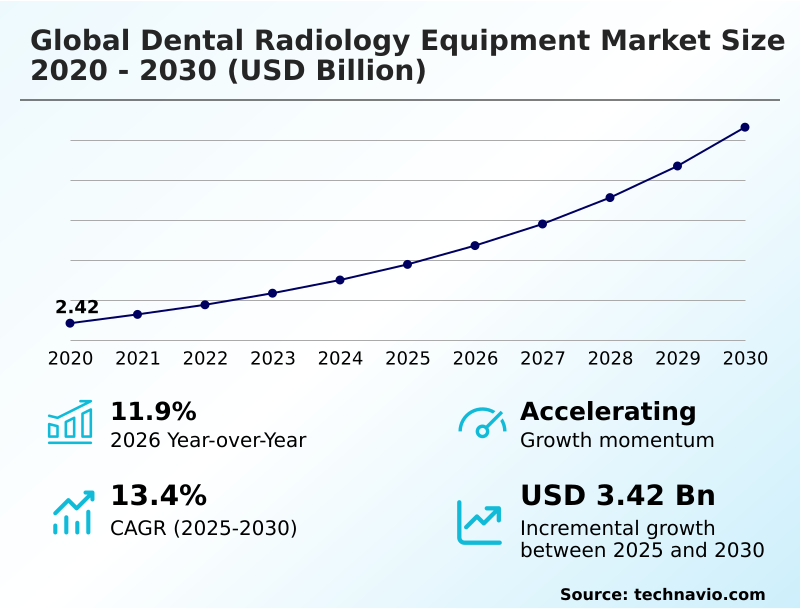
The dental radiology equipment market size is valued to increase by USD 3.42 billion, at a CAGR of 13.4% from 2025 to 2030. Consolidation of dental practices and rise of dental service organizations will drive the dental radiology equipment market.
Major Market Trends & Insights
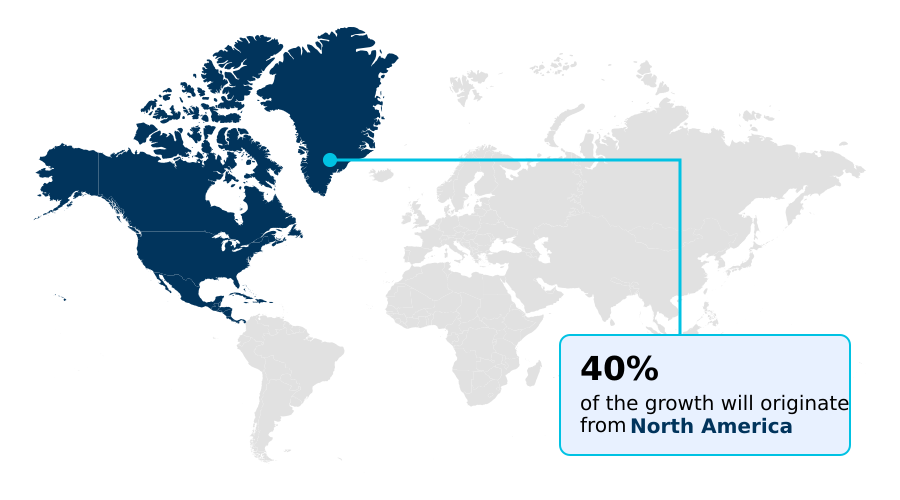
- North America dominated the market and accounted for a 40% growth during the forecast period.
- By End-user - Dental clinics segment was valued at USD 1.61 billion in 2024
- By Product - Dental X-ray segment accounted for the largest market revenue share in 2024
Market Size & Forecast
- Market Opportunities: USD 4.90 billion
- Market Future Opportunities: USD 3.42 billion
- CAGR from 2025 to 2030 : 13.4%
Market Summary
- The Dental Radiology Equipment Market is defined by its indispensable role in modern clinical practice, providing the foundational diagnostic tools for accurate treatment planning and execution. A pivotal market dynamic is the comprehensive shift from analog film to digital workflows, driven by the demand for superior image quality, streamlined practice management, and significant radiation dose reduction.
- The proliferation of technologies like cone-beam computed tomography (CBCT) has revolutionized care, enabling complex procedures such as implant dentistry and orthodontic treatment with unprecedented precision. For example, large dental service organizations now standardize their clinics with specific digital panoramic systems and integrated software to ensure a uniform standard of care and operational efficiency across hundreds of locations.
- This push for standardization, combined with the integration of AI diagnostic software, creates a compelling business case for continuous technology investment, despite challenges related to high capital costs and the need for specialized training.
What will be the Size of the Dental Radiology Equipment Market during the forecast period?
Get Key Insights on Market Forecast (PDF) Request Free Sample
How is the Dental Radiology Equipment Market Segmented?
The dental radiology equipment industry research report provides comprehensive data (region-wise segment analysis), with forecasts and estimates in "USD million" for the period 2026-2030, as well as historical data from 2020-2024 for the following segments.
- End-user
- Dental clinics
- Hospitals
- Ambulatory surgical centers
- Product
- Dental X-ray
- Dental CBCT
- Type
- Diagnostic equipment
- Therapeutic equipment
- Geography
- North America
- US
- Canada
- Mexico
- Europe
- Germany
- UK
- France
- Asia
- Rest of World (ROW)
- North America
By End-user Insights
The dental clinics segment is estimated to witness significant growth during the forecast period.
Dental clinics are the primary end-user, driving market evolution through technology adoption to enhance diagnostic precision and workflow automation.
The shift from film to advanced digital imaging is nearly complete, with clinics investing in tools that support minimally invasive procedures and improve patient outcomes.
The integration of AI into imaging software is a key factor, with systems demonstrating the ability to improve the detection of pathologies like incipient caries by over 20% compared to unassisted review.
This segment's purchasing decisions are shaped by the need for a seamless digital workflow, from initial data acquisition using a photostimulable phosphor plate and cmos sensor to treatment planning.
This necessitates advanced digital imaging platforms and cbct scanner units to meet rising patient expectations for a higher standard of care and support procedures like endodontic treatment.
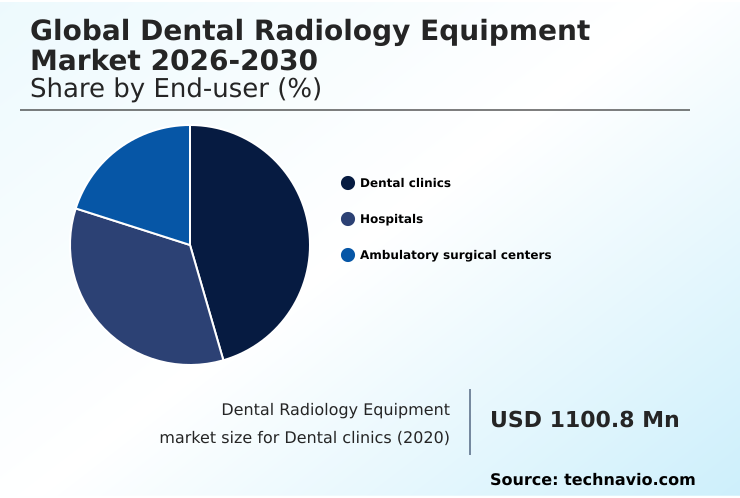
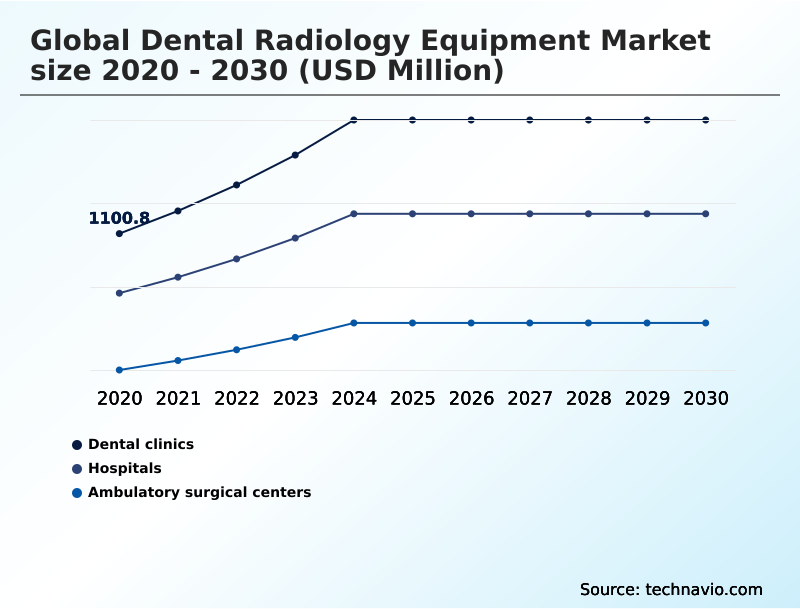
The Dental clinics segment was valued at USD 1.61 billion in 2024 and showed a gradual increase during the forecast period.
Regional Analysis
North America is estimated to contribute 40% to the growth of the global market during the forecast period.Technavio’s analysts have elaborately explained the regional trends and drivers that shape the market during the forecast period.
See How Dental Radiology Equipment Market Demand is Rising in North America Request Free Sample
The geographic landscape of the market is defined by a clear distinction between mature and emerging regions.
North America, which accounts for approximately 40% of the incremental growth, and Europe are characterized by high technology adoption rates, with digital penetration exceeding 90% in many areas.
In these markets, growth is driven by the replacement of aging systems and investment in advanced technologies like low-dose cbct imaging protocols and ai in dental radiology by large dental service organizations.
In contrast, Asia represents the fastest-growing region, fueled by rising healthcare expenditure and infrastructure development.
Countries like China and India are rapidly transitioning to digital imaging platforms, creating immense demand for both entry-level and advanced diagnostic equipment, including digital radiography and portable x-ray unit technology, to serve a burgeoning middle class seeking improved standards of care.
This creates a diverse global picture of both upgrade-driven and volume-driven expansion.
Market Dynamics
Our researchers analyzed the data with 2025 as the base year, along with the key drivers, trends, and challenges. A holistic analysis of drivers will help companies refine their marketing strategies to gain a competitive advantage.
- Strategic investment decisions in dental radiology are increasingly complex, requiring a detailed analysis of various factors. For instance, the cost vs benefit of digital panoramic systems must be weighed against the initial capital outlay and long-term workflow efficiencies.
- For practices focusing on high-value procedures, understanding the benefits of 3d cbct for orthodontics or the role of digital imaging in cosmetic dentistry is crucial for calculating return on investment. The evaluation of portable intraoral x-ray unit benefits centers on flexibility and space optimization, which is a key consideration for mobile dentistry and multi-operatory clinics.
- Furthermore, the integration of AI in dental caries detection is no longer a futuristic concept but a practical tool that enhances diagnostic accuracy. The trend towards fully integrated digital workflows, which has shown to increase case acceptance for complex treatments by over 15% compared to practices using disparate systems, underscores the importance of ecosystem-based technology adoption.
- Navigating the regulatory landscape for medical imaging devices, including compliance with low-dose CBCT imaging protocols and standards for 3d dental imaging software, is another critical aspect. As the market evolves, understanding the comparison of intraoral sensor technologies and the impact of ai on dental diagnostics will become central to maintaining a competitive edge and delivering a high standard of care.
- The applications of cbct in endodontics continue to expand, making proficiency with cbct interpretation for general dentists a necessary skill. Ultimately, choices between different cbct machine price points, the use of handheld dental x-ray safety protocols, and the adoption of dental imaging AI algorithms shape a practice's clinical capabilities and financial health.
- The comparison between 2d and 3d dental imaging remains a fundamental consideration in this evolving technological landscape.
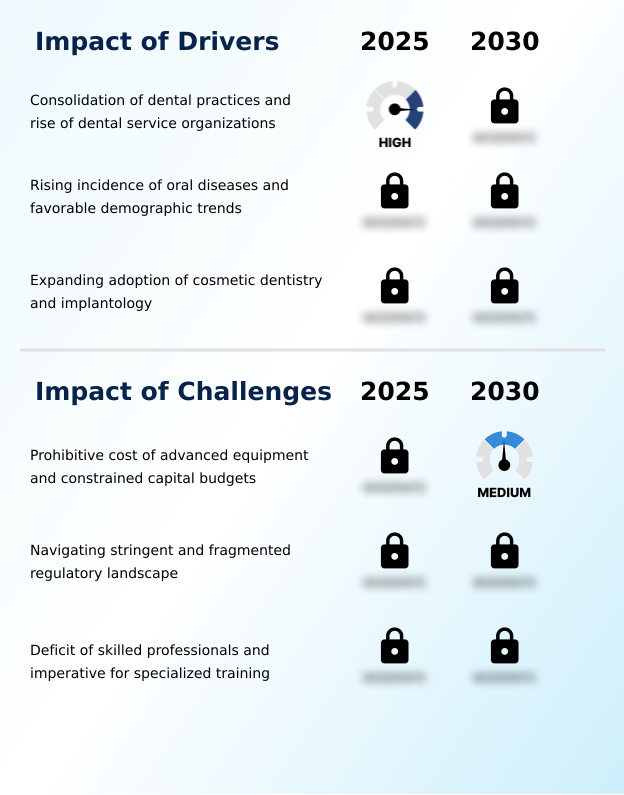
What are the key market drivers leading to the rise in the adoption of Dental Radiology Equipment Industry?
- The consolidation of dental practices and the corresponding rise of dental service organizations (DSOs) represent a key driver for the market.
- Market growth is propelled by powerful structural and demographic shifts.
- The consolidation of dental practices into large Dental Service Organizations (DSOs) is a primary driver, as these entities leverage centralized procurement to invest in advanced imaging technology, often achieving cost efficiencies of up to 15%.
- This standardization enhances the quality of care across their networks.
- Concurrently, the rising global demand for dental implants and cosmetic dentistry, procedures that are heavily reliant on precise 3d dental imaging software for planning, creates a strong business case for adopting sophisticated equipment.
- The high prevalence of oral diseases, coupled with an aging population retaining their teeth longer, ensures a consistent and complex caseload requiring thorough diagnostic workups, further sustaining demand for both routine and advanced imaging solutions like digital panoramic systems.
What are the market trends shaping the Dental Radiology Equipment Industry?
- The ascendancy of artificial intelligence in diagnostic imaging is a transformative market trend. This evolution is reshaping clinical workflows and enhancing diagnostic capabilities across the industry.
- Key market trends are redefining the value of diagnostic imaging, moving beyond hardware to intelligent software and integrated systems. The integration of artificial intelligence (AI) is paramount, with AI-powered diagnostic software automating tasks like cephalometric analysis, reducing a multi-minute manual process to under 30 seconds. This enhances clinical workflow efficiency and diagnostic precision.
- Another major trend is the convergence toward a fully integrated digital workflow, connecting cone-beam computed tomography and other diagnostic equipment with treatment planning and delivery systems. These connected ecosystems can reduce data transfer errors by over 95%, ensuring greater accuracy in procedures like guided implant surgery and orthodontic treatment.
- The growing demand for portability is also shaping hardware design, especially for intraoral x-ray imaging in settings requiring flexibility, such as mobile dentistry and domiciliary care.
What challenges does the Dental Radiology Equipment Industry face during its growth?
- The prohibitive cost of advanced equipment, coupled with constrained capital budgets, presents a key challenge affecting industry growth.
- Significant challenges constrain market growth, primarily related to cost, regulation, and training. The substantial capital investment required for a state-of-the-art cbct machine, where the total cost of ownership can be triple the initial hardware price, is a major barrier for smaller clinics.
- Navigating the stringent and fragmented regulatory landscape for medical imaging devices also presents hurdles; securing approvals in multiple major jurisdictions can delay product launches by 18-24 months, adding significant expense. Furthermore, a pronounced shortage of professionals skilled in advanced techniques like cbct interpretation for general dentists creates a bottleneck.
- This skills gap limits the effective utilization of installed equipment and can deter practices from investing in new technologies like handheld dental x-ray safety protocols, thereby slowing overall market adoption.
Exclusive Technavio Analysis on Customer Landscape
The dental radiology equipment market forecasting report includes the adoption lifecycle of the market, covering from the innovator’s stage to the laggard’s stage. It focuses on adoption rates in different regions based on penetration. Furthermore, the dental radiology equipment market report also includes key purchase criteria and drivers of price sensitivity to help companies evaluate and develop their market growth analysis strategies.
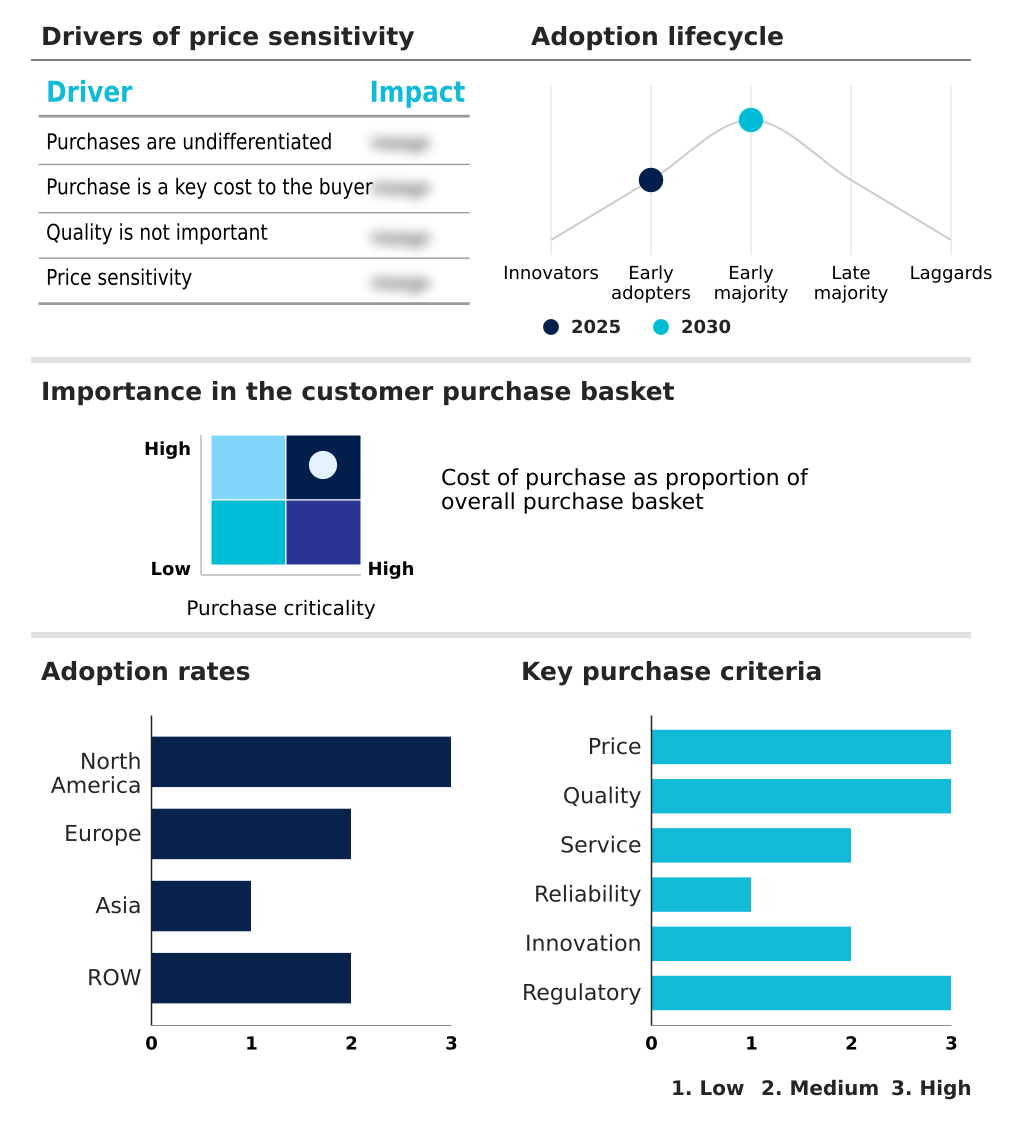
Customer Landscape of Dental Radiology Equipment Industry
Competitive Landscape
Companies are implementing various strategies, such as strategic alliances, dental radiology equipment market forecast, partnerships, mergers and acquisitions, geographical expansion, and product/service launches, to enhance their presence in the industry.
ACTEON Group - Key offerings encompass a range of diagnostic solutions, from intraoral X-ray systems and digital sensors to advanced cone-beam computed tomography for complex maxillofacial applications and surgical planning.
The industry research and growth report includes detailed analyses of the competitive landscape of the market and information about key companies, including:
- ACTEON Group
- Air Techniques Inc.
- Asahi Roentgen Ind. Co. Ltd
- Carestream Dental LLC
- Cefla SC
- Dentsply Sirona Inc.
- Envista Holdings Corp.
- Gnatus Dental Equipments Ltd.
- HDXWILL North America
- INTERMEDICAL Srl IMD Group
- MediRay HealthCare
- Planmeca Oy
- PreXion Inc.
- Shenzhen Anke High tech Co.
- Simple Smart
- The Yoshida Dental Mfg. Co.
- Trident Srl
- Varex Imaging Corp.
- Vatech Co. Ltd.
Qualitative and quantitative analysis of companies has been conducted to help clients understand the wider business environment as well as the strengths and weaknesses of key industry players. Data is qualitatively analyzed to categorize companies as pure play, category-focused, industry-focused, and diversified; it is quantitatively analyzed to categorize companies as dominant, leading, strong, tentative, and weak.
Recent Development and News in Dental radiology equipment market
- In August 2024, Acteon Group launched its X-MIND PRIME 2D panoramic system in Europe, featuring a patented Adaptive Collimation System designed to reduce the patient radiation dose area product by an average of 25%.
- In March 2025, Heartland Dental initiated a major partnership with AI-based imaging analysis company Diagnocat, deploying its AI software platform across its network of over 1,700 supported dental offices to standardize diagnostic quality.
- In April 2025, Straumann Group received US Food and Drug Administration clearance for its Virtuo Vivo Pro integrated digital workflow, which seamlessly combines data from its new CBCT unit and intraoral scanner using an AI-powered algorithm.
- In June 2025, Aetna announced a strategic partnership with a national mobile dental services provider, mandating the use of specific lightweight, FDA-cleared portable intraoral X-ray systems for screenings in assisted living facilities.
Dive into Technavio’s robust research methodology, blending expert interviews, extensive data synthesis, and validated models for unparalleled Dental Radiology Equipment Market insights. See full methodology.
| Market Scope | |
|---|---|
| Page number | 291 |
| Base year | 2025 |
| Historic period | 2020-2024 |
| Forecast period | 2026-2030 |
| Growth momentum & CAGR | Accelerate at a CAGR of 13.4% |
| Market growth 2026-2030 | USD 3420.8 million |
| Market structure | Fragmented |
| YoY growth 2025-2026(%) | 11.9% |
| Key countries | US, Canada, Mexico, Germany, UK, France, Italy, The Netherlands, Spain, China, India, Japan, South Korea, Thailand, Indonesia, Brazil, Argentina, Saudi Arabia, UAE, Chile, Turkey, South Africa and Israel |
| Competitive landscape | Leading Companies, Market Positioning of Companies, Competitive Strategies, and Industry Risks |
Research Analyst Overview
- The market is undergoing a fundamental transformation, shifting its focus from hardware-centric sales to integrated, software-driven ecosystems. The value proposition is no longer solely in the cbct system or panoramic x-ray machine itself, but in how seamlessly these devices connect with AI diagnostic software, intraoral scanners, and practice management platforms.
- This evolution toward a complete digital imaging platform forces a change in boardroom-level strategy, moving from one-time capital expenditure decisions to evaluating long-term operational expenses and subscription-based software models.
- Innovations in cmos sensor technology and the development of the photostimulable phosphor plate continue to enhance image quality, while the imperative for radiation safety drives the adoption of advanced dose reduction technologies. Clinical studies show that modern low-dose protocols can lower patient exposure by up to 40% without sacrificing diagnostic integrity.
- As technologies like near-infrared imaging (niri) emerge for caries detection, the competitive landscape will further evolve, demanding that vendors deliver not just a piece of equipment, but a comprehensive, intelligent, and upgradeable diagnostic solution that leverages every aspect of digital radiography and advanced dental imaging.
What are the Key Data Covered in this Dental Radiology Equipment Market Research and Growth Report?
-
What is the expected growth of the Dental Radiology Equipment Market between 2026 and 2030?
-
USD 3.42 billion, at a CAGR of 13.4%
-
-
What segmentation does the market report cover?
-
The report is segmented by End-user (Dental clinics, Hospitals, and Ambulatory surgical centers), Product (Dental X-ray, and Dental CBCT), Type (Diagnostic equipment, and Therapeutic equipment) and Geography (North America, Europe, Asia, Rest of World (ROW))
-
-
Which regions are analyzed in the report?
-
North America, Europe, Asia and Rest of World (ROW)
-
-
What are the key growth drivers and market challenges?
-
Consolidation of dental practices and rise of dental service organizations, Prohibitive cost of advanced equipment and constrained capital budgets
-
-
Who are the major players in the Dental Radiology Equipment Market?
-
ACTEON Group, Air Techniques Inc., Asahi Roentgen Ind. Co. Ltd, Carestream Dental LLC, Cefla SC, Dentsply Sirona Inc., Envista Holdings Corp., Gnatus Dental Equipments Ltd., HDXWILL North America, INTERMEDICAL Srl IMD Group, MediRay HealthCare, Planmeca Oy, PreXion Inc., Shenzhen Anke High tech Co., Simple Smart, The Yoshida Dental Mfg. Co., Trident Srl, Varex Imaging Corp. and Vatech Co. Ltd.
-
Market Research Insights
- Market dynamics are shaped by a push toward greater efficiency and diagnostic precision, where the integration of advanced technologies delivers measurable returns. The adoption of AI-driven diagnostic software, for instance, has been shown to reduce radiograph review times by up to 30%, allowing clinicians to focus on patient care.
- Similarly, fully integrated digital workflows that connect diagnostic imaging with practice management systems can decrease administrative errors associated with manual data entry by over 15%. This convergence of technologies not only enhances clinical outcomes in areas like endodontic treatment and teledentistry but also strengthens the business case for capital investment by optimizing operational performance and supporting higher-value procedures.
- These quantifiable benefits are central to purchasing decisions in a competitive landscape.
We can help! Our analysts can customize this dental radiology equipment market research report to meet your requirements.
 RIA -
RIA -