
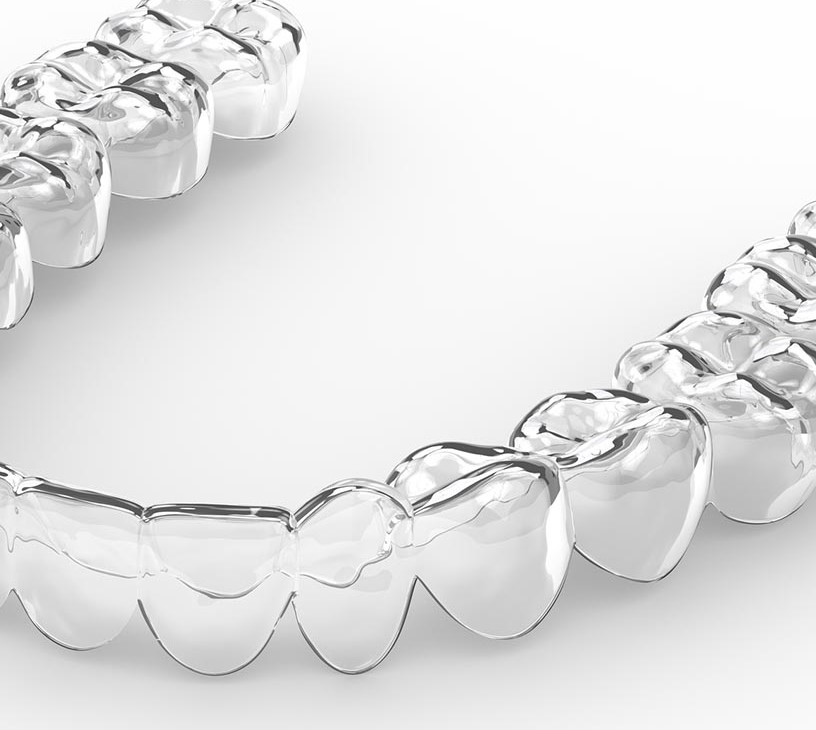


Dental Braces Market Size 2026-2030
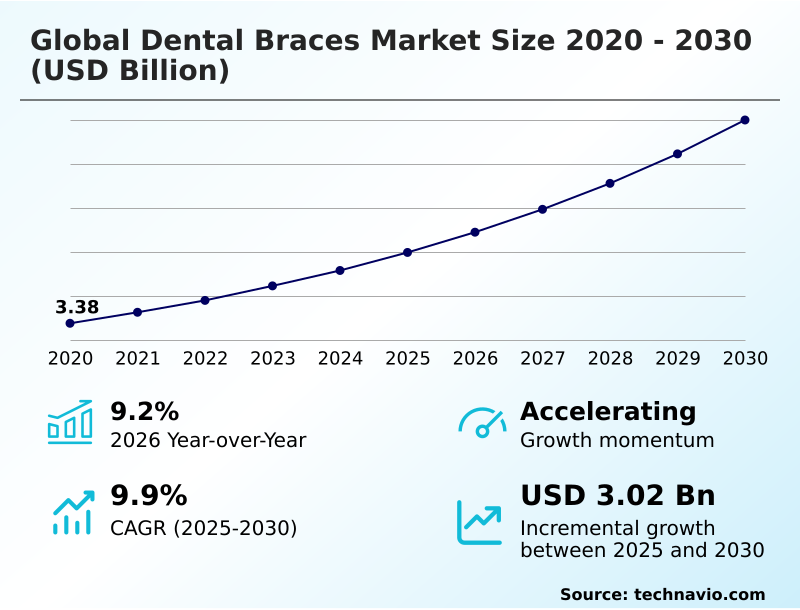
The dental braces market size is valued to increase by USD 3.02 billion, at a CAGR of 9.9% from 2025 to 2030. Increasing number of dental practitioners in developed countries will drive the dental braces market.
Major Market Trends & Insights
- North America dominated the market and accounted for a 41.8% growth during the forecast period.
- By Material - Ceramic braces segment was valued at USD 2.14 billion in 2024
- By Product - Fixed dental braces segment accounted for the largest market revenue share in 2024
Market Size & Forecast
- Market Opportunities: USD 4.62 billion
- Market Future Opportunities: USD 3.02 billion
- CAGR from 2025 to 2030 : 9.9%
Market Summary
- The dental braces market is undergoing a significant transformation, driven by technological advancements and shifting patient expectations toward more aesthetic orthodontic solutions. The integration of 3D imaging technology and CAD/CAM engineering has revolutionized orthodontic treatment planning, enabling the creation of highly customized appliances like patient-specific archwires and removable dental braces.
- This move toward personalization is not just about aesthetics; it is also about improving clinical efficiency. For instance, a large dental service organization can leverage digital impression systems and teledentistry platforms to standardize malocclusion correction protocols across its network, ensuring consistent quality of care while managing operational costs.
- This digital shift enhances predictable tooth movement and allows for better force application precision. However, the market also faces challenges from the high cost of advanced biocompatible polymers and the complexities of the debonding process for certain materials, which can increase chair time and impact profitability.
- As the industry evolves, balancing innovation with accessibility will be crucial for sustained expansion, especially with the rise of direct-to-consumer orthodontics.
What will be the Size of the Dental Braces Market during the forecast period?
Get Key Insights on Market Forecast (PDF) Request Free Sample
How is the Dental Braces Market Segmented?
The dental braces industry research report provides comprehensive data (region-wise segment analysis), with forecasts and estimates in "USD million" for the period 2026-2030, as well as historical data from 2020-2024 for the following segments.
- Material
- Ceramic braces
- Metal braces
- Biocompatible or polymer-based braces
- Product
- Fixed dental braces
- Removable dental braces
- End-user
- Teenagers
- Children
- Adults
- Geography
- North America
- US
- Canada
- Mexico
- Europe
- Germany
- UK
- France
- Asia
- Rest of World (ROW)
- North America
By Material Insights
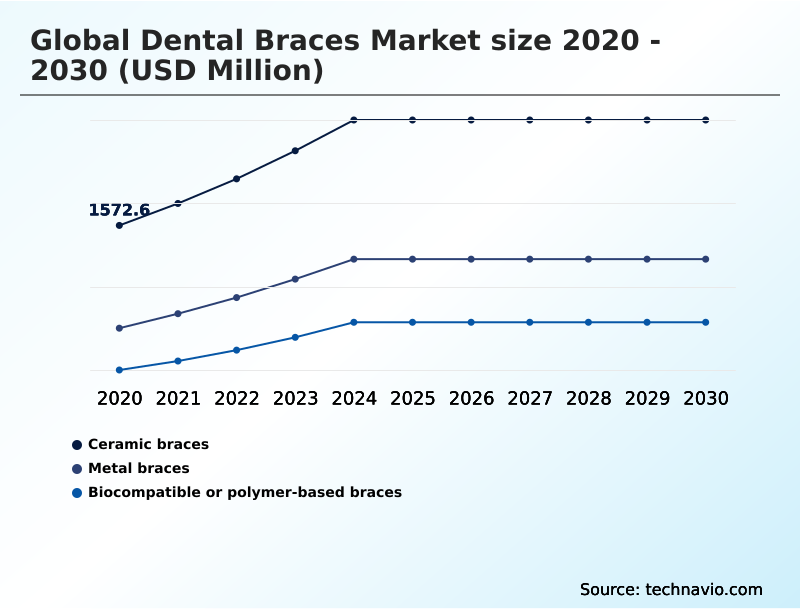
The ceramic braces segment is estimated to witness significant growth during the forecast period.
The ceramic braces segment is evolving beyond being a purely aesthetic choice, driven by material science innovations that enhance clinical performance.
Manufacturers are focused on perfecting polycrystalline alumina to improve translucency and durability, addressing historical drawbacks like stain resistance and material brittleness. Innovations in bracket design, such as stress-concentration-reducing slots, have led to a 15% reduction in fractures under occlusal forces.
The integration of ceramic systems into digital orthodontic workflows is also advancing, with consistent bracket dimensions facilitating their use in precise, digitally planned treatments.
This allows clinicians to combine the aesthetic appeal of ceramic braces with the efficiency of modern orthodontic treatment planning, meeting the demands of a discerning patient base that prioritizes both appearance and effective malocclusion correction.
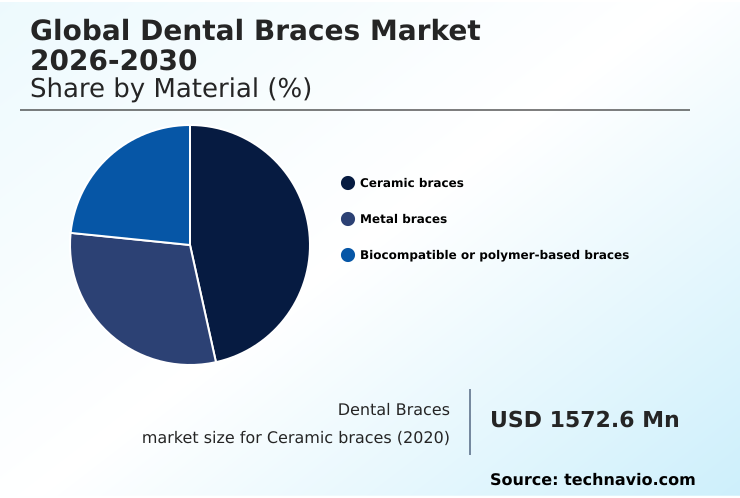
The Ceramic braces segment was valued at USD 2.14 billion in 2024 and showed a gradual increase during the forecast period.
Regional Analysis
North America is estimated to contribute 41.8% to the growth of the global market during the forecast period.Technavio’s analysts have elaborately explained the regional trends and drivers that shape the market during the forecast period.
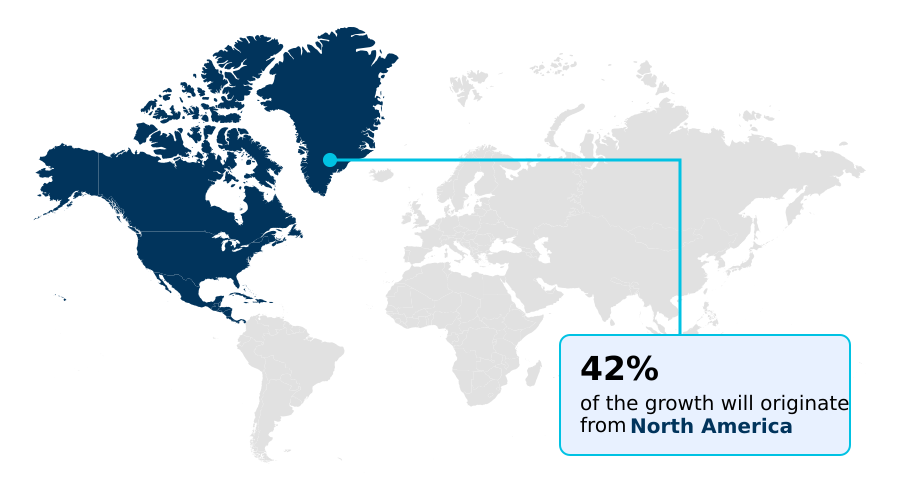
See How Dental Braces Market Demand is Rising in North America Request Free Sample
The geographic landscape of the market is characterized by a contrast between mature, technology-driven regions and high-growth emerging economies. North America, contributing 41.8% of the incremental growth, leads in the adoption of advanced digital orthodontic workflows and clear aligner therapy.
Intense competition in this region drives innovation in areas like remote monitoring systems and AI-powered treatment tracking. Meanwhile, Asia is the fastest-growing region, fueled by rising disposable incomes and a strong cultural emphasis on aesthetics.
Markets in this region are leapfrogging traditional technologies, with clinics reporting a 20% faster adoption of intraoral scanning technology compared to more mature markets five years prior.
This rapid modernization, combined with a large, underserved population requiring malocclusion correction, presents significant expansion opportunities.
Market Dynamics
Our researchers analyzed the data with 2025 as the base year, along with the key drivers, trends, and challenges. A holistic analysis of drivers will help companies refine their marketing strategies to gain a competitive advantage.
- The global dental braces market 2026-2030 is experiencing a profound evolution, where the impact of 3d printing on dental braces is reshaping manufacturing and enabling mass customization of appliances. This is complemented by advancements in clear aligner materials, which offer superior aesthetics and comfort.
- Central to this transformation is the role of ai in orthodontic treatment planning, which allows for more precise simulations and predictable outcomes. Clinicians are increasingly evaluating the cost-effectiveness of self-ligating brackets against traditional systems, considering both appliance cost and potential reductions in treatment time.
- The benefits of digital workflows in orthodontics are undeniable, with practices that have fully integrated these systems reporting a 15% reduction in appliance adjustment appointments compared to those using conventional methods, directly streamlining operational planning. However, challenges in direct-to-consumer orthodontic models persist, raising questions about clinical oversight.
- Ongoing clinical performance comparisons between ceramic vs metal braces continue to inform treatment decisions, while the demand for lingual braces for adult orthodontic treatment remains a niche but important segment. The successful teledentistry integration in orthodontic practices is crucial for managing patient care remotely and improving accessibility.
- As the market matures, ensuring the long-term stability of clear aligner results and managing orthodontic treatment for pediatric patients are key focus areas. Growth drivers for dental braces in emerging markets are largely tied to increasing disposable income and aesthetic awareness. Innovations in orthodontic bonding and adhesives are improving procedural efficiency.
- The regulatory landscape for custom orthodontic devices is becoming more stringent, requiring robust quality management. The debate over fixed vs removable dental braces continues, heavily influenced by patient satisfaction with different brace types and the complexity of the malocclusion cases. Finally, risk management in orthodontic product recalls is a critical operational concern for all manufacturers.
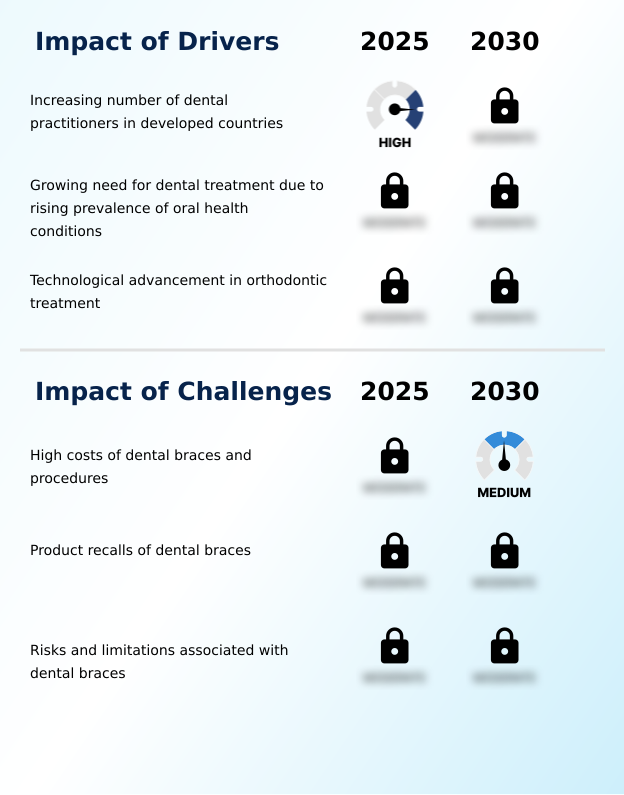
What are the key market drivers leading to the rise in the adoption of Dental Braces Industry?
- The increasing number of dental practitioners in developed countries is a key market driver, expanding access to orthodontic care and heightening awareness.
- Technological advancement is a primary driver, fundamentally improving clinical efficiency and treatment outcomes. The integration of 3D imaging technology and CAD/CAM engineering into digital orthodontic workflows has streamlined orthodontic treatment planning, leading to a 15% reduction in diagnostic errors.
- This precision allows for superior malocclusion correction using customized appliances like patient-specific archwires and advanced fixed dental braces. Furthermore, the development of self-ligating brackets reduces friction and can shorten overall treatment duration.
- Innovations in orthodontic adhesives and the debonding process are also enhancing the patient experience by minimizing chair time and protecting tooth enamel. The growing need for orthodontic treatment, coupled with these technological enablers, continues to fuel market expansion.
What are the market trends shaping the Dental Braces Industry?
- A prominent market trend is the rising demand for invisible or clear braces. This is driven by patient preference for more aesthetic and discreet orthodontic solutions.
- The market is increasingly defined by a trend towards aesthetic orthodontic solutions and digital convenience. The rise of direct-to-consumer orthodontics is reshaping market access, with some platforms reporting a 40% increase in initial consultations initiated online. This shift is enabled by teledentistry platforms and remote monitoring systems, which offer enhanced patient comfort and convenience.
- The adoption of these technologies has been shown to reduce non-essential clinic visits by up to 25%, a significant factor for both patient satisfaction and practice efficiency.
- Innovations in material science are also critical, with ongoing development in biocompatible polymers and thermoplastic polymers to improve both the performance and appearance of removable dental braces and other discreet treatment options like lingual braces.
What challenges does the Dental Braces Industry face during its growth?
- The high costs associated with dental braces and related procedures present a significant challenge to market growth, particularly in price-sensitive regions.
- High costs and clinical risks present significant challenges to market expansion. The expense associated with advanced materials, such as the biocompatible polymers used in clear aligners, can constitute over 50% of the manufacturing cost, limiting accessibility in price-sensitive markets.
- Furthermore, the risk of product recalls due to defects in materials or design can damage brand reputation and result in significant financial losses, with some incidents causing a 10% decline in quarterly sales. Clinical challenges include the risk of enamel damage during the debonding process and ensuring predictable tooth movement throughout treatment.
- These factors, combined with the complexities of direct-to-consumer orthodontics and the need for professional clinical oversight, require careful management to sustain market confidence and growth.
Exclusive Technavio Analysis on Customer Landscape
The dental braces market forecasting report includes the adoption lifecycle of the market, covering from the innovator’s stage to the laggard’s stage. It focuses on adoption rates in different regions based on penetration. Furthermore, the dental braces market report also includes key purchase criteria and drivers of price sensitivity to help companies evaluate and develop their market growth analysis strategies.
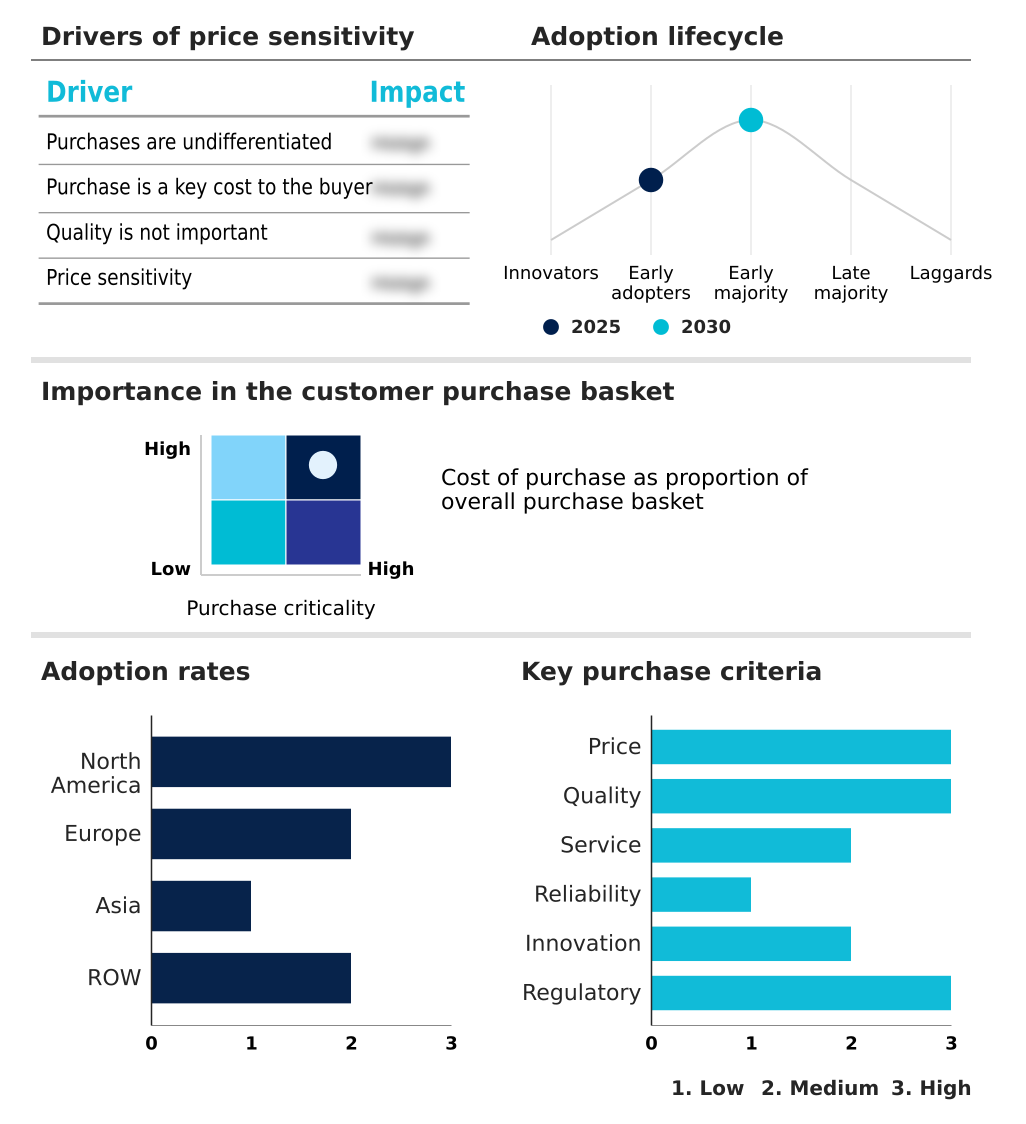
Customer Landscape of Dental Braces Industry
Competitive Landscape
Companies are implementing various strategies, such as strategic alliances, dental braces market forecast, partnerships, mergers and acquisitions, geographical expansion, and product/service launches, to enhance their presence in the industry.
3M Co. - Key offerings include a comprehensive portfolio of orthodontic appliances, featuring advanced fixed and removable systems tailored to diverse clinical requirements and aesthetic preferences.
The industry research and growth report includes detailed analyses of the competitive landscape of the market and information about key companies, including:
- 3M Co.
- Align Technology Inc.
- American Orthodontics
- Angelalign Technology. Ltd.
- Bernhard Forster GmbH
- Biosaf IN S.r.l
- Byte Technology
- Creative dental
- DENTAURUM GmbH
- Dentsply Sirona Inc.
- DynaFlex
- G and H Orthodontics
- GC Corp.
- Henry Schein Inc.
- JJ Orthodontics Pvt.Ltd.
- Ormco Corp.
- ORTHOSYSTEMS
- Shinye Orthodontic Products Ltd.
Qualitative and quantitative analysis of companies has been conducted to help clients understand the wider business environment as well as the strengths and weaknesses of key industry players. Data is qualitatively analyzed to categorize companies as pure play, category-focused, industry-focused, and diversified; it is quantitatively analyzed to categorize companies as dominant, leading, strong, tentative, and weak.
Recent Development and News in Dental braces market
- In October 2025, The Straumann Group announced a strategic partnership with DentalMonitoring to integrate AI-powered remote monitoring directly into the ClearCorrect workflow, enhancing patient oversight and convenience.
- In July 2025, Align Technology received regulatory approvals in China and India for its Invisalign Palatal Expander System, a key strategic move to penetrate the youth demographic and early intervention market in high-growth Asian regions.
- In April 2025, Ormco Corp. launched its EtchFree Bonding system in the United States, a novel technology that eliminates the acid-etching step to improve clinical workflow efficiency and enhance enamel preservation.
- In March 2025, at the International Dental Show (IDS) in Cologne, Dentaurum unveiled a new line of ceramic brackets featuring an advanced manufacturing process that significantly improves stain resistance and translucency.
Dive into Technavio’s robust research methodology, blending expert interviews, extensive data synthesis, and validated models for unparalleled Dental Braces Market insights. See full methodology.
| Market Scope | |
|---|---|
| Page number | 283 |
| Base year | 2025 |
| Historic period | 2020-2024 |
| Forecast period | 2026-2030 |
| Growth momentum & CAGR | Accelerate at a CAGR of 9.9% |
| Market growth 2026-2030 | USD 3016.3 million |
| Market structure | Fragmented |
| YoY growth 2025-2026(%) | 9.2% |
| Key countries | US, Canada, Mexico, Germany, UK, France, Italy, Spain, The Netherlands, China, Japan, India, South Korea, Thailand, Indonesia, Brazil, Argentina, South Africa, Saudi Arabia, Colombia, UAE, Turkey and Kuwait |
| Competitive landscape | Leading Companies, Market Positioning of Companies, Competitive Strategies, and Industry Risks |
Research Analyst Overview
- The dental braces market is defined by a rapid convergence of material science and digital technology, fundamentally altering orthodontic care. The widespread adoption of 3D imaging technology, including cone-beam computed tomography, facilitates meticulous orthodontic treatment planning and malocclusion correction.
- This digital foundation enables the use of advanced fixed dental braces and removable dental braces, manufactured through techniques like metal injection molding or from advanced thermoplastic polymers. For boardroom consideration, the rise of teledentistry platforms necessitates a strategic decision: invest heavily in direct-to-consumer channels or double down on partnerships that empower clinicians with superior tools for professional clinical oversight.
- Innovations such as patient-specific archwires created via robotic wire bending and the use of temporary anchorage devices are expanding the scope of treatable cases. Furthermore, advancements in CAD/CAM engineering and intraoral scanning technology allow for precise orthodontic appliance customization, with some clinics achieving a 20% reduction in appliance fitting time.
- As the market shifts toward clear aligner therapy and other aesthetic orthodontic solutions, the focus remains on enhancing predictable tooth movement and ensuring enamel preservation during the crucial debonding process.
What are the Key Data Covered in this Dental Braces Market Research and Growth Report?
-
What is the expected growth of the Dental Braces Market between 2026 and 2030?
-
USD 3.02 billion, at a CAGR of 9.9%
-
-
What segmentation does the market report cover?
-
The report is segmented by Material (Ceramic braces, Metal braces, and Biocompatible or polymer-based braces), Product (Fixed dental braces, and Removable dental braces), End-user (Teenagers, Children, and Adults) and Geography (North America, Europe, Asia, Rest of World (ROW))
-
-
Which regions are analyzed in the report?
-
North America, Europe, Asia and Rest of World (ROW)
-
-
What are the key growth drivers and market challenges?
-
Increasing number of dental practitioners in developed countries, High costs of dental braces and procedures
-
-
Who are the major players in the Dental Braces Market?
-
3M Co., Align Technology Inc., American Orthodontics, Angelalign Technology. Ltd., Bernhard Forster GmbH, Biosaf IN S.r.l, Byte Technology, Creative dental, DENTAURUM GmbH, Dentsply Sirona Inc., DynaFlex, G and H Orthodontics, GC Corp., Henry Schein Inc., JJ Orthodontics Pvt.Ltd., Ormco Corp., ORTHOSYSTEMS and Shinye Orthodontic Products Ltd.
-
Market Research Insights
- Market dynamics are increasingly shaped by the pursuit of clinical efficiency improvement and enhanced patient experiences, with a clear shift towards discreet treatment options. The adoption of digital smile design has empowered clinicians, with practices reporting a 25% increase in case acceptance rates when patients can visualize outcomes.
- Furthermore, the integration of patient adherence tracking through mobile platforms has demonstrated a 30% improvement in compliance for removable appliances. This focus on technology-driven, patient-centric care is redefining orthodontic care delivery.
- As professional clinical oversight remains critical, providers are leveraging these tools to refine teeth straightening methods and ensure predictable results, making orthodontic appliance customization more accessible while improving overall treatment journeys.
We can help! Our analysts can customize this dental braces market research report to meet your requirements.