
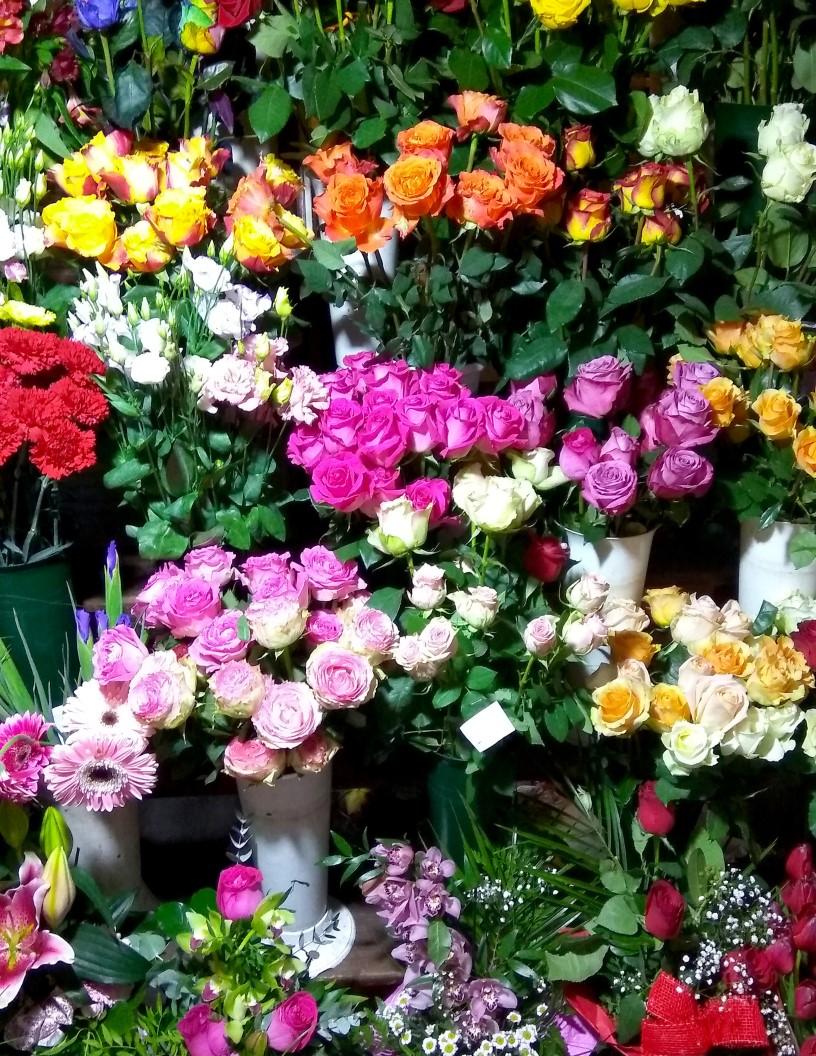


Cut Flowers Market Size 2025-2029
The cut flowers market size is forecast to increase by USD 21.11 billion, at a CAGR of 5.8% between 2024 and 2029.
- The market is driven by the growing demand for decorative and aesthetic purposes in various sectors, including events, weddings, floriculture and personal use. The market is witnessing significant opportunities due to advancements in hybridization and biotechnology, enabling the creation of unique and long-lasting flower varieties. However, the market's growth is dependent on climatic conditions, making it a challenging industry for consistent production and supply. Hybridization and biotechnology are revolutionizing the market by introducing new varieties with improved resistance to diseases, longer vase life, and unique colors. Nevertheless, the industry faces challenges due to the unpredictability of weather conditions, which can significantly impact production and supply.
- Companies seeking to capitalize on market opportunities should focus on research and development of climate-resistant varieties and explore alternative production methods to mitigate the risks associated with climatic conditions. Effective supply chain management and strategic partnerships with local growers can also help mitigate the risks and ensure a consistent supply of cut flowers.
What will be the Size of the Cut Flowers Market during the forecast period?

Explore in-depth regional segment analysis with market size data - historical 2019-2023 and forecasts 2025-2029 - in the full report.
Request Free Sample
The market continues to evolve, driven by dynamic consumer preferences and advancements in technology. Retail florists and wholesale businesses adapt to these shifts, integrating various sectors to cater to diverse clientele. Calla lilies, with their long shelf life and elegant appearance, remain popular choices for wedding and event flowers. Irrigation systems and environmental controls ensure optimal growing conditions for these blooms, enhancing their quality and color. Flower size, a significant factor in consumer decisions, is addressed through selective breeding and innovative growing techniques. Fair trade and organic flowers gain traction, reflecting growing concerns for sustainability. Floral design incorporates unique elements, such as floral crowns and intricate arrangements, to create visually stunning displays.
Flower grading, disease management, and pest control ensure consistent product quality. Online flower delivery and subscription services cater to modern consumers' convenience. Cold chain logistics and post-harvest handling maintain the freshness of cut flowers, extending their shelf life. Growing media and vertical farming technologies contribute to year-round production and reduced environmental impact. Gerbera daisies, known for their vibrant colors and long vase life, are a staple in the industry. Floral photography showcases the beauty of these blooms, while floral sustainability initiatives promote responsible business practices. Potted plants and floral arrangements, often used for funeral services, offer comfort and symbolism.Floral design continues to push boundaries, integrating technology and creativity to captivate audiences. The market's continuous evolution underscores its resilience and adaptability, ensuring its relevance in various sectors.
How is this Cut Flowers Industry segmented?
The cut flowers industry research report provides comprehensive data (region-wise segment analysis), with forecasts and estimates in "USD million" for the period 2025-2029, as well as historical data from 2019-2023 for the following segments.
- Distribution Channel
- Offline
- Online
- End-user
- Commercial
- Residential
- Method
- Conventional
- Organic
- Product Type
- Rose
- Chrysanthemum
- Carnation
- Gerbera
- Others
- Geography
- North America
- US
- Canada
- Europe
- France
- Germany
- Italy
- The Netherlands
- UK
- APAC
- China
- India
- Japan
- Rest of World (ROW)
- North America
By Distribution Channel Insights
The offline segment is estimated to witness significant growth during the forecast period.
In the market, offline sales channels continue to hold significance as customers seek a sensory experience when purchasing fresh blooms. Traditional retail outlets, such as local flower shops, supermarkets, farmers markets, and floral boutiques,ornamental flower offer an opportunity for customers to inspect the quality, color, and freshness of flowers before making a purchase. The expertise of florists in these physical stores provides valuable guidance for creating custom floral arrangements based on individual preferences and occasions. Environmental controls play a crucial role in preserving the shelf life of cut flowers. Florists employ various techniques, including proper temperature and humidity levels, to ensure the longevity of the blooms.
Disease management and pest control are essential aspects of maintaining a healthy inventory, with flower breeders continually developing new varieties with improved resistance to common issues. Subscription services have emerged as a popular trend, offering regular deliveries of fresh flowers to customers' homes or workplaces. Cut flower preservation techniques, such as flower food solutions and cold chain logistics, are essential for ensuring the flowers remain fresh during transportation. Online flower delivery services have gained traction, providing customers with a wide selection of flowers and convenience. However, the sensory experience and personalized recommendations offered by retail florists cannot be replicated online.
Potted plants and flower packaging are essential components of the market, with innovative designs and sustainable materials increasingly in demand. Flower auctions and wholesale florists cater to large-scale buyers, providing access to a diverse range of flowers and competitive pricing. Stem length, flower size, and color grading are essential considerations for both retailers and wholesalers. Floral sustainability, fair trade flowers, and organic flowers are becoming increasingly important to consumers, driving demand for environmentally responsible growing practices and ethical sourcing. Greenhouse technology and vertical farming are revolutionizing the cut flowers industry, enabling year-round production and reducing the carbon footprint of flower transportation.
Floral arrangements, floral photography, and event flowers are all integral aspects of the market, with irrigation systems and floral design playing essential roles in creating stunning displays. In summary, the market is a dynamic and evolving industry, with various players and trends shaping its growth. Offline sales channels offer a sensory experience and personalized recommendations, while online channels provide convenience and a wide selection. Environmental controls, disease management, and pest control are essential for maintaining the health and longevity of flowers. Subscription services, flower preservation techniques, and sustainable practices are driving innovation and growth in the market.
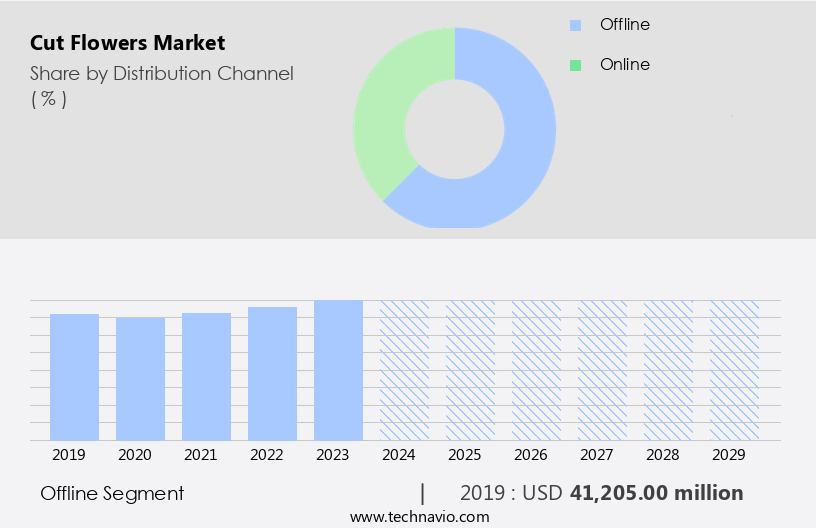
The Offline segment was valued at USD 41.21 billion in 2019 and showed a gradual increase during the forecast period.
Regional Analysis
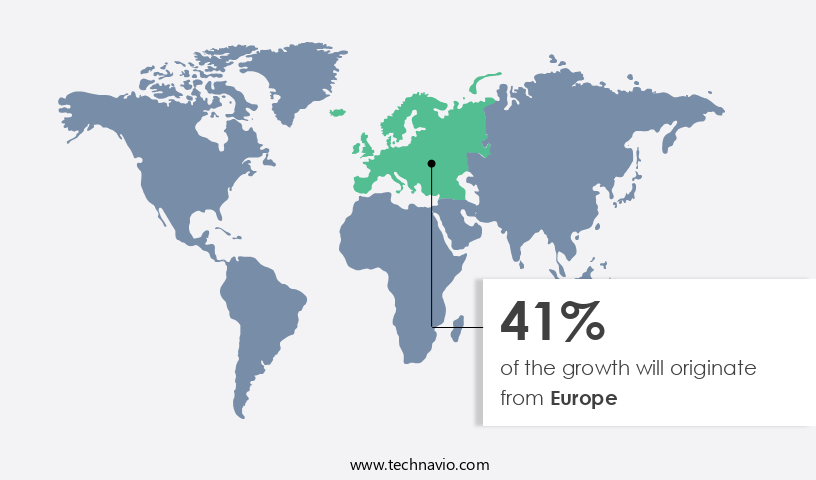
Europe is estimated to contribute 41% to the growth of the global market during the forecast period.Technavio's analysts have elaborately explained the regional trends and drivers that shape the market during the forecast period.
The European market for cut flowers and ornamental plants is a significant global player, with Germany, the UK, France, and the Netherlands being major consumers and exporters. Rose is the most popular cut flower, with notable imports from India, particularly from regions like Pune and Bengaluru. Traditional shipping methods via sea routes are increasingly utilized to reduce costs. Retail florists and wholesale businesses prioritize preservation techniques, such as cut flower preservation and post-harvest handling, to ensure long shelf life and maintain flower color. Disease management and pest control are essential aspects of the industry, with environmental controls and irrigation systems playing a crucial role.
Subscription services and online flower delivery have gained traction, offering convenience and flexibility to consumers. Floral arrangements, including wedding flowers and funeral flowers, are popular applications for cut flowers. Floral photography and sustainability are growing trends, with a focus on cold chain logistics, fair trade flowers, organic flowers, and growing media. Greenhouse technology and vertical farming are integral to the industry, enabling year-round production and efficient resource utilization. Calla lilies, baby's breath, and gerbera daisies are among the popular flower varieties. Floral design and flower grading are essential skills for industry professionals, with stem length and flower size being critical factors.
Potted plants and flower bulbs are complementary offerings in the market, with flower packaging and auction services facilitating trade. Market dynamics include disease management, pest control, and quality control, ensuring a harmonious balance for industry growth.
Market Dynamics
Our researchers analyzed the data with 2024 as the base year, along with the key drivers, trends, and challenges. A holistic analysis of drivers will help companies refine their marketing strategies to gain a competitive advantage.
The global cut flowers market size and forecast projects growth, driven by cut flowers market trends 2025-2029. B2B cut flower supply solutions leverage sustainable flower cultivation technologies for freshness. Cut flowers market growth opportunities 2025 include cut flowers for events and organic cut flowers, meeting consumer preferences. Flower supply chain software optimizes operations, while cut flowers market competitive analysis highlights key growers. Sustainable cut flower practices align with eco-friendly flower trends. Cut flowers regulations 2025-2029 shapes cut flowers demand in Europe 2025. Premium cut flower varieties and cut flowers market insights boost appeal. Cut flowers for retail and customized flower arrangements target niches. Cut flowers market challenges and solutions address logistics, with direct procurement strategies for flowers and cut flowers pricing optimization enhancing profitability. Data-driven cut flower analytics and seasonal flower trends drive innovation.
What are the key market drivers leading to the rise in the adoption of Cut Flowers Industry?
- The use of cut flowers for decorative and aesthetic purposes is the primary factor driving the market's growth. Cut flowers play a significant role in various industries, including events, hospitality, and retail, where their visual appeal enhances the overall experience for consumers. This trend is expected to continue as people seek to add beauty and charm to their personal and professional spaces.
- Cut flowers play a pivotal role in various decorative applications, particularly for special occasions such as weddings, funerals, anniversaries, and birthday celebrations. These events often feature flowers as a significant portion of their budget, reflecting their importance in cultural and traditional practices. Popular choices for funeral arrangements include lilies, carnations, chrysanthemums, gladioli, daffodils, and tulips. For weddings, roses, tulips, lilies, and hydrangeas are commonly used, while jasmine, marigold, gerbera daisies, orchids, and freesias are popular in Indian weddings. Preserving the freshness of cut flowers is crucial, necessitating post-harvest handling techniques such as cold chain logistics and floral crowns.
- Floral sustainability is also a growing concern, with an increasing emphasis on greenhouse technology and eco-friendly practices. Stem length is another essential factor, as certain flowers require longer stems for proper display. Floral photography also plays a significant role in showcasing the beauty and vibrancy of these blooms. Gerbera daisies, with their large, colorful heads, are a popular choice for various events and decorations. Baby's breath, with its delicate white flowers, is often used as a filler in bouquets and arrangements. Floral sustainability and cold chain logistics are essential to ensure the freshness and longevity of these flowers.
- In summary, the market is driven by the demand for fresh, vibrant blooms for decorative purposes, particularly during special occasions. Floral sustainability, post-harvest handling techniques, and stem length are critical factors influencing the market dynamics. Gerbera daisies and baby's breath are popular choices, with a focus on maintaining their freshness and longevity through eco-friendly practices and cold chain logistics.
What are the market trends shaping the Cut Flowers Industry?
- The integration of hybridization and biotechnology is shaping the market trend by generating new opportunities (Impact of hybridization and biotechnology). These innovations are mandatory for professional advancements in various industries.
- The market is witnessing significant growth due to the increasing demand for floral arrangements in various events, particularly weddings. Floral design continues to evolve, with a focus on larger, statement-making flower sizes. Sustainability is a key trend in the industry, with the use of fair trade flowers and organic flowers becoming more prevalent. Irrigation systems are being optimized to improve water efficiency and reduce waste.
- Additionally, there is a growing interest in innovative growing media and vertical farming techniques to increase production capacity and reduce the environmental impact of traditional farming methods. Hybridization of ornamental plants, such as roses, is also gaining popularity to offer a wider range of varieties and meet the diverse needs of consumers.
What challenges does the Cut Flowers Industry face during its growth?
- The growth of the industry is significantly influenced by the dependence on unfavorable climatic conditions, posing a substantial challenge.
- The market faces significant challenges due to unpredictable climatic conditions. Extreme temperatures and irregular growing seasons can disrupt traditional cultivation, impacting both flower quality and availability. Water scarcity and alterations in irrigation resources pose threats to the health and yield of flower crops, which require consistent water supply. Additionally, changes in temperature and humidity levels can increase the prevalence of pests and diseases, adding complexity to flower cultivation. The adaptability of various flower varieties may be compromised, leading to shifts in the types of flowers that can be successfully grown.
- Flower breeding and preservation techniques, such as calla lily cultivation and advanced flower bulb storage methods, are essential for mitigating these challenges. Furthermore, subscription services and environmental controls are increasingly important for maintaining optimal flower conditions during transportation and retail display. Disease management strategies are also crucial for maintaining the shelf life and color of cut flowers.
Exclusive Customer Landscape
The cut flowers market forecasting report includes the adoption lifecycle of the market, covering from the innovator's stage to the laggard's stage. It focuses on adoption rates in different regions based on penetration. Furthermore, the cut flowers market report also includes key purchase criteria and drivers of price sensitivity to help companies evaluate and develop their market growth analysis strategies.
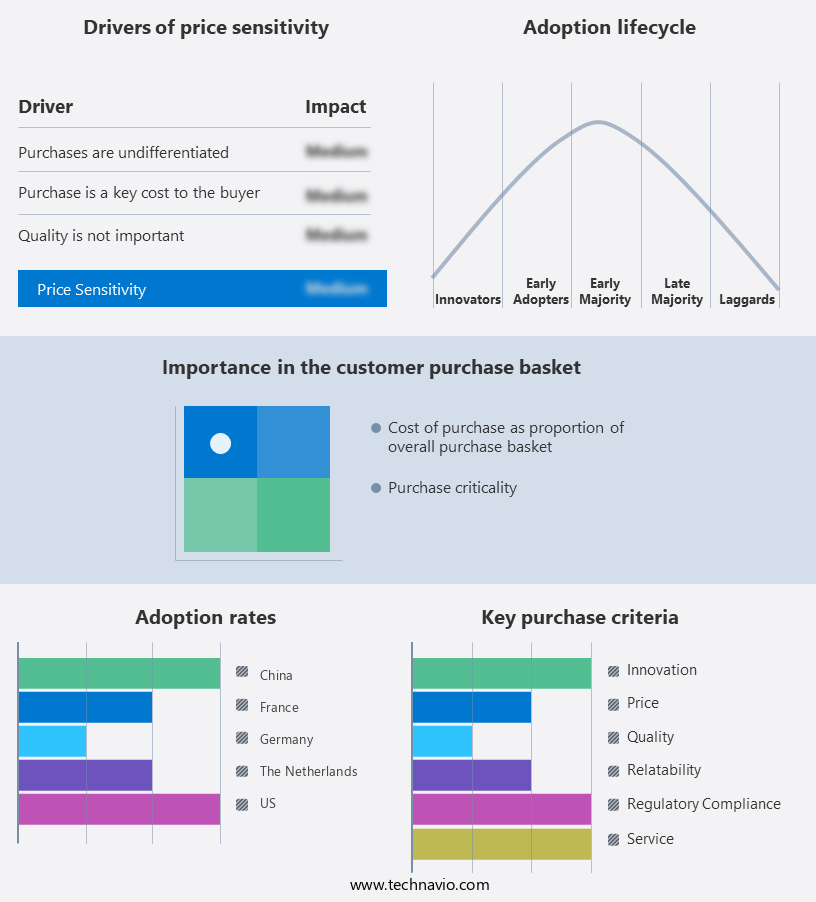
Customer Landscape
Key Companies & Market Insights
Companies are implementing various strategies, such as strategic alliances, cut flowers market forecast, partnerships, mergers and acquisitions, geographical expansion, and product/service launches, to enhance their presence in the industry.
Astra Fund Holland BV - This company specializes in the production and distribution of a selection of cut flowers, including Calocephalus silver star, Pericallis PRCM0014, Pericallis PRCM0018, and Pericallis PRCM0019. These blooms undergo rigorous quality control processes to ensure their freshness and vibrancy, making them a popular choice for various markets worldwide. The company's extensive horticultural expertise and commitment to innovation drive the continuous introduction of new and captivating floral varieties.
The industry research and growth report includes detailed analyses of the competitive landscape of the market and information about key companies, including:
- Astra Fund Holland BV
- Beekenkamp Verpakkingen B.V
- Danziger Group
- David Austin Roses
- Dummen Orange
- Esmeralda Farms
- Flamingo Horticulture investments
- Floralife
- Florius Flowers
- Jet Fresh Flower
- Karen Roses
- Marginpar BV
- Multiflora
- Newey Ltd.
- Rosebud
- Selecta Cut Flowers SAU
- Soex Flora
- Tulips
Qualitative and quantitative analysis of companies has been conducted to help clients understand the wider business environment as well as the strengths and weaknesses of key industry players. Data is qualitatively analyzed to categorize companies as pure play, category-focused, industry-focused, and diversified; it is quantitatively analyzed to categorize companies as dominant, leading, strong, tentative, and weak.
Recent Development and News in Cut Flowers Market
- In January 2024, leading cut flower supplier, Floramerica, announced the launch of its new line of ethically-sourced, eco-friendly roses, in collaboration with the Rainforest Foundation (RF). This partnership aimed to promote sustainable farming practices and reduce the environmental impact of rose production (Floramerica Press Release).
- In March 2024, Dutch flower company, Royal FloraHolland, acquired a 49% stake in South American cut flower supplier, Floragro S.A., marking their entry into the Latin American market. This strategic move was expected to increase their market share and diversify their supplier base (Royal FloraHolland Press Release).
- In May 2024, the European Union (EU) approved a new regulation on organic production and labeling of cut flowers. This policy change was expected to boost demand for organic flowers and create new opportunities for organic flower growers (European Commission Press Release).
- In April 2025, American cut flower retailer, 1-800-Flowers.Com, raised USD100 million in a funding round led by BlackRock. This investment was aimed at expanding their online presence, enhancing their technology, and exploring new market opportunities (1-800-Flowers.Com Press Release).
Research Analyst Overview
- The market exhibits dynamic trends as consumer preferences shift towards sustainable practices and unique floral designs. Resource management plays a crucial role in addressing these trends, with companies implementing water usage and waste management initiatives to reduce their carbon footprint. Pricing strategies are also evolving, with a focus on providing superior customer experience and competitive differentiation. Floral art and styling continue to influence trends, with color palettes and event designs reflecting current fashion and cultural influences. Technology is transforming the industry, with the use of floral design software, marketing strategies on e-commerce platforms, and demand forecasting techniques powered by AI.
- The floral supply chain is undergoing significant changes, with a focus on inventory management and international trade regulations. Energy consumption remains a concern, with companies exploring renewable energy sources and energy-efficient practices. Overall, the market is a vibrant and evolving industry, driven by consumer preferences and technological advancements.
Dive into Technavio's robust research methodology, blending expert interviews, extensive data synthesis, and validated models for unparalleled Cut Flowers Market insights. See full methodology.
|
Market Scope |
|
|
Report Coverage |
Details |
|
Page number |
217 |
|
Base year |
2024 |
|
Historic period |
2019-2023 |
|
Forecast period |
2025-2029 |
|
Growth momentum & CAGR |
Accelerate at a CAGR of 5.8% |
|
Market growth 2025-2029 |
USD 21106.2 million |
|
Market structure |
Fragmented |
|
YoY growth 2024-2025(%) |
5.1 |
|
Key countries |
US, UK, Germany, China, Italy, Canada, France, The Netherlands, Japan, and India |
|
Competitive landscape |
Leading Companies, Market Positioning of Companies, Competitive Strategies, and Industry Risks |
What are the Key Data Covered in this Cut Flowers Market Research and Growth Report?
- CAGR of the Cut Flowers industry during the forecast period
- Detailed information on factors that will drive the growth and forecasting between 2025 and 2029
- Precise estimation of the size of the market and its contribution of the industry in focus to the parent market
- Accurate predictions about upcoming growth and trends and changes in consumer behaviour
- Growth of the market across Europe, North America, APAC, South America, and Middle East and Africa
- Thorough analysis of the market's competitive landscape and detailed information about companies
- Comprehensive analysis of factors that will challenge the cut flowers market growth of industry companies
We can help! Our analysts can customize this cut flowers market research report to meet your requirements.
 RIA -
RIA -