


Car Leasing Market Size 2026-2030
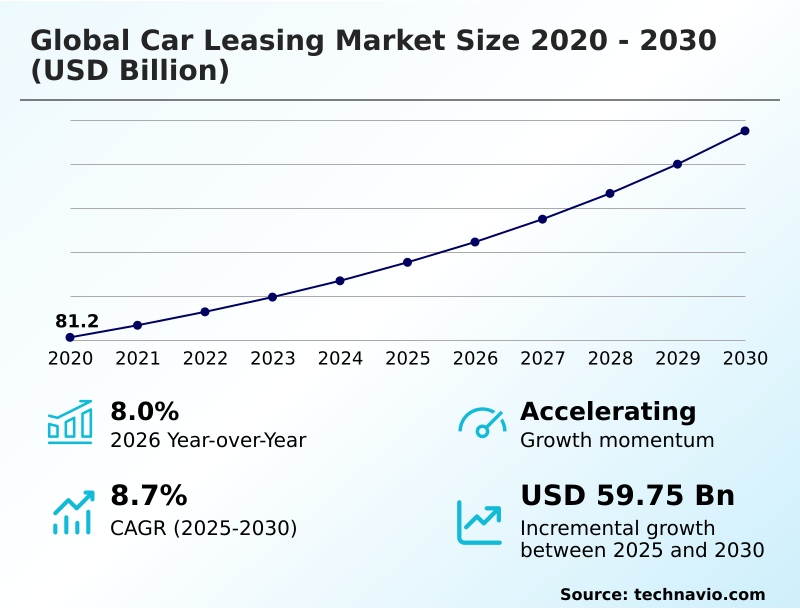
The car leasing market size is valued to increase by USD 59.75 billion, at a CAGR of 8.7% from 2025 to 2030. Paradigm shift from vehicle ownership to usership will drive the car leasing market.
Major Market Trends & Insights
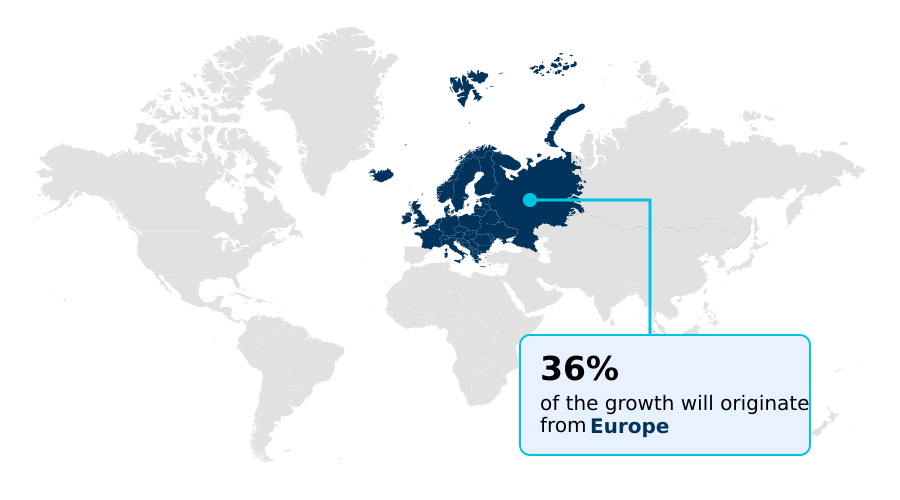
- Europe dominated the market and accounted for a 35.5% growth during the forecast period.
- By End-user - Commercial segment was valued at USD 81.79 billion in 2024
- By Type - Open-ended segment accounted for the largest market revenue share in 2024
Market Size & Forecast
- Market Opportunities: USD 93.85 billion
- Market Future Opportunities: USD 59.75 billion
- CAGR from 2025 to 2030 : 8.7%
Market Summary
- The car leasing market is undergoing a significant transformation, moving beyond a simple financing mechanism to become an integral component of modern mobility. This shift is driven by changing consumer and corporate preferences that prioritize access over ownership, financial predictability, and operational efficiency.
- For businesses, corporate vehicle leasing programs offer compelling advantages, including capital expenditure avoidance and the ability to outsource complex vehicle lifecycle administration to specialized providers. This allows companies to focus on core activities while benefiting from optimized fleet utilization and effective depreciation risk management.
- In the consumer space, personal contract hire options provide access to newer, safer vehicles with the latest connected car technology without the long-term commitment or financial risk of ownership. The industry is also a key enabler of sustainability goals, as electric vehicle (EV) leasing makes greener technologies more accessible by mitigating concerns over high upfront costs and residual value uncertainty.
- However, the car leasing market faces challenges from the rise of Mobility-as-a-Service (MaaS) platforms and the need for continuous digital transformation to meet heightened customer expectations for seamless, on-demand service.
What will be the Size of the Car Leasing Market during the forecast period?
Get Key Insights on Market Forecast (PDF) Request Free Sample
How is the Car Leasing Market Segmented?
The car leasing industry research report provides comprehensive data (region-wise segment analysis), with forecasts and estimates in "USD million" for the period 2026-2030, as well as historical data from 2020-2024 for the following segments.
- End-user
- Commercial
- Non-commercial
- Type
- Open-ended
- Close ended
- Vehicle type
- Passenger cars
- Commercial vehicles
- Geography
- Europe
- Germany
- UK
- France
- North America
- US
- Canada
- Mexico
- APAC
- China
- Japan
- India
- South America
- Brazil
- Argentina
- Colombia
- Middle East and Africa
- UAE
- Saudi Arabia
- South Africa
- Rest of World (ROW)
- Europe
By End-user Insights
The commercial segment is estimated to witness significant growth during the forecast period.
The commercial segment is foundational, driven by the strategic need for optimal asset management and operational efficiency. Through business fleet leasing benefits, companies achieve critical capital expenditure avoidance, transforming vehicle acquisition into a predictable operational expense.
This shift enhances cash flow and supports both large corporations and SME fleet management services. Comprehensive fleet management solutions are central, offering outsourced fleet administration from procurement to used vehicle remarketing.
Such services ensure regulatory compliance and optimize fleet utilization, with data analytics enabling advanced cost control and vehicle asset management. Firms leveraging these services report up to a 15% reduction in operational overhead.
This focus on economic rationality makes commercial vehicle leasing indispensable for modern business strategy.
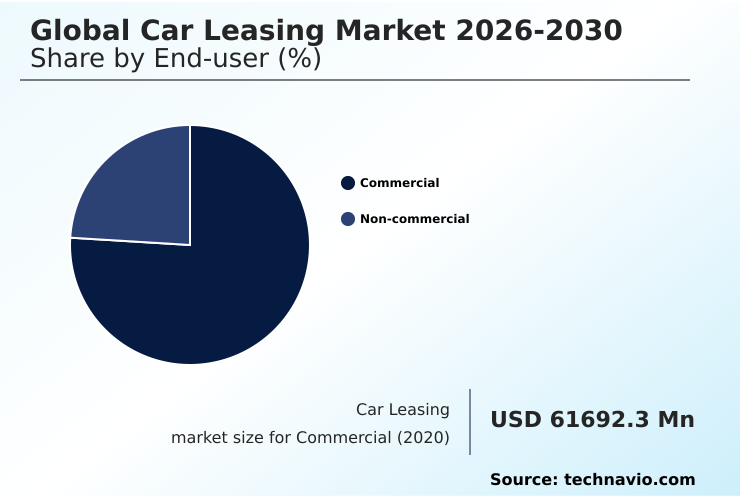
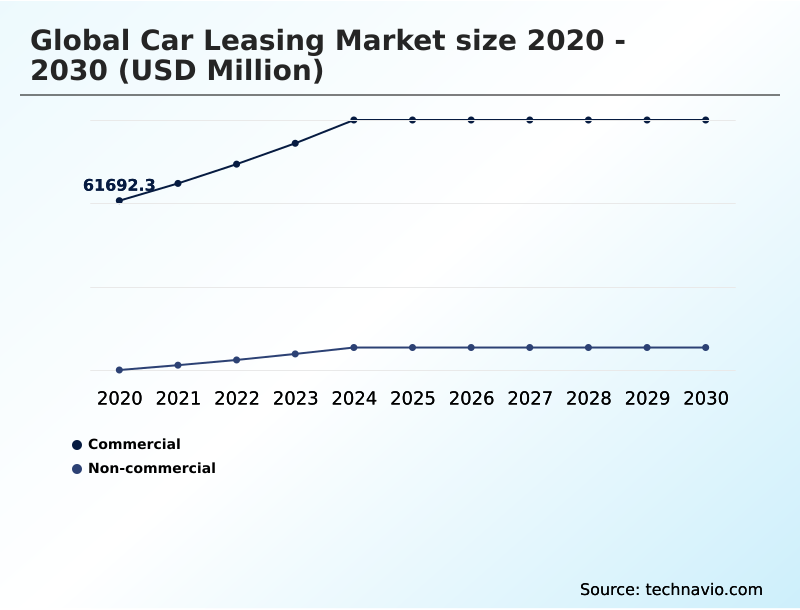
The Commercial segment was valued at USD 81.79 billion in 2024 and showed a gradual increase during the forecast period.
Regional Analysis
Europe is estimated to contribute 35.5% to the growth of the global market during the forecast period.Technavio’s analysts have elaborately explained the regional trends and drivers that shape the market during the forecast period.
See How Car Leasing Market Demand is Rising in Europe Request Free Sample
Europe leads the global landscape, commanding over 35% of market activity due to mature corporate sectors and aggressive fleet electrification mandates. North America follows, where captive finance arms drive a robust consumer market accustomed to closed-end lease structures.
The fastest growth is in APAC, projected at 9.7% annually, fueled by urbanization and rising demand for SME fleet management services where operational leasing is a key financial tool.
Distinct models thrive regionally, such as novated leasing as a salary packaging arrangement in Australia. Emerging regions see growth in luxury car leasing deals and vehicle leasing for expatriates.
The open-ended lease remains a critical tool for commercial fleets with unpredictable usage patterns globally.
Market Dynamics
Our researchers analyzed the data with 2025 as the base year, along with the key drivers, trends, and challenges. A holistic analysis of drivers will help companies refine their marketing strategies to gain a competitive advantage.
- The strategic landscape for leasing providers is increasingly complex, requiring a deep understanding of nuanced customer needs. For corporate clients, the decision framework involves questions like how does open-ended leasing work for commercial fleets, especially for those needing flexibility without mileage penalties. Small businesses are discovering the benefits of full-service leasing for small business, which simplifies operations and budget management.
- A major area of focus is understanding residual value in an EV lease, as this is critical for pricing and risk. The digital transformation in the vehicle leasing process is now paramount, directly impacting the customer experience in the digital car leasing journey from initial query to contract finalization.
- Providers must offer clear guidance on how to calculate total cost of a car lease and explain how to manage wear and tear charges on a leased car to build trust. As business becomes more global, addressing the challenges of managing a cross-border vehicle fleet is a key differentiator.
- The industry must also clarify what is a Terminal Rental Adjustment Clause (TRAC) lease to its commercial clients. For individuals, providers must explain the tax implications of novated car leasing and help them compare car subscription services vs traditional lease.
- Offering the best lease options for high-mileage drivers and a flexible car lease for temporary work assignments opens up new market segments. The growing impact of MaaS platforms on corporate leasing and the influence of how do manufacturer captive finance arms influence leasing are strategic threats that demand innovative responses.
- Ultimately, success will depend on a combination of effective strategies for remarketing off-lease vehicles effectively, a solid legal framework for corporate vehicle leasing, and leveraging the role of data analytics in residual value prediction, which is now more critical than transitioning a corporate fleet to electric vehicles, where operational gains can surpass initial cost concerns by a factor of two.
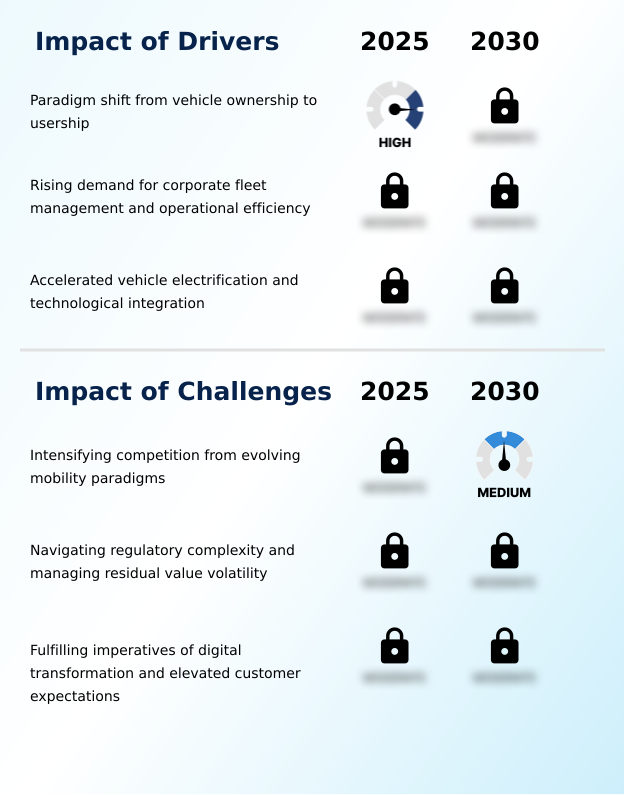
What are the key market drivers leading to the rise in the adoption of Car Leasing Industry?
- A paradigm shift in consumer and corporate mindset from traditional vehicle ownership to a more flexible, service-oriented usership model is a primary driver for the market.
- The paradigm shift to usership is a core market driver, centered on financial flexibility and effective depreciation risk management.
- Corporate vehicle leasing programs are expanding as businesses seek to lower the total cost of ownership (TCO) by converting assets to operational expenses. This strategy is enabled by full-service leasing arrangements offering superior cost control and financial risk mitigation.
- The use of telematics for fleet efficiency through advanced telematics data integration provides up to a 20% improvement in fleet performance.
- The rapid pace of innovation also drives the market, as a clear fleet electrification strategy makes low-emission vehicle leasing a crucial, low-risk pathway for accessing evolving technology without the uncertainty of long-term capital commitment.
What are the market trends shaping the Car Leasing Industry?
- The emergence of flexible leasing arrangements and vehicle subscription services represents a transformative market trend. These models cater to a growing demand for adaptable, short-term mobility solutions.
- The market's evolution is defined by a digital transformation enabling highly flexible mobility. The rise of the all-inclusive car subscription model and flexible short-term car lease options caters to modern demands for adaptability, with online lease comparison tools enhancing transparency. This shift is enabled by digital vehicle configurators and rapid online credit assessment, reducing application-to-approval times by over 40%.
- The trend toward sustainable mobility solutions also accelerates adoption of electric vehicle (EV) leasing, a key part of modern asset management. Proliferation of connected car technology allows for predictive maintenance alerts, ensuring users can access the latest software-defined products and advanced driver-assistance systems (ADAS) without long-term ownership risk.
What challenges does the Car Leasing Industry face during its growth?
- The market faces a significant challenge from intensifying competition, which stems from a diverse and evolving ecosystem of alternative mobility paradigms.
- The industry faces intense competition from Mobility-as-a-Service (MaaS) platforms and asset-light business models. A critical challenge involves navigating the residual value risk in leasing, particularly with the volatility of residual value forecasting for EVs, where miscalculations can impact margins by over 10%. Managing disparate regulations, including complex company car tax implications and benefit-in-kind taxation, adds operational burden.
- Furthermore, meeting customer expectations for lease contract flexibility requires a robust customer relationship management system providing a frictionless digital experience. This includes transparently handling terms like mileage allowance and wear-and-tear standards, as well as the end-of-lease purchase option, challenging traditional vehicle lifecycle administration.
Exclusive Technavio Analysis on Customer Landscape
The car leasing market forecasting report includes the adoption lifecycle of the market, covering from the innovator’s stage to the laggard’s stage. It focuses on adoption rates in different regions based on penetration. Furthermore, the car leasing market report also includes key purchase criteria and drivers of price sensitivity to help companies evaluate and develop their market growth analysis strategies.
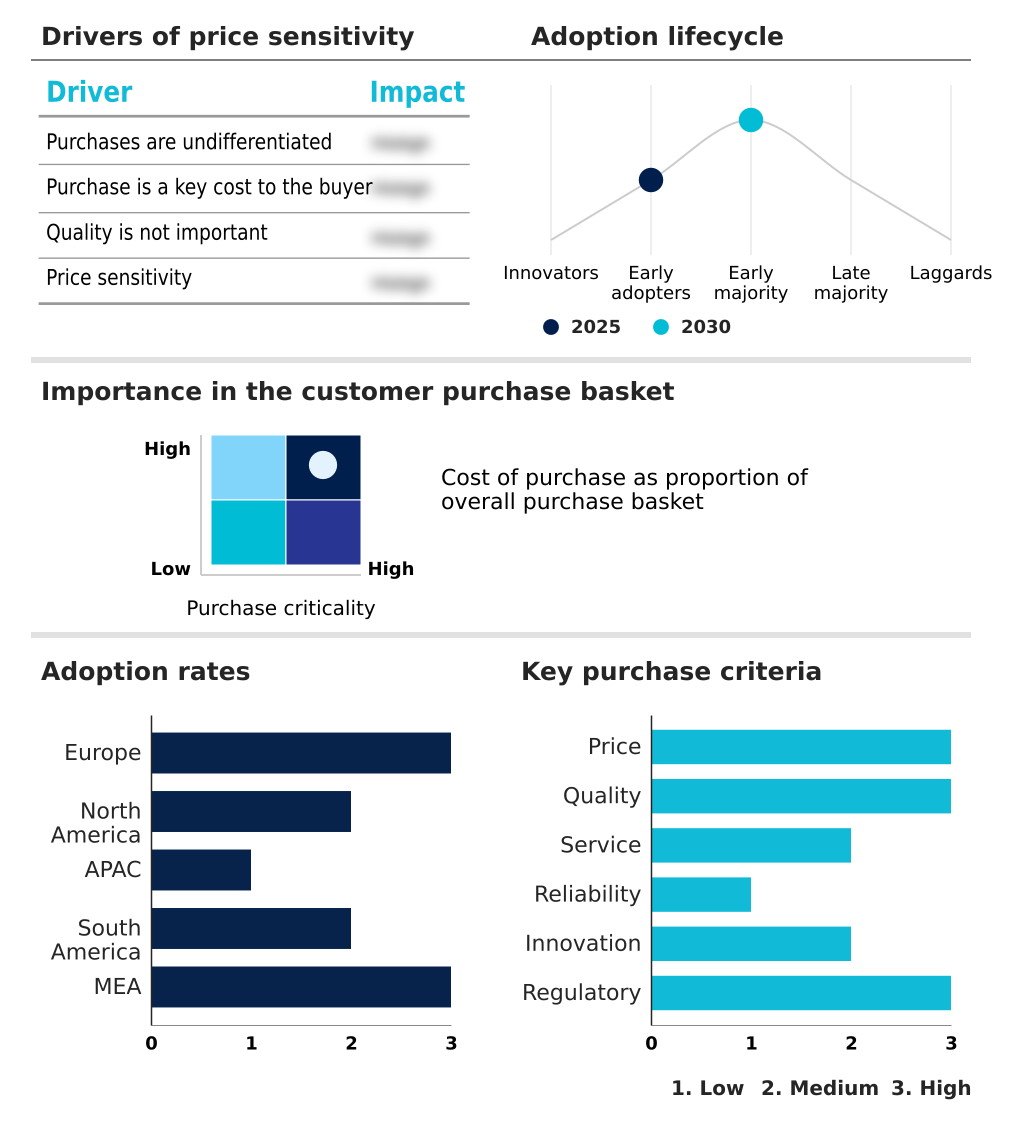
Customer Landscape of Car Leasing Industry
Competitive Landscape
Companies are implementing various strategies, such as strategic alliances, car leasing market forecast, partnerships, mergers and acquisitions, geographical expansion, and product/service launches, to enhance their presence in the industry.
Autoflex Group LLC - Offers vehicle leasing solutions developed through strategic alliances with fleet operators and mobility providers, enhancing asset-light business models.
The industry research and growth report includes detailed analyses of the competitive landscape of the market and information about key companies, including:
- Autoflex Group LLC
- Avis Budget Group Inc.
- Ayvens Group
- Bayerische Motoren Werke AG
- BNP Paribas SA
- Caldwell Leasing
- Deutsche Leasing AG
- Dr. Ing. h.c. F. Porsche AG
- Enterprise Holdings Inc.
- Executive Car Leasing Co.
- ExpatRide International Inc.
- Hertz Global Holdings Inc.
- International Car Lease Holding
- Masterlease Group
- Mazda Motor Corp.
- Mercedes Benz Group AG
- Orix Corp.
- SIXT SE
- Volkswagen AG
- Zoomcar India Pvt. Ltd.
Qualitative and quantitative analysis of companies has been conducted to help clients understand the wider business environment as well as the strengths and weaknesses of key industry players. Data is qualitatively analyzed to categorize companies as pure play, category-focused, industry-focused, and diversified; it is quantitatively analyzed to categorize companies as dominant, leading, strong, tentative, and weak.
Recent Development and News in Car leasing market
- In February 2025, Ayvens entered into a framework agreement with Stellantis to purchase up to 500,000 vehicles for its long-term leasing fleet across Europe through 2026, with initial deliveries starting in the first half of 2025.
- In January 2025, SIXT SE announced a multi-billion euro agreement with Stellantis to purchase up to 250,000 vehicles for its rental fleets in Europe and North America over three years, including various EV models.
- In November 2024, Enterprise Holdings Inc. launched a new digital fleet management system integrating AI and telematics to enhance its corporate and EV leasing services across North America.
- In September 2024, Avis Budget Group partnered with Kia India to launch flexible vehicle leasing and subscription services, aiming to cater to evolving consumer mobility preferences in the Indian market.
Dive into Technavio’s robust research methodology, blending expert interviews, extensive data synthesis, and validated models for unparalleled Car Leasing Market insights. See full methodology.
| Market Scope | |
|---|---|
| Page number | 314 |
| Base year | 2025 |
| Historic period | 2020-2024 |
| Forecast period | 2026-2030 |
| Growth momentum & CAGR | Accelerate at a CAGR of 8.7% |
| Market growth 2026-2030 | USD 59748.9 million |
| Market structure | Fragmented |
| YoY growth 2025-2026(%) | 8.0% |
| Key countries | Germany, UK, France, Italy, Spain, The Netherlands, US, Canada, Mexico, China, Japan, India, Australia, South Korea, Indonesia, Brazil, Argentina, Colombia, UAE, Saudi Arabia, South Africa, Israel and Turkey |
| Competitive landscape | Leading Companies, Market Positioning of Companies, Competitive Strategies, and Industry Risks |
Research Analyst Overview
- The car leasing market is defined by a strategic pivot towards comprehensive mobility provision, driven by the need for advanced fleet management solutions and effective depreciation risk management. The industry's evolution requires mastery over both the open-ended lease for flexible commercial use and the closed-end lease for consumer predictability.
- Success now hinges on sophisticated residual value forecasting, where the use of data analytics has been shown to improve accuracy by over 18%, directly impacting profitability. Digital transformation is no longer optional; it is essential for everything from online credit assessment to managing the entire vehicle lifecycle administration.
- As companies pursue fleet electrification, the role of electric vehicle (EV) leasing becomes central, demanding new expertise in asset management. The integration of connected car technology enables predictive maintenance alerts, enhancing the value proposition of full-service leasing.
- Providers must also navigate complex regulatory landscapes, including benefit-in-kind taxation, while optimizing fleet utilization and ensuring robust customer relationship management to defend against disruption from Mobility-as-a-Service (MaaS) platforms and agile vehicle subscription services.
What are the Key Data Covered in this Car Leasing Market Research and Growth Report?
-
What is the expected growth of the Car Leasing Market between 2026 and 2030?
-
USD 59.75 billion, at a CAGR of 8.7%
-
-
What segmentation does the market report cover?
-
The report is segmented by End-user (Commercial, and Non-commercial), Type (Open-ended, and Close ended), Vehicle Type (Passenger cars, and Commercial vehicles) and Geography (Europe, North America, APAC, South America, Middle East and Africa)
-
-
Which regions are analyzed in the report?
-
Europe, North America, APAC, South America and Middle East and Africa
-
-
What are the key growth drivers and market challenges?
-
Paradigm shift from vehicle ownership to usership, Intensifying competition from evolving mobility paradigms
-
-
Who are the major players in the Car Leasing Market?
-
Autoflex Group LLC, Avis Budget Group Inc., Ayvens Group, Bayerische Motoren Werke AG, BNP Paribas SA, Caldwell Leasing, Deutsche Leasing AG, Dr. Ing. h.c. F. Porsche AG, Enterprise Holdings Inc., Executive Car Leasing Co., ExpatRide International Inc., Hertz Global Holdings Inc., International Car Lease Holding, Masterlease Group, Mazda Motor Corp., Mercedes Benz Group AG, Orix Corp., SIXT SE, Volkswagen AG and Zoomcar India Pvt. Ltd.
-
Market Research Insights
- Market dynamics are shaped by the tension between the financial benefits of leasing and the rise of alternative mobility. The clear advantages of capital expenditure avoidance and outsourced fleet administration drive strong adoption in the corporate sector, where telematics for fleet efficiency can reduce fuel costs by up to 15%.
- However, the increasing availability of on-demand services challenges the traditional lease model's rigidity. Providers are responding by enhancing lease contract flexibility and introducing all-inclusive car subscription services.
- The transition to sustainable mobility solutions is another key dynamic, with EV leasing adoption rates growing over 30% year-over-year in some regions, fueled by financial incentives and the desire to mitigate the residual value risk in leasing new technologies.
We can help! Our analysts can customize this car leasing market research report to meet your requirements.
 RIA -
RIA -