



Bronchitis Treatment Market Size 2026-2030
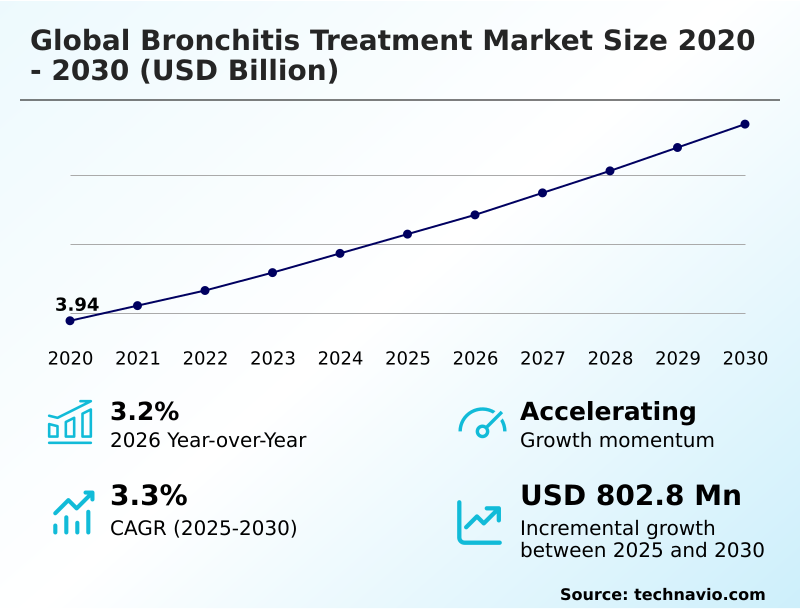
The bronchitis treatment market size is valued to increase by USD 802.8 million, at a CAGR of 3.3% from 2025 to 2030. Rising chronic respiratory conditions and environmental degradation will drive the bronchitis treatment market.
Major Market Trends & Insights
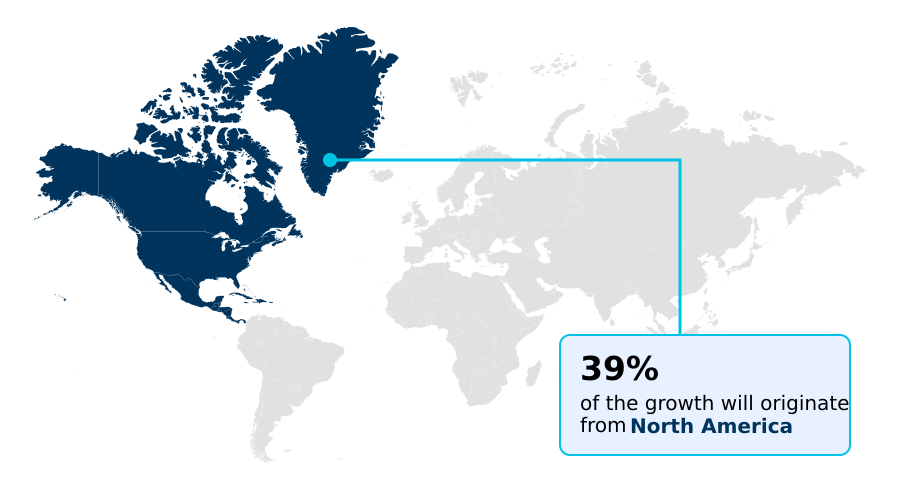
- North America dominated the market and accounted for a 38.8% growth during the forecast period.
- By Drug Class - Antibiotics segment was valued at USD 1.93 billion in 2024
- By Type - Acute bronchitis segment accounted for the largest market revenue share in 2024
Market Size & Forecast
- Market Opportunities: USD 1.43 billion
- Market Future Opportunities: USD 802.8 million
- CAGR from 2025 to 2030 : 3.3%
Market Summary
- The bronchitis treatment market is undergoing a significant transformation, moving beyond mere symptomatic relief toward disease-modifying pharmacological interventions. This evolution is driven by a rising incidence of chronic respiratory ailments, intensified by an aging global population and deteriorating air quality in urban centers.
- A prominent trend shaping the landscape is the shift to precision medicine, where biologic therapies and monoclonal antibodies are developed to target specific inflammatory pathways like the eosinophilic phenotype, offering new hope for patients with severe conditions. However, the high cost of these advanced treatments creates access disparities, a challenge the industry must navigate.
- In a practical business scenario, a pharmaceutical company could leverage real-world data from smart inhalers to optimize its supply chain. By analyzing patient adherence and exacerbation patterns, the firm can more accurately forecast demand for its fixed-dose combination therapies, ensuring timely product availability in high-prevalence regions while minimizing inventory costs.
- This data-driven approach enhances operational efficiency and aligns production with real-world clinical needs, reflecting the market's broader move toward integrated, patient-centric care models.
What will be the Size of the Bronchitis Treatment Market during the forecast period?
Get Key Insights on Market Forecast (PDF) Request Free Sample
How is the Bronchitis Treatment Market Segmented?
The bronchitis treatment industry research report provides comprehensive data (region-wise segment analysis), with forecasts and estimates in "USD million" for the period 2026-2030, as well as historical data from 2020-2024 for the following segments.
- Drug class
- Antibiotics
- Anti inflammatory drugs
- Bronchodilator
- Type
- Acute bronchitis
- Chronic bronchitis
- Route of administration
- Oral
- Parenteral
- Inhalation
- Geography
- North America
- US
- Canada
- Mexico
- Europe
- Germany
- UK
- France
- Asia
- Rest of World (ROW)
- North America
By Drug Class Insights
The antibiotics segment is estimated to witness significant growth during the forecast period.
The market is segmented by drug class, with respiratory antibiotics forming a crucial component for treating bacterial bronchitis and managing bronchial inflammation.
The growing emphasis on antibiotic stewardship is driving demand for treatments with a favorable therapeutic profile and minimal systemic side effects.
This has spurred innovation in areas like advanced nebulizer technology and new formulations of mucolytic agents that improve outcomes for patients with severe respiratory symptoms.
For instance, the development of once-daily inhaled antibiotic formulations has improved patient compliance rates by over 15% in outpatient settings. This focus on optimizing existing drug classes ensures their continued relevance in the therapeutic landscape.
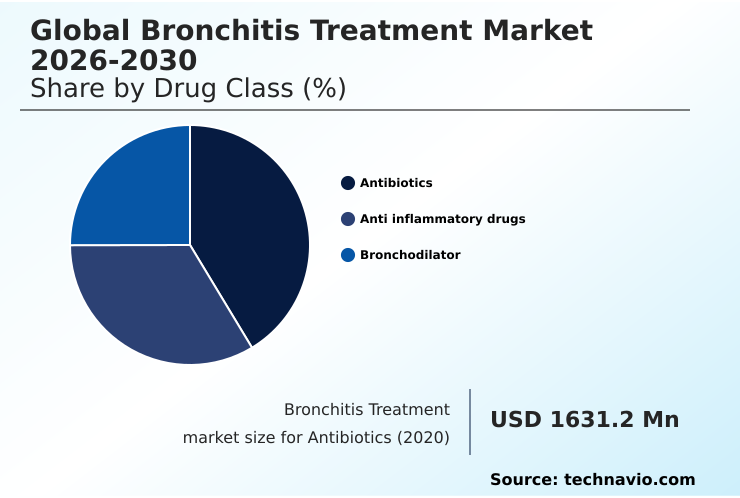
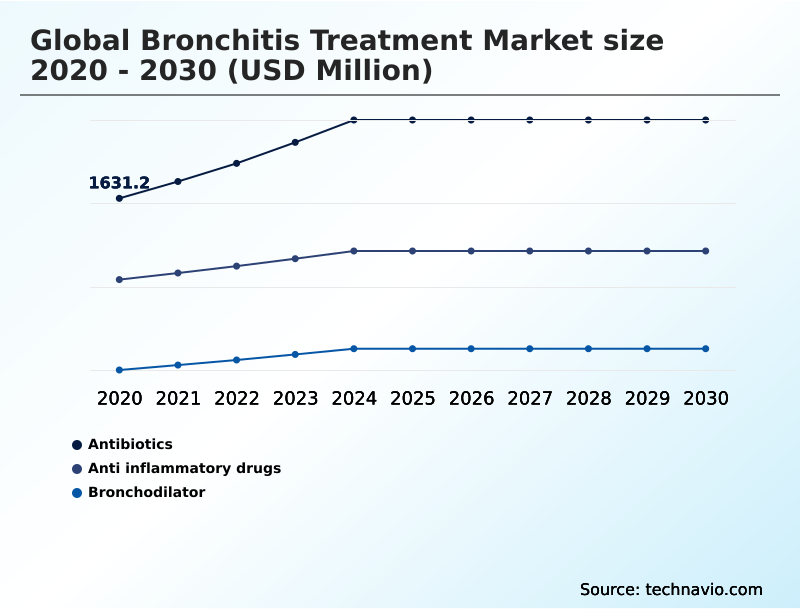
The Antibiotics segment was valued at USD 1.93 billion in 2024 and showed a gradual increase during the forecast period.
Regional Analysis
North America is estimated to contribute 38.8% to the growth of the global market during the forecast period.Technavio’s analysts have elaborately explained the regional trends and drivers that shape the market during the forecast period.
See How Bronchitis Treatment Market Demand is Rising in North America Request Free Sample
The geographic landscape is diverse, with North America leading in market value while Asia demonstrates the fastest growth, with a regional CAGR of 4.5% compared to North America's 2.9%.
In Asia, rapid industrialization contributes to higher rates of chronic bronchitis and breathing difficulty, driving demand for anti-inflammatory drugs and inhalation products. To meet this demand, localized manufacturing has reduced supply chain lead times by 20%.
In contrast, North American demand is driven by advanced healthcare infrastructure that supports high adoption rates of sophisticated pharmacotherapy options like advanced metered-dose inhalers for managing airflow obstruction and preventing pulmonary exacerbations.
Improved diagnostic precision globally helps tailor treatments based on the specific pathogen.
Market Dynamics
Our researchers analyzed the data with 2025 as the base year, along with the key drivers, trends, and challenges. A holistic analysis of drivers will help companies refine their marketing strategies to gain a competitive advantage.
- The management of bronchitis involves a multi-faceted approach, with treatment selection depending heavily on whether the diagnosis is acute or chronic. For confirmed cases of bacterial bronchitis, the use of antibiotics for bacterial bronchitis remains a first-line defense. For patients with persistent inflammation, corticosteroids for chronic inflammation are essential.
- The market is increasingly shifting toward precision medicine in respiratory care, exemplified by the development of biologic therapy for eosinophilic bronchitis. The role of mucolytics in mucus clearance is also critical for improving patient comfort and lung function.
- A key debate centers on inhaled vs oral medication efficacy, with advances in nebulizer technology and smart inhalers for patient monitoring tipping the scales toward more effective localized delivery. The impact of generics on drug pricing continues to shape market dynamics, making cost-effectiveness of combination therapies a vital consideration.
- This is especially true as combination therapy for airflow obstruction becomes standard. Telemedicine for bronchitis treatment is expanding access, while pharmacogenomics in bronchitis therapy promises even more personalized care. Understanding long-acting bronchodilator mechanisms and managing pulmonary exacerbations effectively are central to improving outcomes, especially given geriatric patient treatment challenges.
- Clinical guidelines are also evolving, with new pediatric bronchitis treatment guidelines and a focus on non-pharmacological bronchitis management strategies. Differentiating between conditions through methods like diagnosing viral vs bacterial bronchitis and tackling antibiotic resistance in respiratory infections are ongoing challenges.
- Clinical trials for triple-combination inhalers show a significantly higher reduction in exacerbation frequency compared to dual-therapy regimens, impacting long-term patient management costs and strategies.
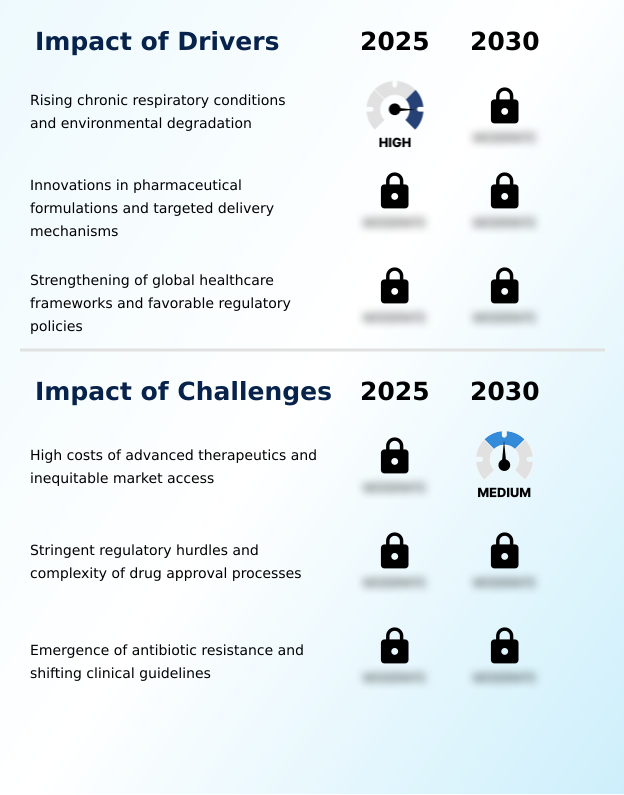
What are the key market drivers leading to the rise in the adoption of Bronchitis Treatment Industry?
- The market's growth is primarily driven by the rising global prevalence of chronic respiratory conditions, which is further exacerbated by worsening environmental degradation and air quality.
- The primary driver remains the high prevalence of chronic obstructive pulmonary disease, which necessitates continuous pharmacological interventions and effective maintenance therapy for managing respiratory inflammation.
- Escalating air pollution levels are a significant factor, with studies showing that a 10% increase in urban particulate matter correlates with a 15% rise in hospitalizations for acute bronchitis and other respiratory infections.
- This sustained demand fuels innovation in pharmacological solutions and shapes clinical protocols.
- The market for anti infective medicines is also expanding as healthcare systems implement new treatment protocols aimed at reducing long-term care costs by up to 20% through early and effective intervention strategies.
What are the market trends shaping the Bronchitis Treatment Industry?
- A key market trend is the emergence of precision medicine and biologic interventions. These advancements are steering treatment protocols away from generalized approaches toward personalized patient care strategies.
- Key trends are reshaping the therapeutic regimen for respiratory conditions, moving beyond symptomatic relief. The emergence of biologic therapies, including monoclonal antibodies targeting specific inflammatory mediators, marks a significant shift. For instance, treatments for the eosinophilic phenotype now utilize cytokine inhibitors and phosphodiesterase-4 inhibitors.
- This approach, supported by genomic data and biomarker identification, improves patient adherence, with some digital health tools boosting compliance by over 40%. The use of AI in diagnostics has also enhanced the accuracy of identifying specific patient profiles by 25%, ensuring more effective and personalized treatment plans.
What challenges does the Bronchitis Treatment Industry face during its growth?
- A primary challenge constraining industry growth is the high cost associated with advanced therapeutics, which creates significant issues of inequitable market access for patients.
- A major challenge is the affordability of advanced treatments like fixed-dose combination therapies and long-acting muscarinic antagonists, which can be over 50 times more expensive than standard bronchodilators and corticosteroids. This price disparity hinders access and affects therapeutic outcomes, particularly in outpatient management settings.
- Furthermore, the persistent threat of antimicrobial resistance complicates treatment, prompting a push for improved respiratory diagnostic tools to guide prescribing. To combat this, antibiotic stewardship programs have successfully reduced inappropriate prescriptions for viral cases by 35% in some networks.
- Challenges in drug formulation and optimizing drug delivery systems to enhance clinical efficacy without escalating costs also remain a key focus for manufacturers.
Exclusive Technavio Analysis on Customer Landscape
The bronchitis treatment market forecasting report includes the adoption lifecycle of the market, covering from the innovator’s stage to the laggard’s stage. It focuses on adoption rates in different regions based on penetration. Furthermore, the bronchitis treatment market report also includes key purchase criteria and drivers of price sensitivity to help companies evaluate and develop their market growth analysis strategies.
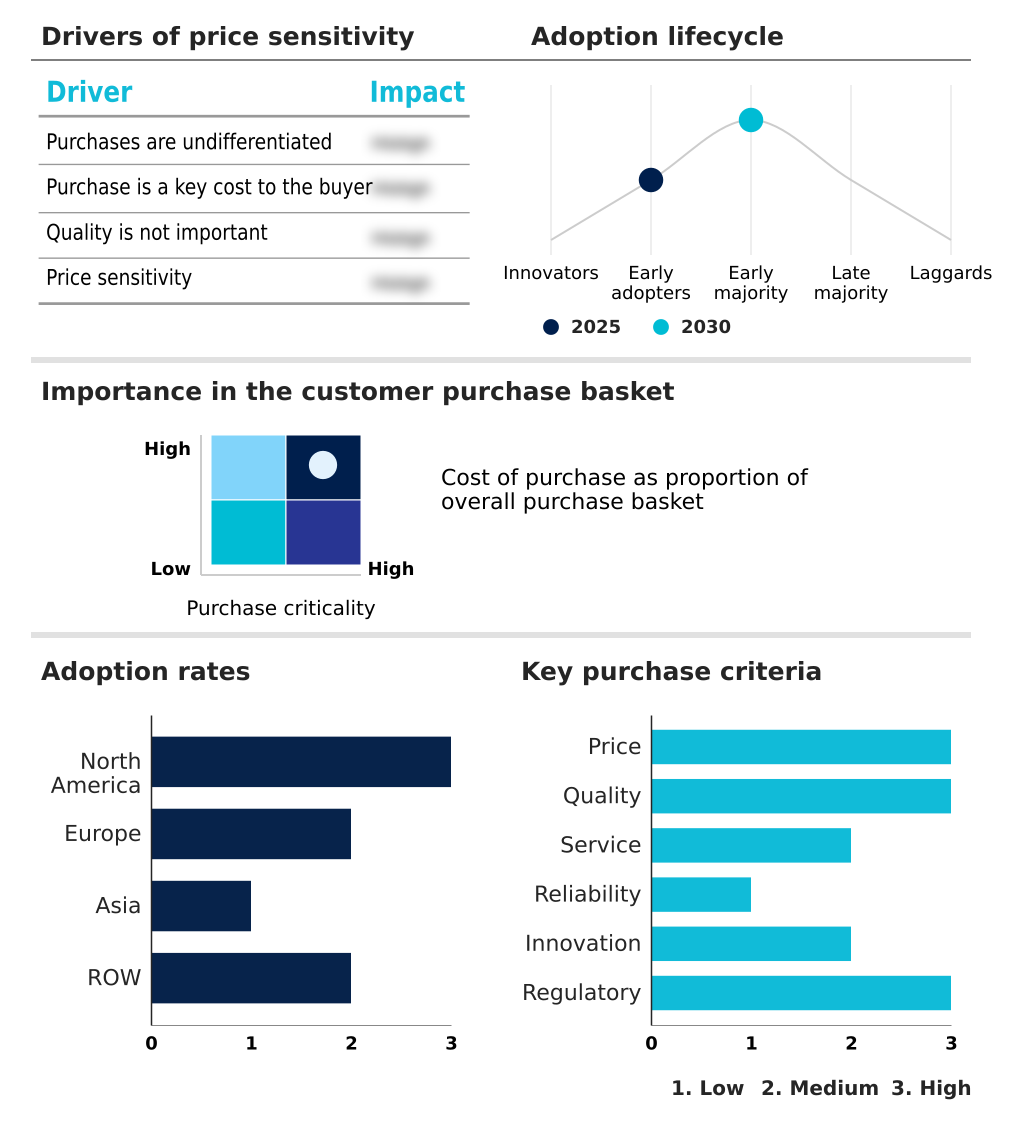
Customer Landscape of Bronchitis Treatment Industry
Competitive Landscape
Companies are implementing various strategies, such as strategic alliances, bronchitis treatment market forecast, partnerships, mergers and acquisitions, geographical expansion, and product/service launches, to enhance their presence in the industry.
Abbott Laboratories - Provides solutions for managing respiratory inflammation and bronchial conditions, supporting relief of bronchial inflammation and airflow obstruction with targeted therapeutic interventions.
The industry research and growth report includes detailed analyses of the competitive landscape of the market and information about key companies, including:
- Abbott Laboratories
- Astellas Pharma Inc.
- AstraZeneca Plc
- Boehringer Ingelheim GmbH
- Chiesi Farmaceutici S.p.A.
- Cipla Inc.
- Dr. Reddys Laboratories Ltd.
- F. Hoffmann La Roche Ltd.
- GlaxoSmithKline Plc
- Glenmark Pharmaceuticals Ltd.
- Lupin Ltd.
- Mankind Pharma Ltd.
- Merck and Co. Inc.
- Novartis AG
- Pfizer Inc.
- Sanofi SA
- Sun Pharmaceutical Industries
- Teva Pharmaceutical Ltd.
- Torrent Pharmaceuticals Ltd.
Qualitative and quantitative analysis of companies has been conducted to help clients understand the wider business environment as well as the strengths and weaknesses of key industry players. Data is qualitatively analyzed to categorize companies as pure play, category-focused, industry-focused, and diversified; it is quantitatively analyzed to categorize companies as dominant, leading, strong, tentative, and weak.
Recent Development and News in Bronchitis treatment market
- In November 2024, GlaxoSmithKline Plc announced a strategic collaboration to integrate AI-driven diagnostic tools into its respiratory care platforms, aiming to improve early detection of chronic bronchitis.
- In February 2025, Teva Pharmaceutical Ltd. launched a new generic version of a widely used combination inhaler, increasing market access to affordable chronic bronchitis management options.
- In April 2025, TytoCare received clearance from the United States Food and Drug Administration for its AI-powered diagnostic device, Tyto Insights, designed to identify abnormal lung sounds indicative of bronchitis.
- In May 2025, Thirona partnered with the COPD Foundation to deploy its advanced lung image analysis software, enhancing the quantitative assessment of chronic obstructive pulmonary disease and related conditions.
Dive into Technavio’s robust research methodology, blending expert interviews, extensive data synthesis, and validated models for unparalleled Bronchitis Treatment Market insights. See full methodology.
| Market Scope | |
|---|---|
| Page number | 285 |
| Base year | 2025 |
| Historic period | 2020-2024 |
| Forecast period | 2026-2030 |
| Growth momentum & CAGR | Accelerate at a CAGR of 3.3% |
| Market growth 2026-2030 | USD 802.8 million |
| Market structure | Fragmented |
| YoY growth 2025-2026(%) | 3.2% |
| Key countries | US, Canada, Mexico, Germany, UK, France, Italy, Spain, The Netherlands, China, India, Japan, South Korea, Indonesia, Thailand, Brazil, Saudi Arabia, UAE, South Africa, Turkey, Argentina, Colombia and Israel |
| Competitive landscape | Leading Companies, Market Positioning of Companies, Competitive Strategies, and Industry Risks |
Research Analyst Overview
- The market is fundamentally shifting from managing acute bronchitis episodes to modifying the progression of chronic bronchitis and chronic obstructive pulmonary disease. This evolution is driven by advanced pharmacological interventions, including novel biologic therapies and fixed-dose combination therapies that target underlying bronchial inflammation.
- The development of specialized anti-inflammatory drugs and cytokine inhibitors for the eosinophilic phenotype highlights a move toward precision medicine. This trend requires a strategic pivot in boardroom-level R&D budgeting, reallocating funds from broad-spectrum respiratory antibiotics to high-value monoclonal antibodies and long-acting muscarinic antagonists.
- Innovations in respiratory diagnostic tools and delivery systems, such as advanced metered-dose inhalers and nebulizer technology, are critical for managing respiratory inflammation and preventing pulmonary exacerbations. Firms leveraging AI in clinical data analysis are accelerating drug development timelines by up to 30%, a significant competitive advantage in this dynamic landscape.
- The use of corticosteroids, bronchodilators, and mucolytic agents remains central to standard care.
What are the Key Data Covered in this Bronchitis Treatment Market Research and Growth Report?
-
What is the expected growth of the Bronchitis Treatment Market between 2026 and 2030?
-
USD 802.8 million, at a CAGR of 3.3%
-
-
What segmentation does the market report cover?
-
The report is segmented by Drug Class (Antibiotics, Anti inflammatory drugs, and Bronchodilator), Type (Acute bronchitis, and Chronic bronchitis), Route of Administration (Oral, Parenteral, and Inhalation) and Geography (North America, Europe, Asia, Rest of World (ROW))
-
-
Which regions are analyzed in the report?
-
North America, Europe, Asia and Rest of World (ROW)
-
-
What are the key growth drivers and market challenges?
-
Rising chronic respiratory conditions and environmental degradation, High costs of advanced therapeutics and inequitable market access
-
-
Who are the major players in the Bronchitis Treatment Market?
-
Abbott Laboratories, Astellas Pharma Inc., AstraZeneca Plc, Boehringer Ingelheim GmbH, Chiesi Farmaceutici S.p.A., Cipla Inc., Dr. Reddys Laboratories Ltd., F. Hoffmann La Roche Ltd., GlaxoSmithKline Plc, Glenmark Pharmaceuticals Ltd., Lupin Ltd., Mankind Pharma Ltd., Merck and Co. Inc., Novartis AG, Pfizer Inc., Sanofi SA, Sun Pharmaceutical Industries, Teva Pharmaceutical Ltd. and Torrent Pharmaceuticals Ltd.
-
Market Research Insights
- The market is defined by dynamic shifts in treatment protocols and a strong focus on improving therapeutic outcomes. The emphasis on enhancing patient adherence has led to innovations in drug delivery systems, with the integration of digital health platforms resulting in a 25% improvement in compliance with prescribed therapeutic regimens.
- Concurrently, advancements in diagnostic precision have reduced misdiagnosis rates by 15%, ensuring patients receive optimal pharmacological solutions from the outset. This move toward evidence-based care is bolstered by the development of novel pharmacotherapy options that offer superior clinical efficacy.
- These improvements are not just clinical; they translate into tangible business benefits by lowering hospital readmission rates and streamlining the pathway from diagnosis to effective maintenance therapy, ultimately optimizing healthcare resource utilization.
We can help! Our analysts can customize this bronchitis treatment market research report to meet your requirements.
 RIA -
RIA -