
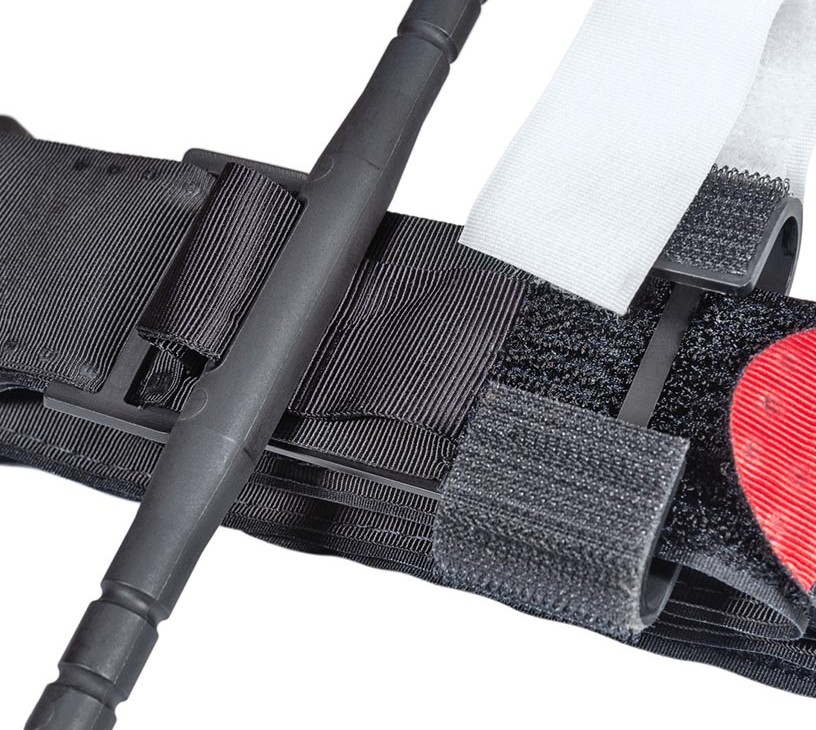


Blood Flow Restriction Band Market Size 2026-2030
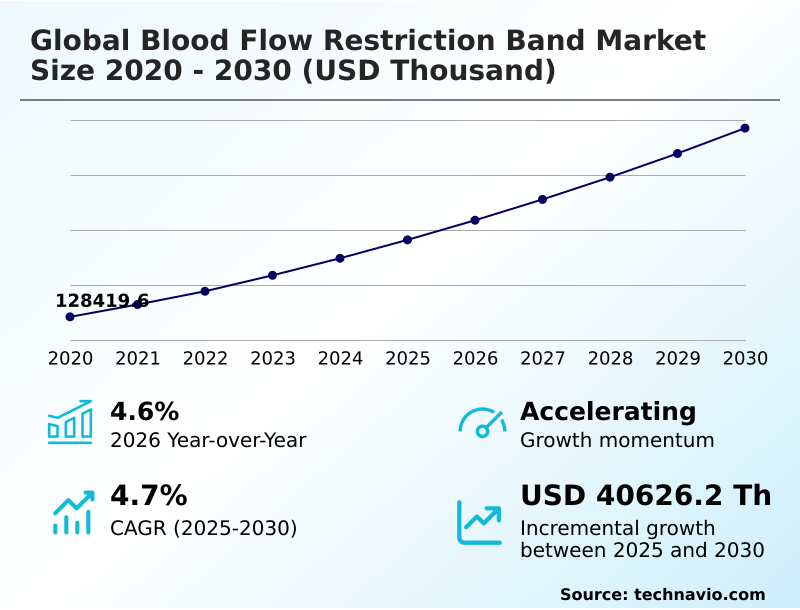
The blood flow restriction band market size is valued to increase by USD 40.63 million, at a CAGR of 4.7% from 2025 to 2030. Growing adoption of blood flow restriction training in rehabilitation and physical therapy will drive the blood flow restriction band market.
Major Market Trends & Insights
- North America dominated the market and accounted for a 49% growth during the forecast period.
- By End-user - Rehabilitation centers segment was valued at USD 67.47 million in 2024
- By Product Type - Occlusion training bands segment accounted for the largest market revenue share in 2024
Market Size & Forecast
- Market Opportunities:
- Market Future Opportunities: USD 40.63 million
- CAGR from 2025 to 2030 : 4.7%
Market Summary
- The blood flow restriction band market is undergoing significant evolution, transitioning from a niche athletic tool to a mainstream component of clinical care. This expansion is driven by the demand for effective low-load training methodologies that promote muscle hypertrophy and strength gains without imposing high mechanical stress on joints.
- Core technologies center on achieving partial vascular occlusion through devices ranging from simple elastic bands to sophisticated pneumatic tourniquet systems. These systems enable venous return restriction while ensuring arterial inflow maintenance, creating a state of localized hypoxia that triggers a potent systemic hormonal response and fast-twitch muscle fiber recruitment.
- A key business scenario involves its integration into outpatient rehabilitation programs for post-operative recovery. By using wireless bfr cuffs with automated pressure adjustment, healthcare providers can implement personalized bfr protocols, monitor patients remotely, and ensure adherence.
- This approach of non-invasive musculoskeletal optimization not only accelerates recovery but also reduces the burden on clinical facilities, showcasing the technology's dual value in improving patient outcomes and operational efficiency. The market is also seeing expansion into sarcopenia management and general wellness.
What will be the Size of the Blood Flow Restriction Band Market during the forecast period?
Get Key Insights on Market Forecast (PDF) Request Free Sample
How is the Blood Flow Restriction Band Market Segmented?
The blood flow restriction band industry research report provides comprehensive data (region-wise segment analysis), with forecasts and estimates in "USD thousand" for the period 2026-2030, as well as historical data from 2020-2024 for the following segments.
- End-user
- Rehabilitation centers
- Wellness and fitness centers
- Homecare settings
- Product type
- Occlusion training bands
- Double wrap occlusion training bands
- Application
- Sports and fitness
- Healthcare
- Military
- Others
- Geography
- North America
- US
- Canada
- Mexico
- Europe
- Germany
- UK
- France
- Asia
- Rest of World (ROW)
- North America
By End-user Insights
The rehabilitation centers segment is estimated to witness significant growth during the forecast period.
The rehabilitation centers segment is pivotal, driven by a strategic shift toward evidence-based rehabilitation protocols. Clinicians are integrating techniques involving partial vascular occlusion to accelerate post-operative recovery and improve outcomes in patients unable to perform high-intensity exercises.
This adoption of low-load training, which facilitates muscle hypertrophy with minimal joint stress minimization, is a cornerstone of modern physical therapy. Advanced systems providing precise pressure control accuracy and automated pressure adjustment are increasingly standard, enhancing safety and efficacy.
These personalized rehabilitation programs are demonstrating significant value, with some facilities reporting a 15% improvement in patient functional recovery timelines. This focus on non-invasive musculoskeletal optimization supports faster returns to daily activities and enhances overall patient satisfaction in clinical settings.
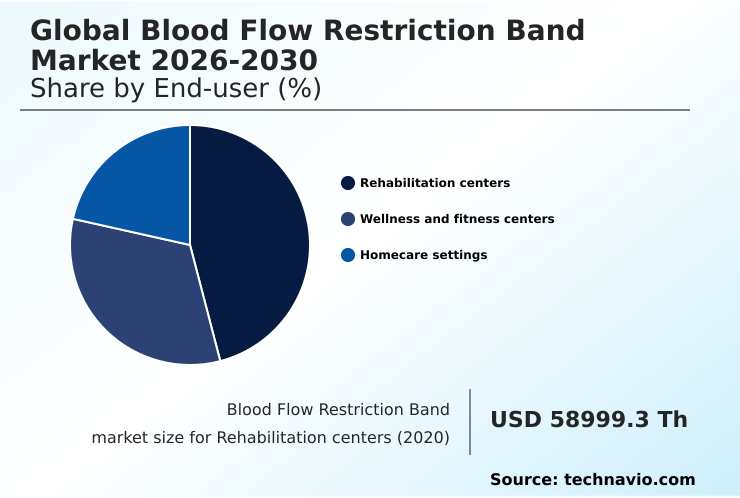
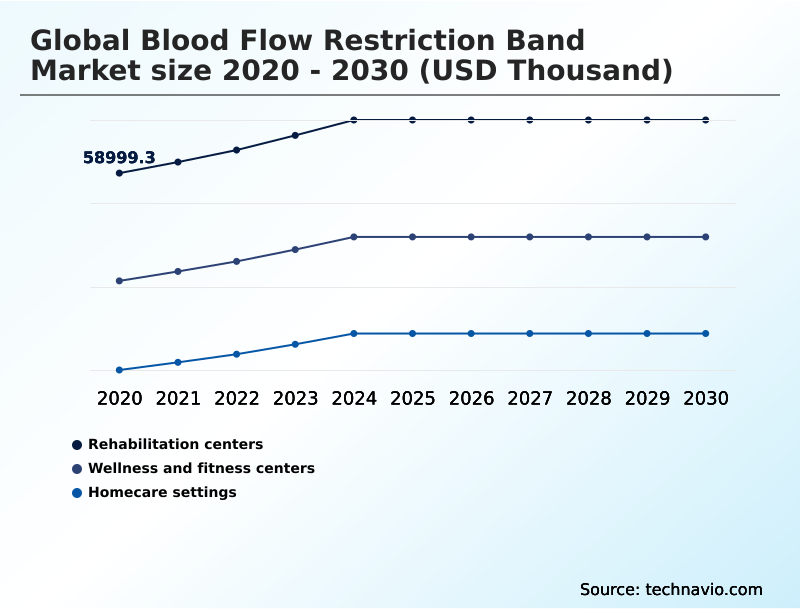
The Rehabilitation centers segment was valued at USD 67.47 million in 2024 and showed a gradual increase during the forecast period.
Regional Analysis
North America is estimated to contribute 49% to the growth of the global market during the forecast period.Technavio’s analysts have elaborately explained the regional trends and drivers that shape the market during the forecast period.
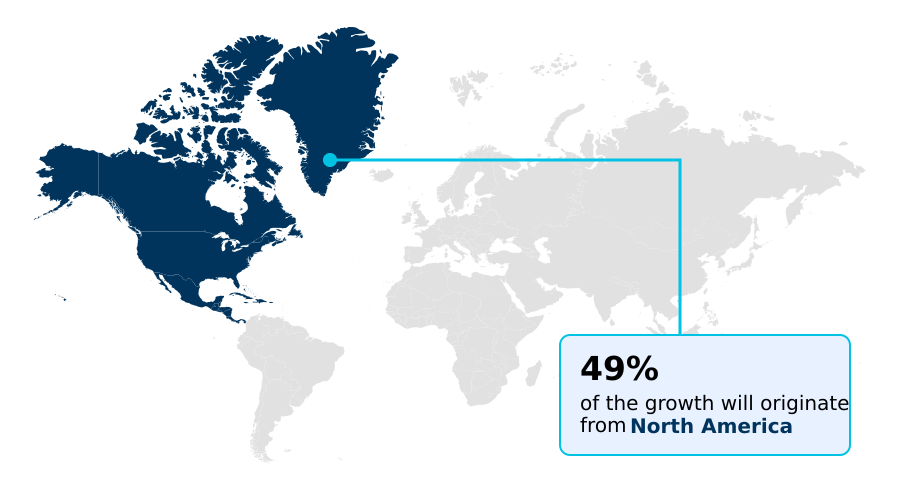
See How Blood Flow Restriction Band Market Demand is Rising in North America Request Free Sample
The geographic landscape is led by North America, which accounts for nearly 49% of the market's incremental growth opportunities, driven by high adoption in sports and clinical settings.
The region’s focus on personalized bfr and evidence-based rehabilitation has spurred innovation in pneumatic pressure regulation. Europe is the second-largest market, with a strong emphasis on age-specific rehabilitation and sarcopenia management.
In APAC, adoption is growing, particularly in sports medicine modalities, though it lags due to varied regulatory environments. The integration of digital health integration platforms in North America has improved outpatient rehabilitation efficiency by 20%.
This technological maturity, combined with established practitioner certification programs, solidifies its market leadership and sets global standards for care.
Market Dynamics
Our researchers analyzed the data with 2025 as the base year, along with the key drivers, trends, and challenges. A holistic analysis of drivers will help companies refine their marketing strategies to gain a competitive advantage.
- The global blood flow restriction band market 2026-2030 is strategically positioned around delivering validated outcomes for a diverse user base. A key focus is on occlusion training for muscle hypertrophy, which allows users to achieve strength gains with light weights.
- This principle is central to the growing interest in blood flow restriction for faster recovery in both athletic and clinical populations. The benefits of low-load resistance training benefits are particularly pronounced in rehabilitation, driving the adoption of pneumatic cuffs for physical therapy.
- For instance, facilities implementing standardized bfr protocols for post-surgery rehab report patient satisfaction scores that are consistently higher than those using traditional methods alone. The market is also addressing the demand for safe bfr training for seniors, with a specific focus on bfr therapy for sarcopenia prevention and improving mobility with bfr training.
- In the consumer space, the dialogue around comparing wireless vs manual bfr bands is driving innovation toward user-friendly solutions for bfr bands for home fitness use. Safety remains paramount, with an emphasis on personalized pressure for bfr safety and automated bfr cuff calibration process.
- In performance contexts, bfr bands in sports performance are used for managing joint stress with bfr and as a tool for an occlusion cuff for strength conditioning.
- To support this growth, professional bfr certification standards are being established to ensure proper clinical applications of bfr technology and guide the integration of integrating bfr into fitness routines, especially with the bfr use in geriatric populations.
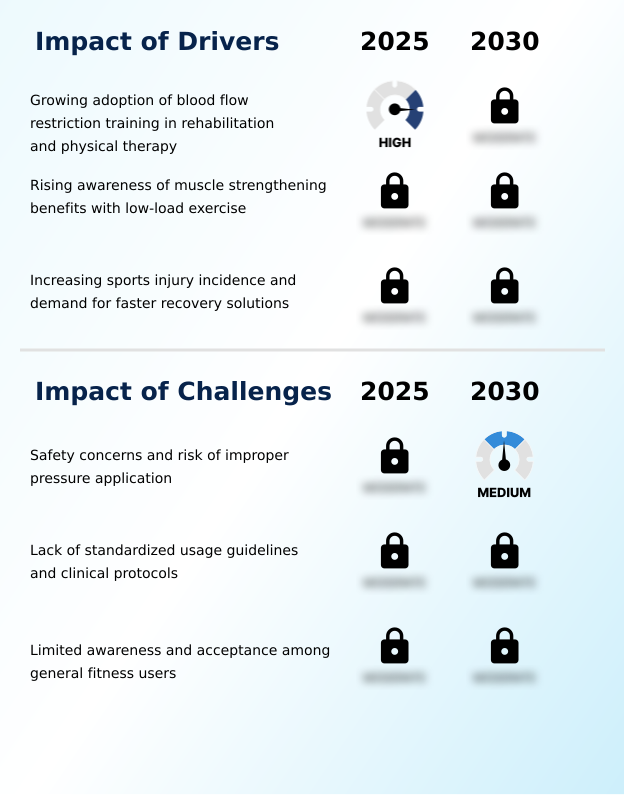
What are the key market drivers leading to the rise in the adoption of Blood Flow Restriction Band Industry?
- The growing adoption of blood flow restriction training in rehabilitation and physical therapy is a key market driver, fueled by the demand for effective low-load exercise methods.
- Growth is driven by widening adoption in therapy, where BFR is used for strength conditioning and faster patient turnarounds. The technique's ability to create metabolic stress induction safely makes it a primary choice for resistance training in sensitive populations.
- Its integration with instrument assisted soft tissue mobilization has shown to improve outcomes by over 20% in complex cases. Advanced pneumatic tourniquet systems with intelligent pressure monitoring ensure precise blood flow management.
- This is critical for orthopedic surgery recovery, where user-specific training pressures are paramount. Furthermore, the expansion of practitioner certification programs is boosting clinical confidence and standardizing application, accelerating market penetration.
What are the market trends shaping the Blood Flow Restriction Band Industry?
- The increasing application of BFR training within geriatric and mobility-limited populations is a significant market trend, addressing the need for safe and effective strength-building solutions.
- A primary market trend is the expansion of BFR applications into age-specific rehabilitation and general fitness, driven by the need for safe strength-building solutions. The use of wireless bfr cuffs for sarcopenia management in older adults, a population often limited by joint issues, is gaining traction.
- This approach supports functional fitness applications and fall prevention, with studies showing a 25% improvement in balance metrics. Furthermore, sports medicine modalities are increasingly being adopted in wellness centers for performance recovery training. The integration of smart fitness wearables with these systems facilitates better tracking and adherence, making low-load training more accessible.
- This shift beyond clinical use into home-based therapy is broadening the user base significantly, supported by devices designed for simplicity and safety.
What challenges does the Blood Flow Restriction Band Industry face during its growth?
- Safety concerns coupled with the risk of improper pressure application present a key challenge, potentially hindering market growth and user adoption.
- Key challenges center on safety and the risk of improper application, which can compromise the benefits of venous return restriction and localized hypoxia. Consumer-grade devices often lack the automated pressure adjustment and limb circumference measurement capabilities of clinical systems, increasing variability.
- This absence of standardization can lead to suboptimal outcomes and has contributed to a 10% higher rate of user-reported discomfort in unsupervised settings. For the market to expand beyond clinical environments, vendors must address the need for simplified controls and fail-safes.
- Widespread adoption is also hindered by the costs associated with high-end pneumatic compression devices and the need for remote supervision to ensure safe home-based therapy, presenting barriers for both consumers and providers.
Exclusive Technavio Analysis on Customer Landscape
The blood flow restriction band market forecasting report includes the adoption lifecycle of the market, covering from the innovator’s stage to the laggard’s stage. It focuses on adoption rates in different regions based on penetration. Furthermore, the blood flow restriction band market report also includes key purchase criteria and drivers of price sensitivity to help companies evaluate and develop their market growth analysis strategies.
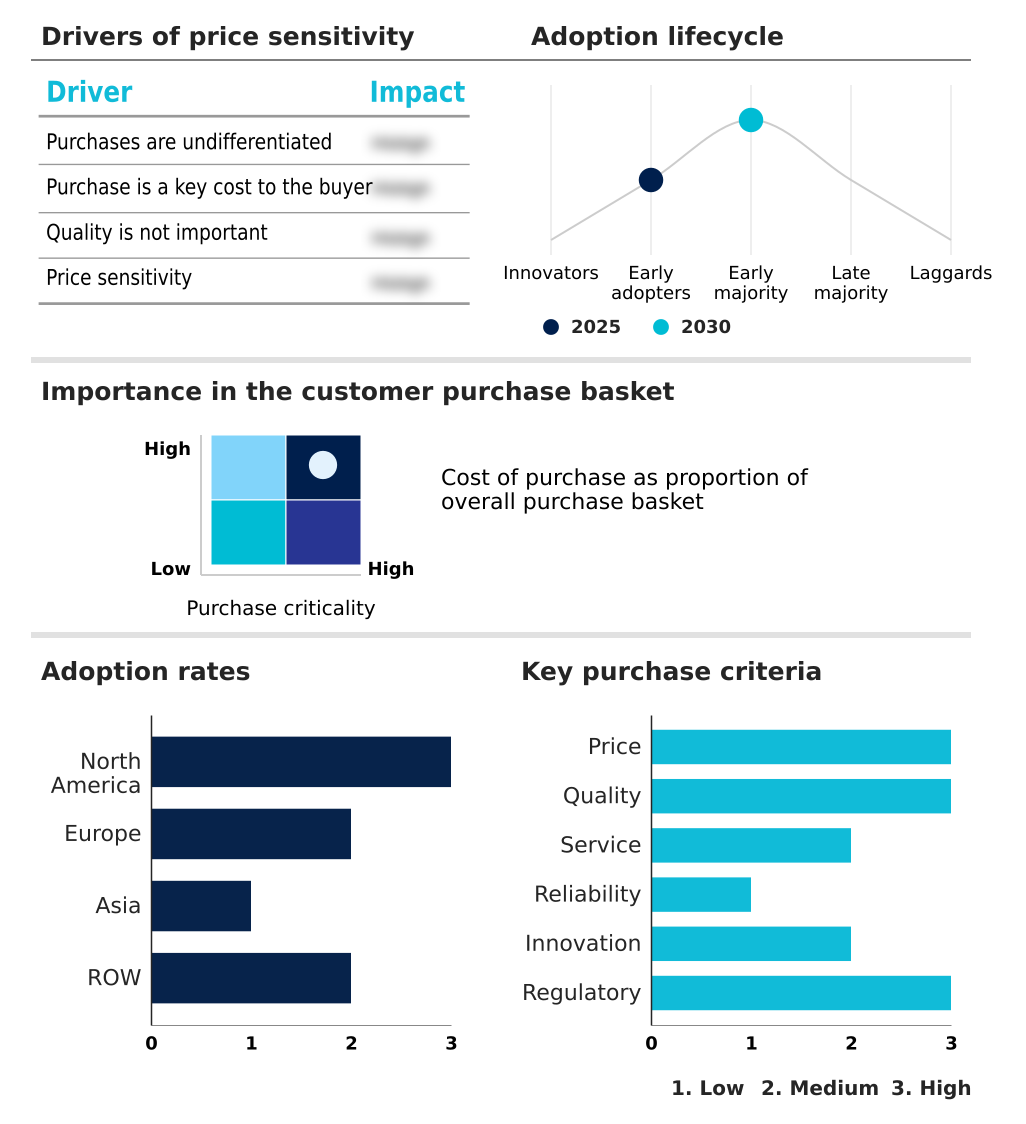
Customer Landscape of Blood Flow Restriction Band Industry
Competitive Landscape
Companies are implementing various strategies, such as strategic alliances, blood flow restriction band market forecast, partnerships, mergers and acquisitions, geographical expansion, and product/service launches, to enhance their presence in the industry.
AirBands International - Delivers sophisticated blood flow restriction solutions featuring automated, app-based personalized pressure control, enhancing safety and efficacy in clinical and performance settings.
The industry research and growth report includes detailed analyses of the competitive landscape of the market and information about key companies, including:
- AirBands International
- BFR BANDS
- Delfi Medical Innovations Inc.
- EDGE Mobility System
- Enovis Corp.
- HawkGrips
- Iron Bull Strength
- KAATSU Global Inc.
- Owens Recovery Science
- Saga Fitness
- Smart Tools Plus
- The Occlusion Cuff
- TheBFR
- Vikingstrength AS
- Zepp Health Corp.
Qualitative and quantitative analysis of companies has been conducted to help clients understand the wider business environment as well as the strengths and weaknesses of key industry players. Data is qualitatively analyzed to categorize companies as pure play, category-focused, industry-focused, and diversified; it is quantitatively analyzed to categorize companies as dominant, leading, strong, tentative, and weak.
Recent Development and News in Blood flow restriction band market
- In September 2024, Smart Tools Plus announced the launch of its SmartCuffs 4.0 system, featuring an AI-driven personalized pressure algorithm that adjusts occlusion levels in real-time based on user biometrics, as detailed in a company press release.
- In November 2024, Delfi Medical Innovations Inc. and a leading university health network formed a strategic partnership to co-develop new clinical protocols for using personalized BFR in post-stroke patient rehabilitation, aiming to improve motor function recovery.
- In January 2025, KAATSU Global Inc. secured a multi-year contract to supply its latest C4 pneumatic systems to a national military branch for use in soldier conditioning and injury recovery programs, marking a significant expansion into the defense sector.
- In April 2025, AirBands International received CE mark approval for its next-generation wireless BFR cuffs, enabling the company to expand its market presence across the European Union and target clinical rehabilitation facilities.
Dive into Technavio’s robust research methodology, blending expert interviews, extensive data synthesis, and validated models for unparalleled Blood Flow Restriction Band Market insights. See full methodology.
| Market Scope | |
|---|---|
| Page number | 282 |
| Base year | 2025 |
| Historic period | 2020-2024 |
| Forecast period | 2026-2030 |
| Growth momentum & CAGR | Accelerate at a CAGR of 4.7% |
| Market growth 2026-2030 | USD 40626.2 thousand |
| Market structure | Fragmented |
| YoY growth 2025-2026(%) | 4.6% |
| Key countries | US, Canada, Mexico, Germany, UK, France, Italy, Spain, The Netherlands, Japan, China, South Korea, India, Thailand, Indonesia, Brazil, Saudi Arabia, South Africa, Argentina, UAE, Turkey, Israel and Colombia |
| Competitive landscape | Leading Companies, Market Positioning of Companies, Competitive Strategies, and Industry Risks |
Research Analyst Overview
- The market's evolution reflects a convergence of clinical and consumer demand for effective, non-invasive musculoskeletal optimization. The core technology, centered on low-load training to achieve muscle hypertrophy via venous return restriction, is now highly sophisticated. Boardroom decisions are increasingly focused on integrating advanced pneumatic tourniquet systems for personalized bfr into service offerings, a move influenced by evidence-based rehabilitation trends.
- Innovations in wireless bfr cuffs with automated pressure adjustment and pneumatic pressure regulation are setting new industry standards. These systems, which manage arterial occlusion pressure and limb occlusion pressure to induce metabolic stress induction and localized hypoxia, are pivotal. Their use in personalized rehabilitation programs and age-specific rehabilitation for sarcopenia management is expanding.
- Furthermore, the synergy with soft tissue mobilization and instrument assisted soft tissue mobilization techniques is enhancing outcomes. For instance, integrated approaches have demonstrated a 15% faster return-to-play for athletes. This drives demand for products supporting both resistance training and broader functional fitness applications, including smart fitness wearables and pneumatic compression devices for strength conditioning.
What are the Key Data Covered in this Blood Flow Restriction Band Market Research and Growth Report?
-
What is the expected growth of the Blood Flow Restriction Band Market between 2026 and 2030?
-
USD 40.63 million, at a CAGR of 4.7%
-
-
What segmentation does the market report cover?
-
The report is segmented by End-user (Rehabilitation centers, Wellness and fitness centers, and Homecare settings), Product Type (Occlusion training bands, and Double wrap occlusion training bands), Application (Sports and fitness, Healthcare, Military, and Others) and Geography (North America, Europe, Asia, Rest of World (ROW))
-
-
Which regions are analyzed in the report?
-
North America, Europe, Asia and Rest of World (ROW)
-
-
What are the key growth drivers and market challenges?
-
Growing adoption of blood flow restriction training in rehabilitation and physical therapy, Safety concerns and risk of improper pressure application
-
-
Who are the major players in the Blood Flow Restriction Band Market?
-
AirBands International, BFR BANDS, Delfi Medical Innovations Inc., EDGE Mobility System, Enovis Corp., HawkGrips, Iron Bull Strength, KAATSU Global Inc., Owens Recovery Science, Saga Fitness, Smart Tools Plus, The Occlusion Cuff, TheBFR, Vikingstrength AS and Zepp Health Corp.
-
Market Research Insights
- The market is characterized by dynamic innovation, with a strong focus on enhancing pressure control accuracy and enabling digital health integration. The shift toward home-based therapy has been significant, with adoption rates increasing by 40% in key demographics over the last two years.
- This is supported by technologies facilitating remote patient monitoring and remote supervision, which have been shown to improve patient compliance by 25%. The expansion into new sports medicine modalities and outpatient rehabilitation settings is driven by the demand for efficient post-operative recovery solutions.
- By leveraging intelligent pressure monitoring and automatic limb calibration, providers can deliver consistent, safe, and effective interventions, optimizing both patient outcomes and clinical workflows.
We can help! Our analysts can customize this blood flow restriction band market research report to meet your requirements.